Plaza and centre
Cafés, tours, first visitsThe streets around the plaza, with most hostels, cafés and tour offices.

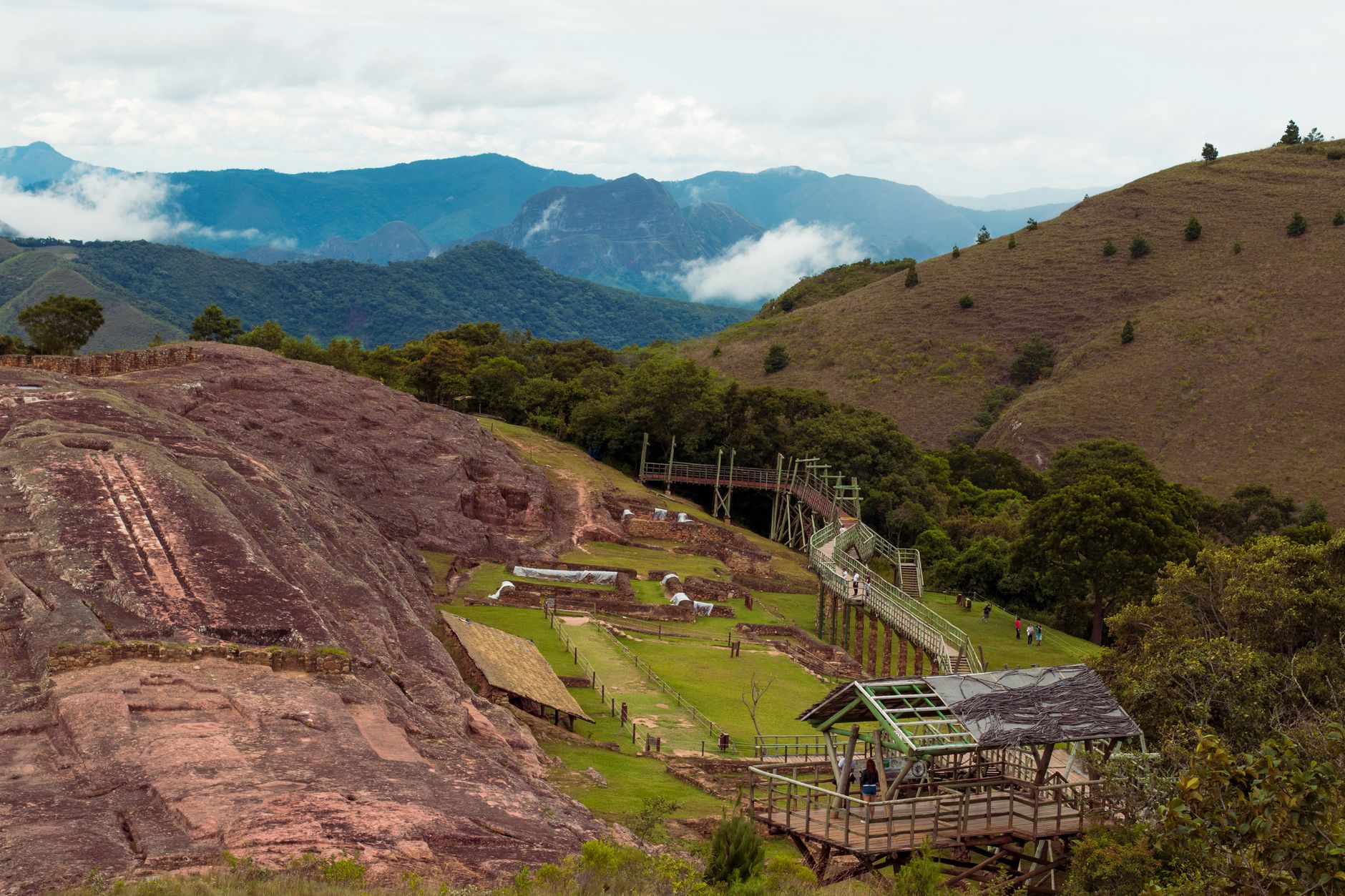
A small, laid-back village in green hills, with pre-Inca ruins on one side and the cloud forests of Amboró on the other. The kind of place where a two-night stop turns into a week.
Samaipata sits at around 1,650 metres in the foothills where the Andes drop towards the Amazon basin, three hours west of Santa Cruz. The climate is spring-like for most of the year, the hills are green, and the village has a mix of Bolivian families, artists and international settlers that gives it a relaxed, creative feel, with good cafés and vegetarian food to match.
Its big sight is El Fuerte de Samaipata, a UNESCO World Heritage Site on a hilltop outside the village: a huge sandstone rock carved with channels, niches and animal figures by pre-Inca peoples, later used by the Incas and the Spanish. It is one of the most unusual archaeological sites in South America.
The other draw is nature. Amboró National Park, one of the most biodiverse parks in the world, starts just north of the village, with cloud forest full of giant tree ferns, waterfalls and birdlife, and condors soar over the ridges nearby. Three or four days lets you see the ruins, a forest hike and a waterfall, with time to enjoy the village.
Samaipata is small and walkable. Stay near the plaza for cafés and tour offices, or on the edge of the village for views and quiet.
The streets around the plaza, with most hostels, cafés and tour offices.
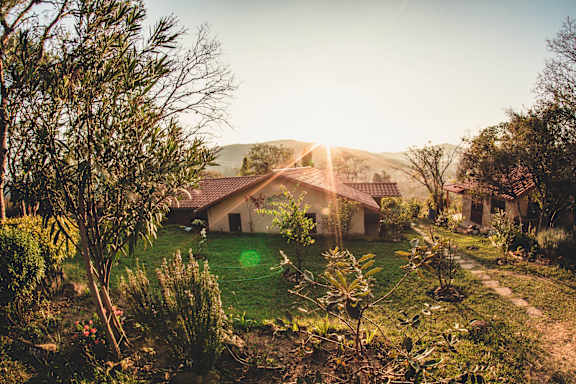
Guesthouses and hostels on the slopes around the village, with valley views and a short walk to the centre.
Orange labels are neighbourhoods, dots are the 7 top-rated hostels. Map data from OpenStreetMap contributors.
El Fuerte comes first. The site is around 9km from the village, reached by taxi or a hike, and the carved rock sits on a ridge with views across the valleys. Walkways circle it, as walking on the rock itself is not allowed, and a small museum in the village is included with the ticket.
Amboró National Park is the other essential day. Guided tours head into the cloud forest to see the giant tree ferns, some of them many metres tall, with chances of birds and monkeys. Guides are required in the park and are arranged through tour offices in the village. The Las Cuevas waterfalls, a series of falls with swimming pools around 20km away, make an easy half day.
For something more strenuous, hikes to condor viewpoints along the ridges are spectacular, and the area's small vineyards and wineries make a gentle afternoon. Back in the village, the animal refuge on the outskirts cares for rescued wildlife.
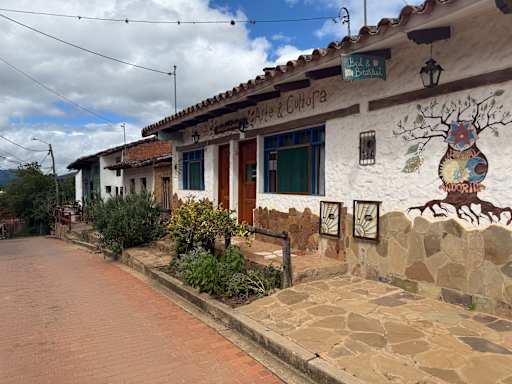
The village itself is the free attraction: a pretty plaza, whitewashed houses with tiled roofs, and lanes that lead out into the hills within minutes.
Short walks from the edge of the village give you viewpoints over the valley, especially at sunset, and the walk towards El Fuerte is lovely even if you take a taxi back.
The Sunday market, when farmers come in from the countryside, is a good look at local life, and the plaza is where everyone gathers in the evening.
For a small Bolivian village, Samaipata eats remarkably well. Years of international settlers have brought bakeries, pizzerias, vegetarian cafés and good coffee, alongside local restaurants serving almuerzos and lowland dishes like majadito.
The market is the place for cheap lunches and fruit, and the bakeries for breakfast before a hike. Local wine from the vineyards around the village is worth trying.
Many hostels have kitchens, and the market's fresh produce makes cooking easy if you are staying longer.
Samaipata's nightlife is a pub, a pizza and a conversation. A handful of bars around the plaza have live music at weekends, and evenings are relaxed and sociable.
On Friday and Saturday nights, visitors from Santa Cruz liven things up, and the village can get busy on long weekends and holidays.
Most nights end early, as tours leave in the morning.
The village is small enough to walk, and taxis wait around the plaza for trips to El Fuerte, the waterfalls and trailheads.
Shared taxis connect Samaipata with Santa Cruz in around three hours along a winding mountain road, leaving when full. Buses are slower and cheaper. Viru Viru airport in Santa Cruz is the nearest major airport.
From Samaipata, the road continues west through the mountains towards Sucre, a long journey usually done by bus via Vallegrande or by returning to Santa Cruz.
Samaipata is good value. Dorm beds run from around €7 to €12, almuerzos cost a few euros, and cafés are cheap by European standards.
The main costs are tours and entry fees: El Fuerte has a ticket for foreigners, and guided trips to Amboró or condor viewpoints cost more, but are cheaper shared in a group. Taxis to the waterfalls charge for the return trip and waiting time.
ATMs in the village are limited, so bring cash from Santa Cruz.
Samaipata is one of the safest places in Bolivia, with a relaxed atmosphere day and night.
The risks are outdoors. In Amboró, go with a guide, as trails can be steep, muddy and easy to lose. Bring water, sun cream and repellent, and wear proper shoes for hikes.
The road from Santa Cruz is winding and can be affected by landslides in the wet season. In an emergency, call 110 for police or 118 for an ambulance.
Ruins, forest and waterfalls, all within an hour or so.
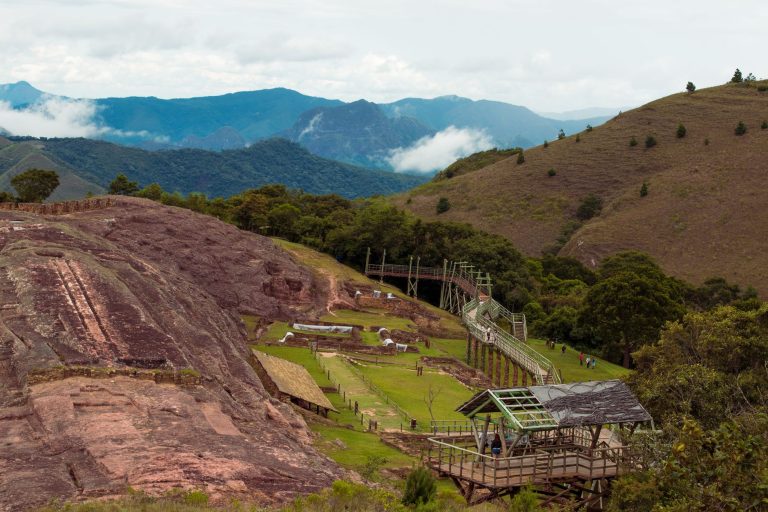
A pre-Inca carved rock and UNESCO World Heritage Site.
A small village calendar.
The best months for trails, waterfalls and condor walks.
The highest-rated hostels in Samaipata, straight from Hostelworld. Prices and availability are live on each property page.


April to October is dry and sunny, the best time for hiking. November to March brings rain and lush green hills, with muddy trails.
Average highs, rounded. Nights are cool all year.
Per night, for one person, based on Samaipata prices.
Treat these as a guide, as prices and exchange rates have moved a lot.
The ones we get asked most.

Compare hostels in Samaipata: live prices, real reviews and free cancellation on most bookings. Then find hiking partners in the app.

 Get the App.



 Get the App.