Calle Caracoles
Restaurants, tour officesThe main street, with agencies, restaurants and hostels close by.

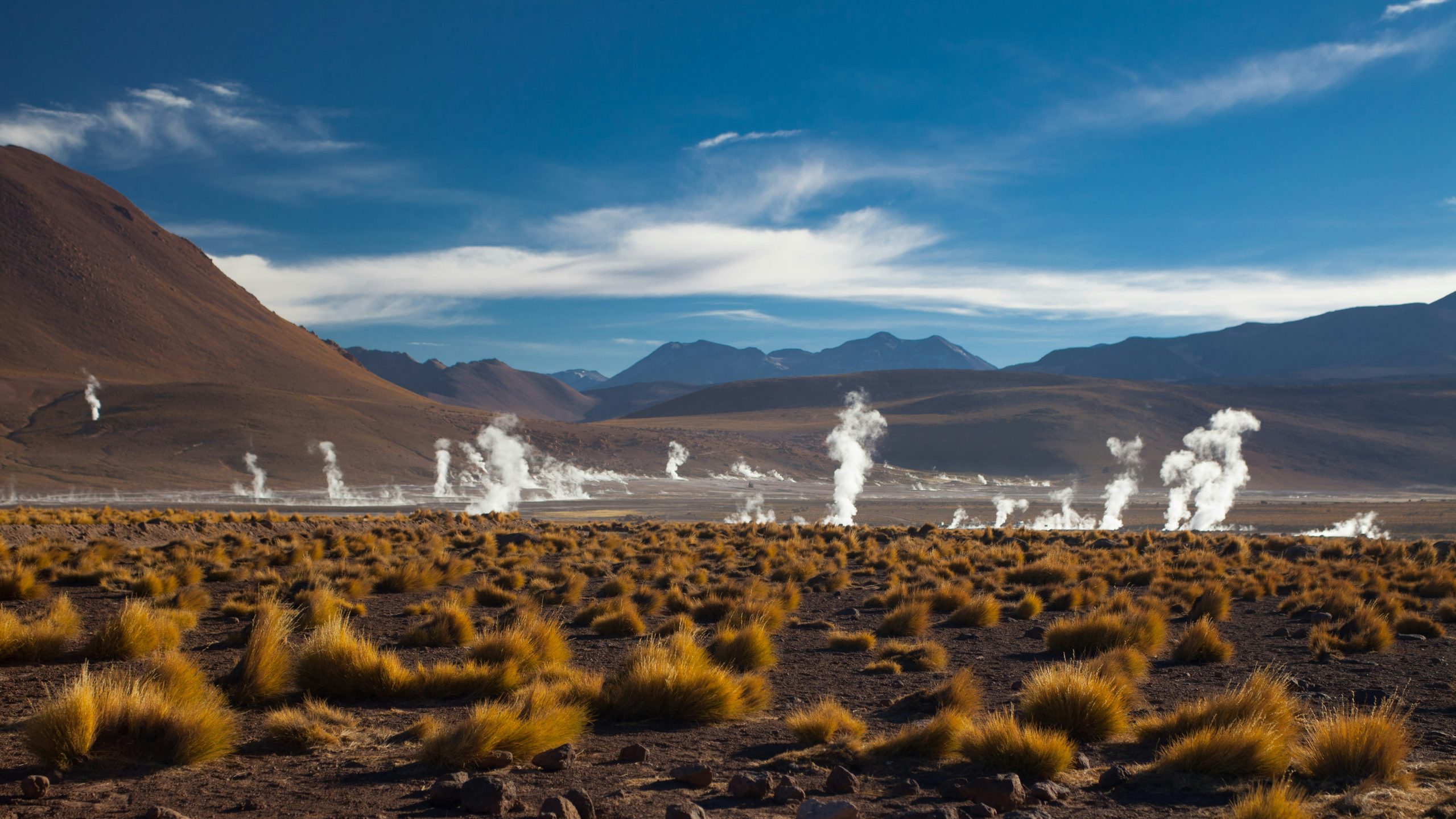
An adobe oasis village in the driest desert on earth, ringed by volcanoes, salt flats, geysers and lagoons. And at night, some of the clearest skies on the planet.
San Pedro de Atacama is a small village of adobe houses and dusty streets at around 2,400 metres, in an oasis of the Atacama Desert in northern Chile. It has been inhabited for thousands of years by the Lickanantay (Atacameño) people, and its whitewashed church and the nearby ruins of Pukará de Quitor tell its long history.
Today the village is a base for exploring one of the most extraordinary landscapes in the world. The Valle de la Luna's eroded ridges glow red at sunset, the El Tatio geysers steam at dawn at more than 4,000 metres, flamingos feed in the Salar de Atacama, and high-altitude lagoons shine blue beneath volcanoes. At night, the dry, high air makes for stargazing as good as anywhere on earth.
Plan on four or five days, building up to the highest trips gradually to acclimatise. Most visitors book tours from the many agencies in town, though cycling to nearby sights is popular too. San Pedro is also the starting point for three-day tours to the Uyuni salt flat in Bolivia.
The village is small. Stay within walking distance of Calle Caracoles, the main street, for restaurants and tour pick-ups. Places on the outskirts are quieter but a dusty walk at night.
The main street, with agencies, restaurants and hostels close by.
The old centre around the church and square.
Hostels further out, quieter and darker, but a dusty walk at night.
Orange labels are neighbourhoods, dots are the 9 top-rated hostels. Map data from OpenStreetMap contributors.
Start with the Valle de la Luna, a short ride from town, for sunset over salt-crusted ridges and dunes. Entry is managed by local Lickanantay communities and tickets are bought online in advance. Laguna Cejar, where the water is so salty you float, and the Ojos del Salar make a good half-day.
When you are acclimatised, go higher. The El Tatio geysers, at around 4,300 metres, are best at dawn, when columns of steam rise into freezing air, so tours leave around 4am. The Altiplanic Lagoons, Miscanti and Miñiques, and the Piedras Rojas sit even higher, under snow-capped volcanoes. The Salar de Atacama and Laguna Chaxa are home to three species of flamingo.
By night, take an astronomy tour with telescopes, as the Atacama has some of the clearest skies in the world and is home to major international observatories. Sandboarding in the Valle de la Muerte and cycling to the Pukará de Quitor ruins are other favourites.
Most of the big sights charge entry fees to the local communities that manage them, but the village itself is free and charming, with its adobe church, square and craft market.
On a clear night, simply walk to the edge of the village away from the lights, and the Milky Way is overhead. Cycling to the viewpoints around town is a cheap way to see the desert, with a bike rental for the day.
The archaeological museum and the old church are small but tell the story of the Lickanantay people.
San Pedro's restaurants cater mainly to visitors, with menus of pizza, pasta and grilled meat alongside Andean dishes. Look for quinoa, llama, rica-rica (a desert herb used in drinks and desserts) and chañar, a desert fruit.
Prices are high for Chile, as most food is brought in from Calama. Many restaurants offer a set lunch menu, the best value meal in town, and the small supermarkets let you cook in your hostel kitchen.
Drink plenty of water and go easy on alcohol, especially before high-altitude trips. A pisco sour flavoured with rica-rica is the local twist.
San Pedro's nightlife is low-key: bars close relatively early and the village has no big clubs. Evenings are about dinner, a drink by a fire, and the stars.
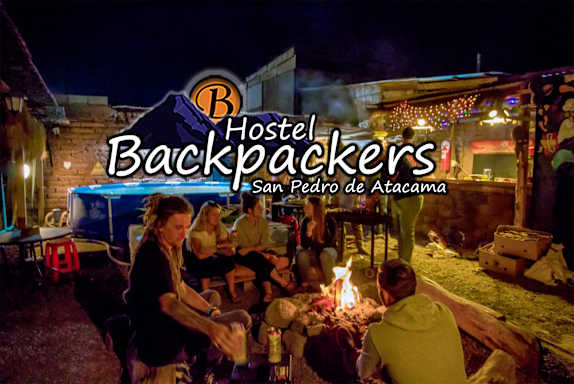
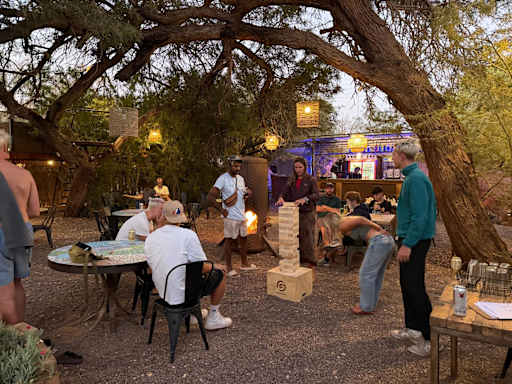
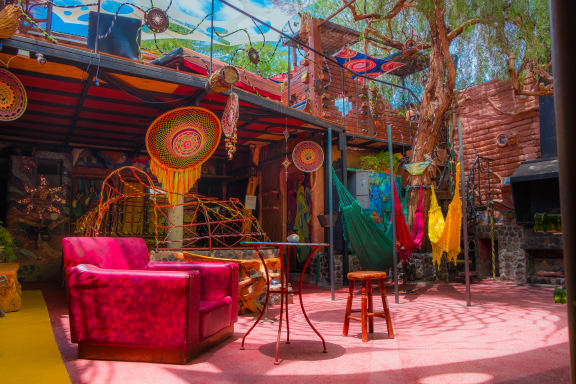
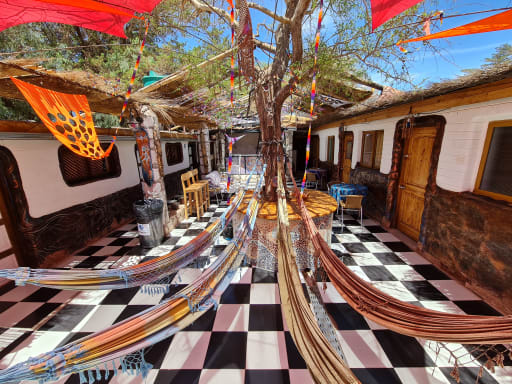
Some restaurants have live Andean music, and hostels are social, with travellers swapping tour tips around fire pits.
Early starts for El Tatio and the lagoons mean most people are in bed early anyway.
The village is small and walkable. Bikes are cheap to rent for nearby sights, and tours provide transport to everything further away.
The nearest airport is in Calama, around an hour and a half away, with flights from Santiago and shuttle buses to San Pedro. Buses also run from Calama, Antofagasta and Arica, and across the Andes to Salta and Jujuy in Argentina.
Three-day tours to the Uyuni salt flat in Bolivia leave from San Pedro, crossing the border at Hito Cajón. Bring your passport and some cash.
San Pedro is one of the most expensive places in Chile. Dorm beds run from around €12 to €25, and food costs more than in the rest of the country.
Tours are the main expense, and so are the entry fees to the sights, each charged separately by the community that manages it. Booking several tours with one agency can bring a discount. Bikes are the cheap alternative for the sights near town.
Cards are widely accepted, but bring cash too, as ATMs in the village can run out at busy times and some entry fees are cash only.
San Pedro is a safe village. The real risks are the environment.
Altitude matters: the village is at around 2,400 metres, but El Tatio and the lagoons are above 4,000. Spend a day or two in town before going higher, drink lots of water, and avoid alcohol before high trips. The sun is fierce and the air very dry, so wear sun cream, a hat and lip balm. Nights are cold, especially on the dawn tours.
On bikes, carry plenty of water and avoid cycling in the heat of the day. In an emergency, call 133 for police or 131 for an ambulance.
Everything here is a short ride, or a long climb, from town.
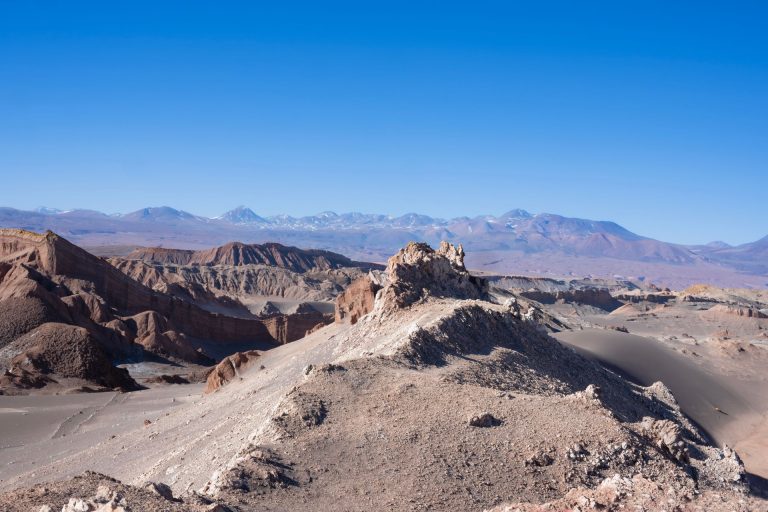
Salt ridges and dunes, best at sunset.
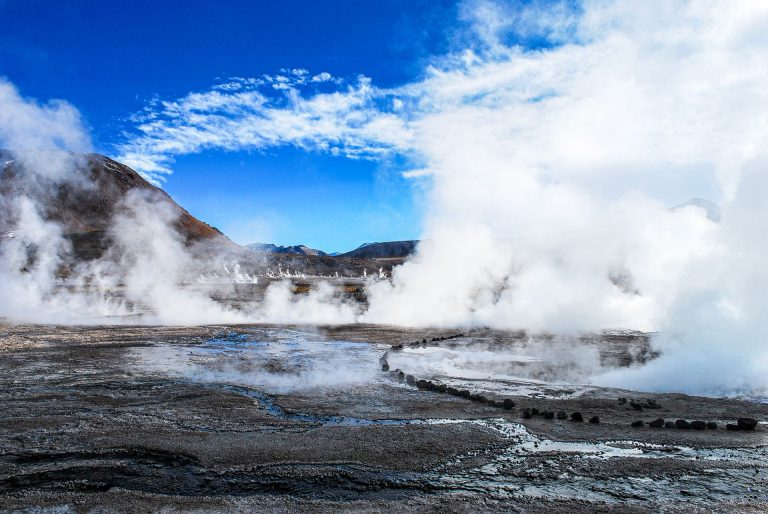
Steaming geysers at around 4,300 metres.
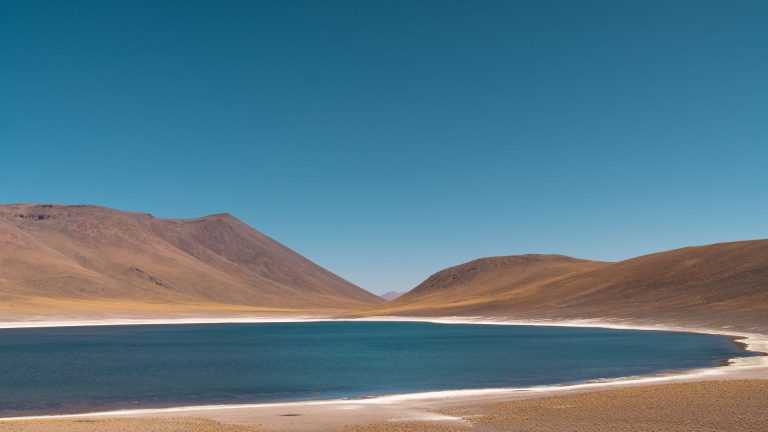
Blue lagoons and red rocks beneath volcanoes.
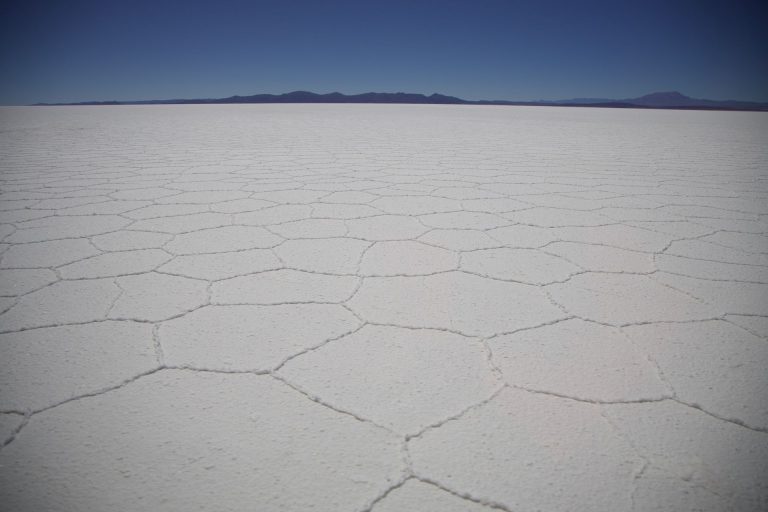
The salt flat via lagoons and geysers, crossing into Bolivia.
Desert festivals and small gatherings around the plaza.

A karaoke event takes place at Perrock on Thursday, Friday, and Saturday evenings, beginning at 10:00 p.m. Participants are invited to perform songs in…
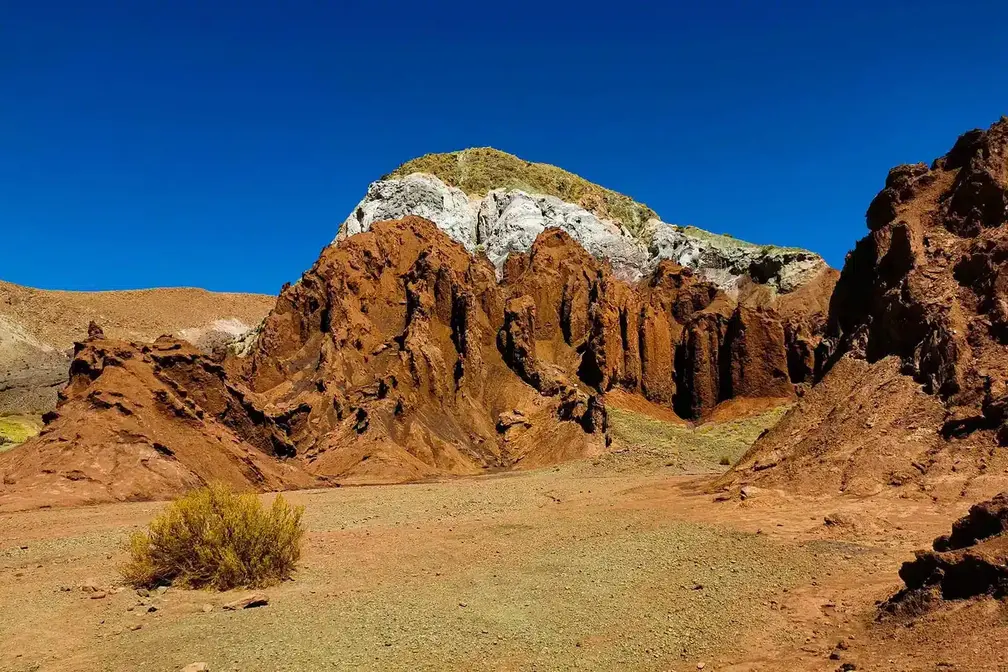
The hills surrounding this valley appear almost painted, with layers of color that shift from reddish Mars-like terrain to softer mineral hues across the…
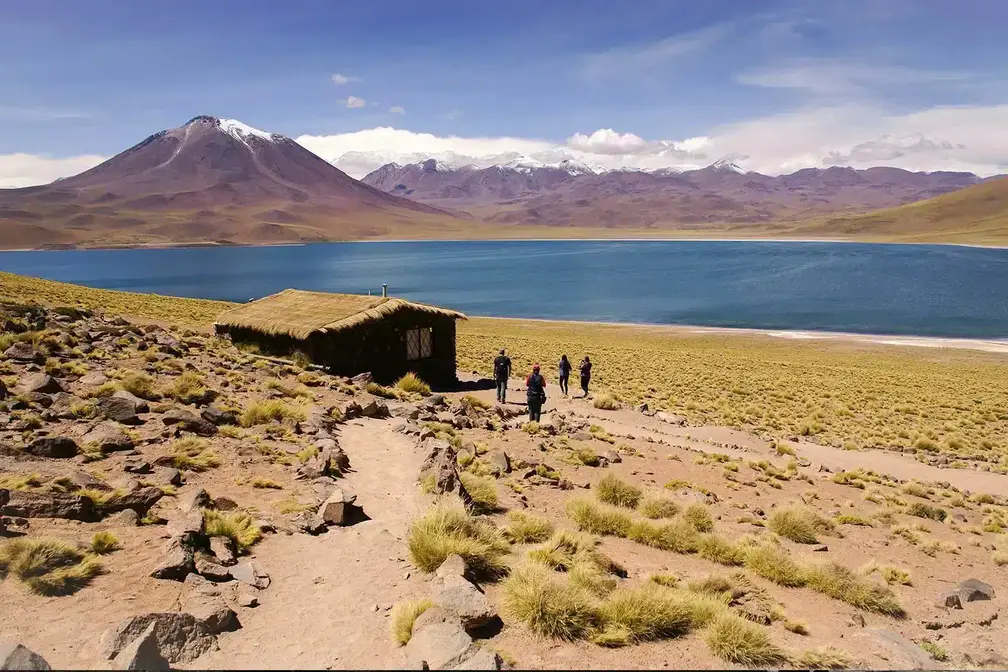
This full-day journey takes you through some of the Atacama's most striking high-altitude landscapes, from the emerald waters of Miscanti and Miñiques lagoons to…
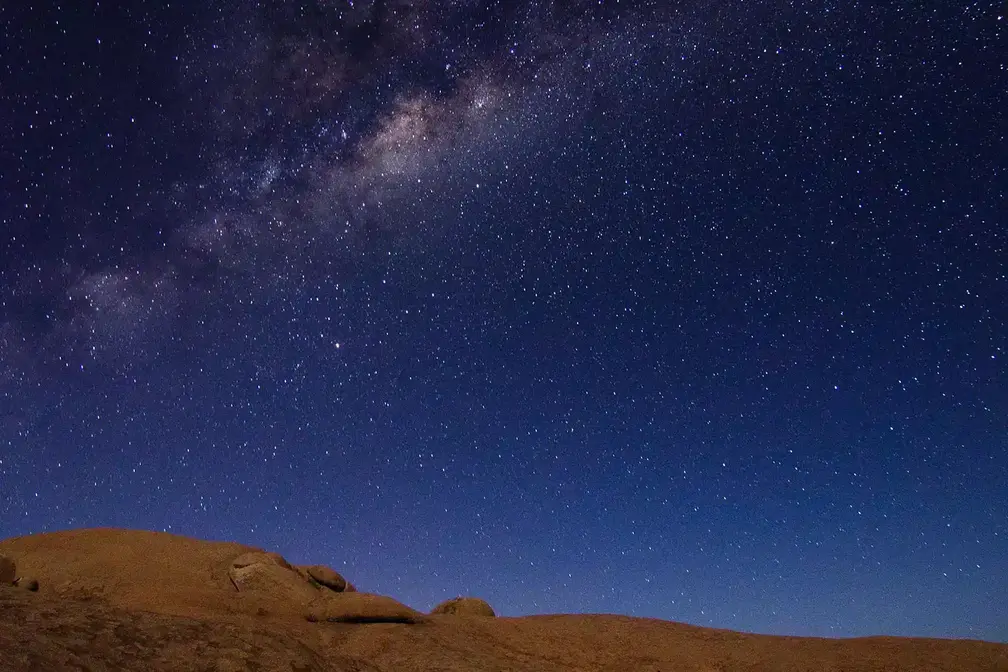
The Atacama Desert's legendary clear skies make this one of the best places on Earth for stargazing, and this evening tour takes you to…
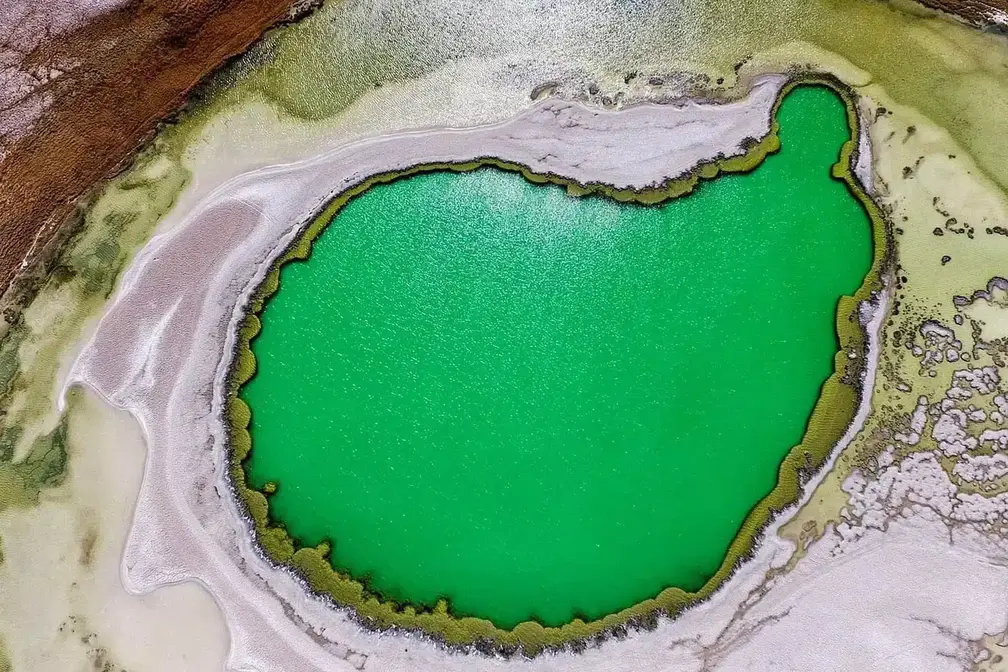
Float effortlessly in the Cejar Lagoon, where the high salt concentration makes sinking impossible — a strange and satisfying sensation worth experiencing. The tour…
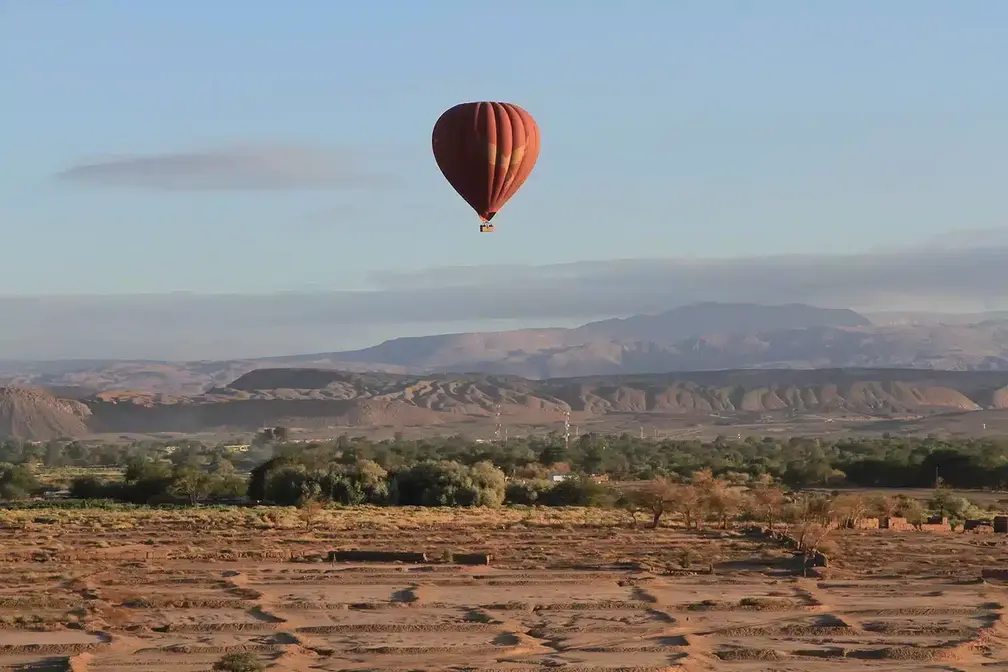
A morning coffee and a hands-on look at how hot air balloons work kick things off before you lift into the sky above the…
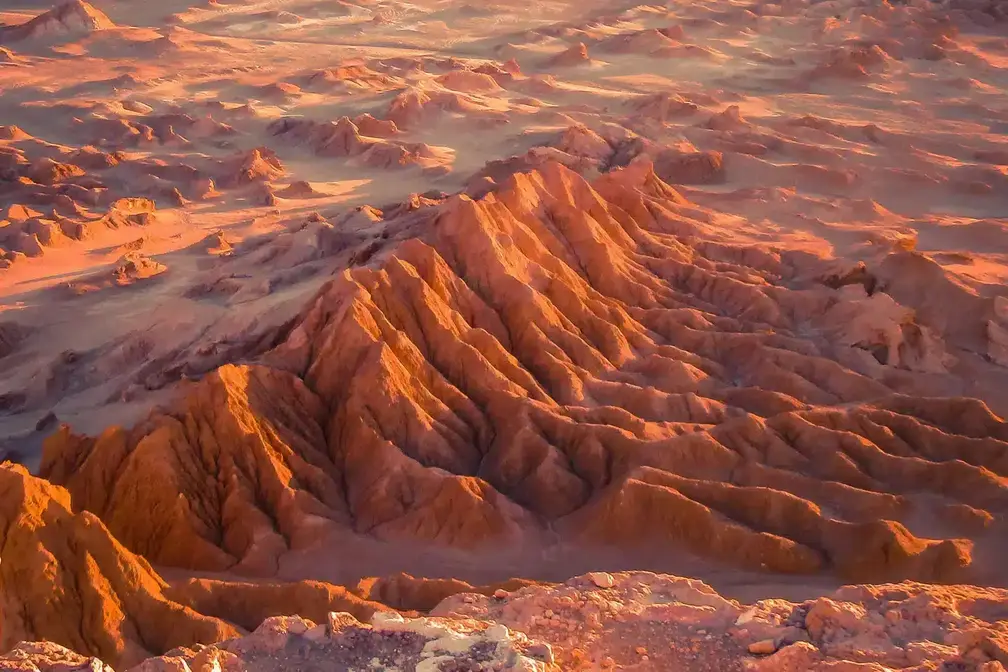
The Moon Valley Tour takes you through one of Earth's most otherworldly landscapes, where wind and time have carved rock formations into strange, beautiful…
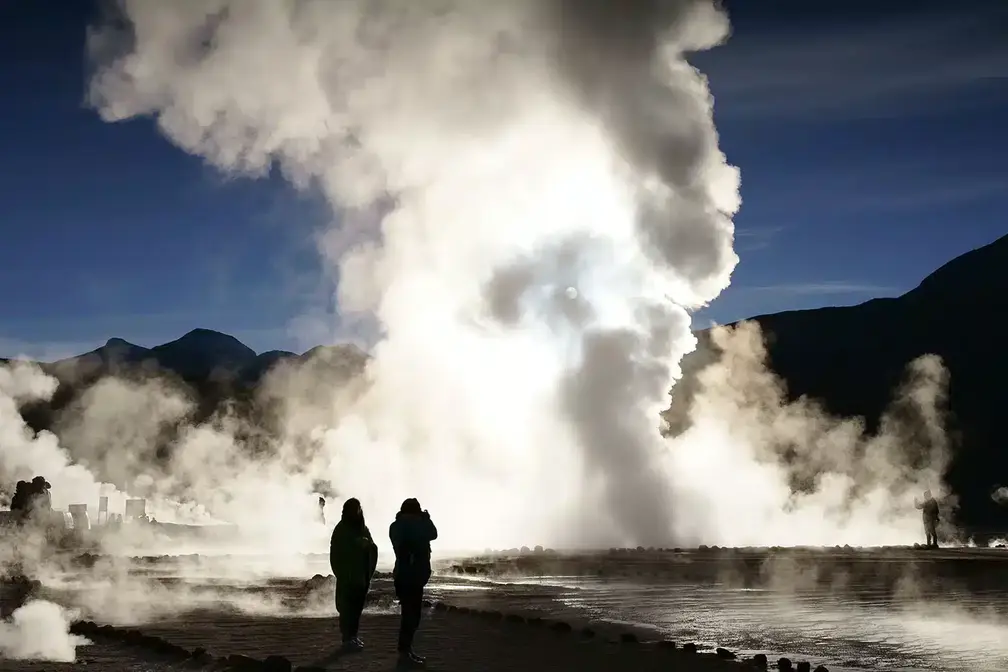
The Tatio Geysers come alive at first light, when fumaroles shoot steam columns up to 10 meters high against the dawn sky, with temperatures…
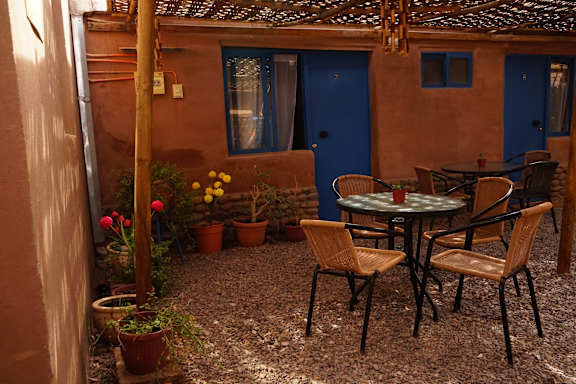
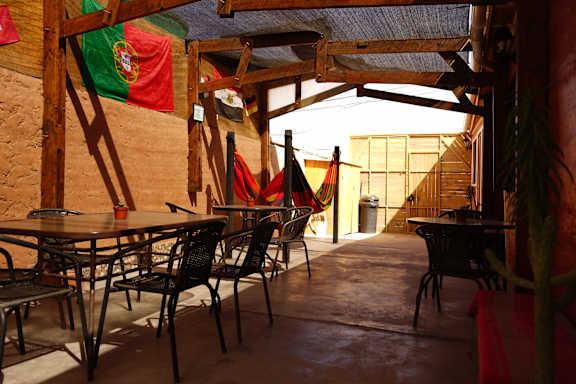
The highest-rated hostels in San Pedro de Atacama, straight from Hostelworld. Prices and availability are live on each property page.

San Pedro is good all year. Days are sunny and warm, nights cold. January and February can bring summer storms to the high plateau, the 'altiplanic winter', which can close high roads.
Average highs, rounded. Nights fall below freezing in winter, especially at altitude.
Per night, for one person. Doing things includes a share of tours and entry fees.
Treat these as a guide. Uyuni tours cost extra.
The ones we get asked most.

Compare hostels in San Pedro de Atacama: live prices, real reviews and free cancellation on most bookings. Then find your tour group in the app.

 Get the App.



 Get the App.