Town centre
Gear shops, suppliesAround the main square, with supermarkets, gear rental and restaurants.

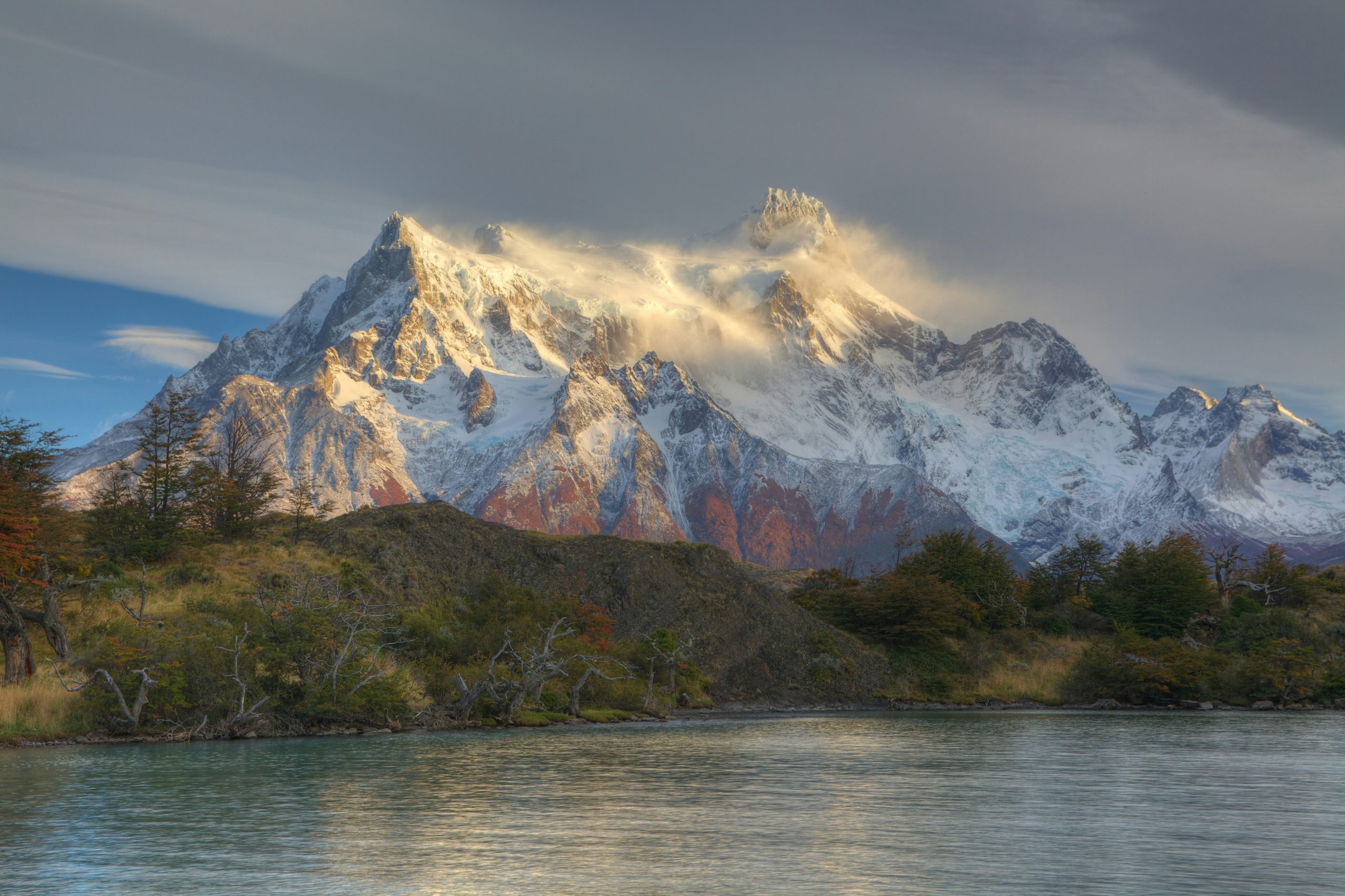
A windswept harbour town on a Patagonian fjord, and the gateway to Torres del Paine. Where every trek is planned, provisioned and celebrated afterwards.
Puerto Natales sits on the shore of the Última Esperanza Sound, 'last hope', a fjord with snow-capped mountains on the far side. It started as a sheep-farming and meat-packing town, and its old buildings and the converted cold storage plant on the water tell that story. Today it is the base for Torres del Paine National Park, around two hours north, one of the most spectacular parks in the world.
The town is where trekkers gather before and after the W and O circuits: renting gear, buying supplies, attending trail briefings and celebrating with a beer when they come back. It is also a good base in its own right, with boat trips to glaciers, day trips into the park, and the Cueva del Milodón, a huge cave where remains of a giant prehistoric ground sloth were found.
Plan your Torres del Paine trip months ahead: park entry must be bought online, and every night inside the park, in a refugio or campsite, must be booked in advance. Allow at least two nights in Natales, before and after the park.
Natales is small and walkable. Stay near the main square or the waterfront for restaurants, gear shops and bus offices.
Around the main square, with supermarkets, gear rental and restaurants.
Along the sound, with views of the mountains and the bus terminal nearby.
Handy for the morning buses to the park.
Orange labels are neighbourhoods, dots are the 12 top-rated hostels. Map data from OpenStreetMap contributors.
Torres del Paine is the reason to come. The W trek, usually four or five days, takes in the famous granite towers at Base Torres, the French Valley and Glacier Grey; the full O circuit adds the remote back side of the massif and takes around eight days. If you are short on time, the day hike to Base Torres, around 20km return, or a full-day bus tour of the park's viewpoints are the alternatives.
From town, boat trips sail through the fjords to the Balmaceda and Serrano glaciers at the edge of the Bernardo O'Higgins National Park. The Cueva del Milodón, a short drive north, is a giant cave with a life-size model of the extinct ground sloth whose remains were found inside.
In town, walk the waterfront at sunset, when black-necked swans float on the sound, and visit the small museums about the region's history. Kayaking and horse riding on the estancias are other options.
The waterfront promenade is free and beautiful, with views across the sound to the mountains, black-necked swans and sculptures along the shore, including the Monumento al Viento, a sculpture of figures leaning into the wind.
Many hostels and gear shops run free daily trekking talks about Torres del Paine, which are invaluable for planning your route, packing and understanding the weather.
The town's main square and its old buildings are pleasant to wander, and the sunsets over the fjord, which come very late in summer, are free every evening.
Patagonian lamb, roasted slowly over a fire, is the dish to try, along with king crab (centolla) and fresh fish from the fjords. Many restaurants in town serve both, and some do a set lunch at a lower price.
Natales has a good craft beer scene, with local breweries that are the place to celebrate after a trek. Calafate berries turn up in sours, jams and ice cream.
For the trek, the supermarkets in town are the place to stock up, much cheaper than the shops in the park. Dehydrated meals and gas canisters are sold in the gear shops.
Natales nights revolve around breweries and bars where trekkers trade stories, especially in the high season from November to March, when the town is busy with hikers from all over the world.
The atmosphere is relaxed and social, with live music in some bars at weekends.
In summer, the sun sets very late, so evenings outside stretch on. Out of season, the town is quiet.
The town is walkable. Buses to Torres del Paine leave early each morning from the bus terminal and take around two hours to the park's main entrances, with afternoon returns; inside the park, a catamaran crosses Lago Pehoé and shuttles link some trailheads, all needing booking in season.
Puerto Natales has a small airport with flights from Santiago in summer. Otherwise, fly to Punta Arenas and take a bus of around three hours.
Buses also cross into Argentina to El Calafate, around five to six hours with the border. Car hire gives flexibility for the park's viewpoints.
Natales and Torres del Paine are expensive, as is most of Patagonia. Dorm beds run from around €15 to €30 in season.
The park is the big cost. Entry must be bought in advance online, and since May 2026 the park offers single-day and multi-day passes. Inside, refugios with meals cost far more than camping, and both must be booked months ahead for December to February. Buses and the catamaran add to the bill.
To keep costs down, camp, rent gear in town and bring your own food from the supermarkets. Cards are widely accepted.
Puerto Natales is a safe town. The risks are in the park, mainly the weather. Patagonian wind can reach extreme speeds, especially at passes and around Glacier Grey, and conditions change fast even in summer.
Stick to marked trails, carry layers, a waterproof and enough food and water, and follow rangers' instructions, including trail closures. Fires are strictly forbidden outside designated areas, as past fires caused huge damage to the park.
Outside the main season, from around late April to September, some routes require a CONAF-authorised guide. In an emergency, call 133 for police or 131 for an ambulance.
The park is the headline, but not the only trip.
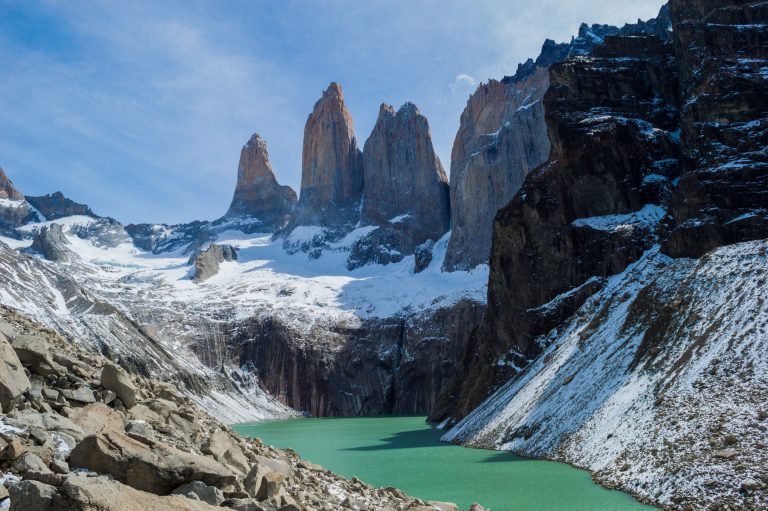
The towers, the French Valley and Glacier Grey.
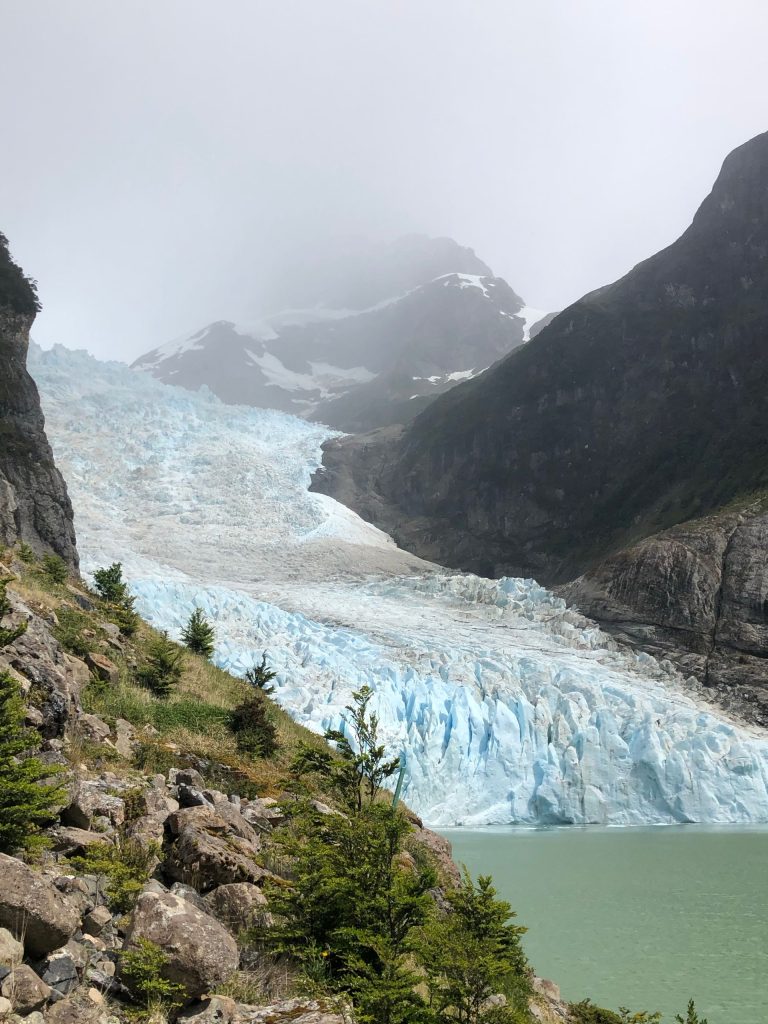
Glaciers in the fjords of Bernardo O'Higgins National Park.
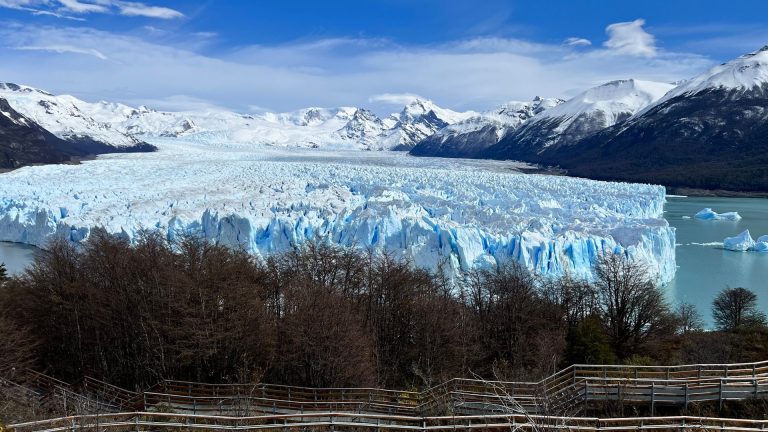
The Perito Moreno glacier.
The trekking season shapes everything here.

Every Wednesday night, Carlos del Río hosts karaoke at Pampa Restobar in Puerto Natales, a popular spot known for karaoke and games like darts…

Pampa Restobar is a popular late-night spot in Puerto Natales, the Patagonian gateway town near Torres del Paine, where live music is featured on…

Pampa Restobar hosts a Saturday karaoke night at its venue. The event features karaoke as the main activity, with guests gathering for an evening…
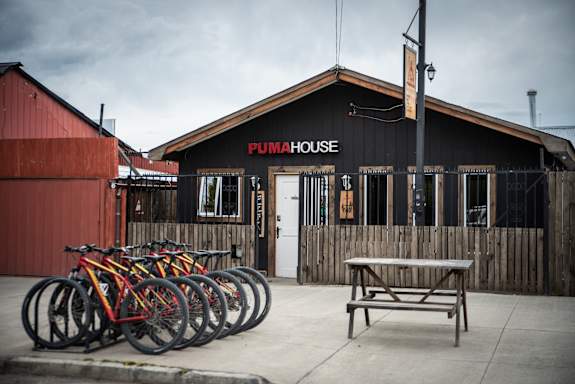
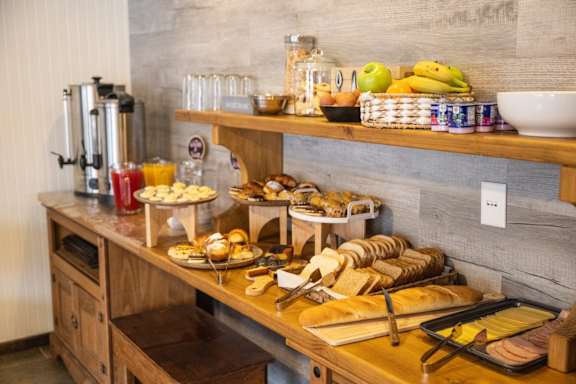
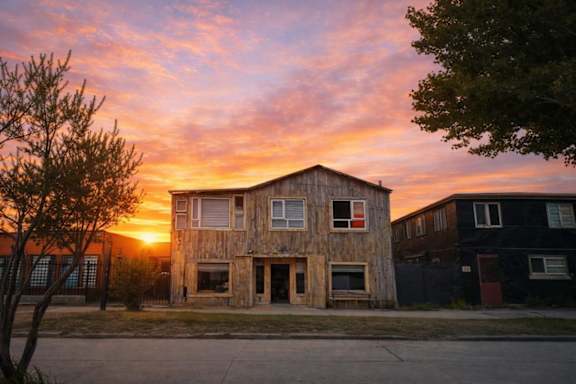
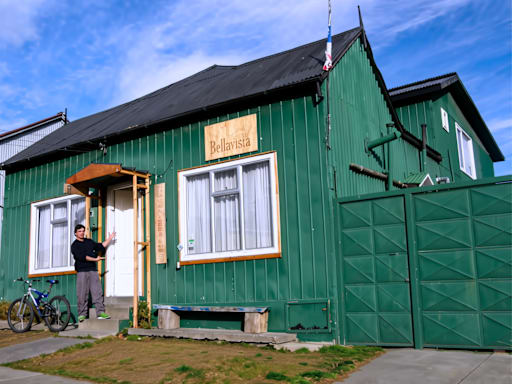
The highest-rated hostels in Puerto Natales, straight from Hostelworld. Book early for December to February.
October to April is the trekking season, with long days and all services open. November and March are quieter; December to February is peak. Winter is cold, quiet and requires guides on some routes.
Average highs, rounded. Wind is the big factor, strongest from November to February.
Per night, for one person, in town in season.
Treat these as a guide. Park entry, refugios and boat trips cost extra.
The ones we get asked most.

Compare hostels in Puerto Natales: live prices, real reviews and free cancellation on most bookings. Then find your trekking crew in the app.

 Get the App.



 Get the App.