Centro
Restaurants, tour pick-upsThe streets around the main square, close to the lake.

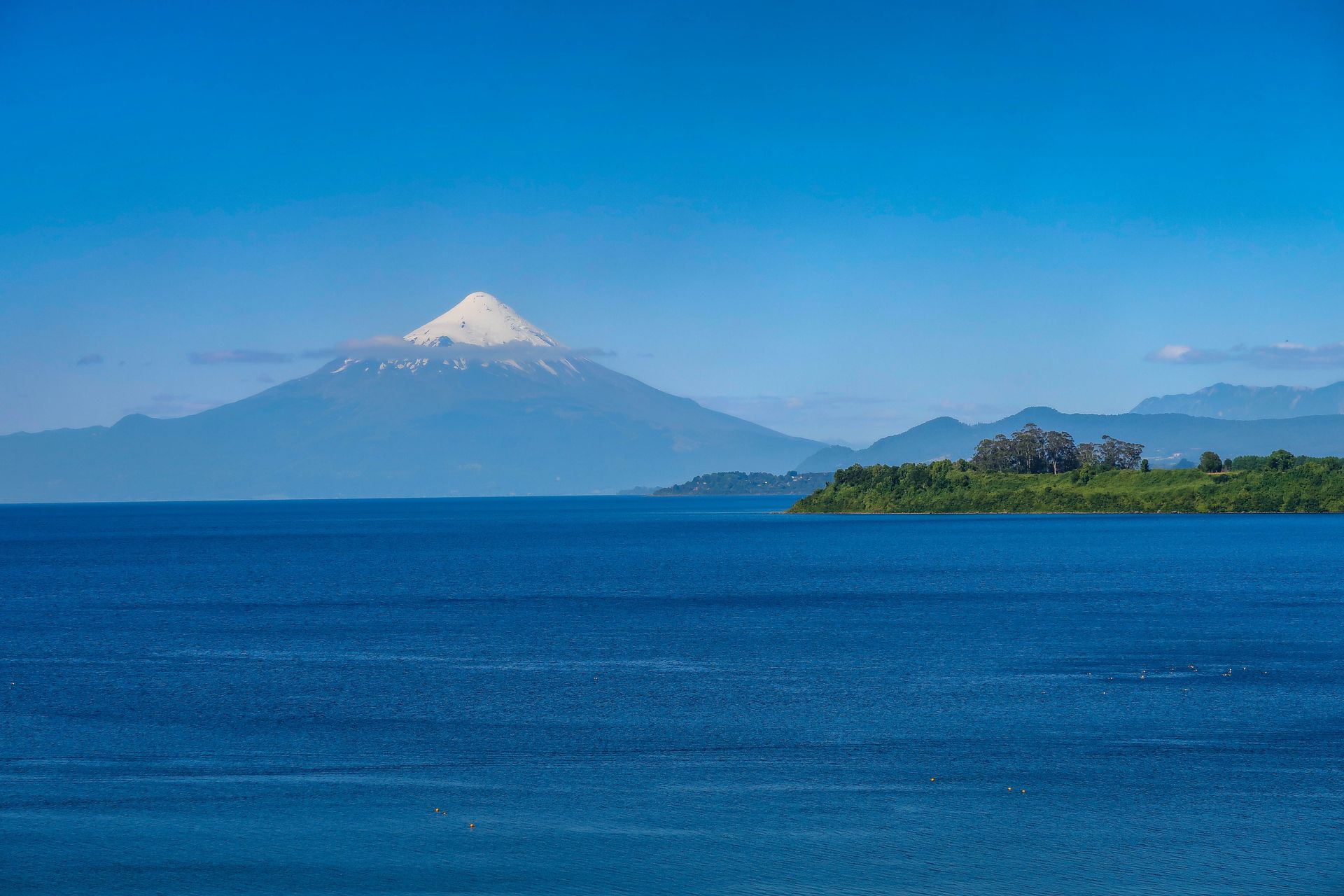
A lakeside town of wooden German-style houses facing the perfect cone of the Osorno volcano across Lake Llanquihue. The most beautiful base in Chile's Lake District.
Puerto Varas sits on the shore of Lake Llanquihue, Chile's second-largest lake, with the snow-capped Osorno and Calbuco volcanoes on the far side. German settlers arrived in the mid-19th century, and their legacy is everywhere: wooden houses with steep roofs, a pretty church modelled on one in the Black Forest, and kuchen in every café. It is known as the 'city of roses' for its gardens.
The town is the base for exploring the Lake District, a region of lakes, volcanoes, rivers and temperate rainforest. The Vicente Pérez Rosales National Park, Chile's oldest, has the turquoise Petrohué falls and the emerald Lago Todos los Santos, and the Osorno volcano has trails and, in winter, skiing.
Give Puerto Varas three or four days. It is a calm, attractive and well-organised town, with good restaurants, adventure agencies and easy access from Puerto Montt's airport. It is also the start of the famous lake crossing to Bariloche in Argentina, and the gateway to Chiloé and the Carretera Austral.
Stay in the centre or along the lakeshore, within walking distance of restaurants and tour pick-ups.
The streets around the main square, close to the lake.
Along the Costanera, with views of Osorno and Calbuco.
The streets above the centre, with historic German houses.
Orange labels are neighbourhoods, dots are the 5 top-rated hostels. Map data from OpenStreetMap contributors.
Head to the Vicente Pérez Rosales National Park, around an hour away. The Saltos del Petrohué are rapids of turquoise water rushing over black volcanic rock with Osorno behind, and boats cross Lago Todos los Santos to the village of Peulla. The Osorno volcano has trails on its slopes, a chairlift with views in summer and a ski area in winter, and guided summit climbs for experienced mountaineers.
On the water, kayaking and stand-up paddleboarding on the lake and rafting on the Petrohué river are popular. Frutillar, a smaller German-heritage town along the lake, has a striking concert hall, the Teatro del Lago, built over the water, and a museum of colonial German life.
For a bigger adventure, the Cochamó valley, around two hours away, is a remote granite valley known as the Yosemite of Chile, reached by a long hike with camping that must be booked in advance.
The lakeshore promenade is free and beautiful, with views of Osorno and Calbuco across the water, especially at sunset when the snow turns pink.
The historic German houses, some of them listed as national monuments, can be seen on a self-guided walk around town, and the Sagrado Corazón church is free to visit. The Cerro Philippi viewpoint is a short walk up from the centre.
The lake beaches are free in summer, though the water is cold.
Kuchen, German-style fruit cakes, are everywhere, often made with local berries. The region's seafood, from Puerto Montt's Angelmó market down the road, is excellent, and curanto, a Chilote feast of shellfish, meat and potatoes, is served in some restaurants.
Puerto Varas has some of the best restaurants in southern Chile, with local salmon, lamb and craft beer. The Angelmó market in Puerto Montt is the place for cheap, fresh seafood.
Supermarkets in town are good for self-catering, and many hostels have kitchens.
Puerto Varas has a relaxed nightlife, with bars, breweries and a casino by the lake. Bars are busiest in summer and at weekends.
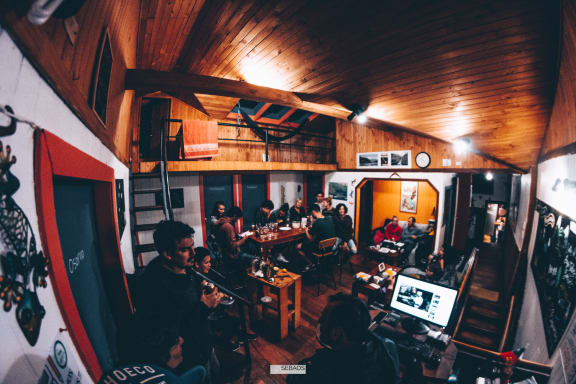
The atmosphere is calm and friendly, with live music in some places.
Most travellers keep it low-key between day trips.
The town is walkable. Minibuses run to Petrohué, Frutillar and Puerto Montt, and tour agencies cover the national park and Osorno. Car hire is the easiest way to explore the lakes.
El Tepual airport, near Puerto Montt, is around 30 minutes away, with flights from Santiago and Patagonia. Overnight buses from Santiago take around 12 hours.
The Cruce Andino, a famous combination of boats and buses across the lakes, links Puerto Varas with Bariloche in Argentina in a full day. Buses also run to Chiloé and to the start of the Carretera Austral.
Puerto Varas is one of the more expensive towns in the Lake District, popular with Chilean holidaymakers. Dorm beds run from around €10 to €20.
Tours to the national park and Osorno are the main extras, and the Cruce Andino to Bariloche is pricey but memorable. Minibuses are cheap.
Cards are widely accepted.
Puerto Varas is very safe and relaxed. Take normal care with belongings.
The Lake District is rainy, and weather changes quickly, especially on the volcanoes. Carry waterproofs and layers on hikes, and only climb Osorno with a qualified guide.
The lake and rivers are cold, even in summer, so be careful swimming. In an emergency, call 133 for police or 131 for an ambulance.
Volcanoes, waterfalls and lakes all around.
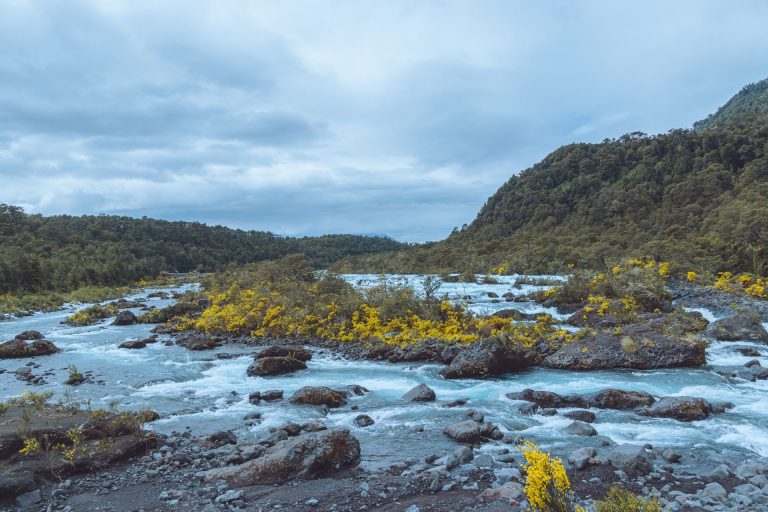
Petrohué falls and Lago Todos los Santos.
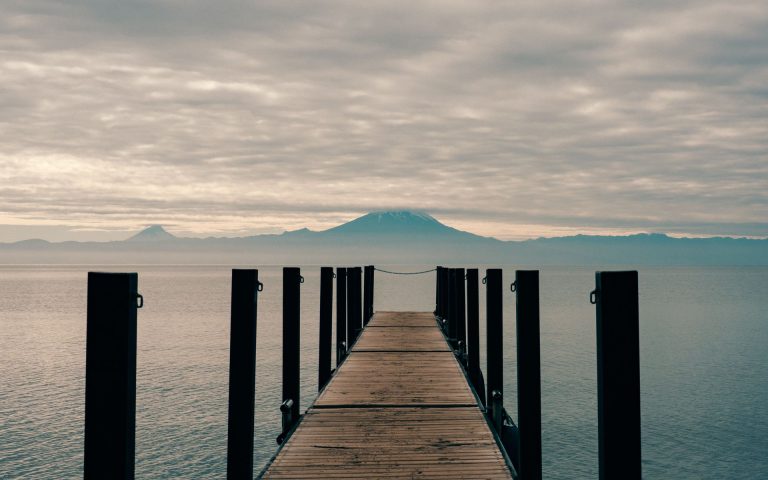
German heritage and the Teatro del Lago.
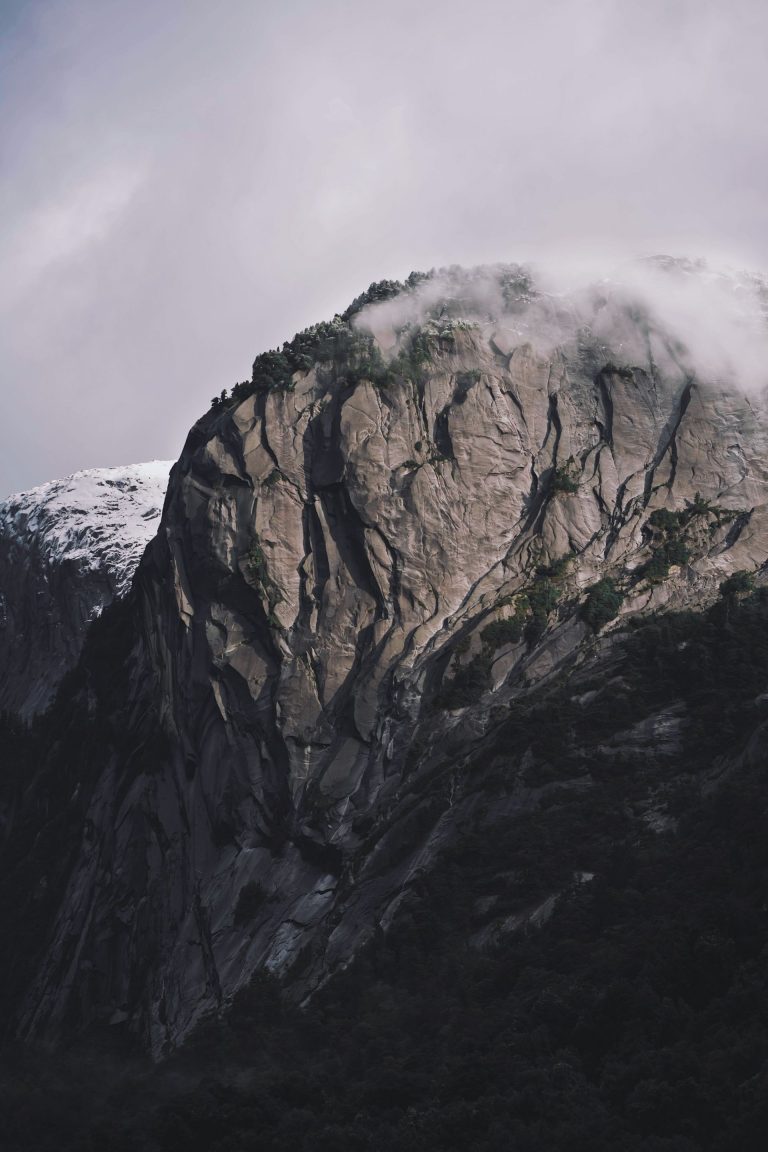
A remote granite valley. Book camping in advance.
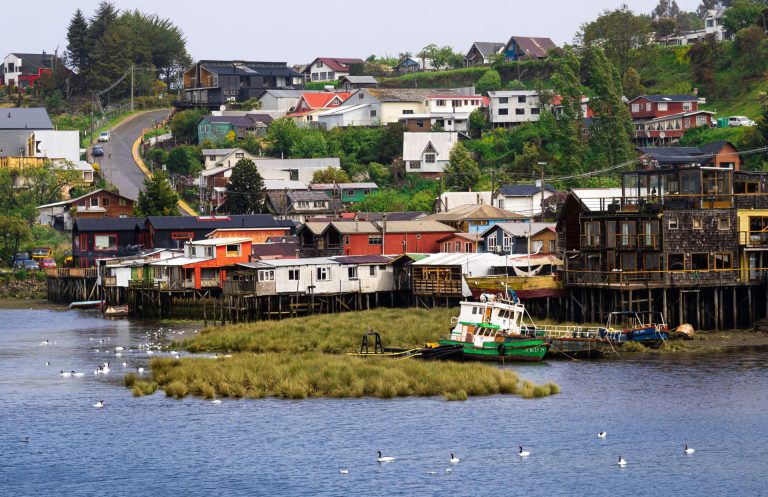
Island culture, wooden churches and stilt houses.
Music by the lake and summer festivals.
A classical music festival by the lake.
The best months for hiking and the lakes.
The highest-rated hostels in Puerto Varas, straight from Hostelworld. Prices and availability are live on each property page.
December to March is the driest and warmest time, the best for hiking and the lakes. The rest of the year is rainier, with skiing on Osorno in winter.
Average highs, rounded. Rain is possible in any month.
Per night, for one person, based on Puerto Varas prices.
Treat these as a guide. The Cruce Andino and guided climbs cost extra.
The ones we get asked most.

Compare hostels in Puerto Varas: live prices, real reviews and free cancellation on most bookings. Then meet the people already there in the app.

 Get the App.




 Get the App.