La Candelaria
Sights, budget, first-timersThe colonial centre, with cobbled streets, museums and most of the hostels. Busy and fun by day, quiet and less safe late at night.

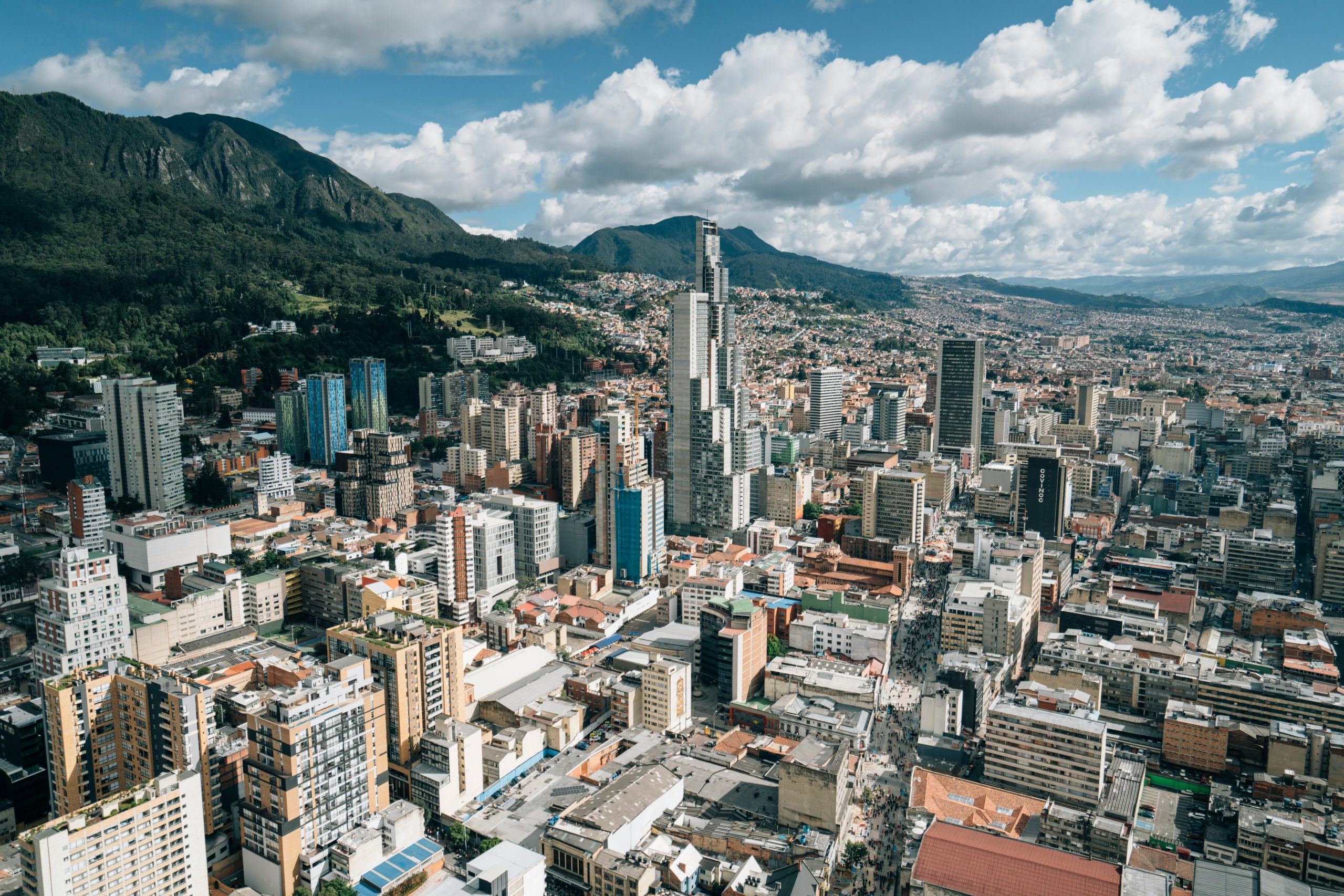
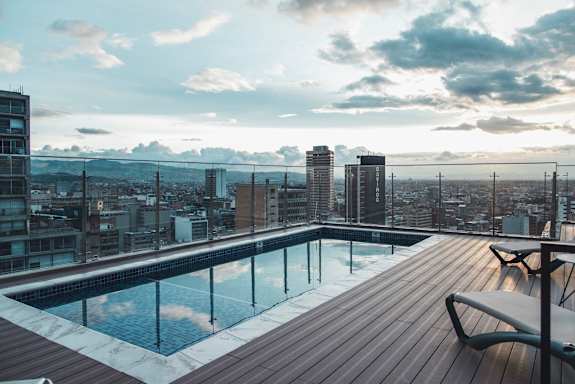
Colombia's capital at 2,600 metres: colonial streets in La Candelaria, a world-class gold museum, a serious food scene and a mountain-top view over one of South America's biggest cities.
Bogotá sits on a high plateau in the Andes, with the green wall of the Eastern Hills rising behind the city. At 2,600 metres it is cool all year, with highs around 19 or 20 degrees, chilly nights and quick changes between sun and rain. It is a city of around eight million people, and most travellers arrive here first.
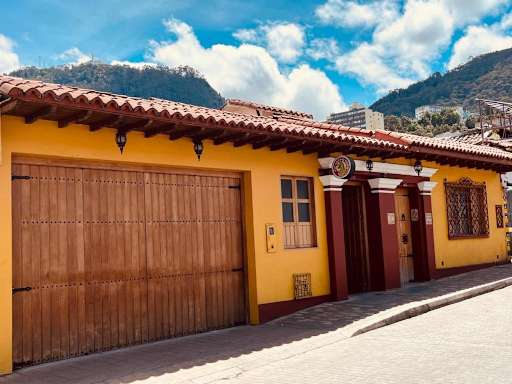
La Candelaria, the colonial centre, is where most visits begin: cobbled streets, brightly painted houses, the Plaza de Bolívar and the best museums in the country, including the Museo del Oro and the Museo Botero. North of the centre, Chapinero, the Zona G and the Zona T are where Bogotá eats and goes out, and Usaquén has a Sunday market in an old village swallowed by the city.
Give Bogotá three or four days. Two for the centre, Monserrate and the museums, one for the food markets and northern neighbourhoods, and a day out to the Salt Cathedral in Zipaquirá. Take the first day slowly: the altitude can leave you breathless and tired.
La Candelaria has the hostels and the sights. Chapinero is better for food and nightlife, Teusaquillo is calm and central, and Usaquén is quiet and upmarket in the north.
The colonial centre, with cobbled streets, museums and most of the hostels. Busy and fun by day, quiet and less safe late at night.
A big, lively district north of the centre, with the Zona G restaurants, craft beer bars and an alternative scene.
Leafy streets of English-style brick houses between the centre and Chapinero, close to the Parque Simón Bolívar.
An old village in the north, with a pretty square, good restaurants and the Sunday flea market. Far from the centre.
Orange labels are neighbourhoods, dots are the 12 top-rated hostels. Map data from OpenStreetMap contributors.
Start in La Candelaria. The Museo del Oro holds tens of thousands of pre-Columbian gold pieces, and the room of offerings at the top is unforgettable. Nearby, the Museo Botero has a large collection of Fernando Botero's work alongside pieces by Picasso, Monet and Dalí, and it is free. The Plaza de Bolívar has the cathedral, the Congress and the Palace of Justice around one huge square.
Go up Monserrate, the mountain above the city, by cable car or funicular for views across Bogotá, best in the morning before the clouds come in. Fit walkers can climb the path, which is steep and takes around one to two hours; check which days it is open and go early.
The graffiti tour in La Candelaria is one of the best introductions to the city's politics and art. On Sundays and holidays, the Ciclovía closes more than 100 km of roads to cars, and the whole city comes out on bikes. Paloquemao market is the place for tropical fruit and flowers, and the Usaquén flea market fills the old village on Sundays.
The Museo Botero is free every day, and the Museo del Oro is free on Sundays (expect queues). Several other museums in La Candelaria, run by the central bank, are free too.
Free walking tours and graffiti tours leave from La Candelaria every day; tip the guide at the end. The Ciclovía on Sundays and holidays is free to join, on foot or on a hired bike.
The Plaza de Bolívar, the Chorro de Quevedo square and the street performers along the Carrera Séptima cost nothing, and the Parque Simón Bolívar is the city's biggest green space.
Ajiaco is the city's dish: a chicken and three-potato soup with corn, served with cream, capers and avocado, perfect for a cold Bogotá day. Try it in La Candelaria. Changua, a milk and egg soup, is the classic breakfast, and tamales and hot chocolate with cheese are an afternoon tradition.
Bogotá has some of the best restaurants in South America, especially in the Zona G, Chapinero and Usaquén. Paloquemao market is the place to taste fruit you have never heard of, from lulo and granadilla to pitahaya, and to eat a cheap lunch at the stalls.
A menú del día costs a few euros in any local restaurant. Colombian coffee is easy to find in excellent speciality cafés, and chicha, a fermented corn drink, is sold around the Chorro de Quevedo.
The Zona T and the Zona Rosa in the north are the city's main nightlife area, with bars, clubs and restaurants around a pedestrian T-shaped street. Chapinero has a younger, more alternative scene, with craft beer, live music and the centre of Bogotá's LGBTQ+ nightlife.
Andrés Carne de Res in Chía, outside the city, is a famous and theatrical restaurant-party, and there is a branch in the Zona T. La Candelaria has cheap bars and hostel nights, but gets quiet and less safe late.
Nights start late and go on until early morning. Use ride apps to get home, and never leave a drink unattended.
TransMilenio, the bus rapid transit network, is cheap and covers the city, though it gets very crowded at rush hour and pickpockets work the busy stations. You pay with a rechargeable TuLlave card. For most travellers, ride apps are the easiest and safest way around, especially at night. Bogotá's first metro line is under construction.
El Dorado airport is around 30 to 45 minutes from La Candelaria, depending on traffic, and is the main hub for domestic flights. Medellín, Cartagena and Santa Marta are each around an hour to an hour and a half by plane.
The main bus terminal, the Terminal Salitre, has buses all over the country. Villa de Leyva is around four hours away, Medellín around nine.
Bogotá is good value for a capital. Dorm beds start around €8, with the well-rated hostels in La Candelaria and Chapinero more like €10 to €18. A menú del día is €3 to €5, a coffee €1 to €2 and a beer €1 to €3.
The Museo Botero is free and the Museo del Oro is cheap. The Monserrate cable car and funicular are the main sightseeing costs, and the Salt Cathedral is the main day trip expense.
Cards are widely accepted, but carry some cash. Use ATMs inside banks or shopping centres.
Bogotá needs more care than most places in Colombia. Phone snatching and armed robbery happen, especially in La Candelaria after dark, on TransMilenio and around busy stations. La Candelaria is busy and fine by day, but empties at night: take a ride app even for short distances after dark.
Do not walk up Monserrate on your own or late in the day, and do not wander into unfamiliar neighbourhoods south of the centre. Keep your phone out of sight on the street.
Drink spiking with scopolamine is a real risk in bars and with people met through dating apps. Never leave your drink and meet new people in busy places. In an emergency, call 123.
Salt mines, sacred lakes and colonial towns on the plateau.
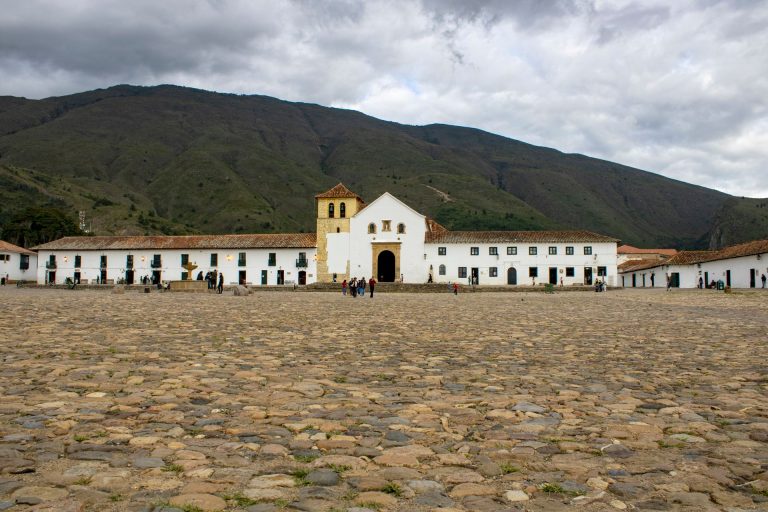
A whitewashed colonial town with a huge cobbled square. Best with two nights.
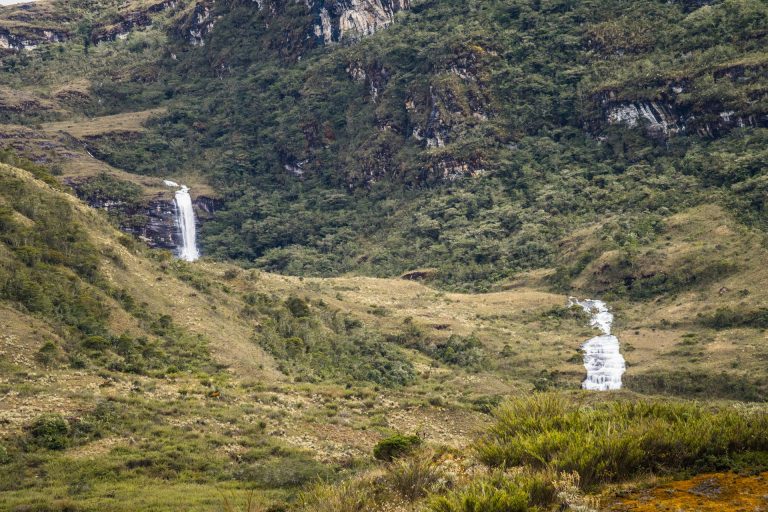
High páramo with frailejones and lakes, the source of much of the city's water.
Free festivals, concerts and the Sunday Ciclovía.
 Staff pick
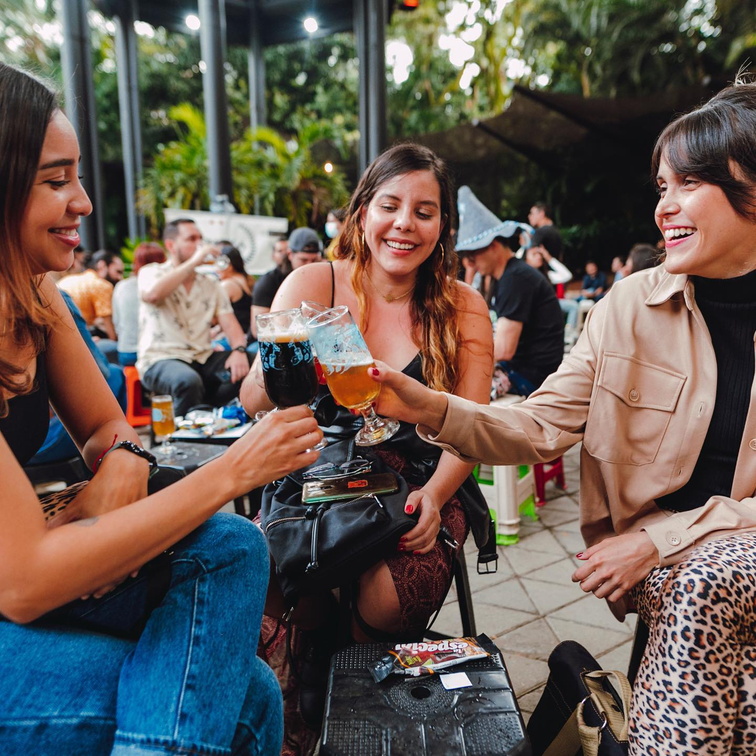
Oktoberfest Artesanal Bogotá brings together over 40 craft breweries, live bands, and a diverse selection of local gastronomy for a full day of celebration.…
 Staff pick
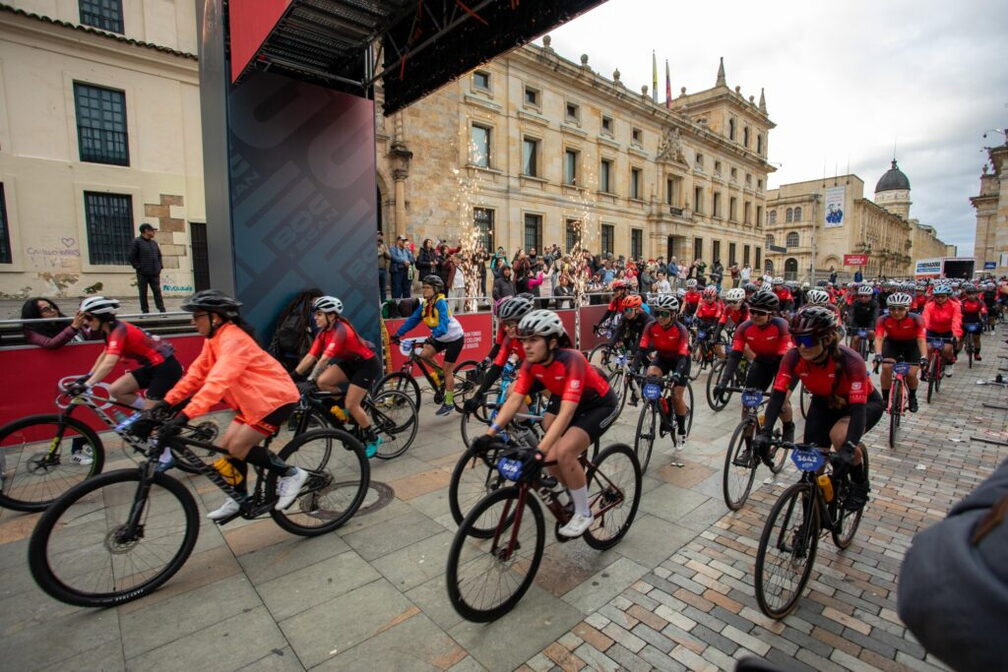
The Gran Fondo de Ciclismo de Bogotá is a premier amateur cycling event that showcases the city’s passion for cycling, with routes ranging from…
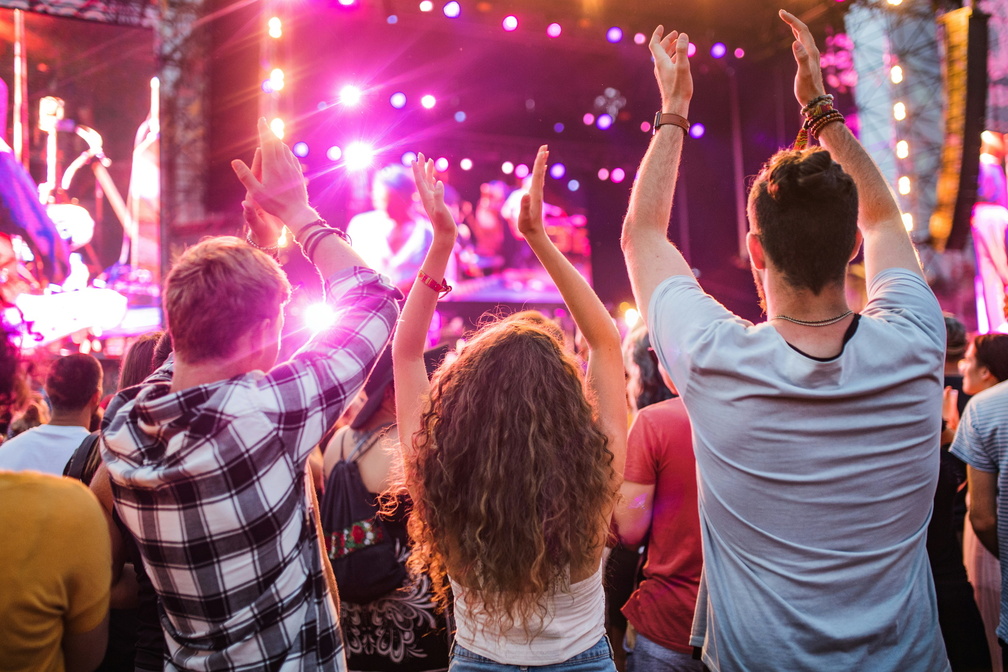
Bogotá comes alive between July and November with the Festivals at the Park, a series of free music events held in iconic city parks.…
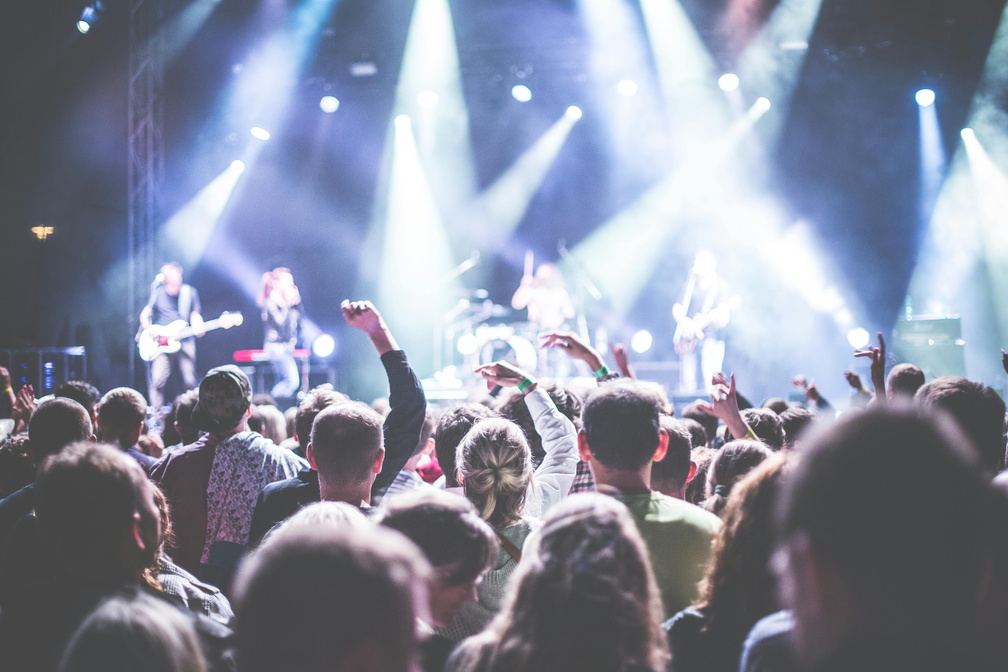
Rock al Parque 2026 marks the 30th edition of Latin America’s largest free rock festival, held at Simón Bolívar Metropolitan Park. Over three days,…
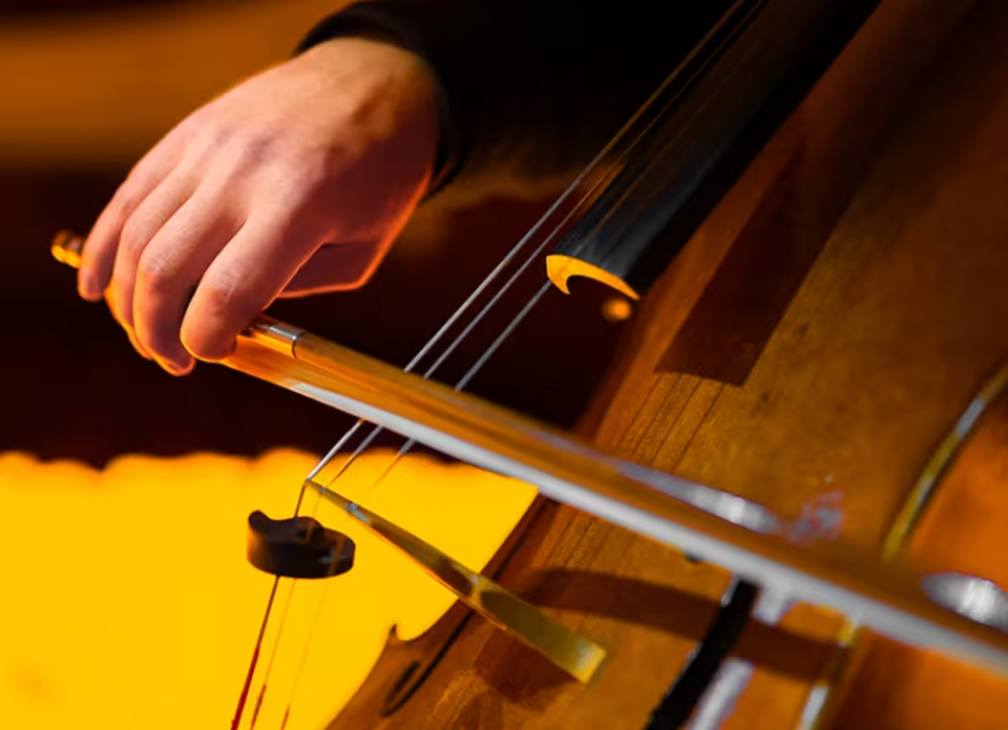
Candlelight: Coldplay and Imagine Dragons is a live multi-sensory musical experience held at Teatro Colón Bogotá. The event features a string quartet performing popular…

BTS brings their Arirang World Tour to several major cities across Latin America, including Bogota, Lima, Santiago, Buenos Aires, and Sao Paulo. The tour…

Aitana brings her highly anticipated Cuarto Azul World Tour to the Movistar Arena on October 16. The show combines her most ambitious visual, emotional,…
Humbe arrives in Bogotá with his Dueño del Cielo Tour, showcasing his place as a leading voice in new Latin pop. The show blends…
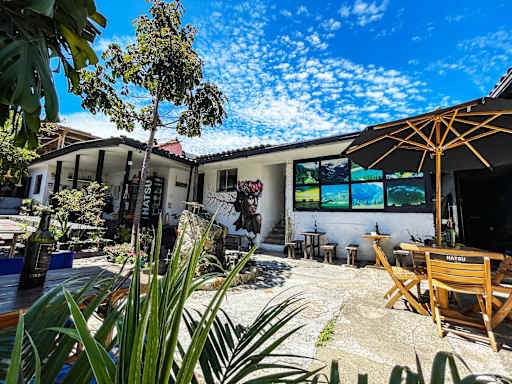
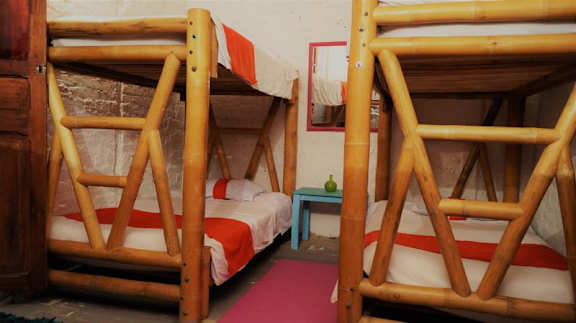
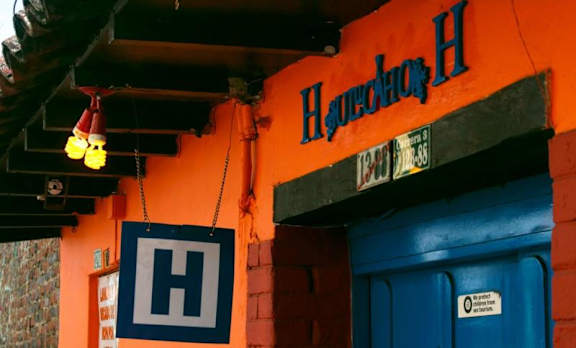
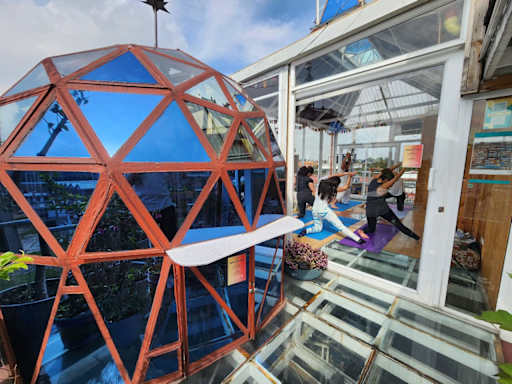
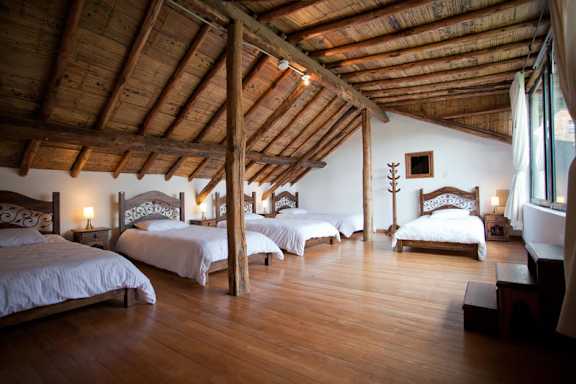
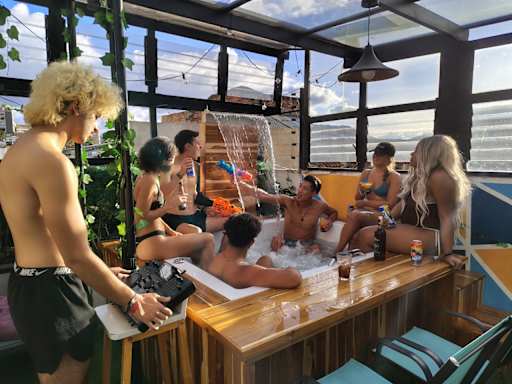
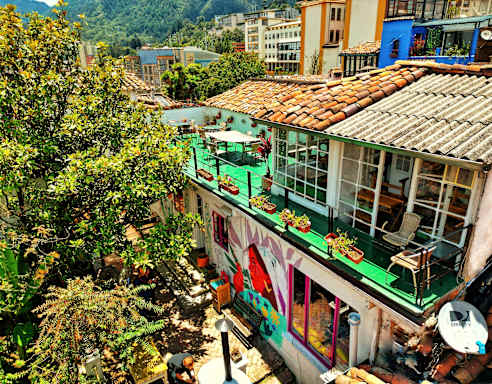
The highest-rated hostels in Bogotá, straight from Hostelworld. Prices and availability are live on each property page.

Bogotá is cool all year, with highs around 19 or 20 degrees. December to March and July to August are drier. Bring layers and a rain jacket whatever the month.
Average highs, rounded. Nights can drop to single figures.
Per night, for one person, based on Bogotá prices.
Treat these as a guide. The Salt Cathedral and nights in the Zona T cost extra.
The ones we get asked most.

Compare hostels in Bogotá: live prices, real reviews and free cancellation on most bookings. Then meet the people already there in the app.

 Get the App.



 Get the App.