Colombia
Colombia country guide

Things to do in Colombia

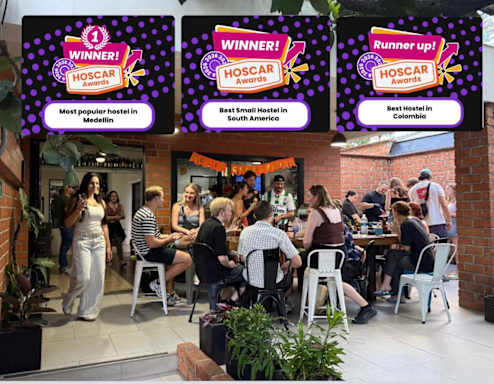
Two coasts, three Andean ranges and the Amazon, in a country that has gone from avoided to essential in twenty years. The best hostel scene in South America, and the most welcoming people on the continent.

€8
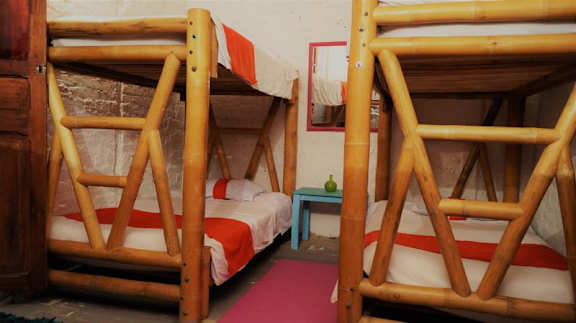
Dorm bed, from
2
Coastlines, Caribbean and Pacific
€3
A menu del día with soup, main and juice
2nd
Most biodiverse country on earth

The comeback nobody saw coming

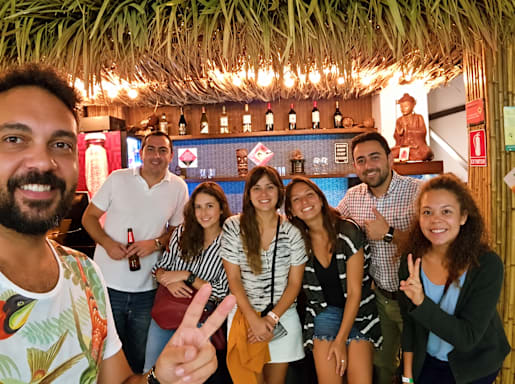
Colombia spent decades as the country people were told to avoid, and it is now the one everybody on the South American trail talks about. The transformation is genuine, the hostel scene is the best on the continent, and Colombians are disarmingly pleased that you came.

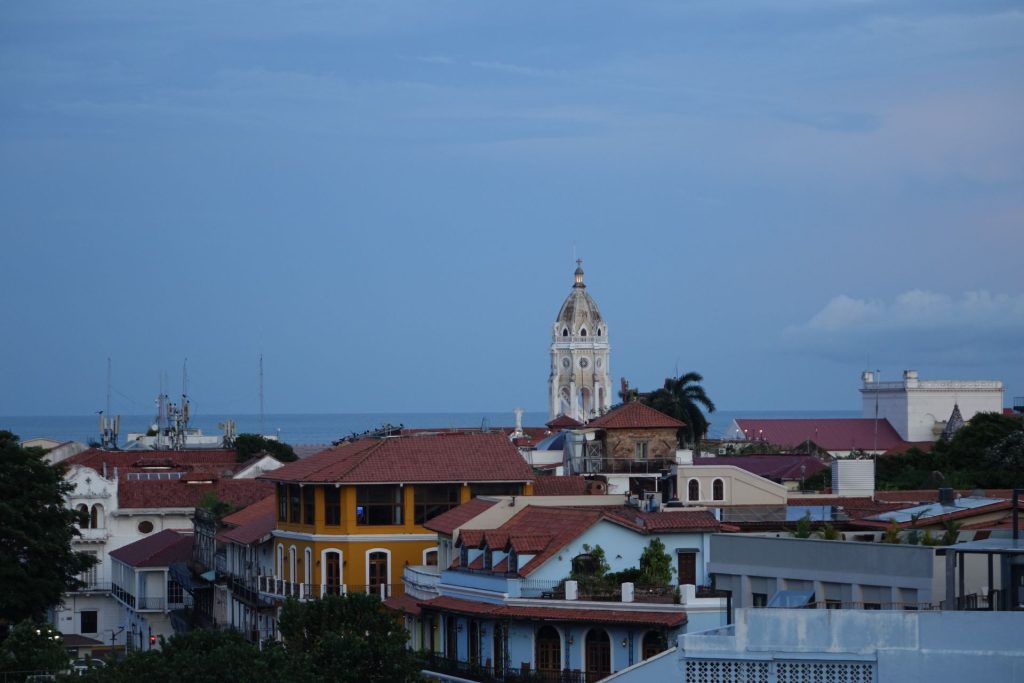
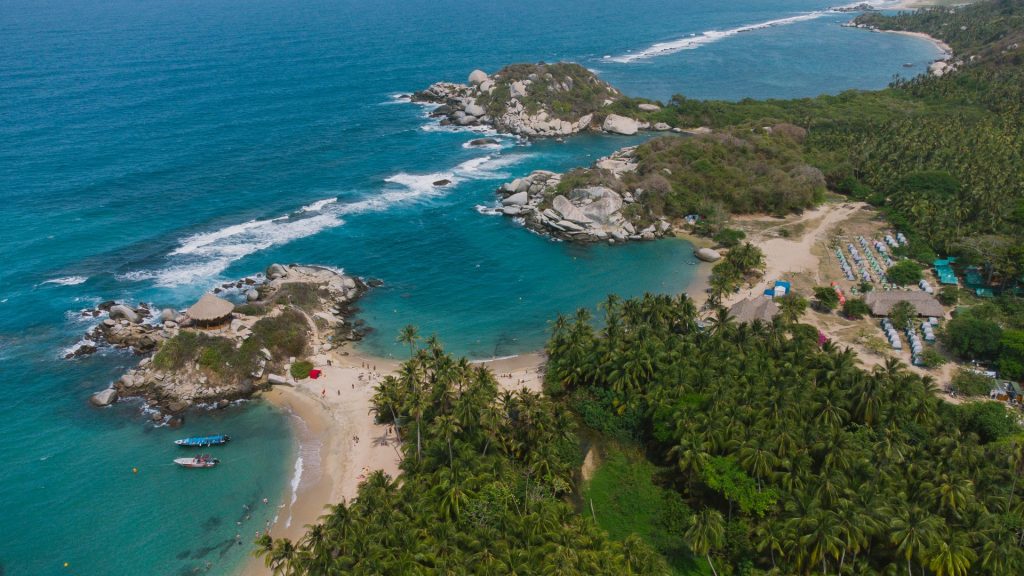
The geography does the rest. Three Andean ranges run up the country, which means Bogotá at 2,600 metres, Medellín in a permanently spring-like valley, and coffee farms on the slopes between. The Caribbean coast has Cartagena's walled city and the Tayrona jungle beaches; the Pacific side has whale watching and almost no infrastructure. The Amazon and the Llanos plains fill the east.

Three weeks is the realistic minimum: Bogotá, Medellín, the coffee region and the Caribbean. A month lets you add the desert at La Guajira or trek to the Lost City.

Where to go

Domestic flights are cheap and save enormous amounts of time. Buses are comfortable but slow.

Medellín

Medellín

110 hostels

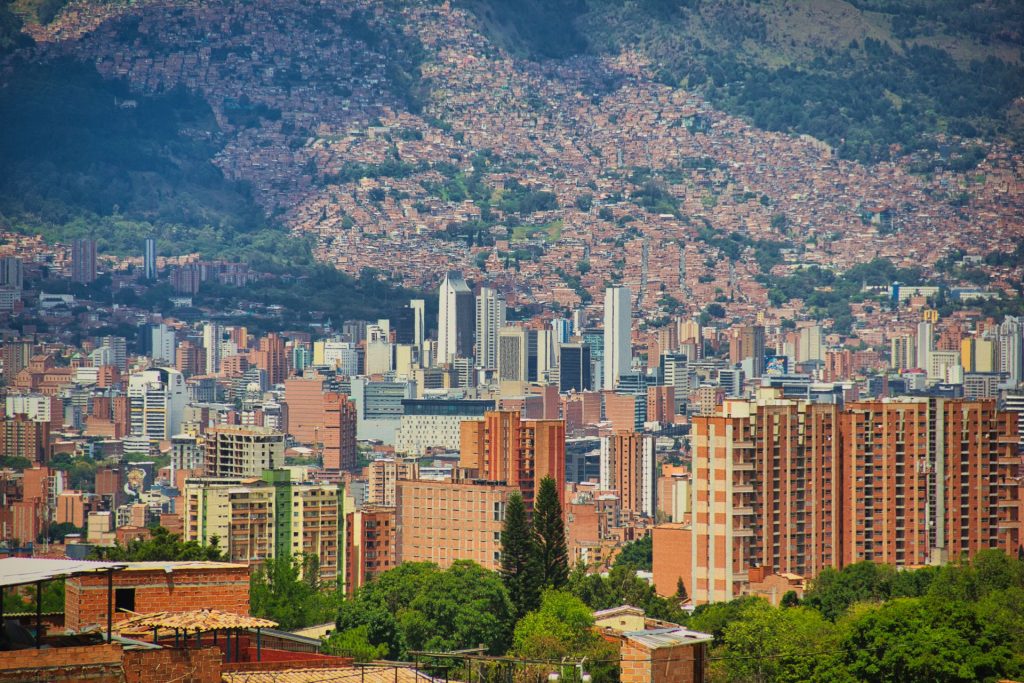
The city of eternal spring: cable cars over the valley, Comuna 13, and the biggest hostel scene in the country.

Medellín as a whole is a beautiful city with so much to do so this hostel being in the el poblado makes it very convenient.

A traveller, on Hostelworld
The Medellín guide
Bogotá

Bogotá

84 hostels

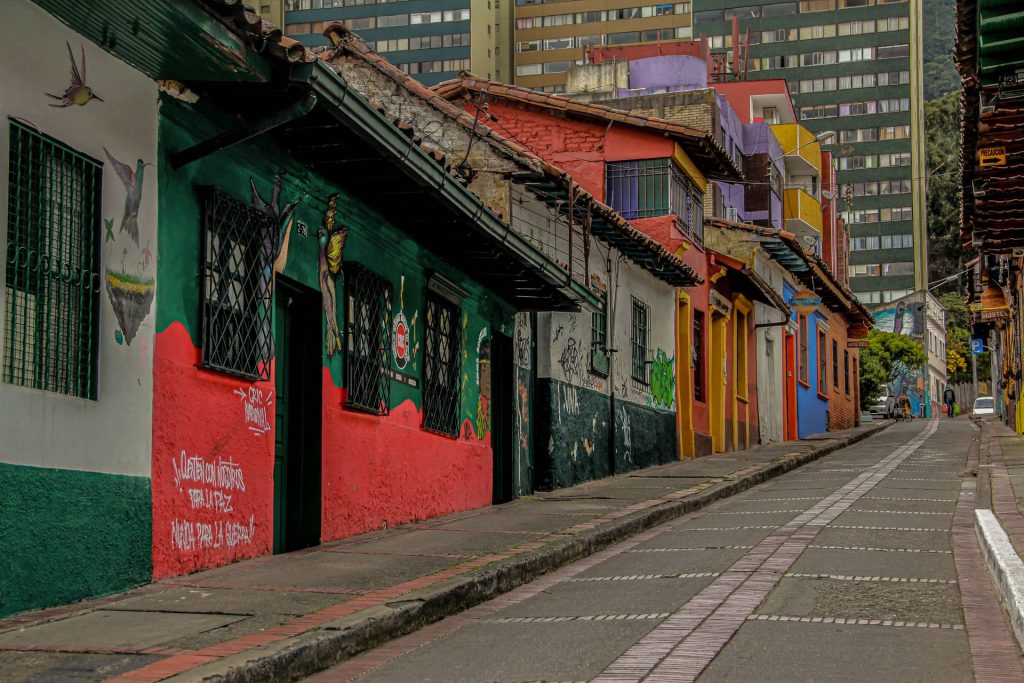
The capital at 2,600 metres: La Candelaria's colonial streets, gold museum, and a serious food scene.

Planning to come back again. Nightlife is nothing I've ever experienced. Colombia is known for it. Loved the country too

A traveller, on Hostelworld
The Bogotá guide
Cartagena

Cartagena

63 hostels · dorms from €12

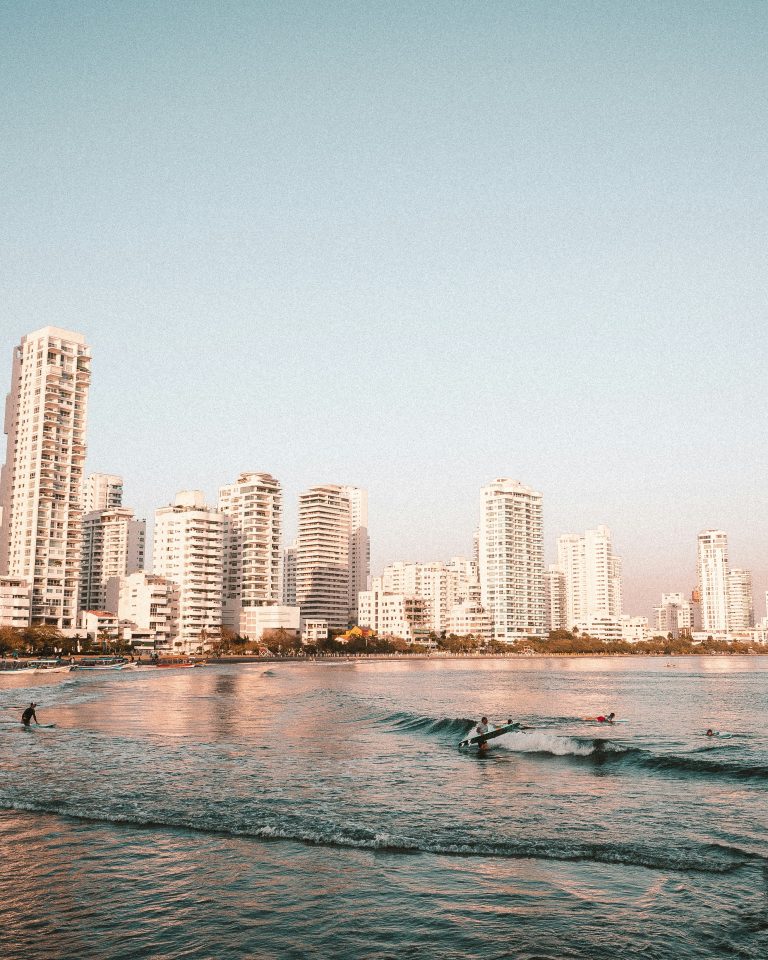
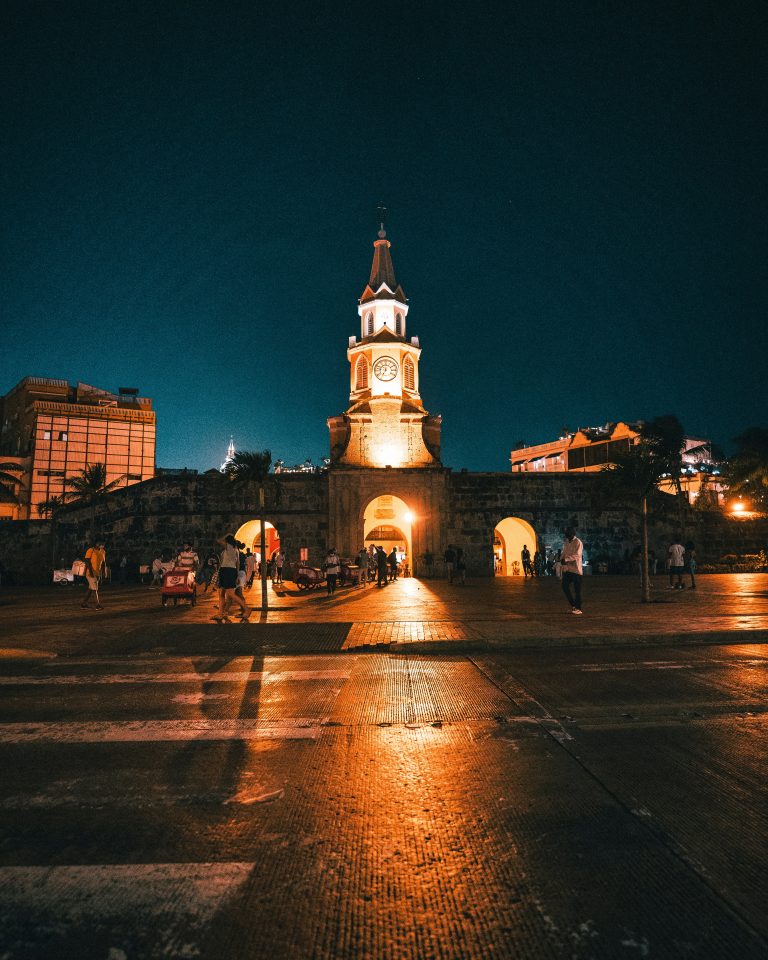
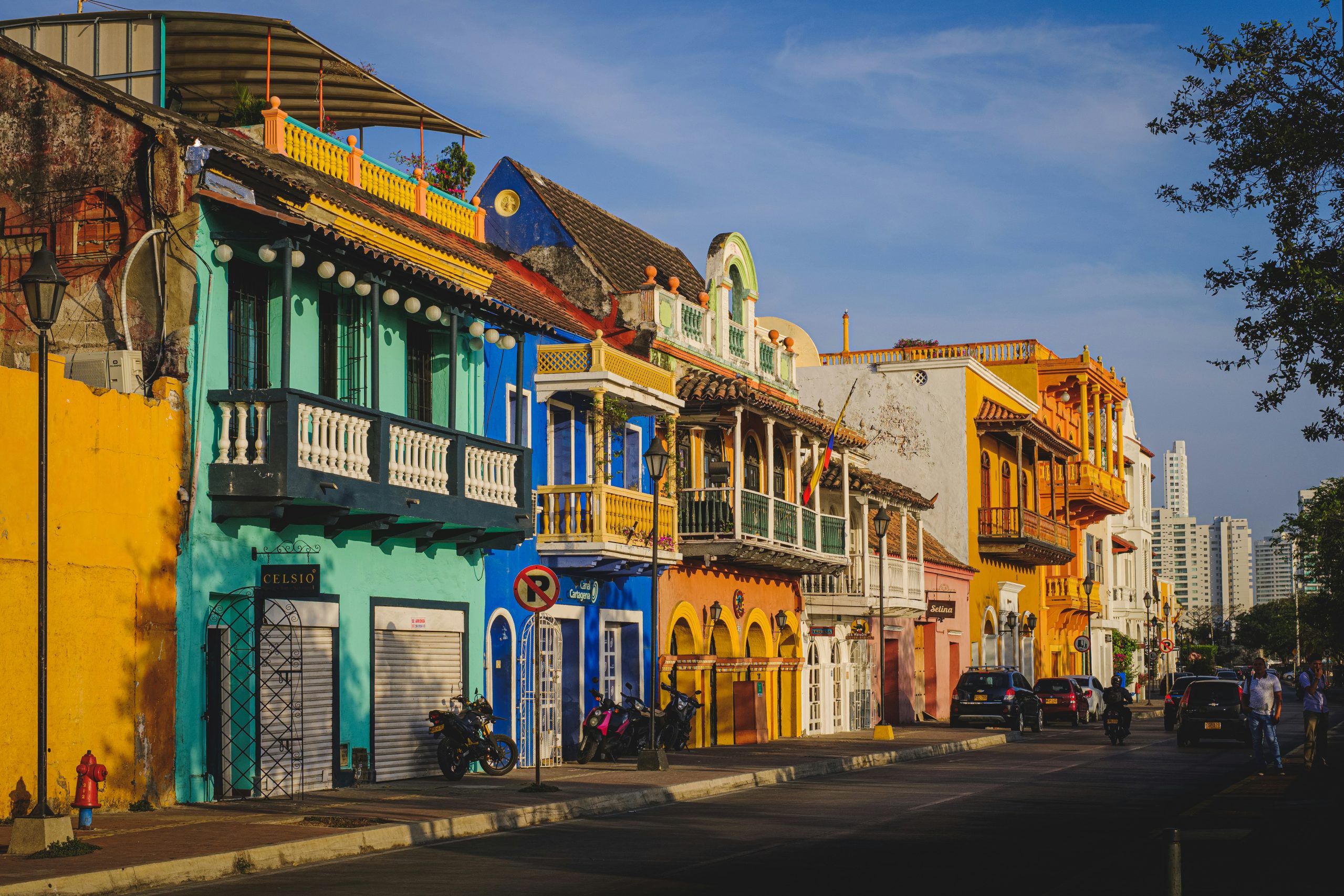
A walled Caribbean city of colour and heat, with islands offshore. Beautiful and priced for it.

Cartagena is full of history, culture, great food and excitement. We visited for 3 days, which was an ideal amount of time to see the city and take a few day trips (the best of which was Palenque). The only downsides are the constant street vendors trying to sell trinkets and the unbearably hot and humid weather, but it’s definitely worth the trade off to see what Cartagena has to offer.

A traveller, on Hostelworld
The Cartagena guide
Santa Marta

Santa Marta

55 hostels · dorms from €10

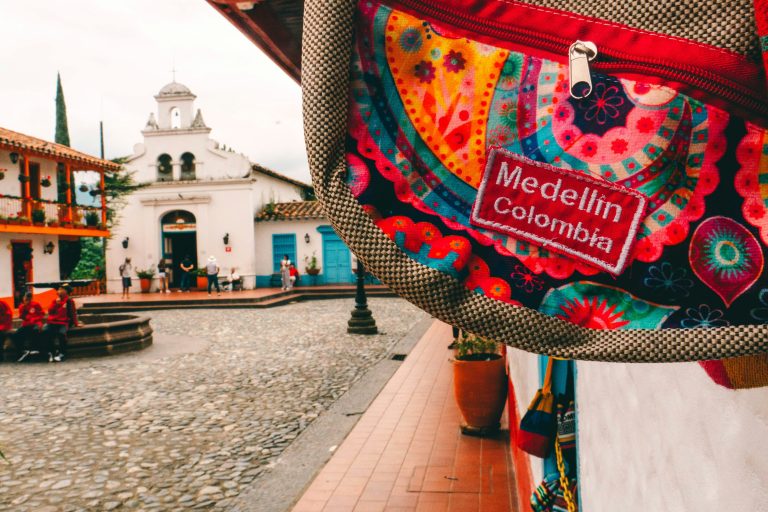
The base for Tayrona national park, the Lost City trek and Minca in the hills above.

Great city, loved the sunset views while running at the pier. Close to Minca (which I completely loved) and Taganga which was nice. What I loved the most is the people I've met there. Friendships for life!!! Local buses take long to arrive which is a bummer and weather is really nice.

A traveller, on Hostelworld
The Santa Marta guide
Salento

Salento

30 hostels

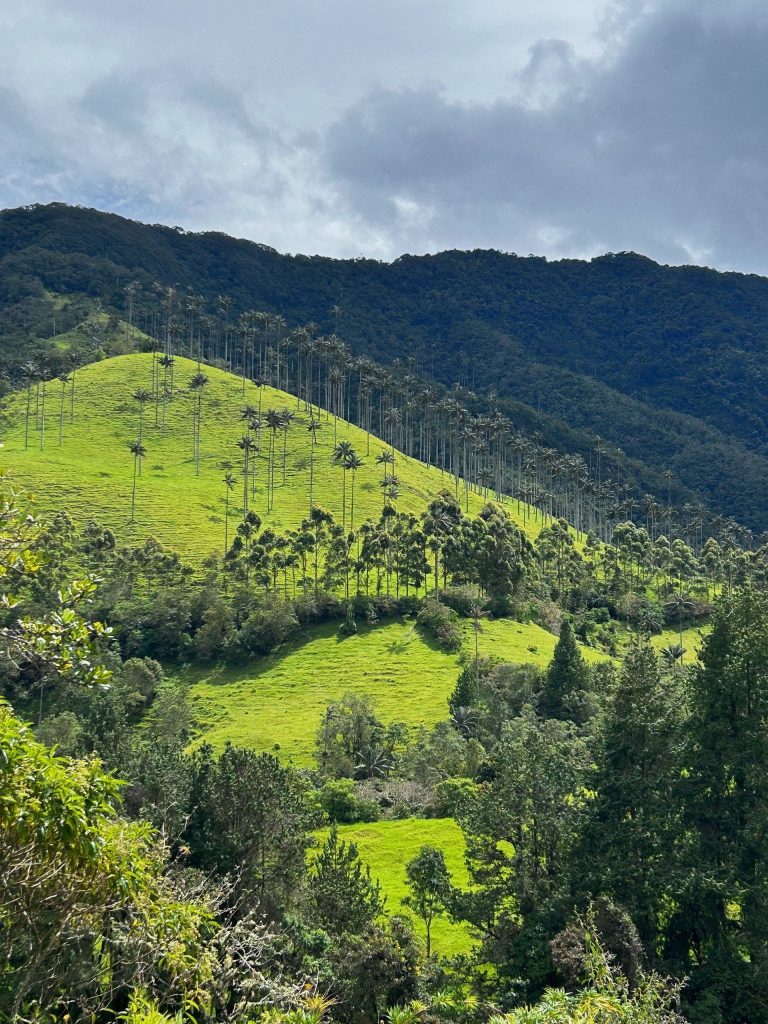
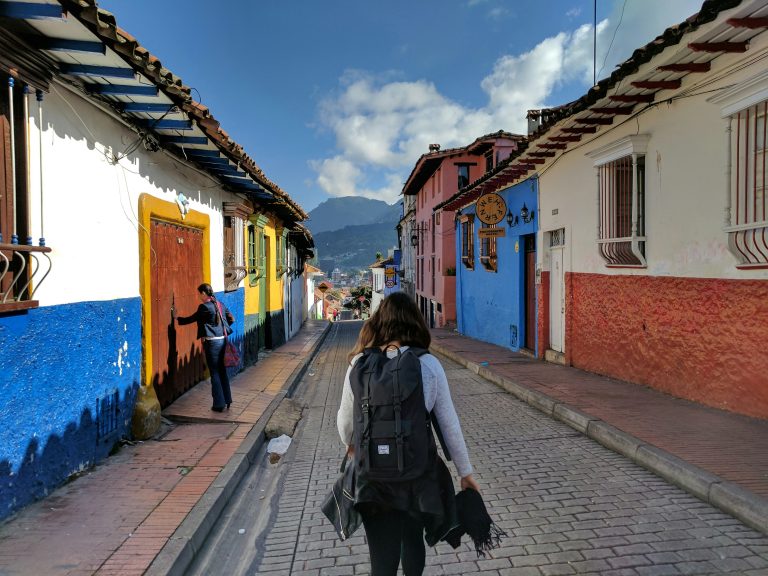
The coffee region: wax palms in the Cocora valley, farm tours and the prettiest town in Colombia.

Sale to is a really nice town, tons of cafes and places to eat. Nice shopping here. Easy to walk around.

A traveller, on Hostelworld
The Salento guide
Cali

Cali

33 hostels

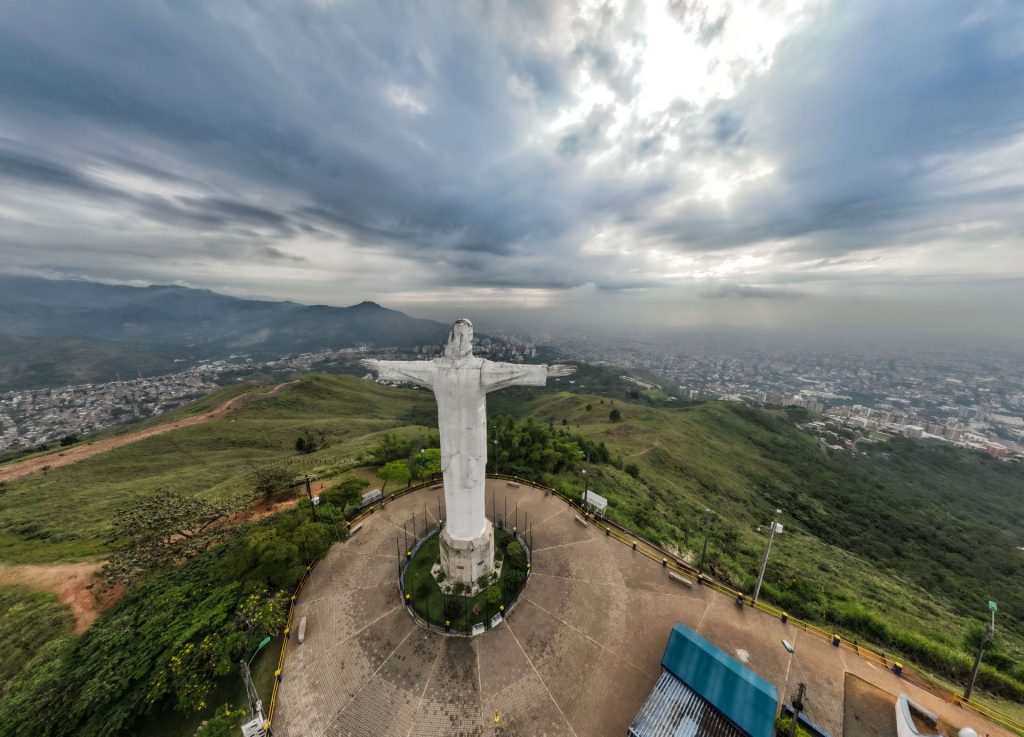
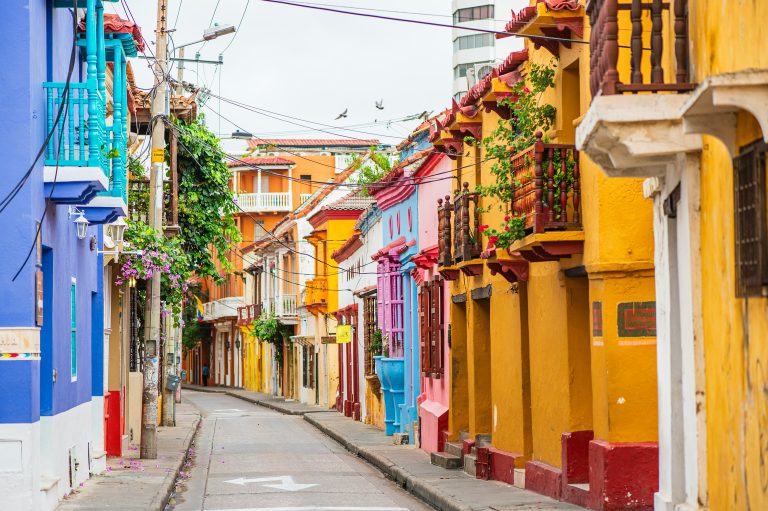
The world capital of salsa: classes by day, salsotecas by night, and the Feria de Cali every December.

The most vibrant place in Colombia. Pure culture of rhythm,dancing and music.

A traveller, on Hostelworld
The Cali guide
Villa de Leyva

Villa de Leyva

19 hostels

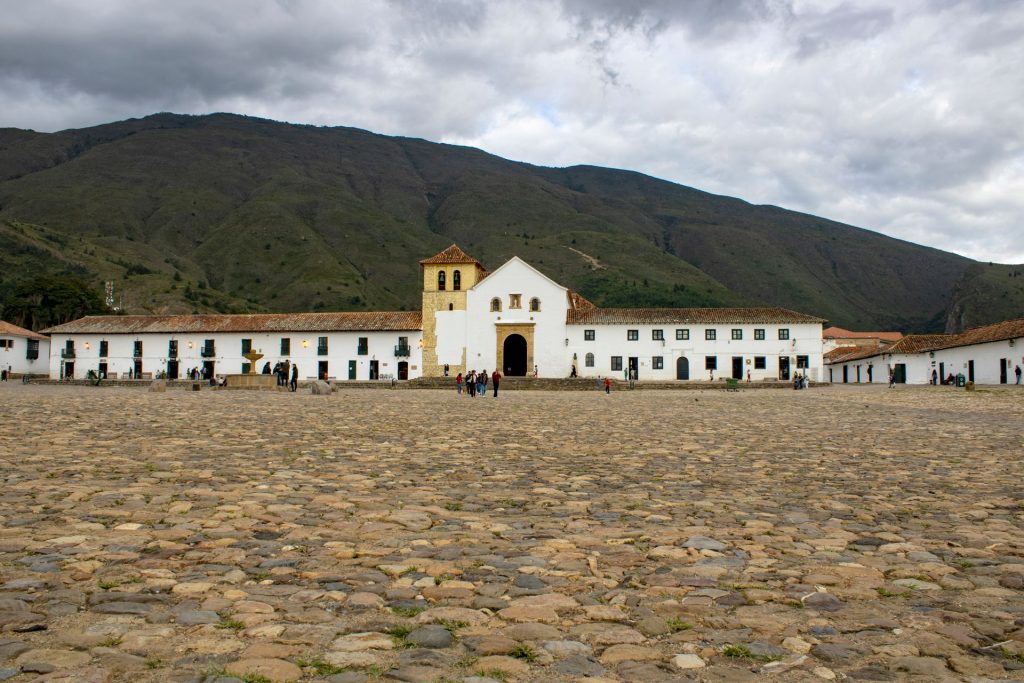
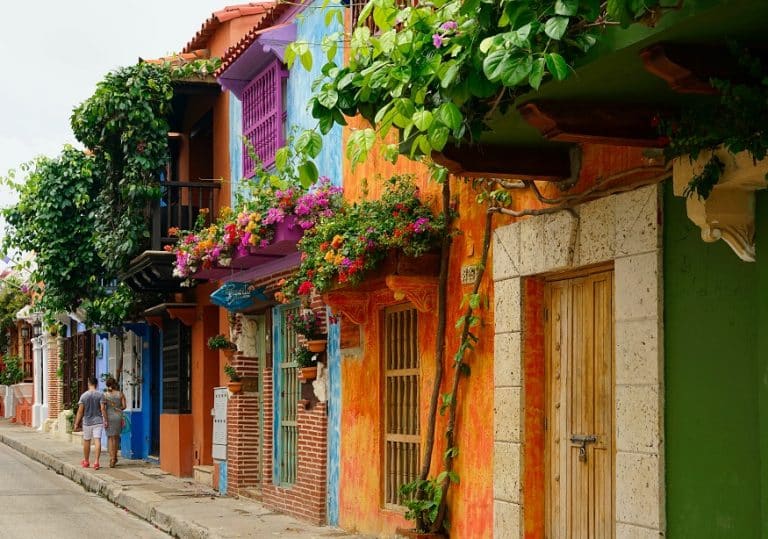
A whitewashed colonial town with a vast cobbled square, fossils in the hills and the best escape from Bogotá.

Nice town, I have been here previously and will stay another week in the town. I enjoyed the rural sights and sounds

A traveller, on Hostelworld
The Villa de Leyva guide
Palomino

Palomino

35 hostels

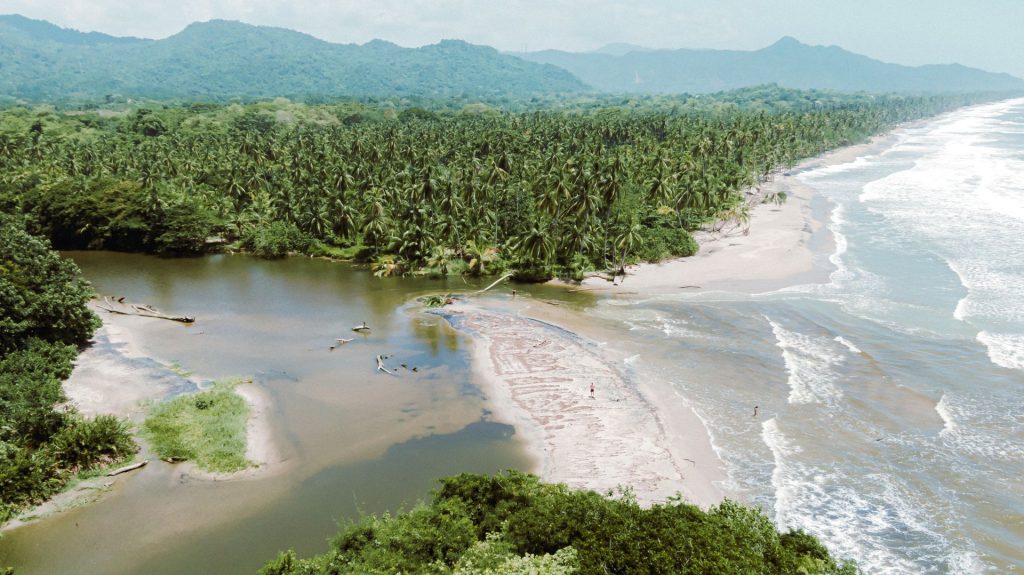
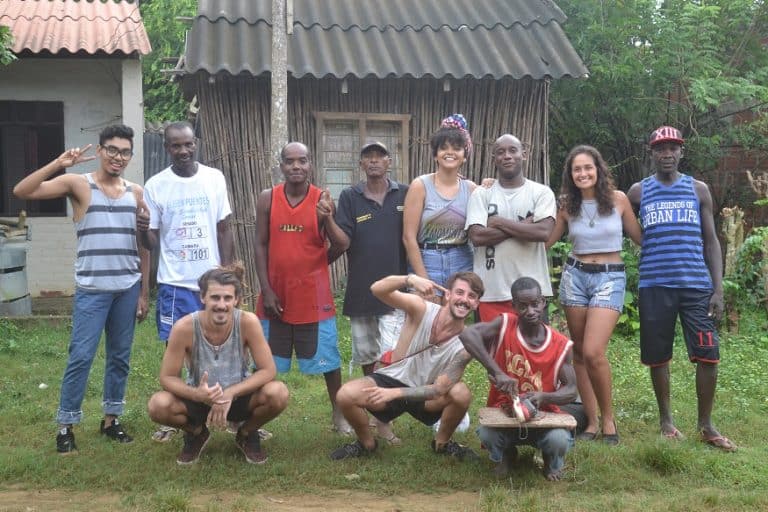
A laid-back Caribbean village where you float down a jungle river to the sea, two hours from Santa Marta.

It felt like Tulum before it was overly touristy. Friendly people, tasty food, beautiful mountains, hikes, beaches, and the tubing is a must

A traveller, on Hostelworld
The Palomino guide

What kind of trip is this?

Colombia covers everything, which is why people who plan two weeks stay for six.

Adventure in Colombia

Jungle treks, paragliding and the second most biodiverse country on earth.

What to do

  • Trek four days to the Lost City
  • Paraglide over Medellín
  • Hike the Cocora valley

Spots to visit

  • Lost City
  • Cocora Valley
  • San Gil

Best cities for it

Things to do

Things to do in Colombia

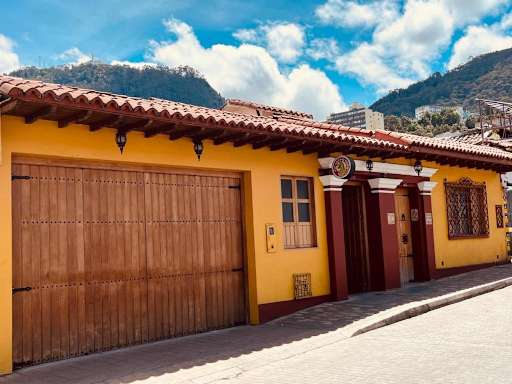
Medellín is where most people fall for the country. The Metrocable, built as public transport rather than a tourist attraction, runs up the valley walls to neighbourhoods that were cut off during the worst years, and Comuna 13 — once among the most dangerous places in the world — now has escalators, murals and guided walks led by people who grew up there. Take one of those rather than a generic tour.
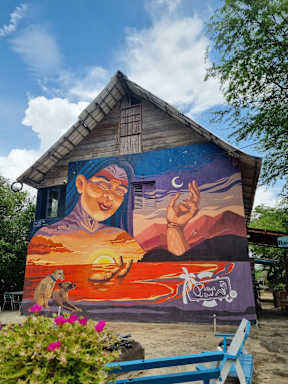
The Lost City trek near Santa Marta is four days through jungle to a Tayrona site older than Machu Picchu, done only with licensed guides and booked locally.

In the coffee region, Salento sits beside the Cocora valley, where wax palms sixty metres tall stand on open hillside, and the farm tours around it explain why Colombian coffee is what it is. Cartagena's walled city is the most beautiful in the country and the most expensive place in it.

Food and drink

Eating in Colombia

The menu del día is the backbone: soup, a main with rice, beans and plantain, and a fresh juice, for €3 to €5 at lunch in any neighbourhood restaurant. It is what most Colombians eat and it is the single best value meal on the continent.

The fruit is the revelation. Lulo, guanábana, granadilla, feijoa, maracuyá and a dozen more appear as juices at every corner, usually for under a euro, and most have no English name.

Bandeja paisa is the Antioquian mountain of beans, rice, pork, chorizo, avocado, plantain and a fried egg — try it once and plan nothing afterwards. Arepas, coffee and street empanadas fill the rest. Coastal food is different again, with coconut rice and fried fish.

Nightlife

Going out in Colombia

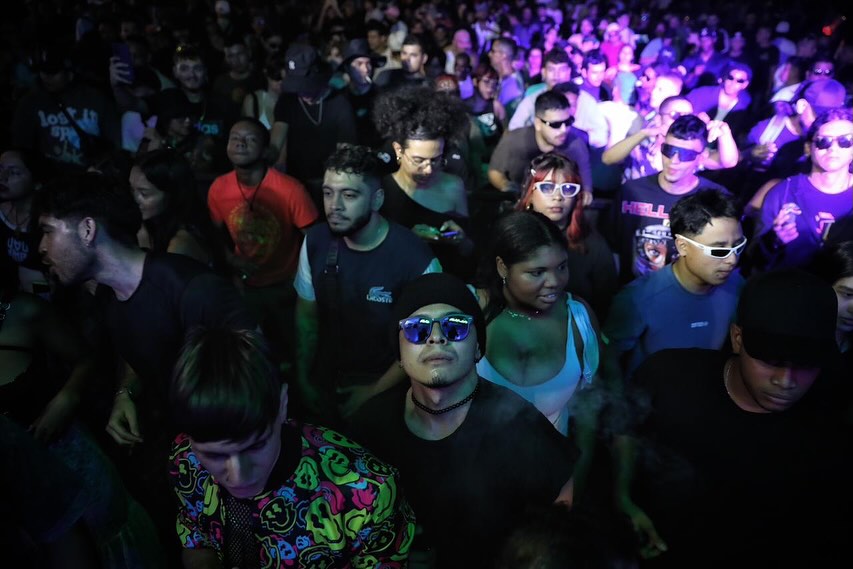
Colombia dances, and not decoratively — salsa, reggaeton and vallenato are social skills here, and people will pull you onto the floor whether or not you can do it.

Cali is the salsa capital of the world and has the clubs and schools to prove it. Medellín's Poblado is the backpacker centre and Provenza the polished end; Bogotá's Zona Rosa and Chapinero cover everything from craft beer to enormous clubs.
Aguardiente, the aniseed spirit, is drunk in bottles shared around a table rather than by the glass. Beer is €1 to €2 in a shop and €2 to €4 in a bar. A night out here costs a fraction of what it does in Europe, which is part of why people stay longer than planned.

Getting around

Getting around Colombia

The Andes make everything slow. Bogotá to Medellín is 400km and nine hours by bus on mountain roads, or an hour by plane for €30 to €60 with Avianca, Latam or Wingo. On the long legs, fly.

Buses are comfortable and cheap for shorter hops, and night buses cover the coast. Colectivos and shared jeeps handle the last stretch to smaller towns.

In cities, use apps — Uber operates in a legal grey area but is widely used, and Cabify and DiDi work too. In Medellín the metro and Metrocable are cheap and safe. Avoid unbooked street taxis at night in Bogotá, which is where most travellers have trouble.

Costs

What Colombia costs

Colombia is among the cheapest countries on the continent. Dorms start around €8, a set lunch is €3 to €5, a beer is €1 to €2 from a shop, and long-distance buses cost very little.

A comfortable day runs €25 to €40. Cartagena is the exception across the board — it is a cruise and honeymoon destination, and prices there are close to double the rest of the country.

The main one-off costs are the Lost City trek at around €350 to €450 for four days including everything, domestic flights, and diving or paragliding. Carry cash in smaller towns, though cards work widely in cities.

Safety

Staying safe in Colombia

Colombia is far safer than its reputation and still requires more awareness than most of this guide. The local phrase is no dar papaya — do not give anyone the opportunity — and it is the right frame.

Phone snatching and armed robbery happen in cities, particularly in Bogotá and parts of Medellín and Cali. Keep phones out of sight in the street, use apps rather than hailing taxis, and do not walk home alone late. If robbed, hand things over.

Drink spiking with scopolamine is a real and specific risk, often through dating apps or drinks accepted from strangers, and it has led to serious incidents involving foreign travellers. Never leave a drink, and be cautious about meeting strangers alone.

Some rural areas remain affected by armed groups and coca production, and government advice restricts several departments. Check current advice, and stick to established routes.

Entry and documents

Entry and documents

Most European, UK, US, Canadian and Australian citizens enter visa-free for 90 days, extendable to 180 in a calendar year at a Migración Colombia office.

Passports need six months' validity, and you may be asked for proof of onward travel — airlines check this more often than immigration does.

Colombia introduced a digital entry form, Check-Mig, to be completed online in the 24 hours before travel, and it has been updated more than once. Complete it before checking in.

When to go

Colombia sits on the equator, so altitude decides temperature rather than season. What changes is rain, and the dry months are December to March and July to August.

20°
Jan
Dry season and peak. Excellent everywhere
20°
Feb
Still dry. Carnival in Barranquilla
20°
Mar
Dry ending. Good all round
19°
Apr
Wet season. Green, cheap and fewer people
19°
May
Rain most afternoons. Low season prices
19°
Jun
Improving, and the coast is drier
19°
Jul
Dry again. Flower festival in Medellín in August
19°
Aug
Excellent. Feria de las Flores fills Medellín
19°
Sep
Wet season returns. Whale watching on the Pacific
19°
Oct
Wettest month in much of the country
19°
Nov
Still wet, easing at the end
20°
Dec
Dry season starts and Colombians travel. Book ahead
Bar height is temperature. Colour is how busy it gets: quiet busy peak

Average highs for Bogotá at 2,600m, which barely changes all year — it is cool and grey rather than tropical. Medellín sits around 22°C permanently, and the Caribbean coast is 30°C plus year-round.

What your trip will cost

Pick how you travel and how long for. Per night, for one person, in euro equivalents of pesos.

Cartagena runs roughly double these figures. The Lost City trek at €350–450 and domestic flights sit outside them.

—
  • Beds—
  • Food and drink—
  • Getting around—
  • Doing things—
What's on

What is on while you are there

Two of these are among the biggest street parties in the world, and both fill their cities completely.

Colombia travel questions

The ones we get asked most.

Is Colombia safe to visit?
Far safer than its reputation, and it still needs more awareness than most destinations. Phone snatching and robbery happen in cities, drink spiking with scopolamine is a genuine risk, and some rural departments are restricted in government advice. Keep phones out of sight, use ride apps rather than street taxis, and never leave a drink.
How long do you need in Colombia?
Three weeks minimum for Bogotá, Medellín, the coffee region and the Caribbean coast. A month is better, and a lot of people who plan two weeks end up staying six.
Is Colombia cheap?
Among the cheapest countries on the continent. Dorms from €8, a set lunch at €3 to €5, a beer for €1 to €2, and a day around €25 to €40. Cartagena is roughly double everywhere else.
What is the Lost City trek?
A four-day walk through jungle near Santa Marta to a Tayrona city older than Machu Picchu. It can only be done with licensed guides, is booked locally, and costs around €350 to €450 including everything.
Medellín or Bogotá?
Medellín for climate, the Metrocable, Comuna 13 and the biggest hostel scene in South America. Bogotá for museums, food and a more serious city at 2,600 metres. Most people prefer Medellín and both are worth days.
When is the best time to visit?
December to March and July to August are the dry months. Because Colombia sits on the equator, altitude rather than season decides temperature — Bogotá is permanently cool, Medellín permanently spring-like, and the coast permanently hot.
Do I need to speak Spanish?
It helps a great deal. English is limited outside hostels and tourist areas, far more so than in parts of Asia, and a few weeks of Spanish before you come changes the trip considerably.

Say yes to hostels, meet the world
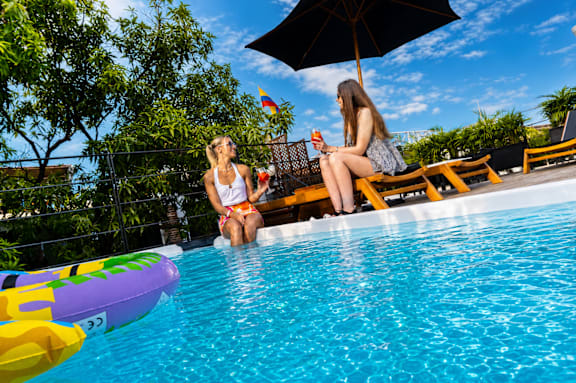
Compare hostels across Colombia — live prices, real reviews and free cancellation on most bookings. Then meet the people already there in the app.
Get the App. QRGet the App.
Get the App. QR  Get the App.
Scroll to Top