San Antonio
Hostels, atmosphere, viewsA colonial barrio on a hill above the centre, with most of the hostels, cafés and a lively park at sunset.

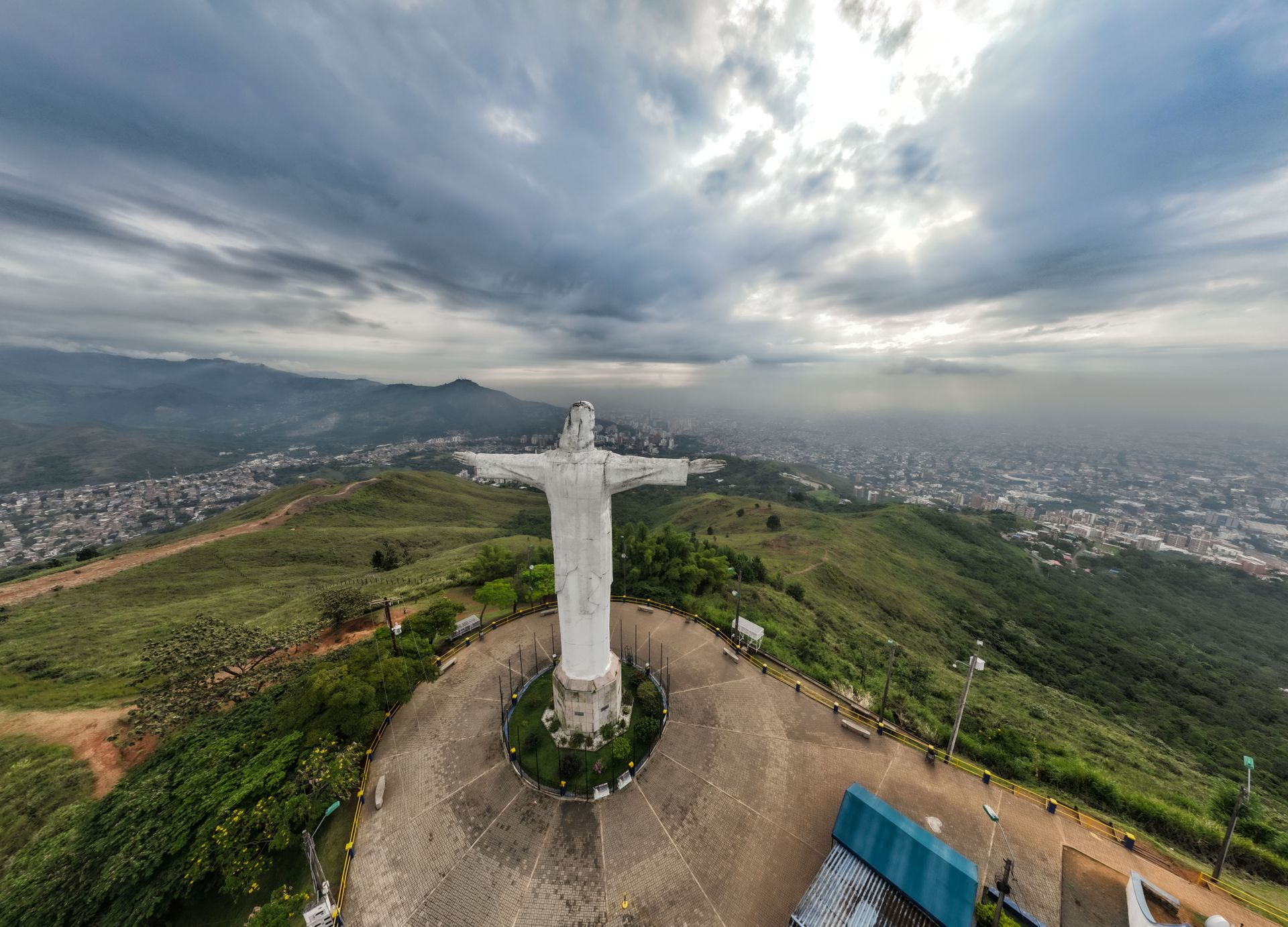
The world capital of salsa: a hot, rhythmic city where people dance like nowhere else, with a colonial hilltop barrio, Pacific flavours and the biggest party in Colombia every December.
Santiago de Cali is Colombia's third-largest city, set in the warm Cauca valley at around 1,000 metres, with the Western Andes rising to the west. It is hot, green and less touristy than Medellín or Cartagena, and it has a big Afro-Colombian community and a strong influence from the Pacific coast, which shapes its food and music.
Above all, Cali is about salsa. The city's fast style of dancing is famous across Latin America, there are dozens of salsa schools, and the salsotecas fill every weekend. Even if you have never danced, a few classes and a night out here are the reason to come. Every December, the Feria de Cali brings parades, concerts and salsa marathons.
Give Cali three or four days: time for classes and nights out, the colonial barrio of San Antonio and a day trip to the river or the lake. Cali was hit hard by the earthquake of 10 August 2026, which damaged thousands of homes. The airport reopened within a day, the city is open to visitors and the Feria de Cali is going ahead in December, but expect some repairs and closures; ask your hostel for the latest.
San Antonio has the most hostels and the best atmosphere. Granada and El Peñón are close by, with restaurants and bars, and are calmer at night.
A colonial barrio on a hill above the centre, with most of the hostels, cafés and a lively park at sunset.
A leafy area north of the river with many of the city's best restaurants.
A small, upmarket area between San Antonio and the river, with bars and restaurants.
Orange labels are neighbourhoods, dots are the 8 top-rated hostels. Map data from OpenStreetMap contributors.
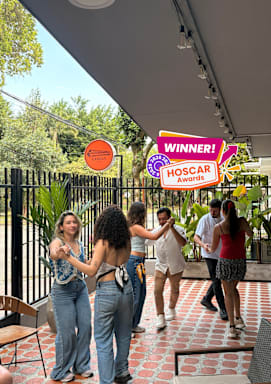
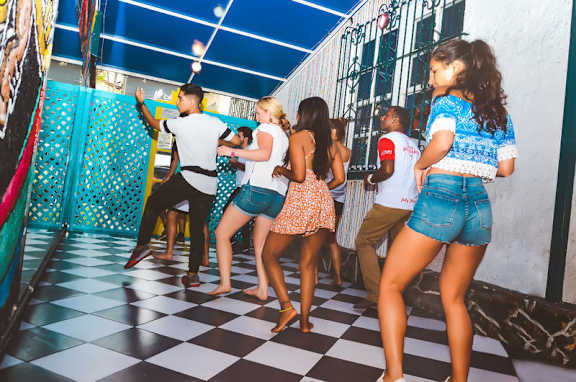
Take salsa classes. Schools across the city offer group and private lessons for all levels, and many hostels arrange them. Then go out: the salsotecas, from small bars where locals show off to big clubs in Juanchito, are where you will see the best dancers. Watching a show at a salsa school or a professional company is worth it too.
Walk San Antonio, a colonial barrio on a hill above the centre, with a small white church, views over the city and a lively park at sunset where people gather for street food and storytellers. Walk along the Río Cali to the Gato del Río, a giant cat sculpture surrounded by smaller painted cats.
The Cristo Rey statue and the Cerro de las Tres Cruces have views over the whole valley. Hike up early in the morning, with others, as robberies have happened on the trails. The Museo La Tertulia has modern art, and the zoo is one of the best in Colombia.
The park in San Antonio is free and lively at sunset, with views over the city, street food and performers. The river walk along the Río Cali, with the Gato del Río, is free too.
Free walking tours leave from the centre and San Antonio; tip the guide. Watching the dancers in a salsoteca can cost only a drink.
The Boulevard del Río in the centre is a pleasant riverside walk, and the churches of La Merced and San Francisco are free to visit.
Cali's food is different from the rest of Colombia, with Pacific flavours and lots of fruit. Try champús, a cold drink of corn, lulo and pineapple, and lulada, crushed lulo with lime and sugar, sold on every corner. Marranitas are fried plantain balls with pork crackling, and aborrajados are fried plantain stuffed with cheese.
The Galería Alameda is a market full of tropical fruit, seafood and stalls serving Pacific dishes like seafood stews and coconut rice. It is one of the best food markets in Colombia.
Granada and San Antonio have the best restaurants, and a menú del día costs a few euros in any local place.
Cali's nightlife is built around salsa. Salsotecas range from small, local bars where people dance in front of the speakers to big clubs. Juanchito, across the river on the edge of the city, is the traditional heart of salsa nights, and is best visited by taxi with locals or a group from your hostel.
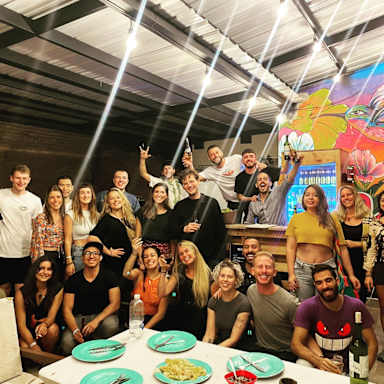
San Antonio and Granada have bars, and El Peñón has cocktails and restaurants. Many hostels run salsa nights for guests.
Nights start late, especially at weekends. Use ride apps and keep valuables at the hostel.
San Antonio, Granada and the centre are close and walkable by day. The MIO bus network covers the city, but ride apps and taxis are the easiest and safest way around, especially at night.
Alfonso Bonilla Aragón airport is in Palmira, around 30 to 45 minutes from the city, with flights from Bogotá, Medellín and some international cities. It reopened the day after the August 2026 earthquake.
The bus terminal has services to Salento, around four hours, Popayán, around three, and Medellín, around nine.
Cali is good value. Dorm beds start around €8, with well-rated hostels in San Antonio from €9 to €14. A menú del día costs €3 to €5, a lulada around a euro.
Salsa classes are the main extra, and are cheap by international standards, especially in groups. Entry to salsotecas is usually cheap or free, with drinks by the bottle for groups.
Cards are widely accepted, but carry cash for markets and street food.
Cali has higher crime rates than Medellín or Bogotá, so take extra care. Stay in San Antonio, Granada or El Peñón, use ride apps at night, keep your phone out of sight and do not walk in unfamiliar areas, especially after dark.
Hike to Cristo Rey or the Tres Cruces early, with a group, and leave valuables behind. Never leave your drink unattended in bars.
After the August 2026 earthquake, some buildings remain damaged or closed. Follow local signs and ask your hostel about any changes. In an emergency, call 123.
Rivers, lakes and a white colonial city.
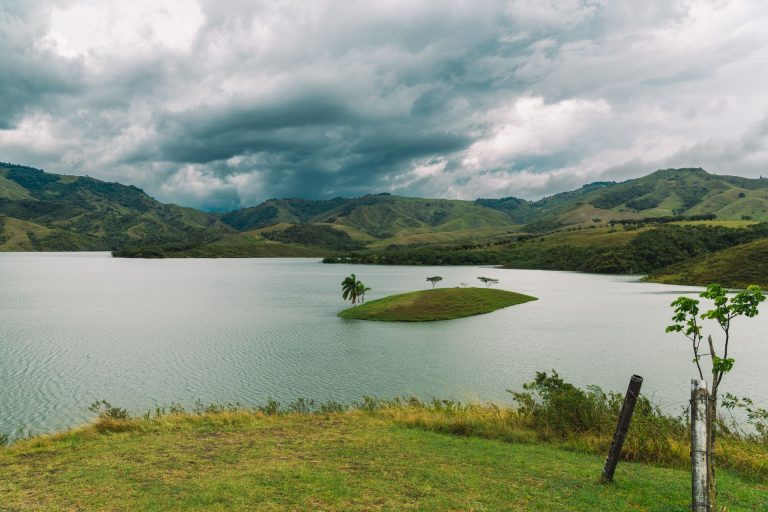
A big lake in the hills, known for windsurfing and kitesurfing.
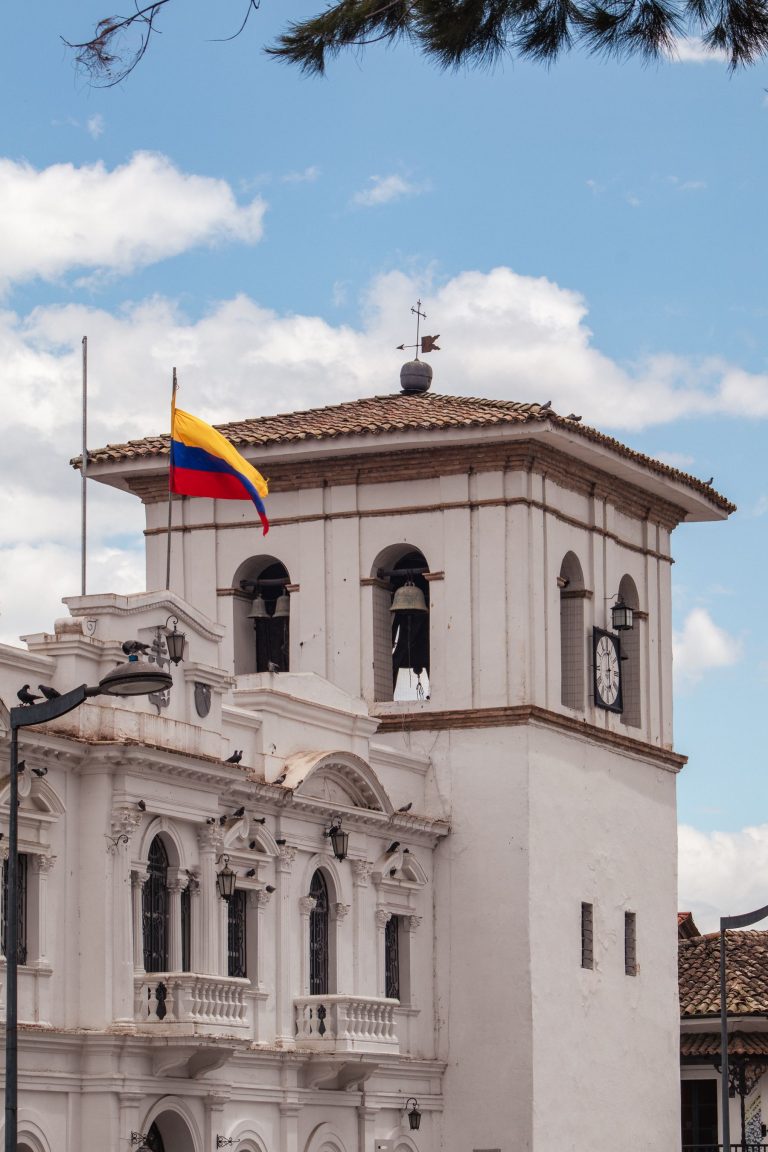
The white city: a colonial centre with famous Semana Santa processions.
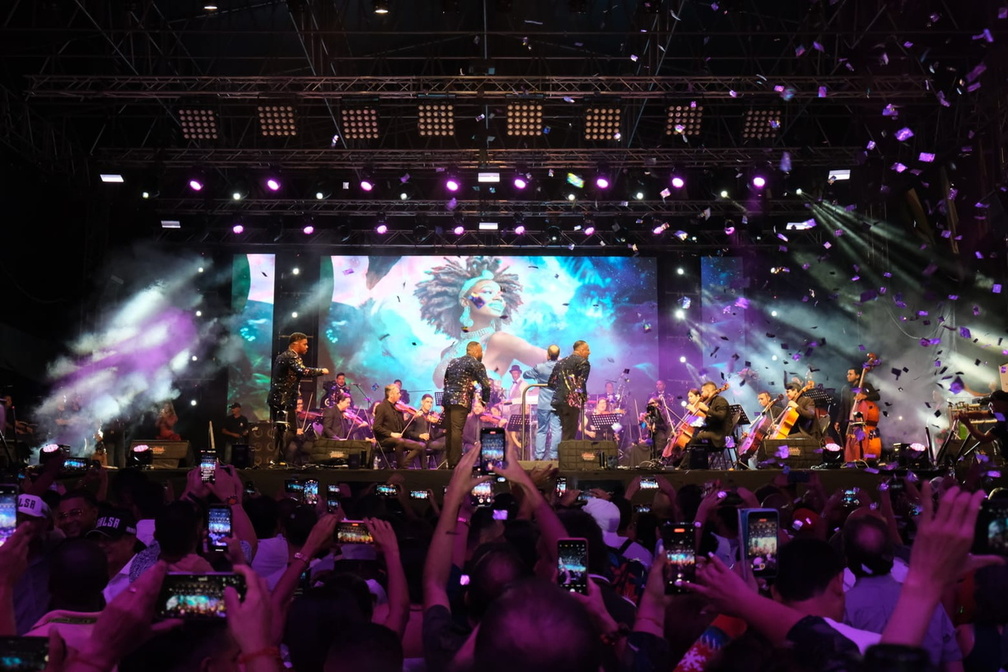
Salsa, parades and the biggest party of the year.
 Staff pick
Feria de Cali in Cali, Colombia, is a world-renowned celebration of salsa music and dance that transforms the city into a lively street party…
 Staff pick
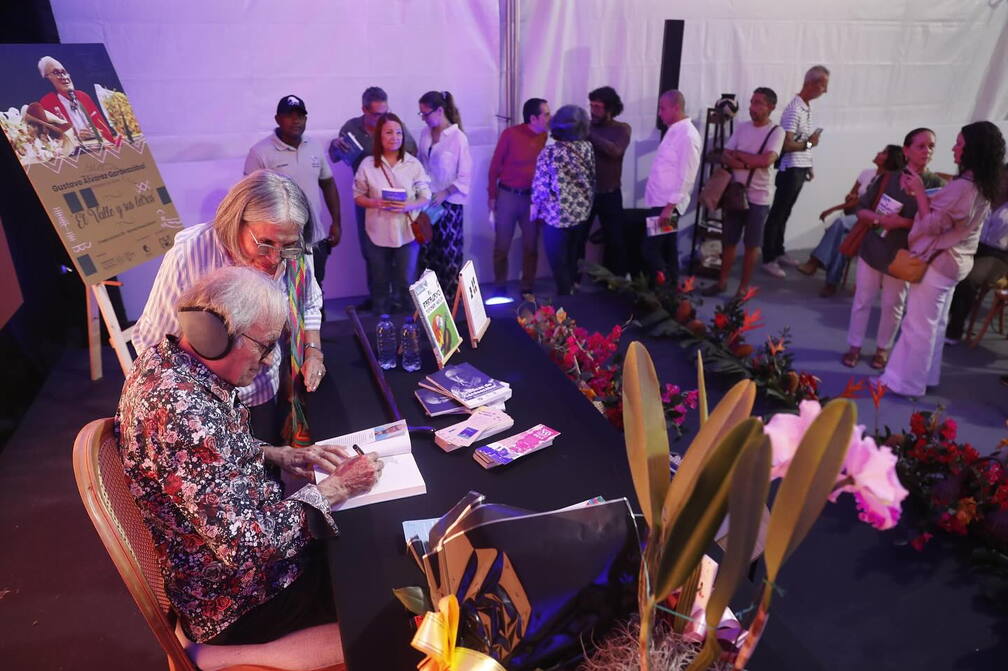
The Cali International Book Fair is a major cultural gathering in Cali, Colombia, bringing together readers, writers, publishers, and cultural leaders for a celebration…
 Staff pick
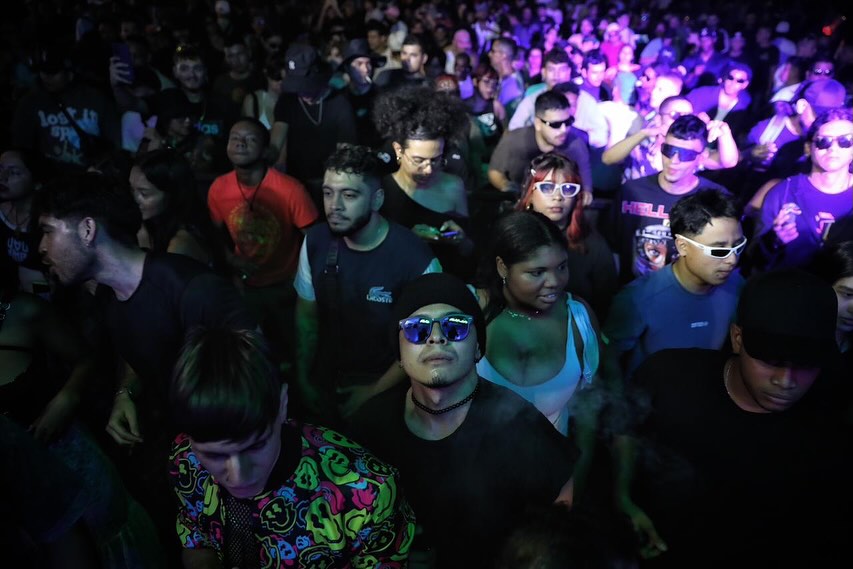
Sucursal Fest in Cali, Colombia, is a dynamic urban arts festival designed for new generations, offering a platform for music, dance, graffiti, and digital…
 Staff pick
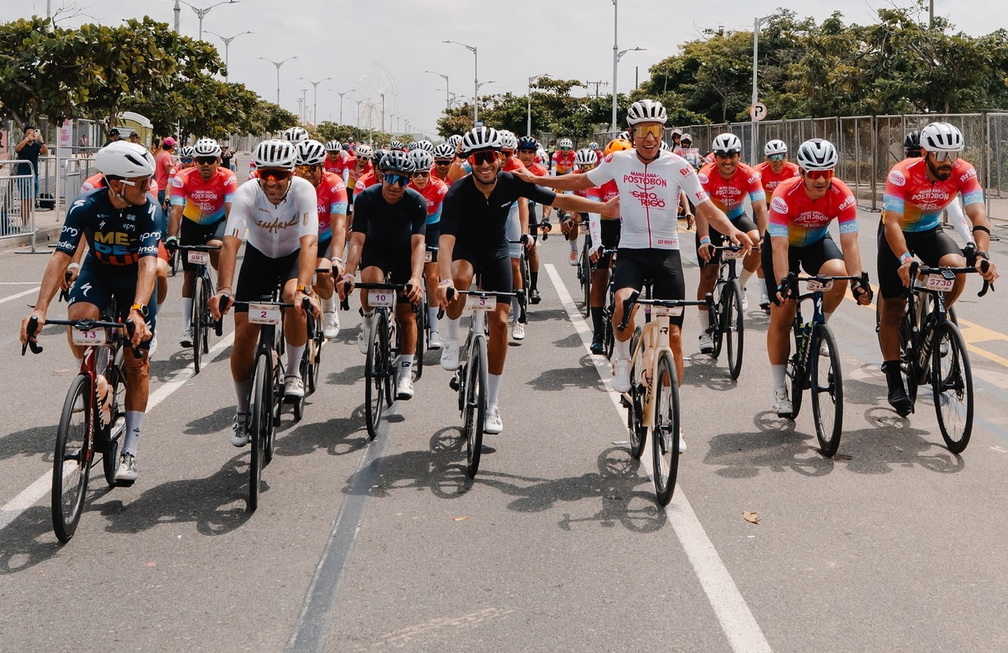
Giro de Rigo, hosted by renowned cyclist Rigoberto Urán, is Colombia’s premier amateur cycling gran fondo, drawing thousands of riders from around the world…
 Staff pick
The Cali International Film Festival (Festival de Cine de Cali) is a celebrated event in Cali, Colombia, that has been showcasing independent, local, and…
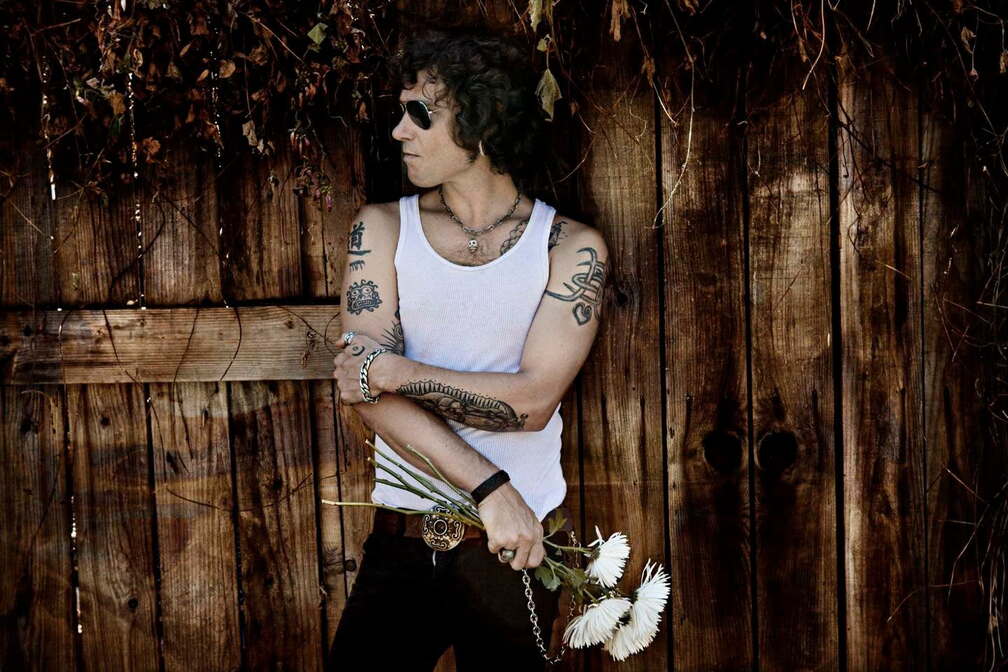
Enrique Bunbury brings his Nuevas Mutaciones Tour to Cali, reimagining his catalog with fresh sounds and arrangements. The Arena Cañaveralejo hosts this Spanish-language rock…
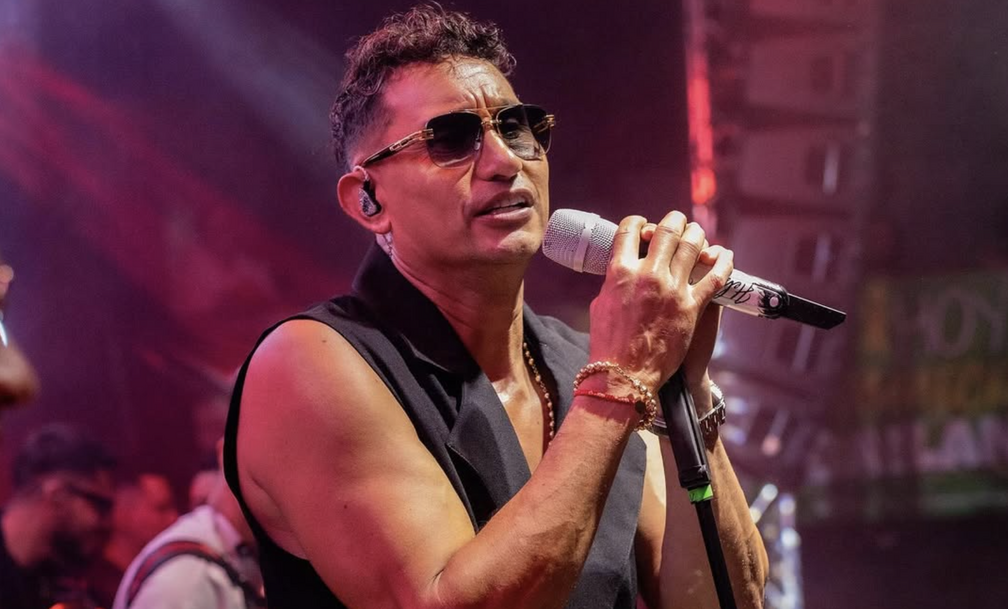
A stacked lineup of popular artists including Herbert Vargas, Jean Carlos Centeno, Nelson Velásquez, and Jhon Alex Castaño takes over Arena Cañaveralejo for one…
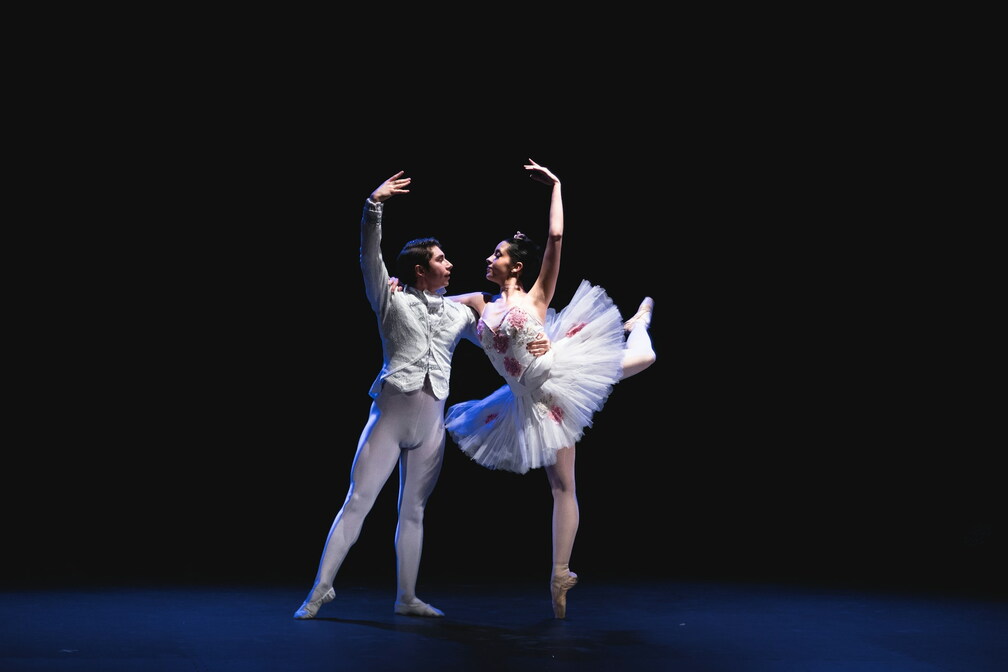
Renowned classical and contemporary dance companies from around the world gather in Cali for FINBA 2026, the 15th edition of this celebrated ballet festival.…
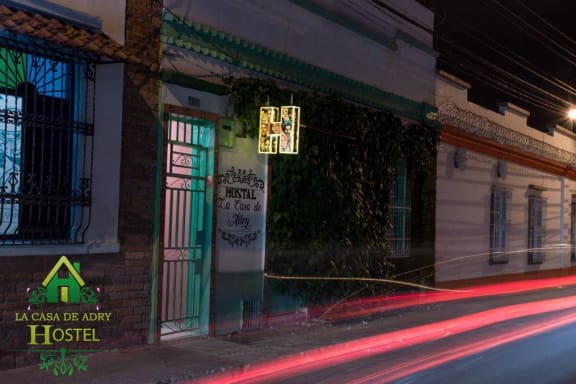
The highest-rated hostels in Cali, straight from Hostelworld. Prices and availability are live on each property page.
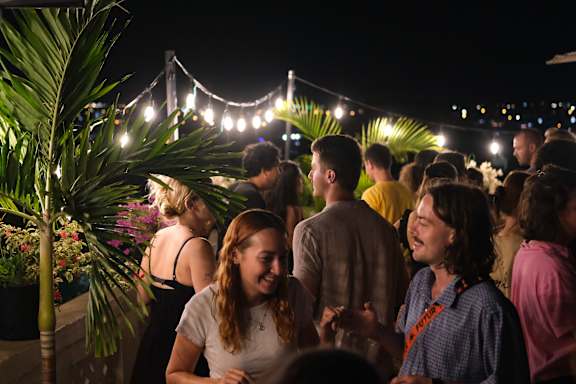
Cali is hot all year. December to February and June to August are drier. The Feria de Cali, from 25 to 30 December, is the best and busiest time.
Average highs, rounded. Afternoon storms are common in the wet months.
Per night, for one person, based on Cali prices.
Treat these as a guide. Private salsa classes and the Feria cost extra.
The ones we get asked most.

Compare hostels in Cali: live prices, real reviews and free cancellation on most bookings. Then meet the people already there in the app.

 Get the App.



 Get the App.