Historic centre
Atmosphere, walkableThe cobbled streets around the Plaza Mayor, with most restaurants and a few hostels.

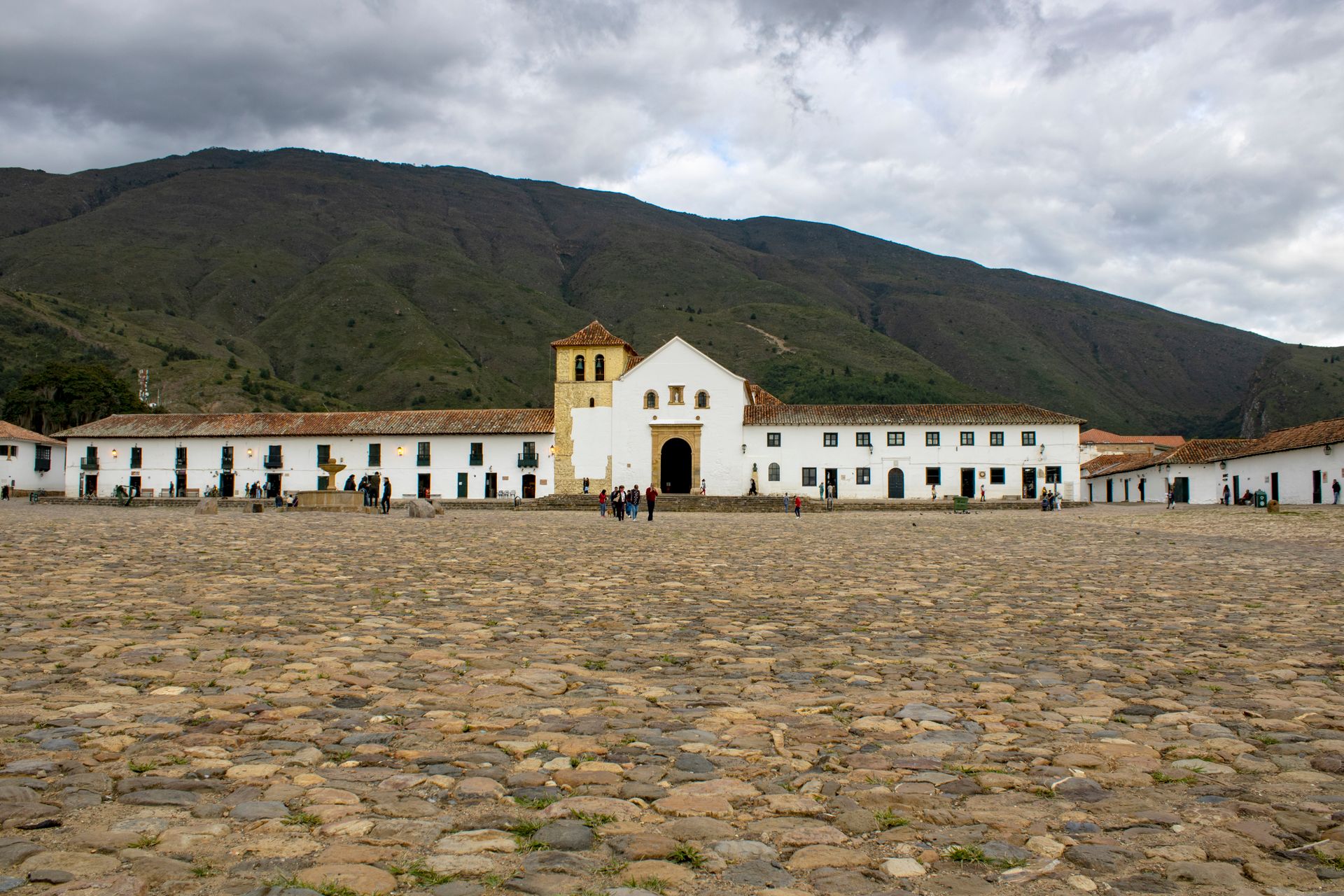
A whitewashed colonial town in the dry hills of Boyacá, with one of the largest cobbled squares in the Americas, fossils in the fields and the best escape from Bogotá.
Villa de Leyva was founded in 1572 and has barely changed since. Its whitewashed houses with green doors and terracotta roofs line cobbled streets that lead to the Plaza Mayor, a vast, sloping square of rough stones that is one of the largest in the Americas. The whole town is a national monument, and building rules keep it looking as it did centuries ago.
The landscape around it is surprising: dry, ochre hills that were once at the bottom of the sea, which is why fossils are found everywhere. A near-complete kronosaurus, a giant marine reptile, is on show just outside town. There are also Muisca stone sites, a Dominican monastery, blue pools, waterfalls and a house built entirely from clay.
Give Villa de Leyva two or three days. One for the town, one for cycling or a tour of the sights outside it, and one for a hike or a trip to the pottery town of Ráquira. Come midweek if you can: at weekends and holidays, Bogotá arrives and prices rise.
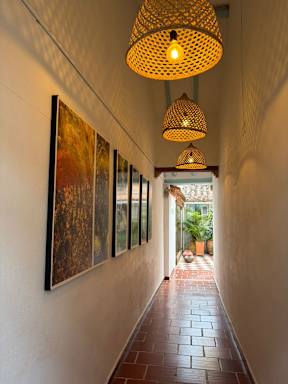
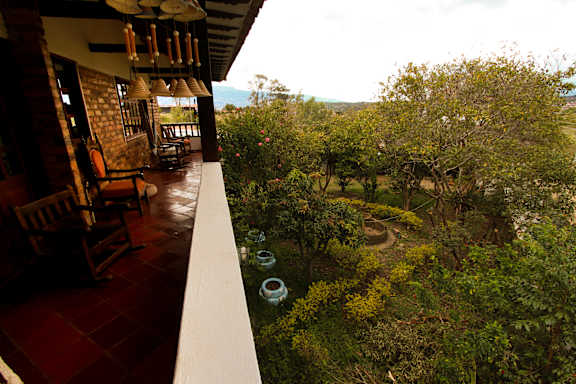
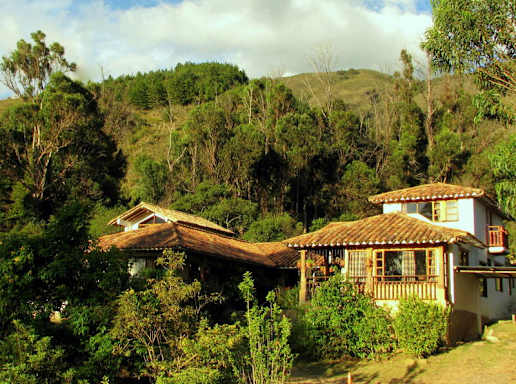
Stay in the historic centre to walk everywhere, or just outside it for gardens, views and lower prices.
The cobbled streets around the Plaza Mayor, with most restaurants and a few hostels.
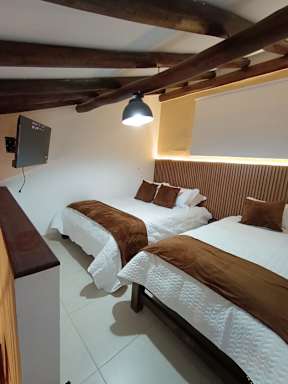
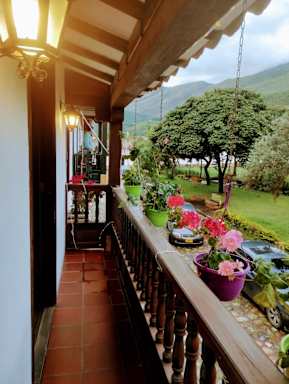
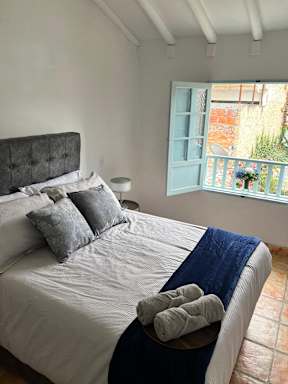
Hostels with gardens and mountain views, a five to fifteen-minute walk from the square.
Orange labels are neighbourhoods, dots are the 12 top-rated hostels. Map data from OpenStreetMap contributors.
Start in the Plaza Mayor, best early in the morning when it is empty, or at sunset when the stones glow. The streets around it have colonial churches, craft shops and small museums, including the house of Antonio Nariño, a hero of independence.
Rent a bike or join a tour to see the sights outside town. The Museo El Fósil has the kronosaurus, found by a local farmer. El Infiernito is a Muisca site of standing stones used to track the sun. The Convento del Santo Ecce Homo is a quiet 17th-century monastery with fossils in its floor. The Pozos Azules are small blue pools in the desert hills, and the Casa Terracota is a huge house built from fired clay, like a piece of pottery you can walk through.
For a hike, the Paso del Ángel is a narrow ridge with drops on both sides, and the Iguaque sanctuary has a long climb to a sacred lake of the Muisca; check it is open before going. Ráquira, around 30 minutes away, is a colourful town of potters.
The Plaza Mayor and the colonial streets are free to wander, and the churches are open for a look at service times.
Walks into the hills around town are free, with views back over the rooftops. A short walk uphill from the centre gives the classic view over the town and the square.
The Saturday market, near the main square, is free to explore and full of local produce, cheeses and fruit.
Boyacá food is made for cold evenings. Try cocido boyacense, a stew of meat, potatoes and corn, and mazamorra chiquita, a thick corn soup. Arepas boyacenses, sweet and filled with cheese, are sold everywhere.
The town has more good restaurants than its size suggests, many serving international food for weekend visitors from Bogotá. Prices are higher around the square.
The Saturday market is the place for local cheese, fruit and cheap food, and many hostels have kitchens.
Villa de Leyva is quiet at night. A few bars around the square have music, especially at weekends, when the town fills with visitors from Bogotá.
Craft beer, wine bars and cafés are the best options. Evenings are cold, so bring a jacket.
Midweek, most travellers have an early night.
The town is small and walkable. Bikes are a great way to reach the sights outside town, though the roads are dusty and hilly, and tuk-tuks and taxis offer tours of the main sights.
Buses run from Bogotá's Terminal Salitre, around four hours, often with a change in Tunja. Buses to Tunja take around 45 minutes, with connections to San Gil and the north.
Bogotá's El Dorado is the nearest major airport.
Villa de Leyva is cheap midweek and noticeably pricier at weekends and holidays. Dorm beds start around €7, with well-rated hostels from €8 to €14.
The sights outside town have small entry fees, and bike hire is cheap. Restaurants around the square are expensive for Colombia.
Carry some cash for small fees and the market.
Villa de Leyva is very safe and relaxed. Take normal care with your belongings.
At 2,100 metres, days are warm and sunny, but nights are cold and the sun is strong. Bring layers and sun cream.
The Paso del Ángel is narrow with steep drops, so take care, especially in wind or rain. In an emergency, call 123.
Pottery towns, sacred lakes and colonial cities nearby.
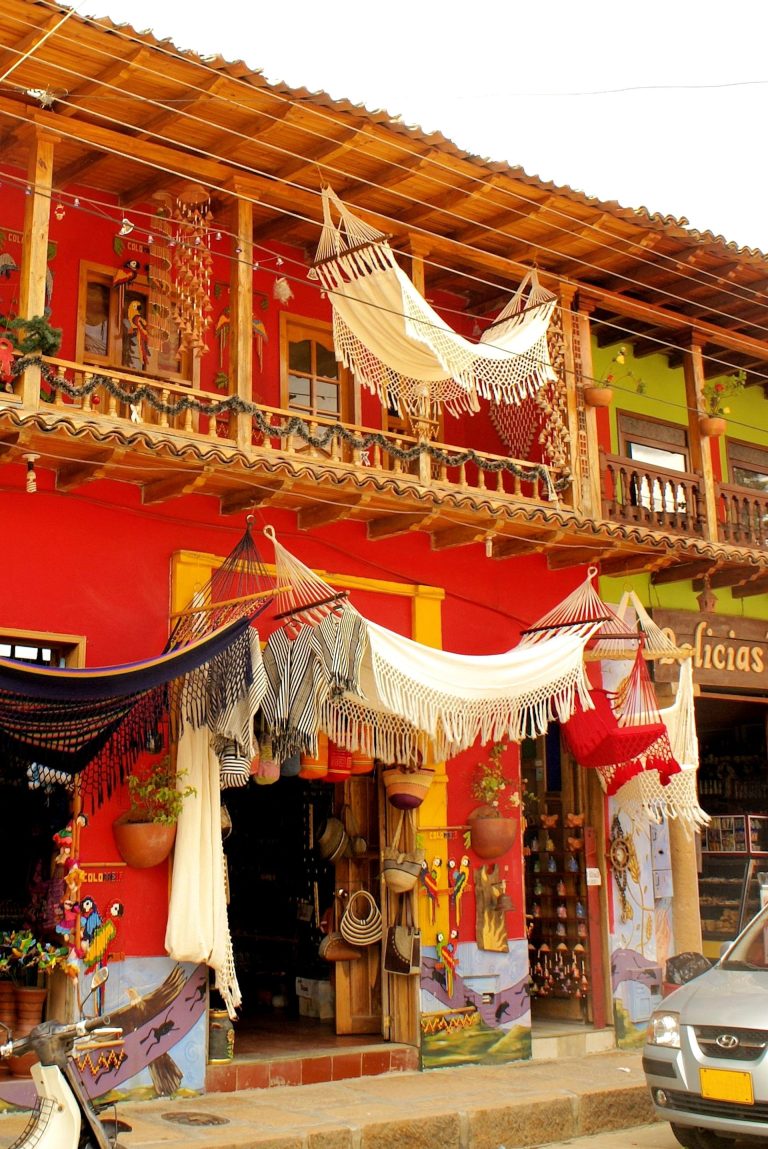
A colourful town of potters and craft shops.
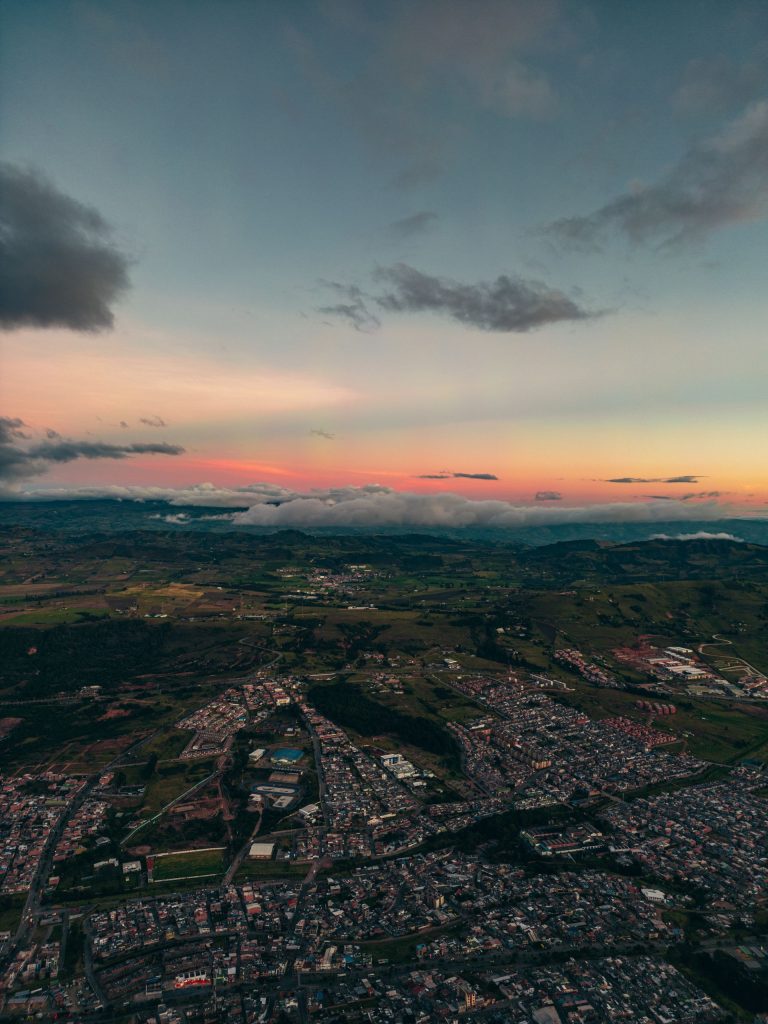
The capital of Boyacá, with colonial churches and the Puente de Boyacá battlefield nearby.
Kites, lights and weekend crowds.
A kite festival in the windiest month, with kites over the hills.
Fireworks and lights over the square to open the Christmas season.
Visitors from Bogotá fill the town. Come midweek for quiet.
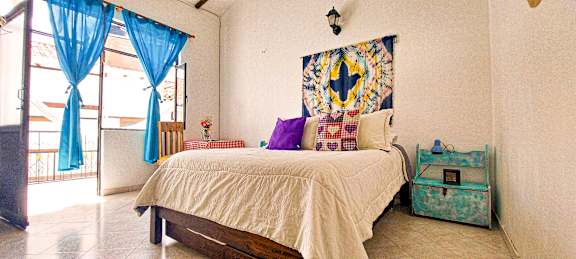
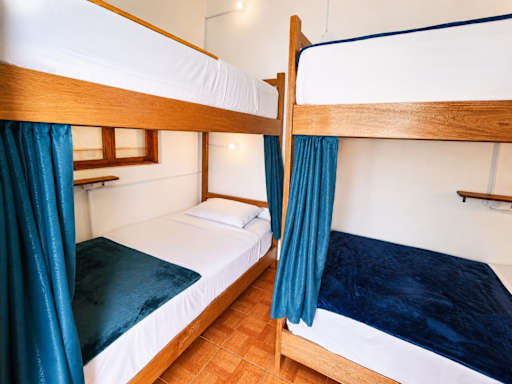
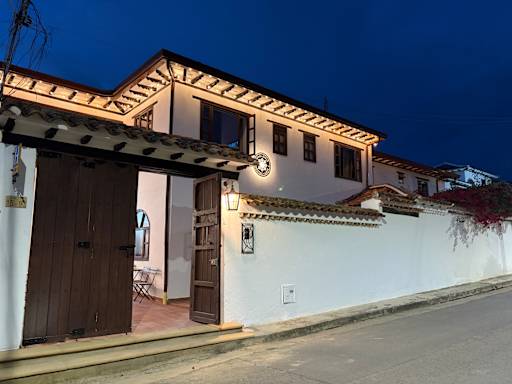
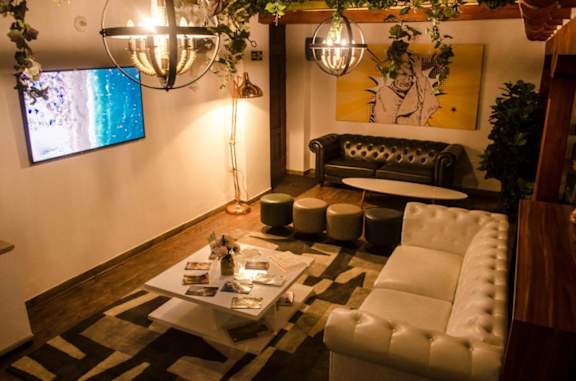
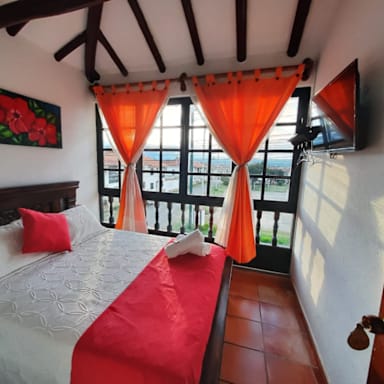
The highest-rated hostels in Villa de Leyva, straight from Hostelworld. Prices and availability are live on each property page.
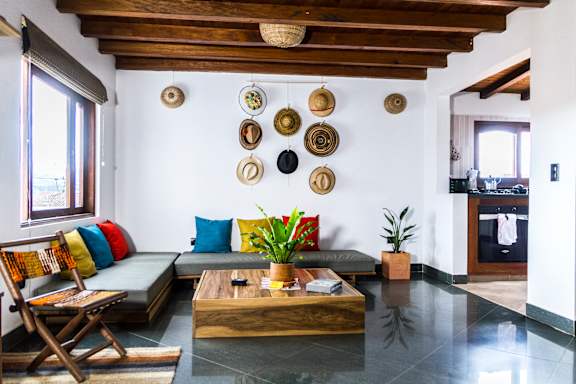
Villa de Leyva is dry and sunny for much of the year. December to March and July to August are driest. August brings the kite festival, and December the festival of lights.
Average highs, rounded. Nights can drop below 10°C.
Per night, for one person, based on Villa de Leyva prices.
Treat these as a guide. Weekend and holiday prices are higher.
The ones we get asked most.

Compare hostels in Villa de Leyva: live prices, real reviews and free cancellation on most bookings. Then meet the people already there in the app.

 Get the App.



 Get the App.