Historic centre
Sights, walkableThe UNESCO-listed old town around the Parque Calderón, with most hostels, cafés and museums.

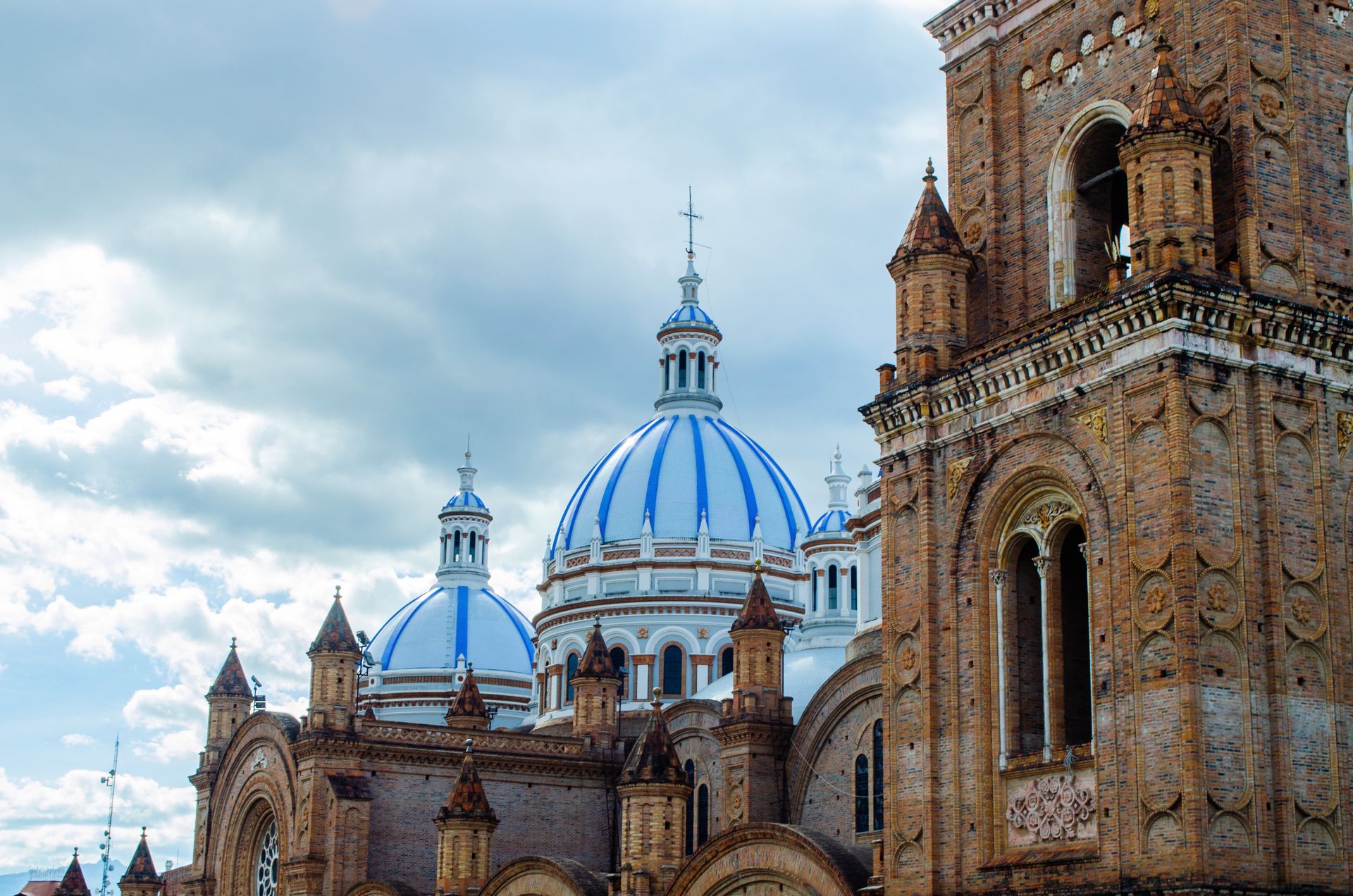
Ecuador's most beautiful colonial city: blue cathedral domes, four rivers, flower markets and Panama hats, with the lakes of El Cajas National Park just up the road.
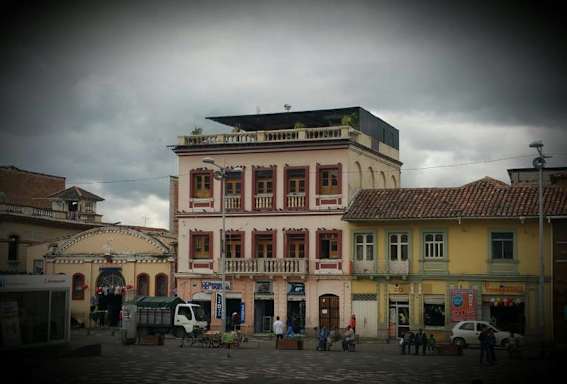
Cuenca sits at around 2,500 metres in a green valley in the southern highlands, where four rivers meet. Its historic centre, a UNESCO World Heritage Site, is a grid of cobbled streets lined with colonial and republican buildings, balconies, courtyards and churches. It is calmer, cleaner and easier to walk than Quito, and many travellers rate it as their favourite city in Ecuador.
The skyline is dominated by the three blue-tiled domes of the New Cathedral. Below the old town, the Tomebamba river runs past the hanging houses of the Barranco, with a riverside path that is the city's favourite walk. Cuenca is also the home of the toquilla straw hat, wrongly known around the world as the Panama hat, and you can see them being made in workshops around the city.
Give Cuenca three days: one for the old town and museums, one for El Cajas National Park, and one for the Inca site of Ingapirca or the craft villages around the city. It is a relaxed place to stay longer, with Spanish schools and a large expat community.
Stay in the historic centre, within walking distance of everything. The streets near the river are quieter and prettier.
The UNESCO-listed old town around the Parque Calderón, with most hostels, cafés and museums.
The street along the top of the river bank, with bars and restaurants, and the river path below.
A calm area across the river from the old town, a short walk from the centre.
Orange labels are neighbourhoods, dots are the 6 top-rated hostels. Map data from OpenStreetMap contributors.
Start at the Parque Calderón, the main square, with the New Cathedral on one side and the smaller Old Cathedral, now a museum, on the other. Climb to the cathedral's terrace for views over the domes. The flower market in the Plaza de San Francisco and the Plaza del Carmen are a short walk away.
The Museo Pumapungo, run by the central bank, has Inca ruins in its gardens and a strong ethnographic collection, and the Museo de las Culturas Aborígenes has thousands of pre-Columbian pieces. Visit a toquilla hat workshop to see how the hats are woven and finished.
Walk the river path along the Tomebamba below the Barranco, and take a bus or taxi up to the Mirador de Turi for views over the whole city. El Cajas National Park, around 45 minutes away, is a high páramo landscape of hundreds of lakes, with well-marked hiking trails.
Walking the old town and the river path along the Tomebamba costs nothing, and the plazas, flower market and churches are free to visit.
The Museo Pumapungo is free, with its Inca ruins and gardens. Free walking tours leave from the Parque Calderón; tip the guide.
The Mirador de Turi is free, and you can walk up if you are fit, or take a cheap bus.
Mote pillo, big-grained corn scrambled with egg and onion, is the local breakfast, and hornado, roast pork, is sold in the markets. Cuy, roast guinea pig, is a southern highland speciality, especially in the villages around the city.
The Mercado 10 de Agosto has cheap almuerzos, fresh juices and hornado stalls upstairs. The old town is full of cafés and restaurants, from local food to international menus aimed at the expat community.
Canelazo, the hot cinnamon drink, is good on cool evenings.
Cuenca's nightlife centres on the Calle Larga, along the top of the Barranco, with bars, live music and a few clubs, busiest from Thursday to Saturday.
The city is more relaxed than Quito, with wine bars, craft beer and cafés open late.
Take a taxi or ride app home late at night.
The old town is walkable. A modern tram, the Tranvía, crosses the city, and taxis are cheap.
Mariscal Lamar airport is close to the centre, around 10 to 15 minutes by taxi, with flights to Quito in around an hour.
Buses run to Quito in around eight to ten hours, and to Baños in around seven. Buses to the coast go via Guayaquil, an area where several governments advise caution or against travel, so check the current advice.
Cuenca is good value. Dorm beds start around €8, with well-rated hostels from €9 to €14. Almuerzos cost a few euros, and many museums are free or cheap.
El Cajas is free to enter, and buses there are cheap. A good toquilla hat is the main thing you might splurge on; prices depend on the fineness of the weave.
Ecuador uses the US dollar. Bring small notes.
Cuenca is one of the safest cities in Ecuador. Take normal care with your belongings, especially around the markets and at night.
In El Cajas, the weather changes fast and it gets cold, with fog and rain. Register at the park entrance, stay on marked trails and bring warm, waterproof layers.
At 2,500 metres, go slowly at first. In an emergency, call 911.
Lakes, Inca ruins and craft villages.
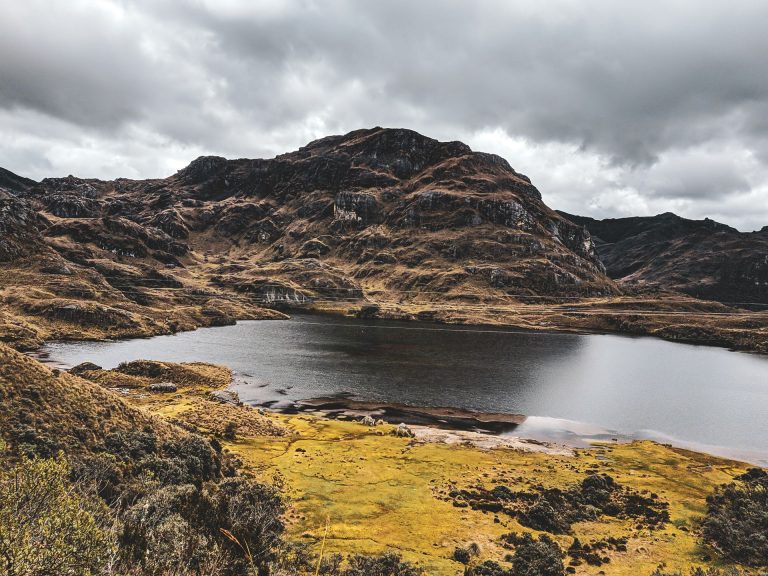
High páramo with hundreds of lakes and marked trails.
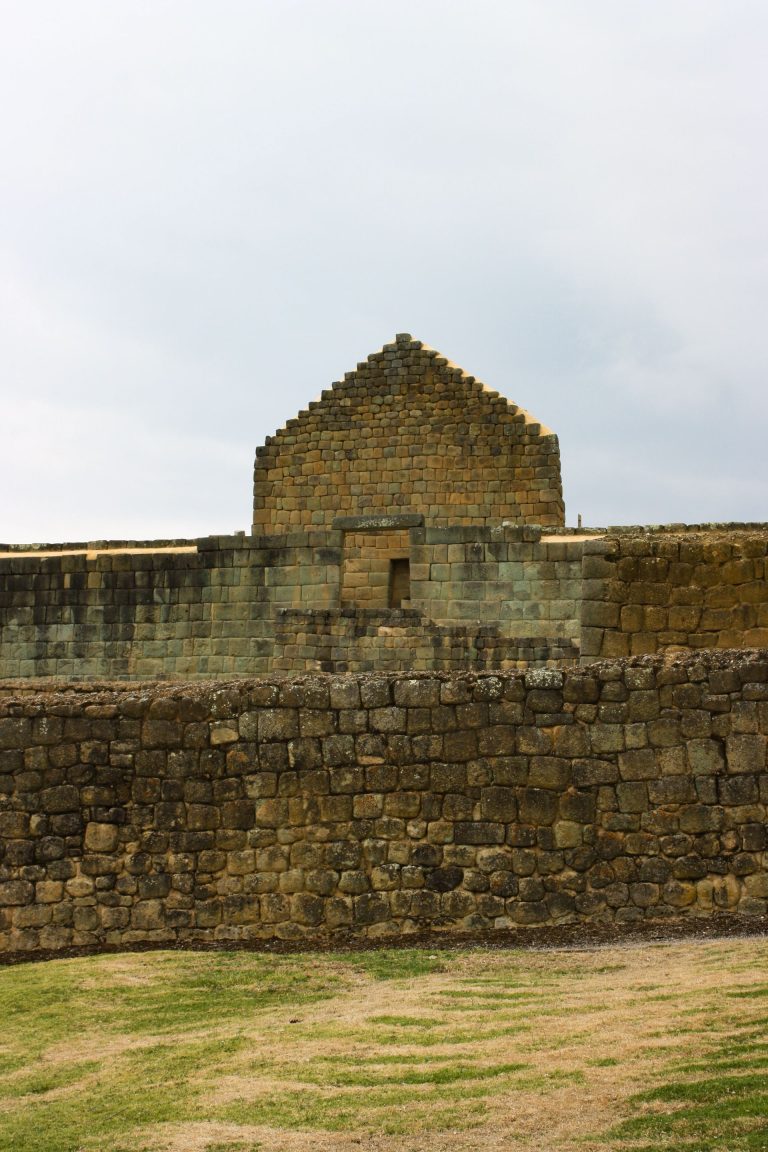
The largest Inca ruins in Ecuador, with a sun temple.
Christmas parades, independence days and festivals.

Cuenca's Independence celebrations get a serious upgrade with this massive 18th-edition party featuring 10 stages running simultaneously. You'll move between interactive environments with national…

Martin Garrix brings his Americas Tour to Cuenca for the first time at Estadio Alejandro Serrano Aguilar. Expect a night full of energy, stunning…

A free midweek arts series brings live music and dance performances to the House of Culture Theater on select Wednesday evenings through August, September,…

Festival Sagrada brings romantic reggaetón heavyweight Ken-Y to Cuenca alongside a stacked lineup including Blanko, Vett, Perdomo, and Nico Sánchez. The new venue at…
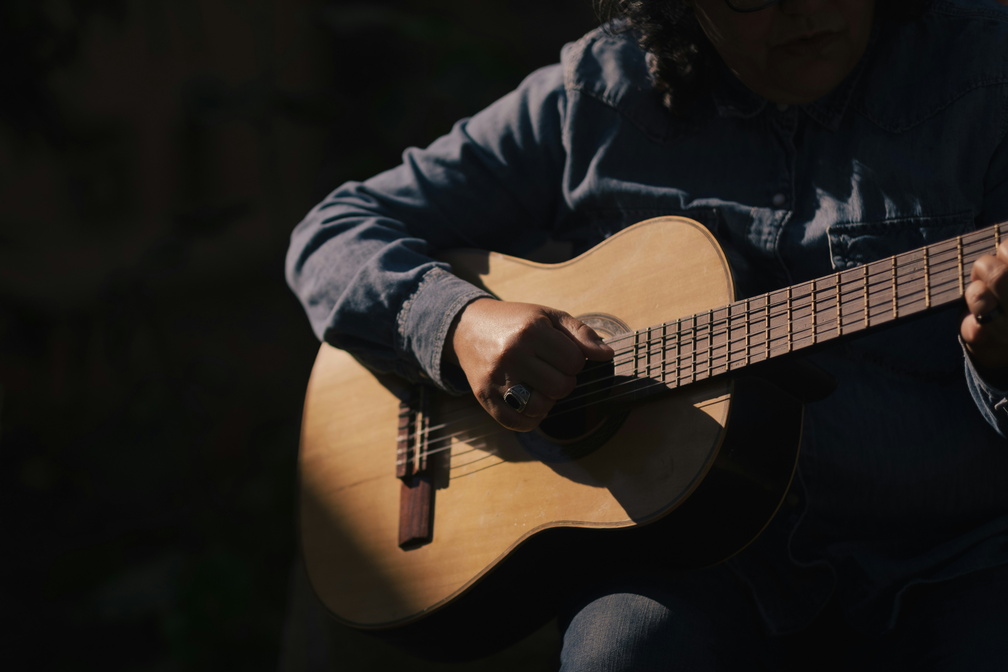
Guillo Mosquera and Max Andrade perform the timeless classics of trova and singer-songwriter music in this intimate concert at Teatro Sucre. You'll hear the…
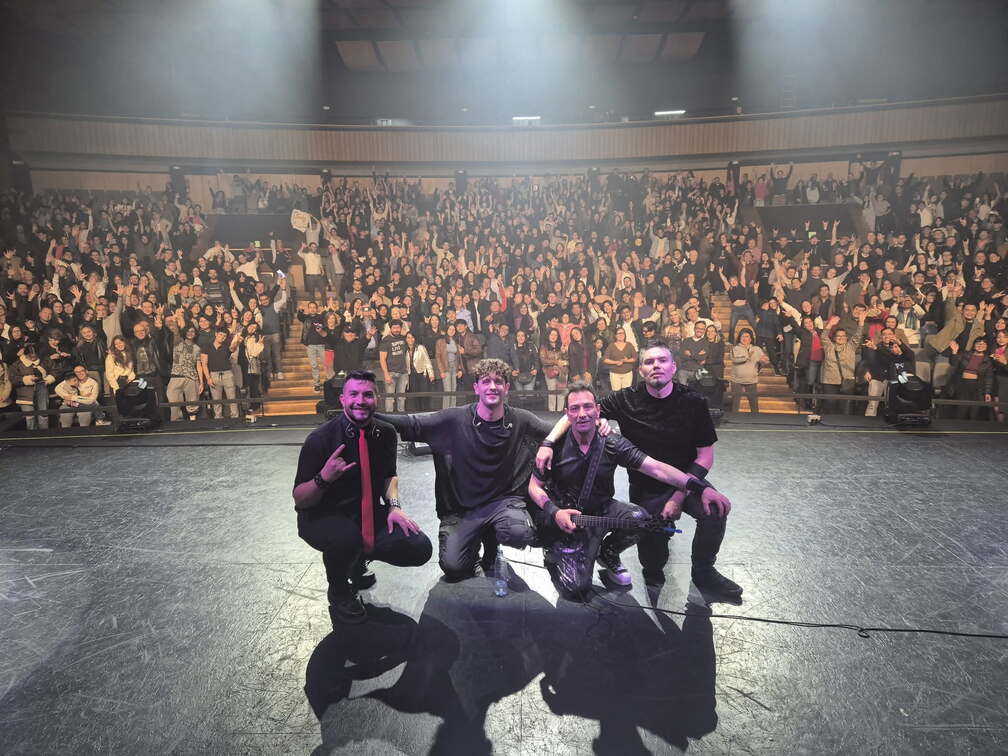
Fans of Argentine rock icon Soda Stereo and the solo work of Gustavo Cerati will find Soda Infinito delivers a high quality audiovisual show…

Opera IX, the legendary symphonic black metal band from Italy, is performing in Cuenca for the first time in Ecuador. This event brings a…
The highest-rated hostels in Cuenca, straight from Hostelworld. Prices and availability are live on each property page.


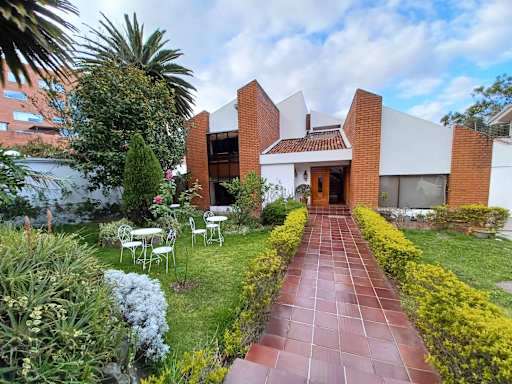
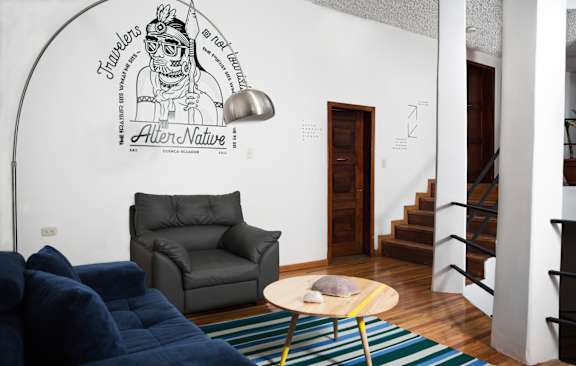
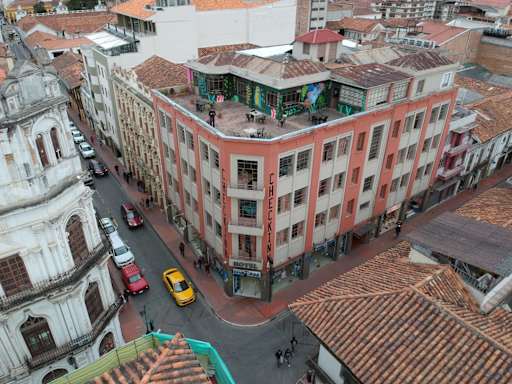
Cuenca is spring-like all year. June to September is drier, though it can be cool and windy. Afternoon rain is common in the wetter months.
Average highs, rounded. Nights are cool all year.
Per night, for one person, based on Cuenca prices.
Treat these as a guide. Ingapirca tours and hats cost extra.
The ones we get asked most.

Compare hostels in Cuenca: live prices, real reviews and free cancellation on most bookings. Then meet the people already there in the app.

 Get the App.



 Get the App.