Ecuador
Ecuador country guide

Things to do in Ecuador

The smallest Andean country, with volcanoes, Amazon, Pacific coast and the Galápagos, all within a day of each other. Uses the US dollar, which removes one problem entirely.

€9
Dorm bed, from
$
US dollars, since 2000
€3
An almuerzo lunch
6,263m
Chimborazo

Everything, compressed

Ecuador is the size of the UK and holds the Andes, the Amazon, a Pacific coast and the Galápagos. You can be in a cloud forest in the morning and a colonial capital by evening, which is the whole argument for coming.

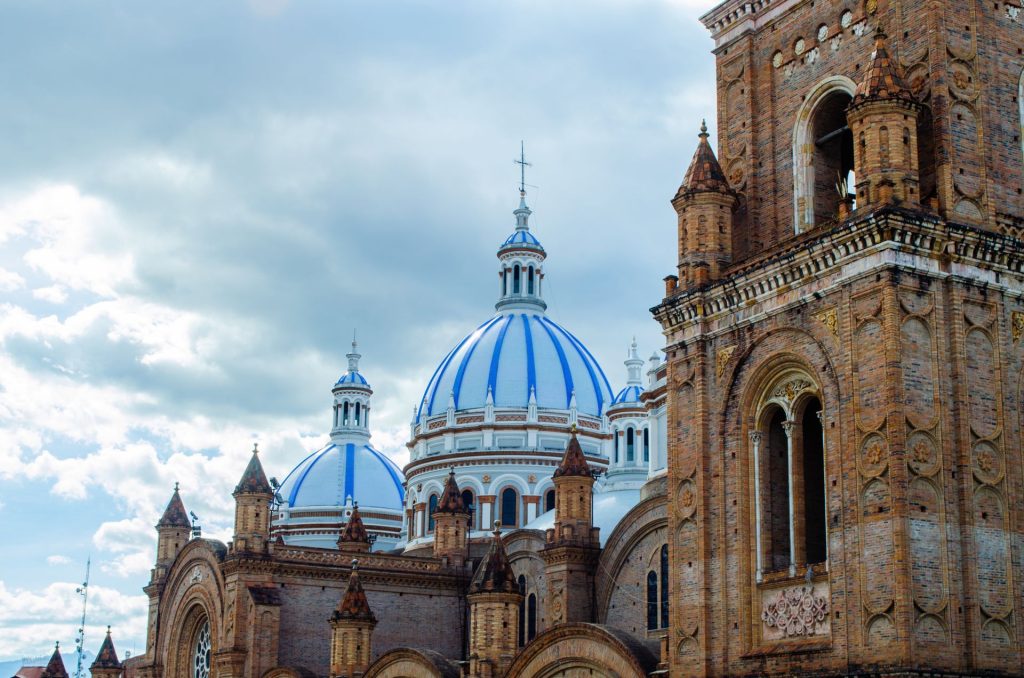
Quito sits at 2,850 metres with a UNESCO old town that is the best preserved in the Americas, and the Avenue of the Volcanoes runs south from it past Cotopaxi and Chimborazo. Baños is the adventure town — waterfalls, canyoning, a swing over a gorge — and Cuenca in the south is a smaller, prettier colonial city.

The Galápagos are 1,000km offshore and a separate financial proposition entirely: flights, a park fee and either a cruise or island-hopping from land, which is the affordable version.

Two weeks covers the mainland. Add a week and a significant budget for the islands.

Where to go

Buses are cheap and reach everywhere. The Galápagos need a flight from Quito or Guayaquil.

Quito

Quito

47 hostels · dorms from €6

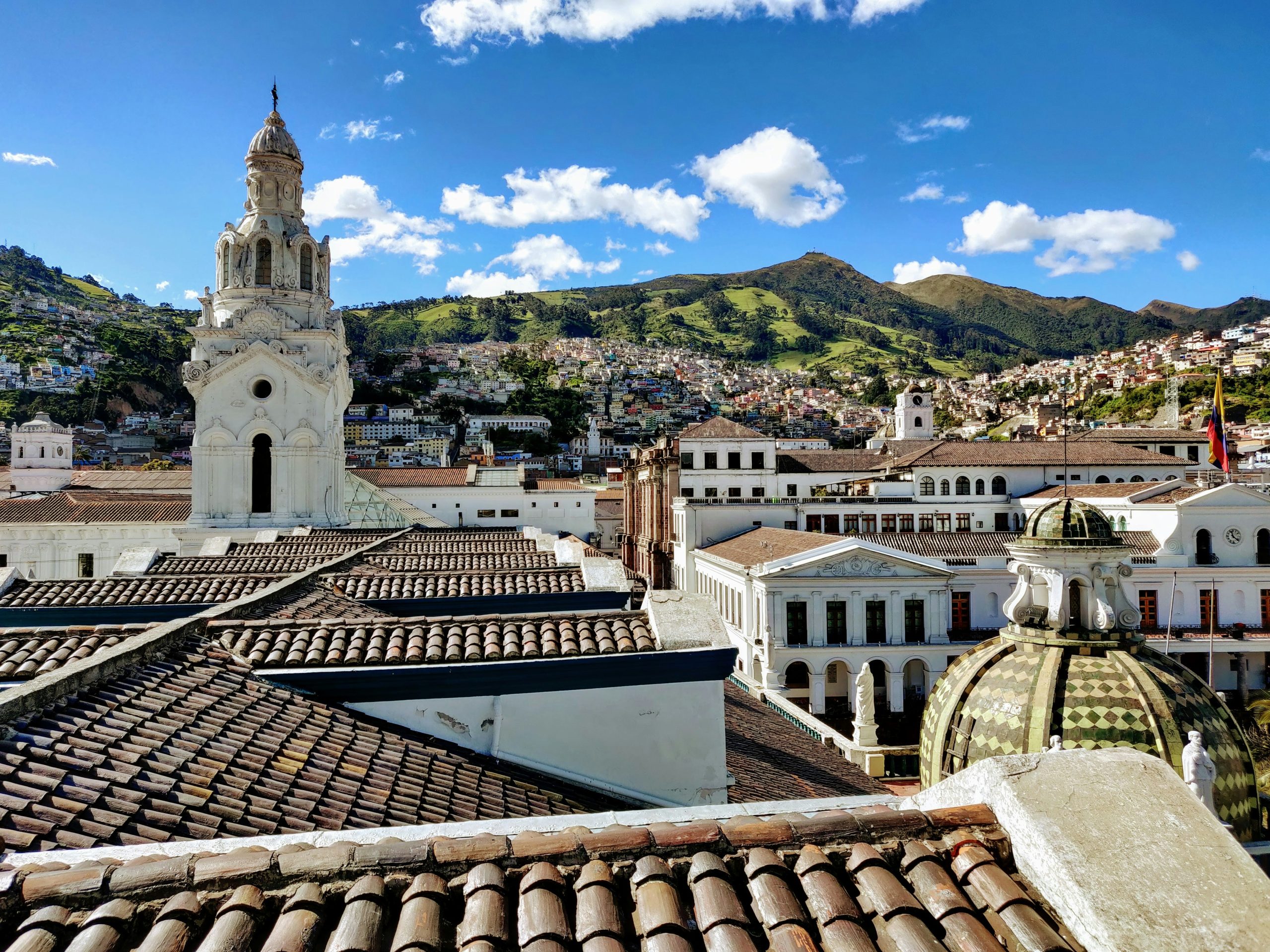
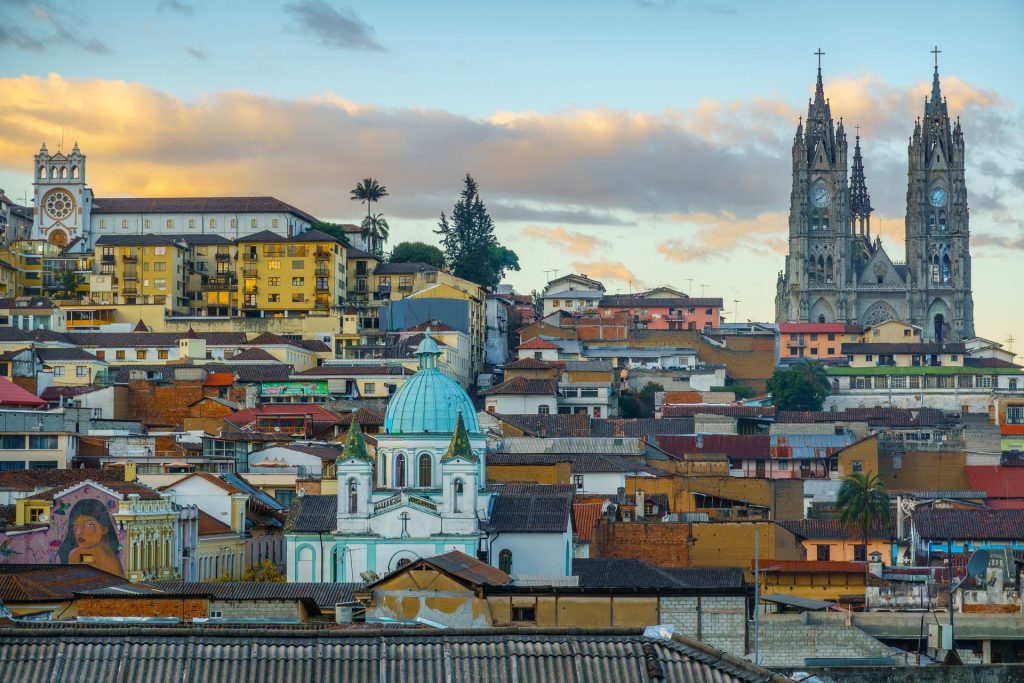
At 2,850 metres, with the best-preserved colonial old town in the Americas and volcanoes around it.

Quito is an amazing city and a must visit. So much to see, do, and experience.

A traveller, on Hostelworld
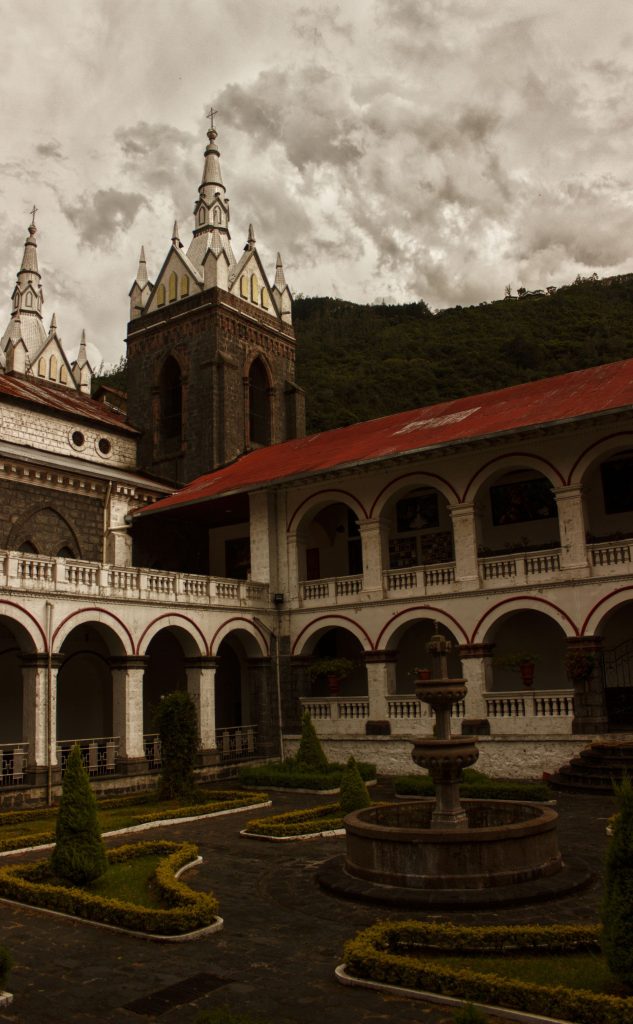
The Quito guide
Baños

Baños

16 hostels

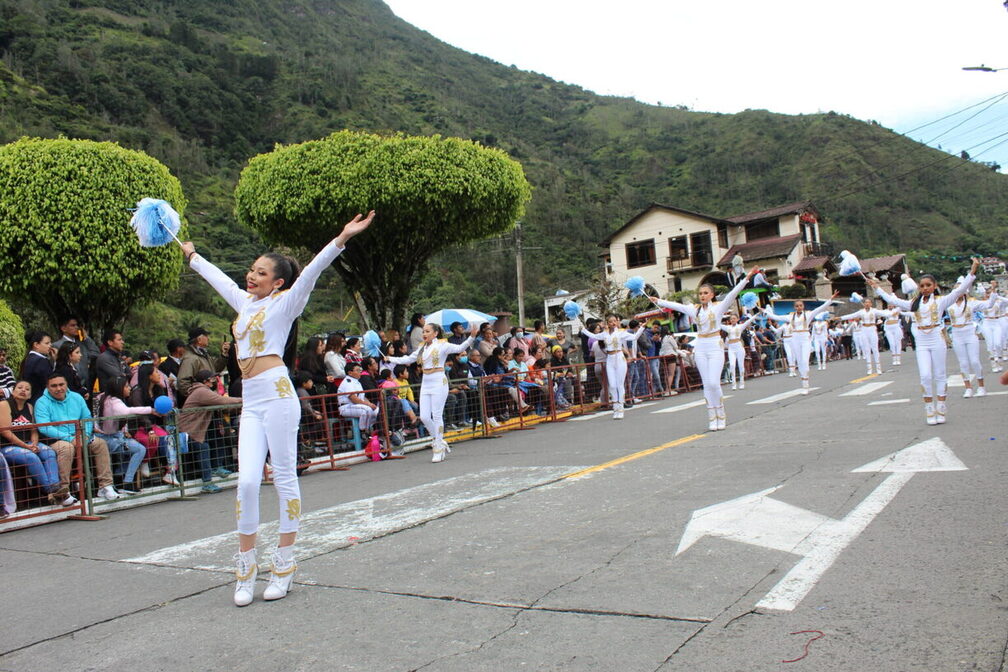
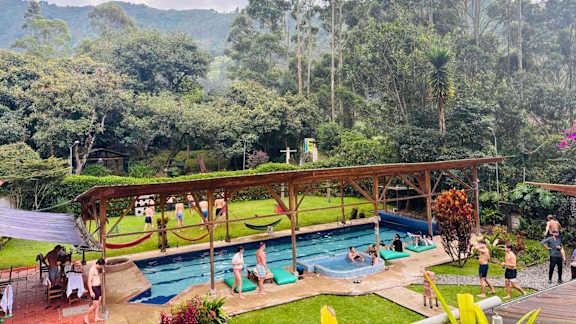
The adventure town: waterfalls, canyoning, hot springs and a swing over a canyon.

Banos is truly a must-visit. The most stunning and breathtaking waterfalls, beautiful hikes, fun adventure sports, incredible food, a cool downtown to explore, etc.

A traveller, on Hostelworld

The Baños guide
Cuenca

Cuenca

15 hostels · dorms from €10

A smaller colonial city in the south, with a large expat population and a gentler pace.

I'm surprised more people don't choose Cuenca, it was a lovely city with great weather, good food, history and access to nearby sites with more history and natural beauty.

A traveller, on Hostelworld

The Cuenca guide
Galápagos Islands

Galápagos Islands

6 hostels

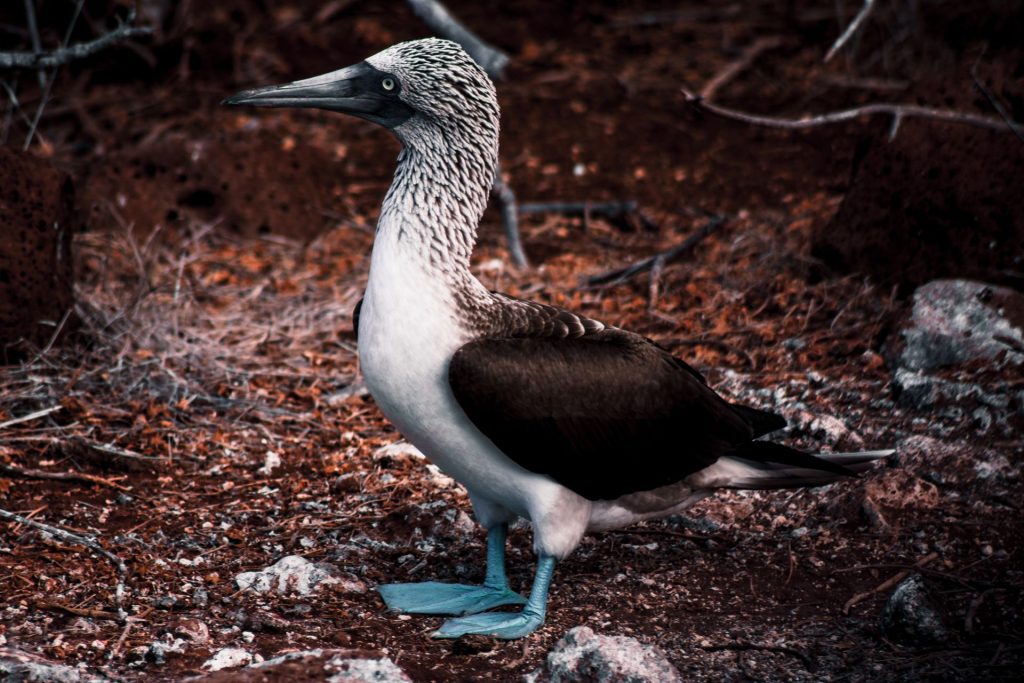
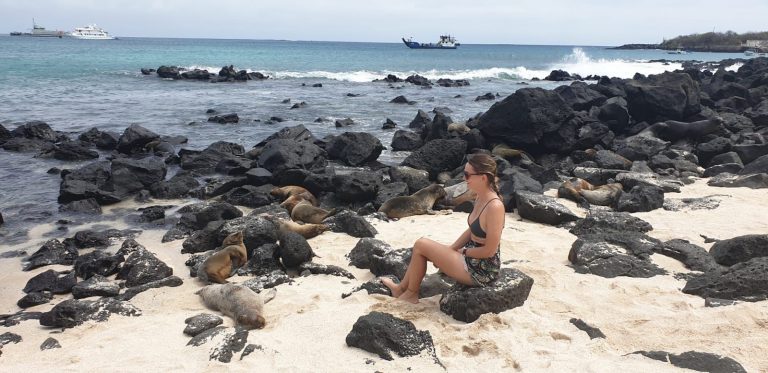
Wildlife that has no fear of people, 1,000km offshore. A separate trip and budget.

One of the nicest places in the world to visit. A nice balance of feeling safe and relaxed, and excitement from seeing all of the animals.

A traveller, on Hostelworld
The Galápagos Islands guide
Latacunga

Latacunga

5 hostels

The base for the Quilotoa Loop and Cotopaxi: crater lakes, highland villages and a volcano refuge.

The Latacunga guide

What kind of trip is this?

Ecuador packs four landscapes into a small country, and the Galápagos sit outside all of them.

Adventure in Ecuador

Volcanoes, cloud forest and the Amazon, all close together.

What to do

  • Climb Cotopaxi with a guide
  • Canyoning in Baños
  • Cycle the waterfall route

Spots to visit

  • Cotopaxi
  • Quilotoa
  • Baños

Best cities for it

Things to do

Things to do in Ecuador

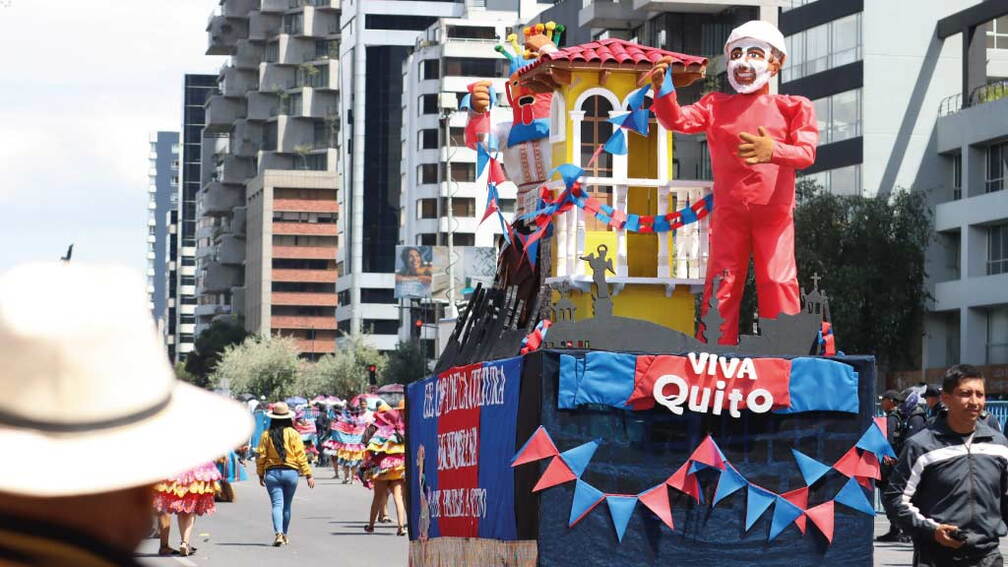
Quito's old town is UNESCO-listed and the best preserved in the Americas — churches, plazas and painted facades over about thirty blocks — and the TelefériQo cable car climbs to 4,000 metres above the city for the volcano view.

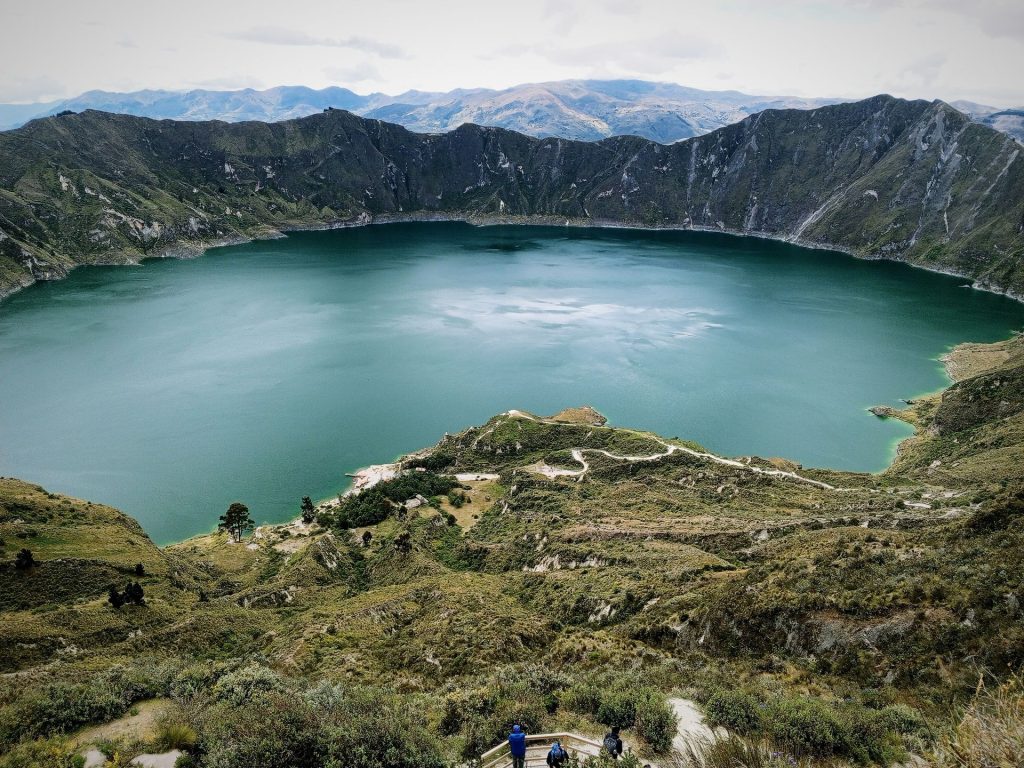
The Quilotoa loop is the classic highland walk: three or four days between villages with homestays, ending at a crater lake of startling green. It needs no guide and costs very little.

Baños is the adventure hub, with the Casa del Árbol swing over a gorge, canyoning, and a cycle route past waterfalls. Otavalo's Saturday market is the largest indigenous market in South America.

The Galápagos can be done from land — flying to Santa Cruz or San Cristóbal and taking day trips — for a fraction of a cruise, though the best sites still require boats.

Food and drink

Eating in Ecuador

The almuerzo is the everyday meal: soup, a main with rice, and a fresh juice for €2.50 to €4 at lunch, everywhere in the country. It is one of the best value meals in South America.

On the coast, ceviche is served with popcorn and plantain chips and is different from the Peruvian version. Encebollado, a fish soup, is the national hangover cure.

In the highlands, hornado is slow-roasted pork, locro de papa is a potato and cheese soup, and cuy is traditional. Fruit is extraordinary and cheap — naranjilla, tomate de árbol, taxo and a dozen others appear as juices for under a euro. Chocolate is a serious Ecuadorian product and worth bringing home.

Nightlife

Going out in Ecuador

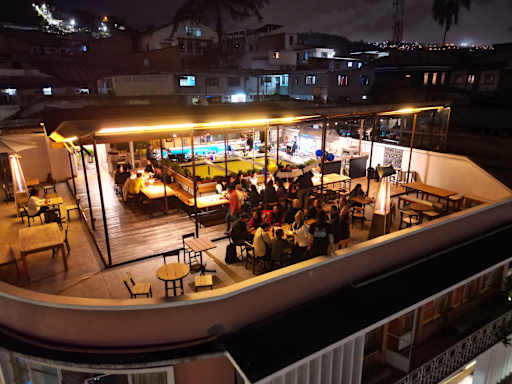
Quito's nightlife is in La Mariscal, sometimes called Gringolandia, and in the smarter La Floresta. La Mariscal has had safety problems in recent years and is best approached with the usual caution and a taxi home.

Baños and Montañita are the backpacker party towns — Montañita in particular is a beach town built around it, busy at weekends and in high season.

Cuenca has a gentler scene around the river. Beer is €1.50 to €3, canelazo, a hot sugarcane and cinnamon drink, is the highland speciality on cold nights, and altitude in Quito makes drinking hit harder than expected.

Getting around

Getting around Ecuador

Buses are the network and they are very cheap — roughly a dollar an hour, so Quito to Baños is about €4 for three and a half hours. They go everywhere, frequently, and the country is small enough that nothing takes a full day.

Quito to Cuenca is the longest common leg at eight to ten hours, and there are flights for €40 to €80 if you would rather not.

The Galápagos require a flight from Quito or Guayaquil at €300 to €500 return, plus the park entrance fee and a transit control card. Between the islands, ferries take two hours and are notoriously rough.

In cities, use Uber or Cabify in Quito and Guayaquil rather than street taxis.

Costs

What Ecuador costs

Mainland Ecuador is one of the cheapest countries on the continent. Dorms start around €9, an almuerzo is €2.50 to €4, buses cost about a euro an hour, and a day comes to €25 to €35.

The Galápagos are a different country financially. Flights are €300 to €500 return, the national park entrance fee was raised substantially in 2024, and even island-hopping from land runs €80 to €150 a day. A cruise is several thousand.

Ecuador uses the US dollar, which removes exchange headaches entirely. Bring small notes — anything above a twenty is difficult to break outside cities, and worn or torn notes are often refused.

Safety

Staying safe in Ecuador

Ecuador's security situation deteriorated significantly from 2023, with a sharp rise in violent crime linked to drug trafficking, particularly in coastal cities. Guayaquil, Esmeraldas, Manta and Durán have been most affected, and several governments have updated their travel advice accordingly.

This is worth taking seriously rather than dismissing. Check your own government's current advice before booking, particularly for the coast and the northern border with Colombia.

The highland tourist route — Quito, Baños, Cuenca, Otavalo, the Quilotoa loop — and the Galápagos have been far less affected, and travellers continue to use them. The usual precautions matter more than they did: phones out of sight, ride apps rather than street taxis, and no walking at night in city centres.

Altitude in Quito and on the volcanoes is the other consideration.

Entry and documents

Entry and documents

Most European, UK, US, Canadian and Australian citizens enter visa-free for 90 days per year.

Passports need six months' validity, and proof of onward travel and travel insurance can be requested — Ecuador has at times required insurance formally for tourists, so check the current position.

For the Galápagos, there are two separate charges: a transit control card bought at the mainland airport and the national park entrance fee paid on arrival in the islands, which was increased substantially in 2024. Both are cash and both are compulsory.

When to go

On the equator, so altitude decides temperature and the seasons are about rain. June to September is driest in the highlands; the coast reverses it.

19°
Jan
Wet in the highlands, hot and sunny on the coast
19°
Feb
Carnival, and coastal high season
19°
Mar
Wettest month in the Andes
19°
Apr
Still wet inland. Green and quiet
19°
May
Rain easing in the highlands
19°
Jun
Dry season starts in the Andes. Excellent
19°
Jul
The best month for highland trekking and volcanoes
19°
Aug
Dry, clear and windy. Peak highland season
19°
Sep
Still good. Whale season ending on the coast
19°
Oct
Rain returning to the Andes
19°
Nov
Wet inland, coast warming up
19°
Dec
Wet in the highlands, coastal season beginning
Bar height is temperature. Colour is how busy it gets: quiet busy peak

Average highs for Quito, which barely changes all year because it sits on the equator at 2,850m — it is spring-like daily with cold nights. The coast is hot year-round, and the Galápagos have warm wet and cool dry seasons with different wildlife in each.

What your trip will cost

Pick how you travel and how long for. Per night, for one person, on the mainland. Galápagos costs several times this.

The Galápagos run €80–150 a day land-based, before €300–500 flights and the park entrance fee. Budget for the islands entirely separately.

—
  • Beds—
  • Food and drink—
  • Getting around—
  • Doing things—
What's on

What is on while you are there

Otavalo's Saturday market runs every week and is worth planning a weekend around.

Ecuador travel questions

The ones we get asked most.

Is Ecuador safe to visit?
The security situation deteriorated significantly from 2023, with violent crime rising in coastal cities including Guayaquil, Esmeraldas and Manta, and several governments updated their advice. The highland tourist route and the Galápagos have been far less affected. Check your own government's current advice before booking.
Can I do the Galápagos on a budget?
Land-based island hopping is far cheaper than a cruise — stay on Santa Cruz or San Cristóbal and take day trips for €80 to €150 a day, against several thousand for a cruise. Flights are €300 to €500 return and park fees are separate and compulsory.
How long do you need in Ecuador?
Two weeks covers the mainland: Quito, the Quilotoa loop, Baños, Cuenca and a stretch of coast. Add a week and a significant budget if you want the Galápagos.
Is Ecuador cheap?
The mainland is among the cheapest on the continent — dorms from €9, an almuerzo lunch at €2.50 to €4, buses at about a euro an hour, and a day around €25 to €35. The Galápagos are a different financial proposition entirely.
Does Ecuador use the dollar?
Yes, since 2000, which removes exchange headaches. Bring small notes — anything above a twenty is hard to break outside cities, and worn or torn bills are frequently refused.
What is the Quilotoa loop?
A three or four day walk between highland villages with family homestays, ending at a crater lake of striking green. No guide is needed and it costs very little, which makes it one of the best value treks in South America.
When should I visit?
June to September for the highlands, when it is driest and clearest for volcanoes and trekking. The coast runs opposite, with its best weather from December to April, and whales off Puerto López from June to September.

Say yes to hostels, meet the world

Compare hostels across Ecuador — live prices, real reviews and free cancellation on most bookings. Then meet the people already there in the app.

Get the App. QRGet the App.
Get the App. QR  Get the App.
Scroll to Top