Historic centre
Sights, convenientThe streets around the Plaza de Armas and Santa Catalina, with most hostels.

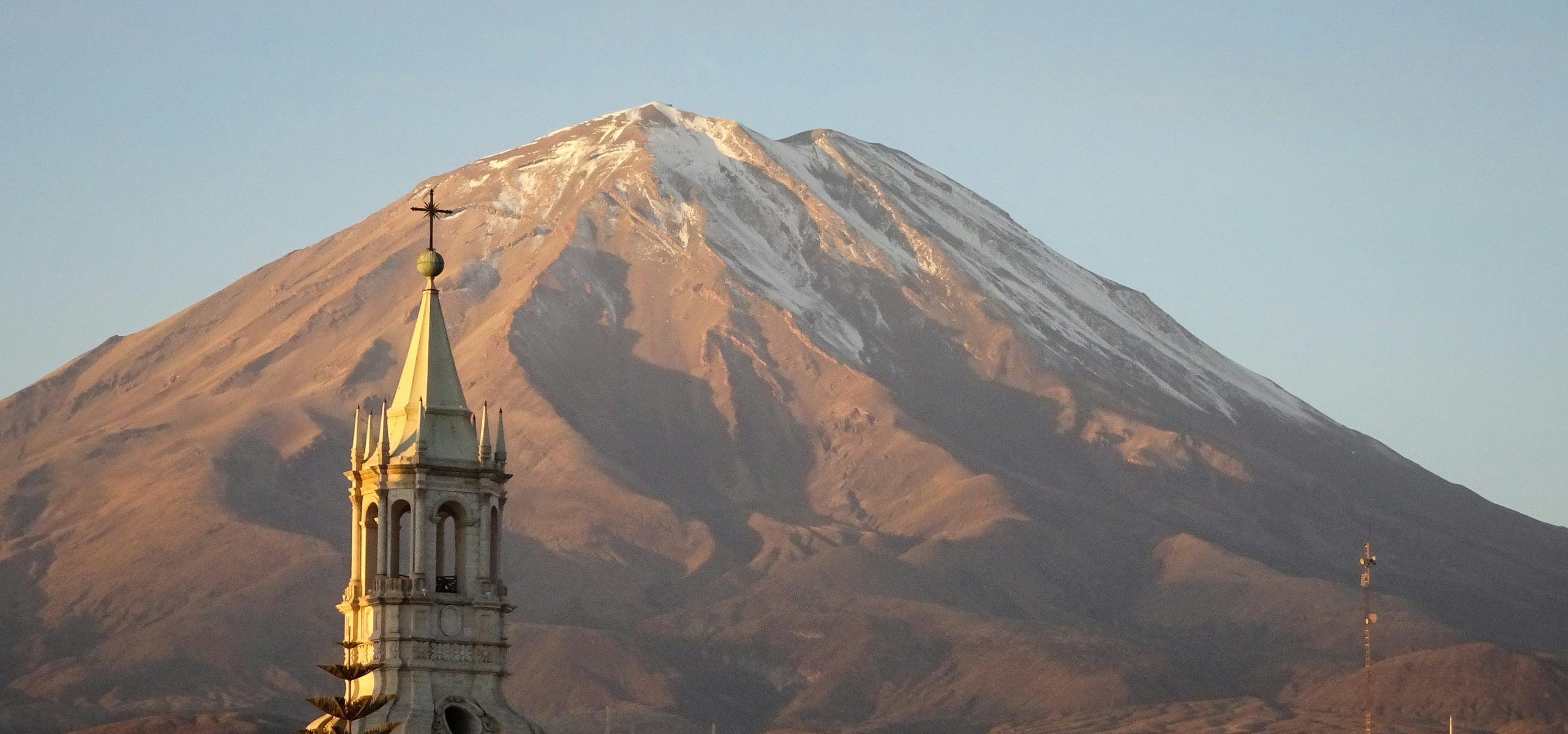
The white city, built of volcanic stone below the perfect cone of El Misti, with a walled convent like a city within a city and the condors of the Colca Canyon a few hours away.
Arequipa is Peru's second-largest city, at around 2,300 metres in the southern Andes, ringed by three volcanoes: El Misti, Chachani and Pichu Pichu. Its colonial centre is built from sillar, a white volcanic stone, which gives it the nickname of the white city, and the historic centre is a UNESCO World Heritage Site.
The city has a strong identity of its own, with its own food, its own proud traditions and some of the best sunshine in Peru. The Plaza de Armas, with its arcades and cathedral, is one of the most beautiful squares in South America, and the Santa Catalina Monastery is a walled complex of colourful streets and cloisters where nuns lived in seclusion for centuries.
Give Arequipa two days for the city and two or three more for the Colca Canyon, one of the deepest canyons in the world, where Andean condors soar in the mornings. It is also a good place to acclimatise at a moderate altitude before Puno or Cusco.
Stay in the historic centre, within walking distance of the Plaza de Armas. San Lázaro, the oldest barrio, is quiet and pretty, and Yanahuara has the best viewpoint.
The streets around the Plaza de Armas and Santa Catalina, with most hostels.
The oldest barrio, with narrow streets near the river, a short walk from the centre.
Across the river, with the famous viewpoint and a calm, local feel.
Orange labels are neighbourhoods, dots are the 12 top-rated hostels. Map data from OpenStreetMap contributors.
Start in the Plaza de Armas, with its arcades and the white cathedral. The Santa Catalina Monastery, a few blocks away, is a walled town of brightly painted streets, courtyards and cells, founded in 1579; go late in the afternoon for the light. The Museo Santuarios Andinos shows Juanita, the frozen body of an Inca girl sacrificed on the Ampato volcano more than 500 years ago, found in 1995.
Cross the river to Yanahuara for its arched viewpoint over the city and El Misti, and visit the San Lázaro barrio, where the city was founded. The San Camilo market is the place for fruit, juices and cheese.
The Colca Canyon, three to four hours away, is the big trip. Two-day or three-day tours and hikes take you down into the canyon to the Sangalle oasis and back up, with a stop at the Cruz del Cóndor viewpoint in the morning, when condors ride the thermals. Fit, acclimatised climbers can also summit El Misti or Chachani with a guide.
The Plaza de Armas and its arcades are free, and so is the Yanahuara viewpoint across the river. San Lázaro's narrow streets are free to wander.
Free walking tours leave from the centre; tip the guide. The San Camilo market is free to explore.
Many churches are free to enter outside service times.
Arequipa has one of the strongest food traditions in Peru, served in picanterías, traditional lunchtime restaurants. Try rocoto relleno, a spicy pepper stuffed with meat and cheese, chupe de camarones, a river prawn chowder, and adobo, a pork stew eaten on Sunday mornings.
Queso helado, a frozen dessert of milk and cinnamon, is sold all over the centre. The San Camilo market has cheap lunches and juices.
A menú costs a few euros, and picanterías are a little more.
Arequipa's nightlife centres on Calle San Francisco, north of the Plaza de Armas, with bars, pubs and clubs that are busiest at weekends.
Rooftop bars around the Plaza have views of the cathedral and the volcanoes, and some hostels have bars.
Take a taxi or app home late at night.
The historic centre is walkable. Taxis and ride apps are cheap for trips across the city.
Rodríguez Ballón airport is around 20 to 30 minutes from the centre, with flights to Lima and Cusco. Long-distance buses leave from the Terrapuerto and Terminal Terrestre, side by side: Puno is around six hours, Cusco around ten and Lima around 16.
Tours to the Colca Canyon include transport. Public buses go to Chivay and Cabanaconde for independent hikers.
Arequipa is good value. Dorm beds start around €6, with well-rated hostels from €8 to €14. A menú costs a few euros.
The Santa Catalina Monastery and the Museo Santuarios Andinos charge entry, and Colca tours are cheap for what you get. Foreign visitors to the Colca Canyon pay a tourist ticket, bought on the way in.
Carry cash in soles for markets, Colca and small shops.
Arequipa is one of the safer cities in Peru. Take normal care with belongings and use taxis or apps at night.
At 2,300 metres the altitude is moderate, but the Colca Canyon road crosses passes of around 4,900 metres. Go slowly and drink water. The sun is very strong, so wear sun cream and a hat.
The Colca hike back out of the canyon is steep and hard; start early. Volcano climbs need a licensed guide and acclimatisation. In an emergency, call 105 for police or 106 for an ambulance.
Canyons, condors and volcanoes.
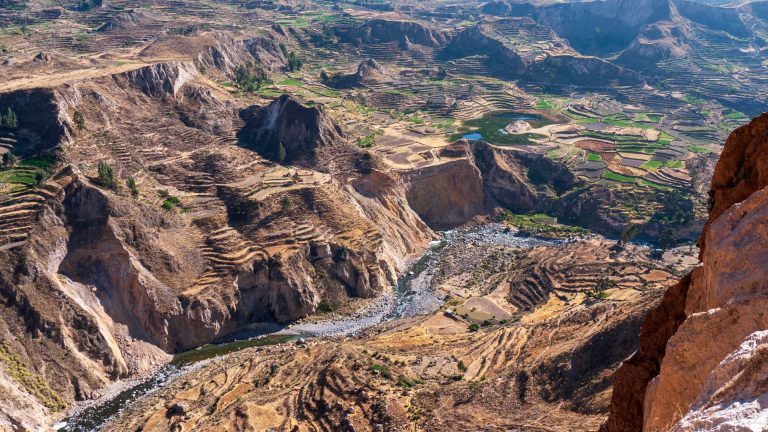
One of the deepest canyons in the world, with condors in the morning.
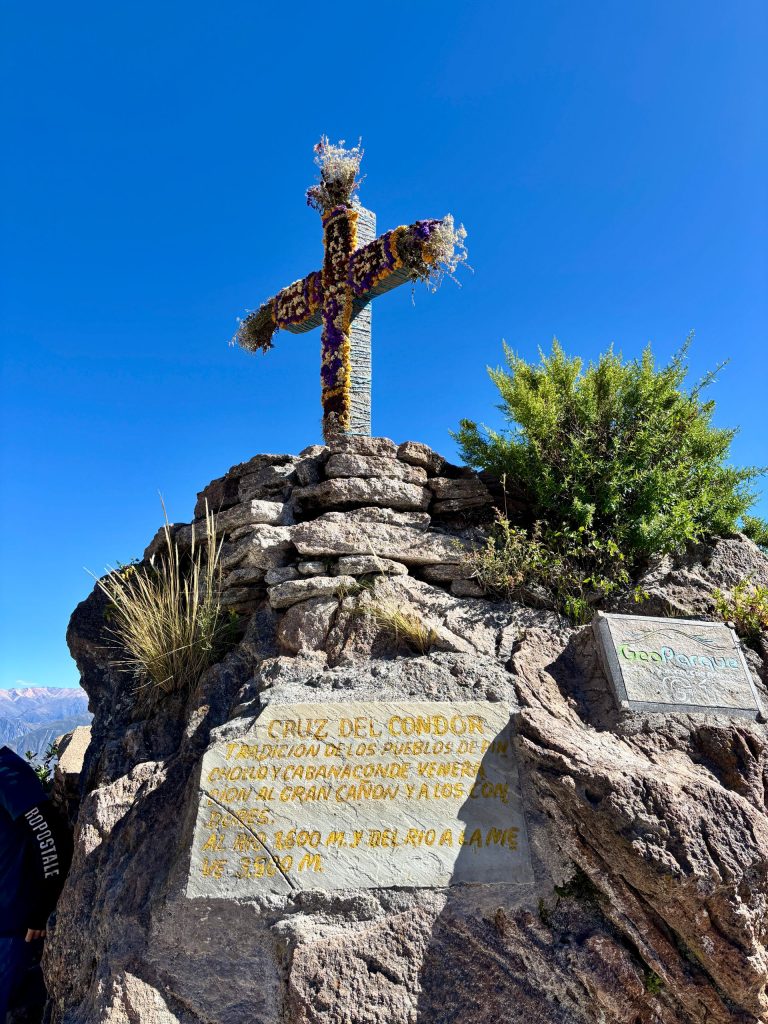
The best place to see Andean condors soaring.
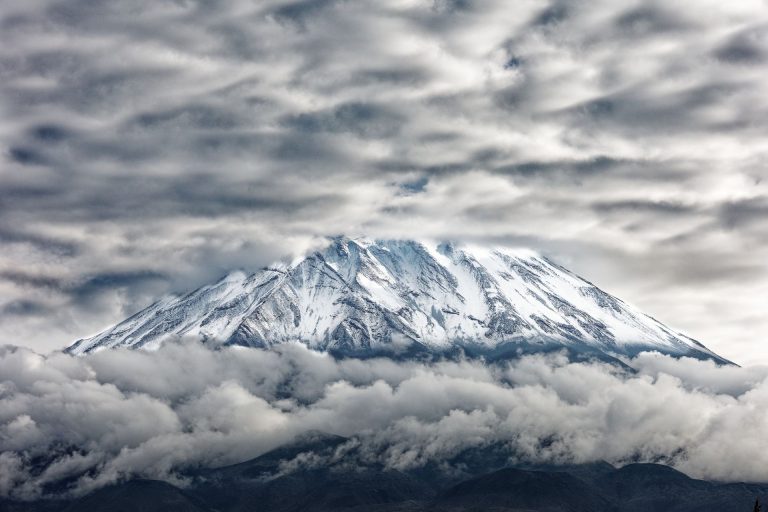
A 5,800-metre volcano above the city. Acclimatise first.
Concerts, festivals and the city's anniversary in August.
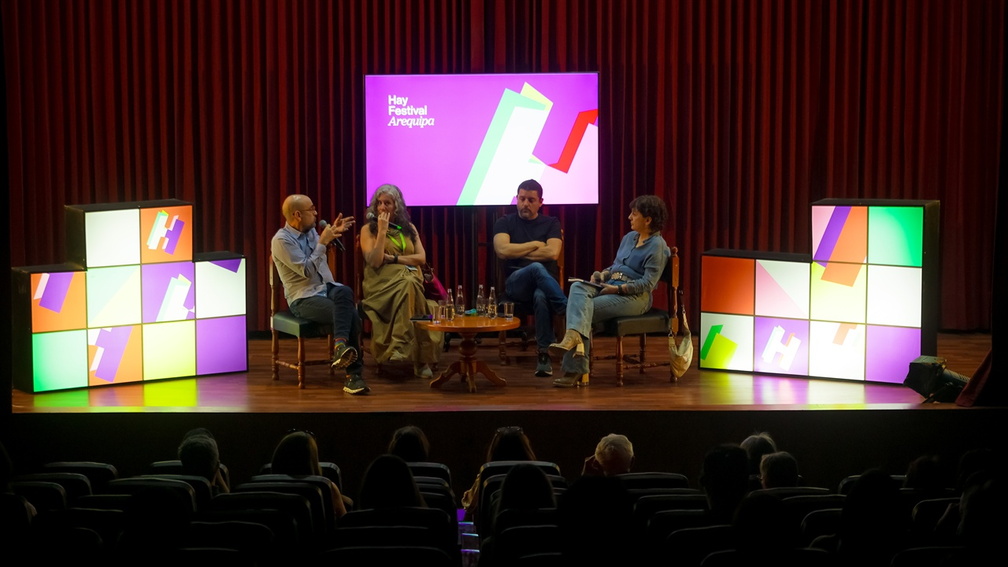 Staff pick
Hay Festival Arequipa is a world-class celebration of literature, art, and ideas set in the heart of southern Peru. The festival brings together writers,…
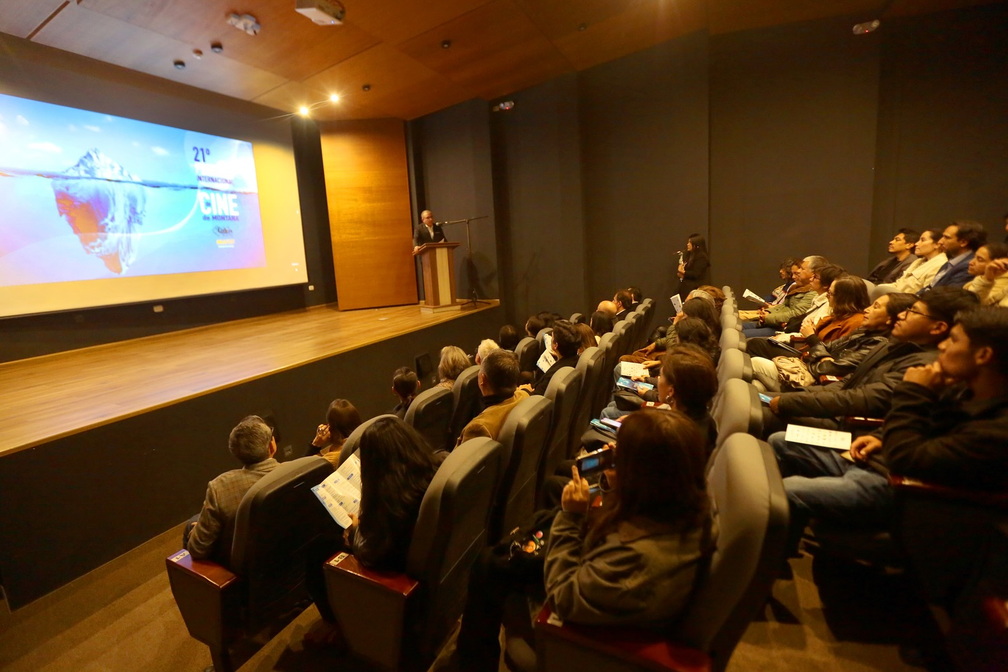 Staff pick
Inkafest Mountain Film Festival in Arequipa, Peru, is Latin America's leading celebration of mountain culture, adventure, and environmental awareness. Since 2005, it has brought…

FBC Melgar, one of Peru's oldest football clubs founded in 1915, brings Liga 1 action to Arequipa when they face ADC Juan Pablo II…
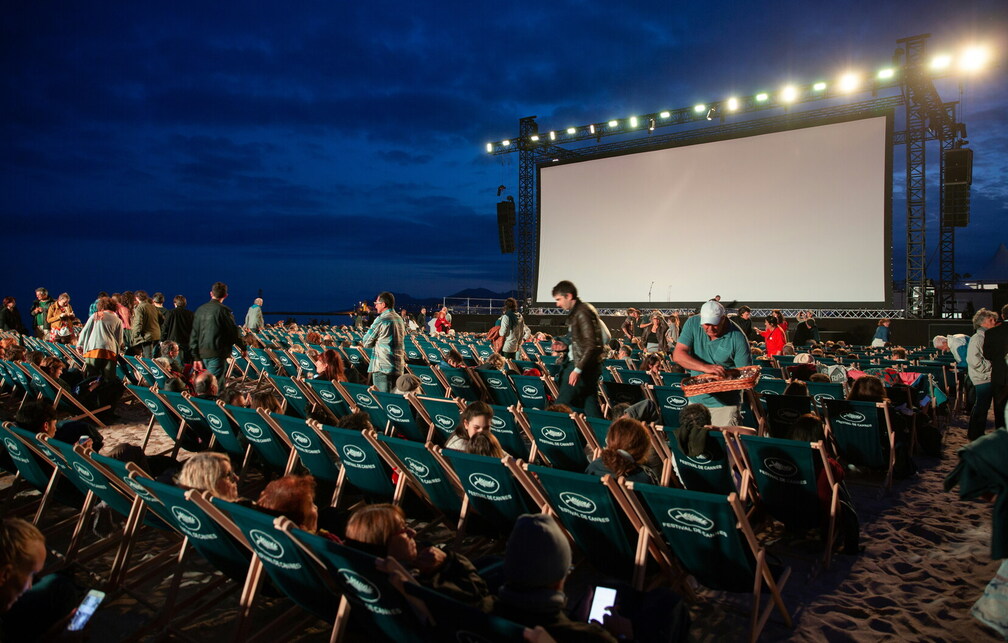
Mountain films take center stage at this annual festival celebrating peaks, outdoor culture, and environmental themes in Peru's stunning Arequipa region. Now in its…
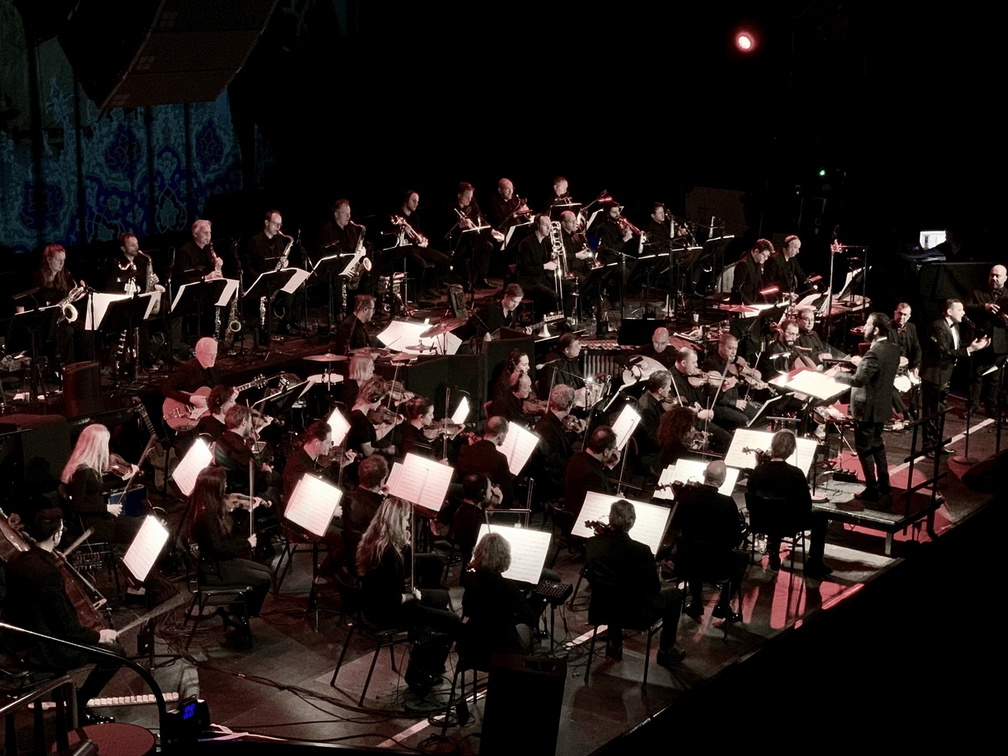
A live symphony orchestra brings the music of The Legend of Zelda to life while 3D projections and animations transform the stage into something…
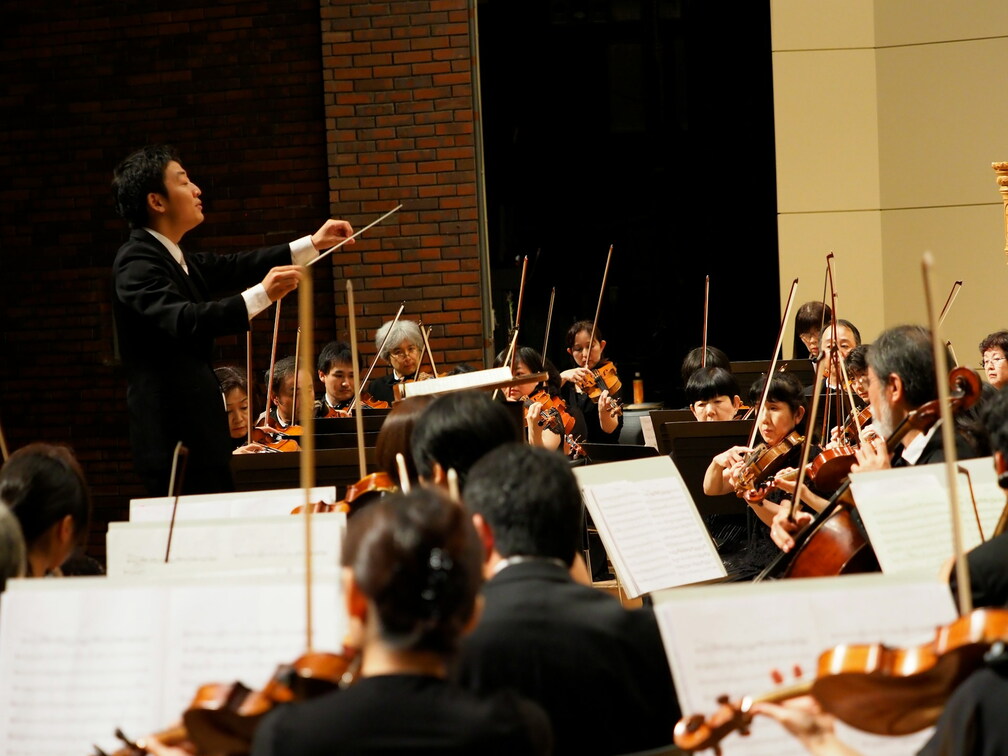
Three of Latin America's most beloved romantic voices—Camilo Sesto, José José, and Juan Gabriel—are honored in this symphonic celebration of their timeless music. The…

Los Shapis brings their landmark symphonic show to Arequipa, the same production that made history in Lima. The legendary chicha group celebrates 45 years…
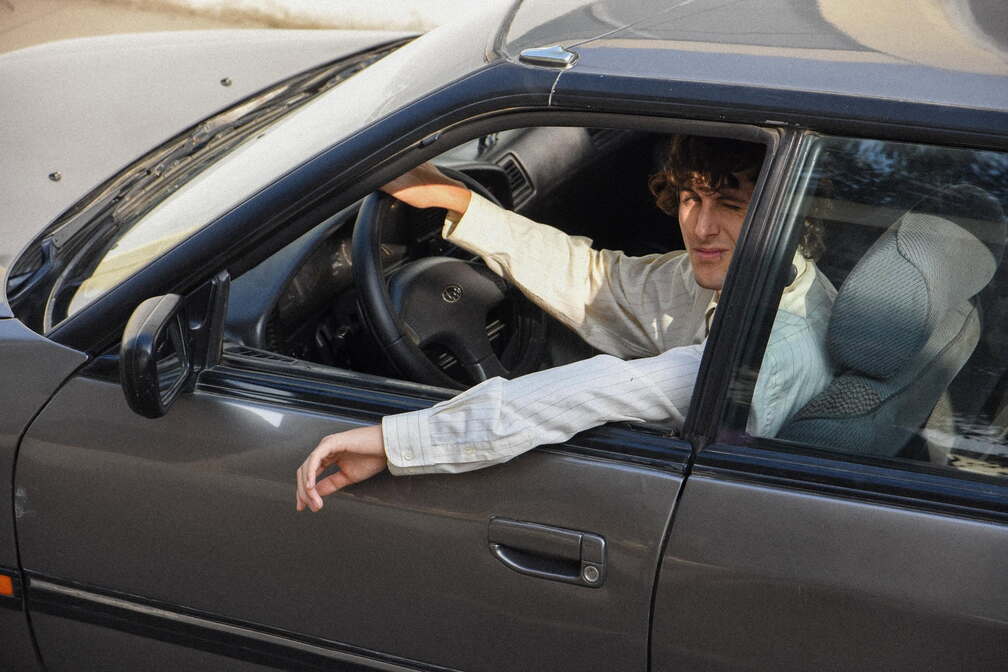
Jaze brings QNEPT TOUR II to Arequipa, the second leg of his most significant tour yet following performances across Latin America and Europe. He…
The highest-rated hostels in Arequipa, straight from Hostelworld. Prices and availability are live on each property page.
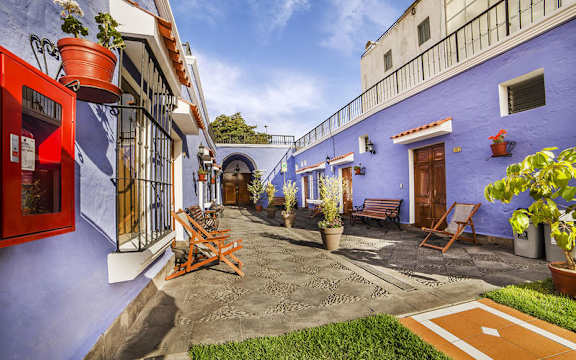
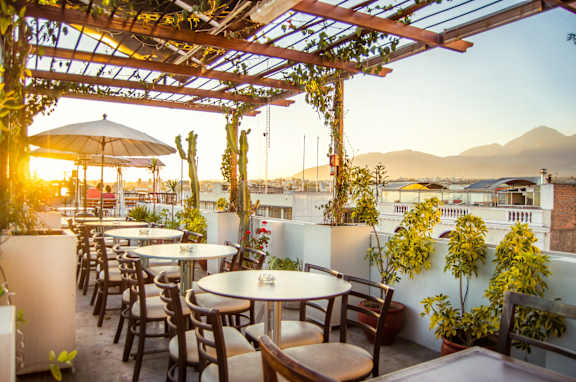
Arequipa is sunny most of the year. April to November is dry and clear, the best for Colca and volcano climbs. January to March has some rain.
Average highs, rounded. Nights are cool all year.
Per night, for one person, based on Arequipa prices.
Treat these as a guide. Colca tours and volcano climbs cost extra.
The ones we get asked most.

Compare hostels in Arequipa: live prices, real reviews and free cancellation on most bookings. Then meet the people already there in the app.

 Get the App.



 Get the App.