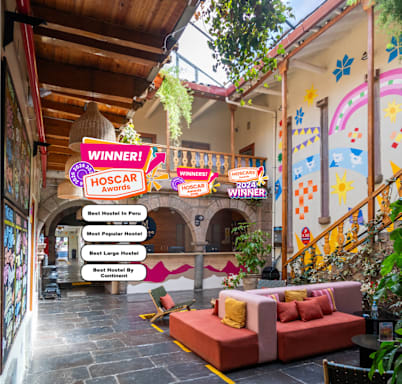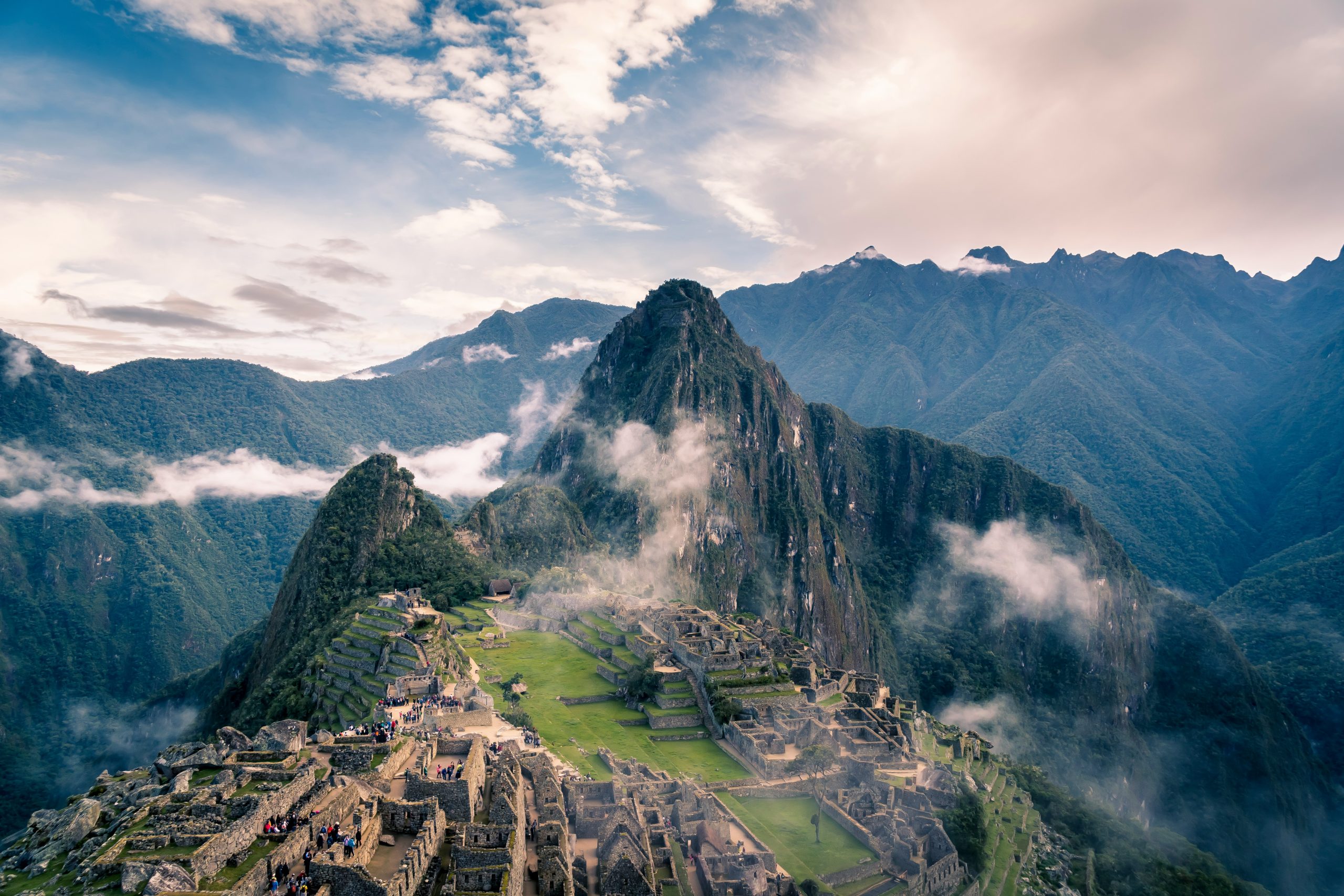
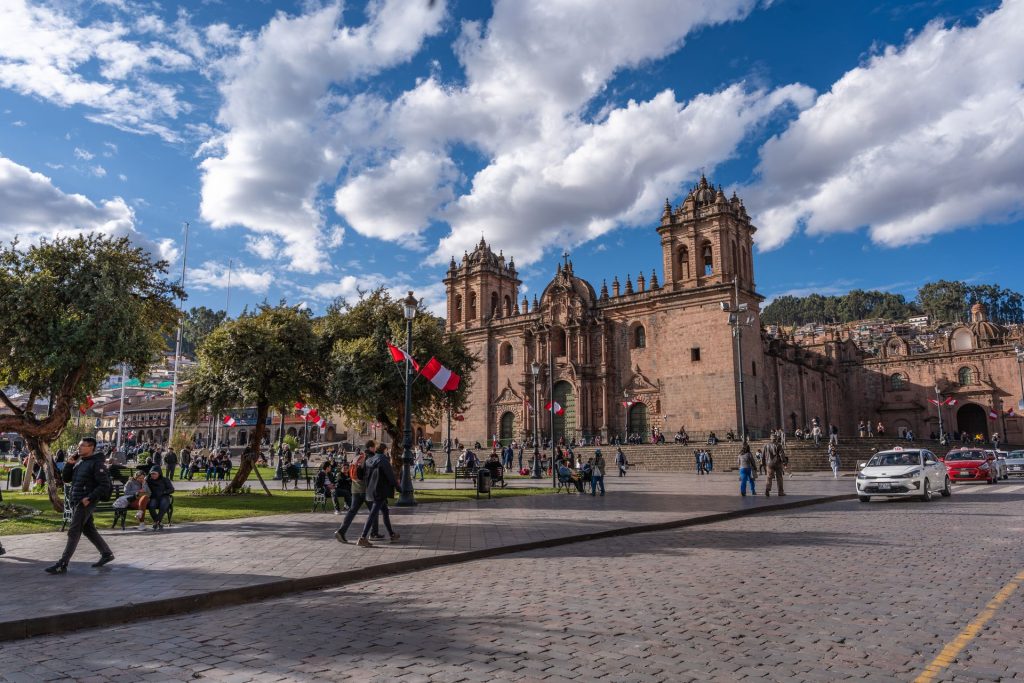
Cusco
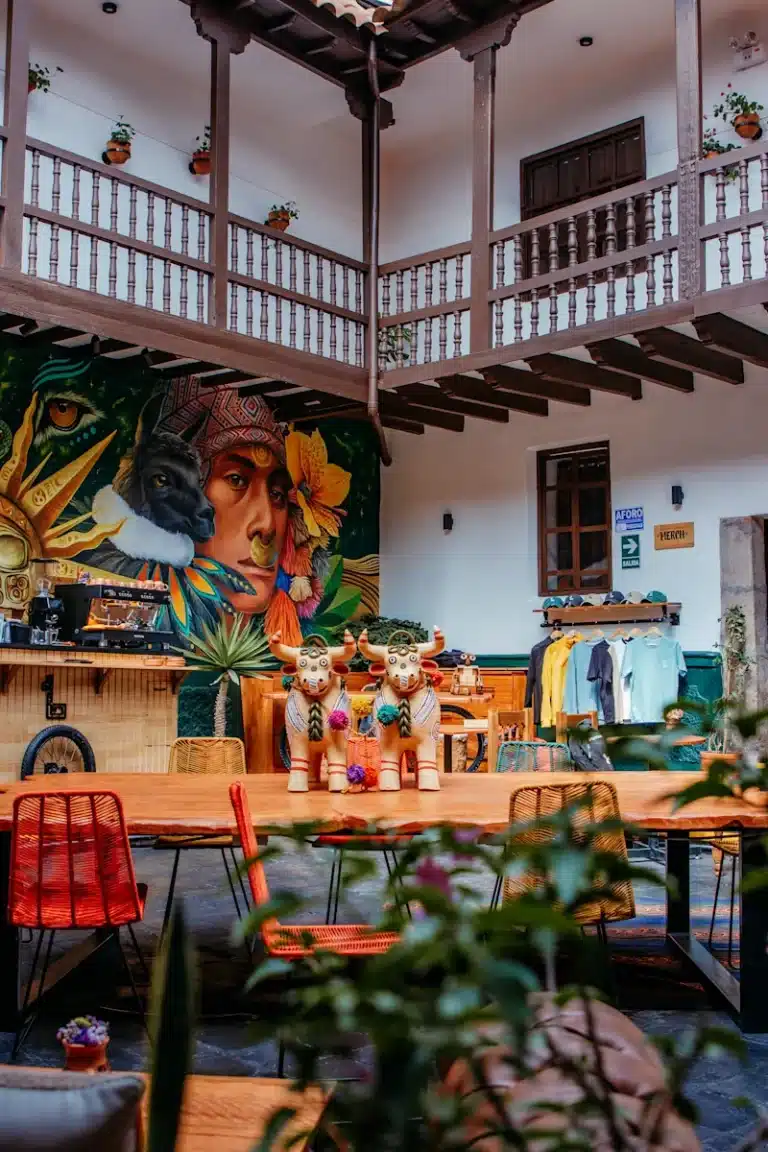
The Inca capital at 3,400 metres, and the base for Machu Picchu and the Sacred Valley.
A rich cultural town with plenty to do near or far. Really good to see the rich culture being celebrated all over the town.
A traveller, on Hostelworld
Machu Picchu is the reason most people come and the least interesting thing about the country. Desert coast, Andes, Amazon, and the best food in South America.
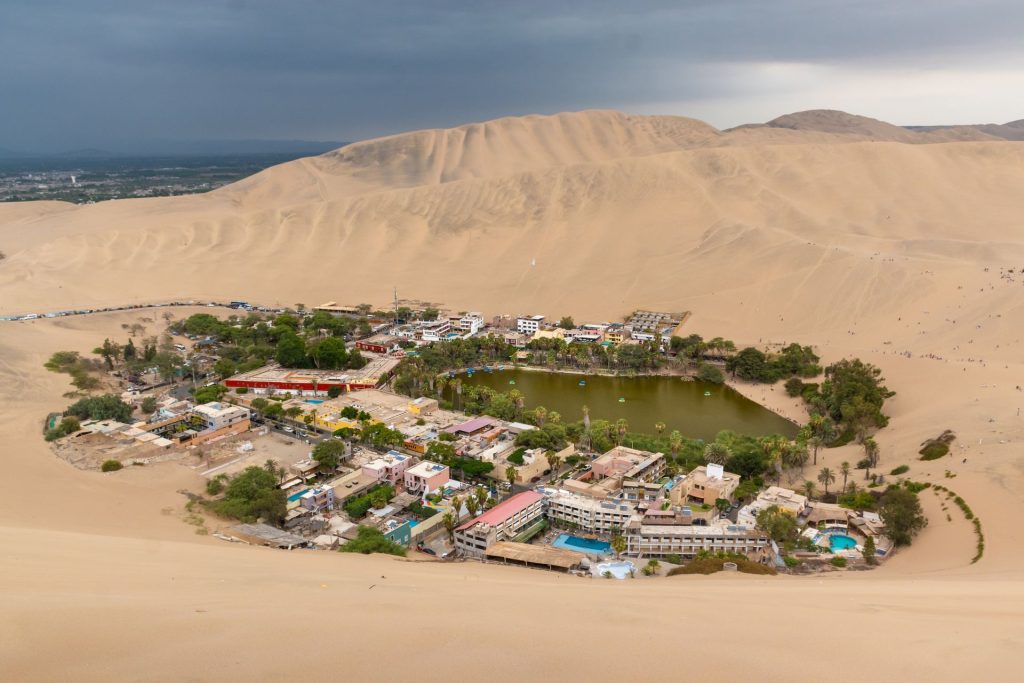
Peru divides into three strips that barely resemble each other. The coast is desert — Lima sits on it under permanent grey cloud for half the year, and Huacachina is an oasis in dunes. The Andes run down the middle with Cusco, the Sacred Valley and peaks over 6,000 metres. And sixty per cent of the country is Amazon, reached from Iquitos or Puerto Maldonado.
Cusco is the hub for most trips and sits at 3,400 metres, which is high enough that altitude sickness is a normal part of arriving rather than a rare misfortune. Machu Picchu is a day from there, and the routes to it — the Inca Trail, Salkantay, Lares — are the better part of the experience.
Three weeks covers Lima, Cusco, the Sacred Valley, Arequipa and either the Amazon or Huaraz. Peru also happens to have the best food on the continent by common consent, which surprises people who came for ruins.
Domestic flights save days on a country this size. Buses are good and long.
The Inca capital at 3,400 metres, and the base for Machu Picchu and the Sacred Valley.
A rich cultural town with plenty to do near or far. Really good to see the rich culture being celebrated all over the town.
A traveller, on Hostelworld
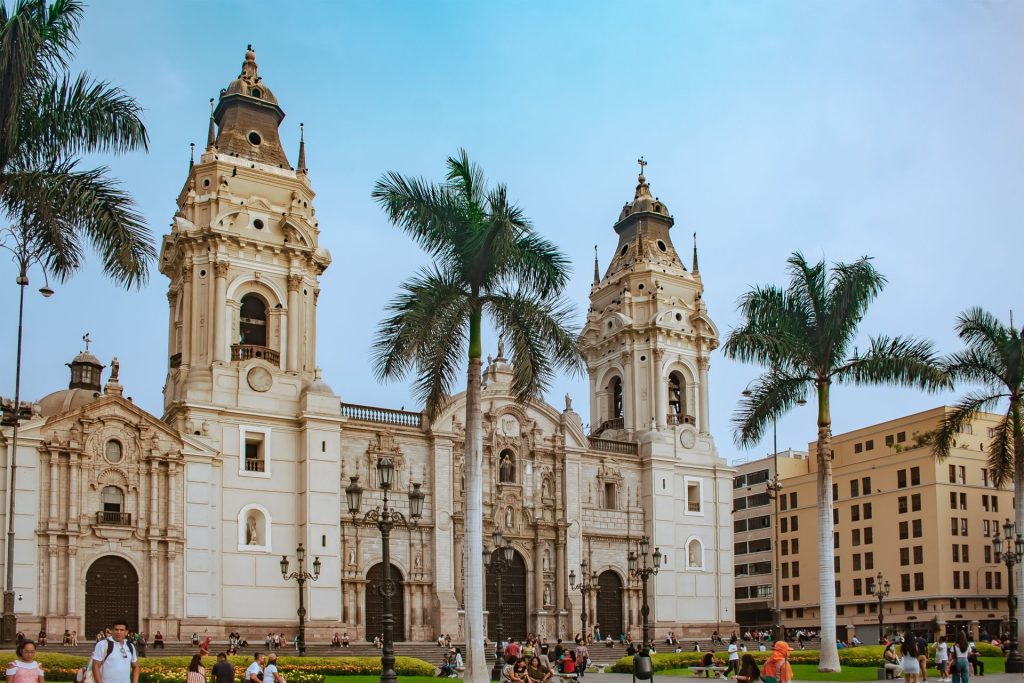
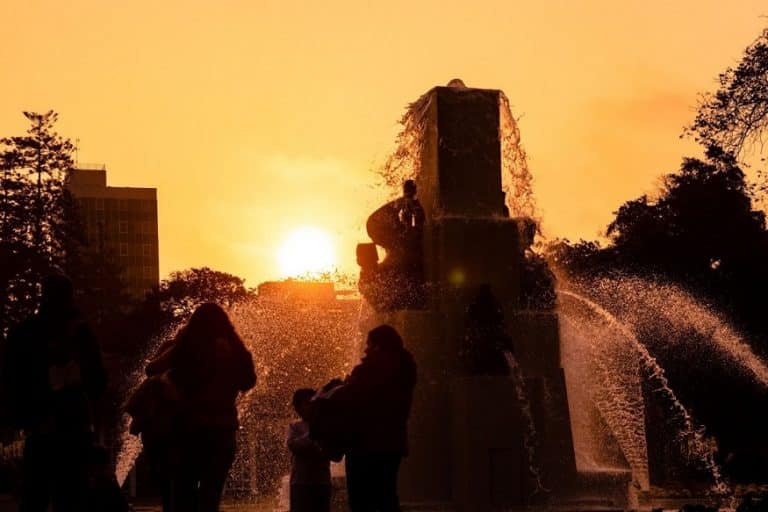
The coastal capital: the best restaurant scene in South America, and grey skies half the year.
Lima is beautiful no matter how many times you visit, beautiful scenery, cuisine, weather places to relax and enjoy
A traveller, on Hostelworld
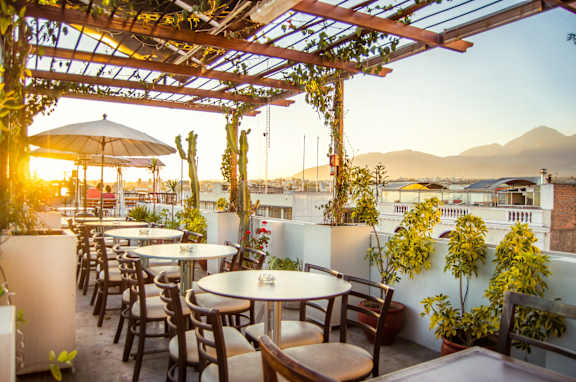
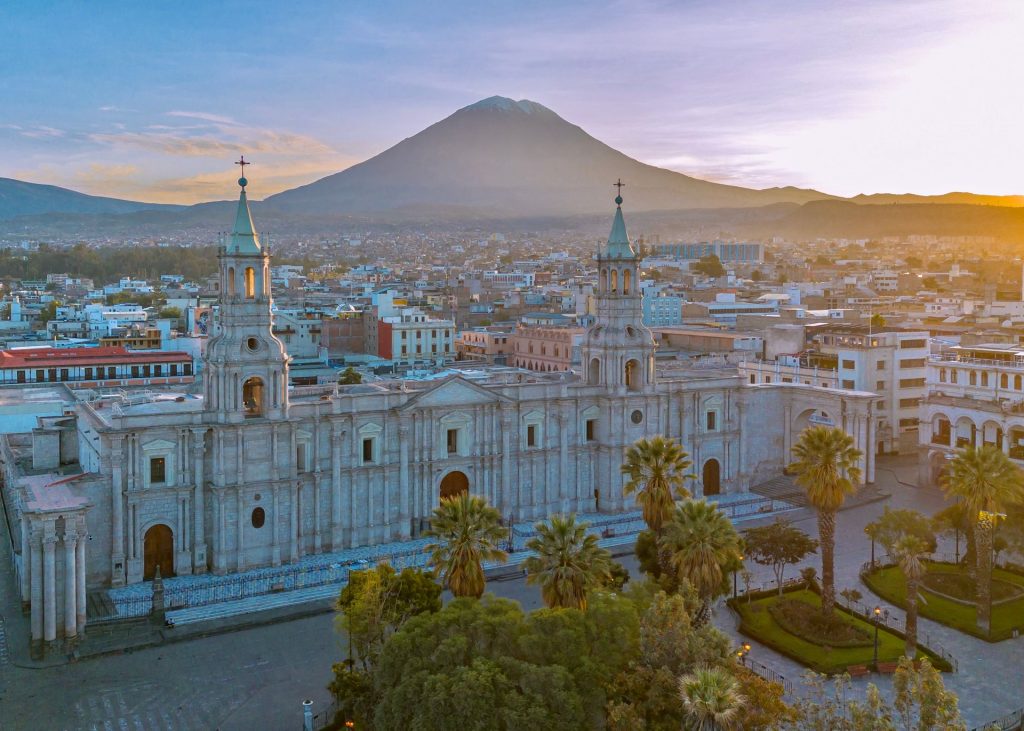
The white city below a volcano, with Colca Canyon and condors two hours away.
Arequipa is beautiful and has lots to offer. Easy to walk around and explore all the amazing historical and natural sites.
A traveller, on Hostelworld
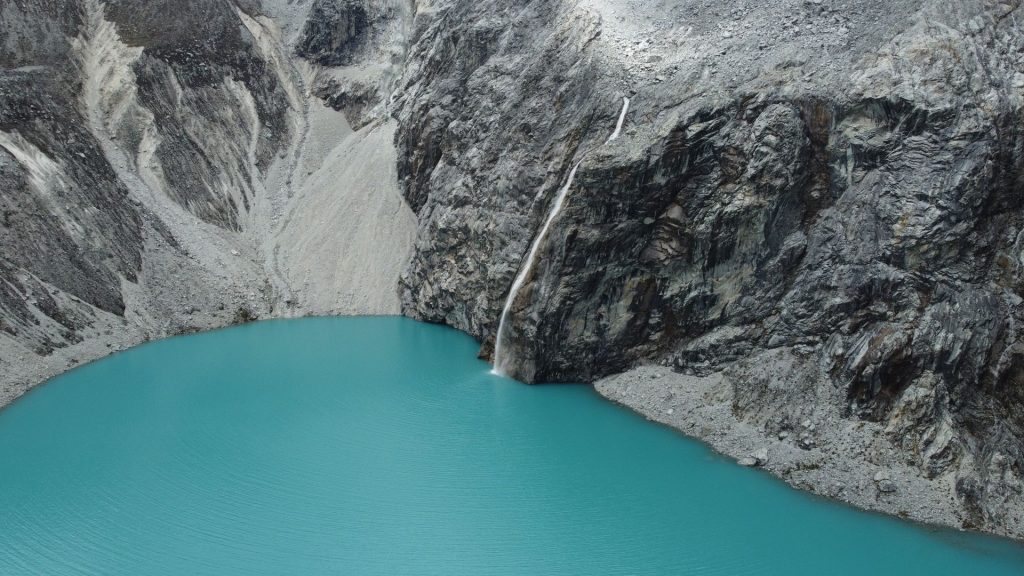
The trekking capital in the Cordillera Blanca, with glacial lakes and 6,000-metre peaks.
+ Good access to trekking in Peruvian mountain ranges. + Restaurants are good and reasonable. - Traffic is stressful due to poor-maintained roads.
A traveller, on Hostelworld
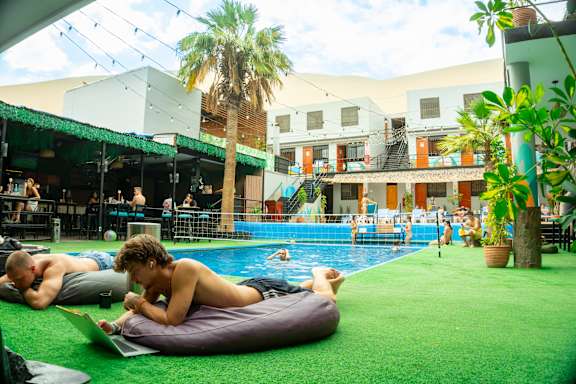
A desert oasis surrounded by dunes, with sandboarding and buggies. A night or two.
Great place with great people and the tours are amazing
A traveller, on Hostelworld
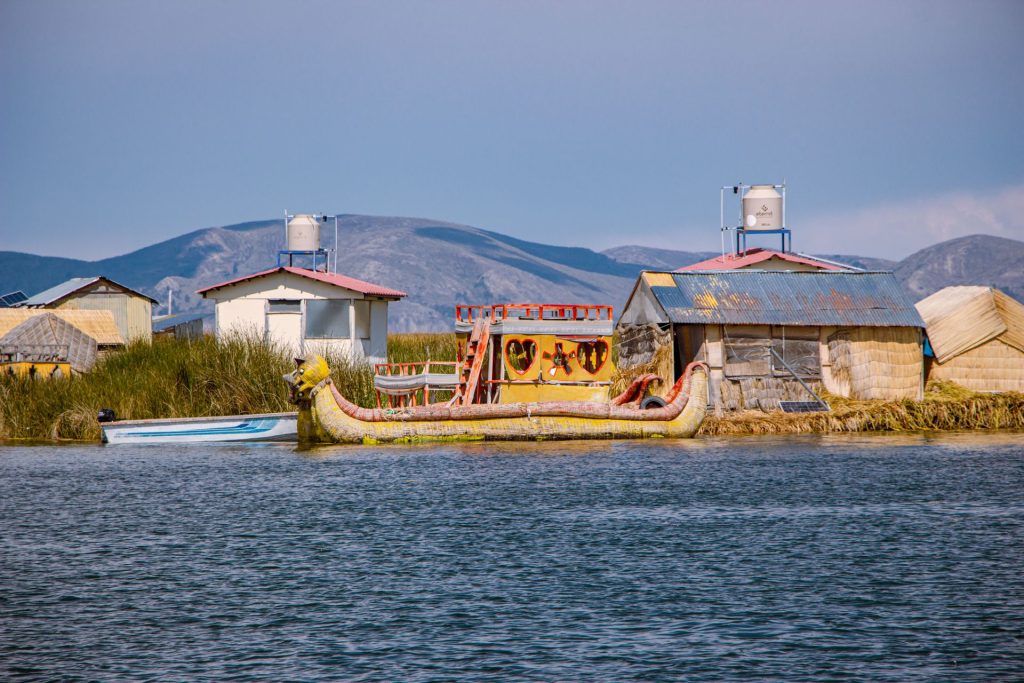
On Lake Titicaca at 3,800 metres, with the floating reed islands offshore.
Please ise the opportunity when you are in Pino to take trips to archeological sites and ilands in the Tititaka lake
A traveller, on Hostelworld
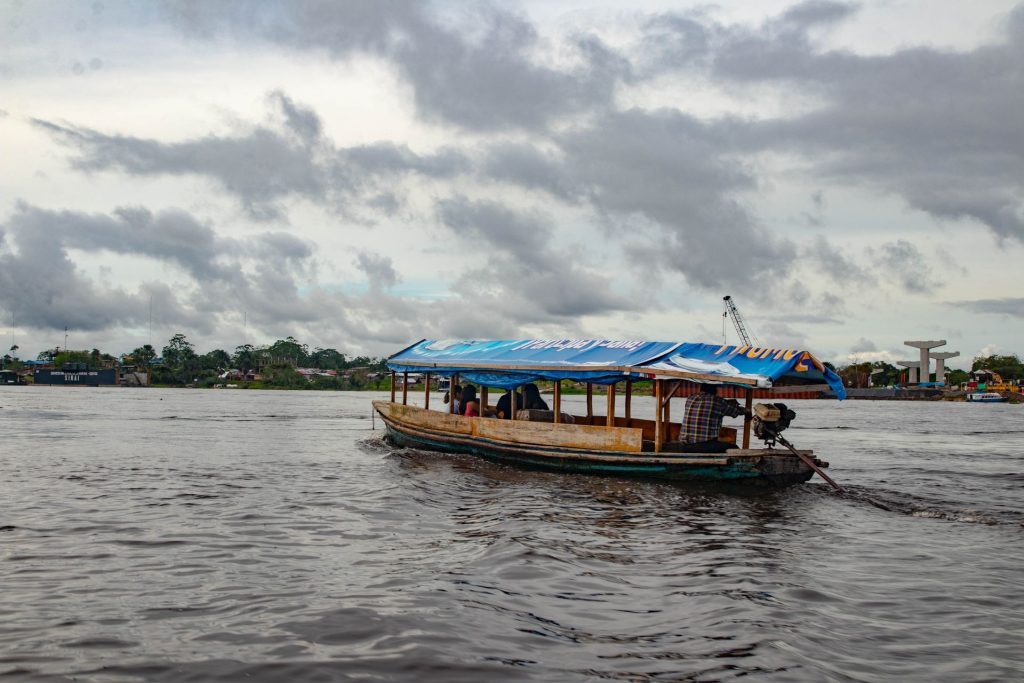
The Amazon city you can only reach by plane or boat, and the base for jungle lodges and river trips.
Iquitos is the gateway to the jungle which should not be missed.
A traveller, on Hostelworld
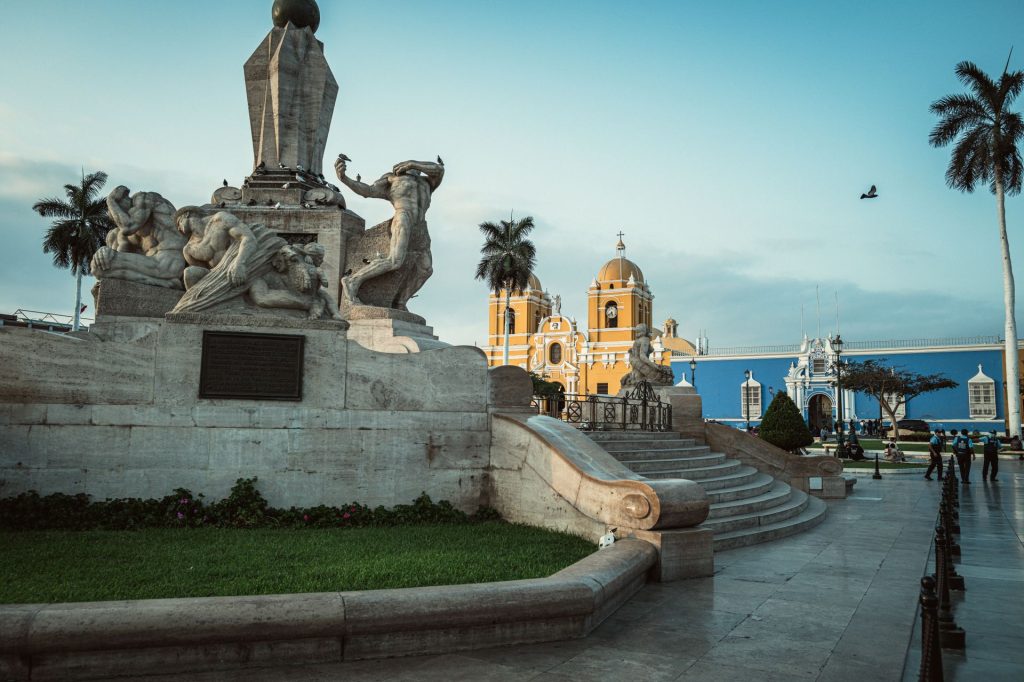
Pre-Inca adobe cities and painted pyramids, with the surf village of Huanchaco 20 minutes away.
Really beautiful town! People are really friendly and welcoming.
A traveller, on Hostelworld
Peru is a trekking and ruins country with an unexpectedly great food scene attached.
Inca trails, 6,000-metre peaks and glacial lakes.
Inca and pre-Inca sites that go far beyond the famous one.
The best eating on the continent, at every price level.
Cheap, except for the one thing everyone comes for.
A long desert coast, warm only in the far north.
Machu Picchu requires planning that catches people out. Entry is by timed ticket on a fixed circuit, numbers are capped, and both tickets and Inca Trail permits sell out months ahead — the Inca Trail in particular needs booking four to six months in advance and closes each February.
The alternatives are often better. Salkantay is five days over a 4,600-metre pass, Lares is quieter and more cultural, and both cost less and need no permit lottery.
Beyond Cusco, Arequipa sits under a volcano with Colca Canyon two hours away, where condors ride the thermals most mornings. Huaraz is the serious trekking base, with Laguna 69 as the day walk and the Santa Cruz trek as the multi-day. In Lima, the food is genuinely the attraction.
Peru has the best food in South America and it is not close. Ceviche — raw fish cured in lime with chilli, onion and sweet potato — is the national dish and is eaten at lunch, never dinner, because the fish is that morning's.
Lima carries the fine dining reputation, with restaurants that appear on world lists, but the everyday food is the point: a menú at lunch gets you soup, a main and a drink for €3 to €5 anywhere in the country.

Lomo saltado, ají de gallina, causa and anticuchos are the dishes to work through. The potato varieties run to thousands, quinoa and corn come in shapes you will not recognise, and pisco sour is the drink. Cuy, guinea pig, is genuinely traditional in the highlands rather than a tourist novelty.
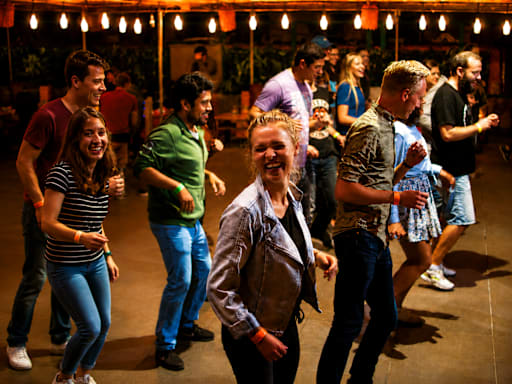
Cusco has the most concentrated nightlife in the country because of the number of travellers passing through — the Plaza de Armas is ringed with bars and clubs, most offering free entry and cheap pisco, and it runs late every night of the week.
Lima's scene is in Barranco, the bohemian district, and Miraflores, and it is more varied and more expensive. Barranco's bars and live music are the better half.
Beer is €1.50 to €3, pisco sours €3 to €6. Altitude changes how alcohol affects you in Cusco, which is worth knowing on the first night rather than discovering.
Distances are large and buses are the backbone. Cruz del Sur, Oltursa and Movil Bus run comfortable overnight services with reclining seats, and Lima to Cusco is about 21 hours — most people fly that leg instead, for €40 to €90.
Within regions, colectivos and minibuses connect towns cheaply.
For Machu Picchu, the train from Ollantaytambo to Aguas Calientes is the standard route and costs €60 to €120 return, which surprises people. The cheaper alternative is a long van ride to Hidroeléctrica and a two-hour walk along the tracks, which many backpackers do.
Peru is cheap until Machu Picchu. Dorms start around €8, a menú lunch is €3 to €5, and buses cost very little.
Machu Picchu is the exception and it adds up fast: entry, the train at €60 to €120 return, a night in Aguas Calientes, and the bus up the hill. Budget €200 to €300 for the visit alone, or more with a guided trek — the Inca Trail runs €600 to €900 and Salkantay €250 to €400.
A normal day elsewhere is €25 to €40. Carry cash in the highlands, and use ATMs inside banks rather than on the street.
Peru is generally safe for travellers with the usual city caution. Opportunistic theft is the common problem — bags in restaurants, phones in the street, and taxis hailed off the street in Lima, where you should use apps instead.
Altitude is the risk people underestimate. Cusco at 3,400 metres and Puno at 3,800 affect most people on arrival, and trekking passes go above 4,600. Arrive slowly, take two days before any trek, drink coca tea, and descend if symptoms worsen rather than pushing on.
Trekking accidents and unlicensed operators are a real issue: check that any trekking company is registered, particularly for the Inca Trail where licensed operators are legally required. Political protests and road blockades have periodically closed routes to Machu Picchu at short notice, which is worth building buffer days around.
Most European, UK, US, Canadian and Australian citizens enter visa-free, usually for up to 90 days, with the exact period granted at the discretion of the immigration officer — check your stamp, because it is not always the maximum.
Passports need six months' validity. Proof of onward travel may be requested.
The paperwork that actually matters is Machu Picchu: timed entry tickets on specific circuits, sold through the official government platform, and Inca Trail permits which sell out four to six months ahead and are only available through licensed operators. Buy these before anything else in your itinerary.
May to September is the Andean dry season and the time to come. The coast reverses this — Lima is grey and cold exactly when the mountains are clear.
Average highs for Cusco, where the real story is nights below freezing in the dry season. Lima runs opposite, with grey garúa cloud from May to November and sun from December to April.
Pick how you travel and how long for. Per night, for one person, excluding Machu Picchu.
Machu Picchu adds €200–300 all in, and a guided trek €250–900 depending on route. Budget for those separately.
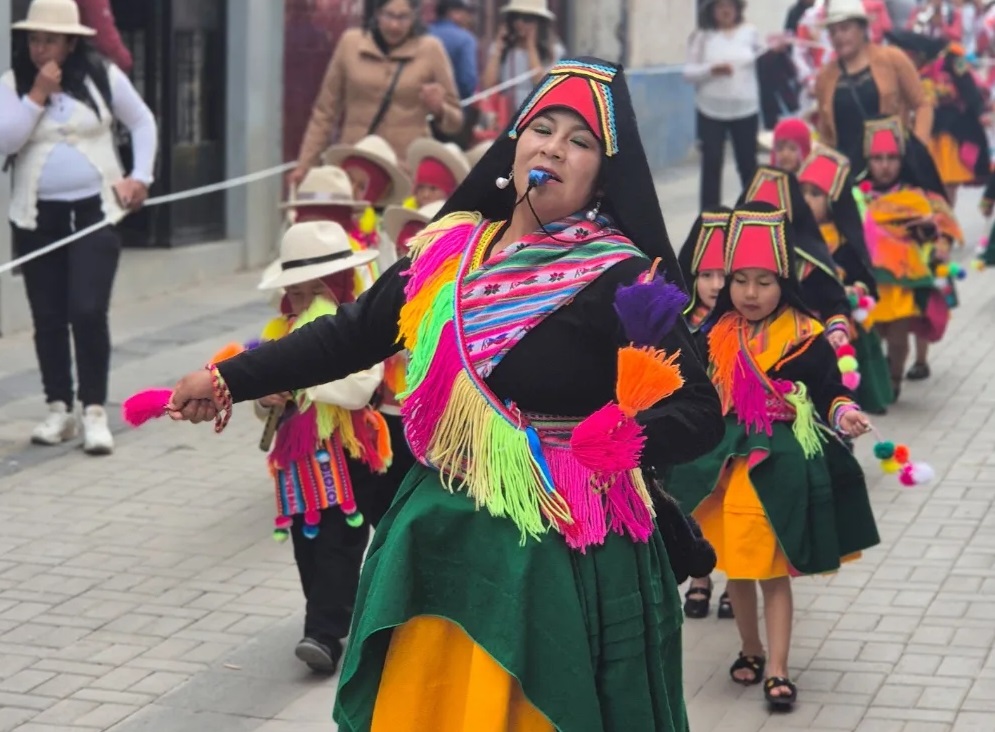
Inti Raymi in June fills Cusco entirely, and it is the biggest festival on the continent after Rio.
Staff pick
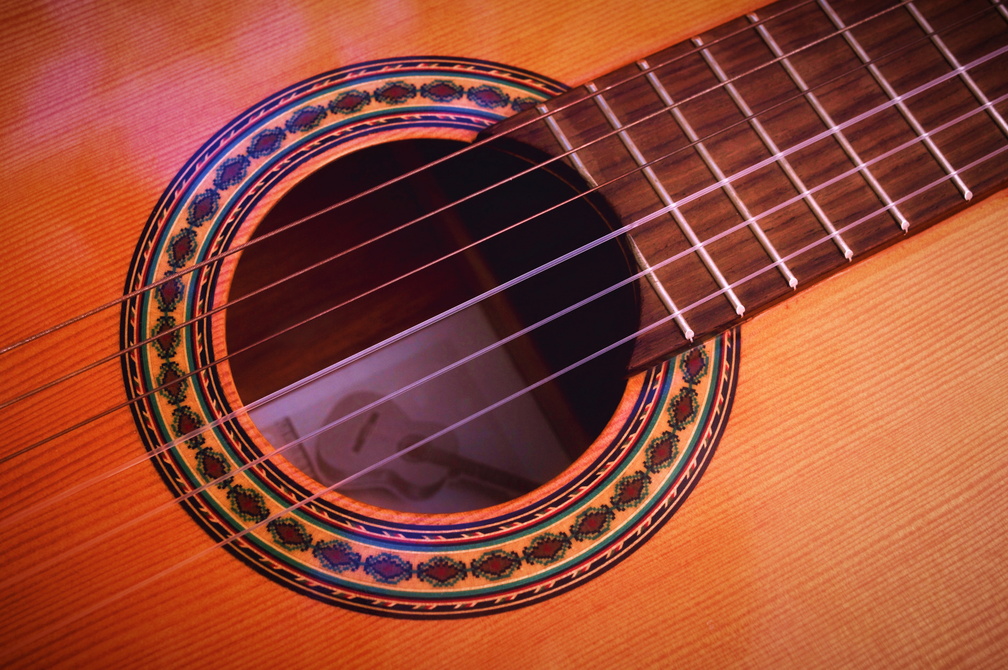
Día de la Canción Criolla in Lima’s Barranco district transforms the area into a lively celebration of Peru’s rich musical heritage. The historic Bridge…
Staff pick
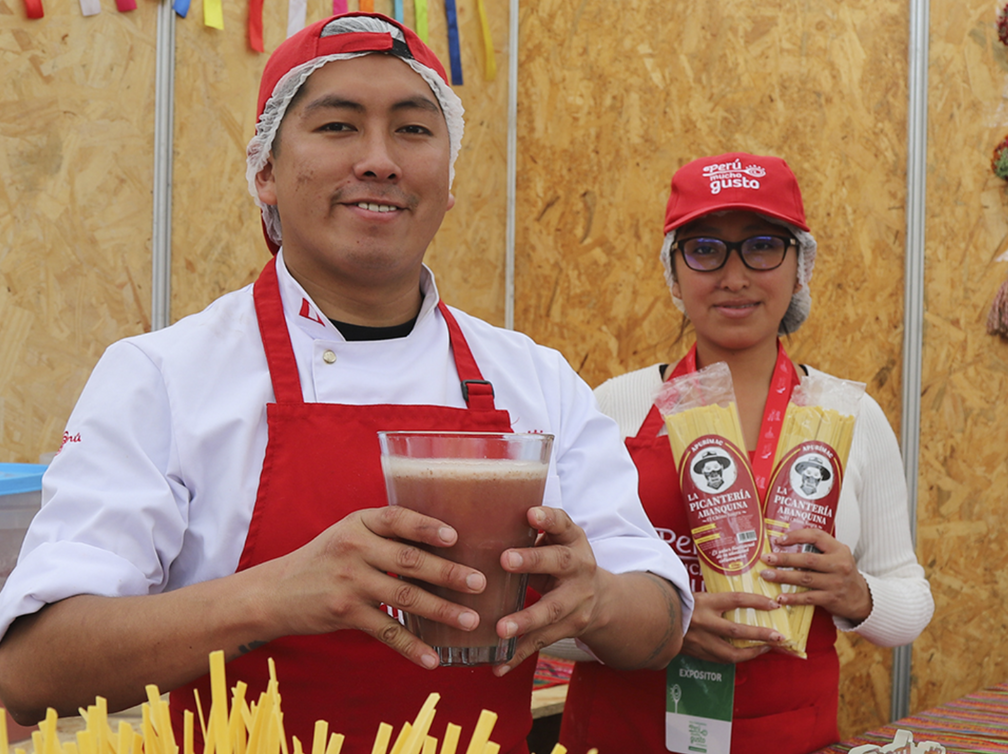
Perú Mucho Gusto Lima is a celebrated gastronomic fair that brings together the flavors and culinary traditions of all 25 regions of Peru in…
Staff pick
Puno Week in Puno, Peru, is a lively celebration honoring both the city’s Spanish founding and the legendary origins of the Inca Empire. The…
Staff pick
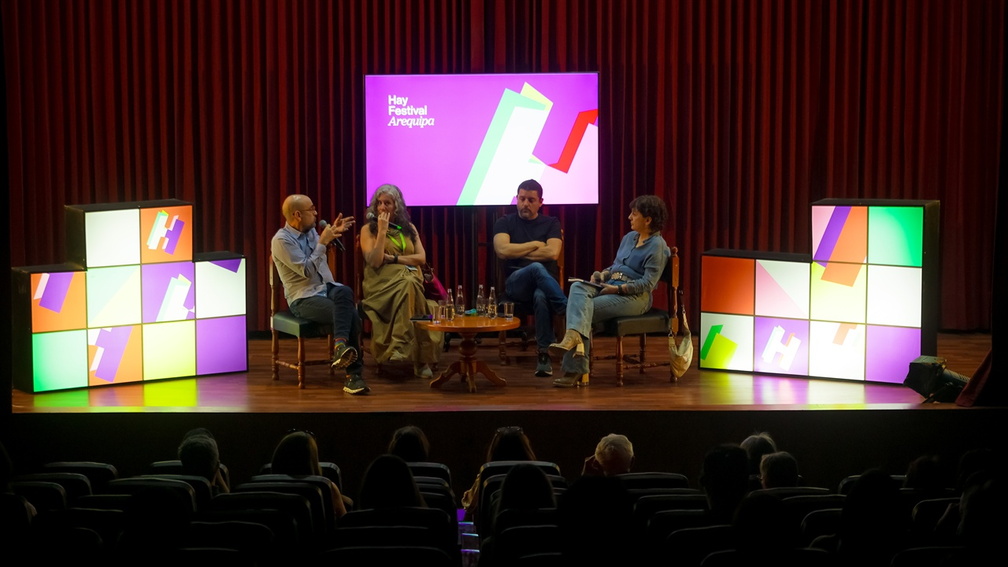
Hay Festival Arequipa is a world-class celebration of literature, art, and ideas set in the heart of southern Peru. The festival brings together writers,…
Staff pick
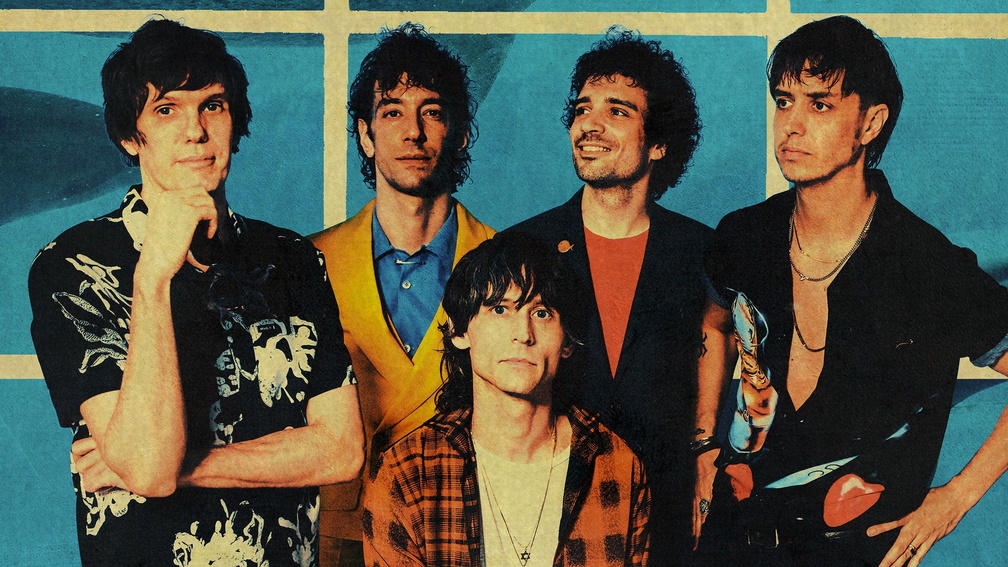
The Strokes is a rock band from New York City formed in 1998. Consisting of five members, the band played a significant role in…
Staff pick
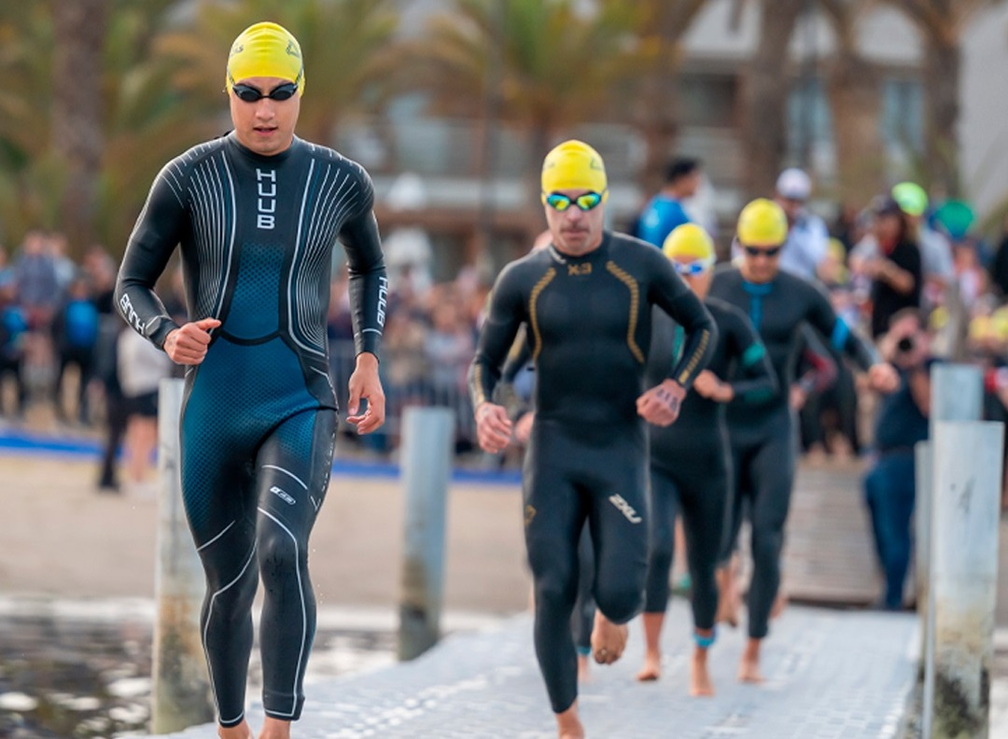
The Paracas Triathlon, organized by Hauki SRL, is a renowned endurance event held in Paracas, Peru, where the desert meets the sea. Athletes take…
Staff pick
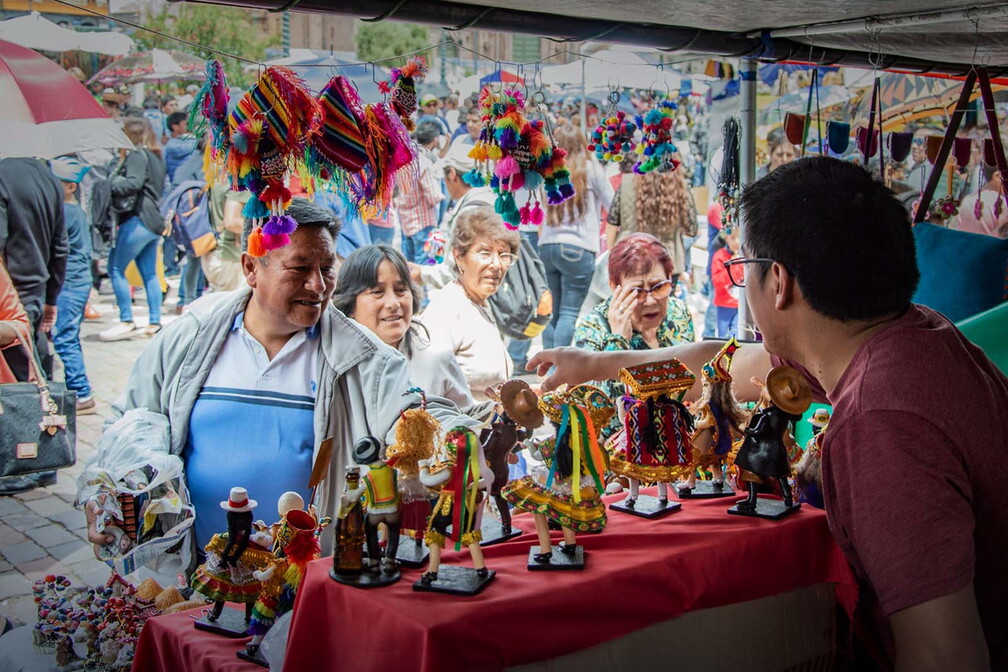
Santurantikuy is a renowned artisanal fair held in Cusco’s iconic Plaza de Armas, where local and regional artisans gather to showcase their craftsmanship. Visitors…
Staff pick
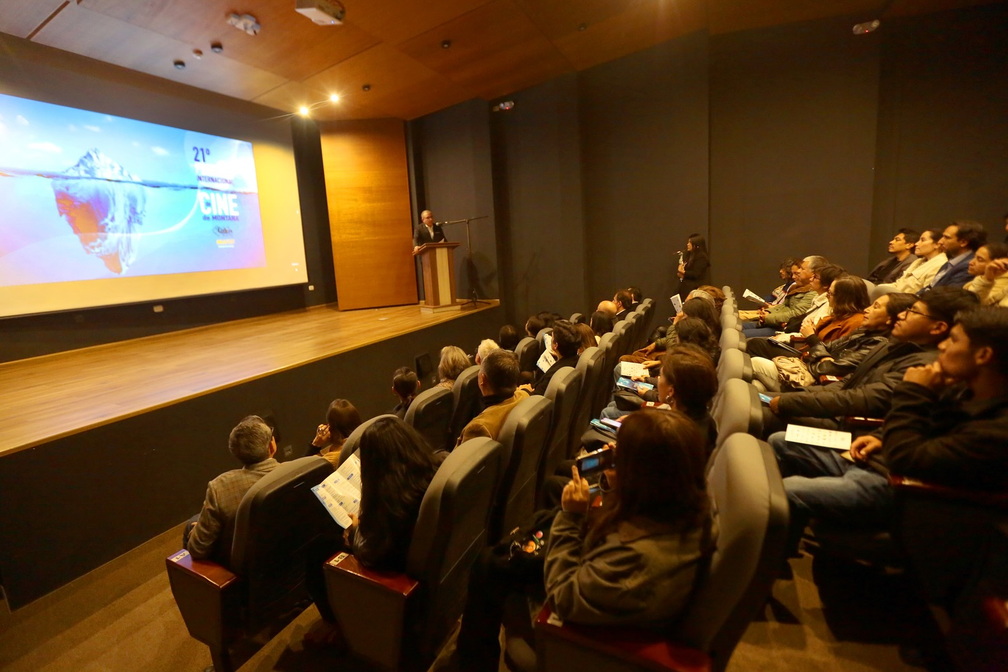
Inkafest Mountain Film Festival in Arequipa, Peru, is Latin America's leading celebration of mountain culture, adventure, and environmental awareness. Since 2005, it has brought…
The highest-rated hostels in the country, live from Hostelworld. Cusco has by far the most, and it books out in June, July and August.
The ones we get asked most.
Compare hostels across Peru — live prices, real reviews and free cancellation on most bookings. Then meet the people already there in the app.