Centro
Convenient, restaurantsThe streets around the Plaza de Armas and Jirón Lima, with hostels and agencies.

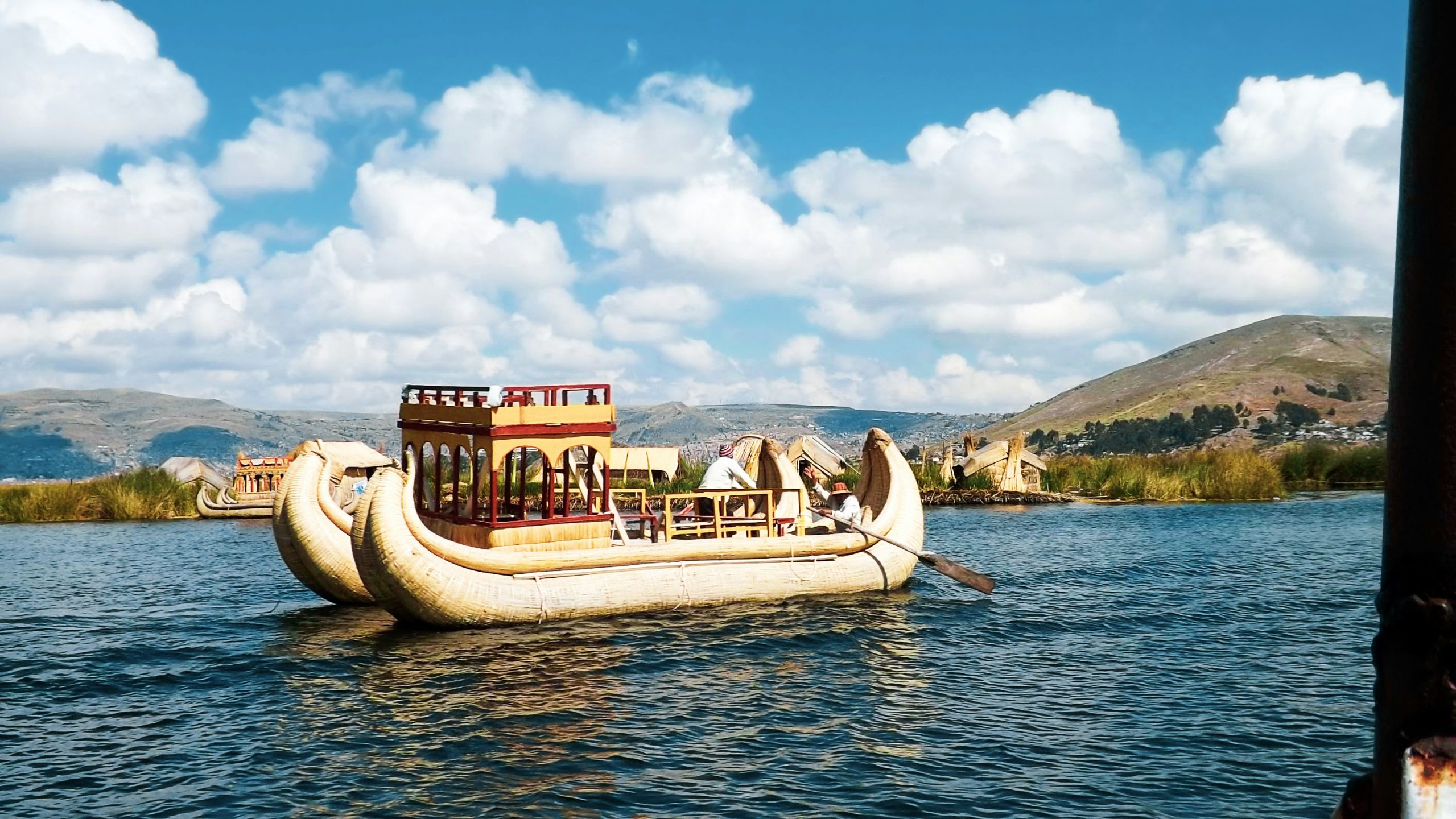
A high city on the shore of Lake Titicaca at 3,800 metres, with floating reed islands, island homestays and one of the biggest folk festivals in South America.
Puno sits on the Peruvian shore of Lake Titicaca, at around 3,800 metres, high enough that you will feel it. The city itself is plain and busy, but it is the gateway to the lake, which straddles the border with Bolivia and is surrounded by Quechua and Aymara communities that keep their own traditions.
Boat trips go out to the Uros, artificial islands made of totora reeds where families still live, and further to Taquile and Amantaní, quiet islands of stone terraces where you can stay overnight with local families. Near the city, the funeral towers of Sillustani stand on a peninsula above a lake.
Puno is known as the folklore capital of Peru, and every February the Fiesta de la Virgen de la Candelaria fills the streets with thousands of dancers in elaborate costumes. Give Puno two or three days, with a night on an island. It is also the main overland route to Copacabana and La Paz in Bolivia.
Stay in the centre, around the Plaza de Armas and Jirón Lima, close to restaurants and tour agencies.
The streets around the Plaza de Armas and Jirón Lima, with hostels and agencies.
Closer to the lakeshore and boats, a short taxi from the centre.
Orange labels are neighbourhoods, dots are the 6 top-rated hostels. Map data from OpenStreetMap contributors.
Take a boat to the Uros floating islands, around half an hour from the port. Families build their islands, houses and boats from totora reeds, and explain how they live. It is touristy, but still fascinating. Go on to Taquile, an island of terraces where men knit their own hats as a sign of status, for lunch and views over the lake.
For a deeper experience, stay overnight with a family on Amantaní, with dinner, a local dance and a sunset walk up to the island's temples. Book through a responsible agency so the money reaches the families.
On land, Sillustani, around 45 minutes away, has chullpas, tall stone burial towers built by pre-Inca and Inca peoples, on a peninsula above Lake Umayo. In the city, walk Jirón Lima, the cathedral and the Plaza de Armas, and climb the steps to the Kuntur Wasi viewpoint for views over the lake.
The Plaza de Armas, the cathedral and Jirón Lima are free, and the Kuntur Wasi viewpoint has views over the lake and city; go with others.
The central market and the lakeshore near the port are free to wander. During the Candelaria festival, many of the parades are free to watch from the streets.
The island trips and Sillustani charge fees and boat fares.
Trout from Lake Titicaca is on every menu, fried, grilled or in ceviche. Quinoa grows around the lake, and you will find it in soups and stews. Chairo, a hearty soup of lamb, potatoes and chuño (freeze-dried potato), is a local favourite.
The central market has cheap menús, and Jirón Lima has restaurants for travellers. Island homestays include simple meals of soup, potatoes and vegetables.
Coca tea helps with the altitude.
Puno is quiet at night, with a few bars and pubs on and around Jirón Lima. Some restaurants have live folk music and dances in the evening.
Nights are very cold at this altitude, so bring warm layers.
The exception is the Candelaria festival in February, when the city parties for two weeks.
The centre is walkable, and taxis and mototaxis are cheap. Boats to the islands leave from the port, usually as part of a tour.
The nearest airport is in Juliaca, around an hour away, with flights to Lima, Cusco and Arequipa. Buses go to Cusco in around seven hours, with tourist buses that stop at sights along the way, and to Arequipa in around six.
Buses to Copacabana in Bolivia take around three hours, crossing the border at Kasani or Yunguyo.
Puno is cheap. Dorm beds start around €6, with well-rated hostels from €7 to €14. A menú costs a few euros.
Island tours are good value, with small landing fees on the Uros and Taquile, and an Amantaní homestay including meals is cheap for what you get. Sillustani has an entry fee.
Carry cash in soles for the islands, where there are no cards.
Puno is generally safe. Take care with belongings around the bus terminal and the market, and use taxis at night.
Altitude is the main risk: at 3,800 metres most people feel it. Rest on arrival, drink water and coca tea and avoid alcohol for the first day. If you come from Cusco, you will adjust faster.
The sun is fierce on the lake and nights are freezing, so bring sun cream and warm layers. Protests and road blockades sometimes close the roads to Cusco and the border, so check before travelling. In an emergency, call 105 for police or 106 for an ambulance.
Islands, towers and Bolivia across the lake.
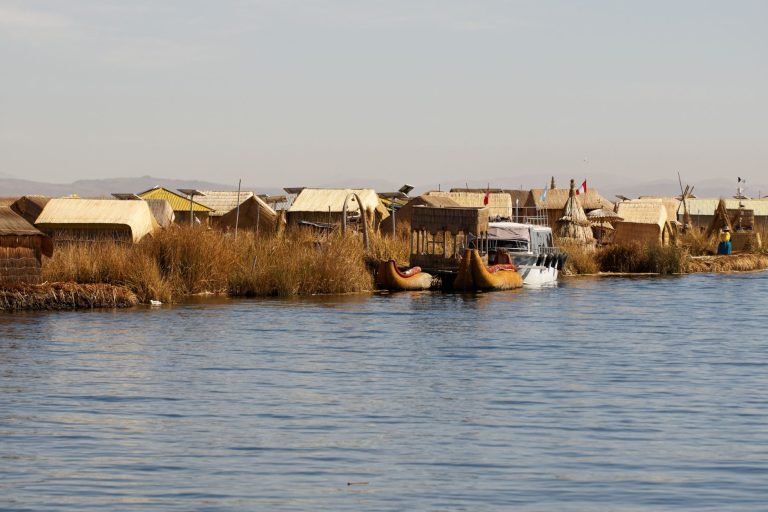
Islands, homes and boats made of reeds.
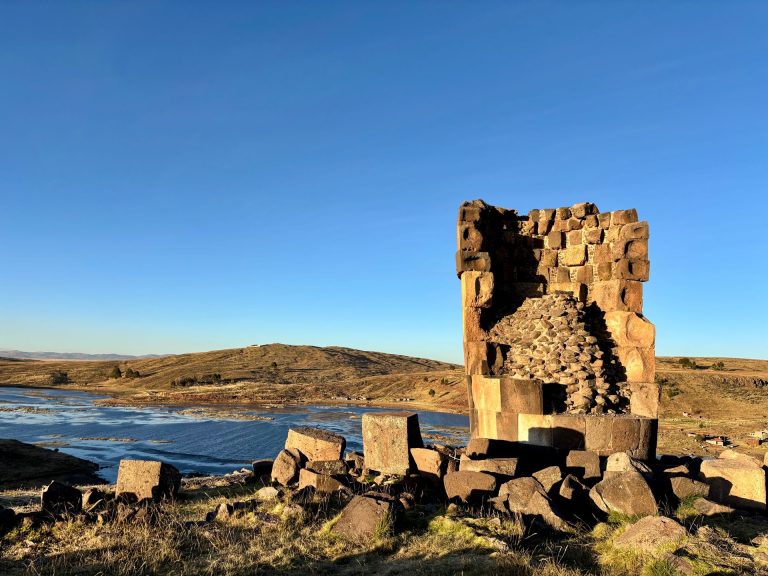
Pre-Inca and Inca burial towers above a lake.
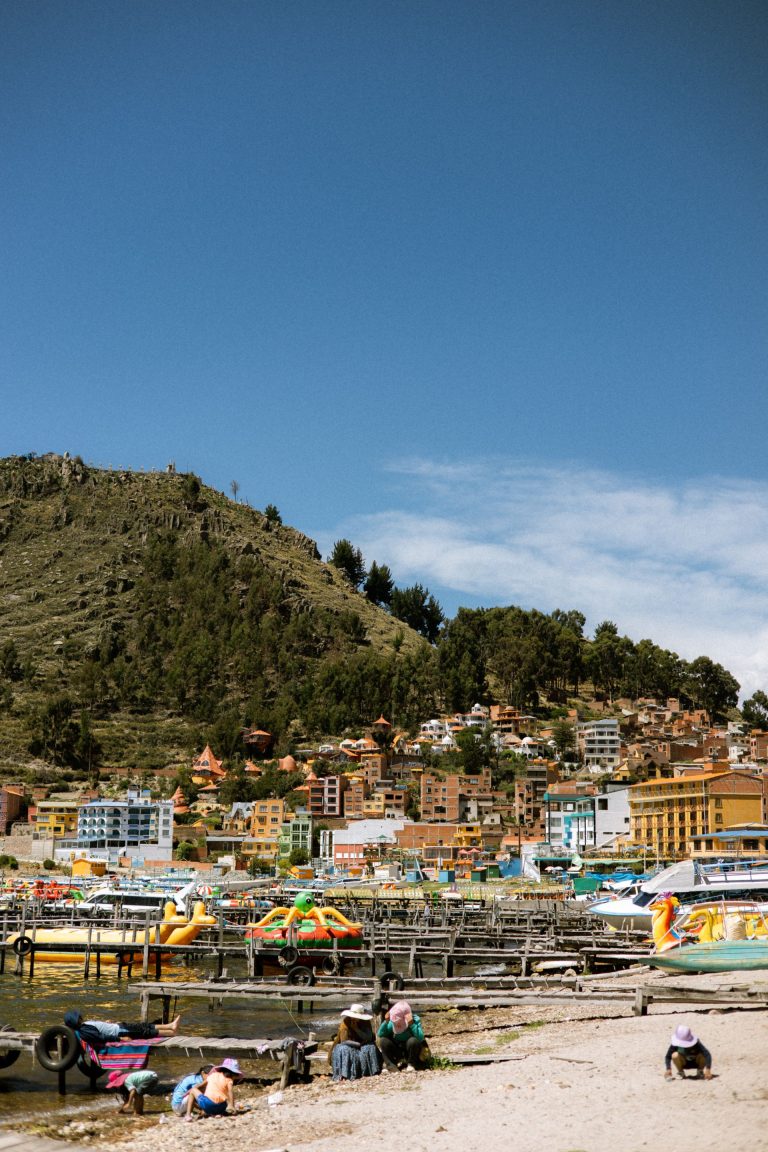
The Bolivian side of the lake and the Isla del Sol.
The Candelaria and Puno Week.
Two weeks of dances and costumes. UNESCO-listed.
Celebrations of the city's founding legend, with parades and dances.
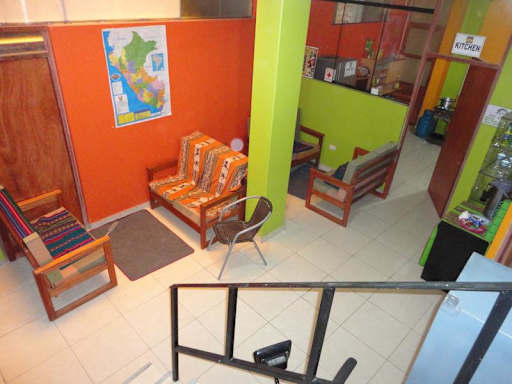
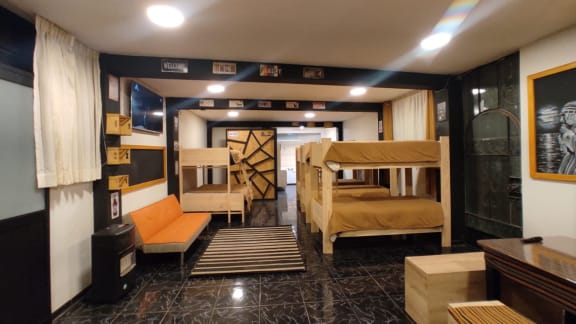
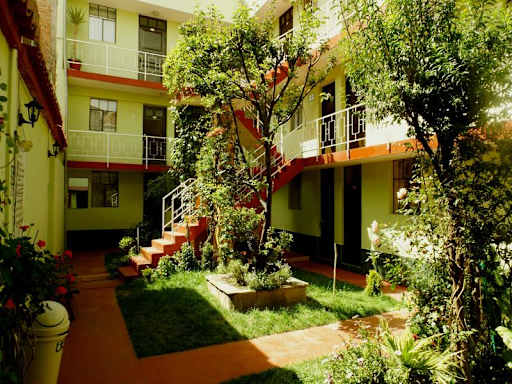
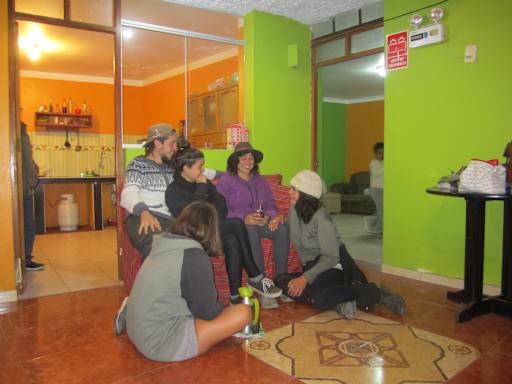
The highest-rated hostels in Puno, straight from Hostelworld. Prices and availability are live on each property page.


May to October is dry and sunny, with freezing nights. November to March is wetter. February brings the Candelaria festival, the best and busiest time.
Average highs, rounded. Nights often drop below freezing in winter.
Per night, for one person, based on Puno prices.
Treat these as a guide. Prices rise during Candelaria.
The ones we get asked most.

Compare hostels in Puno: live prices, real reviews and free cancellation on most bookings. Then meet the people already there in the app.

 Get the App.



 Get the App.