Ciudad Vieja
Sights, hostels, the portThe old town on the peninsula, with the Mercado del Puerto and many hostels. Quiet at night.

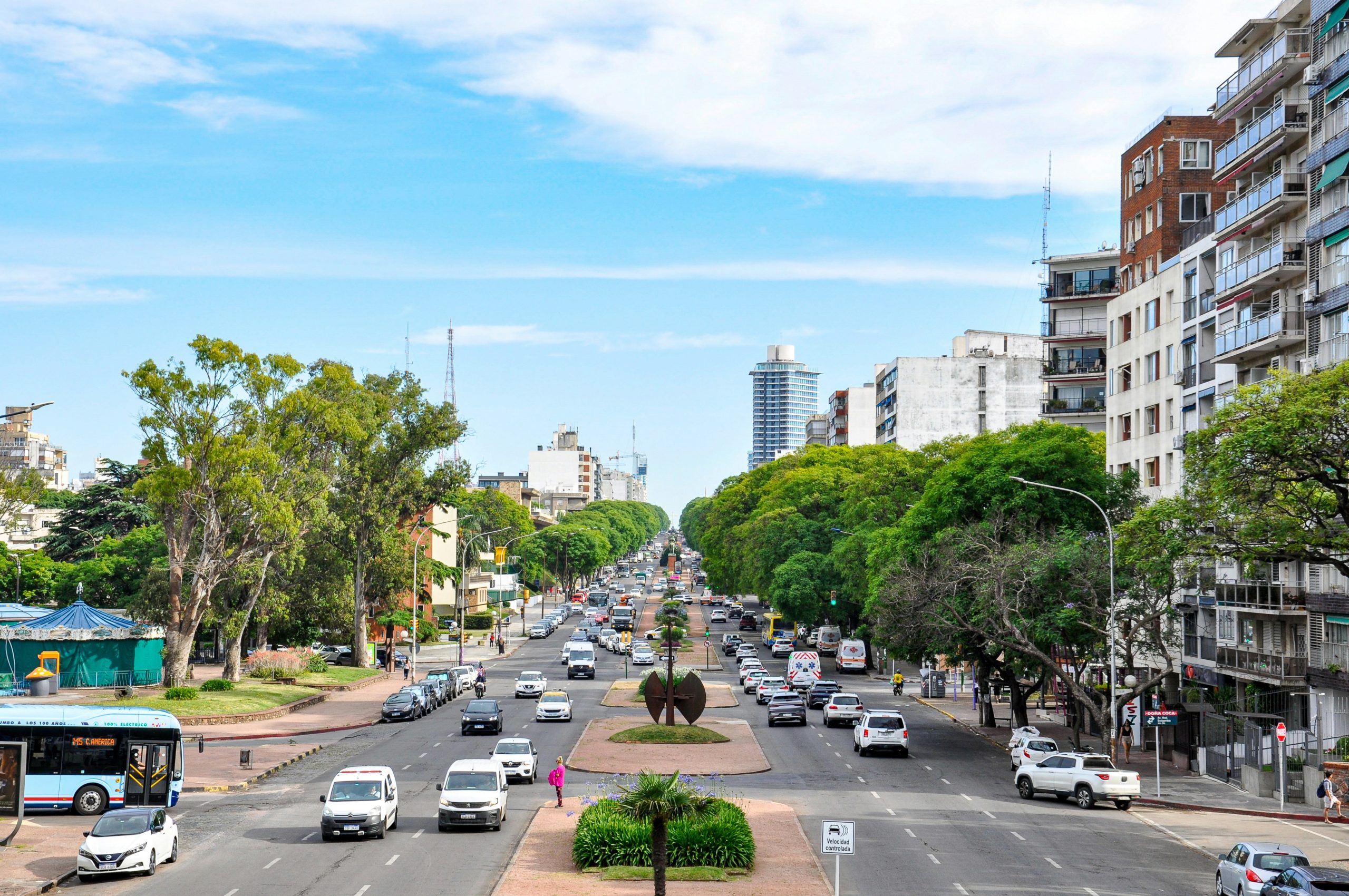
A relaxed capital on a wide river: a 20-km waterfront Rambla, art deco streets, parrilla grills in an old port market and candombe drums on Sunday evenings.
Montevideo is home to around half of Uruguay's population, but it never feels like a big city. It sits on the wide, brown Río de la Plata, and the Rambla, a waterfront promenade of more than 20 km, runs along its whole length past beaches and parks. At sunset it fills with people walking, running, fishing and drinking mate from flasks tucked under their arms.
The Ciudad Vieja, the old town on a peninsula, has colonial streets, art deco buildings, galleries and the Mercado del Puerto, a covered market full of parrilla grills. The Centro around the Avenida 18 de Julio has grand buildings such as the Palacio Salvo and the Teatro Solís, and the barrios of Pocitos, Punta Carretas and Parque Rodó are leafy, residential and close to the beaches.
Give Montevideo two or three days. It is calm, safe by South American standards and full of small pleasures: a chivito sandwich, a Sunday market, a football match, candombe drumming in Barrio Sur. Visit in February to see the world's longest carnival.
Ciudad Vieja has the sights and many hostels. Pocitos and Punta Carretas are by the beach and calmer, and Parque Rodó and Cordón are lively and central.
The old town on the peninsula, with the Mercado del Puerto and many hostels. Quiet at night.
A busy residential barrio on the city's favourite beach, with cafés and bars.
A quiet area by the lighthouse and the Rambla, with a shopping centre in an old prison.
Student areas near the park and the beach, with bars and the Tristán Narvaja market.
Orange labels are neighbourhoods, dots are the 7 top-rated hostels. Map data from OpenStreetMap contributors.
Start in the Plaza Independencia, with the Palacio Salvo, once the tallest building in South America, and the gateway into the Ciudad Vieja. Walk the pedestrian Sarandí street through the old town to the Mercado del Puerto, where grills cook mountains of beef, chorizo and provoleta cheese, best with a glass of medio y medio, half sparkling and half white wine. Take a guided tour of the Teatro Solís, one of the oldest theatres in South America.
Walk or cycle the Rambla from the old town past Parque Rodó to Pocitos beach. The Museo del Carnaval explains candombe and murga, and the Museo Andes 1972 tells the story of the Uruguayan rugby team whose plane crashed in the Andes. Football fans can visit the Estadio Centenario, where the first World Cup final was played in 1930, and its football museum.
On Sundays, the Tristán Narvaja street market in Cordón sells everything from antiques to vegetables, and in the evening candombe drum groups parade through Barrio Sur and Palermo.
The Rambla and the city beaches are free, and the sunset over the river is the best free show in town. Free walking tours leave from the Plaza Independencia; tip the guide.
The Tristán Narvaja market on Sunday mornings and the candombe drum groups on Sunday evenings are free. Many of the city's museums, including the Cabildo, are free or cheap.
The Parque Rodó and the Prado, with its rose garden, are lovely for a walk.
Uruguay has some of the best beef in the world, and the parrilla, the grill, is the heart of its food. Try asado, provoleta, a grilled cheese, and morcilla, blood sausage. The chivito, a huge steak sandwich with ham, cheese, egg and salad, is the national sandwich.
The Mercado del Puerto is the classic place for a parrilla lunch, though pricier than local places. Pizza a la leña, faina and empanadas are cheap everyday food, and a menú ejecutivo at lunch is good value.
Mate is drunk everywhere, and Tannat is the country's red wine. Dulce de leche is in almost every dessert.
Montevideo's nightlife starts late, with dinner at ten and bars filling after midnight. Pocitos, Punta Carretas and Parque Rodó have bars and craft beer, and the Ciudad Vieja has bars and clubs at weekends.
Tango is part of the city's culture too, with milongas, dance nights, around the centre. In carnival season, the Teatro de Verano hosts murga competitions most nights.
Take a taxi or app home late at night, especially from the Ciudad Vieja.
City buses cover the whole city and are easy with a rechargeable STM card or cash. Taxis and ride apps are easy too, and bikes are good for the Rambla.
Carrasco airport is around 30 to 40 minutes from the centre, with buses and taxis. Long-distance buses leave from the Tres Cruces terminal, with services to Colonia, Punta del Este and the Rocha coast.
Ferries link Montevideo with Buenos Aires directly, or via Colonia with a bus connection.
Uruguay is the most expensive country in the region. Dorm beds start around €15, with well-rated hostels from €16 to €25. A menú ejecutivo lunch costs around €8 to €12, a parrilla lunch more, and a beer €2 to €4.
Pay with a foreign card in restaurants: for non-residents, VAT is removed in the summer season, from mid-November to April, and reduced the rest of the year. Accommodation is VAT-free for non-residents.
Cards are accepted almost everywhere.
Montevideo is one of the safer capitals in South America. Petty theft happens, especially in the Ciudad Vieja and around the port after dark, when the old town empties. Keep your phone out of sight and take a taxi or app home late.
Some outer neighbourhoods are best avoided, but you are unlikely to go there.
The river beaches are calm, but check water quality signs after heavy rain. In an emergency, call 911.
A colonial port, wineries and the beaches.
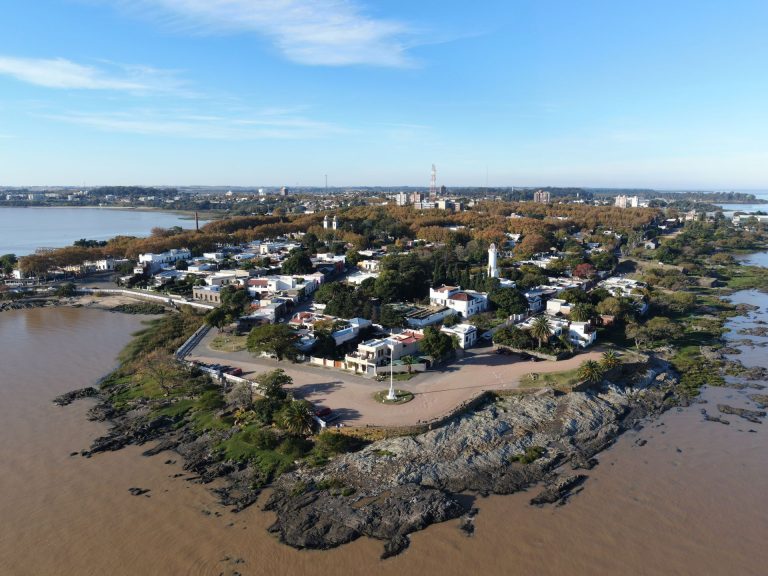
A cobbled UNESCO-listed old town on the river.
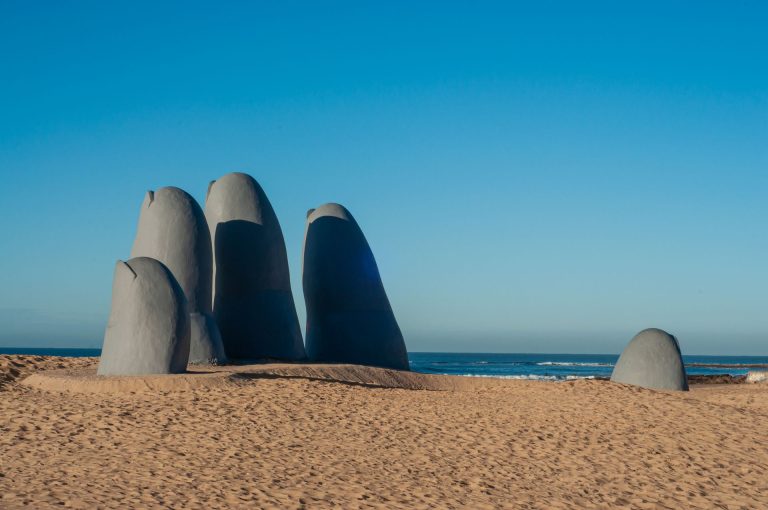
The famous beach resort.
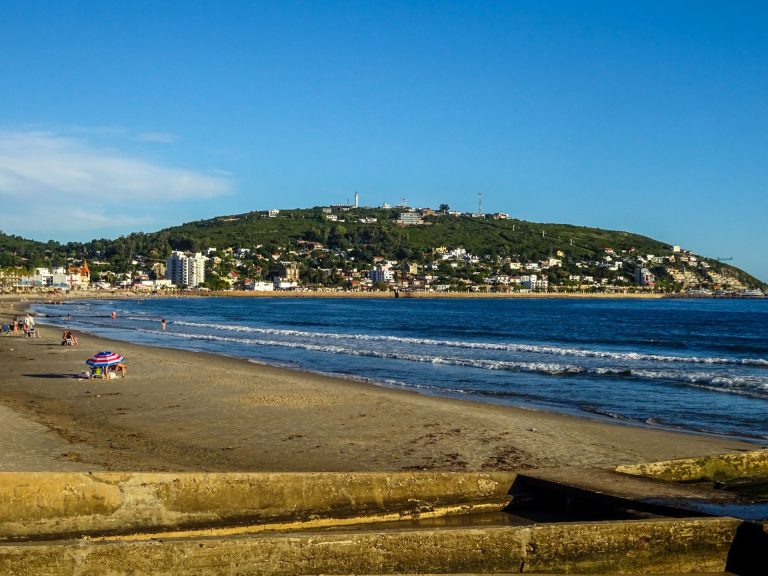
An old resort town with a hilltop castle and a cable car.
Carnival, candombe, football and concerts.
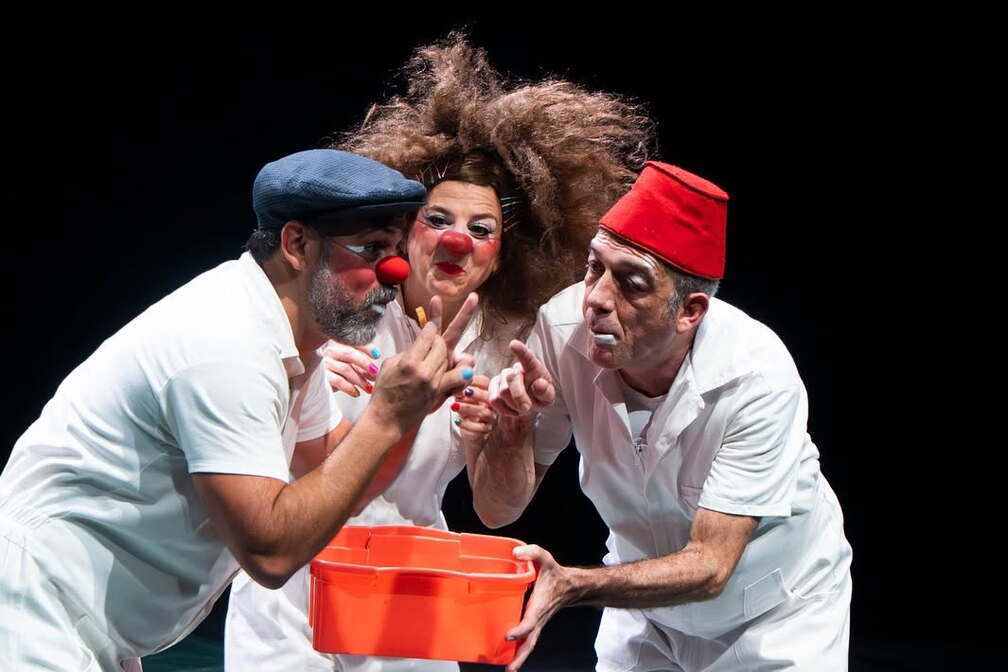
The International Festival of Performing Arts brings together theater, dance, circus, performance, and puppetry in a vibrant program. It fosters cultural access, broadens audiences,…

Luana takes the stage at Antel Arena to celebrate her birthday with a special concert. Her voice, familiar across Uruguay, brings together fans to…
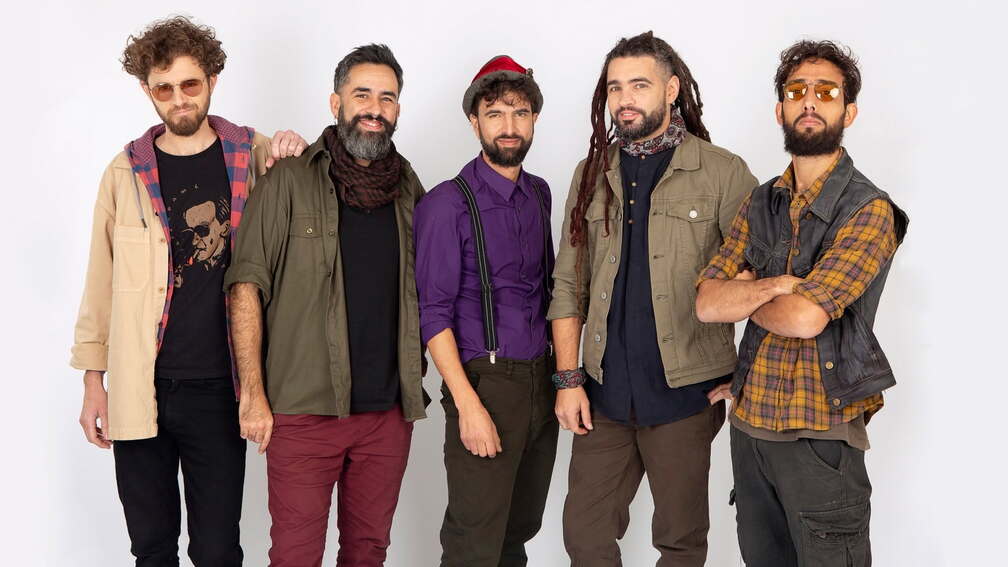
Milongas Extremas brings a tribute to Alfredo Zitarrosa to Antel Arena, marking the 90th anniversary of his birth. The Uruguayan band blends Rioplatense folk…
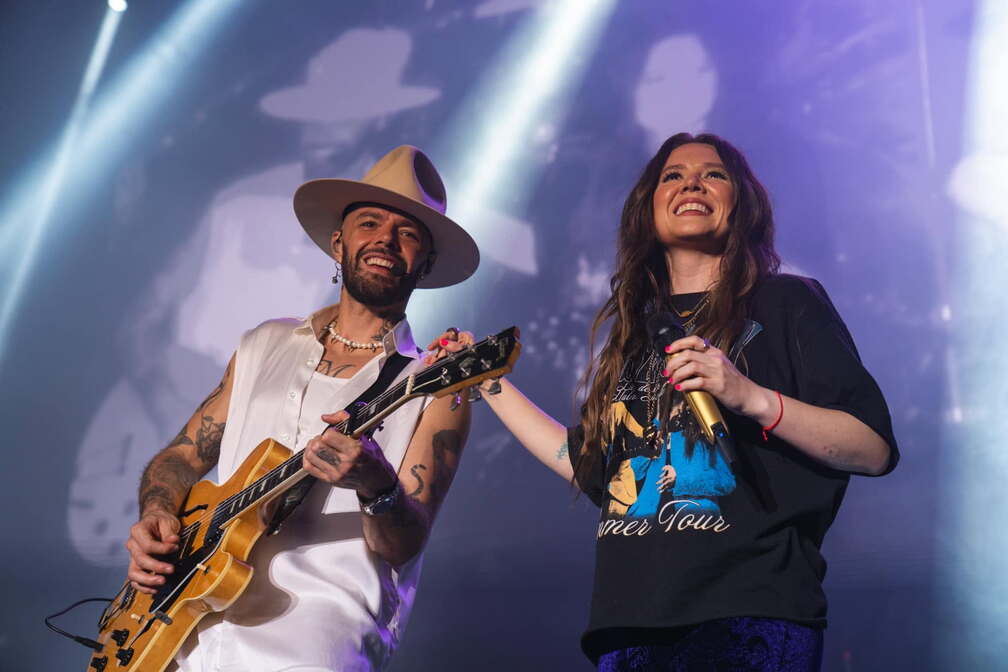
The Mexican duo Jesse y Joy returns to Uruguay as part of their Latam Tour 2026. Their tour revisits hits from their career since…
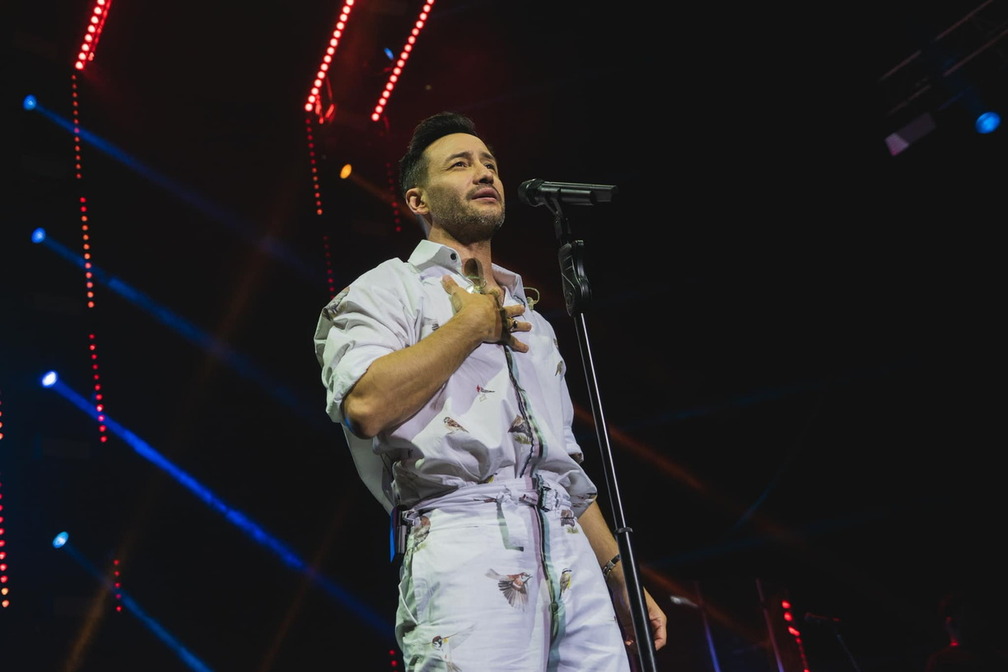
Luciano Pereyra returns to Montevideo with his renewed Te Sigo Amando tour, bringing emotion and romanticism to the stage. With over 25 years of…
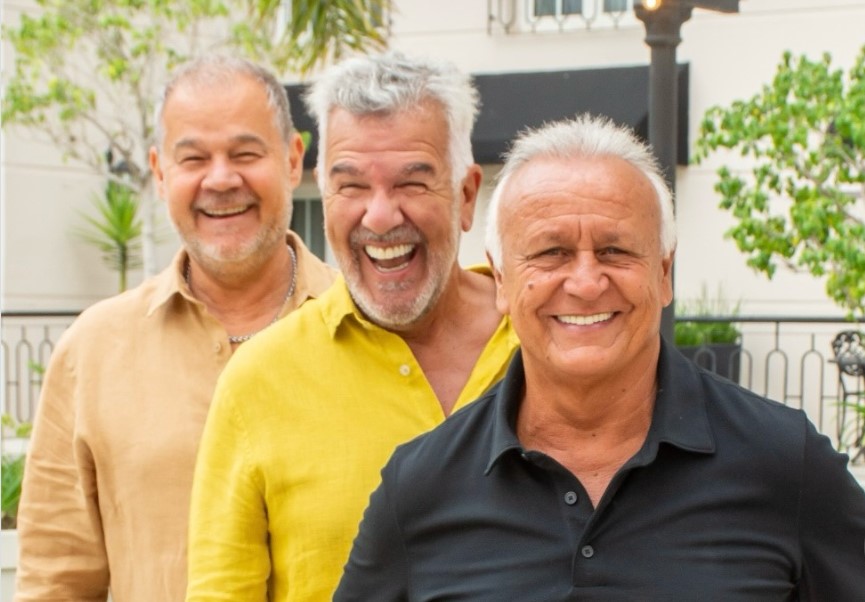
Midachi returns to the stage for a final farewell series of shows. The trio revisits their most iconic sketches, characters, and moments, creating an…
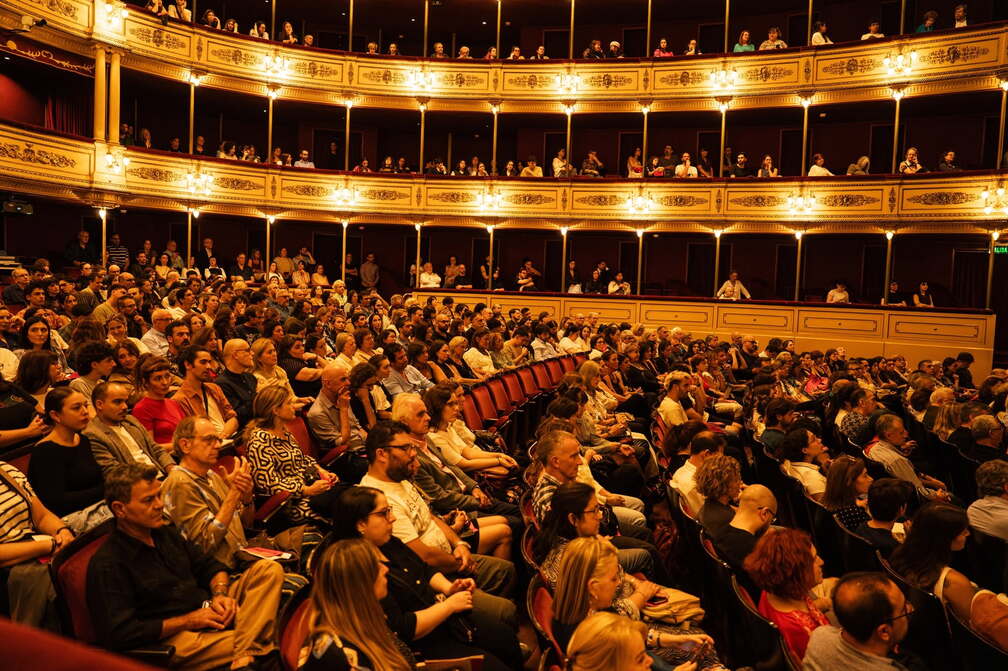
El Teatro is a theatrical celebration that intertwines personal stories with the history of the institution and the country. It was created to mark…
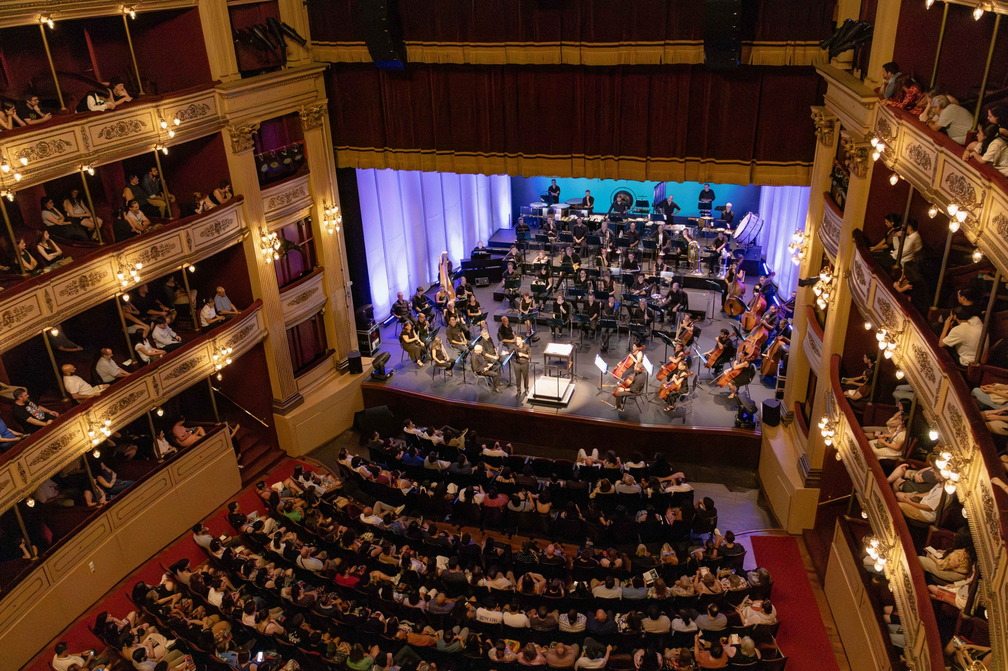
The Montevideo Symphonic Band marks 119 years of history, highlighting its role as one of the city's oldest and most representative musical institutions. The…
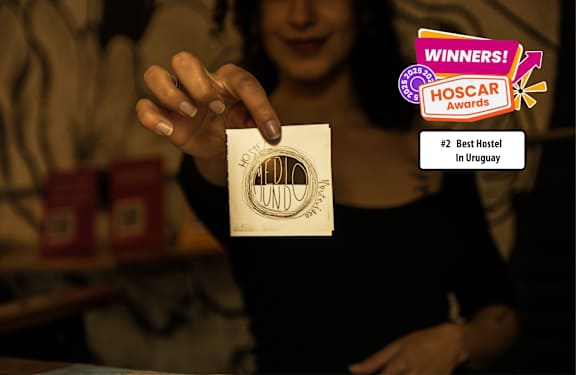
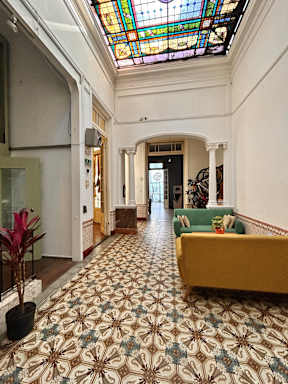
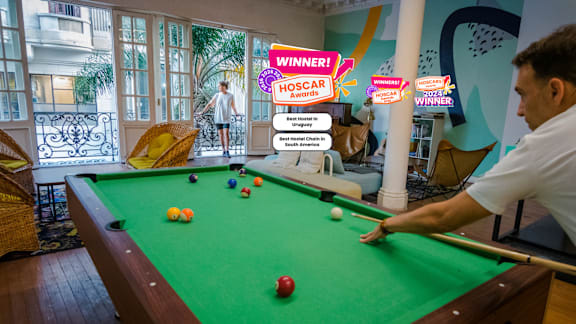
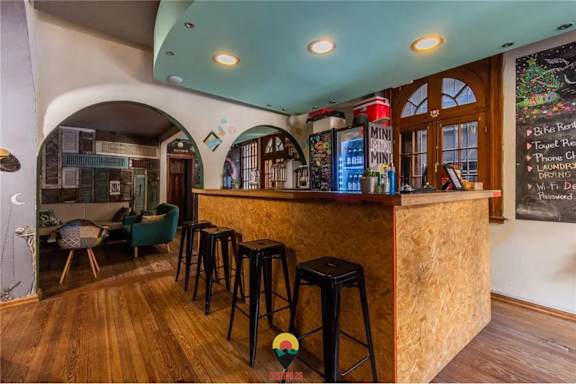
The highest-rated hostels in Montevideo, straight from Hostelworld. Prices and availability are live on each property page.
December to March is summer, warm and lively, with carnival in February. Spring and autumn are mild and pleasant. June to August is cool, grey and windy.
Average highs, rounded. Winter winds make it feel colder.
Per night, for one person, based on Montevideo prices.
Treat these as a guide. Parrilla lunches and nights out add up.
The ones we get asked most.

Compare hostels in Montevideo: live prices, real reviews and free cancellation on most bookings. Then meet the people already there in the app.

 Get the App.



 Get the App.