Barrio Histórico
Atmosphere, sightsThe UNESCO-listed old town on its peninsula.

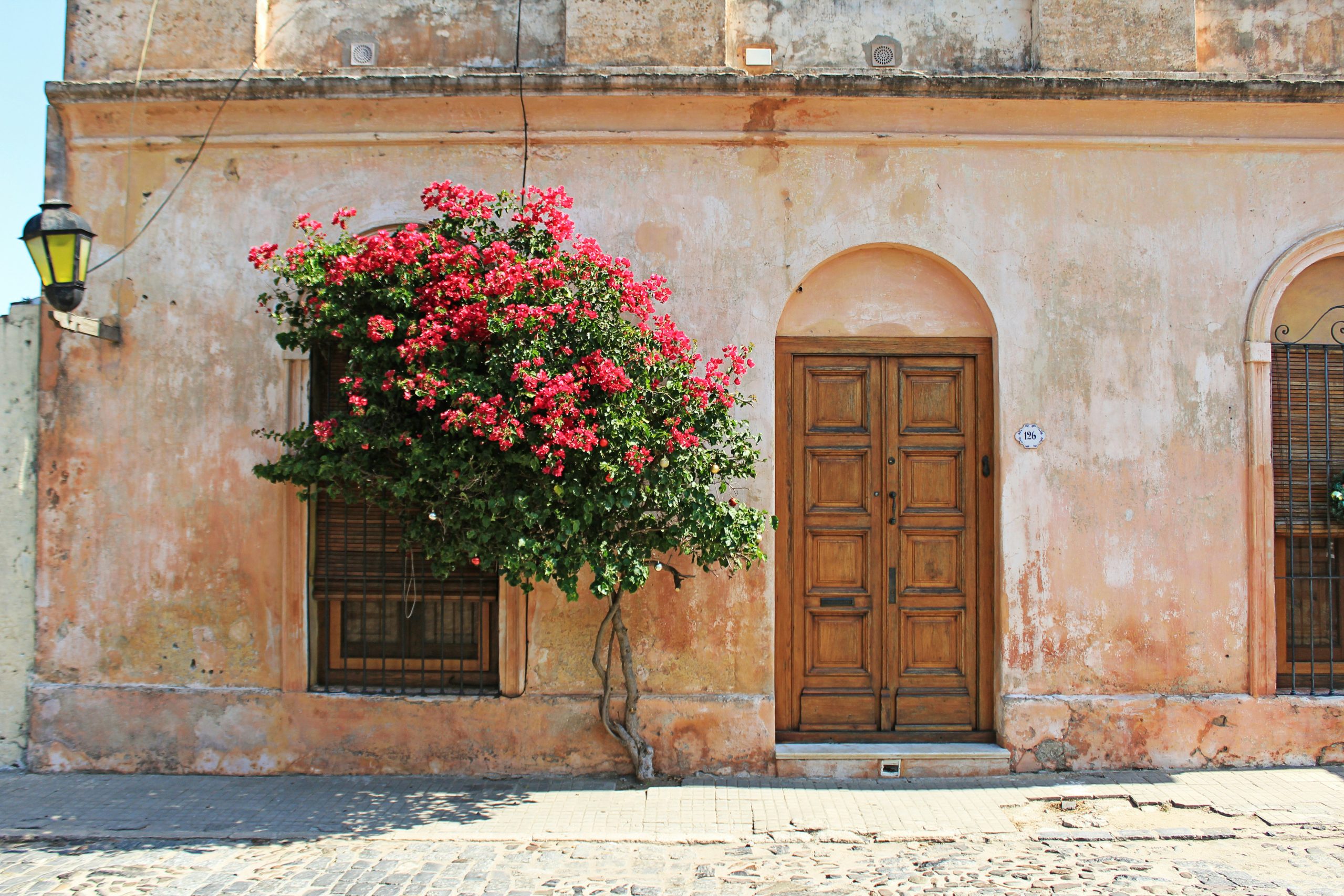
A cobbled colonial town on the Río de la Plata, UNESCO-listed, with old cars parked on stone streets, a lighthouse over the river and Buenos Aires an hour away by ferry.
Colonia del Sacramento was founded by the Portuguese in 1680, across the river from Spanish Buenos Aires, and changed hands between Portugal and Spain several times. Its Barrio Histórico, a small peninsula of cobbled streets, low stone houses, flowering vines and old cars, mixes Portuguese and Spanish styles and is a UNESCO World Heritage Site.
It is one of the most photogenic towns in South America and very easy to reach: fast ferries cross from Buenos Aires in around an hour and a quarter, and buses come from Montevideo in two and a half hours. Many people visit for a day, but staying the night means you see the old town quiet, with the sunset over the river.
Give Colonia one or two days. Walk the old town, climb the lighthouse, visit the small museums, cycle or ride a golf cart along the riverfront to the Real de San Carlos, and add a day for the wineries around Carmelo.
Stay in or just outside the Barrio Histórico for atmosphere, or in the newer streets near the port and bus terminal for convenience. Everything is walkable.
The UNESCO-listed old town on its peninsula.
The newer streets near the port and bus terminal, a short walk from the old town.
Orange labels are neighbourhoods, dots are the 3 top-rated hostels. Map data from OpenStreetMap contributors.
Enter the old town through the Portón de Campo, the restored city gate and drawbridge, and walk the Calle de los Suspiros, the Street of Sighs, the most famous cobbled street in town. Climb the lighthouse, built in the 19th century on the ruins of a convent, for views across the rooftops and the river.
The Basílica del Santísimo Sacramento is one of the oldest churches in Uruguay, and a combined ticket covers several small museums around the old town, including the Portuguese and Spanish museums. Find a spot on the riverfront at sunset, when the sky turns orange over the water towards Buenos Aires.
Rent a bike, scooter or golf cart and ride along the Rambla to the Real de San Carlos, an abandoned early 20th-century tourist complex with a restored bullring. Further up the river, Carmelo and the Narbona area have wineries producing Tannat, with tastings and lunches among the vineyards.
Walking the Barrio Histórico costs nothing, and its streets, plazas, walls and the city gate are the main sights. The riverfront and the sunset are free.
The Rambla along the river has beaches and is free to walk or cycle. The Plaza Mayor, with its old walls and ruins, is the heart of the old town.
The museums and the lighthouse charge small fees.
Colonia's old town is full of restaurants with tables on the cobbles, serving parrilla, pasta and chivitos. They are pricier than elsewhere, so look for menús at lunch or eat outside the old town for less.
Try local cheeses and dulce de leche, and taste Tannat from the nearby wineries. Bakeries sell bizcochos, small pastries eaten with mate.
Pay with a foreign card: in the summer season, restaurants charge foreign visitors no VAT.
Colonia is quiet at night. A few bars and restaurants in the old town have live music, and it is lovely for a drink by the river after the day-trippers leave.
Weekends and summer are a little livelier.
It is a place for long dinners rather than late nights.
The town is small and walkable. Bikes, scooters and golf carts can be rented for the riverfront and the Real de San Carlos.
Fast ferries from Buenos Aires, with Buquebus, Colonia Express and Seacat, take around an hour to an hour and a quarter, and immigration for both countries is done at the port before boarding. Buses from Montevideo take around two and a half hours.
Buses run to Carmelo in around an hour and a half.
Colonia is a little pricey in the old town, but the hostels are good value for Uruguay. Dorm beds start around €15, with well-rated hostels from €16 to €25.
The museum ticket, the lighthouse and golf cart hire are small extras, and winery visits around Carmelo cost more. Ferry tickets from Buenos Aires vary a lot by time and operator, so book ahead for cheaper fares.
Cards are widely accepted. Pay by foreign card in restaurants to save VAT.
Colonia is very safe. Take normal care with belongings.
The cobbles are uneven and slippery, so wear good shoes and watch your step, especially at night and in the rain.
The river is shallow near the shore but can have currents further out. In an emergency, call 911.
Vineyards, river beaches and the capital.
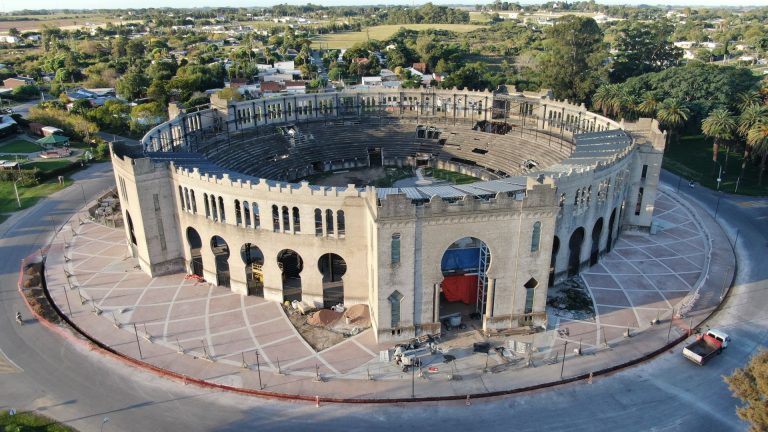
An abandoned resort with a restored bullring.
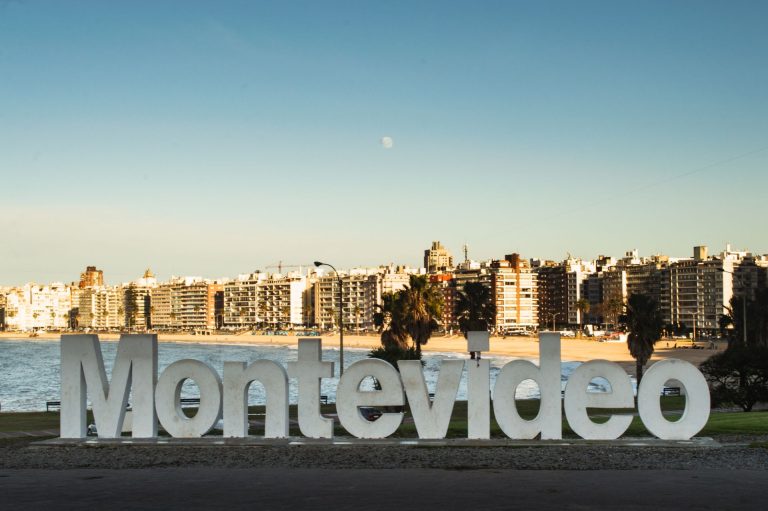
The capital and its Rambla.
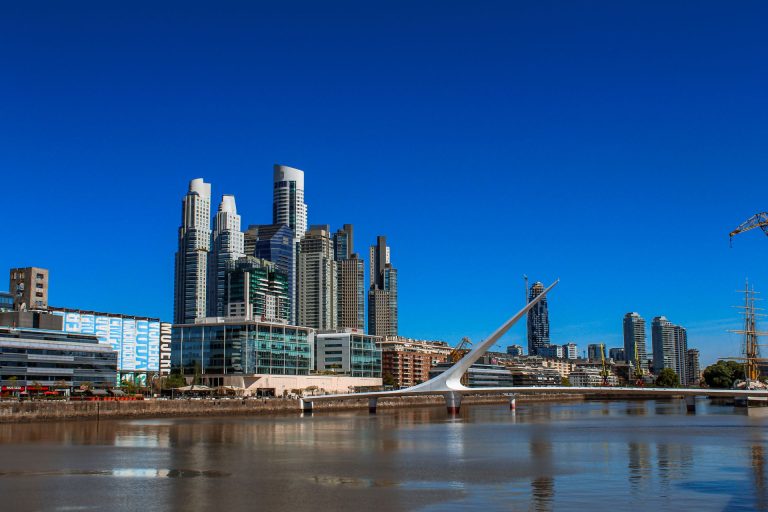
Argentina's capital across the river.
Harvests, festivals and quiet weekdays.
Tannat harvest time in the vineyards.
Day-trippers from Buenos Aires fill the old town. Visit midweek for quiet.
The highest-rated hostels in Colonia del Sacramento, straight from Hostelworld. Prices and availability are live on each property page.
Colonia is pleasant from October to April, warm and sunny. Weekends and holidays bring day-trippers from Buenos Aires. Winter is cool and quiet.
Average highs, rounded. It can be windy by the river.
Per night, for one person, based on Colonia prices.
Treat these as a guide. Winery visits and ferries cost extra.
The ones we get asked most.

Compare hostels in Colonia del Sacramento: live prices, real reviews and free cancellation on most bookings. Then meet the people already there in the app.

 Get the App.




 Get the App.