Belize
Belize country guide

Things to do in Belize

The second largest barrier reef in the world, Maya ruins in the jungle, and English as the official language. Small, easy and pricier than its neighbours.

BZ$45
Dorm bed, from
300km
Of barrier reef
2:1
Belize dollars to US dollars, fixed
Go slow
The Caye Caulker motto

Central America that feels Caribbean

Belize is the only country in Central America where English is the official language, a legacy of British Honduras, and it feels more Caribbean than Latin American — Creole culture, reggae and a pace that Caye Caulker has turned into a motto: go slow.

The reef is the headline. The Belize Barrier Reef is the second largest in the world, and the Blue Hole — a 300-metre-wide sinkhole visible from the air — is the dive that draws people, though it is an expensive day and technically advanced.

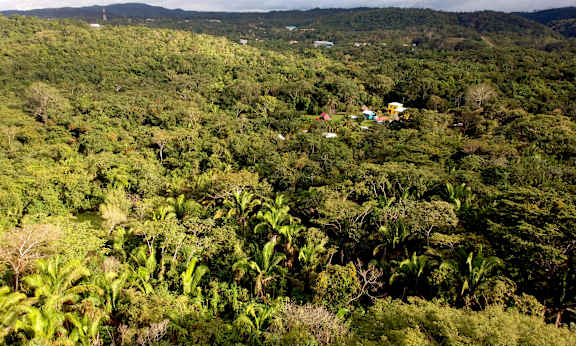
Inland, the Cayo district around San Ignacio has Maya sites, cave systems and jungle. ATM cave — Actun Tunichil Muknal — is the standout: a wet cave walk and swim to a chamber of Maya sacrificial remains, still in place.

Ten days covers a caye and the inland. It is the priciest country on the trail after Costa Rica.

Where to go

Water taxis to the cayes, buses inland. The country is small and nothing is far.

Caye Caulker

Caye Caulker

8 hostels · dorms from BZD 21

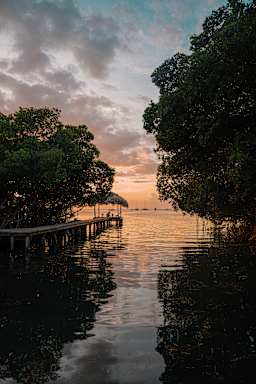
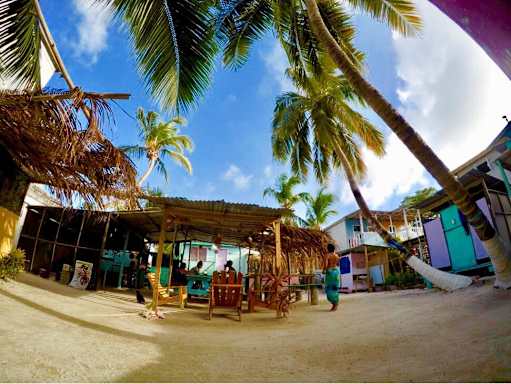
A small car-free island with a go-slow motto, snorkelling trips and a split to swim at.

Very chill island. Big enough to have something going on but dirt roads and still fairly quiet. Perfect for snorkeling and diving and taking it easy - the motto is "go slow." If you're looking for the small island slow life, the people are very friendly and it's very easy to slow down and enjoy a few days.

A traveller, on Hostelworld
The Caye Caulker guide
San Ignacio

San Ignacio

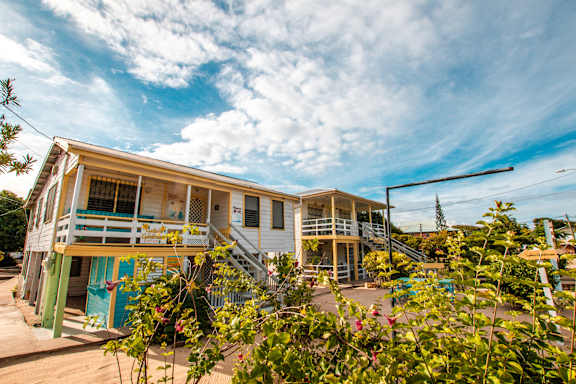
9 hostels · dorms from BZD 21

The inland base: Maya ruins, ATM cave, jungle and the Guatemalan border nearby.

Easy to get to via shuttle or bus, lots to do nearby if you like Mayan ruins and cave or waterfall adventures. Highly recommend ATM cave tour! Best of all, friendly locals!

A traveller, on Hostelworld
The San Ignacio guide
San Pedro

San Pedro

7 hostels · dorms from BZD 34

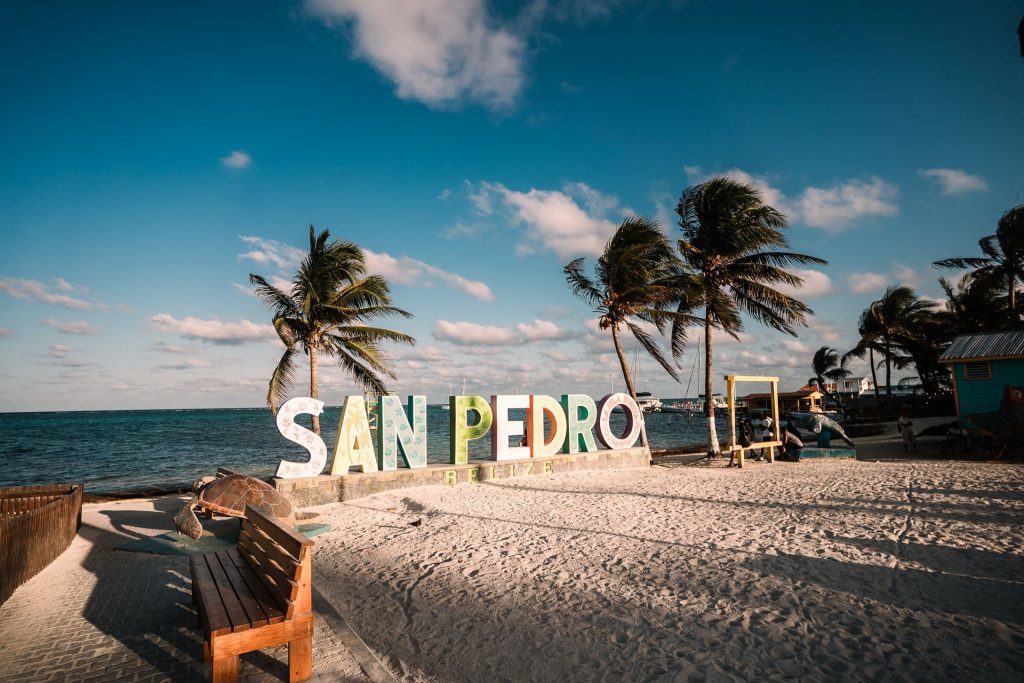
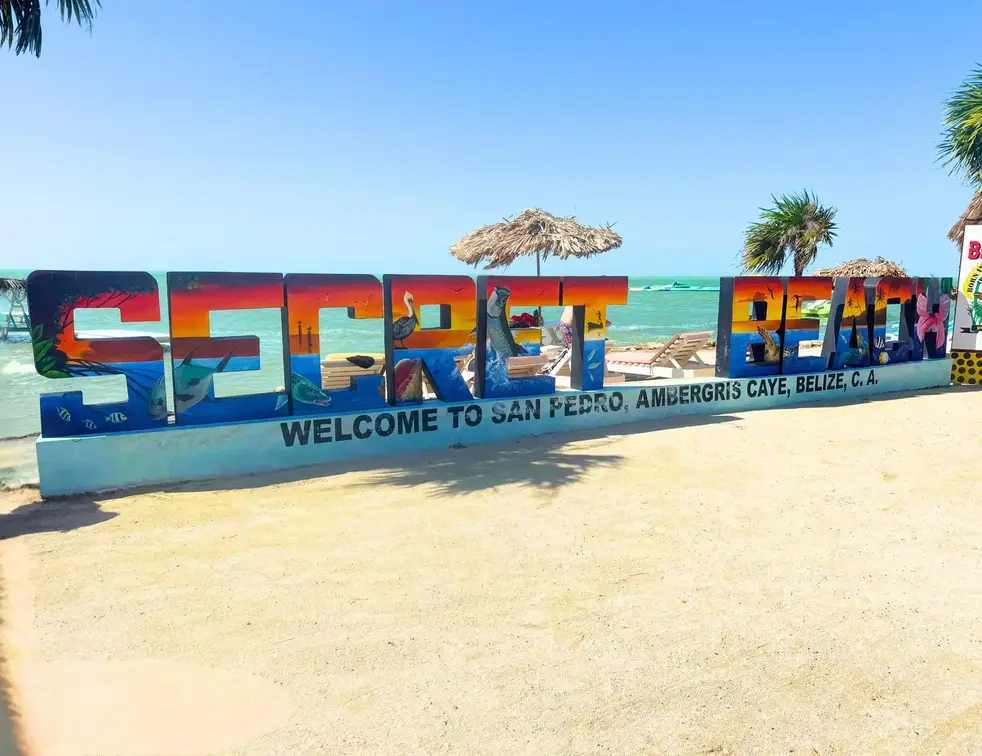
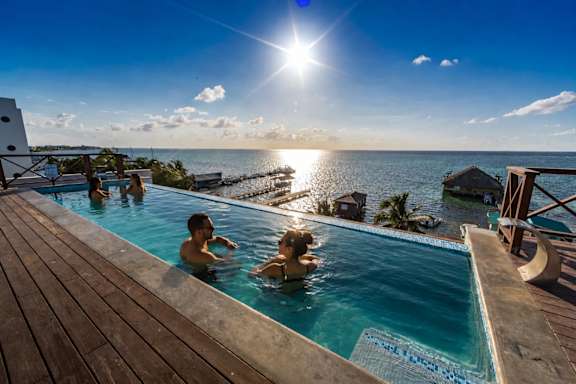
Ambergris Caye: bigger, busier and pricier, with golf carts instead of cars.

I’ve always enjoyed San Pedro ,the people here are so nice the food and beverages hit the spot…

A traveller, on Hostelworld
The San Pedro guide
Placencia

Placencia

3 hostels · dorms from BZD 53

A long sandy peninsula in the south, quieter and good for whale sharks in season.

The Placencia guide
Hopkins

Hopkins

1 hostel

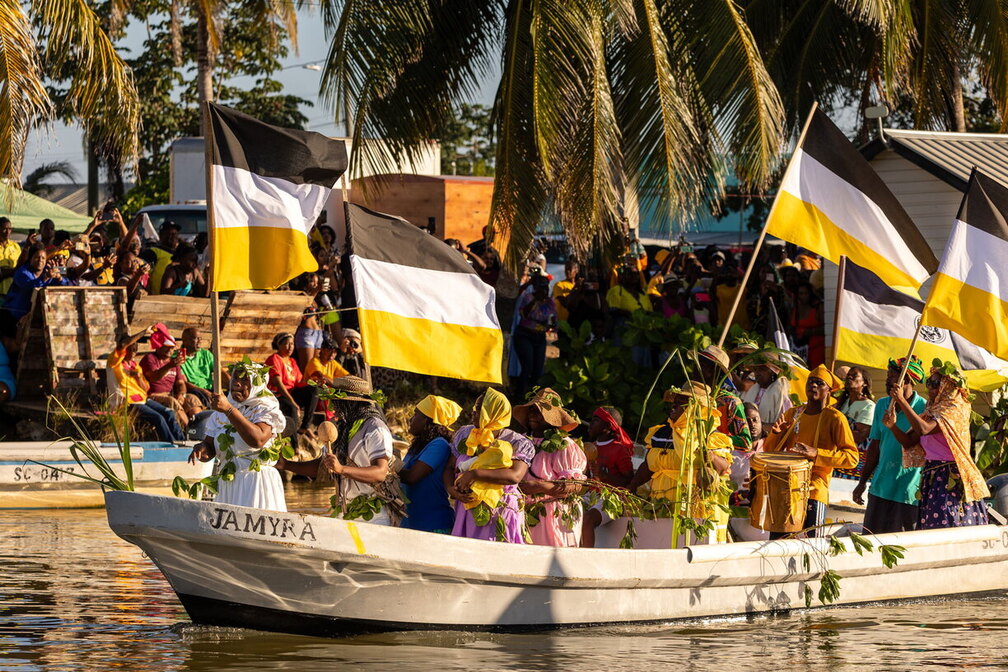
A Garífuna village on the coast, with drumming and a slower feel again.

Hopkins is one of my favorites places in Belize. I spent almost a week there, just relaxing, going for walks on the beach and trying the local food. It is a great place to get a taste for Garifuna food and culture, with beachside restaurants and drumming at night. There's not a lot going on in town, and sometimes that's just what you need.

A traveller, on Hostelworld
The Hopkins guide
Belize City

Belize City

3 hostels

The transport hub, generally passed through rather than stayed in.

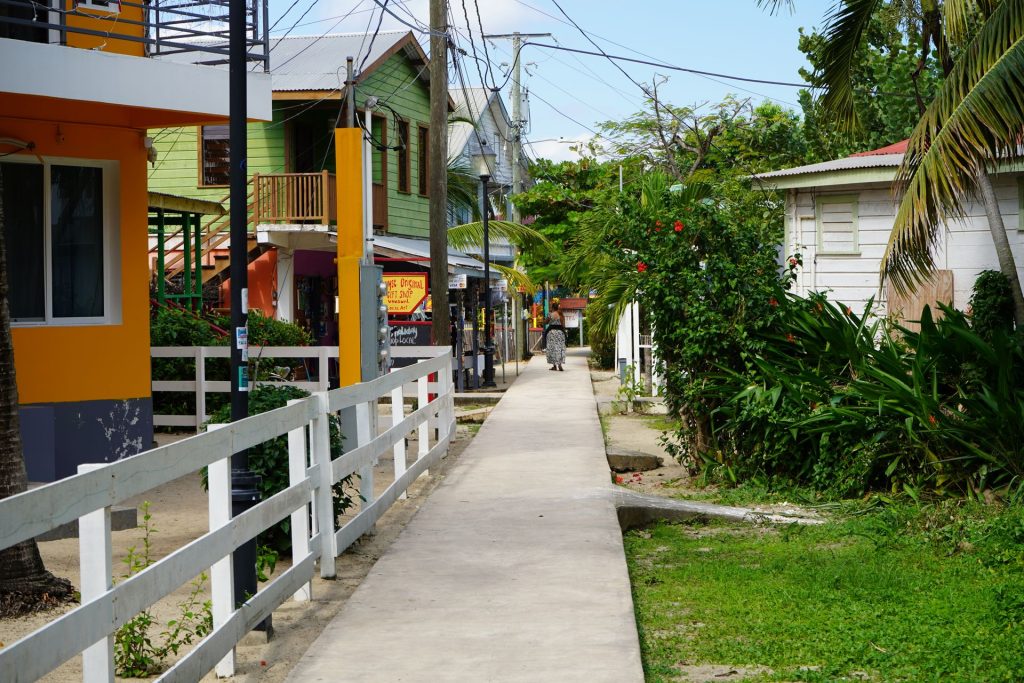
We found Belize City to have a lived-in feel that meant we, as tourists, were able to observe but not participate. The people are joyful and kind, we were walking through many neighborhoods and only encountered smiles.

A traveller, on Hostelworld

The Belize City guide

What kind of trip is this?

Belize is a reef and cave trip, and the two halves are an hour apart.

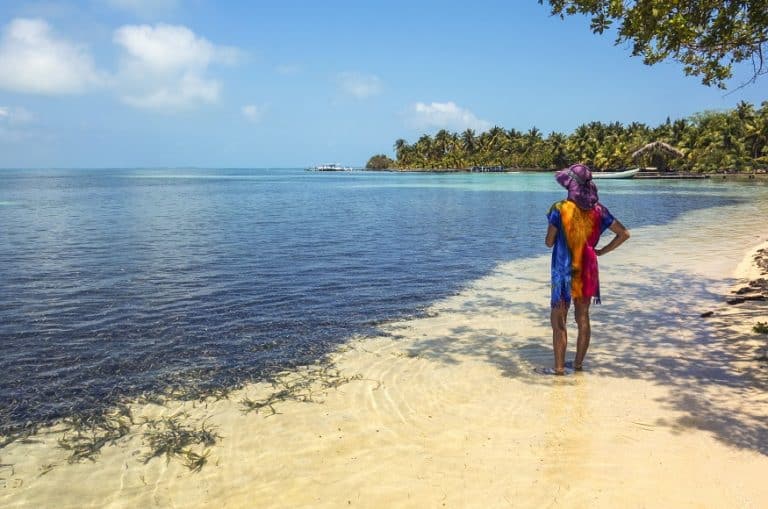
Beach in Belize

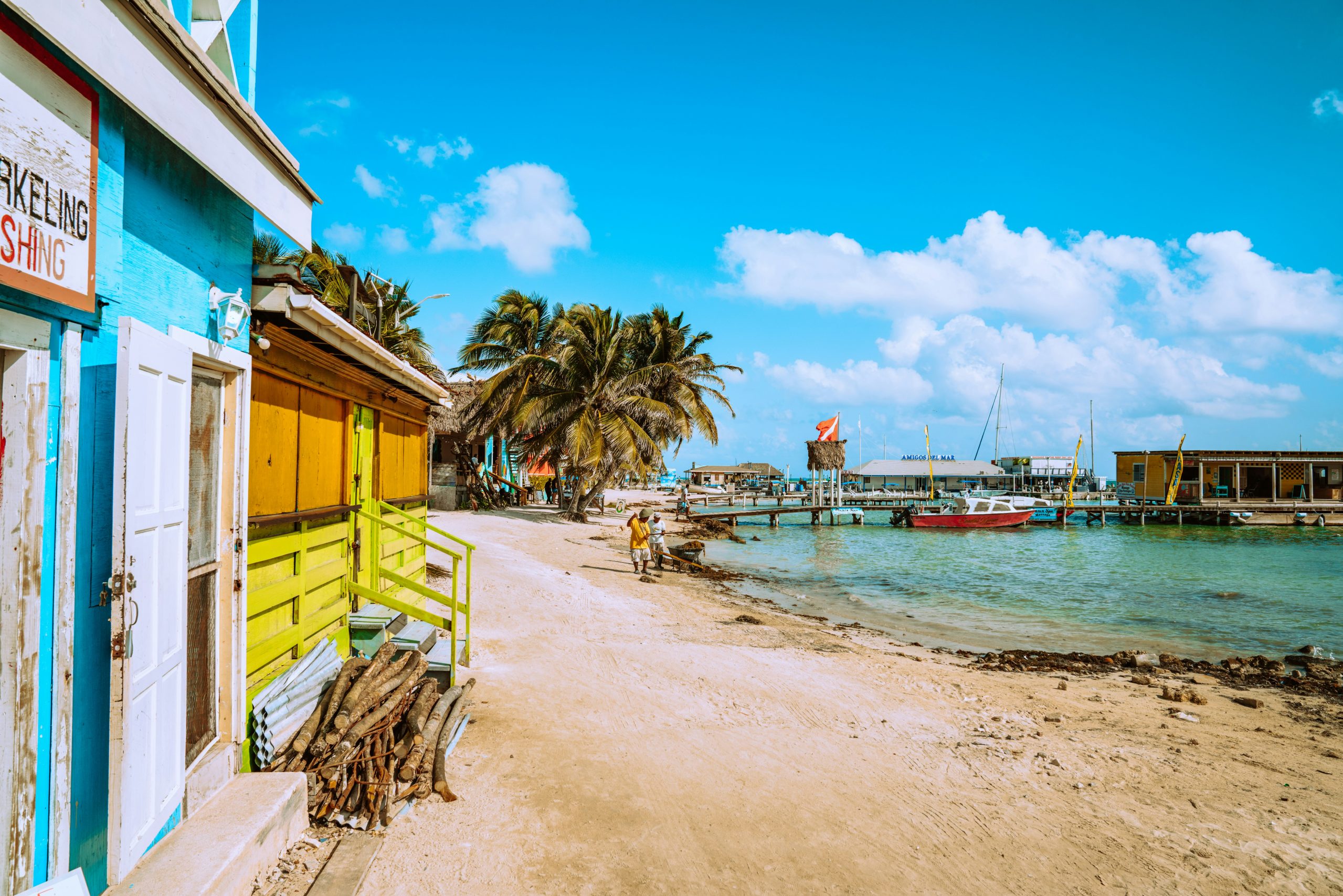
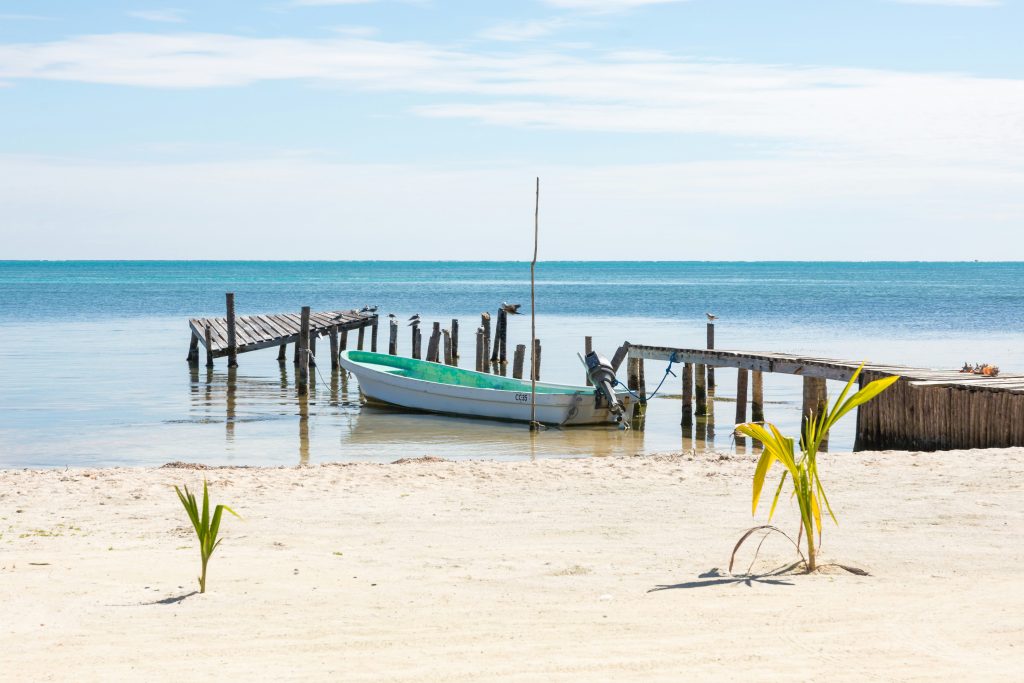
Cayes, reef and the second largest barrier reef on earth.

What to do

  • Snorkel at Hol Chan and Shark Ray Alley
  • The Split at Caye Caulker
  • Dive the Blue Hole

Spots to visit

  • Caye Caulker
  • Hol Chan
  • Blue Hole

Best cities for it

Things to do

Things to do in Belize

ATM cave near San Ignacio is the country's most extraordinary experience: a guided trip that involves swimming into a cave mouth, wading and scrambling for an hour, and reaching a chamber where Maya sacrificial remains and pottery lie where they were left, including a calcified skeleton. Cameras are banned entirely after one was dropped on a skull.

On the reef, snorkelling trips from Caye Caulker to Hol Chan Marine Reserve and Shark Ray Alley are the standard good day, with nurse sharks and rays. The Blue Hole is a full day by boat and an advanced dive that divides opinion — the sinkhole is spectacular from the air and the diving itself is dark and deep.

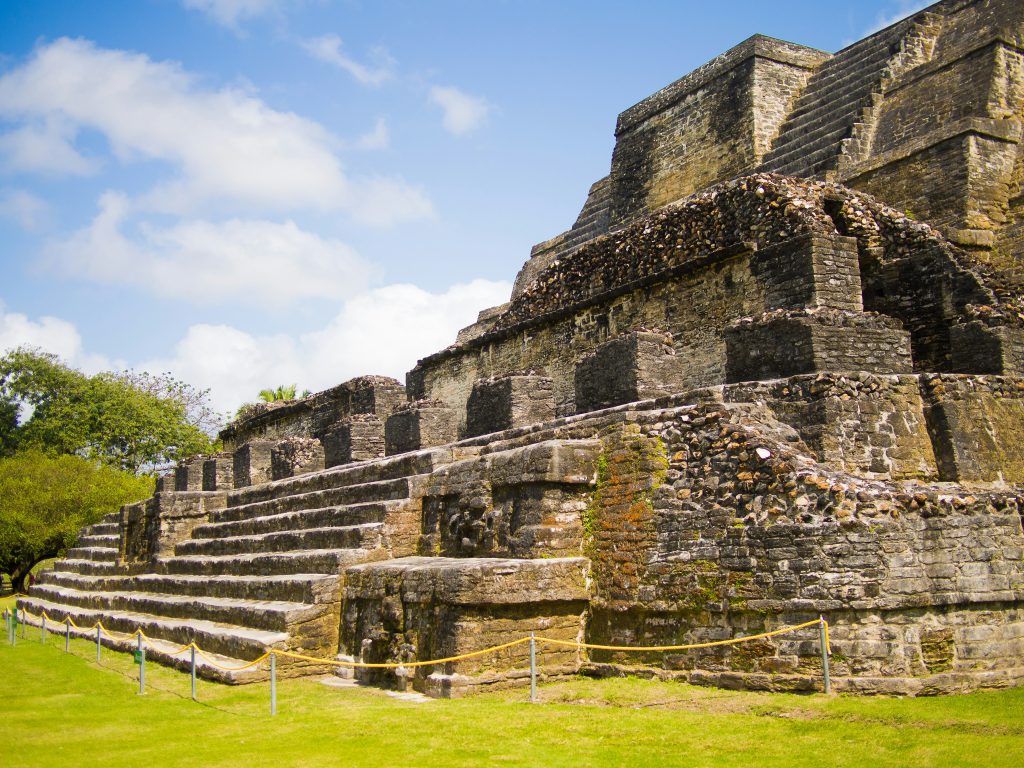
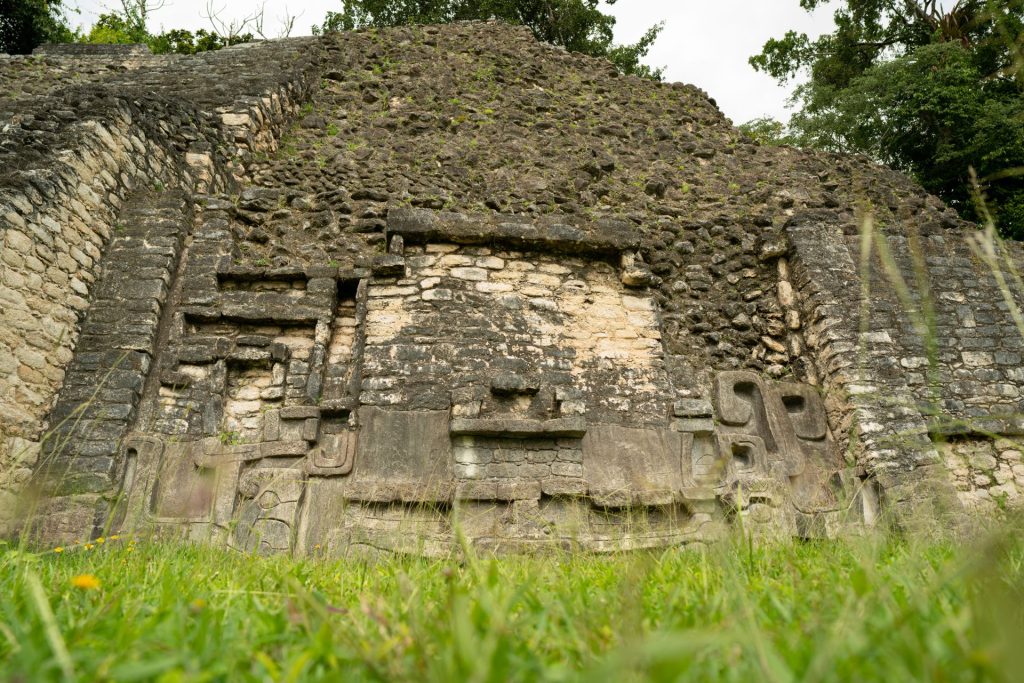
Maya sites are scattered inland: Xunantunich, reached by a hand-cranked ferry, Caracol deep in the forest, and Lamanai by boat up a river.

Whale sharks pass Placencia around the full moons of March to June.

Food and drink

Eating in Belize

Rice and beans — cooked together with coconut milk — is the staple, usually served with stew chicken, and a plate costs BZ$10 to BZ$20 at a local spot.

Fry jacks are the breakfast: puffed fried dough filled with eggs, beans or cheese, cheap and everywhere.

On the cayes, fresh fish and lobster in season are the draw, with lobster closed from mid-February to mid-June to protect stocks — anywhere serving it then is breaking the law.

Marie Sharp's habanero sauce is a national institution and turns up on every table. Garífuna food in Hopkins and Dangriga, particularly hudut, a fish and coconut stew with mashed plantain, is worth the detour.

Nightlife

Going out in Belize

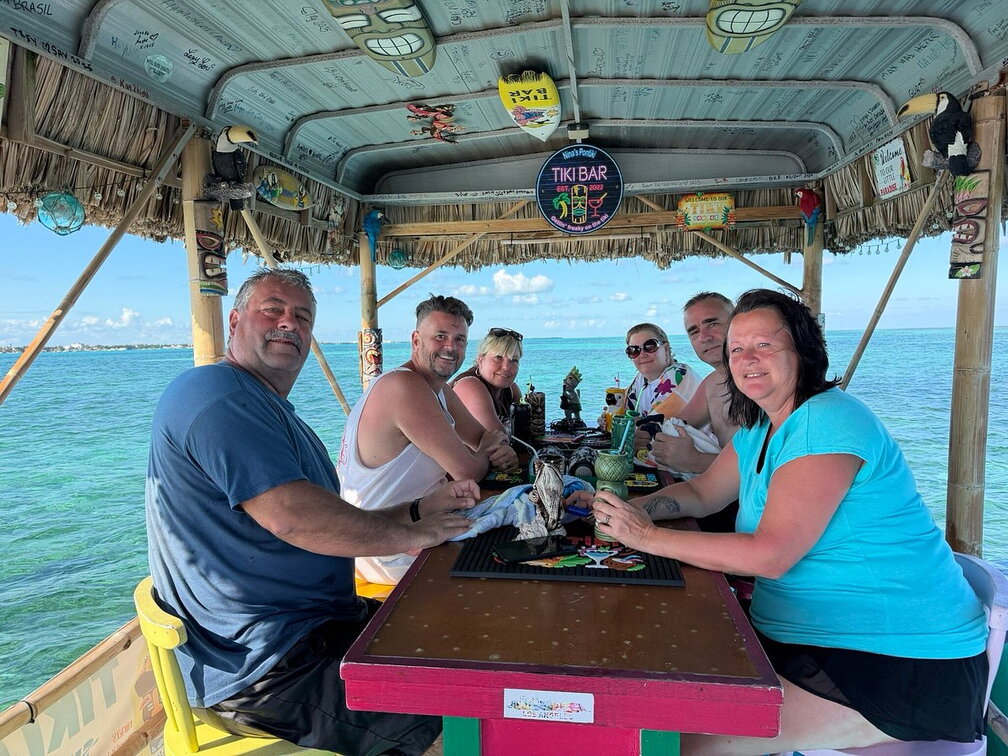
Caye Caulker's nightlife is beach bars and the Split — the channel at the north end of the island where everyone swims and drinks at sunset. It is relaxed rather than raucous, and the island is small enough to walk the whole scene in ten minutes.

San Pedro on Ambergris Caye is bigger and busier, with a proper bar strip and golf carts ferrying people between them.

Inland, San Ignacio has a handful of bars and a Saturday market that starts early enough to make late nights unwise.

Belikin is the national beer, effectively the only one, at BZ$5 to BZ$10, and local rum is cheap. Garífuna drumming nights in Hopkins are the most distinctive evening in the country.

Getting around

Getting around Belize

Water taxis run from Belize City to Caye Caulker in 45 minutes and San Pedro in 90, several times daily, for BZ$30 to BZ$60 each way. They are the main link to the islands.

Buses — often old American school buses — run the Western and Hummingbird highways cheaply, connecting Belize City, Belmopan, San Ignacio, Dangriga and Placencia. They are slow and frequent.

Domestic flights on Tropic Air cost considerably more but save hours, particularly Belize City to Placencia or the cayes.

Hiring a car is straightforward with good main roads, and the Guatemalan border at Benque is an hour from San Ignacio, which makes the Tikal combination easy.

Costs

What Belize costs

Belize is the second most expensive country on the Central America trail. Dorms start around BZ$45, a local plate of rice and beans is BZ$10 to BZ$20, and tourist restaurants on the cayes charge BZ$30 to BZ$60.

A day comes to BZ$120 to BZ$200.

The activities are the real cost: ATM cave at BZ$200 to BZ$260 including transport and guide, Blue Hole dives at BZ$600 to BZ$800, and snorkelling day trips at BZ$120 to BZ$200.

The Belize dollar is fixed at two to one with the US dollar, and US dollars are accepted everywhere, which makes the maths easy. Cards work in tourist areas; carry cash for buses, markets and smaller places.

Safety

Staying safe in Belize

The tourist areas — Caye Caulker, San Ignacio, Placencia, Hopkins — are generally safe and travellers report few problems.

Belize City is the exception and carries genuine risk in parts, with government advice warning about specific districts. Most travellers transit through the water taxi terminal or bus station without staying, which is the standard approach.

On the water, boat safety standards vary, and snorkel and dive operators should be chosen on reputation rather than price. Currents at the Split on Caye Caulker are stronger than they look, and boat traffic passes through.

Sandflies on the cayes are relentless at dawn and dusk and their bites infect easily. Hurricane season runs June to November, with the reef and cayes exposed.

Entry and documents

Entry and documents

Most European, UK, US, Canadian and Australian citizens enter visa-free for 30 days, extendable in-country for a fee.

Passports need six months' validity, and proof of onward travel may be requested.

Belize charges a departure tax when leaving overland to Guatemala or Mexico, payable in cash at the border — around BZ$40 — which catches out people crossing to Tikal. Air departure taxes are usually included in ticket prices.

When to go

December to April is the dry season. Hurricane season runs June to November, and the cayes are exposed.

27°
Jan
Peak dry season. Best weather and busiest
28°
Feb
Excellent, though lobster season closes mid-month
29°
Mar
Dry and warm. Whale sharks start off Placencia
30°
Apr
Hot and dry. Whale sharks continue
31°
May
Rains begin. Green, quieter and cheaper
31°
Jun
Wet afternoons, and lobster season reopens mid-month
31°
Jul
Hot and humid, with a drier spell in some years
31°
Aug
Wet, with hurricane risk building
31°
Sep
Peak hurricane risk. Many businesses close
30°
Oct
Still risky and wet, easing at the end
29°
Nov
Rains ending. Good value before the season
27°
Dec
Dry season returns and holiday prices with it
Bar height is temperature. Colour is how busy it gets: quiet busy peak

Average highs for Belize City. The cayes are breezier and the inland Cayo district is more humid. Lobster season runs mid-June to mid-February, and whale sharks appear off Placencia around full moons from March to June.

What your trip will cost

Pick how you travel and how long for. Per night, for one person, in Belize dollars — two to one with the US dollar.

ATM cave at BZ$200–260 and Blue Hole dives at BZ$600–800 sit outside these figures and are what most Belize budgets are built around.

—
  • Beds—
  • Food and drink—
  • Getting around—
  • Doing things—
What's on

What is on while you are there

Garífuna Settlement Day in November is the most distinctive event in the country.

Belize travel questions

The ones we get asked most.

What is ATM cave?
Actun Tunichil Muknal, near San Ignacio — a guided trip that swims into a cave mouth, then wades and scrambles for an hour to a chamber where Maya sacrificial remains and pottery lie where they were left, including a calcified skeleton. Cameras are banned entirely after one was dropped on a skull.
Is the Blue Hole worth it?
It divides people. It is a full day by boat, an advanced dive, and costs BZ$600 to BZ$800. The sinkhole is spectacular from the air and the dive itself is deep and dark with stalactites rather than reef life. Many divers prefer the reef sites around Hol Chan for a fraction of it.
How long do you need in Belize?
Ten days: a few on Caye Caulker for the reef, a few in San Ignacio for caves and Maya sites, and time for a bus in between. Tikal in Guatemala is an hour from the border, which makes it easy to combine.
Is Belize expensive?
The second priciest on the Central America trail after Costa Rica. Dorms from BZ$45, local plates BZ$10 to BZ$20 against BZ$30 to BZ$60 in tourist restaurants, and a day around BZ$120 to BZ$200 before activities.
Caye Caulker or San Pedro?
Caye Caulker is smaller, cheaper, car-free and slower. San Pedro on Ambergris Caye is bigger, busier and pricier with more restaurants and nightlife. Most backpackers pick Caye Caulker.
Do they speak English?
Yes — Belize is the only country in Central America where English is the official language, a legacy of British Honduras. Belize Kriol and Spanish are also widely spoken.
When should I visit?
December to April for the dry season and the best reef visibility. Whale sharks appear off Placencia around full moons from March to June, and hurricane season runs June to November with a September peak.

Say yes to hostels, meet the world

Compare hostels across Belize — live prices, real reviews and free cancellation on most bookings. Then meet the people already there in the app.

Get the App. QRGet the App.
Get the App. QR  Get the App.
Scroll to Top