Guatemala
Guatemala country guide

Things to do in Guatemala

Volcanoes you can climb overnight, a lake ringed by Maya villages, and Tikal rising out of the jungle. The heart of the Central America trail.

€8
Dorm bed, from
37
Volcanoes, 3 active
€3
A comedor lunch
70m
Tikal's tallest temple

Small country, enormous amount in it

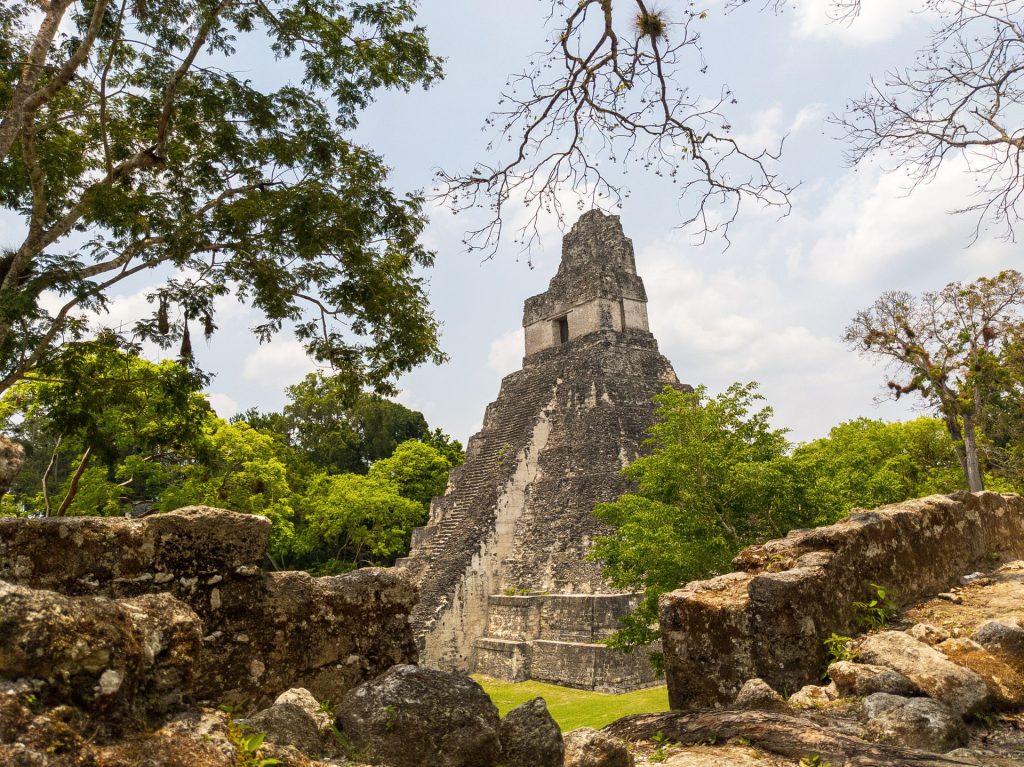
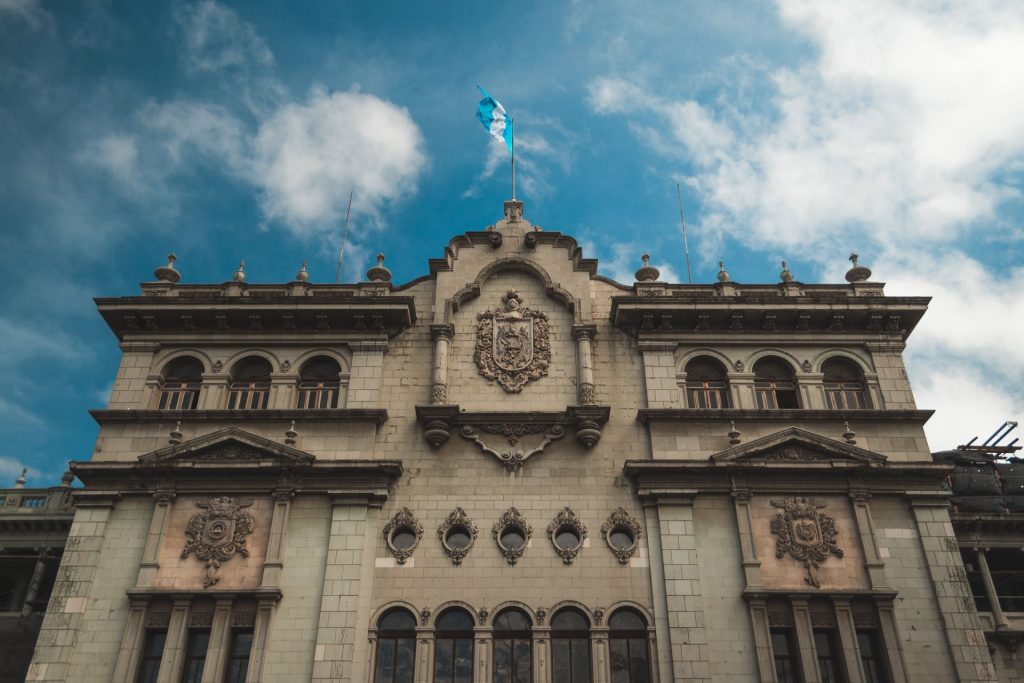
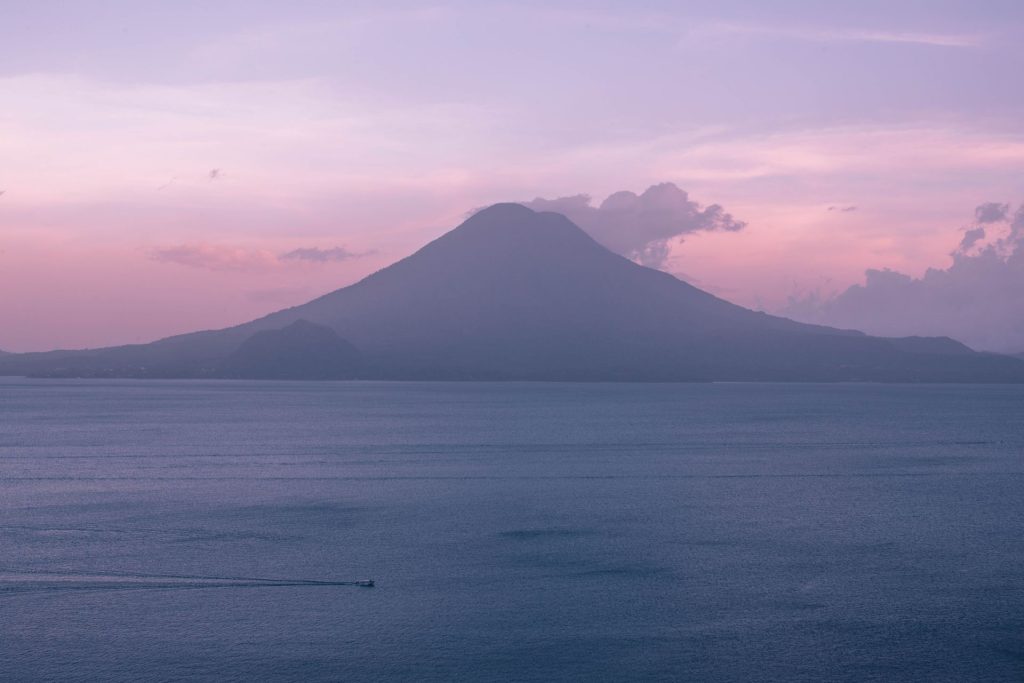
Guatemala packs more into a small area than almost anywhere on this continent. Antigua is a colonial town under three volcanoes; Lake Atitlán is a crater lake ringed by Maya villages, each with its own character; Tikal is a Maya city rising above the jungle canopy in the northern Petén.

It is also the centre of the Central America backpacker trail, with Spanish schools in Antigua and Xela that are among the cheapest and best anywhere, and a well-worn route that links it to Mexico, Belize and Honduras.

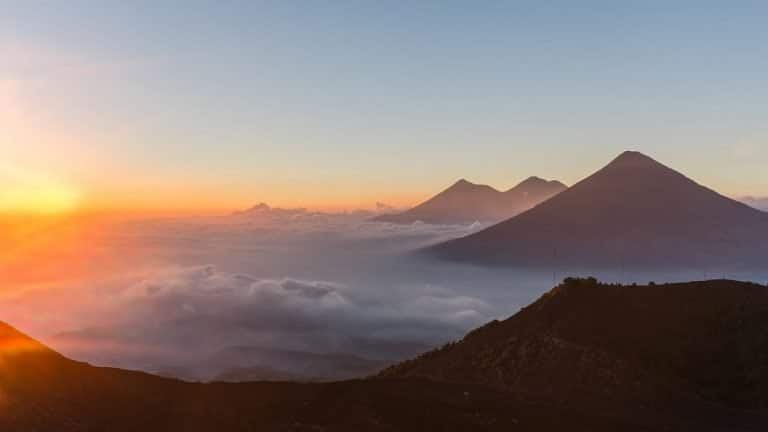
The Acatenango overnight hike is the thing people talk about afterwards: camping on one volcano while Fuego erupts across the saddle, several times an hour, through the night.

Two to three weeks covers it properly, and a lot of people stay longer to study Spanish.

Where to go

Shuttles link the main traveller towns. Chicken buses are cheaper and more of an experience.

Antigua

Antigua

56 hostels · dorms from €9

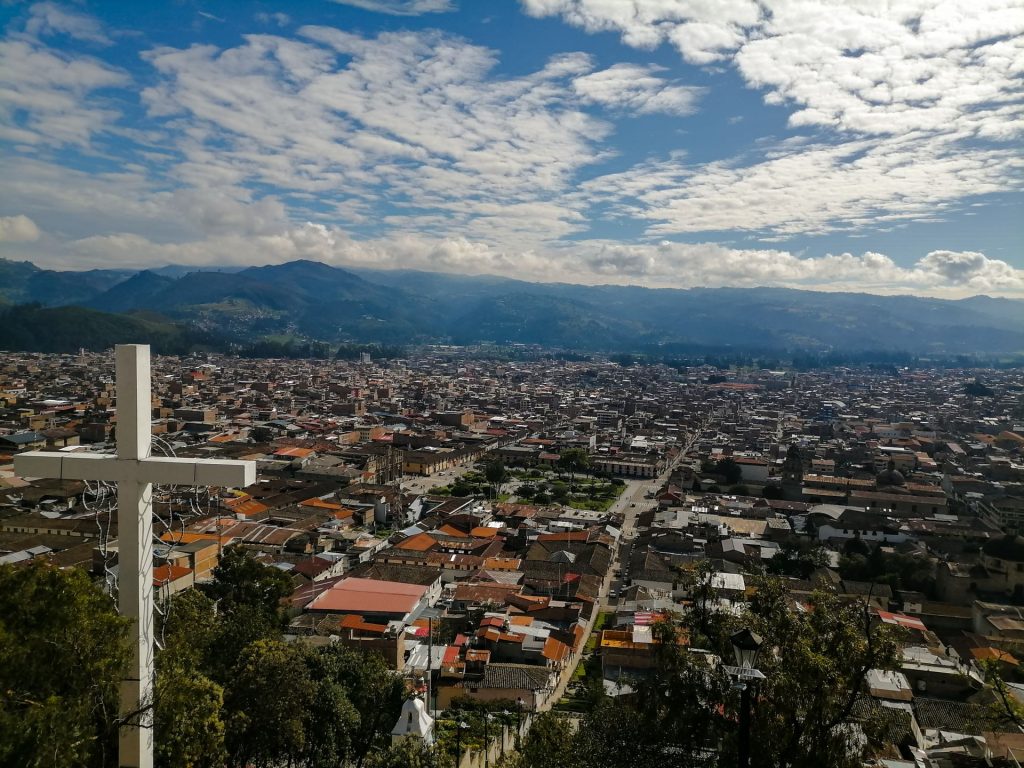
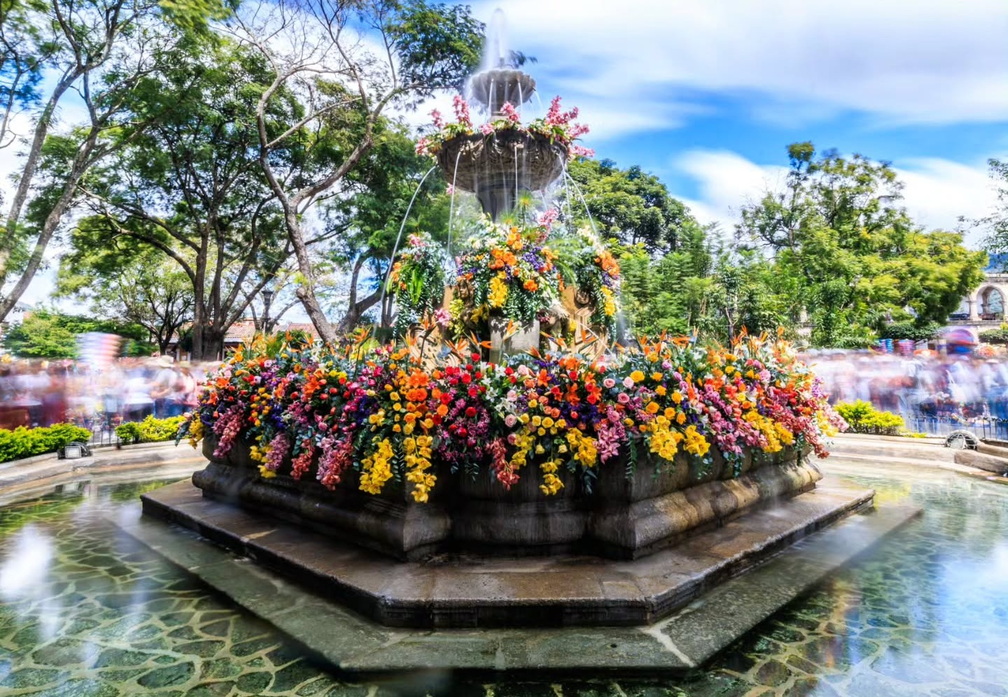
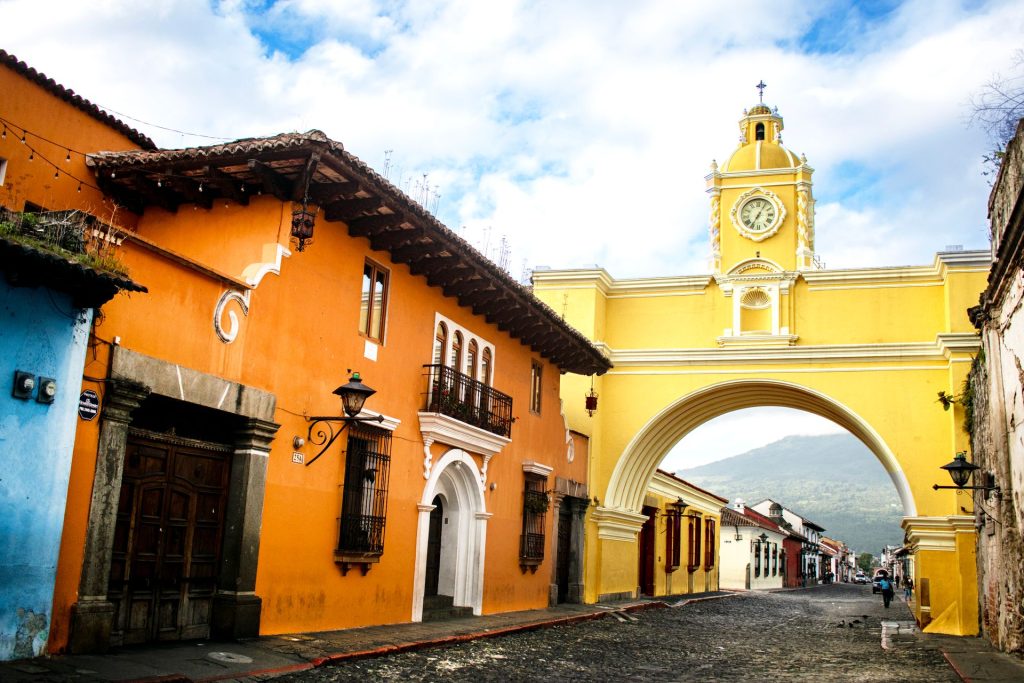
Cobbled colonial streets under three volcanoes, with Spanish schools and the best base in the country.

This is a beautiful town with amazing people, food & activities. I felt safe & happy here. There’s a lot to experience here and is worth your time to travel to.

A traveller, on Hostelworld
The Antigua guide
Flores

Flores

18 hostels · dorms from €11

An island town on a lake, and the base for Tikal an hour away.

Flores was lovely, we wished we booked an extra night to explore a bit more! We did a Tikal tour and we thoroughly enjoyed it!

A traveller, on Hostelworld
The Flores guide
Semuc Champey

Semuc Champey

4 hostels

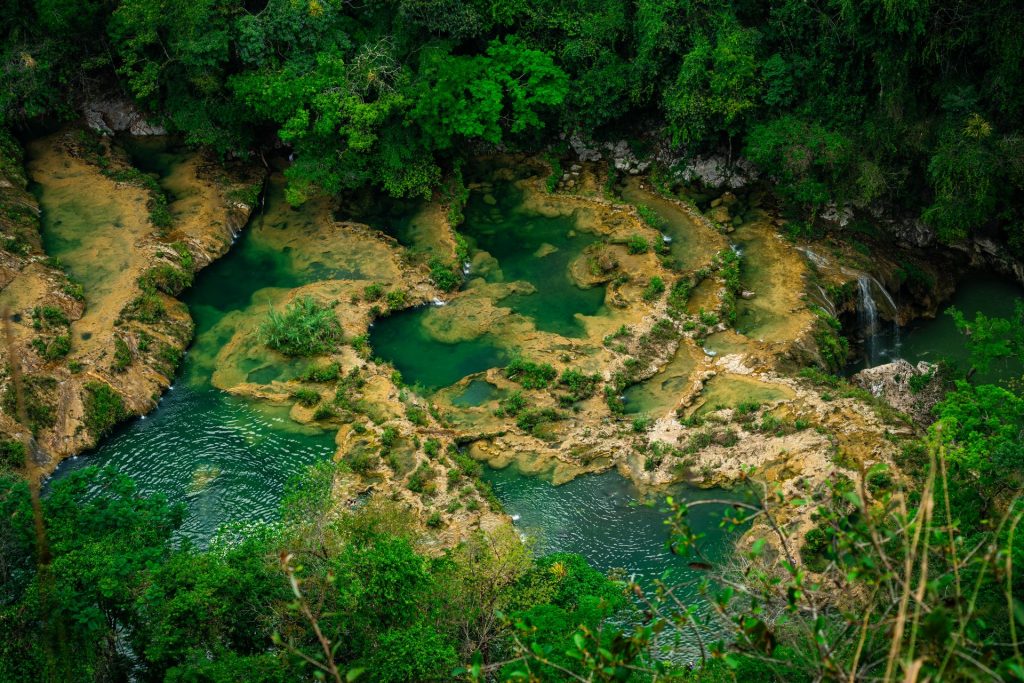
Turquoise limestone pools over a river, deep in the jungle and hard to reach.

Semuc Champey and the area around it are very beautiful and remote without a lot around

A traveller, on Hostelworld
The Semuc Champey guide
Xela

Xela

Quetzaltenango: highland city, cheaper Spanish schools and fewer tourists.

The Xela guide
Río Dulce

Río Dulce

3 hostels

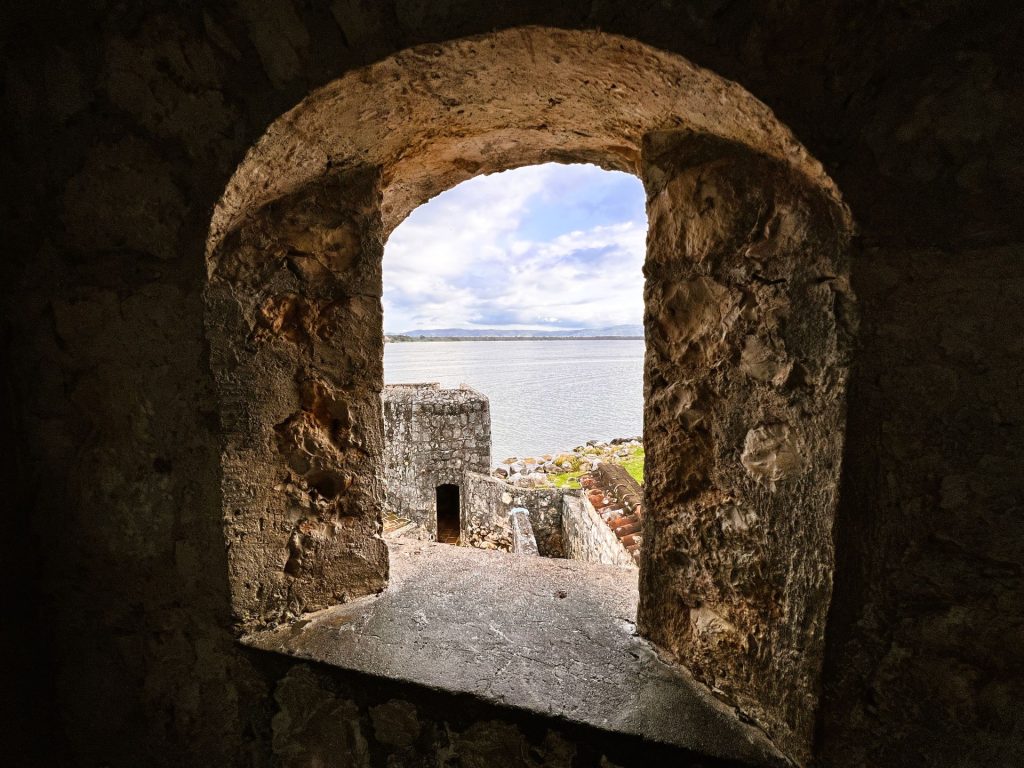
A river gorge running to the Caribbean coast and Livingston's Garífuna culture.

The Río Dulce guide
Guatemala City

Guatemala City

18 hostels

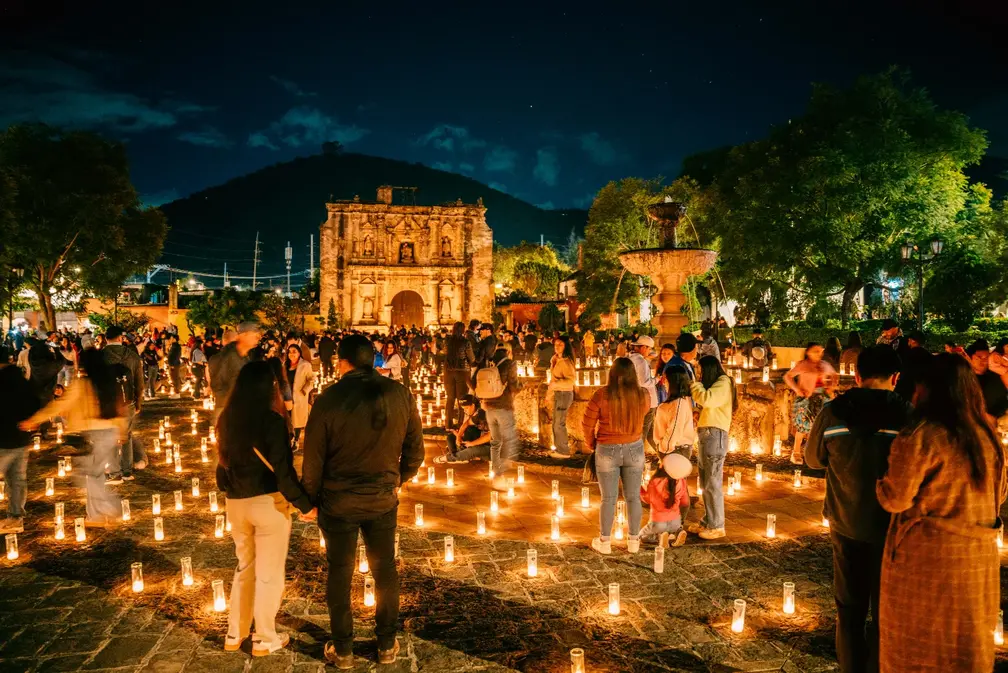
The capital and gateway: Maya museums, a revived Zona 4 and the best restaurants in the country.

Guatemala City is a wonderful place to be with many modern conveniences.

A traveller, on Hostelworld
The Guatemala City guide

What kind of trip is this?

Guatemala is volcanoes, ruins and Spanish lessons, and it is where a lot of Central America trips start.

Adventure in Guatemala

Three active volcanoes and jungle rivers.

What to do

  • Overnight on Acatenango watching Fuego erupt
  • Climb Pacaya at sunset
  • Swim at Semuc Champey

Spots to visit

  • Acatenango
  • Pacaya
  • Semuc Champey

Best cities for it

Things to do

Things to do in Guatemala

Acatenango is the headline. An overnight trek from near Antigua up a 3,976-metre volcano, camping on the shoulder, watching Fuego erupt across the saddle through the night. It is hard — cold, steep, high — and it is the thing almost everyone rates as the best of their trip. Go with an operator that provides proper gear.

Tikal is the great Maya city, with temples breaking through the jungle canopy and howler monkeys in the trees at dawn. Sunrise tours are popular; going at opening without the sunrise premium works nearly as well.

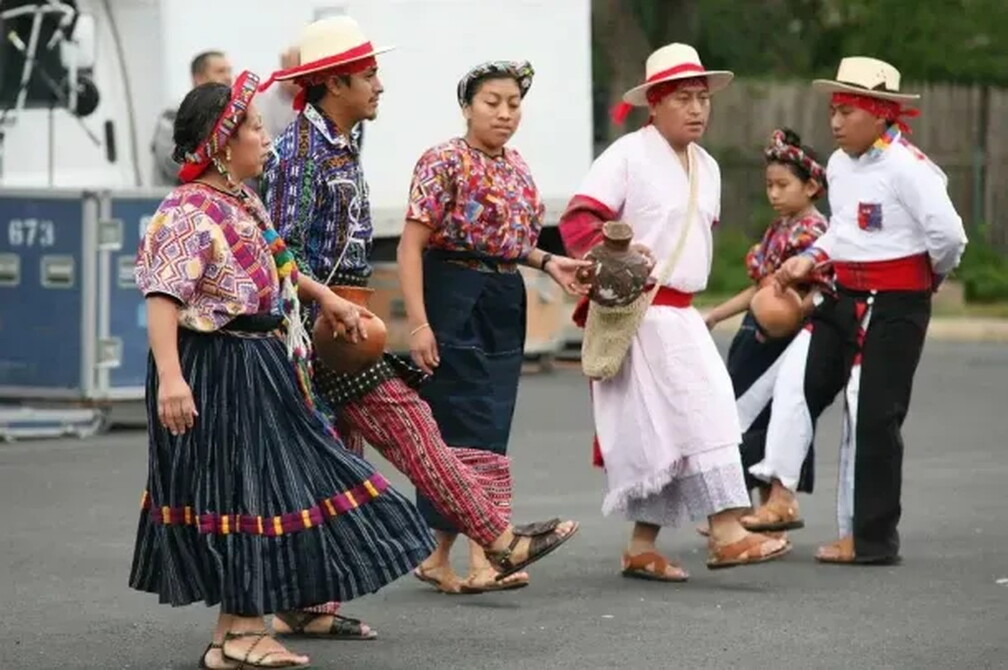
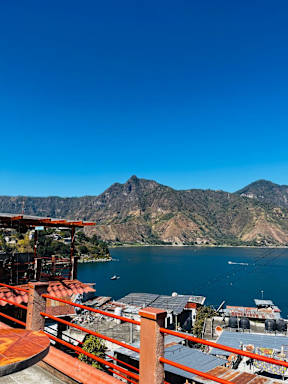
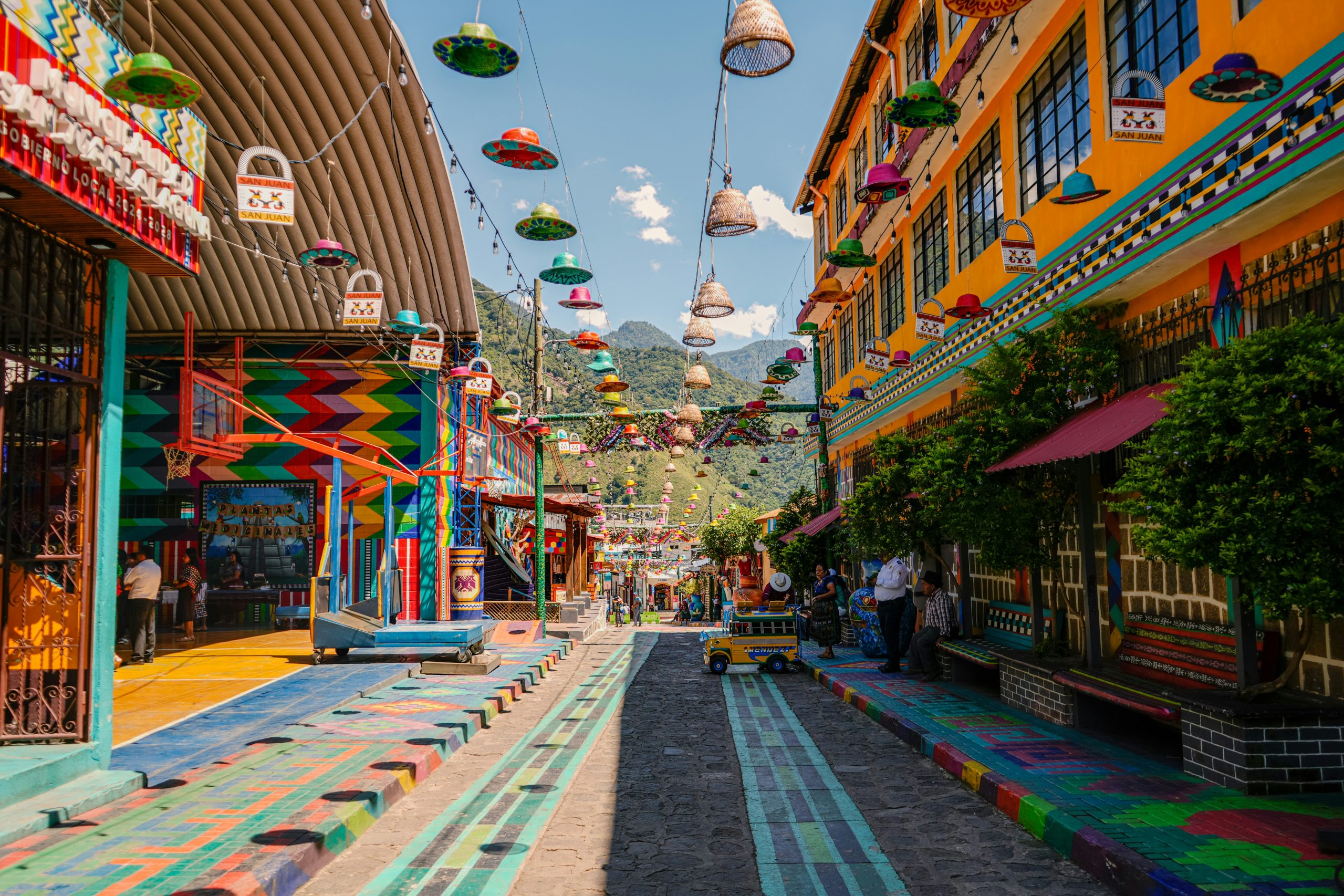
Lake Atitlán deserves several days, moving between villages by boat: San Marcos for yoga and swimming, San Juan for weaving cooperatives, San Pedro for nightlife, Santiago for the most traditional feel.

Chichicastenango's Thursday and Sunday market is the largest indigenous market in Central America.

Food and drink

Eating in Guatemala

Comedors are the everyday answer: simple family-run places serving a set lunch of soup, a main, rice, beans and tortillas for €3 to €5.

Pepián is the national dish, a thick spiced stew that predates the Spanish, and jocón and kak'ik are the other regional stews worth finding. Street food runs to tostadas, chuchitos and rellenitos, mostly under a euro.

Guatemalan coffee is among the best in the world and much of it is exported, but finca tours around Antigua let you taste it at source and see the process.

Markets are where the good eating is — Antigua's, Chichicastenango's, and the small ones in the Atitlán villages, where a full plate costs a couple of euros.

Nightlife

Going out in Guatemala

Antigua has the most going on: rooftop bars with volcano views, courtyard bars in colonial buildings, and a mix of travellers, Spanish students and locals. It is compact enough to walk between everything.

San Pedro La Laguna on Lake Atitlán is the lake's party village, with cheap bars and a long-staying backpacker crowd, while San Marcos across the water is the opposite — yoga, swimming and early nights.

Gallo is the national beer at €1.50 to €3, and Guatemalan rum, particularly Zacapa, is genuinely good.

One practical note: Antigua has a curfew culture where bars close around one, and travelling between towns after dark is generally discouraged.

Getting around

Getting around Guatemala

Tourist shuttles link the main traveller towns — Antigua, Atitlán, Xela, Semuc Champey, Flores — and while they are more expensive than local transport, they are direct, book easily and are the standard choice.

Chicken buses, repainted American school buses, are the local alternative at a fraction of the price. They are crowded, fast and genuinely an experience, though not recommended for long distances with luggage or after dark.

On Lake Atitlán, lanchas connect the villages constantly for a couple of euros, and that is the only way between most of them.

Flores to Tikal is an hour by shuttle. Roads throughout are mountainous and slower than distances suggest, and landslides close routes in the rainy season.

Costs

What Guatemala costs

Guatemala is among the cheapest countries on the Central America trail. Dorms start around €8, a comedor lunch is €3 to €5, a beer is €1.50 to €3, and chicken buses cost a euro or two between towns.

A day comes to €22 to €35.

The costs to plan for are the Acatenango trek at €60 to €110 including gear and food, Tikal entry and transport at around €40 to €60, and Spanish school at €120 to €200 a week including homestay and twenty hours of one-to-one tuition — which is among the best value language study anywhere.

Cash is essential outside Antigua and the main towns, and ATMs are unreliable in smaller places.

Safety

Staying safe in Guatemala

Guatemala requires more awareness than its neighbours on the trail. Guatemala City has high crime rates and most travellers transit it without staying; government advice restricts some areas and it is worth checking by region.

In the traveller towns — Antigua, Atitlán, Flores — the picture is far better, and the practical rules are standard: avoid walking alone at night, use shuttles rather than chicken buses after dark, keep phones out of sight, and take official taxis or Uber in the capital.

Armed robberies have occurred on some hiking trails, including around Atitlán and on volcano routes, which is one reason to go with a guide rather than alone.

The volcanoes are active. Fuego erupts constantly and has killed people in nearby communities; Acatenango treks are run with that in mind and operators follow official guidance on closures.

Entry and documents

Entry and documents

Most European, UK, US, Canadian and Australian citizens enter visa-free for 90 days.

Guatemala is part of the CA-4 agreement with El Salvador, Honduras and Nicaragua, which means those 90 days are shared across all four countries — crossing between them does not reset the clock, which catches people out on longer Central America trips. Extensions are applied for in Guatemala City.

Passports need six months' validity. Land borders with Mexico, Belize and Honduras are straightforward and used constantly by shuttle services.

When to go

November to April is the dry season and the best time to climb volcanoes. The rains come as afternoon downpours rather than all day.

23°
Jan
Peak dry season. Clear volcano views and cool nights
25°
Feb
Excellent. The clearest month for the highlands
27°
Mar
Warm and dry, hazier from agricultural burning
28°
Apr
Hot before the rains. Semana Santa fills Antigua
27°
May
Rainy season begins. Green and quieter
26°
Jun
Afternoon downpours. Mornings usually clear
26°
Jul
A brief dry spell mid-season in some years
26°
Aug
Wet afternoons, warm and green
25°
Sep
Wettest month. Landslides close mountain roads
25°
Oct
Still wet, easing at the end. Hurricane risk on the coasts
24°
Nov
Dry season returns. Excellent and quiet
23°
Dec
Peak. Clear, cool and busy over the holidays
Bar height is temperature. Colour is how busy it gets: quiet busy peak

Average highs for Antigua at 1,500m, which is spring-like year-round with cold nights. The Petén jungle around Tikal is hot and humid always, and the Pacific coast hotter still.

What your trip will cost

Pick how you travel and how long for. Per night, for one person, in euro equivalents of quetzales.

Acatenango at €60–110, Tikal at €40–60 with transport, and Spanish school at €120–200 a week sit outside these figures.

—
  • Beds—
  • Food and drink—
  • Getting around—
  • Doing things—
What's on

What is on while you are there

Semana Santa in Antigua is among the most elaborate Holy Week observances in the world.

Guatemala travel questions

The ones we get asked most.

Is the Acatenango hike worth it?
It is the thing most people rate as the best of their Central America trip. An overnight trek up a 3,976-metre volcano, camping on the shoulder while Fuego erupts across the saddle through the night. It is genuinely hard — steep, cold and high — so go with an operator who provides proper gear.
How long do you need in Guatemala?
Two to three weeks for Antigua, Atitlán, Semuc Champey and Tikal. Many travellers stay longer to study Spanish, which at €120 to €200 a week including homestay is among the best value anywhere.
Is Guatemala safe?
It needs more awareness than its neighbours. Guatemala City has high crime rates and most travellers transit rather than stay, and armed robberies have happened on some hiking trails, which is why guides matter. The traveller towns are far better, with standard precautions.
Is Guatemala cheap?
Among the cheapest on the trail. Dorms from €8, comedor lunches €3 to €5, chicken buses for a euro or two, and a day around €22 to €35.
What is the CA-4 agreement?
Guatemala, El Salvador, Honduras and Nicaragua share a single 90-day visa period. Crossing between them does not reset the clock, which catches out people planning a long Central America trip.
Which Atitlán village should I stay in?
San Pedro for nightlife and Spanish schools, San Marcos for yoga and swimming, San Juan for weaving cooperatives and fewer travellers, Santiago for the most traditional feel. Boats run between them constantly, so you can move.
When should I go?
November to April, the dry season, for clear volcano views and the best trekking. September is the wettest month and landslides close mountain roads.

Say yes to hostels, meet the world

Compare hostels across Guatemala — live prices, real reviews and free cancellation on most bookings. Then meet the people already there in the app.

Get the App. QRGet the App.
Get the App. QR  Get the App.
Scroll to Top