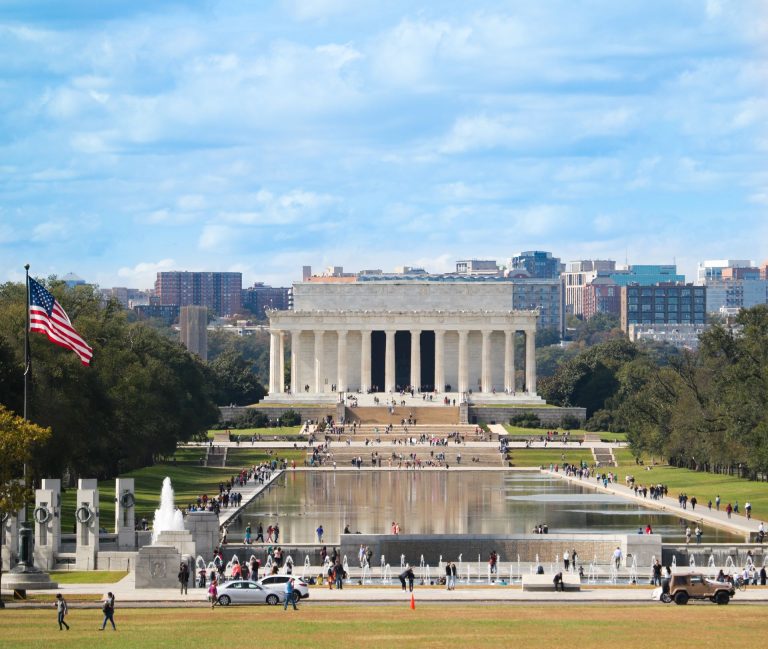
Washington DC
11 hostels · dorms from $32
The capital, with free museums, monuments and lively neighbourhoods.
Points of interest
- National Mall
- Lincoln Memorial
- Smithsonian museums
- Capitol
- Georgetown

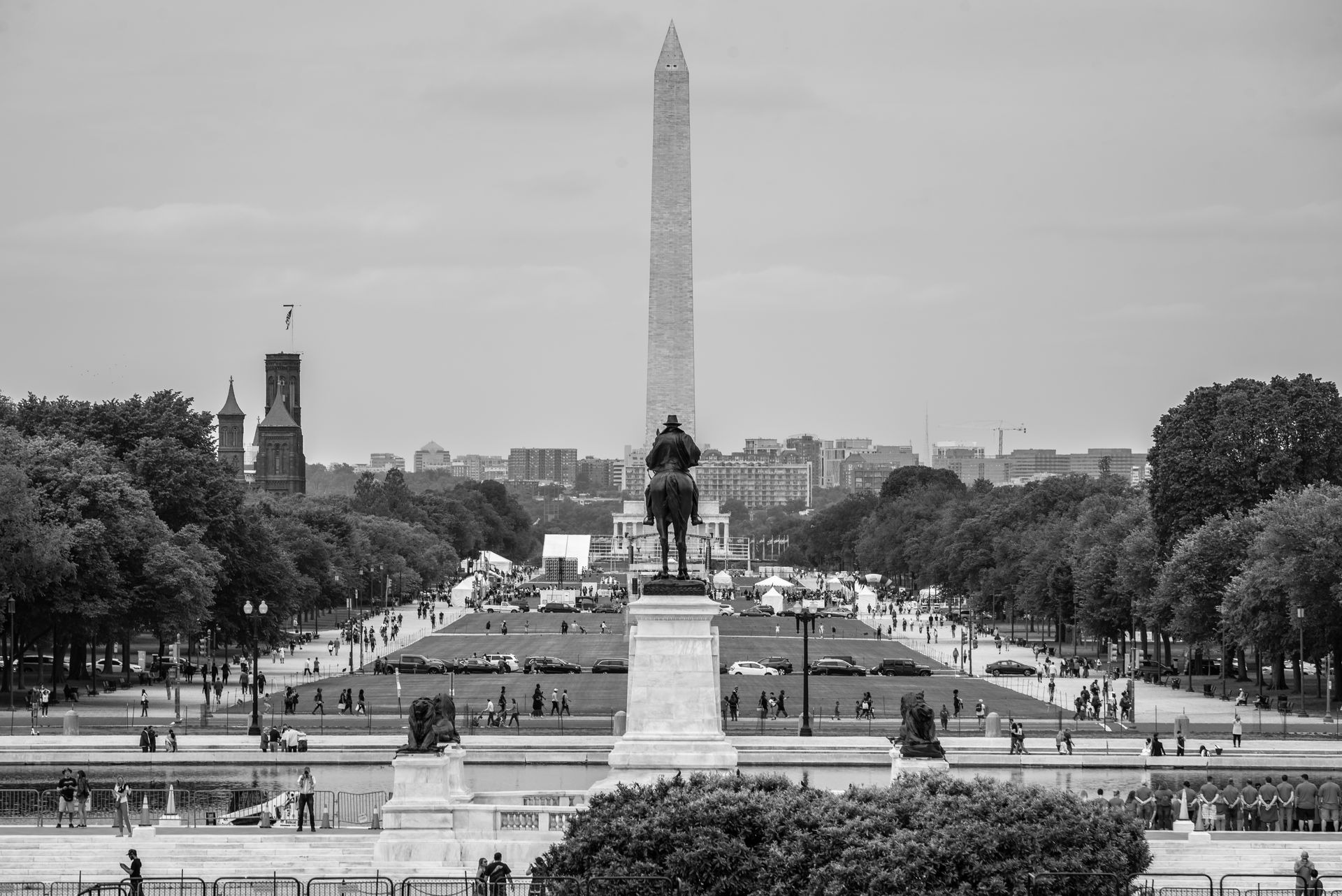
The capital of the United States: monuments on the National Mall, free world-class Smithsonian museums, lively neighbourhoods and Virginia and Maryland across the river.
Washington DC is not a state but a federal district, built from scratch in the 1790s to be the nation's capital. Its centre is the National Mall, a long green park lined with the Capitol at one end, the Lincoln Memorial at the other, the Washington Monument in the middle, and some of the world's finest museums along both sides.
The best thing about visiting is that most of those museums, run by the Smithsonian Institution, are free. You could spend a week in the National Air and Space Museum, the National Museum of Natural History and the National Museum of African American History and Culture alone. Away from the Mall, DC has real neighbourhoods: historic Georgetown, the bars of U Street and Adams Morgan, and the waterfront at the Wharf and Navy Yard.
Give DC three or four days. It is easy to combine with Philadelphia and New York by train, and Alexandria and Arlington, just across the Potomac in Virginia, are easy to add. Spring, when the cherry blossoms bloom, and autumn are the best times to visit.
Stay in DC itself, or across the river in Virginia, where beds can be cheaper.
The capital, with free museums, monuments and lively neighbourhoods.
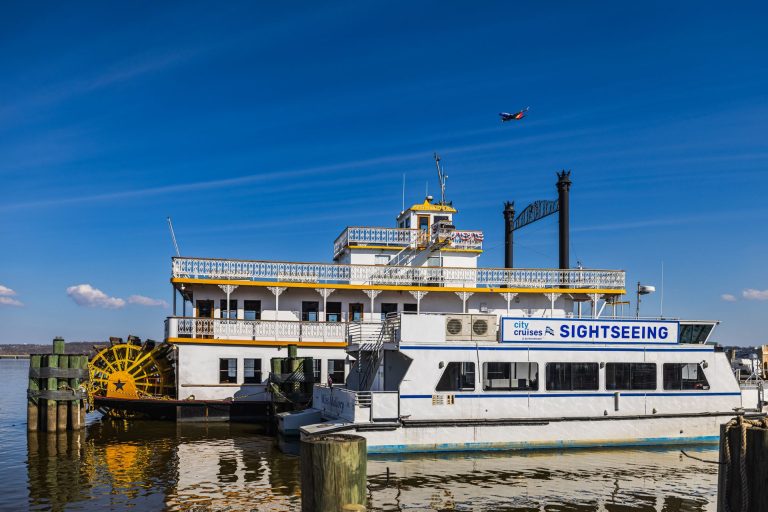
A historic port town in Virginia, a Metro ride south.
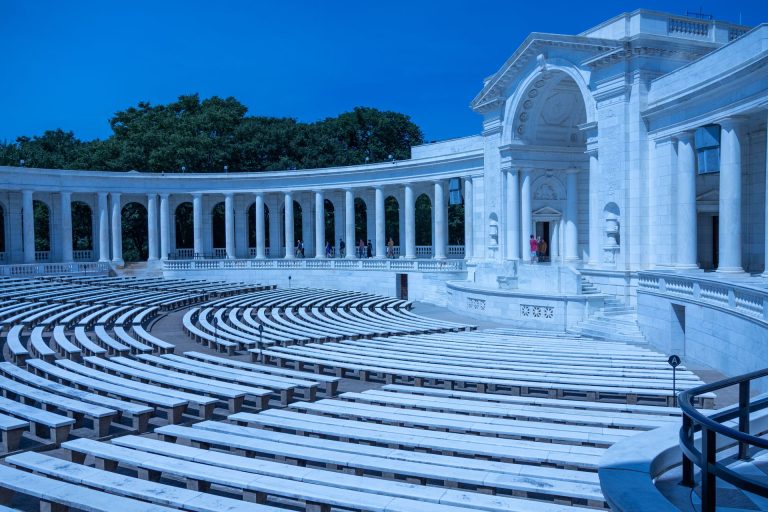
Across the Potomac in Virginia, with cheaper stays near the Metro.
Stay central for the Mall, or in a neighbourhood for food and nightlife. The Metro links them all.
The monuments and Smithsonian museums. Few places to stay, but everything to see.
Rowhouses, Eastern Market and the Capitol and Library of Congress.
Cobbled streets, the C&O Canal and waterfront, older than the city itself.
Grand townhouses, embassies and bars around the circle.
DC's music and nightlife hub, with history, bars and restaurants.
A lively, multicultural strip of bars and restaurants.
New waterfront districts with bars, rooftops and Nationals Park.
Walk the National Mall from the Capitol to the Lincoln Memorial, past the Washington Monument and the World War II Memorial, and go back at night, when the monuments are lit up. Visit the Vietnam Veterans Memorial, the Korean War Veterans Memorial and the Martin Luther King Jr Memorial around the Tidal Basin.
Spend days in the free Smithsonian museums: the National Air and Space Museum, the National Museum of Natural History, the National Museum of American History and the National Museum of African American History and Culture, which needs timed passes at busy times. The National Gallery of Art is also free. Free tours of the Capitol can be booked online.
Outside the centre, walk the streets of Georgetown and the C&O Canal, cross the river to Arlington National Cemetery, and visit Old Town Alexandria. Mount Vernon, George Washington's estate, is around 30 minutes south.
Washington DC is one of the best free cities in the world. The Smithsonian museums, the National Gallery of Art, the National Zoo, the monuments and memorials, the Capitol tour and the Library of Congress are all free.
In summer, there are free concerts and the Smithsonian Folklife Festival on the Mall. Walking Georgetown, the waterfront and the C&O Canal towpath costs nothing.
Some popular museums need free timed passes, so check before you go.
DC's signature dish is the half-smoke, a spicy sausage, famously served at Ben's Chili Bowl on U Street. The city has one of the largest Ethiopian communities in the USA, and Ethiopian restaurants around U Street and Shaw are excellent value. Maryland blue crabs and crab cakes are a summer treat.
Union Market and the Wharf have food halls, and the restaurants of Shaw and 14th Street are among the best in the city. Eating near the Mall is limited, so bring snacks or use the museum cafés.
Add 18 to 22 per cent tips and the 10 per cent restaurant tax to bills.
U Street and Shaw have DC's liveliest nightlife, with bars, clubs and live music, including at historic venues such as the Lincoln Theatre and the 9:30 Club. Adams Morgan has cheap bars and late-night food, and Dupont Circle is the centre of LGBTQ+ nightlife.
Navy Yard and the Wharf have waterfront bars and rooftops, busy before and after baseball games at Nationals Park.
Bars stay open until 2am on weekdays and 3am at weekends.
The Metro is clean and covers the city and the suburbs in Virginia and Maryland. Fares depend on distance and time of day; tap a contactless card or phone at the gates, or use a SmarTrip card. Buses, Capital Bikeshare and walking fill the gaps, and the Mall is best on foot.
Reagan National Airport is on the Metro, a few minutes from the centre. Dulles Airport is on the Metro's Silver Line, around an hour from downtown, and Baltimore-Washington Airport is linked by train.
Amtrak and buses leave from Union Station: New York is around three and a half hours by train, Philadelphia around two. Do not drive in the centre.
Accommodation in DC is expensive, but sightseeing is almost free. Dorm beds start around $45 to $60, and more during cherry blossom season and big events.
Sales tax is 6 per cent, and meals and restaurant drinks are taxed at 10 per cent. Tip 18 to 22 per cent in restaurants.
The free museums and monuments make DC one of the cheapest big cities in the USA for things to do.
The National Mall, Georgetown, Dupont Circle and the main nightlife areas are busy and generally safe. Like any big US city, some neighbourhoods have higher crime; ask at your hostel, and use rideshares late at night.
Watch your phone on the Metro and in crowds. Expect bag checks and security screening at museums, the Capitol and big events.
Summer is hot and humid on the Mall; carry water. Health insurance is essential in the USA. In an emergency, call 911.
Cherry blossoms, Independence Day on the Mall and free summer festivals.
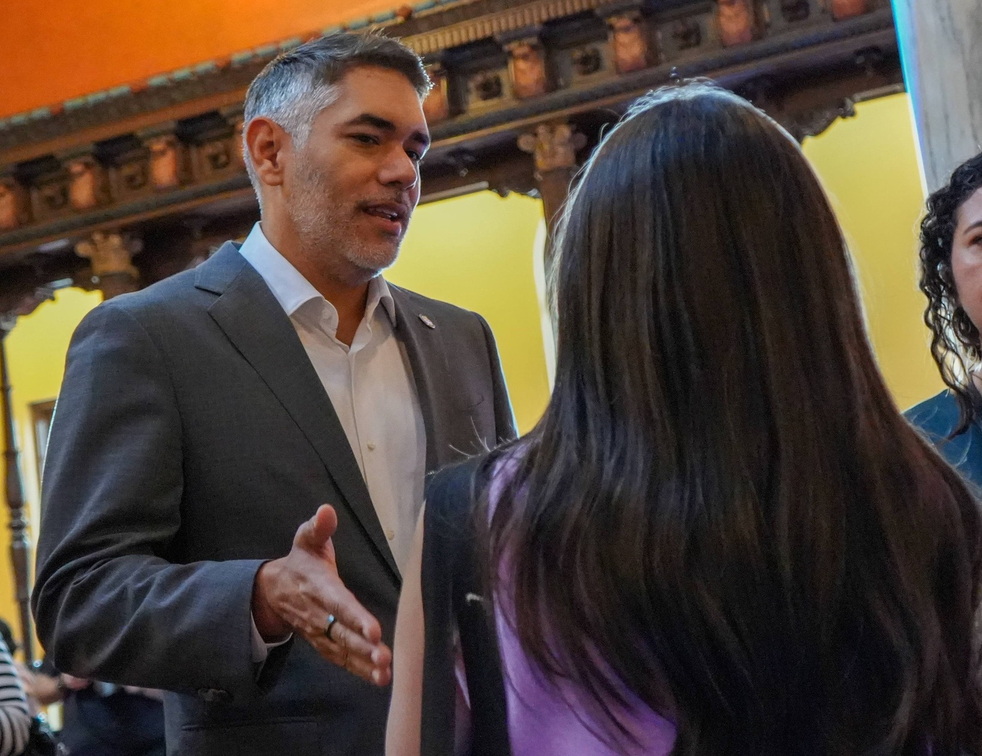 Staff pick
We Make History at the Anacostia Community Museum in Washington, DC, invites visitors to discover how everyday people have shaped and preserved America’s story…
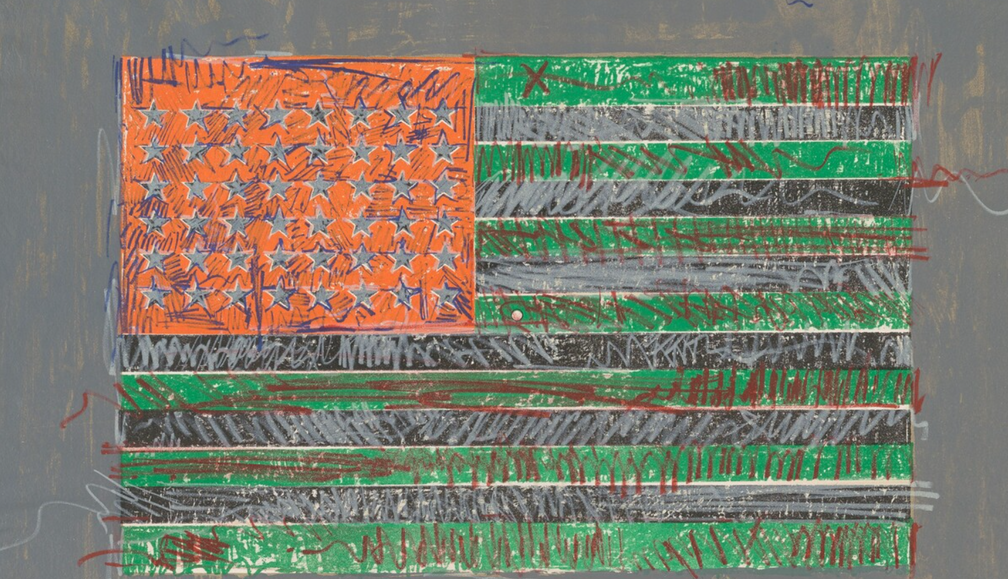 Staff pick
At the National Gallery of Art in Washington, DC, "American Icon: The US Flag in Art" invites visitors to explore how artists have reinterpreted…
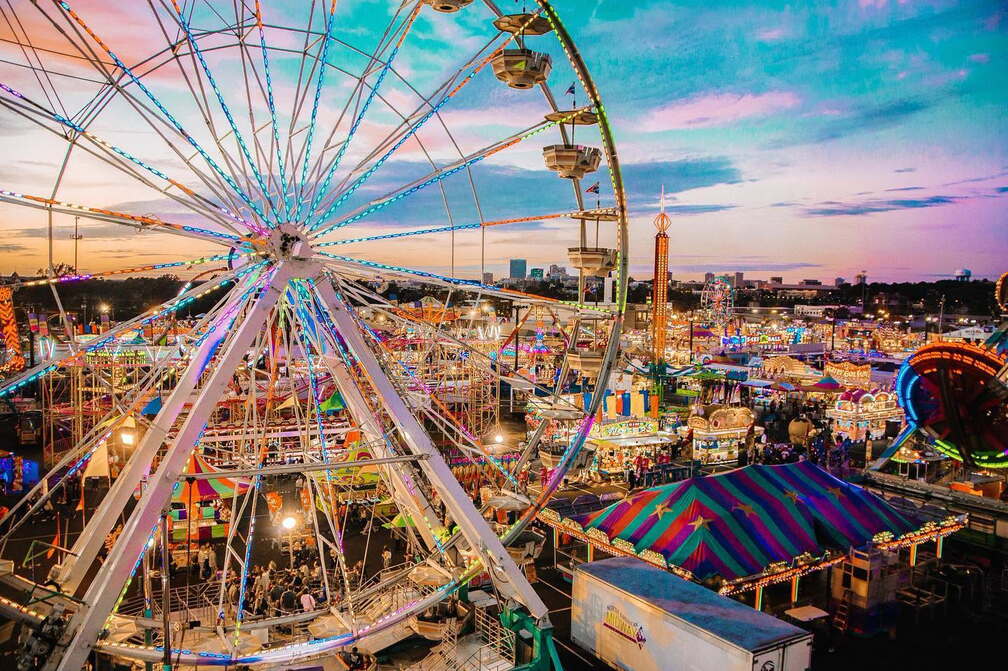 Staff pick
The South Carolina State Fair brings 11 days of rides, food, and entertainment to Columbia each year. It runs on tradition as much as…
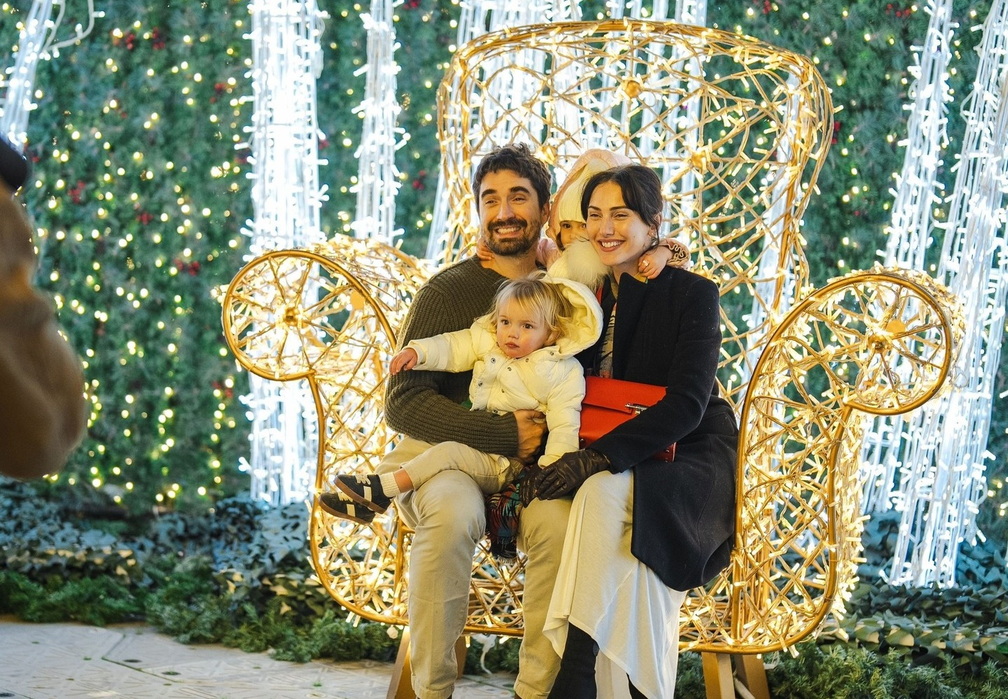 Staff pick
Enchant returns to Nationals Park for the 2026 holiday season, transforming the ballpark into a festive winter wonderland. You can wander through a dazzling…
 Staff pick
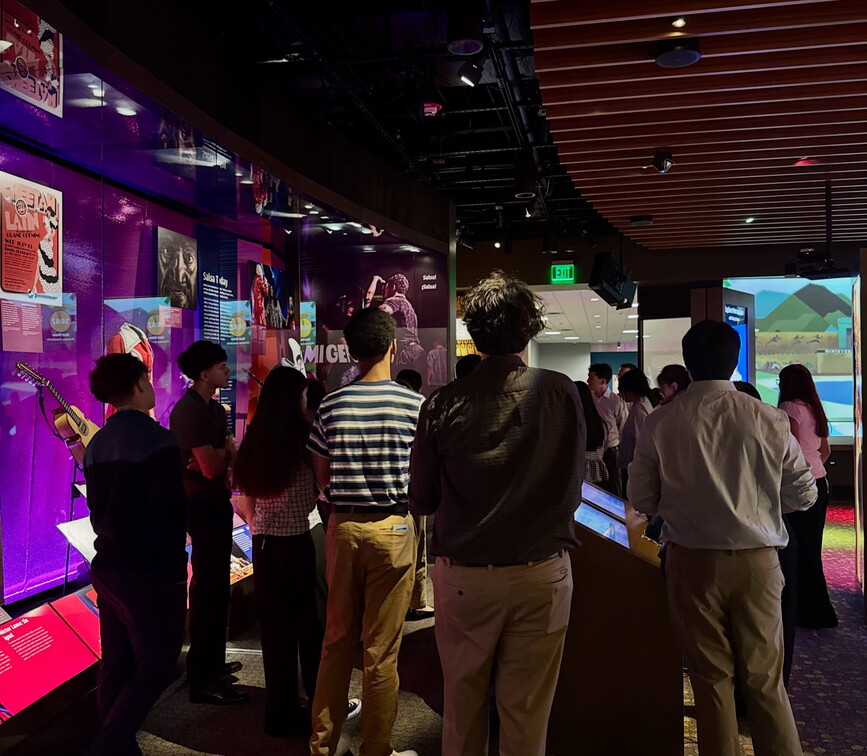
¡Puro Ritmo! The Musical Journey of Salsa invites visitors to discover how Afro-Cuban rhythms transformed into the iconic sound of salsa that swept across…
 Staff pick
Howard University Bison football carries the legacy and pride of one of the nation’s most prominent HBCUs. Fans experience spirited traditions, intense rivalries, and…
 Staff pick
Katt Williams is a veteran comedian, actor, rapper, and social activist known for masterfully blending rapid-fire wit with thought-provoking dialogue. Along with having his…
 Staff pick
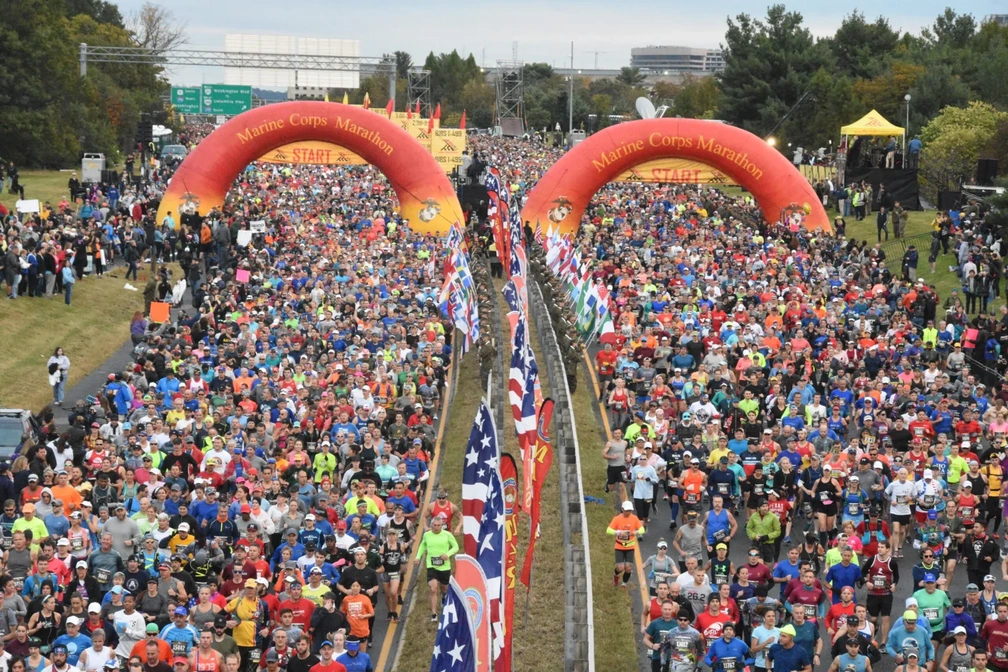
The Marine Corps Marathon, held in Arlington, VA, and Washington, DC, is celebrated for its exceptional organization and scenic route through historic landmarks, all…
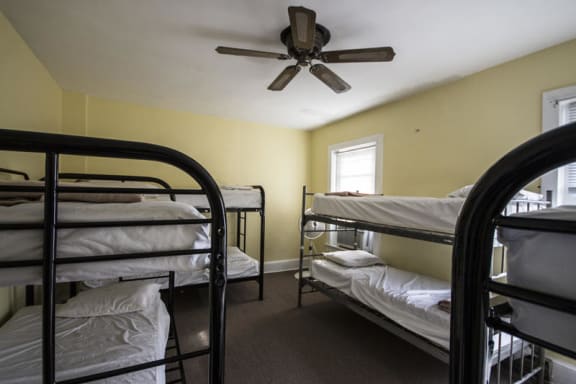
The highest-rated hostels in Washington DC, straight from Hostelworld. Prices and availability are live on each property page.
Spring is the best time, with the cherry blossoms in late March and early April. Autumn is mild and pleasant. Summer is hot and humid, and winter is cold but quiet.
Average highs for Washington DC, rounded.
Per night, for one person, based on Washington DC prices.
Treat these as a guide. Cherry blossom season costs more.
The ones we get asked most.

Compare hostels in Washington DC: live prices, real reviews and free cancellation on most bookings. Then meet the people already there in the app.

 Get the App.



 Get the App.