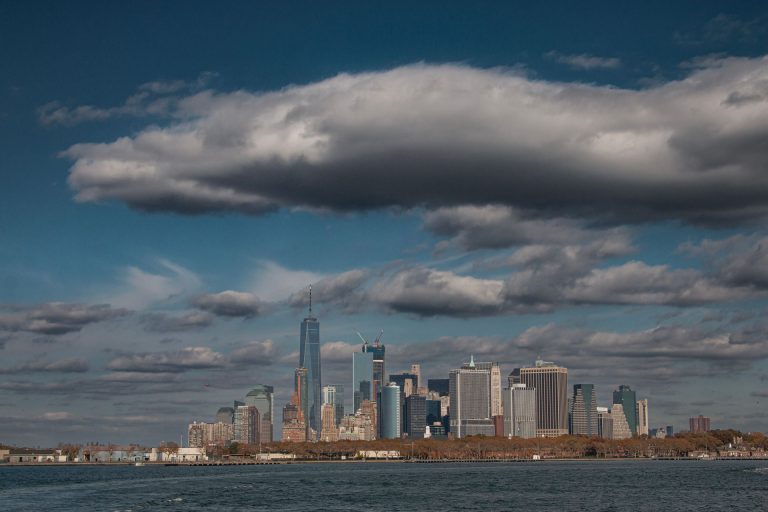
New York
The one everyone comes for: museums, neighbourhoods, and a city that runs at all hours.
The New York guide
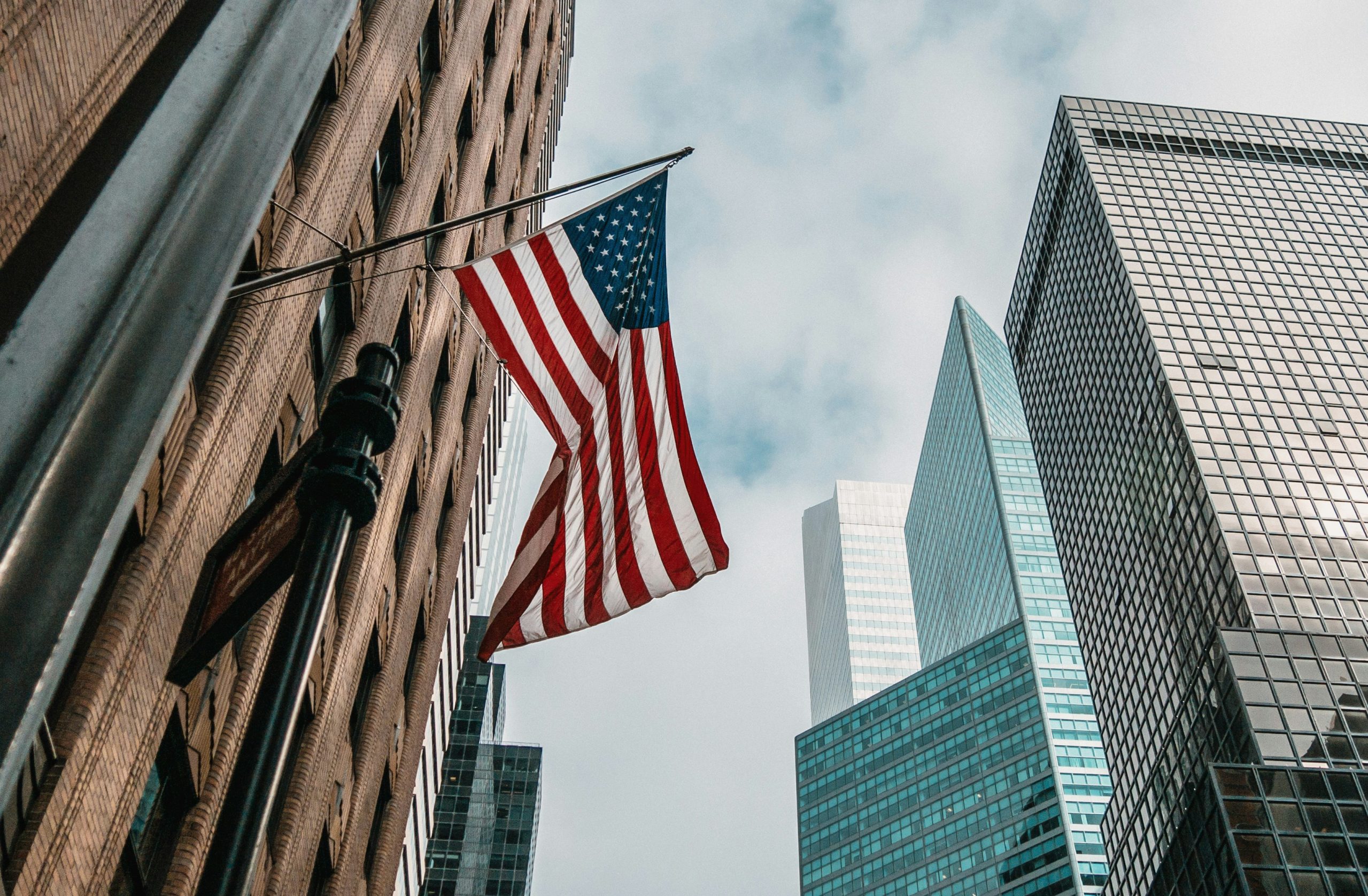
Fifty states, thirteen time zones counting territories, and national parks the size of small countries. Too big to plan as one trip, so pick a corner.
The USA is the size of Europe and the mistake is treating it as one destination. New York to Los Angeles is a six-hour flight, and driving it takes the better part of a week without stopping.
The practical approach is to pick a region. The Northeast gives you New York, Boston, Washington and Philadelphia within a few hours of each other by train. California runs San Francisco to Los Angeles to San Diego down one coast road. The Southwest links Las Vegas, the Grand Canyon, Zion, Arches and Monument Valley in a loop that is one of the great road trips anywhere. The South covers New Orleans, Nashville and Memphis and the music that came out of them.
Hostels exist mainly in the big cities and near some national parks; everywhere else assumes a car and a motel.
Two to three weeks per region. The parks are the thing most visitors underrate.
The USA is too big to see in one go, so pick a region and a few states within it. Fly between regions and drive within them; Amtrak only really works in the Northeast.
The densest part of the country, with New York, Boston, Philadelphia and Washington a few hours apart by train. The easiest region to do without a car.
The one everyone comes for: museums, neighbourhoods, and a city that runs at all hours.
The New York guide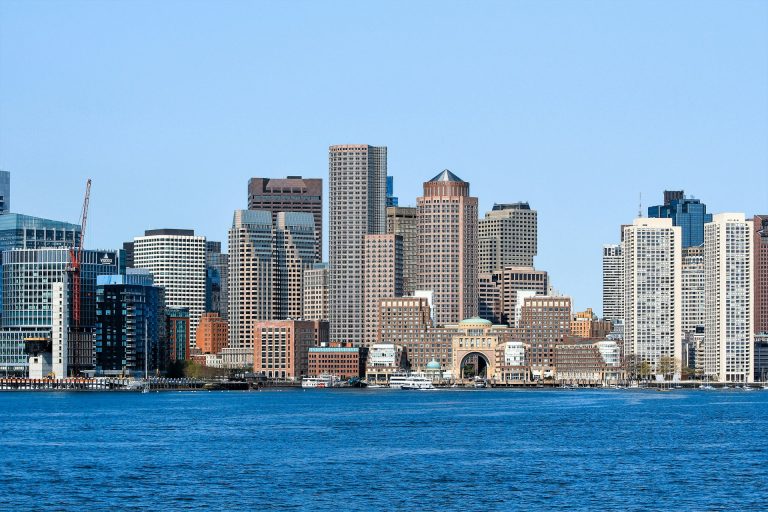
Boston, the Freedom Trail and the history of the revolution, with Cape Cod beaches in summer.
The Massachusetts guide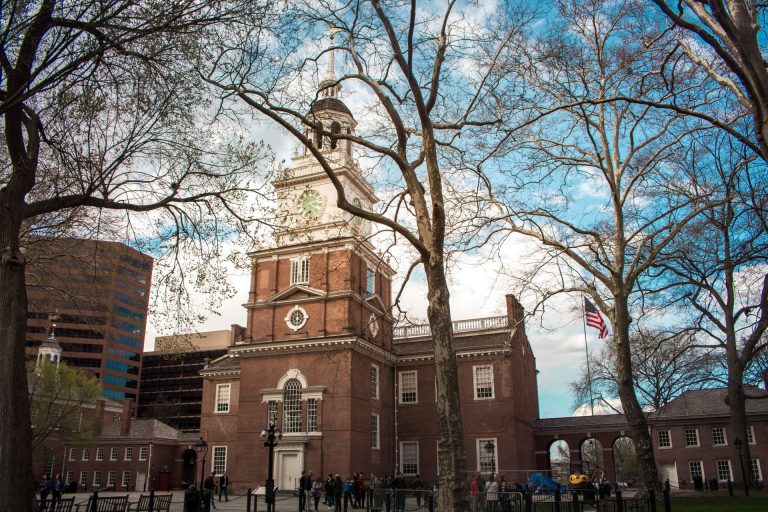
Philadelphia, where the country was founded, and its cheesesteaks.
The Pennsylvania guide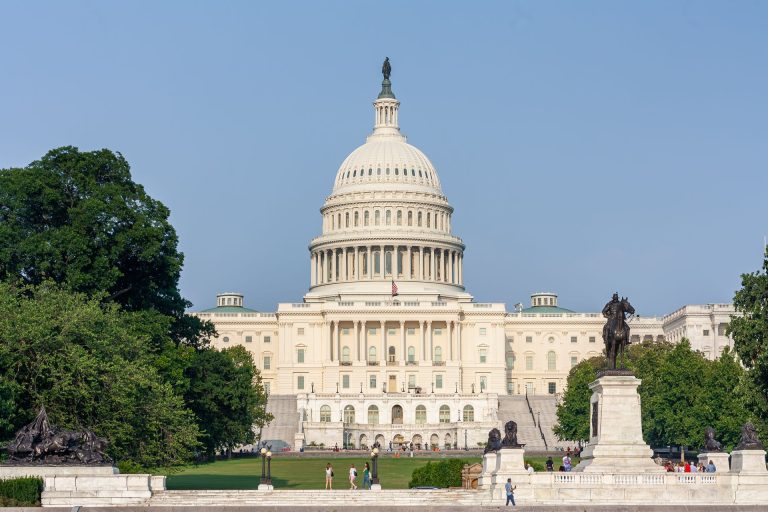
The capital and its free Smithsonian museums. A federal district rather than a state.
The Washington DC guide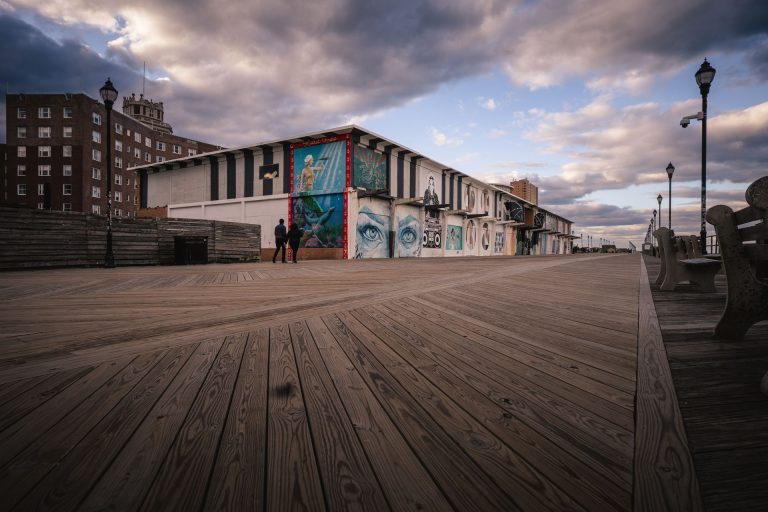
The Jersey Shore, Princeton and the cheapest base for New York, a train ride across the river.
The New Jersey guide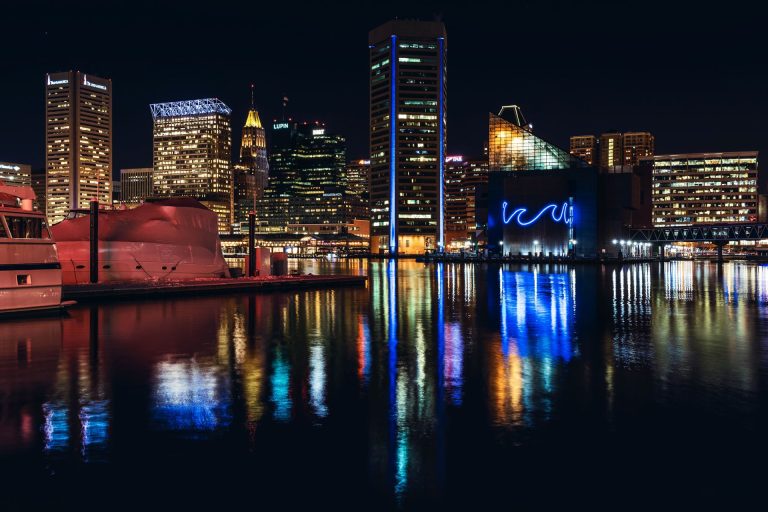
Baltimore's harbour, crab feasts on Chesapeake Bay and the historic sailing town of Annapolis.
The Maryland guide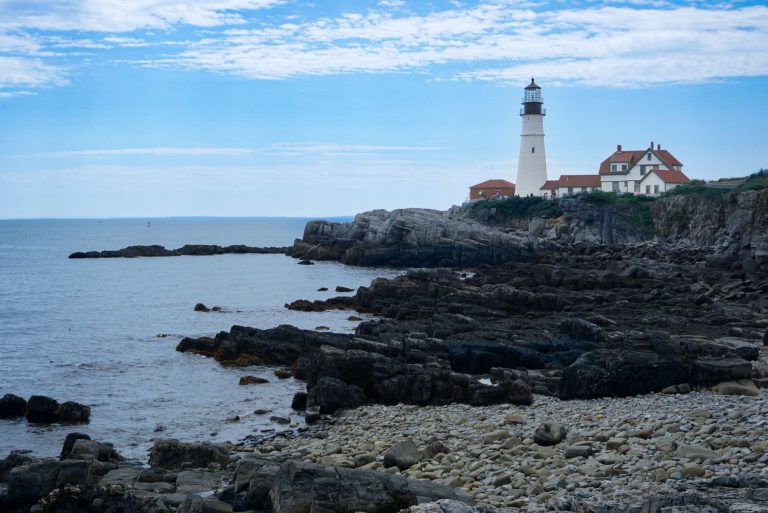
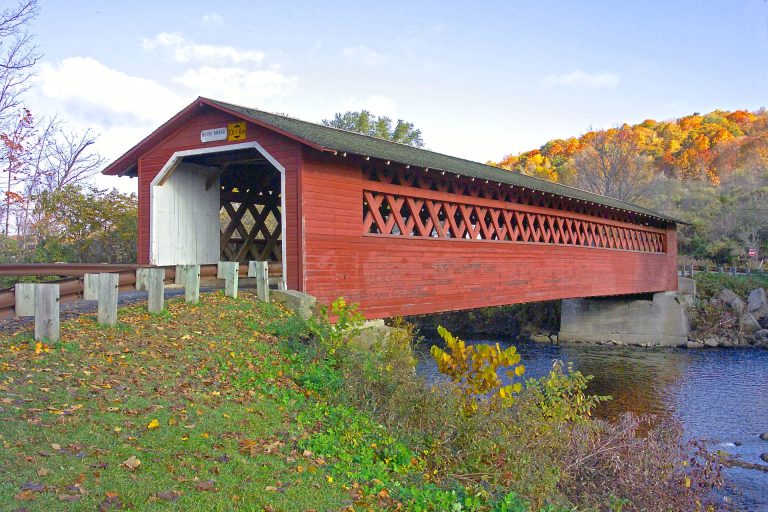
Green mountains, covered bridges, autumn colour and some of the best skiing in the East.
The Vermont guide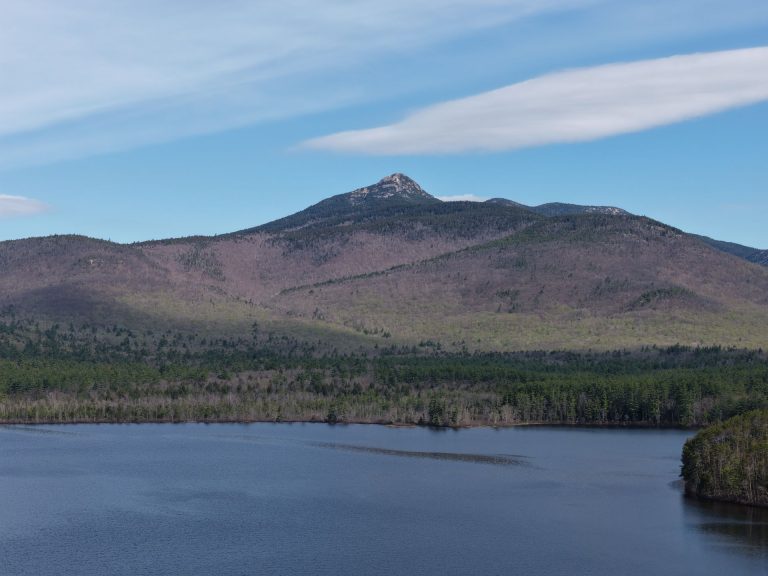
The White Mountains, with serious hiking, autumn leaves and no sales tax.
The New Hampshire guide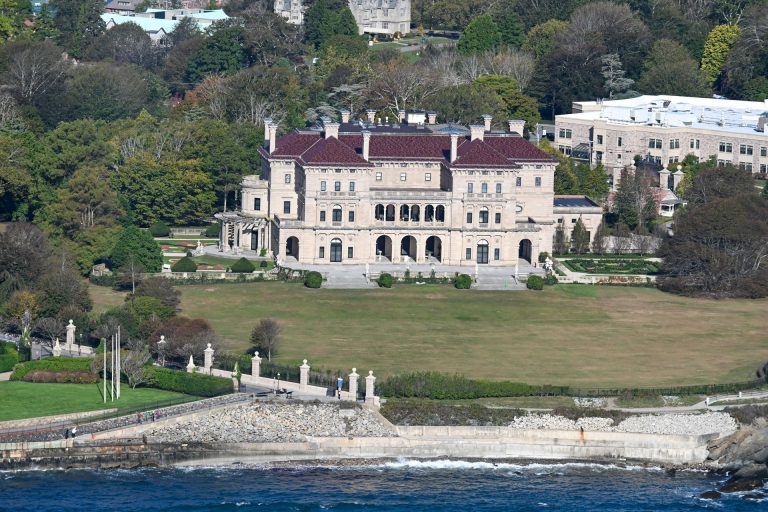
The smallest state: Newport's mansions and sailing, and Providence's food scene.
The Rhode Island guide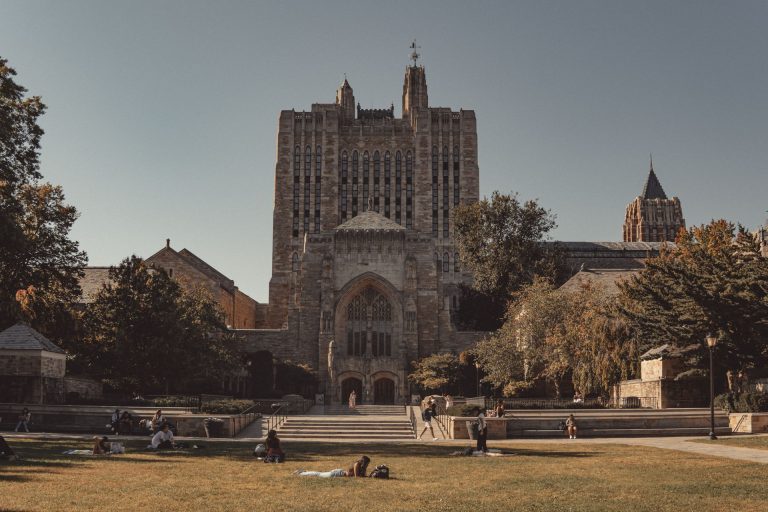
Yale in New Haven, pizza to argue about and quiet coastal towns between New York and Boston.
The Connecticut guide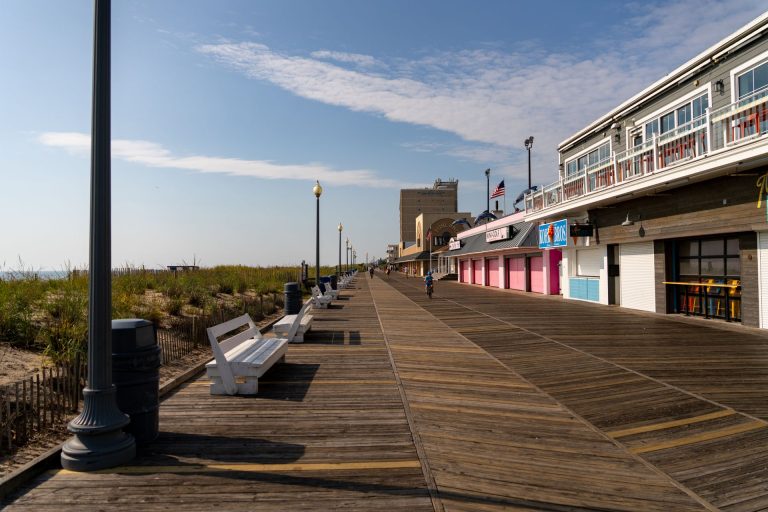
A tiny state of beach towns, tax-free shopping and the old streets of New Castle.
The Delaware guideMusic, food and history: New Orleans, Nashville and Memphis, the beaches and nightlife of Florida, and Texas, a country in itself.
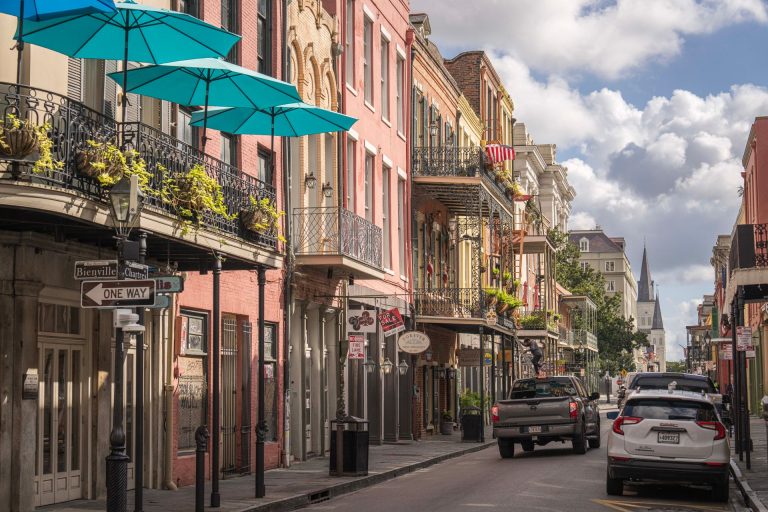
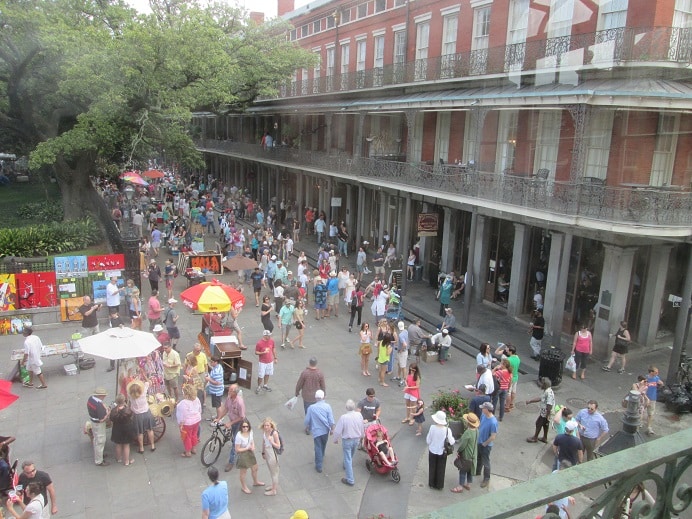
New Orleans: music, Creole food and the most distinctive city in the country.
The Louisiana guide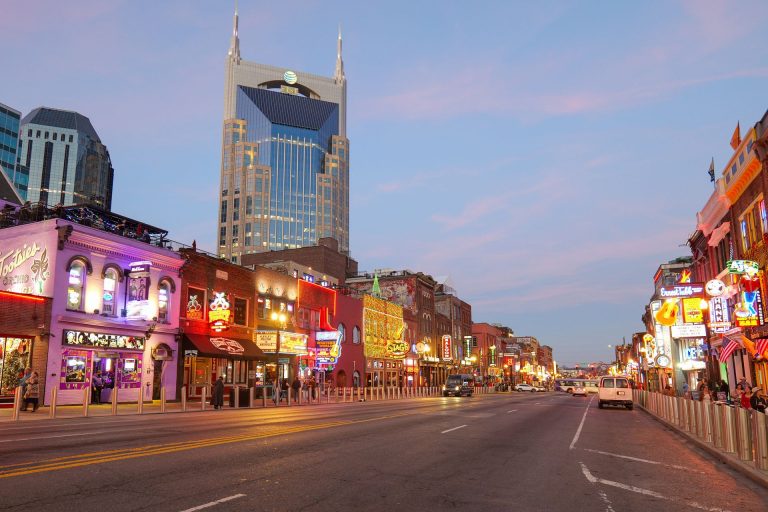
Country music in Nashville, blues and Elvis in Memphis, and the Great Smoky Mountains.
The Tennessee guide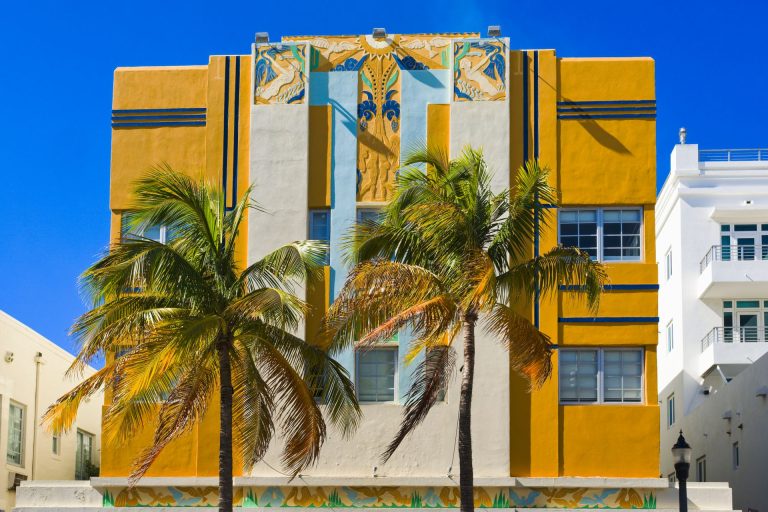
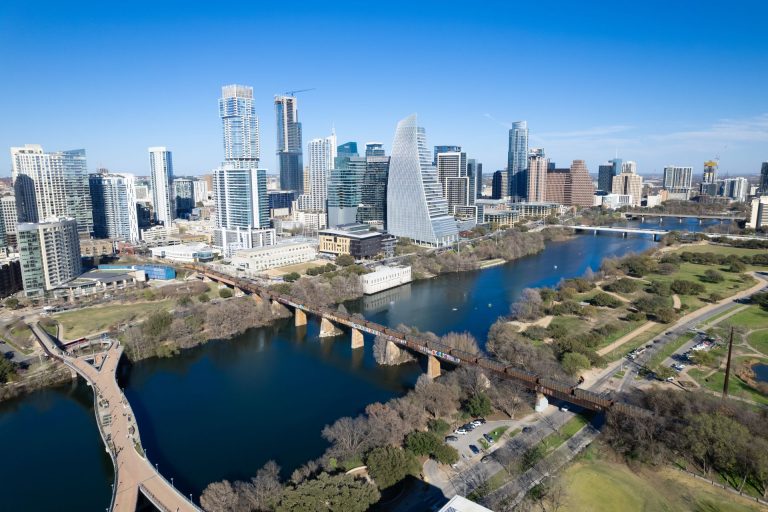
Live music in Austin, barbecue everywhere, and distances that make the size of the country clear.
The Texas guide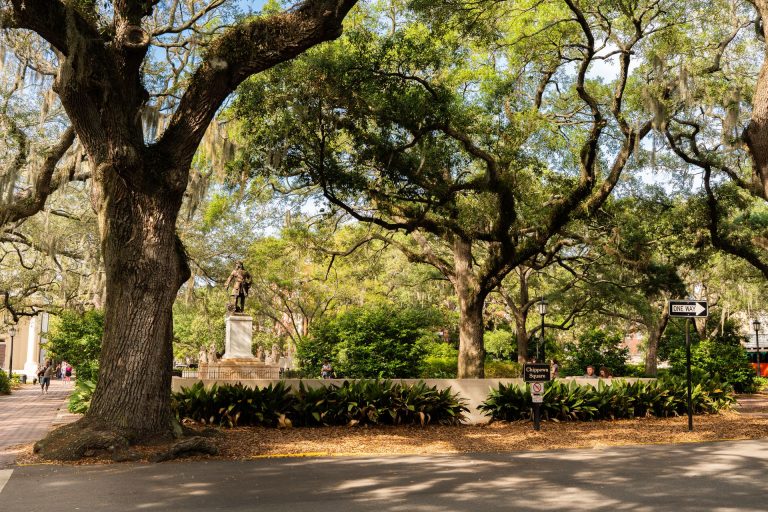
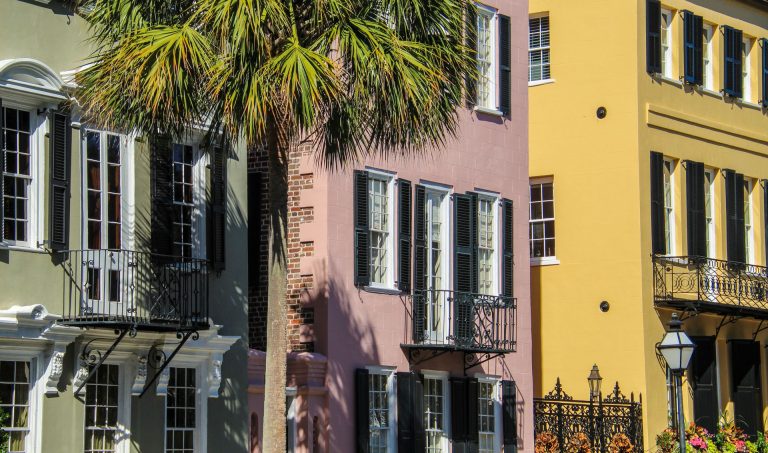
Charleston's pastel streets and Lowcountry food, and the beaches of the coast.
The South Carolina guide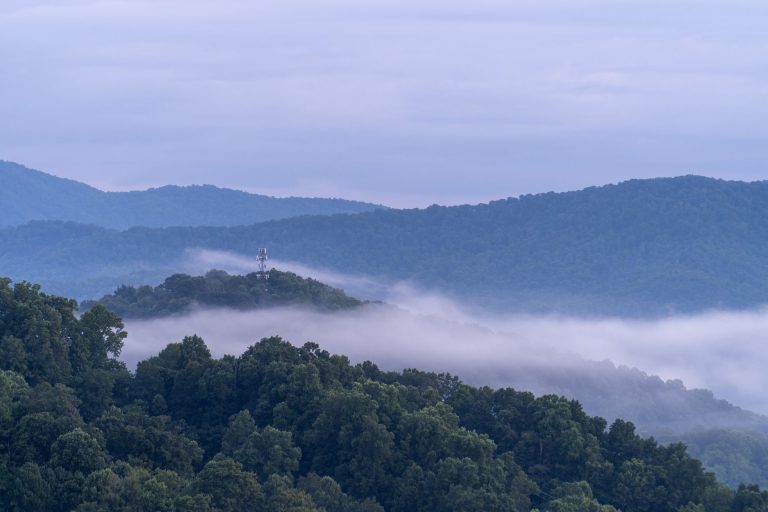
The Blue Ridge Mountains around Asheville and the wild Outer Banks.
The North Carolina guide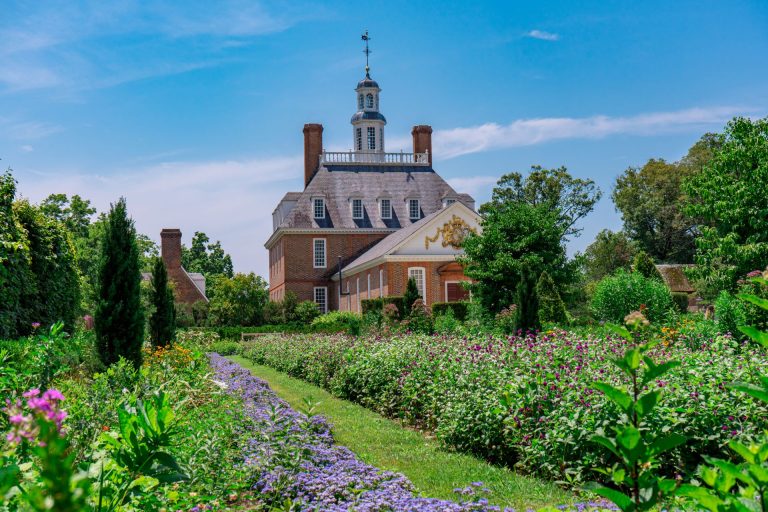
Colonial Williamsburg, Shenandoah National Park and the Blue Ridge Parkway.
The Virginia guide
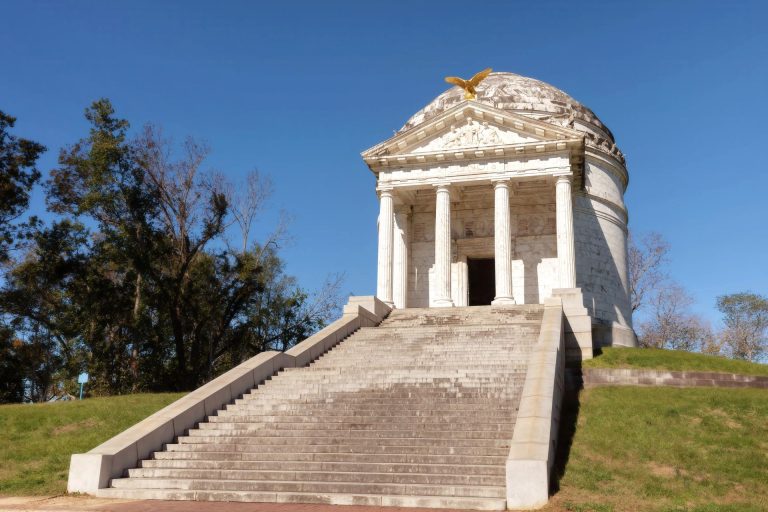
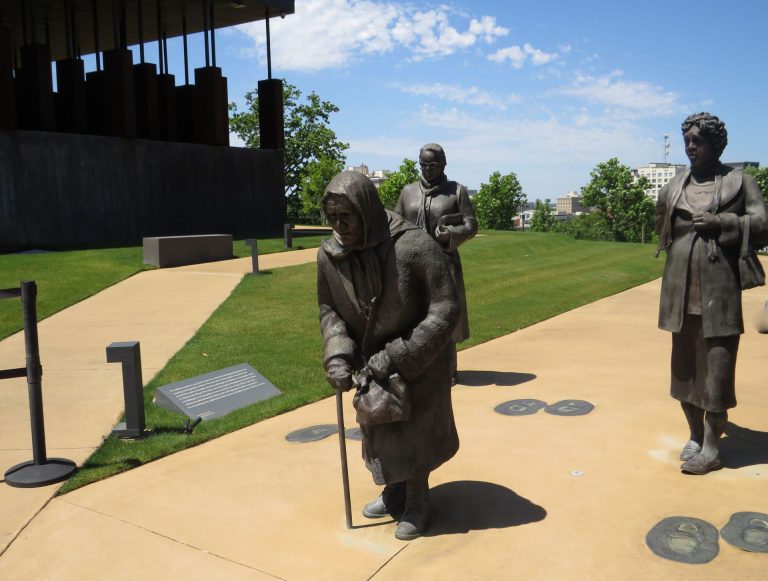
Civil rights landmarks in Montgomery and Birmingham, and white Gulf Coast beaches.
The Alabama guide
The Ozarks, Hot Springs National Park and some of the cheapest travel in the country.
The Arkansas guide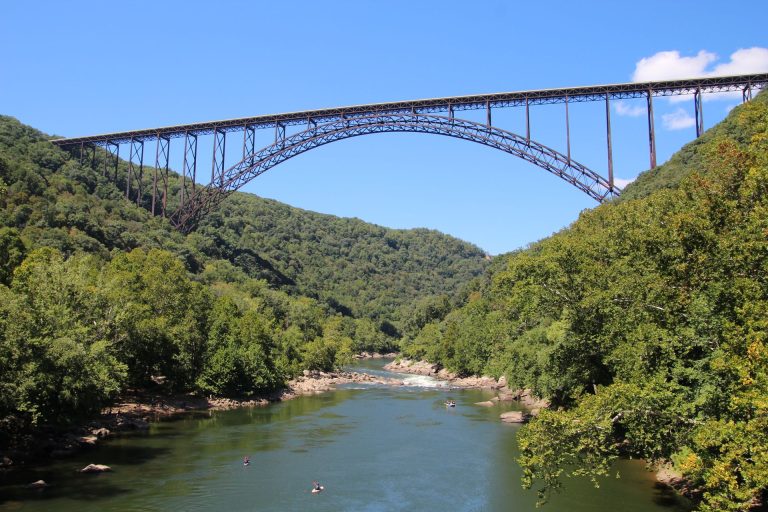
Whitewater, mountains and the New River Gorge, the newest major national park.
The West Virginia guideGreat Lakes cities and wide open country. Chicago is the reason most travellers come.
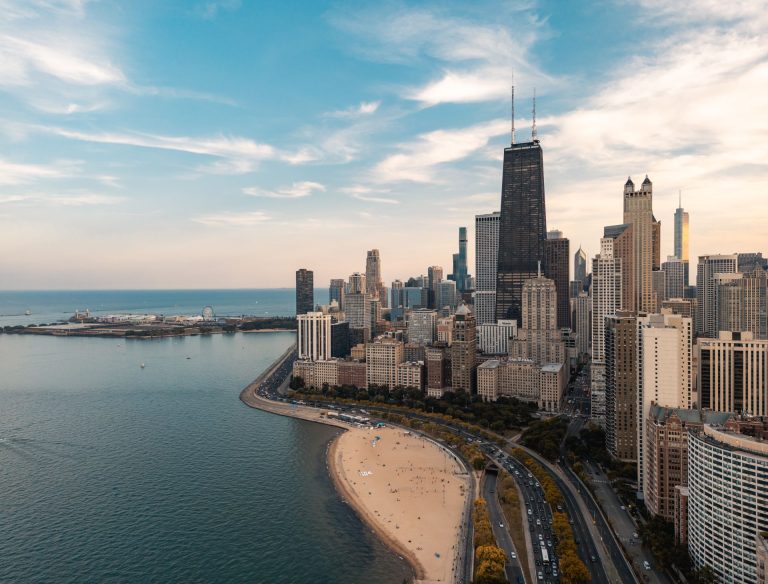
Chicago: architecture, blues and a lakefront. The most underrated big city here.
The Illinois guide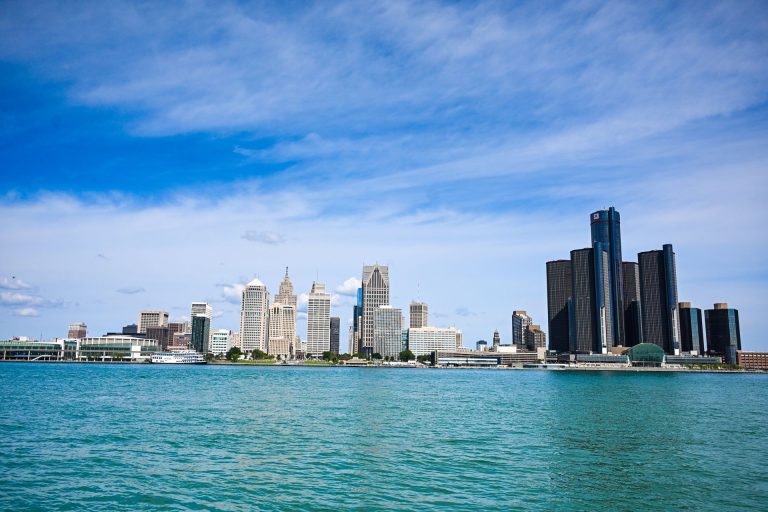
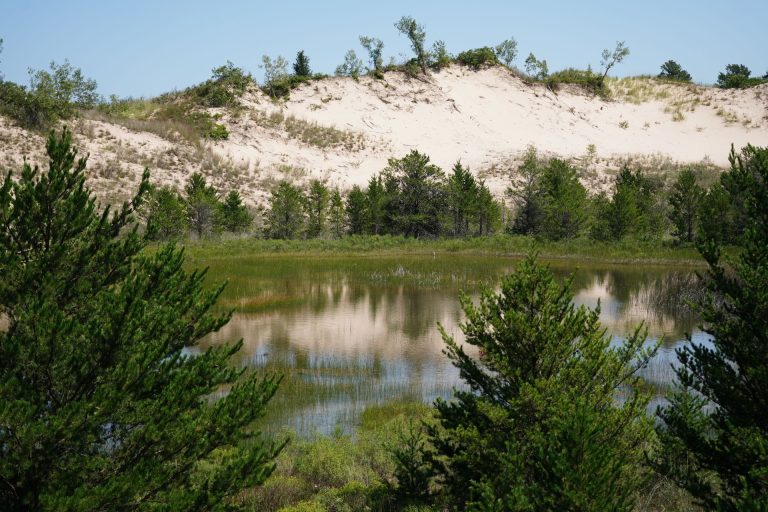
Two Great Lakes coastlines, Detroit's comeback and the dunes at Sleeping Bear.
The Michigan guide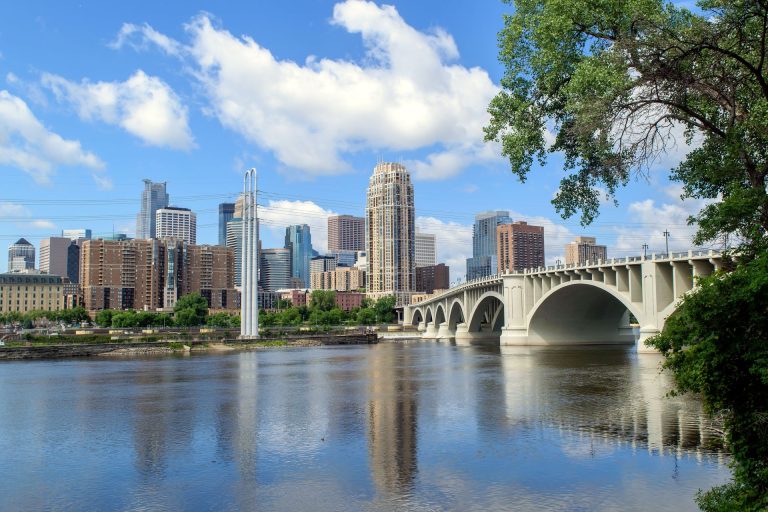
Minneapolis, ten thousand lakes and canoe country on the Canadian border.
The Minnesota guide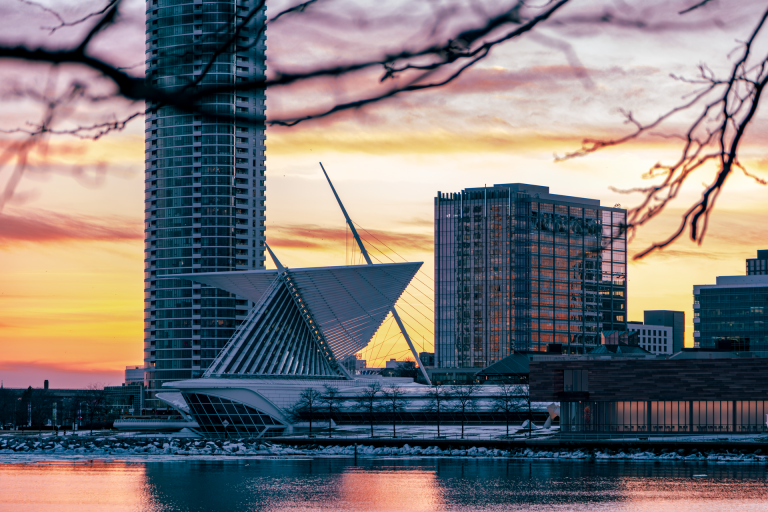
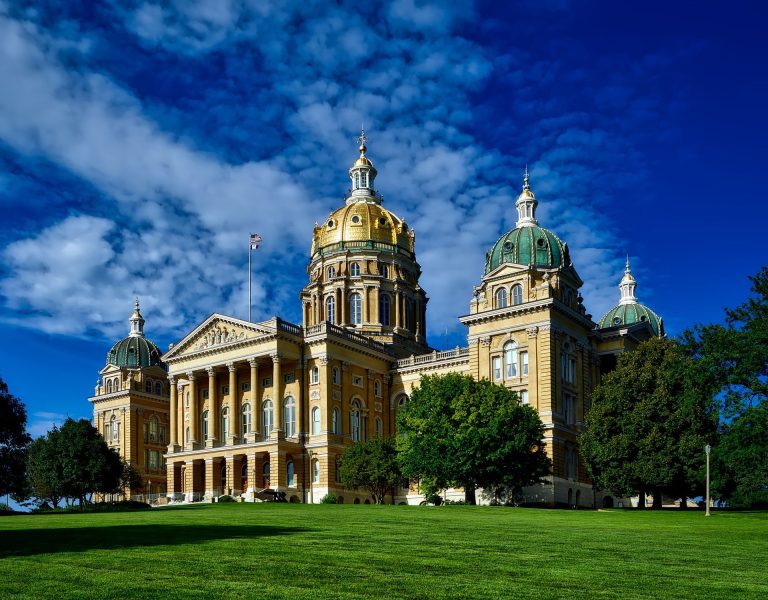
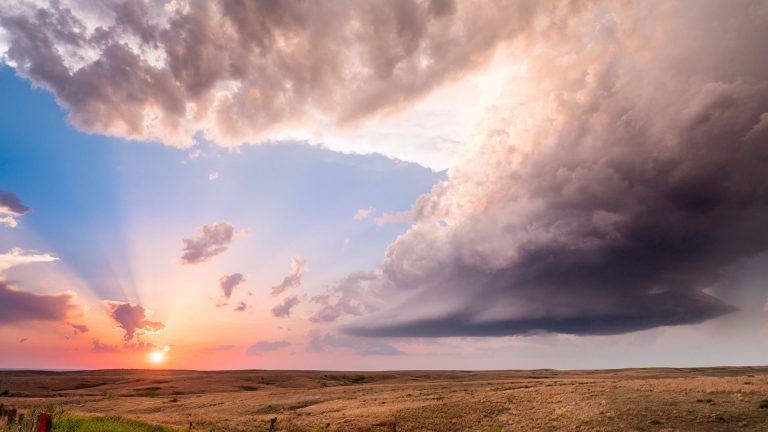
The Great Plains, tallgrass prairie and the old cattle towns of the frontier.
The Kansas guide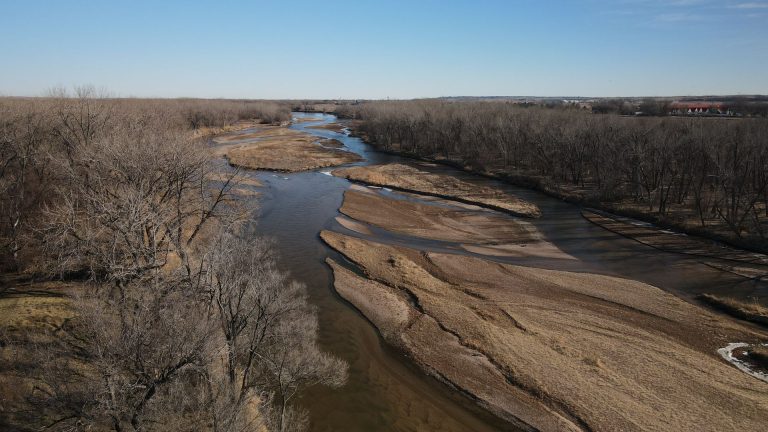
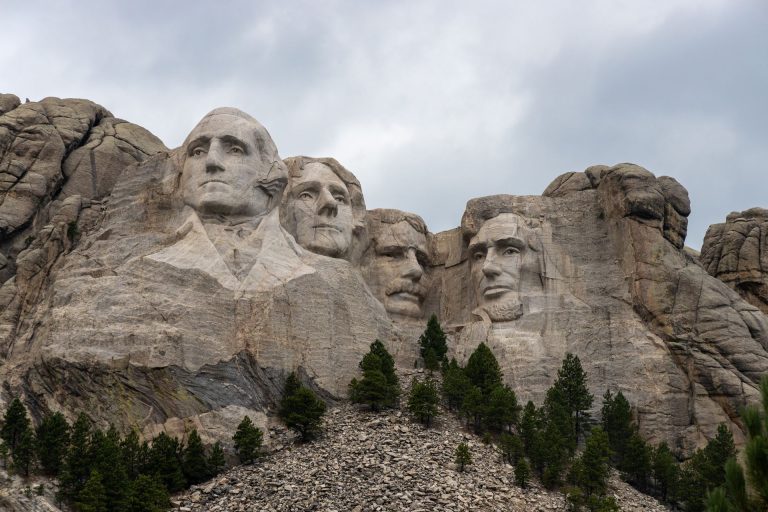
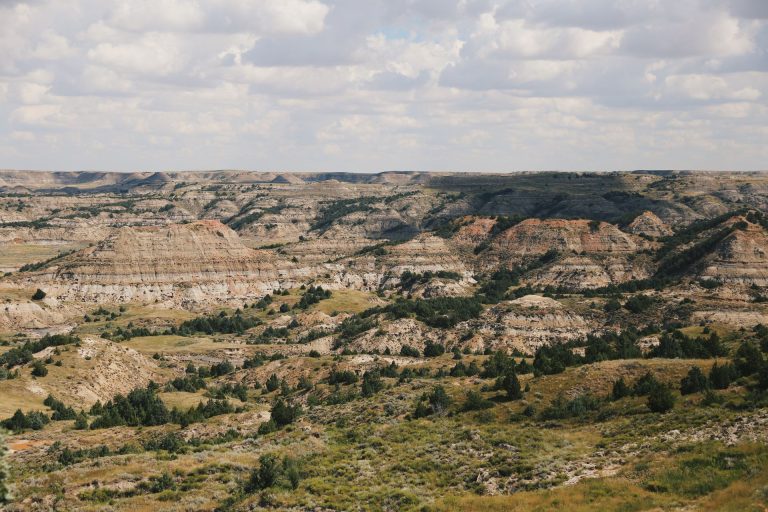
Theodore Roosevelt National Park and the quietest corner of the country.
The North Dakota guideDeserts, canyons and the greatest concentration of national parks in the country, best done as a road trip from Las Vegas.
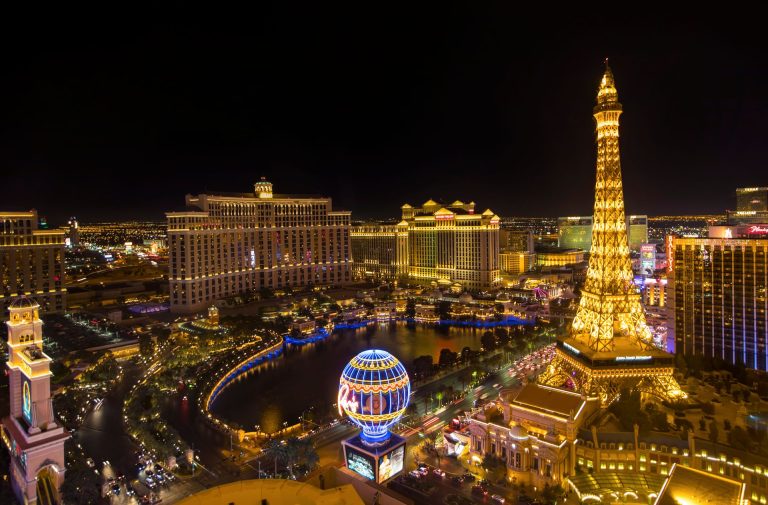
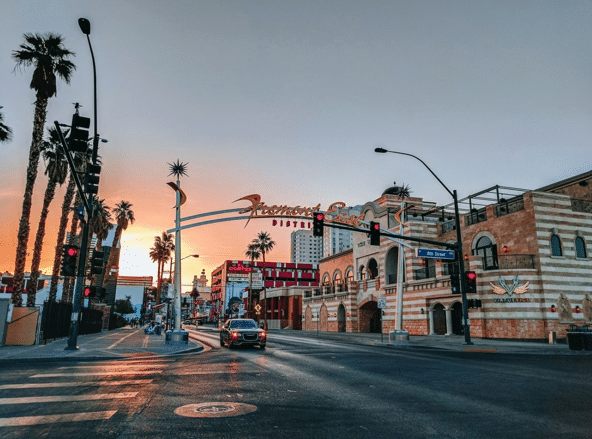
Las Vegas, a strange city in a desert, and the base for the Southwest park loop.
The Nevada guide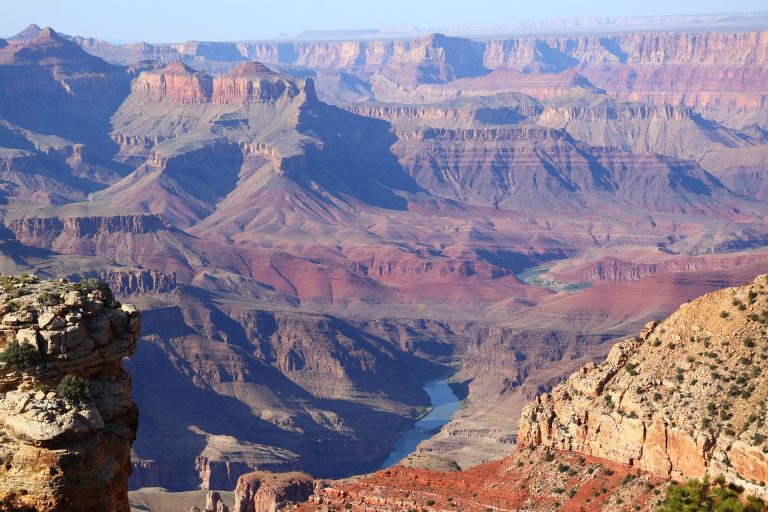
The Grand Canyon, red-rock Sedona and the desert landscapes of the Old West.
The Arizona guide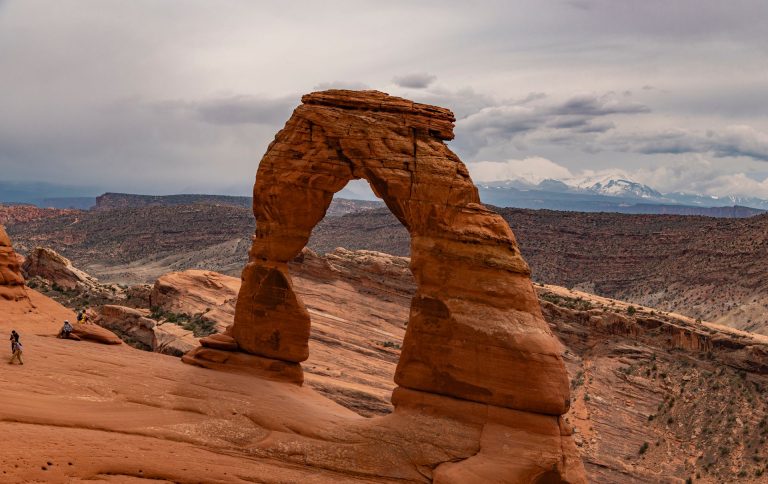
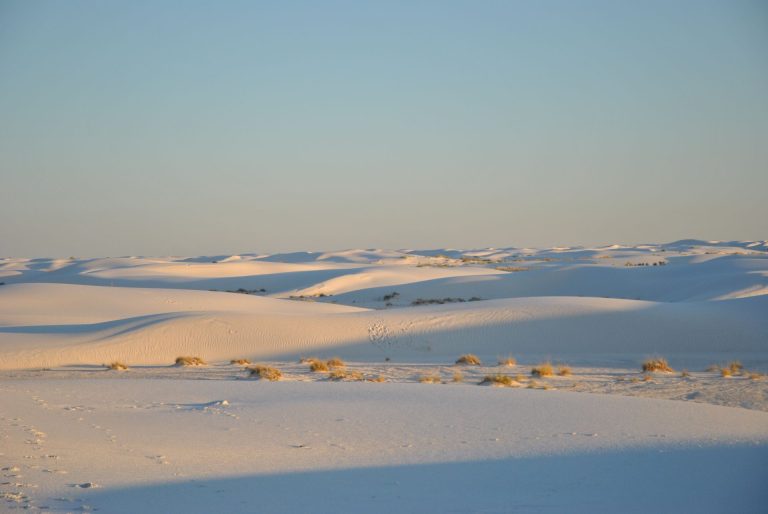
Santa Fe's adobe and art, White Sands and green chile on everything.
The New Mexico guide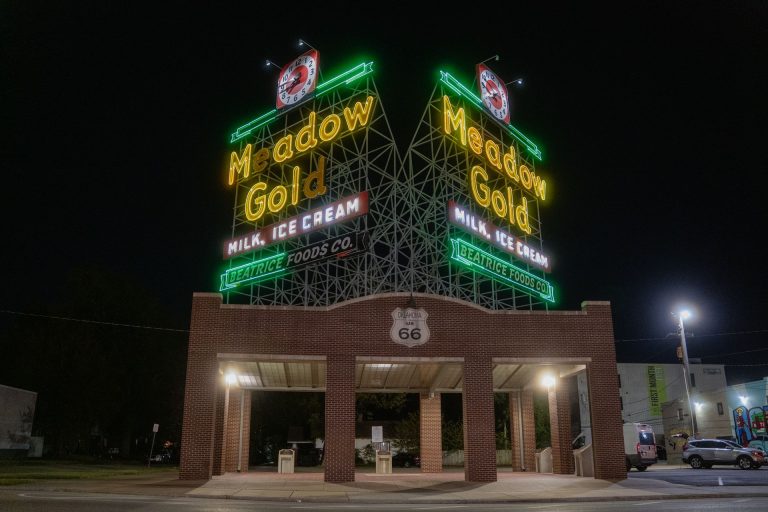
Route 66, Native American heritage and the cowboy culture of Oklahoma City.
The Oklahoma guideCalifornia from San Francisco to San Diego along the coast road, and the green Pacific Northwest above it.
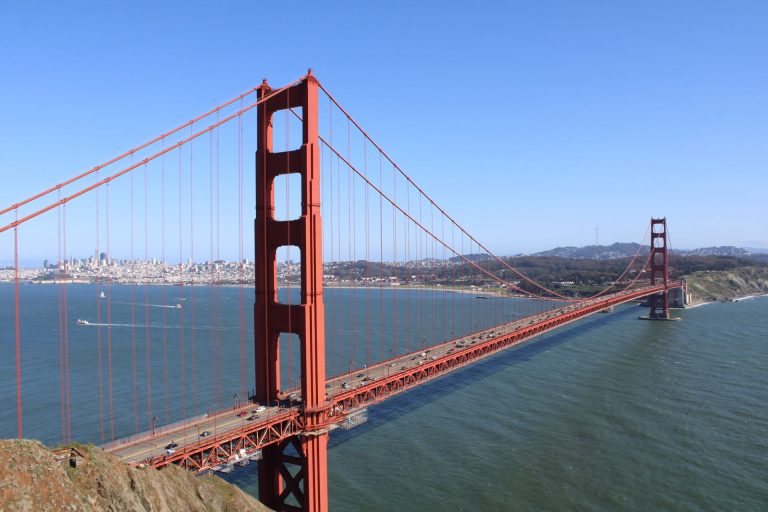
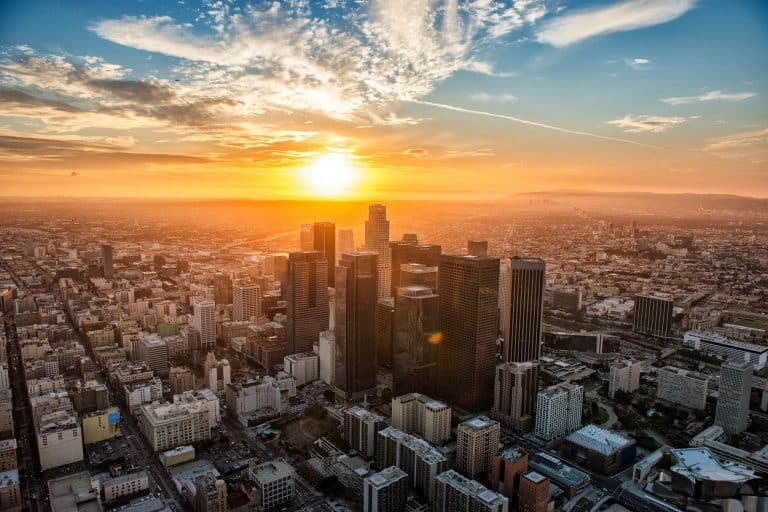
San Francisco, Los Angeles, Highway 1 down the coast and Yosemite inland.
The California guide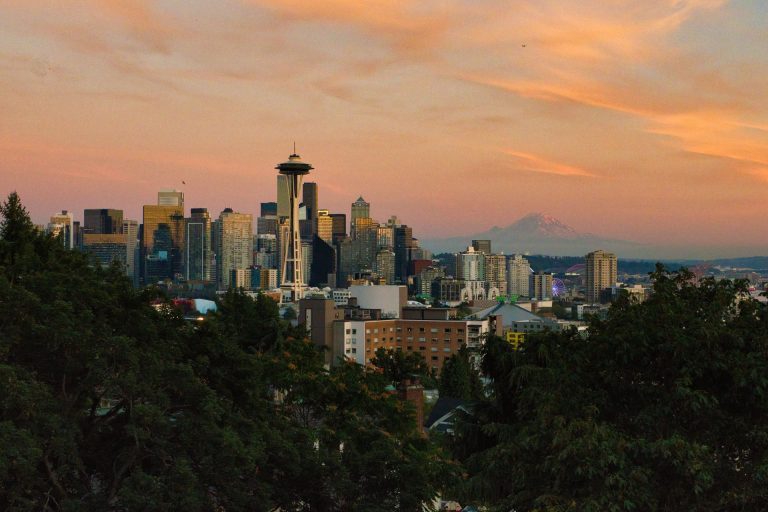
Seattle, coffee, and volcanoes and rainforest within a few hours of the city.
The Washington guide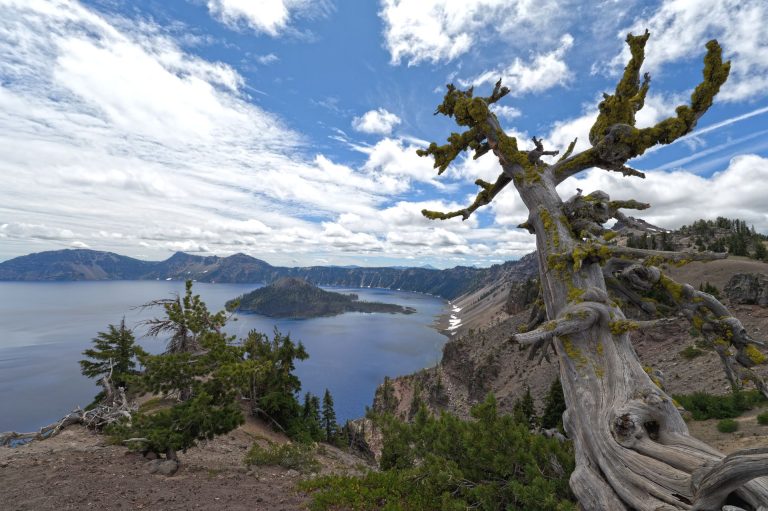
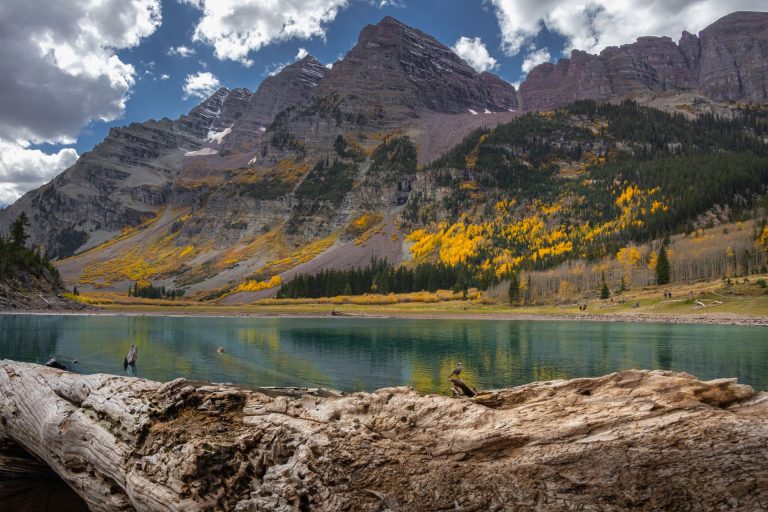
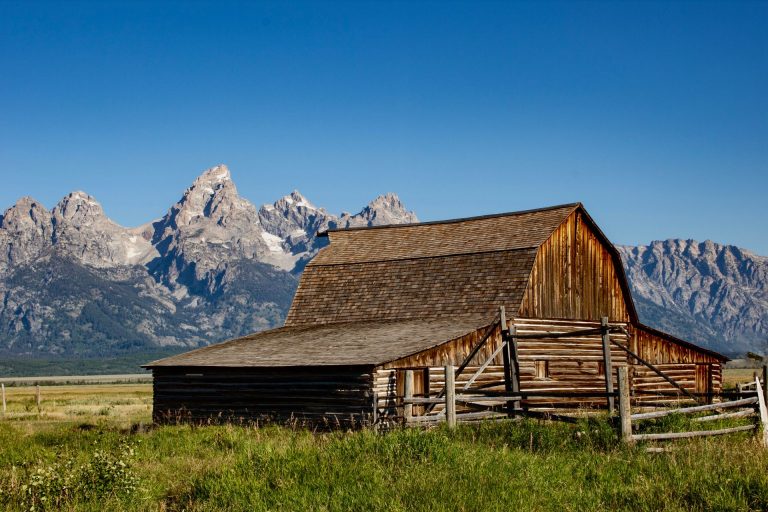
Mountains, ski towns and Yellowstone, the first national park in the world.
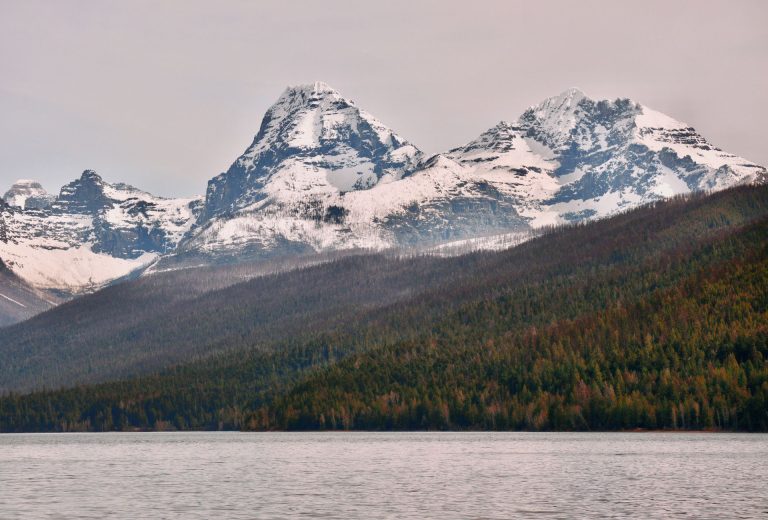
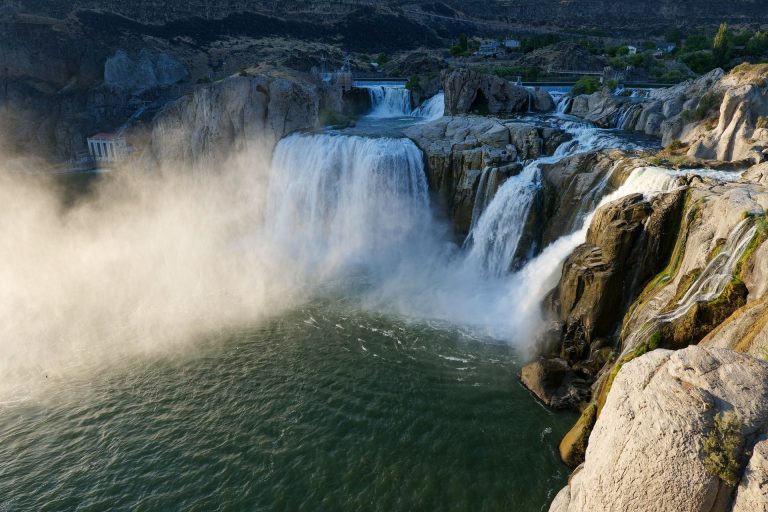
Volcanic islands in the Pacific and the last great wilderness in the north. Both a flight away from everywhere else.
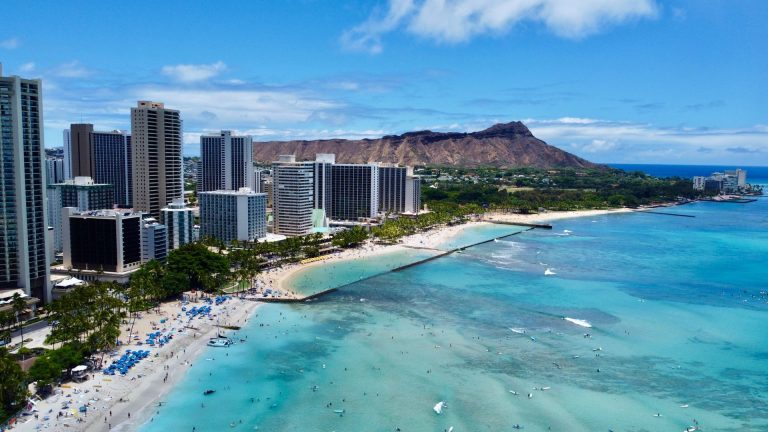
Volcanoes, surf and beaches across the islands, with Honolulu on Oahu as the hub.
The Hawaii guide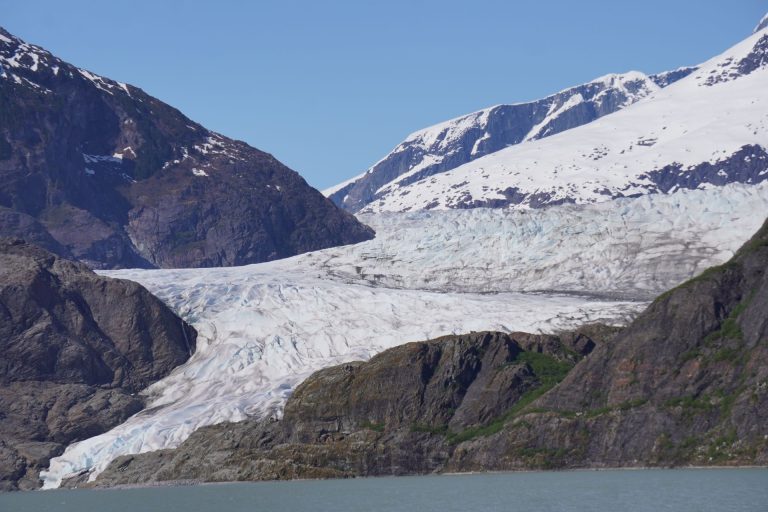
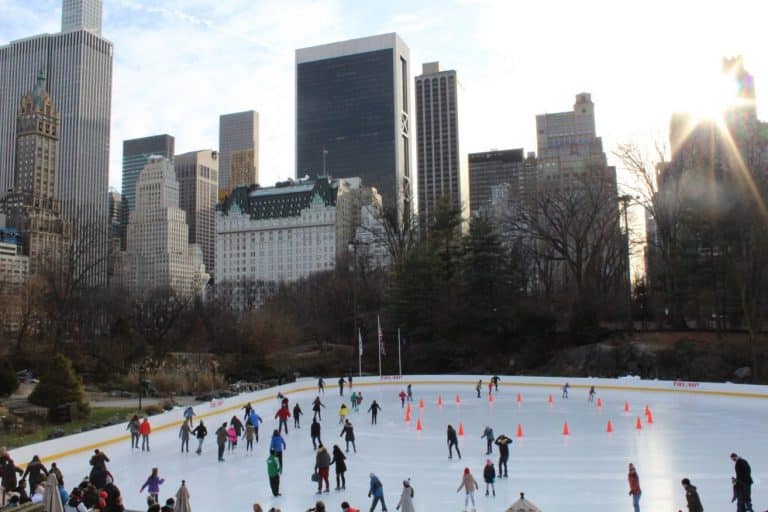
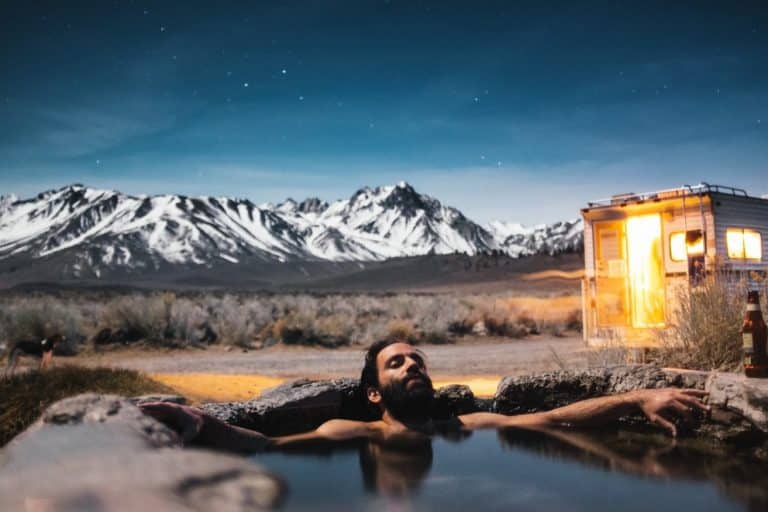
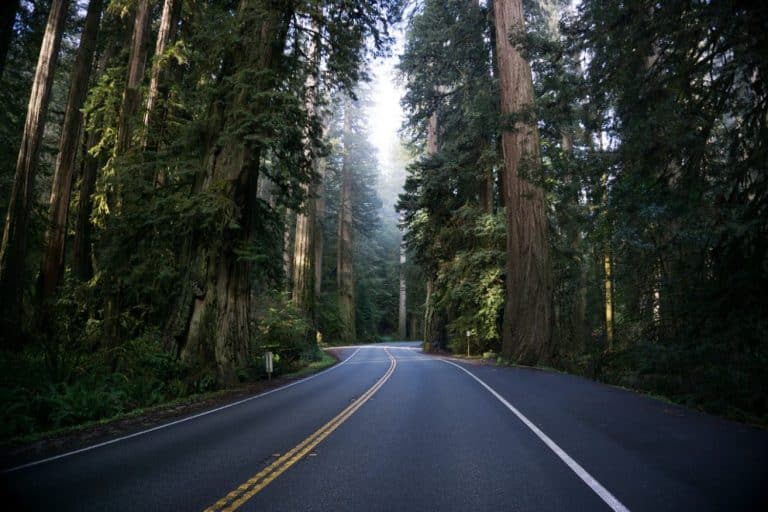
The USA does cities, road trips and national parks, and the parks are what people remember.
A handful of genuinely great cities.
Sixty-three national parks, several the size of countries.
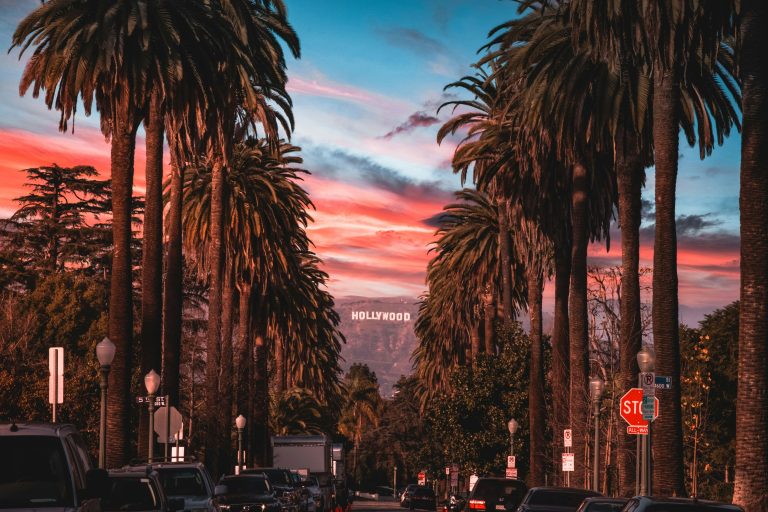
Music cities, museums and civil rights history.
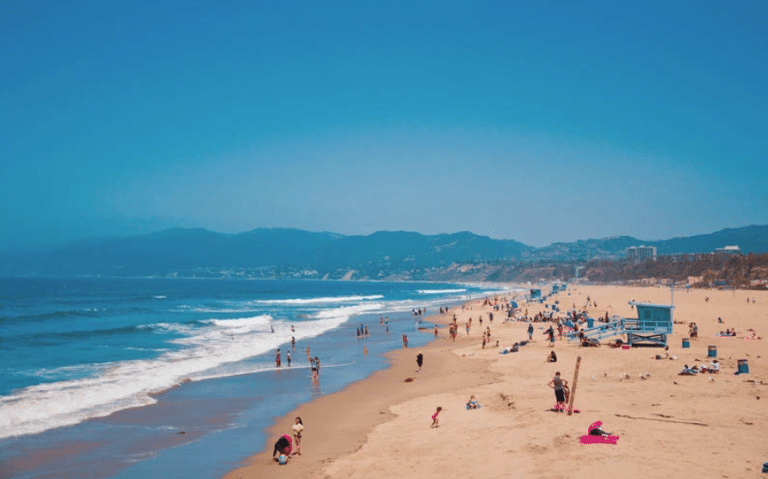
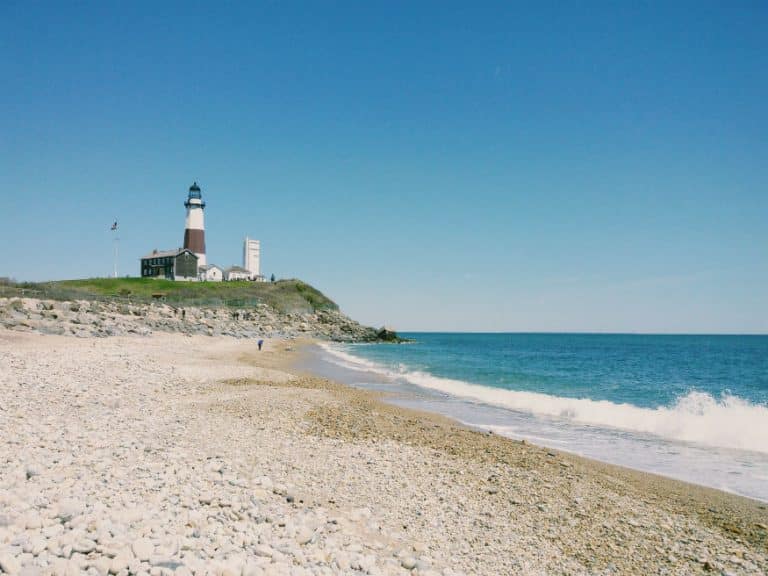
Three coastlines and very different water.
Expensive, and tipping applies to every drink.
Regional and deeply specific — barbecue, Creole, tacos, diners.





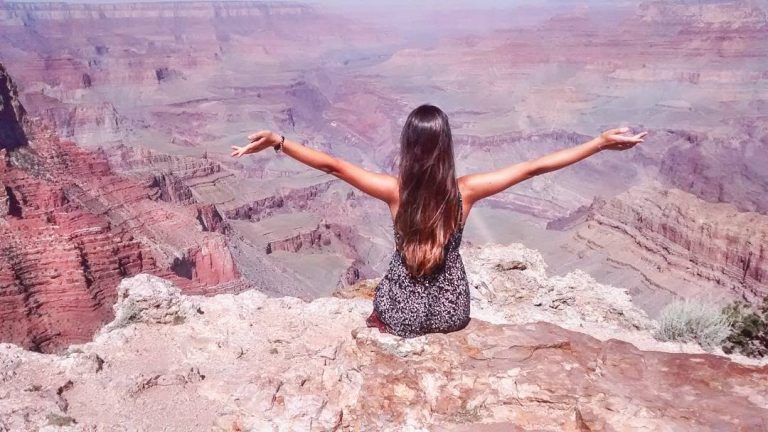
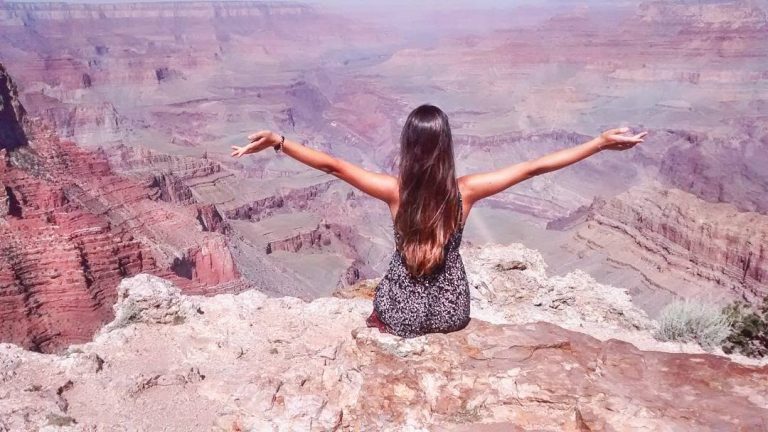
The national parks are the strongest argument for coming. Since January 2026, visitors from outside the USA pay $250 for the America the Beautiful annual pass, which covers entry to all federal parks and lands for a year; US residents still pay $80. Without the pass, non-residents also pay a $100-per-person surcharge at 11 of the busiest parks, including the Grand Canyon, Yosemite, Yellowstone and Rocky Mountain, so if you are visiting more than two of them, the pass is the cheaper option. The Southwest loop from Las Vegas links the Grand Canyon, Zion, Bryce and Arches over ten days.
Book campsites and park lodges months ahead. Several of the busiest parks use timed entry or reservation systems in peak season, and they sell out.
In the cities, New York deserves a week: the Met and the MoMA, Central Park, Brooklyn, and walking neighbourhoods rather than ticking sights. Washington's Smithsonian museums are all free.
New Orleans is the most distinctive city in the country — Creole food, brass bands on the street, and live music on Frenchmen Street rather than Bourbon.
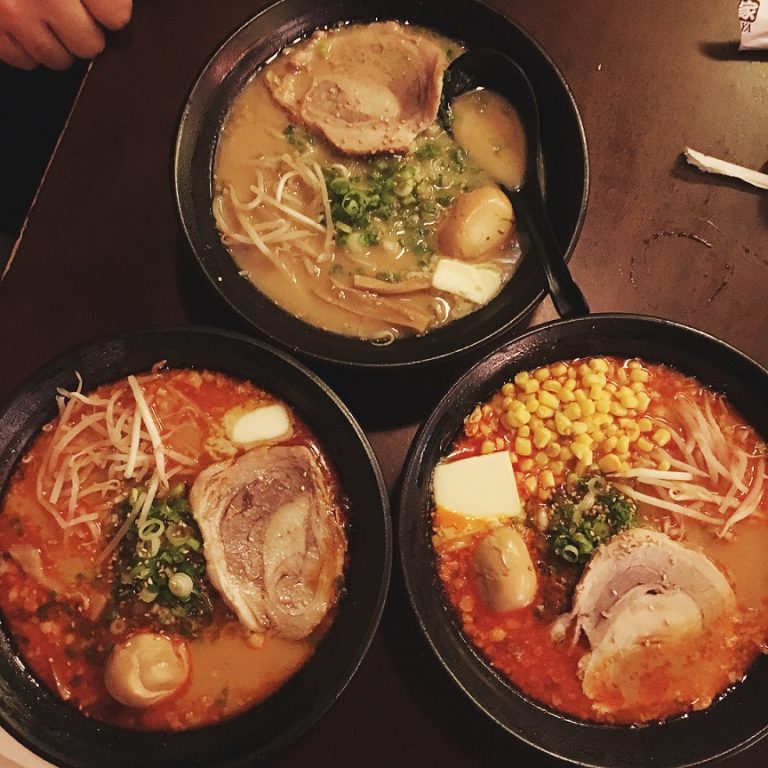
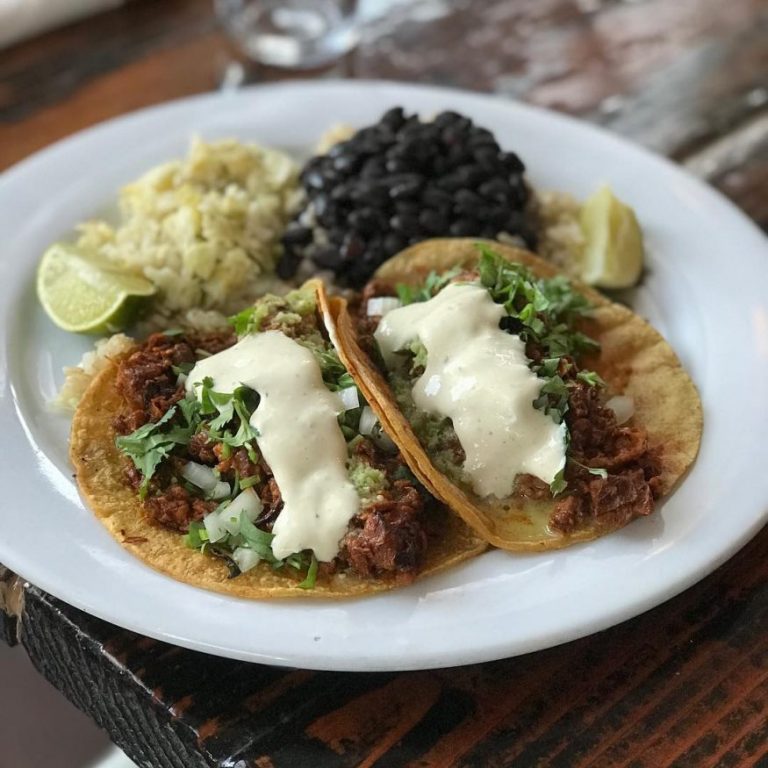
American food is regional and the generalisations are useless. Texas and Memphis do different barbecue and argue about it. New Orleans has Creole and Cajun cooking that exists nowhere else. Los Angeles has the best Mexican food outside Mexico, and New York has the best of most other things.
Diners serve enormous breakfasts for $10 to $18, food trucks and taquerias run $8 to $15, and a sit-down restaurant dinner is $25 to $50 before tip.
Two practical points. Tipping is 18 to 22 per cent and is how staff are paid, so it is not optional. And sales tax is added at the till rather than shown on the price, so everything costs more than the menu says.
Portion sizes are genuinely larger than elsewhere, and sharing or taking leftovers is normal.
New Orleans is the one built for it, with live music every night on Frenchmen Street and a drinking culture that includes going outside with your drink, which is legal there and almost nowhere else.
New York, Chicago and Los Angeles all have deep scenes across neighbourhoods rather than concentrated strips — Brooklyn, Wicker Park, Silver Lake.
The practicalities catch visitors out. The drinking age is 21 and photo ID is checked regardless of how old you look, with foreign passports sometimes refused by venues that only accept US ID. Last call is often 2am outside New York and New Orleans.
A beer is $6 to $10 and cocktails $12 to $18, plus tip on every round.
Fly between regions — domestic flights are frequent and often cheap booked ahead — and drive within them.
A car is essential outside the big cities, and it is how the country is designed. Rental is $40 to $90 a day, fuel is cheap by European standards, and under-25 drivers pay a substantial young driver surcharge. An international permit is not usually required alongside an EU or UK licence.
Amtrak works well in the Northeast corridor between Washington, New York and Boston, and is scenic but slow elsewhere. Greyhound and Flixbus cover intercity routes cheaply.
New York, Chicago, Boston, Washington and San Francisco have usable public transport. Los Angeles, and most of the country, does not.
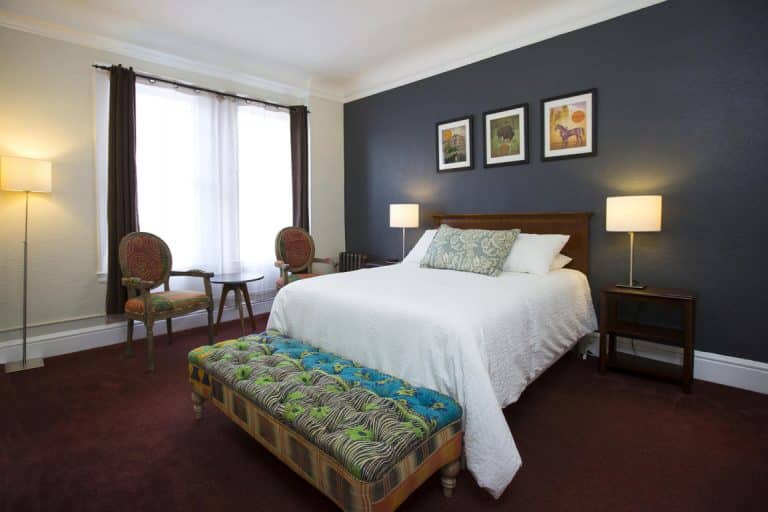
This is an expensive country and the hidden costs make it worse than the sticker price. Dorms start around $45 and run to $80 in New York and San Francisco, restaurant dinners are $25 to $50 before tip, and a beer is $6 to $10.
Add 18 to 22 per cent tipping on food and drinks and sales tax at the till, and a $40 dinner becomes $52.
A day comes to $100 to $180 in cities. The levers are supermarkets and food trucks, hostel kitchens, free museums in Washington, and, if you are visiting several of the big national parks, the $250 annual pass for visitors from abroad.
Health insurance is not optional. Medical care is extremely expensive and an uninsured emergency room visit can run to thousands of dollars.
The USA is safe for most travellers in the places they go, with crime concentrated in specific neighbourhoods rather than spread evenly. Ask locally or at your hostel which areas to avoid at night, because the answer varies block by block in a way that maps do not show.
The single most important thing is health insurance. There is no universal healthcare, an ambulance ride alone can cost over a thousand dollars, and an emergency room visit without cover can be financially serious.
Driving is the most likely risk to a traveller: long distances, high speeds, and distances between fuel stops in the West that catch people out. Check water and fuel before desert drives.
In the national parks, heat kills people in the Grand Canyon and Death Valley every year, altitude affects visitors in the Rockies, and wildlife rules about bears and bison are there because people ignore them and get hurt.
Visa Waiver Program countries — most of Europe, the UK, Australia, Japan and others — need an approved ESTA before travelling, applied for online, valid two years, for stays up to 90 days. The fee is $40. Apply at least 72 hours before departure and only through the official government site, as many lookalike sites charge far more.
Everyone else needs a visa, usually a B-2 tourist visa, which requires an interview at an embassy and can take months to schedule. Start early.
Note that travel to certain countries can make you ineligible for ESTA and require a full visa instead. Passports must be valid for the stay and machine-readable.
Rules change with administrations, so check the official position close to travel.
Too big for one answer. Broadly, spring and autumn work almost everywhere, summer suits the north and the parks, and winter suits the south and the desert.
Average highs for New York. This is a continent — Alaska, Florida, Arizona and Maine share almost nothing climatically. Desert parks are dangerous in midsummer and ideal in spring and autumn.
Pick how you travel and how long for. Per night, for one person, in US dollars, before tip and tax.
Tipping at 18–22% and sales tax added at the till push real costs roughly 30% above menu prices. Car hire at $40–90 a day sits outside these figures.
Two of these fill entire cities, and one shuts the country for a week.
Parades for weeks before Fat Tuesday. Accommodation books a year ahead.
The busiest travel week of the year. Flights and buses fill and prices spike.
Music, film and tech across the whole city for ten days.
The reason a lot of people visit the northeast in autumn.
Fireworks everywhere, and a long weekend that fills the parks.
The start of a summer festival calendar that runs to September.
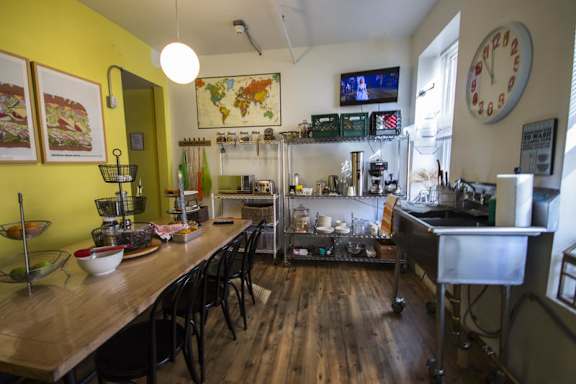
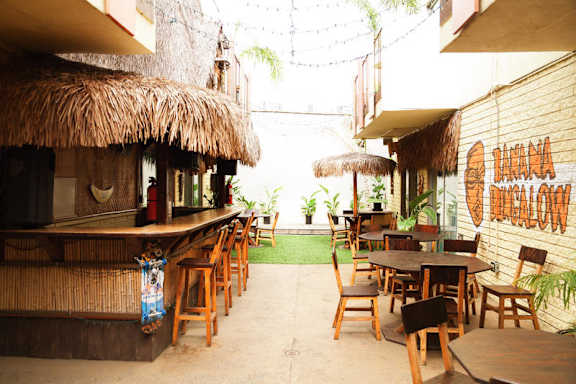
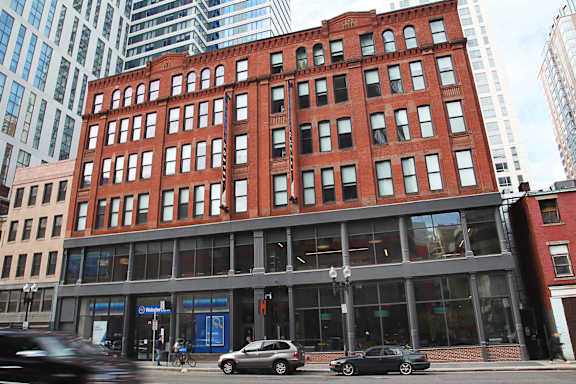
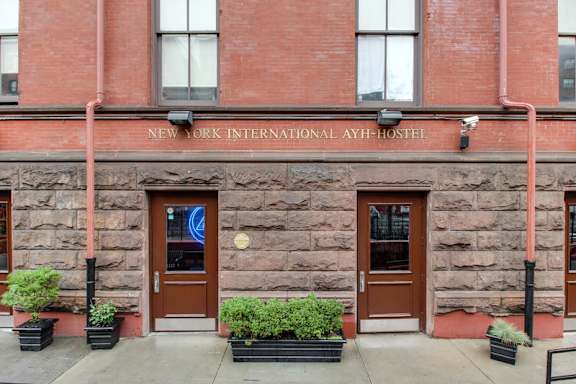
The highest-rated hostels in the country, live from Hostelworld. New York, Los Angeles and San Francisco have the most — outside big cities, motels are the norm.


 Sustainable


The ones we get asked most.

Compare hostels across the USA — live prices, real reviews and free cancellation on most bookings. Then meet the people already there in the app.

 Get the App.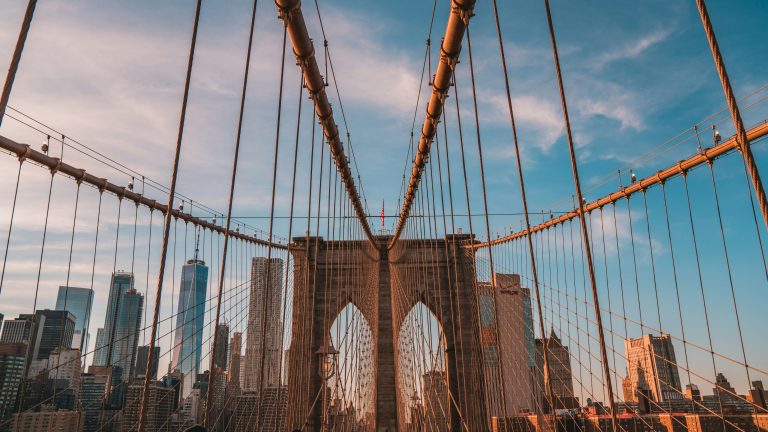











 Get the App.