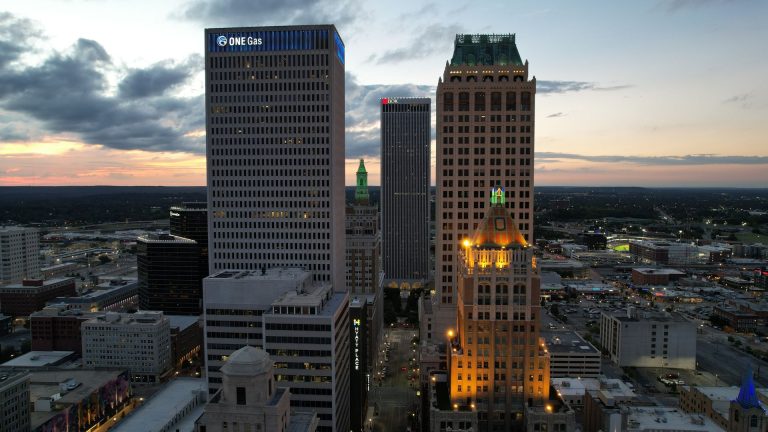
Tulsa
A city of Art Deco, music and history.
Points of interest
- Greenwood Rising
- Gathering Place
- Bob Dylan Center
- Cain's Ballroom

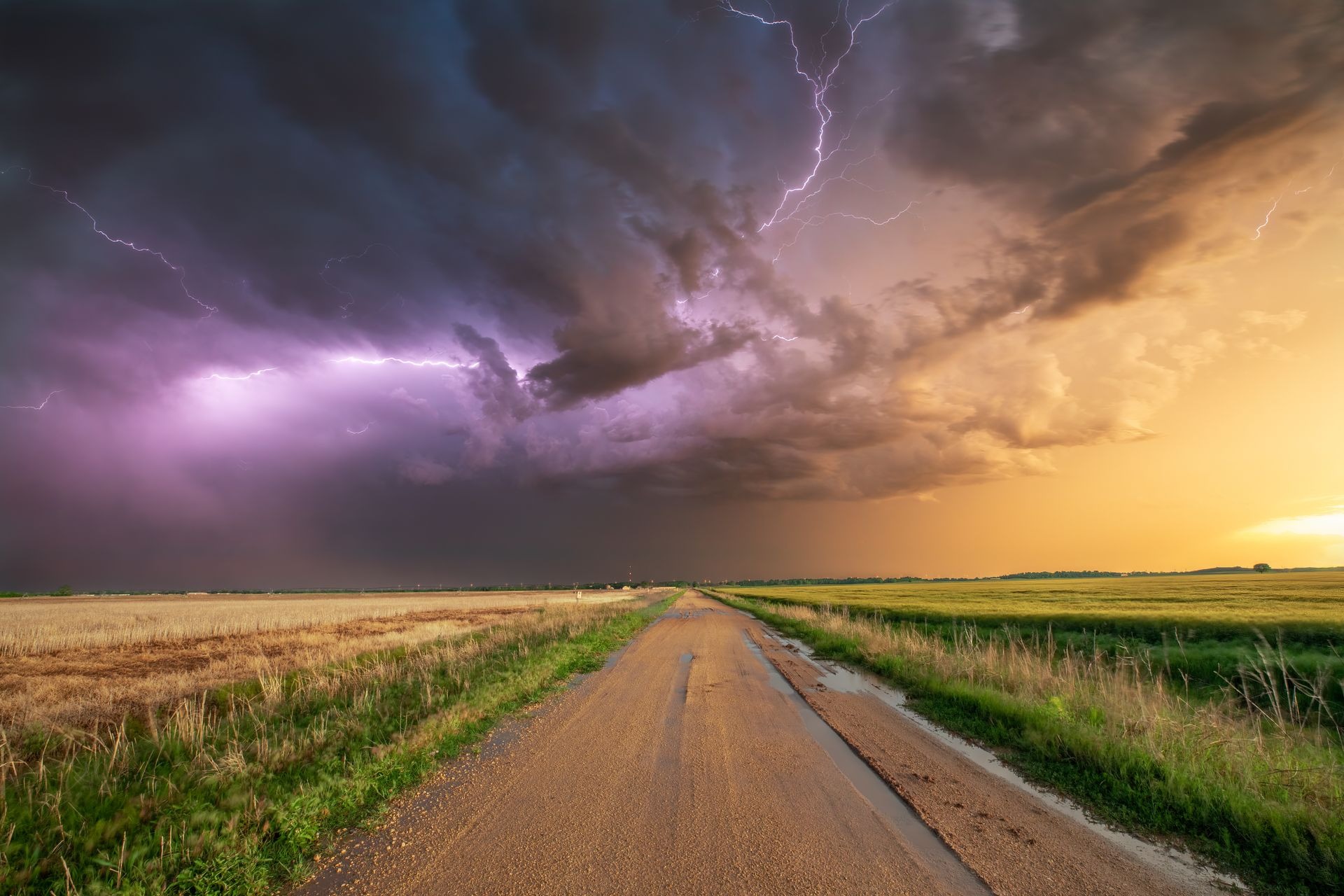
The heart of Route 66, which turns 100 in 2026, Native American history and culture, cowboy heritage, Tulsa's Art Deco and Greenwood district, and the Wichita Mountains.
Oklahoma has more miles of the old Route 66 than any other state, and 2026 marks the road's centenary, with celebrations along the route. It is also home to 39 federally recognised tribal nations, many of them moved here by force in the 19th century along the Trail of Tears, and their cultures are central to the state today.
Oklahoma City has the moving Oklahoma City National Memorial, the National Cowboy and Western Heritage Museum, and the First Americans Museum, which tells the stories of the state's tribal nations. Tulsa has some of the best Art Deco architecture in the USA, the Greenwood district, site of the 1921 Tulsa Race Massacre, now with the Greenwood Rising history centre, the Bob Dylan Center and the Gathering Place, a huge riverside park.
Give Oklahoma two to four days, ideally as part of a Route 66 road trip. Spring and autumn are best; summer is hot and spring brings the risk of tornadoes.
Tulsa and Oklahoma City, both on Route 66.
A city of Art Deco, music and history.
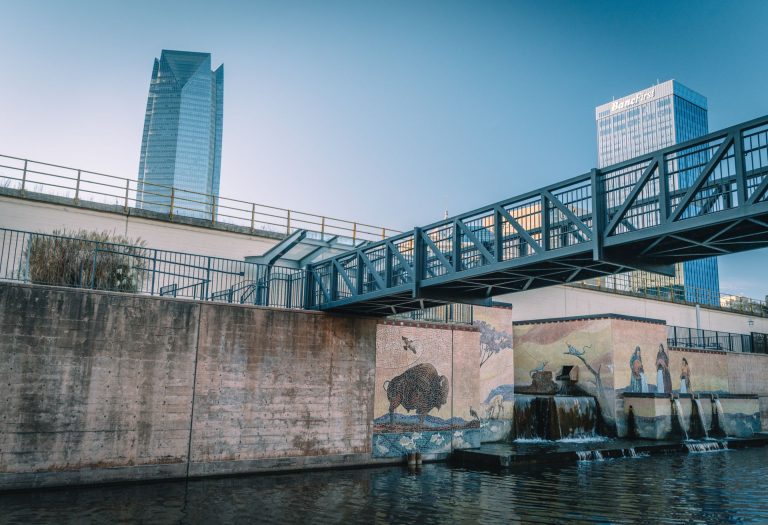
The capital, with major museums.
Route 66 crosses the state from north-east to west, linking Tulsa and Oklahoma City.
The north-east, with Tulsa and the Cherokee Nation's capital at Tahlequah.
The capital and Route 66 towns around it.
Granite mountains, bison and Fort Sill.
Long stretches of Route 66 across the plains.
In Oklahoma City, visit the Oklahoma City National Memorial and Museum, on the site of the 1995 bombing, the First Americans Museum and the National Cowboy and Western Heritage Museum. Bricktown has a canal with water taxis, restaurants and baseball, and Stockyards City has western wear and steakhouses.
In Tulsa, walk the Art Deco buildings downtown, visit Greenwood Rising, which tells the story of Black Wall Street and the 1921 massacre, the Bob Dylan Center and the Woody Guthrie Center, and spend time at the Gathering Place.
Drive Route 66 past roadside classics such as the Blue Whale of Catoosa and the Round Barn in Arcadia. In the south-west, the Wichita Mountains Wildlife Refuge has bison, longhorn cattle and hiking.
The outdoor Oklahoma City National Memorial is free, and so is Tulsa's Gathering Place. Walking Tulsa's Art Deco district and the Bricktown canal costs nothing.
Route 66 roadside attractions such as the Blue Whale of Catoosa are free.
The Wichita Mountains Wildlife Refuge has free entry.
Oklahoma's food is classic heartland: chicken-fried steak, barbecue, onion burgers, invented in El Reno during the Depression, and fried okra. Steakhouses in Stockyards City serve beef from the surrounding ranches.
Indian tacos on fry bread are served at powwows and tribal events. Route 66 diners serve pie and milkshakes.
Food is good value.
Tulsa has a lively music scene, with the historic Cain's Ballroom and bars in the Blue Dome and Brady districts. Oklahoma City's Bricktown, Midtown and the Plaza District have bars and live music.
Red dirt country music is a local style.
Small towns are quiet at night.
Oklahoma City and Tulsa have airports. Amtrak's Heartland Flyer runs from Oklahoma City to Fort Worth in Texas.
A car is essential for Route 66 and the countryside. Some turnpikes have tolls, often paid by plate.
Oklahoma City has a streetcar downtown.
Oklahoma is one of the cheapest states in the USA for travellers. Motels and budget hotels are good value, and food is cheap.
Sales tax is around 8 to 9 per cent with local taxes. Tip 18 to 22 per cent in restaurants.
Museums charge modest entry.
Oklahoma is generally safe for travellers. Take normal city care at night.
Severe weather is the main risk: Oklahoma is in Tornado Alley, and tornadoes are most common in spring. Follow weather alerts, know where to shelter, and take warnings seriously.
Summer is very hot. In an emergency, call 911.
Route 66 at 100, powwows and festivals.
Celebrations for 100 years of the Mother Road.
A major Native American cultural festival and powwow.
A big state fair with rides and food.
April to May and September to October are the best months. Summer is hot, and spring is tornado season. Winter is cool, with occasional ice storms.
Average highs for Oklahoma City, rounded.
Per night, for one person, based on Oklahoma prices.
Treat these as a guide. Car hire costs extra.
The ones we get asked most.

Compare hostels across the USA: live prices, real reviews and free cancellation on most bookings. Then meet the people already there in the app.

 Get the App.



 Get the App.