Juayúa
Food fair, waterfallsThe main town on the route.

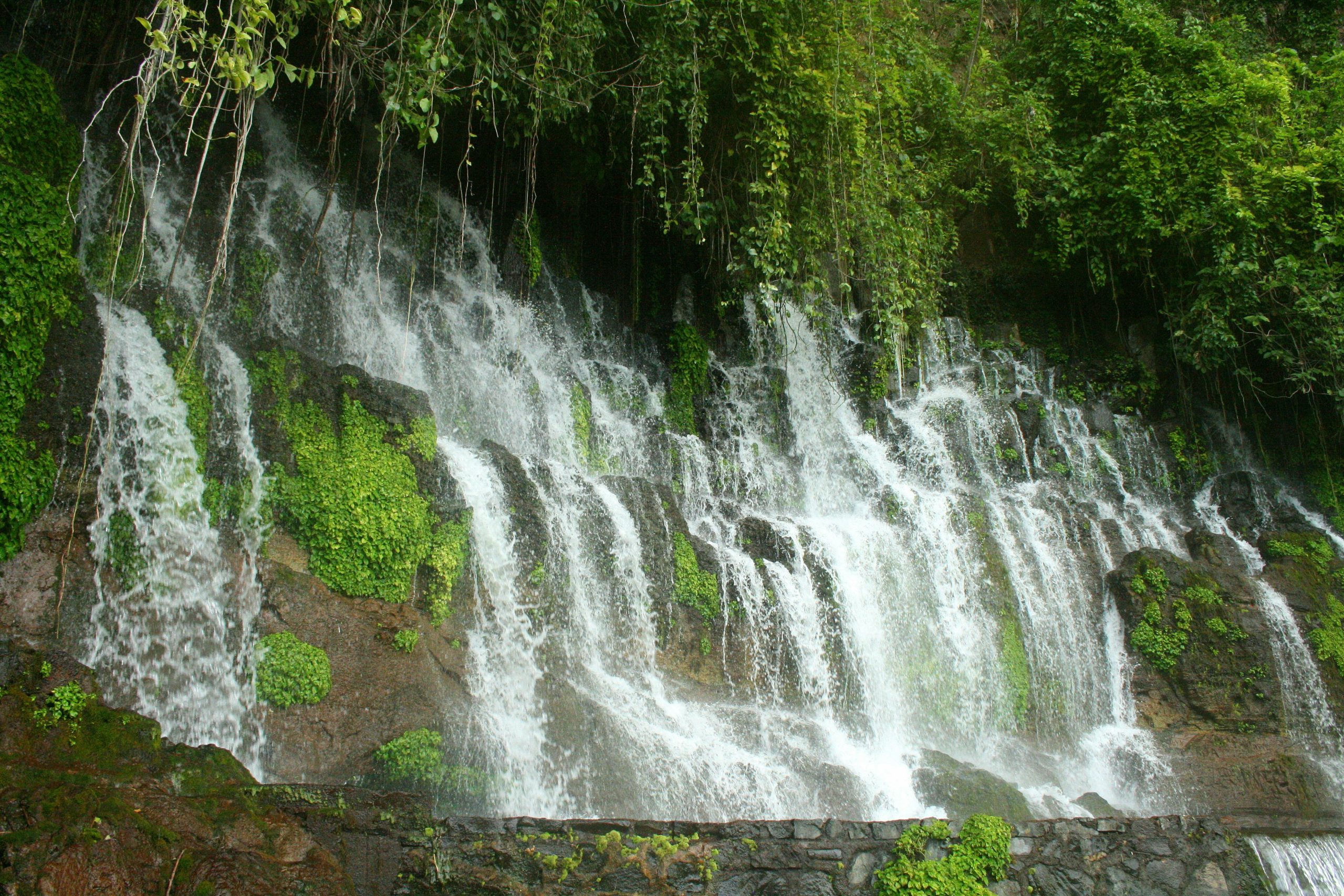
The best base on the Ruta de las Flores: a weekend food fair that fills the main square, a guided hike to seven waterfalls, coffee farms on the hills, and the murals of Ataco and the crater lakes of Apaneca close by.
Juayúa is a small highland town at about 1,000 metres in the west of El Salvador, on the Ruta de las Flores, a road of around 36 kilometres that winds through coffee country between Sonsonate and Ahuachapán. The route is named for the wild flowers that bloom along it from October to February.
Every weekend, Juayúa's square fills with the Feria Gastronómica, a food fair where stalls grill everything from rabbit and frogs to seafood and steaks, and Salvadorans come from all over to eat. The town's church holds the Cristo Negro, a black Christ statue that draws pilgrims.
From Juayúa, guided walks lead to the Siete Cascadas, a chain of waterfalls in the hills, and buses run along the route to Apaneca, with its zip lines and crater lakes, and Concepción de Ataco, a colonial town covered in murals. Give the area two or three days, and time it for a weekend.
Juayúa for the food fair and waterfalls, or Ataco for murals and cafes.
The main town on the route.
The highest town on the route.
A colonial town of murals.
Orange labels are neighbourhoods, dots are the 11 top-rated hostels. Map data from OpenStreetMap contributors.
Eat your way around the Feria Gastronómica on Saturday or Sunday. Hike to the Siete Cascadas with a local guide, wading and climbing up a chain of waterfalls, and swim at Los Chorros de la Calera.
Tour a coffee farm to see how Salvadoran coffee is grown and roasted, and visit the Cristo Negro in the town church.
Take the bus along the route to Apaneca for zip lines and the crater lakes of Laguna Verde, and to Concepción de Ataco for murals, craft shops and cafes.
Walking the food fair, the square and the church costs nothing; only the food does.
Wandering the murals of Ataco and the market streets of Apaneca is free.
The waterfall hike needs a guide, and zip lines and coffee tours charge.
The Feria Gastronómica is the reason to come: plates of grilled meat, fish and stews cost €4 to €8. During the week, pupuserías and comedores serve pupusas for €0.50 to €1 and set lunches for €3 to €5.
The coffee is excellent, and Ataco has good cafes.
Many restaurants add a 10 per cent tip to the bill, so check before adding more.
The Ruta towns are quiet at night. Juayúa has a couple of bars around the square, busier on fair weekends.
Most evenings are dinner and an early night in the cool mountain air.
Beer costs €1 to €2.
From San Salvador, take a bus to Sonsonate, then a local bus up to Juayúa, about two and a half hours in all. Tourist shuttles connect with El Tunco, Santa Ana and Guatemala.
Local buses run along the Ruta de las Flores between Juayúa, Apaneca, Ataco and Ahuachapán every few minutes by day.
The towns are small and walkable.
Beds start at around €9 to €15 a night. Pupusas cost €0.50 to €1, and food fair plates €4 to €8.
The waterfall hike costs about €10 to €20 with a guide, and coffee tours and zip lines are a little more.
El Salvador uses the US dollar. Bring small notes, as many places will not take $50 or $100 notes.
Juayúa and the Ruta towns are calm and friendly. Do the waterfall hike with a registered local guide, not alone, as the trails are remote.
Rocks around the waterfalls are slippery, and water levels rise after rain.
Avoid travelling between towns after dark. Do not drink the tap water; bottled and filtered water is cheap everywhere. In an emergency, call 911.
Towns, lakes and waterfalls.
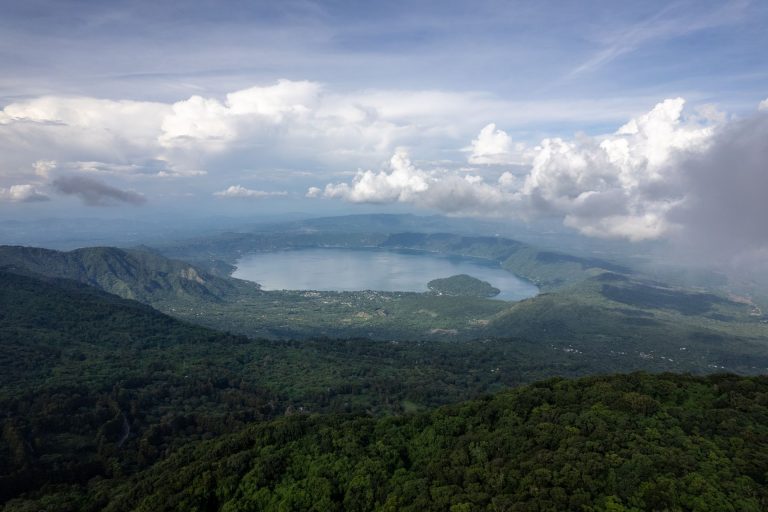
The volcano city.
The weekly fair and festivals.
Food stalls fill the square.
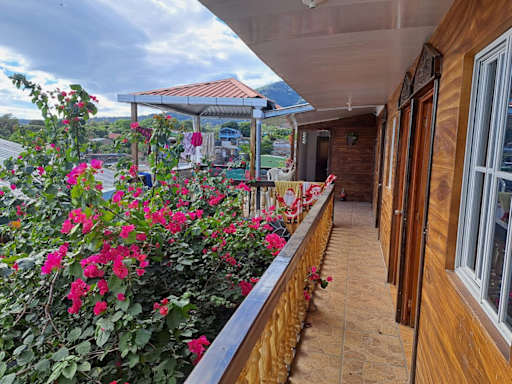
Wild flowers along the road.
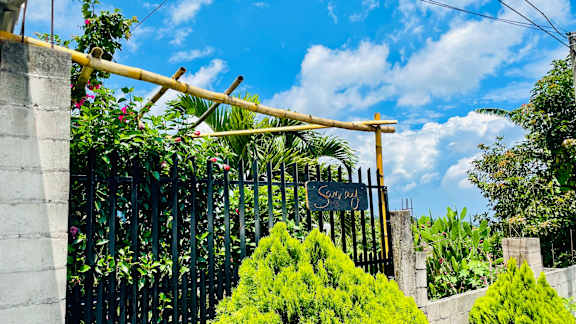
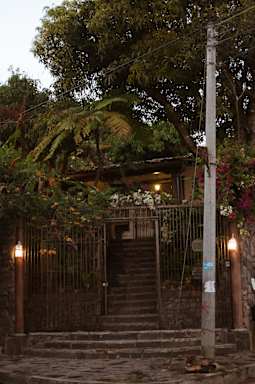
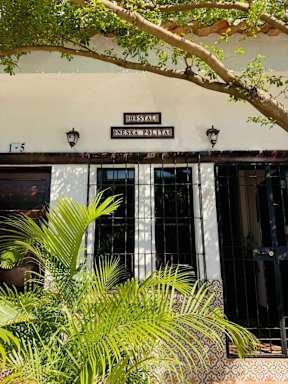
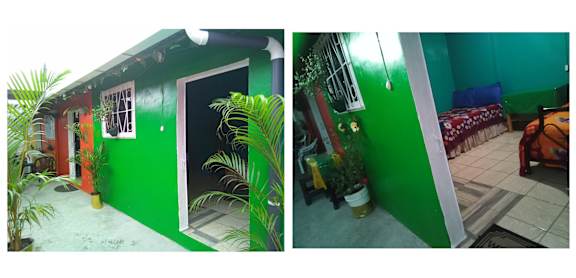
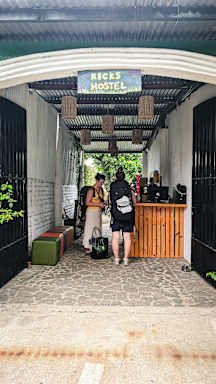
The highest-rated hostels in Juayúa, live from Hostelworld. Prices and availability are live on each property page.
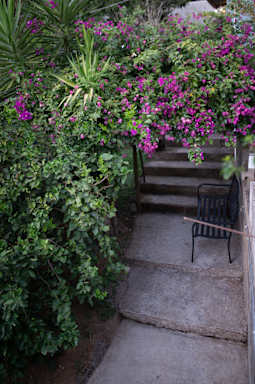
November to April is the dry season, and the flowers bloom from October to February. May to October brings afternoon rain and fuller waterfalls.
Average highs, rounded. Cooler than the coast.
Per night, for one person, based on Juayúa prices.
Treat these as a guide. Tours cost extra.
The ones we get asked most.

Compare hostels across El Salvador: live prices, real reviews and free cancellation on most bookings. Then meet the people already there in the app.

 Get the App.



 Get the App.