Grand-Bourg
Ferry, shopsThe main town.

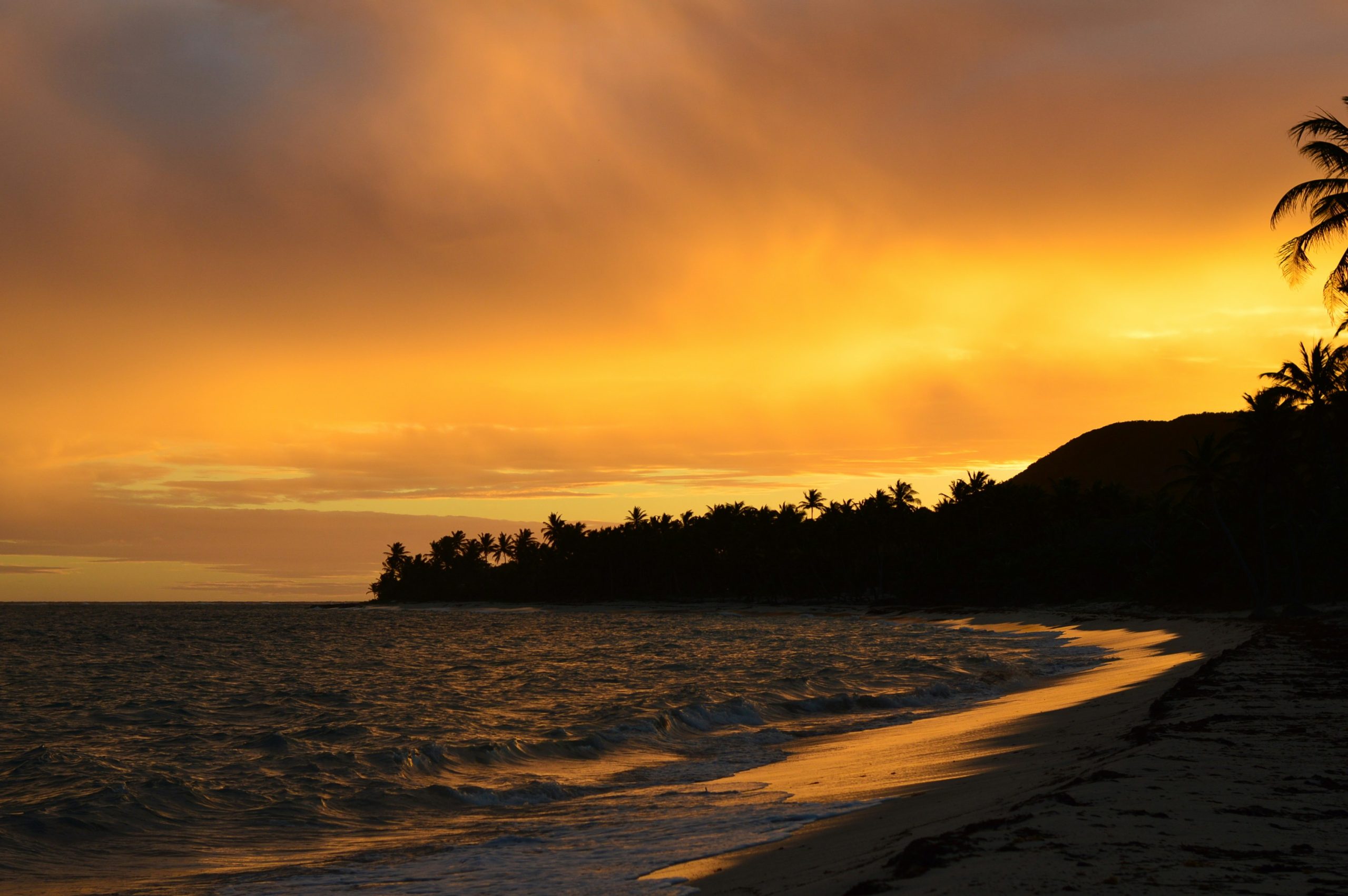
A round, flat island south-east of Grande-Terre, called the island of a hundred windmills: rum distilleries, ox carts in the cane fields, empty white beaches, sea cliffs, and a slow, rural pace.
Marie-Galante is a round, flat island about 30 kilometres south of Grande-Terre, home to around 10,000 people. Its nickname, the island of a hundred windmills, comes from the stone sugar mills that once dotted its cane fields, and sugar cane is still everywhere, sometimes still pulled by ox carts.
The island is known for rhum agricole, and its three distilleries, Bielle, Bellevue and Père Labat, are open for visits and tastings. Their strong white rum, often bottled at 59 degrees, is famous across the French Caribbean.
The coast has some of the emptiest beaches in Guadeloupe, such as the Plage de la Feuillère at Capesterre and the long beach at Grand-Bourg, and the north has dramatic cliffs and the Gueule Grand Gouffre, a sinkhole open to the sea. The Habitation Murat is a former sugar plantation and museum. Give it two or three days.
Grand-Bourg for the ferry and shops, Capesterre for beaches, or Saint-Louis for the north.
The main town.
The south-east coast.
Beaches and a second port.
Map data from OpenStreetMap contributors.
Tour the island's three rum distilleries, Bielle, Bellevue and Père Labat, and taste the rum at each. Visit the Habitation Murat, a restored plantation house and museum on the history of sugar and slavery, and the Moulin de Bézard, a restored windmill.
Spend days on the beaches: the Plage de la Feuillère at Capesterre, Anse Canot and the beaches near Saint-Louis.
Drive to the north coast to see the Gueule Grand Gouffre, a sinkhole carved by the sea, and the cliffs and natural arch at Caye Plate.
The beaches, the cliffs of the north coast and the Gueule Grand Gouffre are free.
Distillery visits and most tastings are free.
The Habitation Murat and the windmill charge small fees.
Marie-Galante is a little cheaper than the main island. Beach restaurants and lolos serve grilled fish, conch and Creole plates for €12 to €20, and bokits for €5 to €9.
Try bébélé, a hearty local stew of tripe, green bananas and dumplings, and the island's coconut sweets.
Service is included in restaurant prices, as in France; leaving a little extra for good service is appreciated but not expected.
Marie-Galante is quiet at night, with a few bars in Grand-Bourg and Capesterre.
The Terre de Blues festival, usually at Pentecost, brings music and crowds.
Ti-punch with local rum is the drink.
Ferries run from Pointe-à-Pitre to Grand-Bourg in about an hour, several times a day, and some sail from Saint-François. Small planes also fly from Pointe-à-Pitre.
Rent a car or scooter on arrival, as buses are few.
Roads are quiet and the island is small enough to cross in half an hour.
Gîtes and guesthouses start at around €30 to €60 a night. Plates cost €12 to €20.
Return ferries cost about €40 to €60, and car rental about €40 to €60 a day.
Carry some cash, as not all small businesses take cards.
Marie-Galante is very safe. Rum here is very strong, so drink carefully, especially if driving.
The cliffs in the north have no barriers; stay back from the edges. The Atlantic east coast has strong currents.
Tap water is treated, but supply cuts and quality notices are common, so many people drink bottled water. In an emergency, call 112.
Blues, rum and holidays.
A music festival.
Sunny days.
December to April is the dry season. Marie-Galante is dry and sunny for much of the year. June to November is the wet season, with hurricane risk.
Average highs, rounded. Dry and breezy.
Per night, for one person, based on Marie-Galante prices.
Treat these as a guide. Ferries and car rental cost extra.
The ones we get asked most.

Compare places to stay across Guadeloupe: live prices, real reviews and free cancellation on most bookings. Then meet the people already there in the app.

 Get the App.



 Get the App.