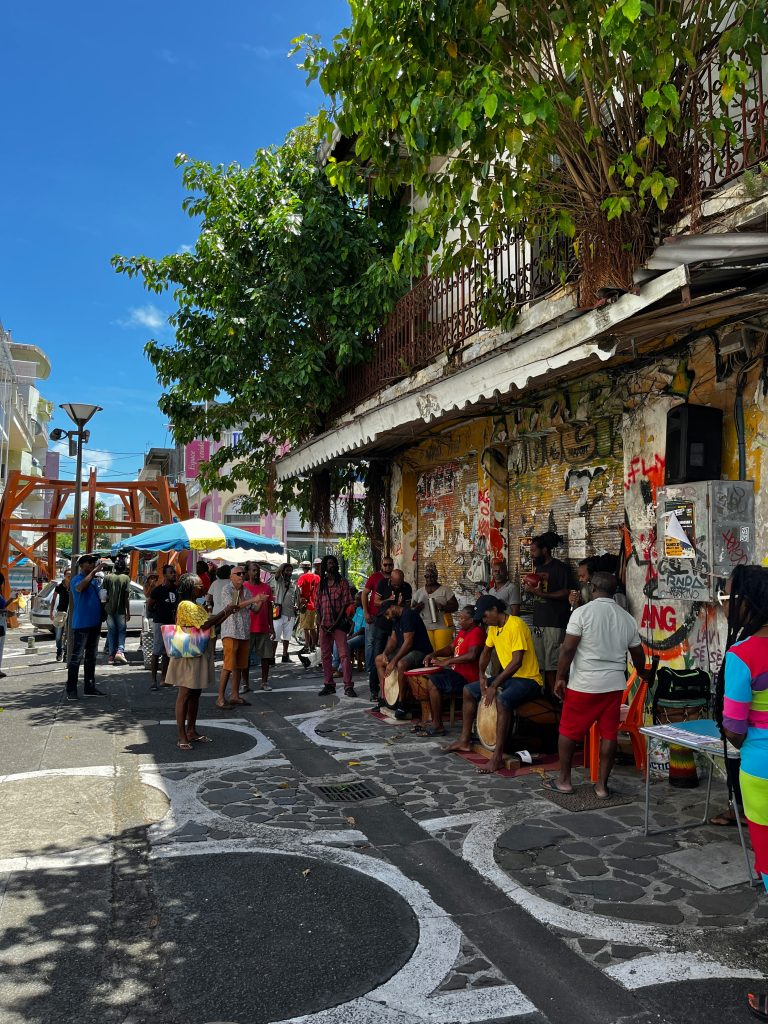
Pointe-à-Pitre
The main city and port, with a market, the ACTe memorial museum and ferry links.

A butterfly-shaped archipelago that is legally part of France: an active volcano, a rainforest national park, and euros in the Caribbean.
Guadeloupe is an overseas department of France, which means euros, French administration, EU healthcare arrangements and baguettes — alongside Creole culture, gwoka drumming and a Caribbean climate.
The main island is shaped like a butterfly. Basse-Terre, the western wing, is mountainous and green, with a national park covering much of it, the Carbet waterfalls, and La Soufrière, an active volcano you can climb in a few hours. Grande-Terre, the eastern wing, is flat, drier, and has the beaches and most of the tourism.
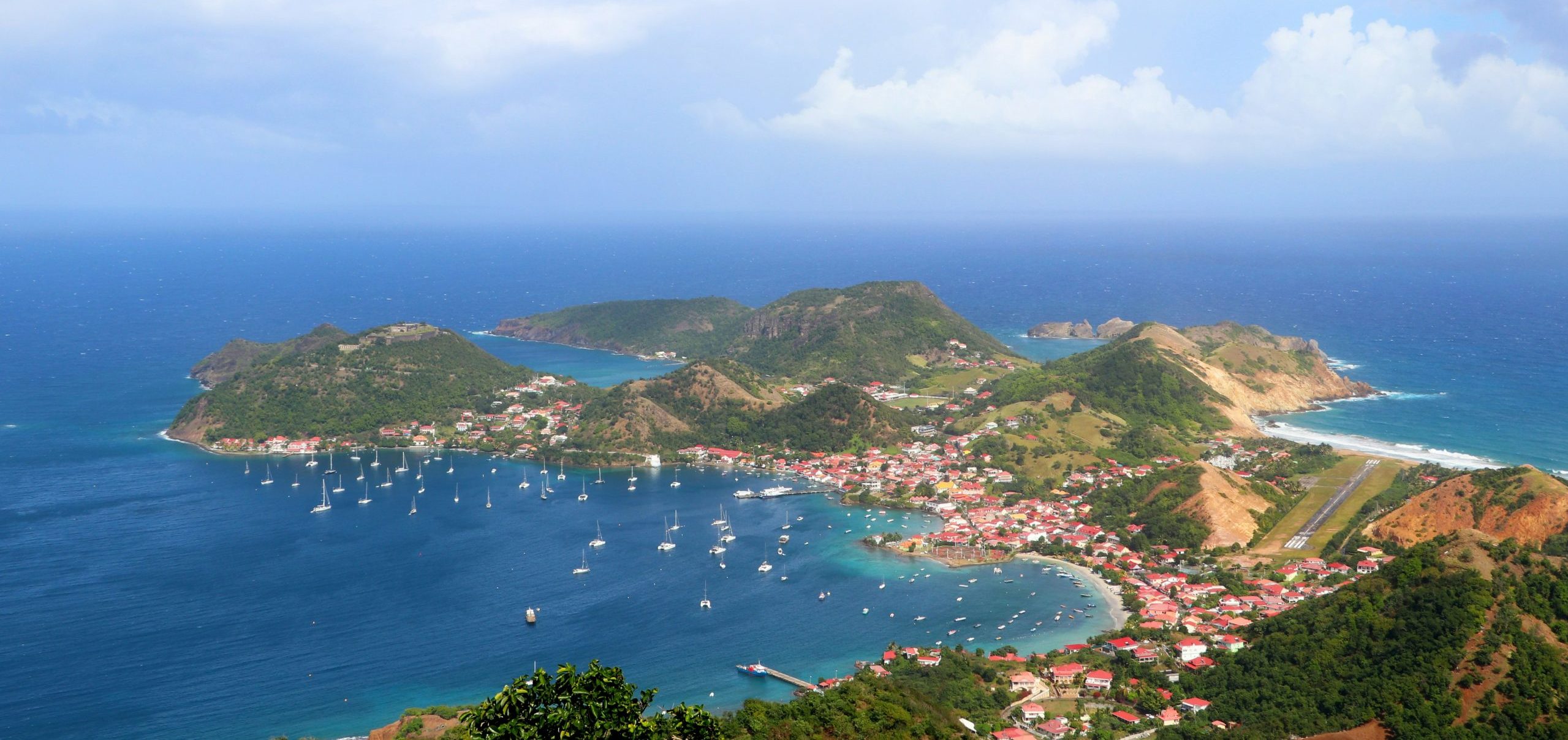
Offshore, Les Saintes is a small archipelago with one of the most beautiful bays in the world by common reckoning, and Marie-Galante is flat, rural and known for rum.
Ten days covers both wings and an island. French helps enormously — English is limited outside hotels.
Ferries link the islands. A hire car is the practical way around the main one.
The main city and port, with a market, the ACTe memorial museum and ferry links.
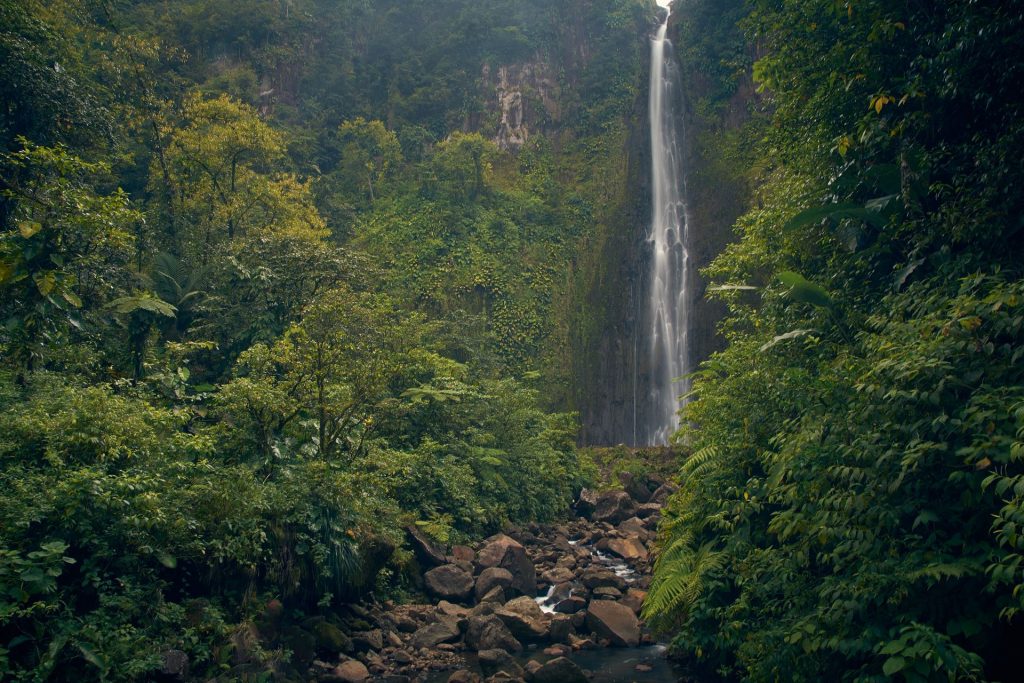
The mountainous wing: national park, waterfalls and La Soufrière volcano.
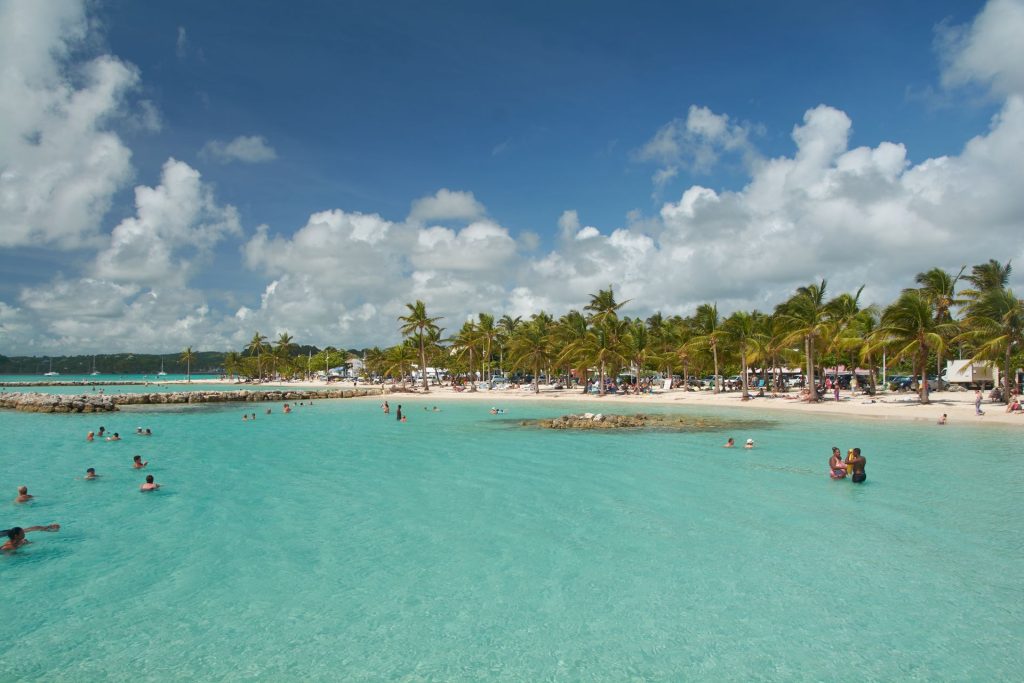
Grande-Terre's beach town, with calm lagoon water and a lively market.
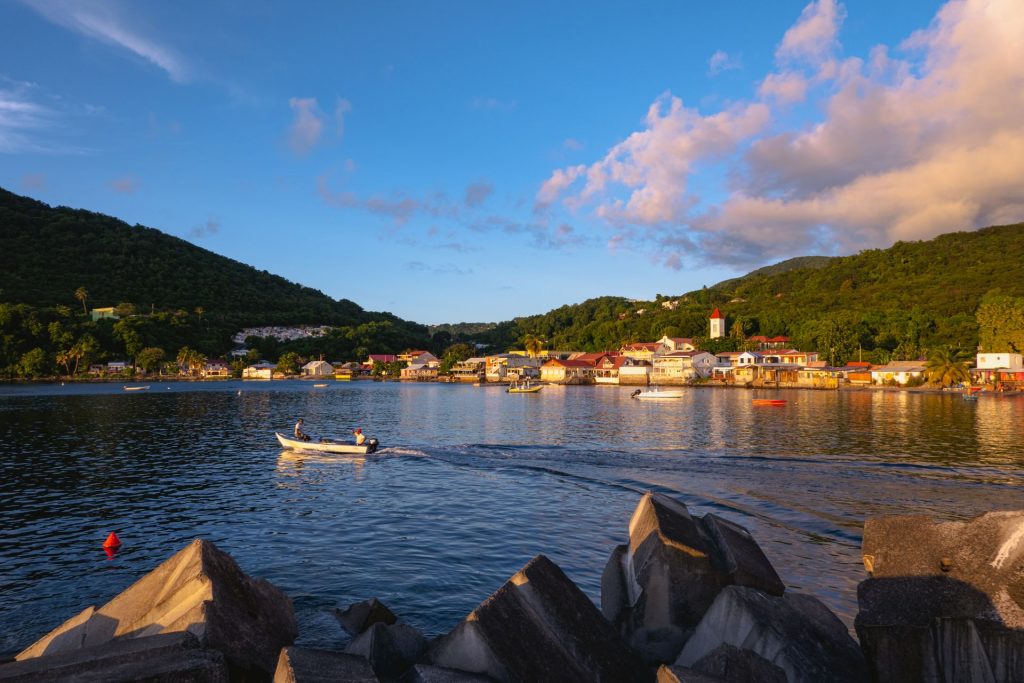
A fishing village in the north-west, with beaches and a botanical garden.
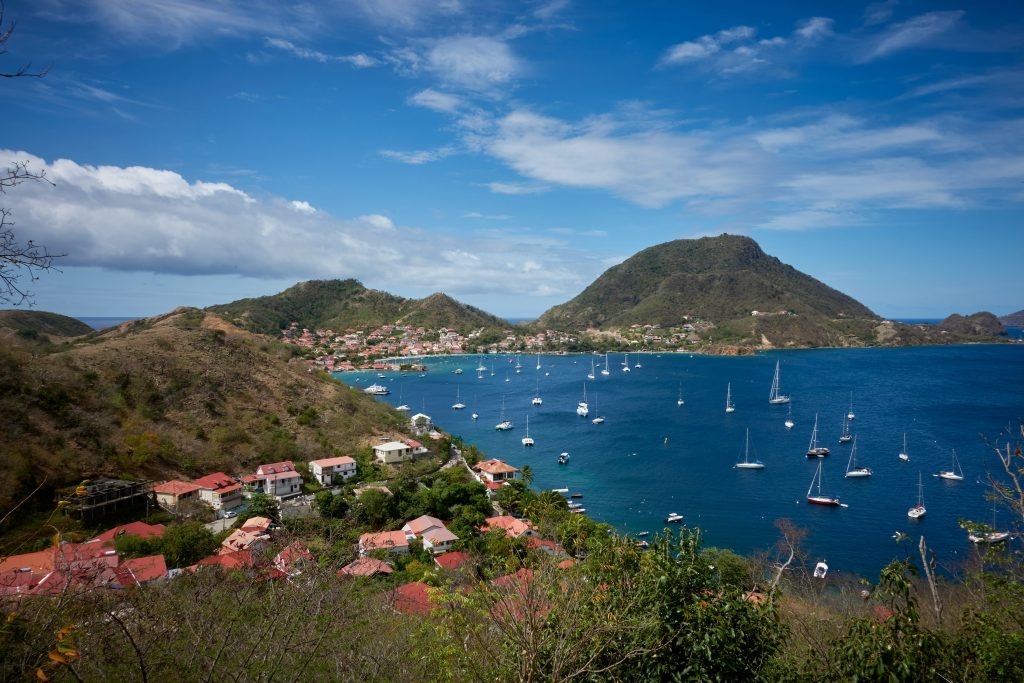
An archipelago offshore with a famous bay, Terre-de-Haut being the main island.
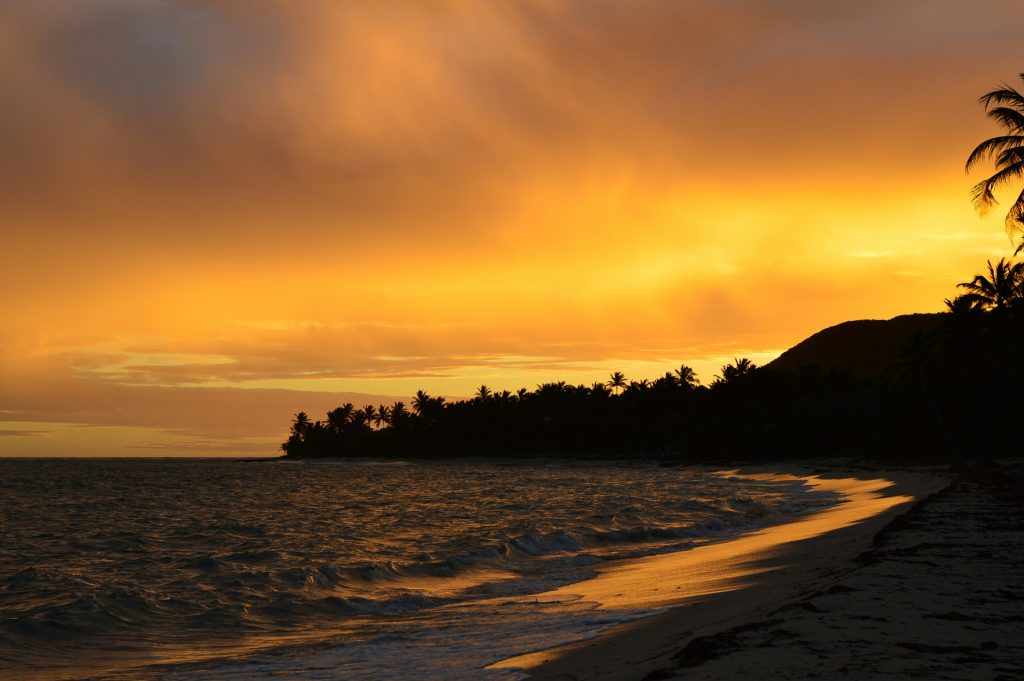
Flat, rural and quiet, with rum distilleries and empty beaches.
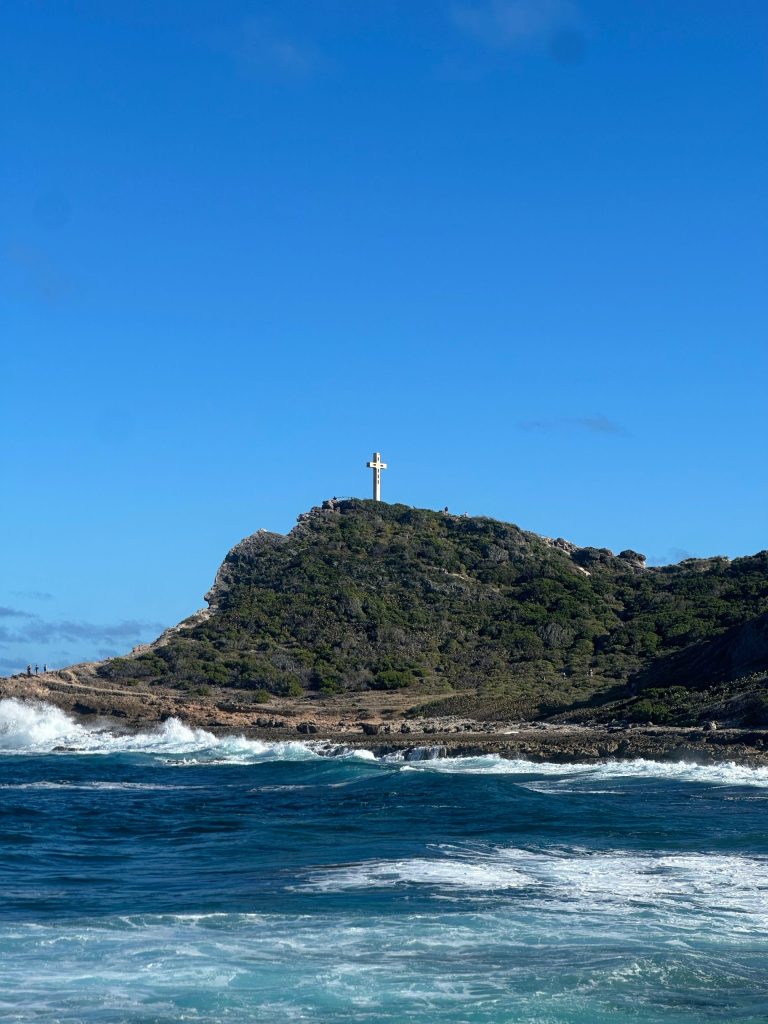
The eastern tip of Grande-Terre: the cliffs of Pointe des Châteaux, white coves and boats to Petite-Terre.
Guadeloupe is a hiking and beach trip with French food and Creole culture.
A volcano, a rainforest park and waterfalls.
Calm lagoons on one wing, wild coast on the other.
Creole cooking and French baking in the same place.
Gwoka drumming, Creole identity and a slavery memorial museum.
Pricey, with supermarkets and bokits as the answer.
Pointe-à-Pitre for a day, mainly for the museum and market.
La Soufrière is the headline hike: an active volcano at 1,467 metres, climbed in about two hours from the car park at Savane à Mulets, with sulphur vents and craters at the top and a view over the island when the cloud clears, which is not often. Check the volcano's alert status before going.
The Guadeloupe National Park covers much of Basse-Terre, with the Carbet waterfalls — three of them, the second the most accessible — and a network of trails through rainforest.
The Cousteau Reserve off Malendure is the diving and snorkelling site, named after Jacques Cousteau who called it one of the world's best, with turtles reliably present.
The Mémorial ACTe in Pointe-à-Pitre is a serious museum on slavery and the Caribbean slave trade, built on a former sugar factory site, and it is among the most significant of its kind anywhere.
Creole cooking and French technique sit side by side. Accras de morue — salt cod fritters — and boudin créole are the standard starters, colombo is the curry brought by Indian indentured labourers, and court-bouillon is fish in a tomato and lime sauce.
The bokit is the cheap street food: fried dough stuffed with chicken, saltfish or cheese, sold from roadside vans for €5 to €9, and it is the best value meal on the island.
French bakeries are everywhere and prices are close to metropolitan France, which means a decent baguette and pastries for very little.
Rhum agricole, distilled from cane juice rather than molasses, is the regional product, and distilleries on Marie-Galante and Basse-Terre run tastings. Ti-punch — rum, lime and cane syrup — is the local drink.
Nightlife is low-key and mostly around Le Gosier and Sainte-Anne on Grande-Terre, where beach bars and restaurants stay open into the evening, and in Pointe-à-Pitre at weekends.
Gwoka, the Guadeloupean drumming tradition, is UNESCO-listed and performances or informal léwòz gatherings are the most distinctive night out available — ask locally, as they are not advertised for tourists.
Ti-punch is the drink, made at the table from rum, lime and cane syrup, and beer is around €3 to €5.
Carnival runs from January to Ash Wednesday and is substantial here, with weekly parades building through the season and a strong emphasis on drumming rather than soca.
A hire car is close to essential. Buses exist and connect the main towns, but they run to their own schedule, stop early and do not reach most trailheads or beaches. Rental is €35 to €60 a day and the roads are good, French-standard and signed in French.
Ferries link Pointe-à-Pitre and Trois-Rivières with Les Saintes in 20 to 60 minutes, and Marie-Galante in about an hour, with several sailings daily.
Driving is on the right, as in France, and an EU licence is valid without any additional permit.
Traffic around Pointe-à-Pitre at rush hour is genuinely heavy for an island this size.
Guadeloupe is priced like France with import costs on top, which makes it expensive by Caribbean standards for food and accommodation alike.
Dorms and gîtes start around €25 to €60, restaurant mains are €18 to €35, and a beer is €3 to €5.
A day comes to €60 to €110.
The savings are French ones: supermarkets are well stocked and reasonable, bakeries are cheap, bokits from roadside vans cost €5 to €9, and gîtes — self-catering cottages — are far better value than hotels for a few days.
The euro removes exchange questions for European visitors, cards work everywhere, and EU healthcare arrangements apply, which is a genuine advantage over the rest of the Caribbean.
Guadeloupe is generally safe, with French policing and infrastructure. Theft from parked cars at trailheads and beaches is the most common problem reported, and it is common enough that leaving anything visible in a hire car is a mistake.
Pointe-à-Pitre has areas best avoided at night, as in any city.
The natural hazards matter more. La Soufrière is an active volcano with a monitored alert level that does restrict access, and weather on the mountain changes fast. Currents on the Atlantic east coast of Grande-Terre are strong and several beaches there are not safe for swimming.
Hurricane season runs June to November and the island is exposed. Sargassum seaweed has affected some south and east coast beaches seasonally in recent years.
Guadeloupe is an overseas department of France and part of the European Union, so EU and Schengen-area citizens can enter with an identity card or passport and stay without restriction.
UK, US, Canadian and Australian citizens generally enter visa-free for up to 90 days, as they would for France, though Guadeloupe is not in the Schengen area itself — days spent here do not count against a Schengen allowance, and a Schengen visa is not automatically valid.
Check the current position for your nationality, as the distinction between French territory and the Schengen area catches people out.
December to April is the dry season, known locally as carême. The wet season, hivernage, runs June to November with hurricane risk.
Average highs for Pointe-à-Pitre. Basse-Terre is considerably wetter than Grande-Terre — the rainforest and volcano side gets several times the rainfall — which is worth knowing when planning hikes.
Pick how you travel and how long for. Per night, for one person, in euros.
A hire car at €35–60 a day is close to essential here and sits inside the transport line. Gîtes and supermarkets are what bring a longer stay down.
Carnival here runs for two months and is drum-driven rather than soca.
Weekly parades building for two months, driven by gwoka drumming rather than soca.
A parade of women cooks in traditional dress, a Guadeloupean institution since the 19th century.
The finish of the transatlantic solo yacht race from Saint-Malo.
The UNESCO-listed drumming tradition, celebrated over several days.
Carême, the best weather and the busiest months.
Hivernage, peaking September, with the island exposed.
What is bookable here, live from Hostelworld. Gîtes and small guesthouses are the norm, concentrated around Sainte-Anne, Deshaies and Pointe-à-Pitre.
The ones we get asked most.

Compare places to stay across Guadeloupe — live prices, real reviews and free cancellation on most bookings. Then meet the people already there in the app.

 Get the App.




 Get the App.