Río Dulce town
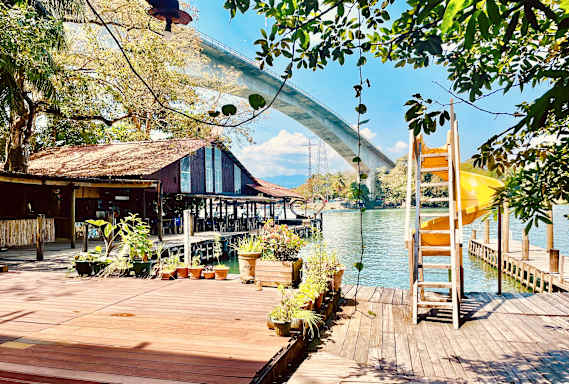
Transport, marinasWhere the highway crosses the river.

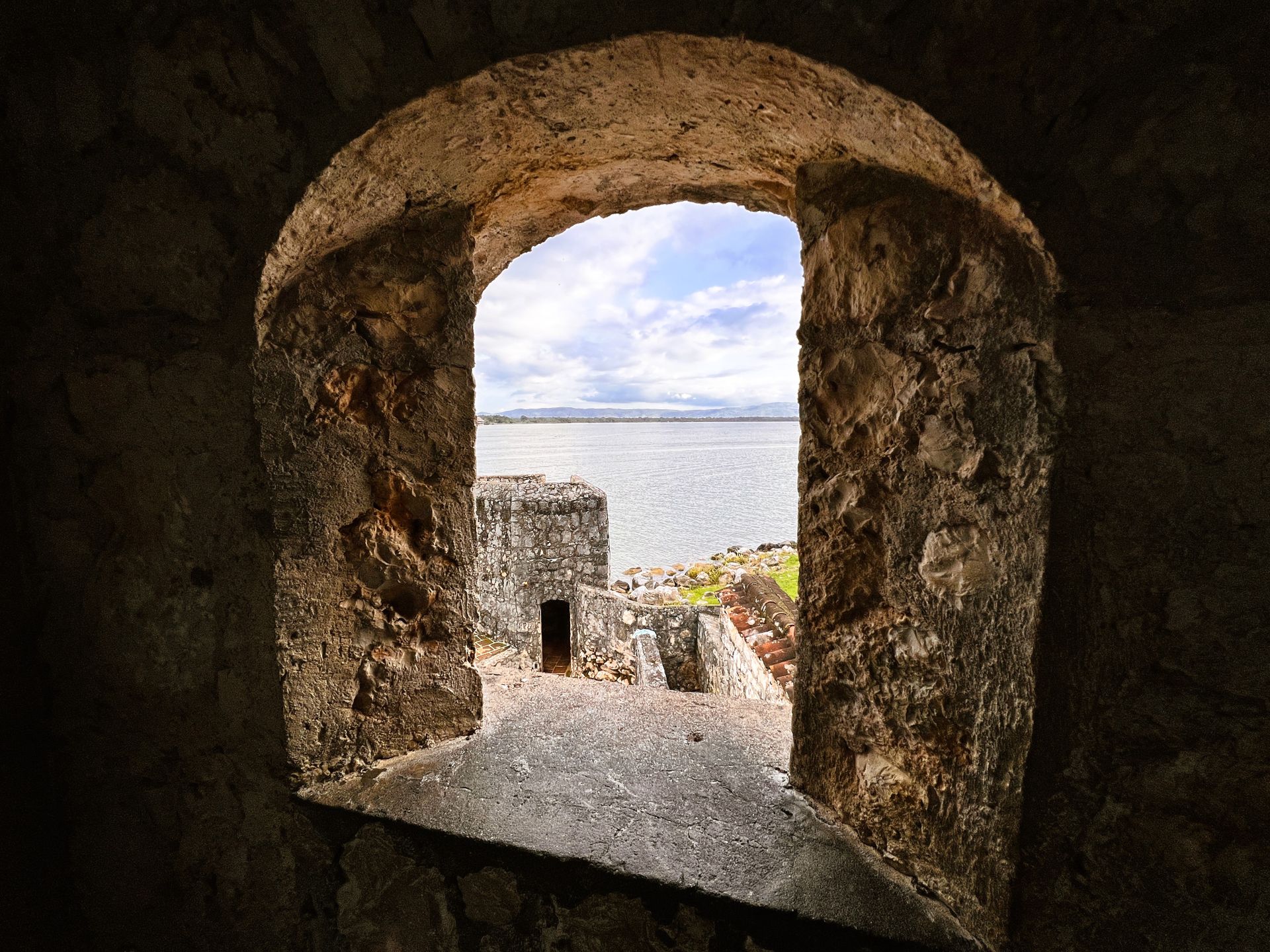
A river that runs through a jungle gorge to the Caribbean: jungle lodges on the water, a Spanish fort, hot waterfalls, and a boat ride down to Livingston, a Garífuna town with its own language, food and music.
Río Dulce is the name of both a river and the small town where the main highway crosses it, in eastern Guatemala. The river flows from Lake Izabal, the country's largest lake, through a dramatic gorge lined with jungle, to the Caribbean Sea at Livingston.
The town is a stop for yachts sheltering from hurricanes and a base for jungle lodges reached only by boat. Nearby is the Castillo de San Felipe, a 17th-century Spanish fort built against pirates, and the Finca El Paraíso, where a hot waterfall pours into a cool river.
The boat trip down the gorge to Livingston, passing birds, hot springs and limestone cliffs, is one of the best in Central America. Livingston, reached only by water, is the centre of Garífuna culture in Guatemala, with its own language, drumming and tapado, a coconut seafood soup. This guide covers both. Give the area three days.
Jungle lodges on the river, Río Dulce town for transport, or Livingston for Garífuna culture.
Where the highway crosses the river.
On the river, by boat.
On the Caribbean coast.
Orange labels are neighbourhoods, dots are the 3 top-rated hostels. Map data from OpenStreetMap contributors.
Take the boat down the river to Livingston, stopping at the hot springs and the bird islands in the gorge, and spend a night in Livingston to hear Garífuna drumming and eat tapado. From Livingston, walk or take a boat to Los Siete Altares, a series of waterfalls and pools near the beach.
Visit the Castillo de San Felipe at the mouth of Lake Izabal, and swim under the hot waterfall at Finca El Paraíso.
Kayak through the mangroves and side channels from your lodge, and look for manatees in the Chocón Machacas reserve.
Kayaking from many lodges is free for guests. Walking around Livingston and its beaches costs nothing.
Watching the sunset over the river and the yachts in the marinas is free.
Boats, the fort and the hot waterfall charge.
In Livingston, try tapado, a soup of fish, seafood, coconut milk and plantain, and pan de coco, coconut bread. Comedores serve set lunches for €3 to €5.
River lodges serve family-style dinners for €6 to €10.
A 10 per cent tip is customary in restaurants, and is sometimes already added to the bill.
Livingston has bars with live Garífuna drumming and punta dancing, especially at weekends.
Río Dulce town and the lodges are quiet, with a few bars by the marinas.
Gallo costs €1.50 to €3, and coco loco, rum in a coconut, is the local cocktail.
Buses and shuttles reach Río Dulce town from Guatemala City in about five to six hours, and from Flores in about four hours.
Public lanchas run down the river to Livingston in about two hours, with stops. Lodges send boats to collect guests.
Livingston has no road connection; boats also go to Puerto Barrios and Belize.
Dorm beds in lodges start at around €8 to €15 a night. Comedor lunches cost €3 to €5.
The boat to Livingston costs about €15 to €20 one way, and the fort and hot waterfall small fees.
Carry cash; Livingston has few cash machines.
The river and Livingston are generally relaxed. In Livingston, avoid isolated beaches and paths alone, including the walk to Los Siete Altares, where robberies have happened; go in a group or with a guide.
Use established boat operators with life jackets.
Do not drink the tap water; bottled and purified water is cheap everywhere. In an emergency, call 110 for the police, or 1500 for PROATUR, the tourist assistance line.
River, coast and lake.
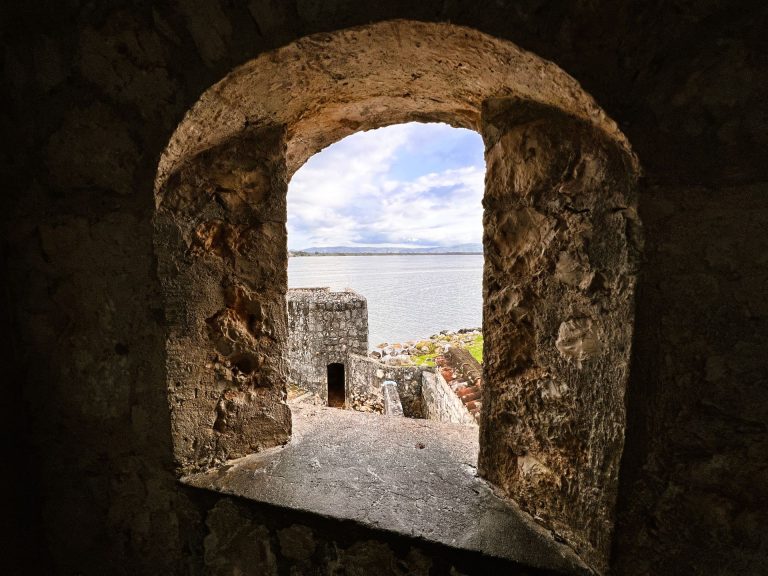
A Spanish fort.
Garífuna Day and holidays.
Celebrating the Garífuna arrival, with drums and dance.
Busy with Guatemalan visitors.
The highest-rated hostels in Río Dulce, live from Hostelworld. Prices and availability are live on each property page.
The Caribbean side is hot and humid all year, and rain is possible in any month. February to May is driest. Hurricane season runs from June to November.
Average highs, rounded. Hot and humid.
Per night, for one person, based on Río Dulce prices.
Treat these as a guide. Boats cost extra.
The ones we get asked most.

Compare hostels across Guatemala: live prices, real reviews and free cancellation on most bookings. Then meet the people already there in the app.

 Get the App.




 Get the App.