Town centre
Food, beachThe town and its beach.

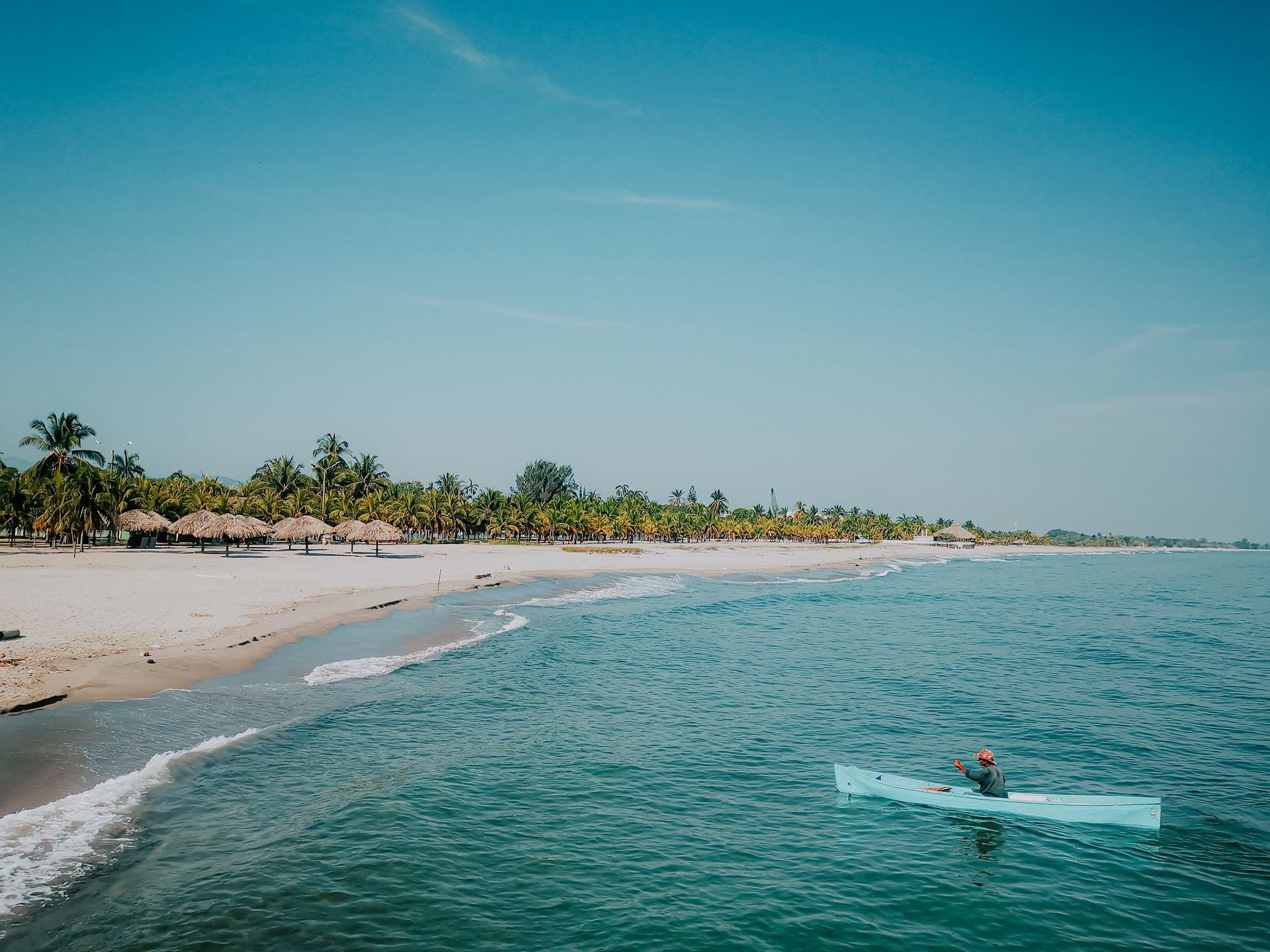
A laid-back Caribbean beach town between two national parks: long beaches, Garífuna villages with drumming and coconut bread, the jungle coves of Punta Sal, and one of the largest tropical botanical gardens in the Americas.
Tela is a beach town on Honduras's Caribbean coast, between San Pedro Sula and La Ceiba. It grew up as a banana company town in the early 20th century, and today it is a relaxed place with a long beach, popular with Hondurans at weekends and holidays, and quieter the rest of the time.
The area's real draw is around it. To the west, Jeanette Kawas National Park, also called Punta Sal, protects a headland of jungle, coves and reefs, with howler monkeys in the trees. On the way are Garífuna villages such as Tornabé and Miami, where life revolves around fishing, drumming and cassava bread.
Just outside town, the Lancetilla Botanical Garden, founded in 1925, is one of the largest tropical botanical gardens in the world, with fruit trees, bamboo and birds. Give Tela two or three days.
The town centre for food and the beach, or Garífuna villages along the coast for quiet.
The town and its beach.
West along the coast.
Map data from OpenStreetMap contributors.
Take a boat to Punta Sal in Jeanette Kawas National Park for jungle trails, snorkelling and beaches with howler monkeys overhead. Visit the Garífuna villages of Tornabé and Miami, and kayak on the Laguna de los Micos to look for birds.
Walk or cycle through the Lancetilla Botanical Garden, with its avenue of palms, fruit trees and bird life.
Spend days on Tela's beach and the quieter beaches outside town, and in the evening, listen for Garífuna drumming.
The town beach is free, and so are walks along the shore.
Visiting the Garífuna villages costs nothing, though buying food and crafts supports them.
Lancetilla and the national park charge small fees, and boat trips cost extra.
Tela is the place for Garífuna food: tapado, a seafood and coconut stew, machuca, mashed plantain with fish soup, and pan de coco, coconut bread. Plates cost €5 to €10.
Baleadas cost about a euro, and fried fish is sold on the beach.
A 10 per cent tip is customary in restaurants; check whether it has already been added.
Tela is quiet during the week and lively at weekends, when Hondurans come to the beach. A few bars on the beach play punta, Garífuna dance music.
Take taxis at night.
Salva Vida beer costs €1 to €2.50.
Buses run from San Pedro Sula in about an hour and a half, and from La Ceiba in about an hour and a half. Travel by day.
The town is walkable. Taxis and local buses go to Lancetilla and the Garífuna villages, and boats go to Punta Sal.
Tours run from town.
Beds start at around €10 to €20 a night. Garífuna plates cost €5 to €10.
Boat trips to Punta Sal cost about €25 to €40, and Lancetilla a few euros.
Carry cash for the villages and boats.
Tela is relaxed by day, but avoid the beach and quiet streets after dark, and use taxis at night. Do not leave belongings on the sand.
Visit Punta Sal on organised boat trips rather than walking alone.
Do not drink the tap water; bottled and purified water is cheap everywhere. In an emergency, call 911.
Parks, gardens and villages.
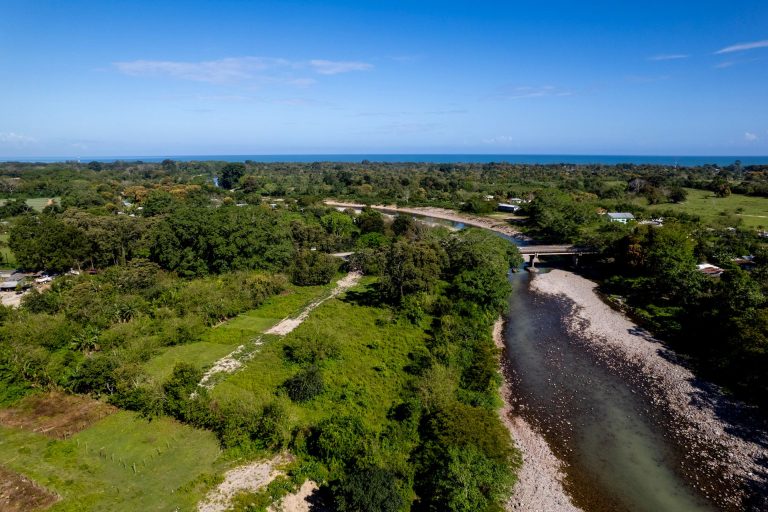
Rafting and ferries.
Garífuna celebrations and holidays.
Drumming and dance.
The beach fills with Honduran visitors.
Tela is wet for much of the year. March to August is drier, and October to January brings heavy rain. Weekends and Semana Santa are busiest.
Average highs, rounded. Hot and humid.
Per night, for one person, based on Tela prices.
Treat these as a guide. Boat trips cost extra.
The ones we get asked most.

Compare hostels across Honduras: live prices, real reviews and free cancellation on most bookings. Then meet the people already there in the app.

 Get the App.



 Get the App.