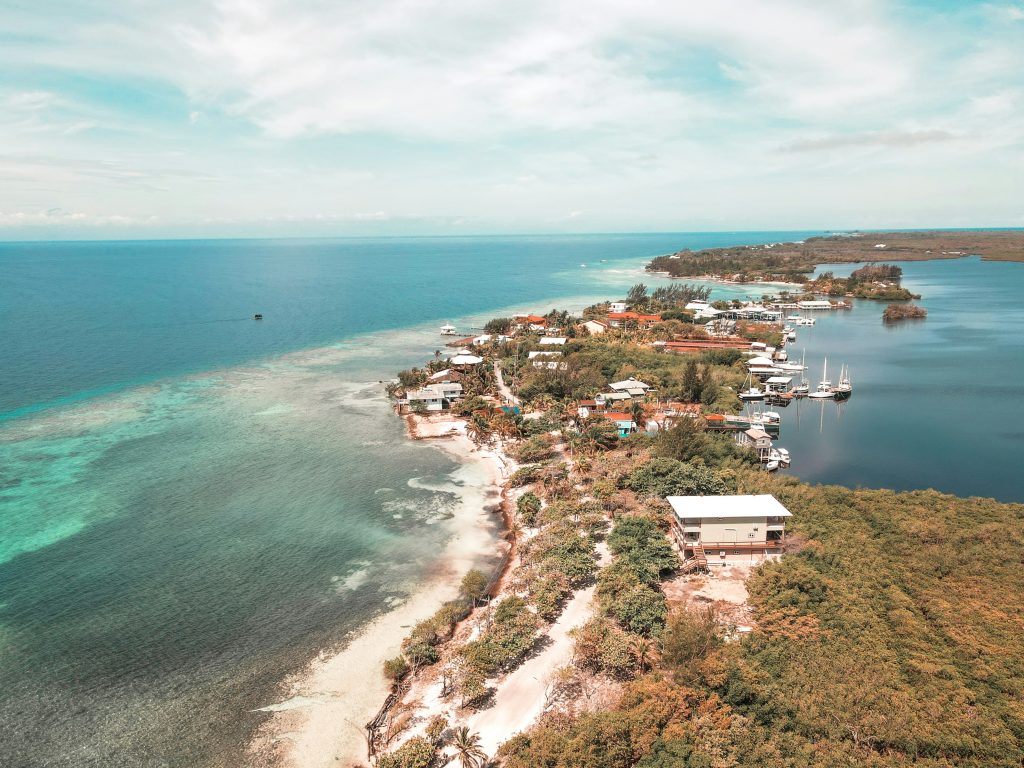
Utila
4 hostels · dorms from €11
The cheapest dive training in the world, with a small backpacker island built around it.

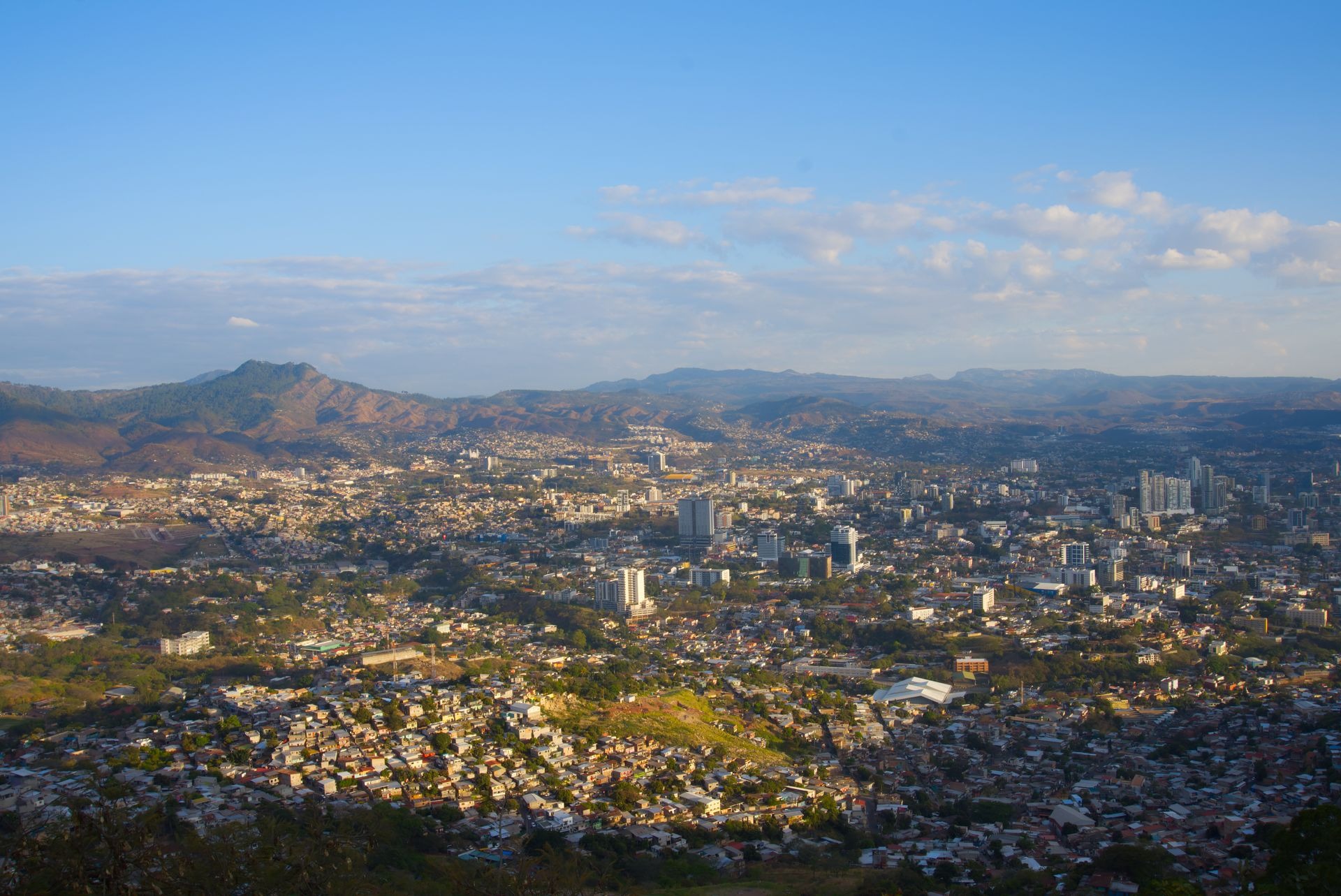
The cheapest place in the world to learn to dive, Maya carvings at Copán, and Caribbean islands on the barrier reef. Underrated, and it needs some care.
Honduras has an image problem that its two best destinations have largely escaped. Utila and Roatán, in the Bay Islands off the Caribbean coast, sit on the same barrier reef as Belize and offer the cheapest scuba certification anywhere in the world — Utila in particular is where backpackers learn to dive and then stay for months.
Copán in the west is the other draw: a Maya site smaller than Tikal but with the finest carving and hieroglyphics of any, including a stairway of over 2,000 glyphs, and it sits an hour from the Guatemalan border.
Between them, the mainland has cloud forest at Lago de Yojoa, whitewater at La Ceiba and colonial streets at Gracias, though most travellers move between the islands and Copán by air or a long bus.
Two weeks, or much longer if you learn to dive.
Flights and ferries link the Bay Islands. The mainland is covered by bus.
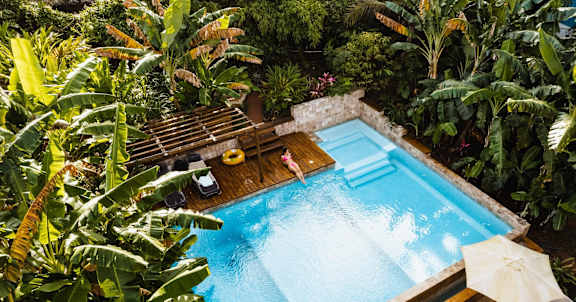
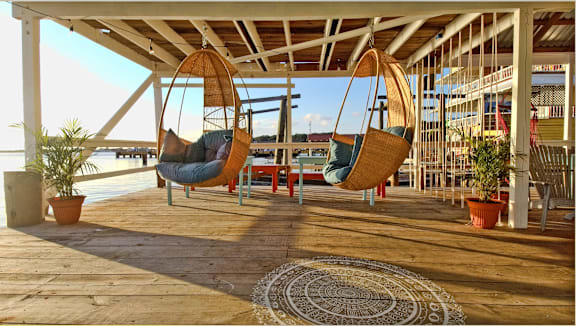
The cheapest dive training in the world, with a small backpacker island built around it.
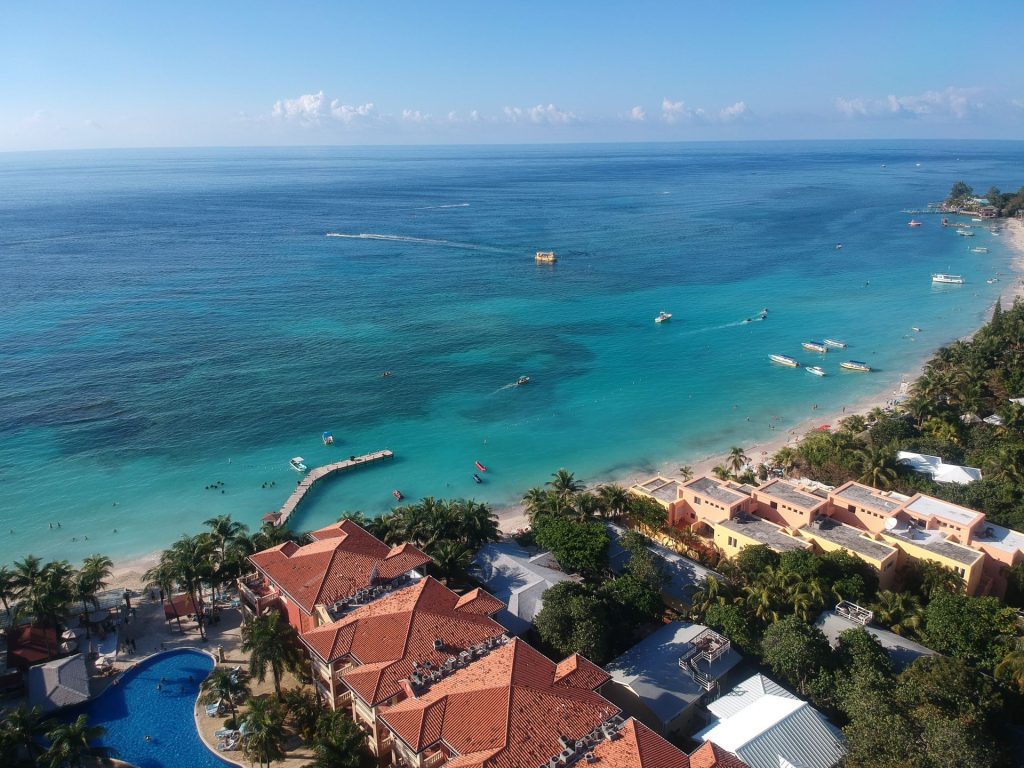
Bigger, more developed and more expensive, with excellent reef and a cruise port.
I cannot say enough about Roatan. Some of the most beautiful beaches I have ever been to and genuinely some of the nicest people. I am a solo female traveler and I felt very safe and had a blast. Thank you!
A traveller, on Hostelworld
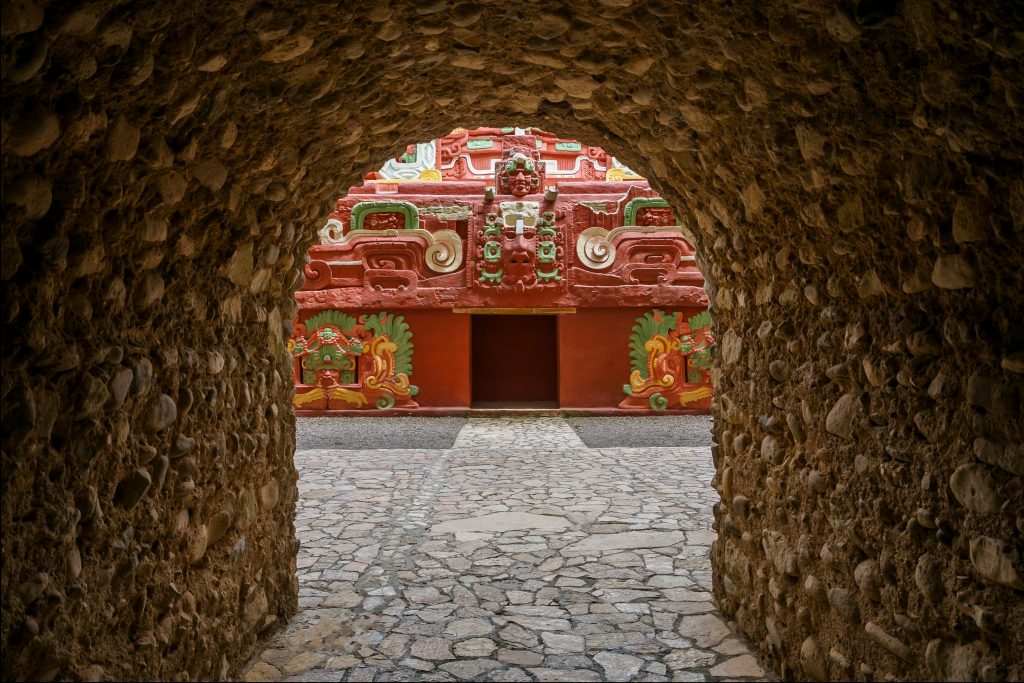
A small town beside the Maya site with the finest carving anywhere in the Maya world.
Copain Ruinas is a useful place to stop en route to somewhere and the ruins are lovely, if a tad expensive (€20). Easy to get around and the cafes are really nice.
A traveller, on Hostelworld
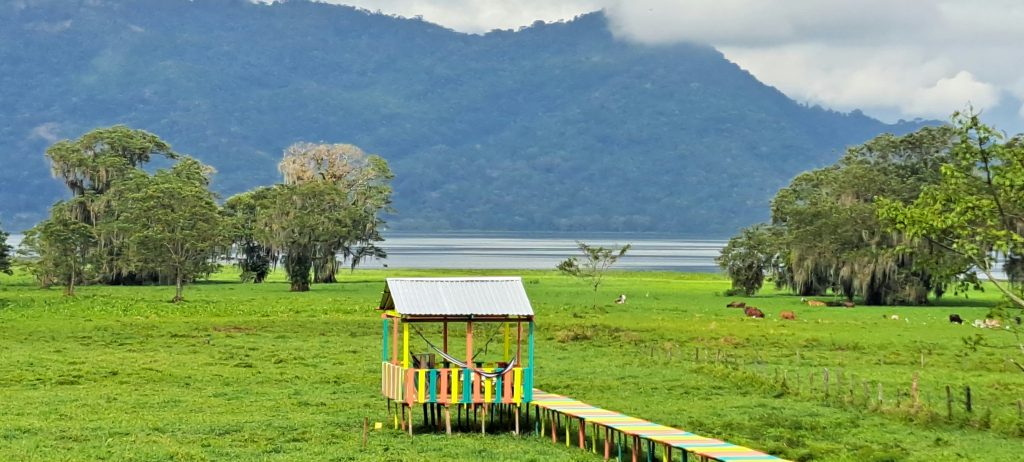
A lake with a microbrewery, waterfalls, birdlife and cloud forest around it.
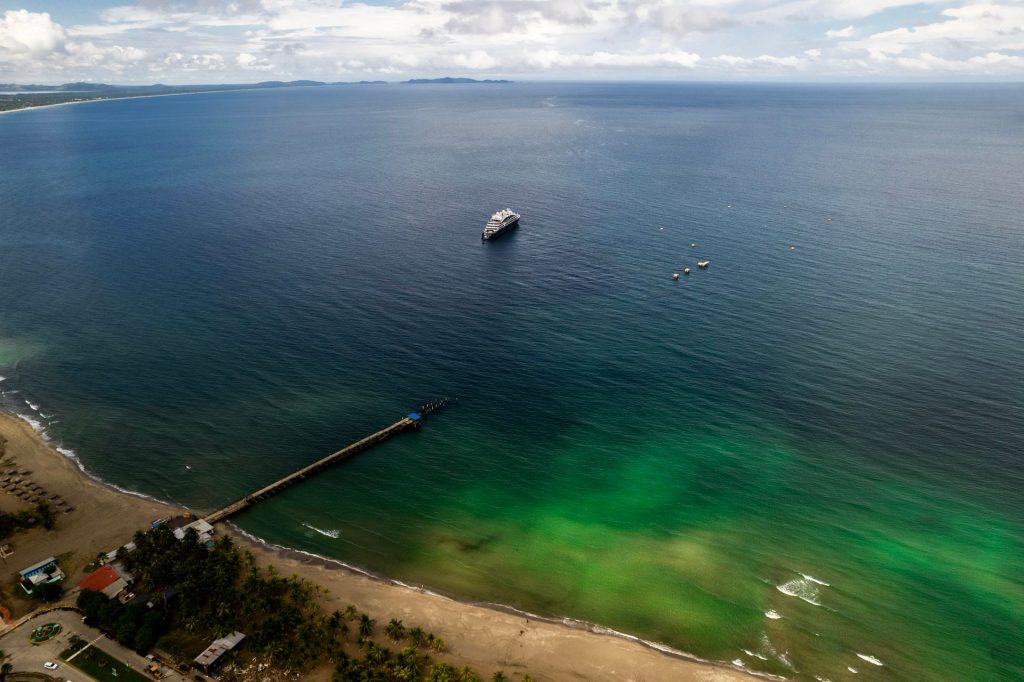
A Caribbean beach town with Garífuna villages, the jungle coves of Punta Sal and a vast botanical garden.
Honduras is a diving and ruins trip, and the diving is what keeps people there.
Bay Islands on the second largest barrier reef.
Diving, rafting and cloud forest.
The best-carved Maya site in the region.
Very cheap, and the dive courses are the cheapest anywhere.
Baleadas, seafood and a surprisingly good lake brewery.
Learning to dive on Utila is the thing Honduras is known for among travellers. A PADI Open Water course costs around €250 to €320 — the cheapest anywhere — and includes accommodation at many schools. Whale sharks pass the island year-round with peaks in March to April and August to September.
Roatán is the more developed island with better visibility in places, a cruise port, and West End as the traveller base.
Copán is the other essential. The site is smaller than Tikal but has the finest sculpture and hieroglyphics in the Maya world, including a stairway carved with over 2,000 glyphs, and the on-site sculpture museum holds a full-size replica of a painted temple.
Lago de Yojoa is the mainland stop worth making: waterfalls, birdwatching, cloud forest and a microbrewery that has become a traveller institution.
Baleadas are the national food and the national habit: a thick flour tortilla folded over refried beans, cream and cheese, with egg or avocado added, for well under a euro. They are breakfast, lunch and a late-night meal.
Plato típico is the full plate — beans, rice, plantain, cheese, cream and meat — at €3 to €6 in a comedor.
On the Caribbean coast and the islands, the Garífuna influence brings coconut into everything: sopa de caracol, a conch and coconut soup, is the famous dish, and tapado is a seafood and coconut stew.
Honduran coffee is one of the country's main exports and is genuinely good. The D&D brewery at Lago de Yojoa was one of Central America's first craft breweries and remains a fixture on the traveller route.
Utila's nightlife is dive school social life: schools run bar nights, everyone on the island is on a course or working on one, and the crowd turns over constantly. It is small, friendly and can absorb weeks of your life.
Roatán's West End has a more mixed scene with bars along the water and a broader age range.
On the mainland, nightlife is limited for travellers and the practical advice is not to be out late in the big cities. Copán Ruinas and Lago de Yojoa are quiet.
Salva Vida and Port Royal are the beers at €1 to €2.50, and rum is cheaper still.
The Bay Islands are reached by ferry from La Ceiba — about an hour to Roatán and an hour to Utila — or by flight from San Pedro Sula or Tegucigalpa. The Utila ferry has a reputation for being rough.
On the mainland, Hedman Alas runs comfortable first-class buses between San Pedro Sula, Tegucigalpa, La Ceiba and Copán, and they are the recommended option for travellers. Local buses are cheaper and slower.
Copán Ruinas is an hour from the Guatemalan border, and shuttles run directly to Antigua and Guatemala City, which is how most travellers arrive or leave.
Domestic flights on CM Airlines and Lanhsa save long road days.
Honduras is one of the cheapest countries in Central America. Dorms start around €9, baleadas cost under a euro, a comedor plate is €3 to €6, and buses are inexpensive.
A day comes to €20 to €35 on the mainland, and a little more on the islands.
Diving is the reason people come and the numbers are the draw: PADI Open Water for €250 to €320 on Utila, often with free or discounted accommodation during the course, and fun dives at €25 to €40 each afterwards. Roatán runs perhaps thirty per cent higher.
Cards work on the islands and in cities; carry cash elsewhere. Dollars are accepted on the Bay Islands.
Honduras has high violence rates and government advice reflects that, though the picture is very uneven. San Pedro Sula and Tegucigalpa carry the strongest warnings, and most travellers transit both rather than staying.
The Bay Islands and Copán Ruinas, where almost all visitors go, have far lower rates and travellers consistently report feeling comfortable there.
Check your own government's advice by region before planning, and follow the standard practice: do not travel between cities after dark, use first-class buses rather than local ones, avoid displaying valuables, and use hotel or arranged transport in the big cities.
On the water, dive safety is the other consideration. Utila's schools are numerous and vary — choose on reputation and instructor ratios rather than the lowest price, and ask about equipment servicing.
Most European, UK, US, Canadian and Australian citizens enter visa-free for 90 days.
Honduras is part of the CA-4 agreement with Guatemala, El Salvador and Nicaragua, so those 90 days are shared across all four countries and crossing between them does not reset the clock.
Passports need six months' validity. There is a small tourist fee at some land borders, payable in cash, and the Copán crossing to Guatemala is the one most travellers use.
February to April is driest on the mainland. The Bay Islands have their own pattern and are wettest from October to January.
Average highs for La Ceiba. The Bay Islands are wettest from October to January, which is the opposite of the mainland dry season — March and April are the sweet spot for both.
Pick how you travel and how long for. Per night, for one person, in euro equivalents of lempiras.
A PADI Open Water course at €250–320 on Utila sits outside these figures, though many schools include accommodation during it.
The whale shark seasons and La Ceiba's carnival are the dates worth planning around.
Peaks in the year-round presence of whale sharks off the island.
The biggest carnival in Honduras, with a week of parades and street parties.
Sawdust carpets in Comayagua and a national holiday week on the coast.
Marking the Garífuna arrival in 1797, with drumming and dance.
The clearest months for Copán and the mainland.
Parades across the country, as elsewhere in Central America.
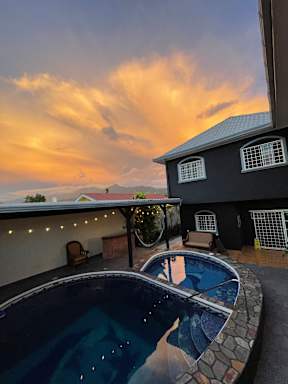
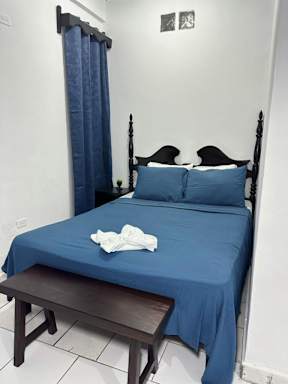
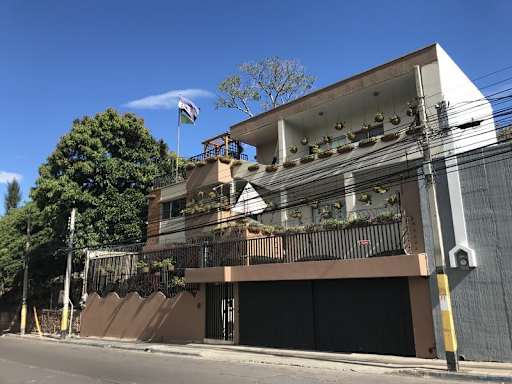
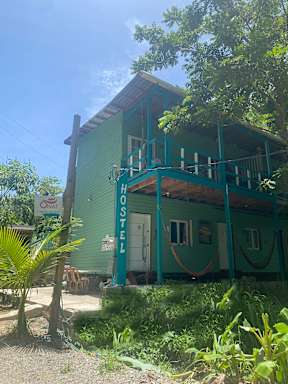
The highest-rated hostels in the country, live from Hostelworld. Utila, Roatán and Copán Ruinas have the most, and dive schools often include accommodation.
The ones we get asked most.

Compare hostels across Honduras — live prices, real reviews and free cancellation on most bookings. Then meet the people already there in the app.

 Get the App.



 Get the App.