Centro
First-timersAround the Plaza Grande, with most hostels.

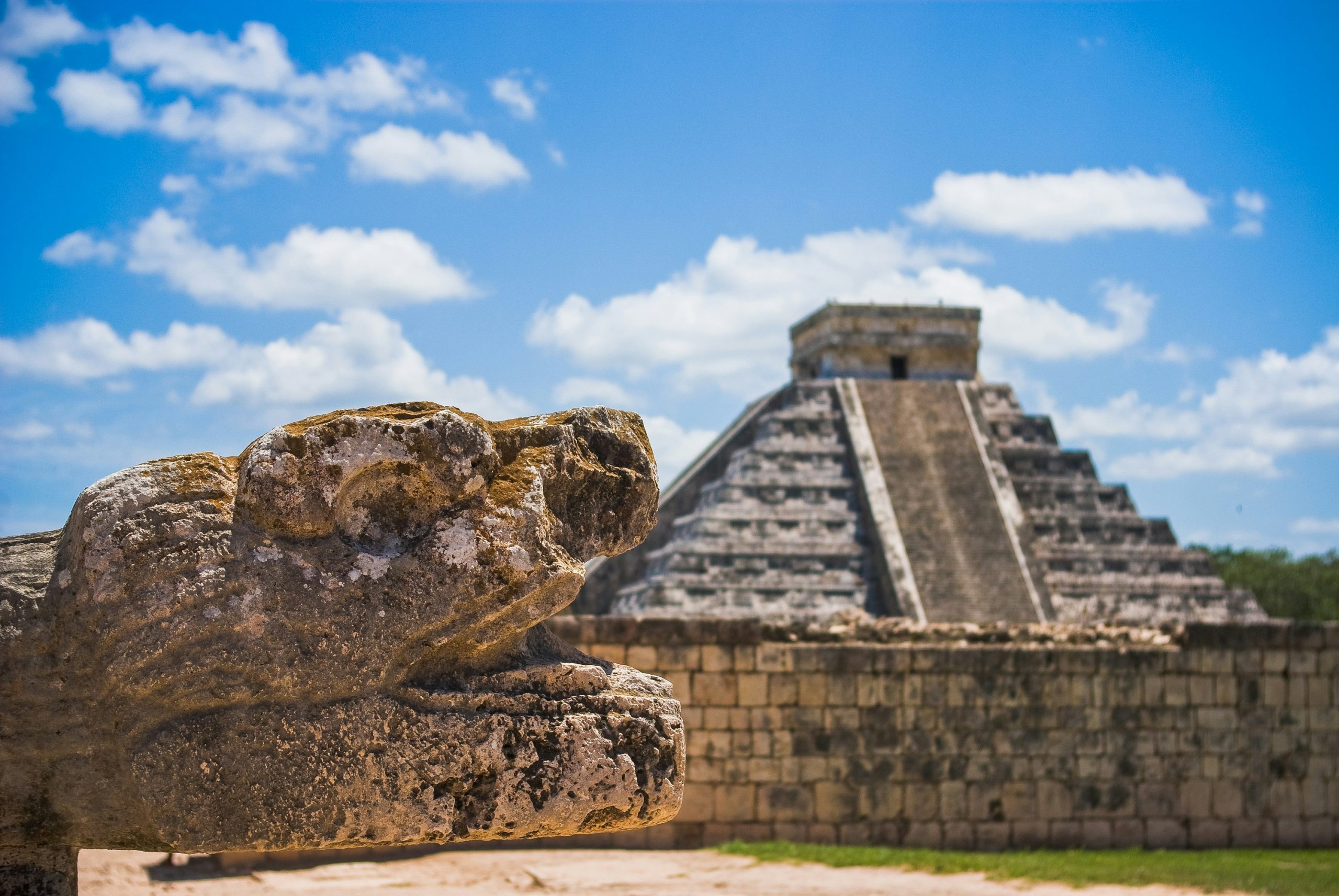
The capital of Yucatán: colonial squares and mansions, free music and dancing most nights, the best Yucatecan food, and Uxmal, Chichén Itzá, cenotes and flamingos within a couple of hours.
Mérida, the capital of Yucatán state, was founded by the Spanish in 1542 on the site of the Maya city of T'hó, and its cathedral is built partly from its stones. It is a city of pastel colonial houses, shady squares and the grand mansions of Paseo de Montejo, built on the henequen (sisal) boom.
It is one of the safest cities in Mexico and a good base for the Yucatán: the Puuc ruins of Uxmal, Chichén Itzá, dozens of cenotes, the flamingos of Celestún and the beach at Progreso are all within reach.
Mérida also puts on free culture almost every night. It is very hot, especially in April and May, so plan the middle of the day indoors. Give it three or four days.
The Centro, near the Plaza Grande, for walking everywhere; Santa Ana and Santiago for quieter streets with bars and markets.
Around the Plaza Grande, with most hostels.
Around the Santa Ana market and park.
West of the centre, with a market.
The grand avenue north of the centre.
Orange labels are neighbourhoods, dots are the 6 top-rated hostels. Map data from OpenStreetMap contributors.
Start at the Plaza Grande with the cathedral, the murals in the Palacio de Gobierno and the Casa de Montejo. Walk or cycle Paseo de Montejo, and visit the Gran Museo del Mundo Maya.
Catch the free evening events: Mérida en Domingo turns the centre into a market and dance floor on Sundays, and the city stages music, dance and a re-enactment of the Maya ball game during the week.
Take day trips to Uxmal and the Ruta Puuc, Chichén Itzá, the cenotes around Homún and Cuzamá, the flamingos at Celestún, and the yellow town of Izamal.
The Plaza Grande, the cathedral, the Palacio de Gobierno murals and Paseo de Montejo are free. The city's evening music and dance events are free too.
On Sunday mornings Paseo de Montejo closes to cars for cycling.
Free walking tours leave from the tourist office on the Plaza Grande.
Yucatán has its own cuisine. Try cochinita pibil (slow-roasted pork), sopa de lima, panuchos and salbutes, and poc chuc. Tacos and tortas cost €1 to €3.
The Lucas de Gálvez market and the Santa Ana and Santiago markets have cheap food. Marquesitas are the street dessert.
A 10 to 15 per cent tip is usual in sit-down restaurants; check the bill first, as some add a service charge (propina).
Mérida's nights start with the free events in the squares, then move to the bars and cantinas of Calle 60 and Calle 62 and the craft beer and cocktail bars of the Centro.
Old cantinas serve free snacks with drinks in the afternoon.
A beer costs €1.50 to €3.
The Centro is walkable, and Uber and DiDi work well. Mérida's airport has flights to Mexico City and some international routes.
ADO buses go to Valladolid, Cancún, Campeche and Palenque. The Tren Maya stops at Teya station on the edge of the city and runs to Valladolid, Chichén Itzá and Cancún.
Colectivos and second-class buses go to Celestún, Progreso and the cenotes; renting a car is easy for the Ruta Puuc.
Hostel beds start at around €10 to €18 a night. Tacos cost €1 to €3.
Uxmal costs about €28 for foreigners, Chichén Itzá about €32, and a cenote about €3 to €10.
Pay in pesos. Cards work widely in the Centro.
Mérida is one of the safest cities in Mexico. Normal care with valuables is enough.
The main risk is the heat: drink water, wear a hat and avoid the midday sun. In cenotes, wear a life jacket if you are not a strong swimmer.
Do not drink the tap water; use bottled or filtered water, which most hostels provide. In an emergency, call 911.
Ruins, cenotes and flamingos.
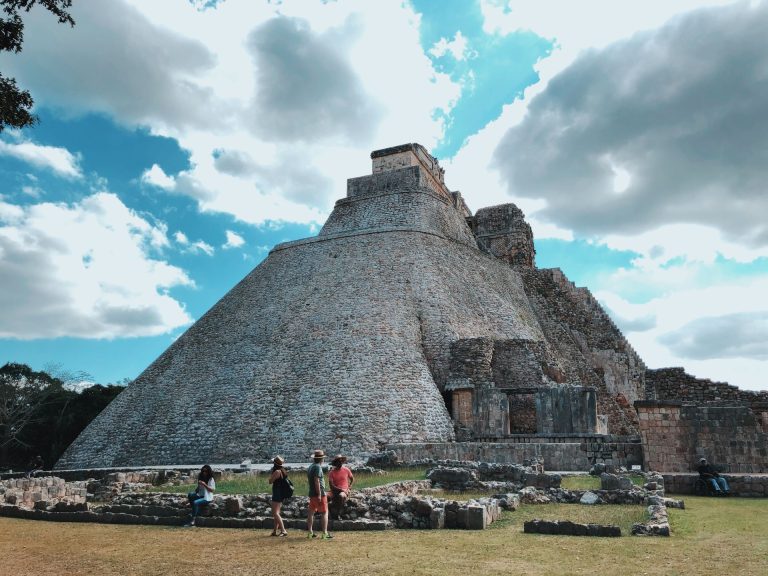
Puuc Maya ruins.
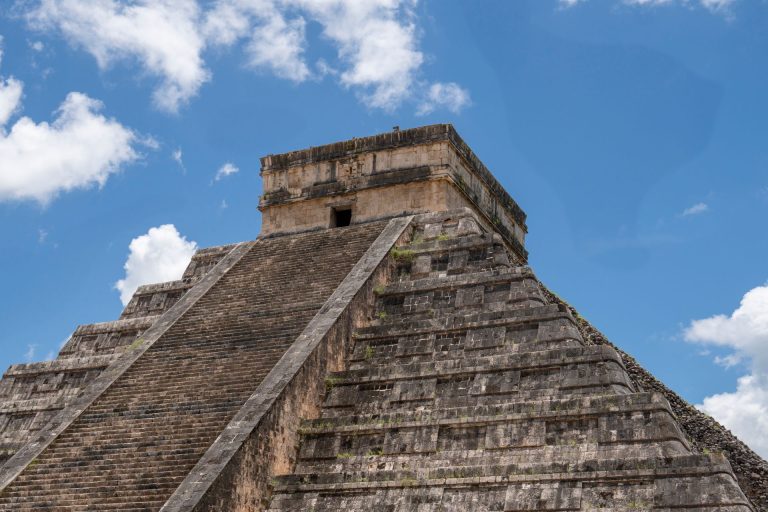
The famous pyramid.
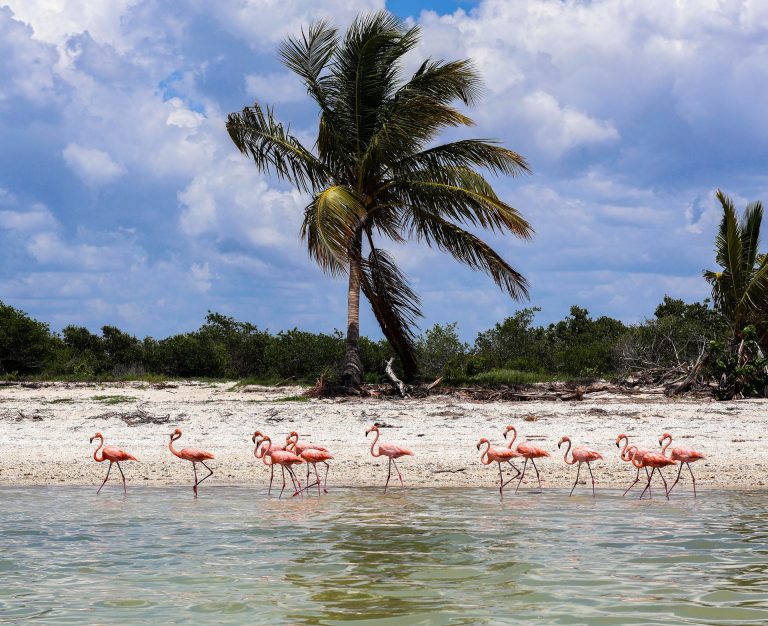
Flamingos in the lagoon.
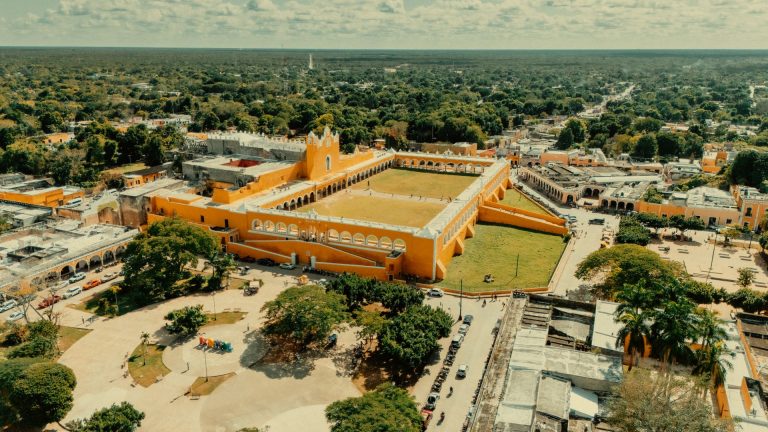
The yellow town.
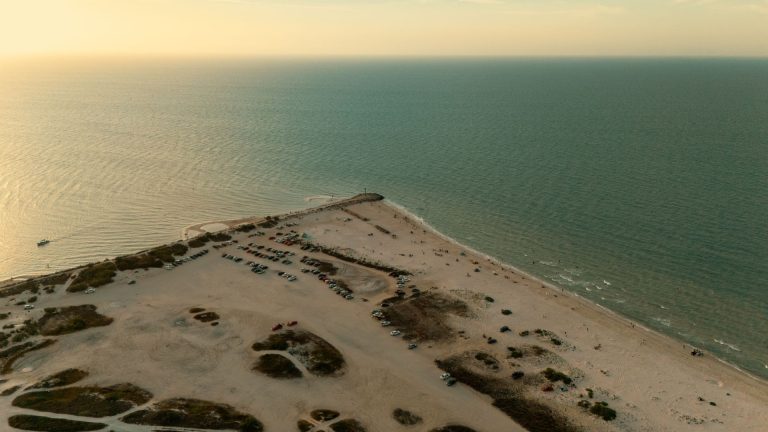
The beach.
Culture, the dead and Carnival.
Market, music and dancing.
The Yucatán's Day of the Dead.
Parades.
Arts festival for the city's anniversary.
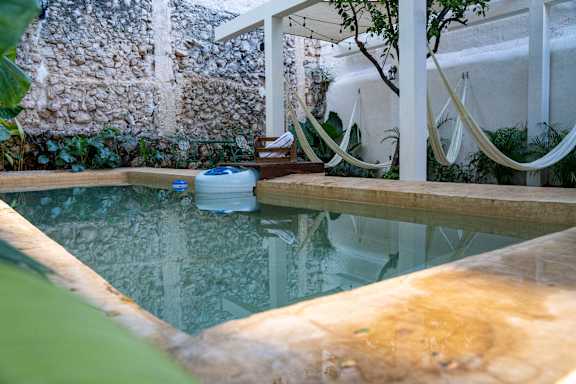
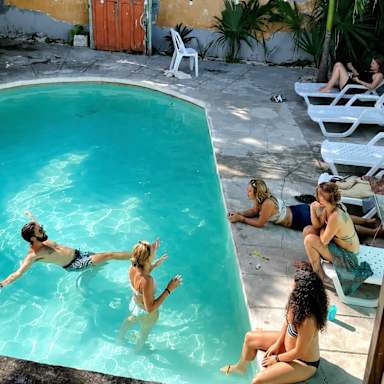
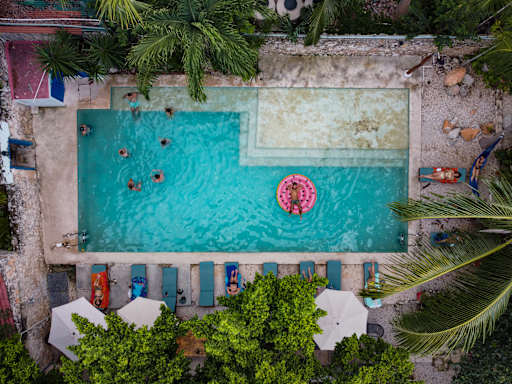
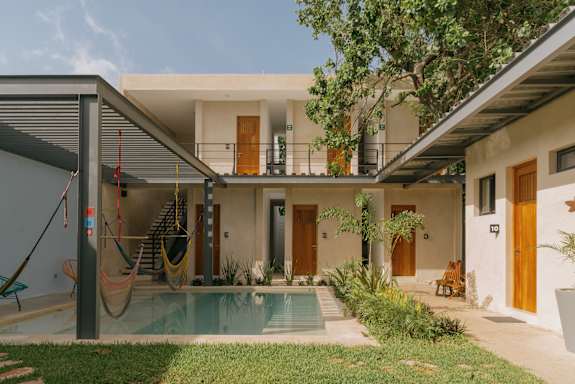
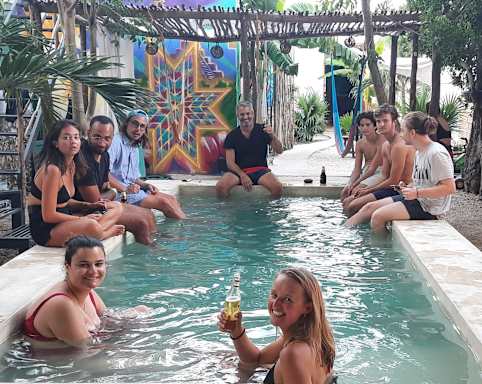
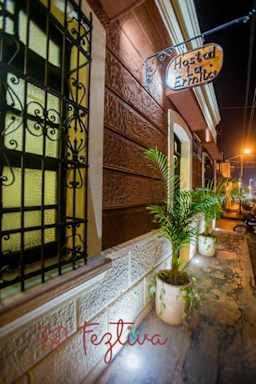
The highest-rated hostels in Mérida, live from Hostelworld. Prices and availability are live on each property page.
November to February is the most comfortable time. April and May are very hot, often near 40 degrees. June to October brings rain and humidity; hurricane season runs from June to November.
Average highs, rounded. Hot all year.
Per night, for one person, based on Mérida prices.
Treat these as a guide. Ruins and tours cost extra.
The ones we get asked most.

Compare hostels across Mexico: live prices, real reviews and free cancellation on most bookings. Then meet the people already there in the app.

 Get the App.



 Get the App.