Esperanza
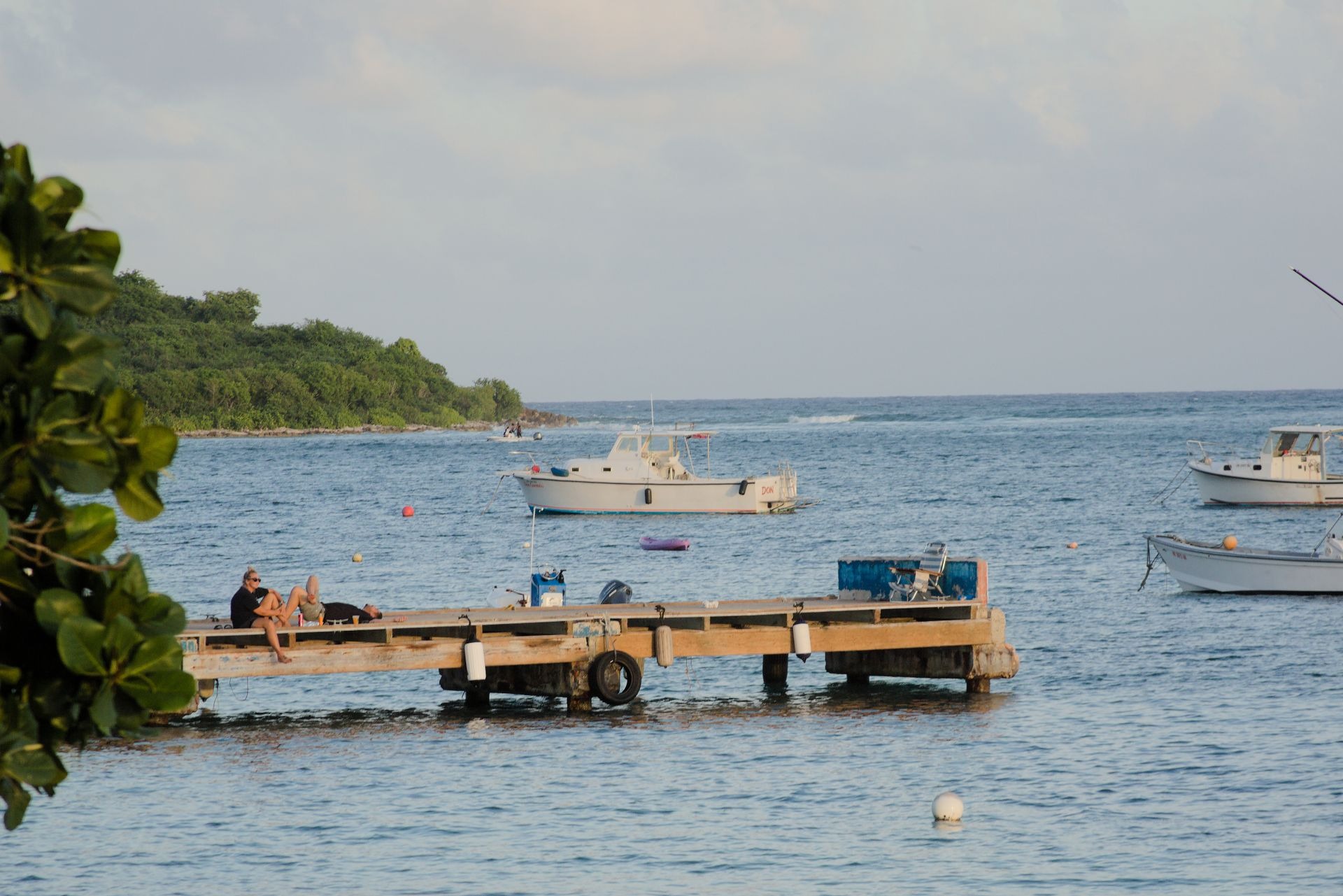
Seafront, toursThe south-coast village.

An island off Puerto Rico's east coast: Mosquito Bay, the brightest bioluminescent bay in the world, wild horses roaming the roads, and empty beaches in a national wildlife refuge on land that was once a US Navy range.
Vieques lies about 13 kilometres off Puerto Rico's east coast. For six decades, the US Navy used much of the island for training and bombing practice, until protests ended it in 2003. The former Navy land is now the Vieques National Wildlife Refuge, which has kept the beaches undeveloped.
The island's famous sight is Mosquito Bay, a mangrove lagoon full of microorganisms that glow blue when the water moves; it was named the brightest bioluminescent bay in the world. Tours by kayak or electric boat go out after dark; swimming is not allowed.
The two villages are Isabel II, where the ferry arrives, and Esperanza, with its seafront strip. Give Vieques two or three days.
Esperanza for the seafront, restaurants and bio bay tours; Isabel II for the ferry and a local feel.
The south-coast village.
The north-coast village.
Undeveloped beaches in the east.
Map data from OpenStreetMap contributors.
Take a night tour of Mosquito Bay, ideally around a new moon, when the glow is strongest; a full moon washes it out. Tours are by kayak or electric boat.
Drive into the wildlife refuge to beaches such as Playa Caracas (Red Beach), Playa La Chiva and Playa Pata Prieta, and see the black sand at Playa Negra. Sun Bay is the long public beach near Esperanza.
Watch for the wild horses that wander the island, snorkel off the beaches, and visit Fort Conde de Mirasol in Isabel II.
The refuge beaches are free to enter by car, and so is Playa Negra. Esperanza's malecón is free to walk.
Watching the wild horses costs nothing.
Bio bay tours, car hire and Sun Bay parking charge.
Esperanza's restaurants and bars serve seafood, burgers and mofongo for €12 to €25. Food trucks and kiosks are cheaper, at €6 to €12.
There are a few small supermarkets; prices are higher than on the main island.
Tipping works as in the US: 15 to 20 per cent in restaurants and bars.
Vieques is quiet. Esperanza's seafront bars are the evening hub, with occasional live music.
Most visitors are out on the bay at night.
A beer costs €3 to €6.
Ferries run from Ceiba on the main island to Isabel II; they are cheap but seats are limited and schedules can change, so book ahead online and allow a buffer. Small planes fly from San Juan and Ceiba and are more reliable.
On the island, hire a car or jeep, as the refuge beaches are spread out; book early in high season. Públicos (shared vans) run between the villages.
Beds start at around €40 to €80 a night, mostly guesthouses; there are very few dorms. Meals cost €6 to €25.
A Mosquito Bay tour costs about €50 to €80, car hire about €60 to €100 a day, and the ferry is a few euros.
Puerto Rico uses the US dollar. There are few ATMs; bring some cash.
Vieques is calm. Drive carefully: horses wander the roads, especially at night. Do not leave valuables in cars at the beaches.
In the refuge, stay on open roads and beaches; some former Navy areas are closed because of unexploded munitions.
Tap water is generally safe to drink, but buy bottled water after storms or outages. In an emergency, call 911.
Beaches and the other island.
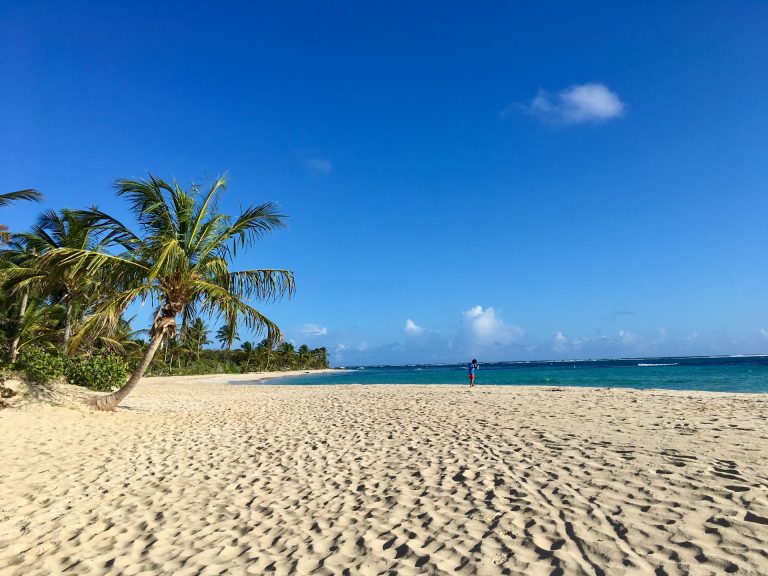
Flamenco Beach.
The moon and the season.
The brightest glow.
Best weather.
Busy with local visitors.
December to April is dry and busy. May to November is hotter and wetter, and hurricane season runs from June to November. The bio bay glows all year; plan around the new moon.
Average highs, rounded. Warm all year.
Per night, for one person, based on Vieques prices.
Treat these as a guide. Beds are pricier than on the main island.
The ones we get asked most.

Compare hostels across Puerto Rico: live prices, real reviews and free cancellation on most bookings. Then meet the people already there in the app.

 Get the App.



 Get the App.