Puerto Rico
Puerto Rico travel guide

Things to do in Puerto Rico

A Caribbean island with a rainforest, bioluminescent bays and a 500-year-old walled capital. US territory, so no visa for Americans and no currency to change.

€22
Dorm bed, from
3
Bioluminescent bays
$
US dollars
500
Years of Old San Juan

The Caribbean, with a US passport stamp

Puerto Rico is a US territory in the Caribbean, which shapes practical travel more than anything else: dollars, US phone plans, no passport control for Americans, and mainland-level prices in a Caribbean setting.

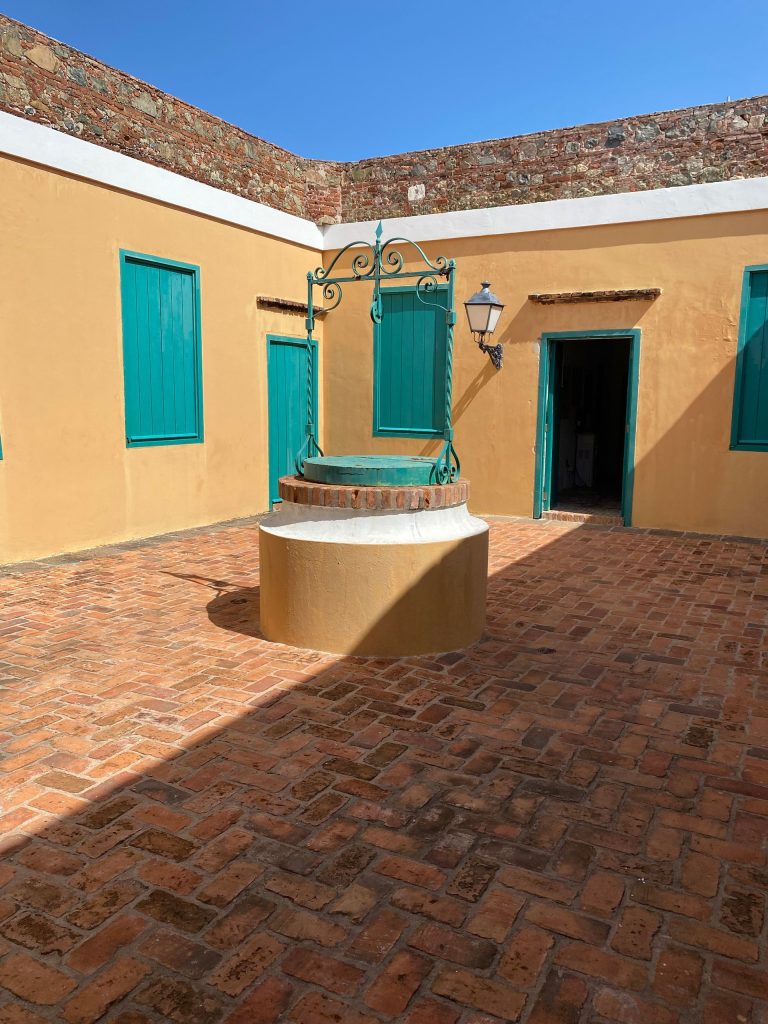
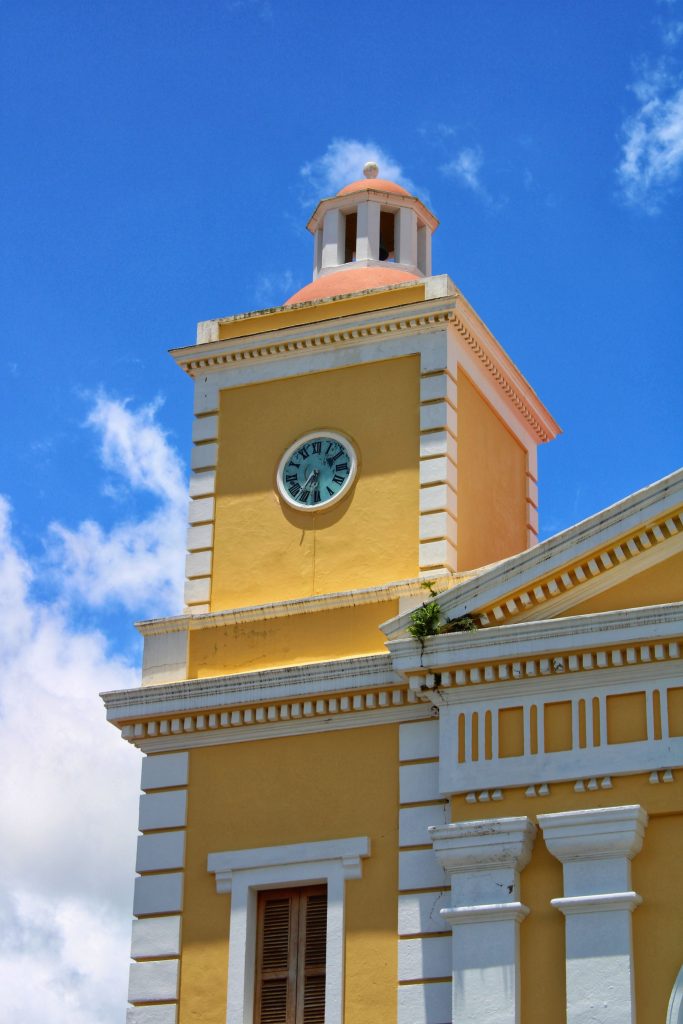
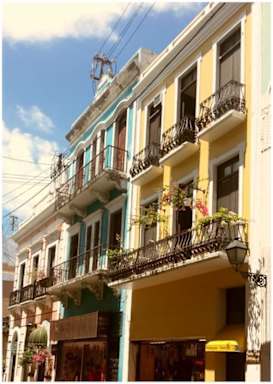
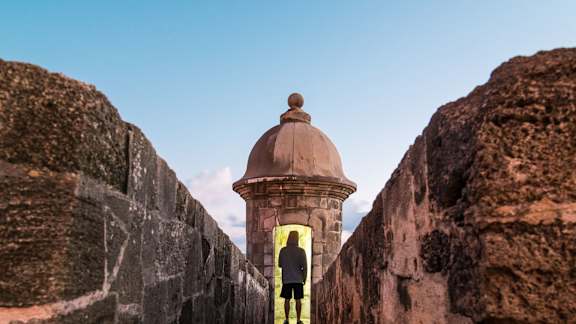
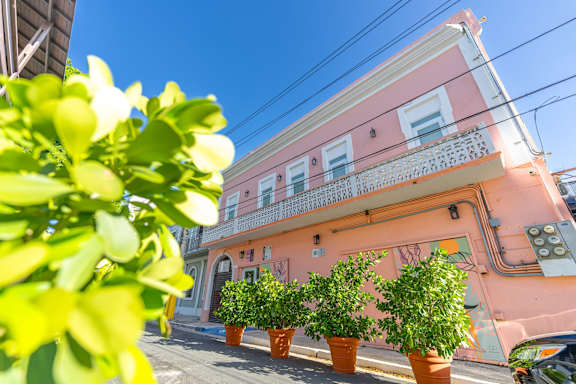
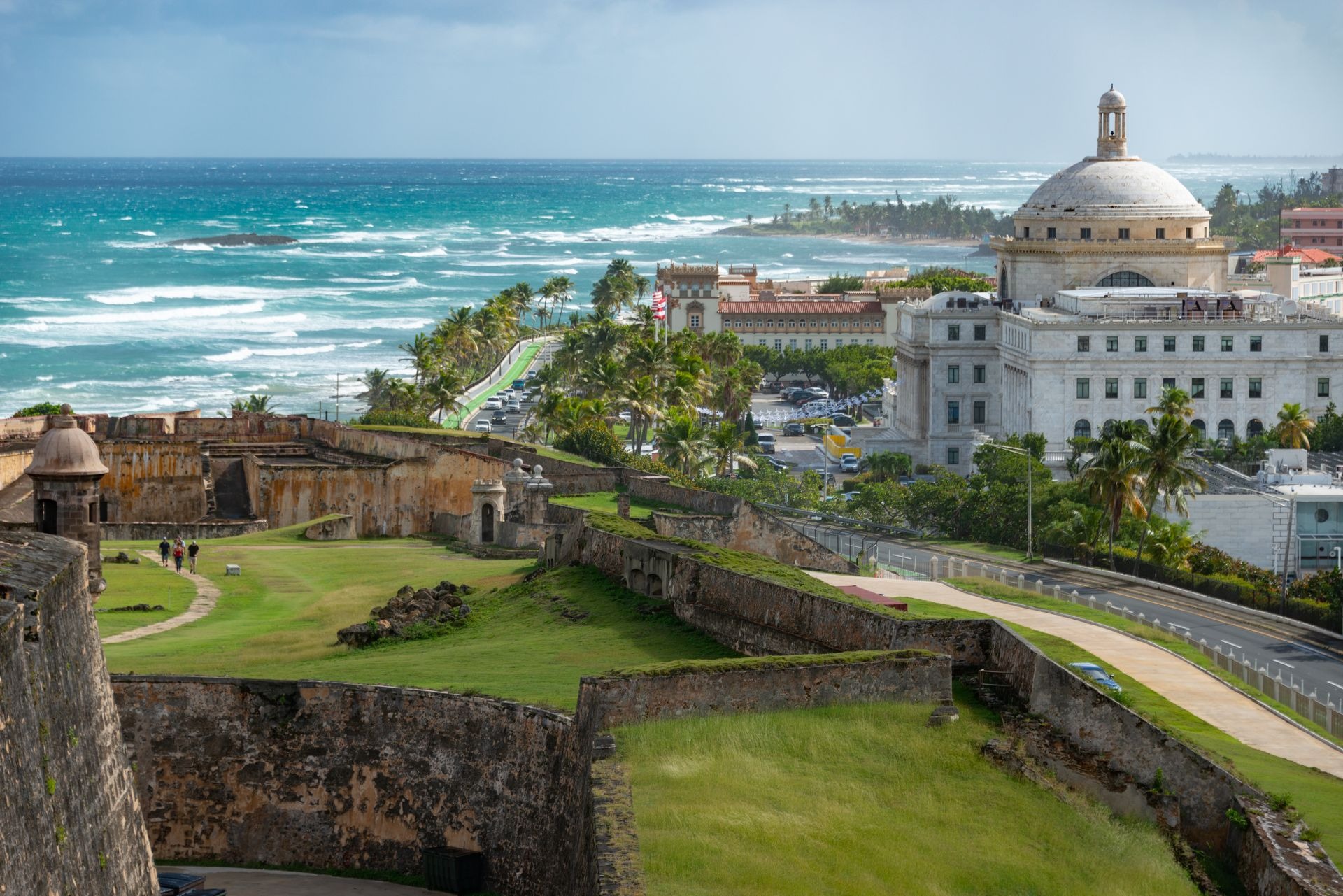
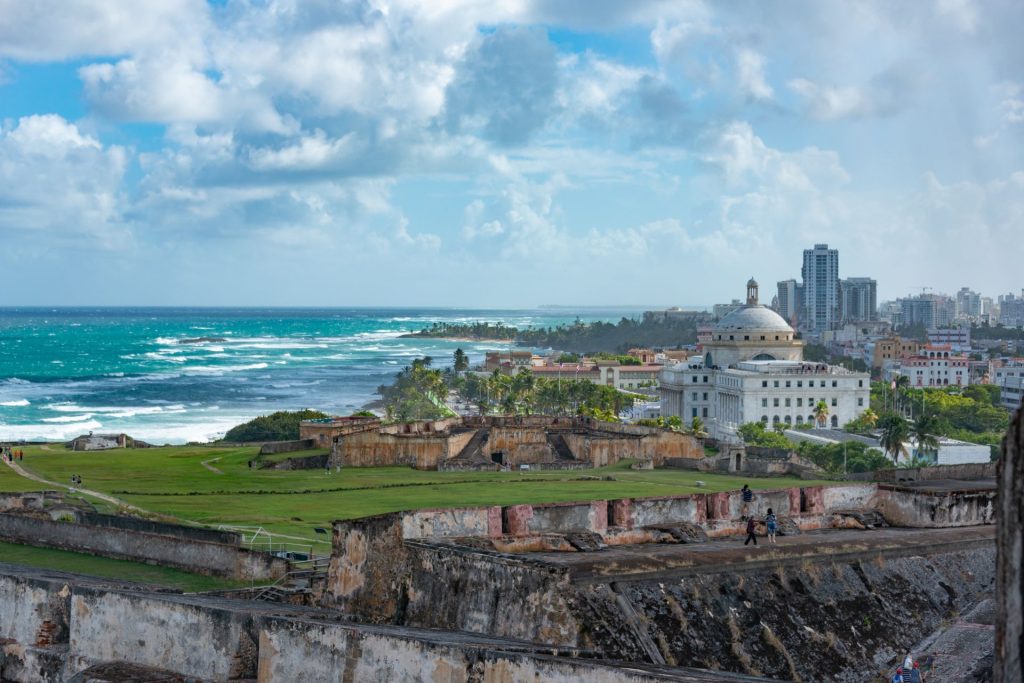
Old San Juan is the anchor: five centuries of colonial streets in blue cobblestone, two enormous Spanish forts on the headland, and painted facades that fill most people's photographs of the island.

Beyond it, El Yunque is the only tropical rainforest in the US national forest system, the west coast at Rincón surfs from November to March, and the island has three bioluminescent bays, more than anywhere else in the world, and Mosquito Bay on Vieques is the brightest.

Five days to a week covers the island comfortably, and it works well as a first Caribbean trip because everything is straightforward.

Where to go

The island is 160km across. A hire car is how most people get around outside San Juan.

San Juan

San Juan

9 hostels · dorms from €23

Old San Juan's walled colonial centre, two Spanish forts, and the beaches of Condado nearby.

Easy to get around (right now bus is free). Island life at its best. Great nightlife, people, beaches are nice. Food is good outside of san juan.

A traveller, on Hostelworld
The San Juan guide
Rincón

Rincón

The west coast surf town, with sunsets, whale watching and a slower pace.

The Rincón guide
Vieques

Vieques

An island off the east coast with Mosquito Bay, the brightest bioluminescent bay in the world.

The Vieques guide
Luquillo

Luquillo

1 hostel · dorms from €25

A beach town with roadside food kiosks, at the foot of El Yunque rainforest.

The Luquillo guide
Ponce

Ponce

The southern city, with a distinct architecture and a famous red and black firehouse.

The Ponce guide
Culebra

Culebra

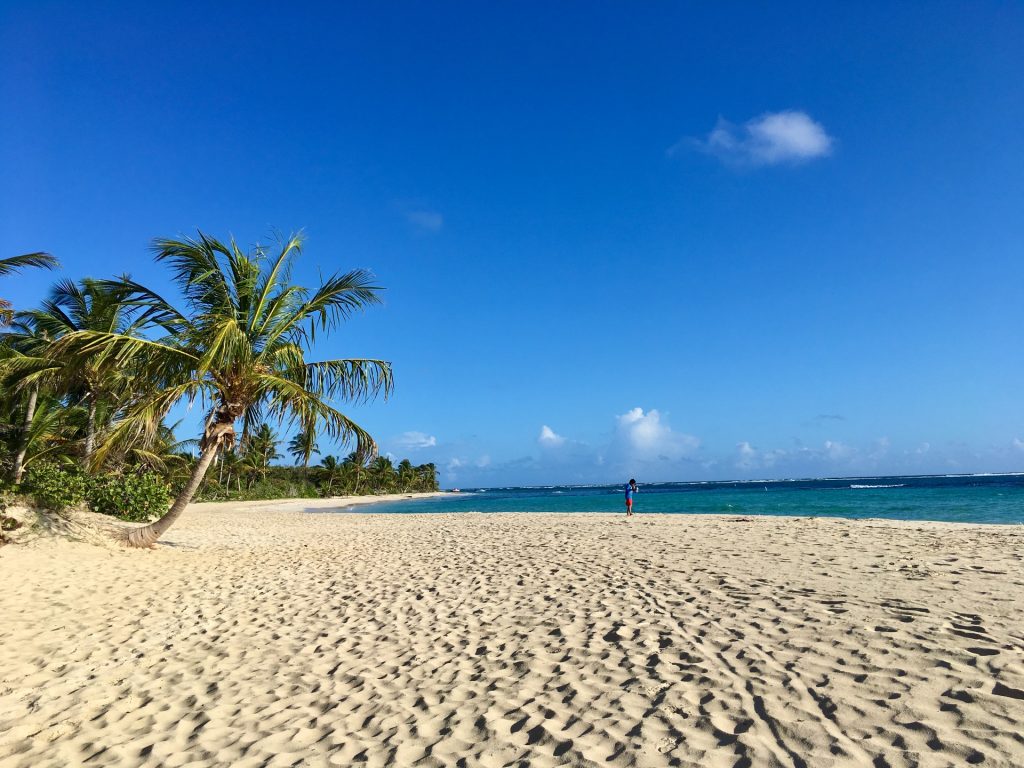
A small island with Flamenco Beach, regularly ranked among the best in the world.

The Culebra guide
Cabo Rojo

Cabo Rojo

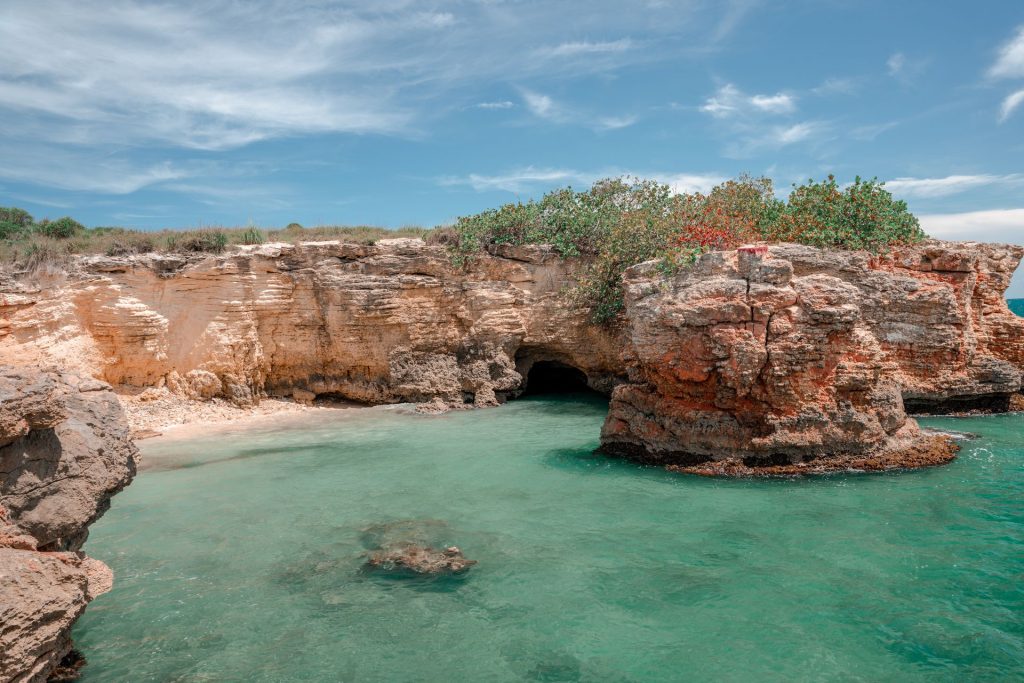
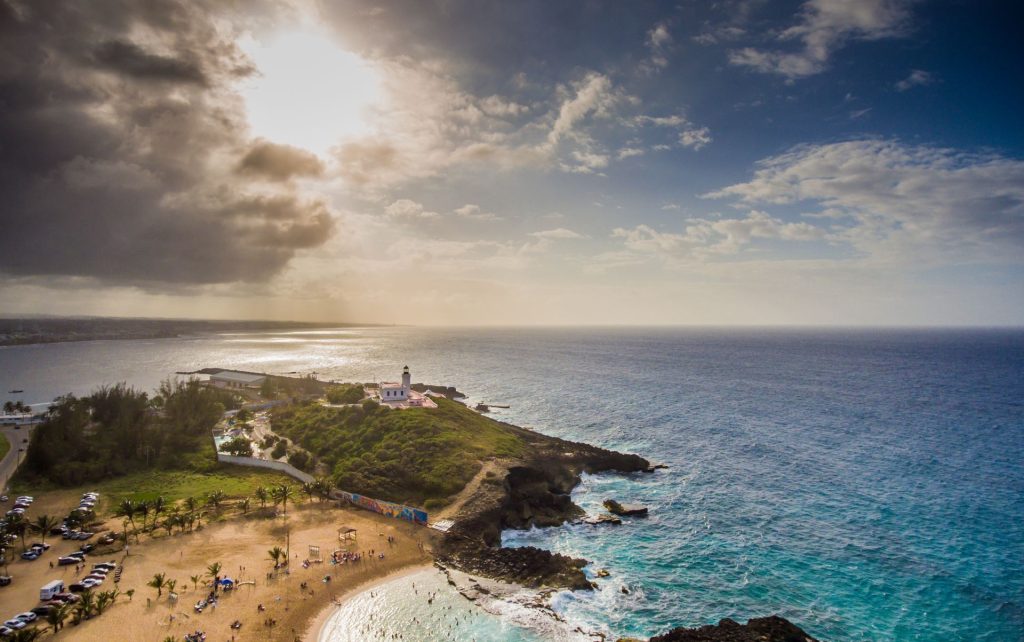
The south-west corner: a clifftop lighthouse, sheltered beaches, salt flats and Boquerón at weekends.

The Cabo Rojo guide
Utuado

Utuado

Mountain interior: cave tubing on the Río Tanamá, Taíno ball courts at Caguana and lakeside lunches.

The Utuado guide

What kind of trip is this?

Puerto Rico is a beach and rainforest island with one genuinely great old city.

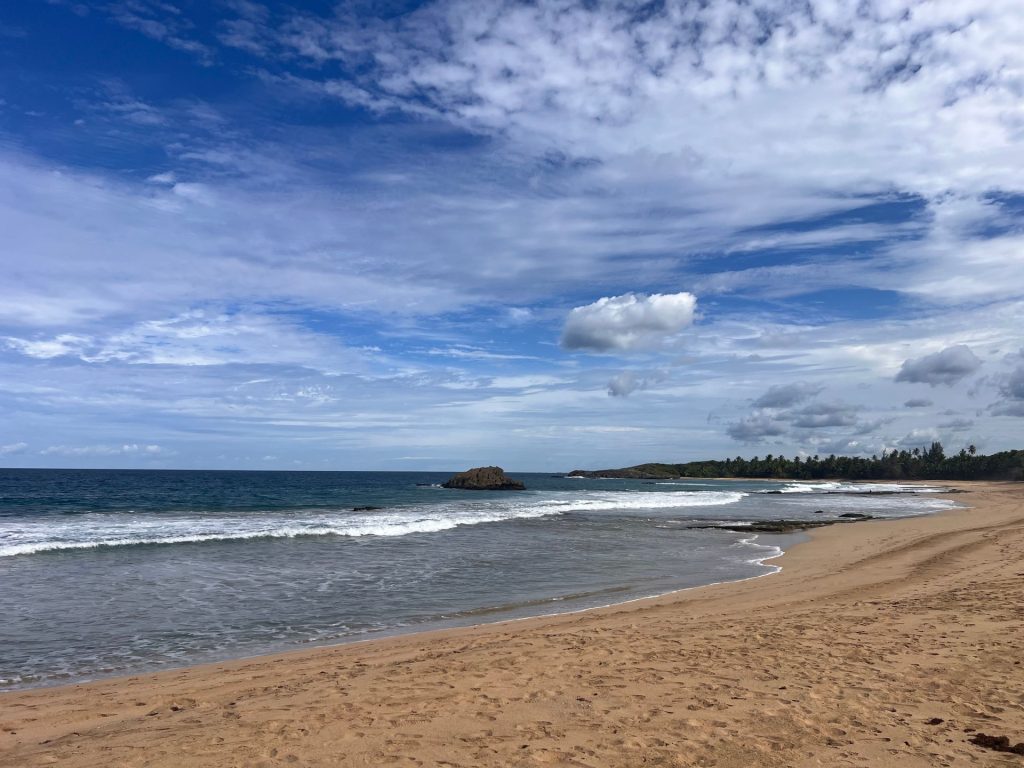
Beach in Puerto Rico

Caribbean and Atlantic coasts, and two offshore islands.

What to do

  • Flamenco Beach on Culebra
  • Surf at Rincón
  • Swim at Luquillo

Spots to visit

  • Flamenco Beach
  • Rincón
  • Luquillo

Best cities for it

Things to do

Things to do in Puerto Rico

Old San Juan is the set piece: blue cobblestones brought as ship ballast, El Morro and San Cristóbal forts guarding the headland, and painted houses along seven walkable blocks. Both forts are US national park sites with a modest entry fee covering the pair.

El Yunque is the only tropical rainforest in the US national forest system, half an hour from San Juan, with waterfalls and short trails. Entry on the main road is free and no longer needs a reservation, but parking is limited, so arrive early.

Mosquito Bay on Vieques is the brightest bioluminescent bay in the world, kayaked on moonless nights when the plankton show best. Book around the lunar calendar rather than your own, because a full moon washes it out entirely.

Culebra's Flamenco Beach is reached by ferry or a short flight and regularly appears on world best-beach lists.

Food and drink

Eating in Puerto Rico

Mofongo is the dish: mashed green plantain with garlic and pork crackling, usually filled with shrimp or stewed meat, and it is heavy in the best way. Lechón, whole roast pork, is the weekend food, and the pork highway at Guavate is a run of roadside lechoneras that fill with families on Sundays.

The Luquillo kiosks are the other institution: sixty-odd food stands along a beach road, selling fritters, seafood and beer for very little.

Puerto Rico invented the piña colada and takes rum seriously; the Bacardí distillery is across the bay from San Juan. Coffee from the central mountains is excellent and underrated.

Nightlife

Going out in Puerto Rico

La Placita de Santurce is the one to know: a daytime produce market that becomes an open-air street party on Thursday, Friday and Saturday nights, with bars spilling into the square and reggaeton and salsa across the whole block.

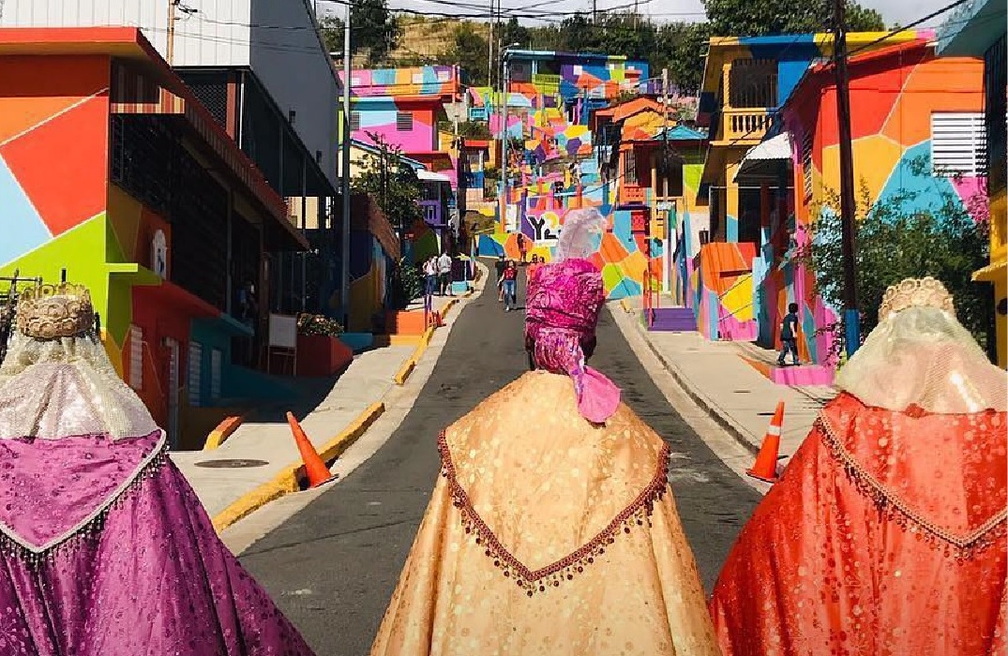
Old San Juan has bars along Calle San Sebastián and a January street festival that is the biggest of the year.

Reggaeton was born on this island and it is everywhere. Drinks are US-priced (a beer is €4 to €7, cocktails €8 to €14), which is the main way Puerto Rico differs from the rest of Latin America on a budget.

Getting around

Getting around Puerto Rico

A hire car is the practical answer outside San Juan. Public transport between towns is limited, the island is 160km across, and the beaches, rainforest and mountain roads all assume a vehicle. Rental is US-priced at €35 to €60 a day.

In San Juan itself you do not need one: Old San Juan is walkable, there is a free trolley, and Uber works across the metro area.

For Vieques and Culebra, ferries run from Ceiba and are cheap but notoriously unreliable with limited seats; small planes from San Juan cost more and go when they say they will. Book ferries ahead online and have a backup plan.

Costs

What Puerto Rico costs

Puerto Rico is priced like the United States rather than like Latin America, which is the single most important budget fact. Dorms start around €22, restaurant mains are €15 to €30, and a beer is €4 to €7.

Hostel supply is thin outside San Juan, so expect guesthouses or shared rentals elsewhere.

The savings are in food and transport if you use them: roadside kiosks and lechoneras feed you for €5 to €12, beaches and most of Old San Juan cost nothing, and splitting a hire car across a group makes the island cheap to cover. A day runs €55 to €85.

Safety

Staying safe in Puerto Rico

The tourist areas (Old San Juan, Condado, Rincón, the islands) are safe with ordinary precautions, and millions of visitors a year have no trouble. San Juan has neighbourhoods with high crime rates that visitors have no reason to enter, and the usual advice applies about not walking alone late or leaving valuables in a parked car.

Hurricane season runs June to November, peaking August to October. Hurricane Maria in 2017 caused catastrophic damage and the island's infrastructure has been rebuilt since, but power outages remain more common than on the mainland. Travel insurance covering disruption matters here more than in most Caribbean destinations.

The sea is the everyday risk: Atlantic beaches on the north coast have strong rip currents, and drownings happen. Swim where lifeguards are.

Entry and documents

Entry and documents

Puerto Rico is a US territory, so US entry rules apply. US citizens travel here as they would between states: no passport control, no customs, domestic flights.

Everyone else needs whatever the United States requires of them: an ESTA under the Visa Waiver Program for most European, UK and Australian citizens, or a US visa. There is no separate Puerto Rican entry process, and arriving from another Caribbean island still means clearing US immigration.

The currency is the US dollar and US phone plans work without roaming, which makes it unusually frictionless for American visitors and unchanged in difficulty for everyone else.

When to go

December to April is dry season and the best time. Hurricane season runs June to November and peaks in late summer.

28°
Jan
Peak season. Dry, warm, and the San Sebastián festival
28°
Feb
Excellent. Whale watching off Rincón
29°
Mar
Peak. Surf season ending on the west coast
30°
Apr
Still dry and very good. Crowds thinning
30°
May
Rain increasing. Good value before hurricane season
31°
Jun
Hurricane season begins. Hot and humid
31°
Jul
Wet and hot. Cheapest month
32°
Aug
Peak hurricane risk. Lowest prices of the year
32°
Sep
The highest-risk month. Many visitors avoid it entirely
31°
Oct
Still hurricane season, easing at the end
30°
Nov
Season ending. Surf returning to the west coast
29°
Dec
Dry season starts and prices climb over the holidays
Bar height is temperature. Colour is how busy it gets: quiet busy peak

Average highs for San Juan, which barely change. The variable is rain and hurricane risk, and the mountains inland are several degrees cooler and considerably wetter.

What your trip will cost

Pick how you travel and how long for. Per night, for one person, assuming a share of a hire car.

Prices are US-level rather than Latin American. Roadside kiosks and free beaches are the main ways to bring a day down.

—
  • Beds—
  • Food and drink—
  • Getting around—
  • Doing things—
What's on

What is on while you are there

The San Sebastián festival in January is the biggest street party in the Caribbean.

Puerto Rico travel questions

The ones we get asked most.

Do I need a visa for Puerto Rico?
It is a US territory, so US rules apply. Americans travel here as they would between states. Everyone else needs an ESTA or a US visa, and arriving from another Caribbean island still means clearing US immigration.
Is Puerto Rico expensive?
It is priced like the United States rather than Latin America, which surprises people. Dorms from €22, restaurant mains €15 to €30, and a day around €55 to €85. Roadside kiosks and free beaches are what bring it down.
How long do you need?
Five days to a week. Three days for San Juan and El Yunque, then Vieques or Culebra, or the west coast at Rincón.
When can I see the bioluminescent bay?
Year-round, but book around a new moon, as a full moon washes out the glow entirely. Mosquito Bay on Vieques is the brightest in the world, and kayak tours are the way to see it.
Do I need a car?
Outside San Juan, yes. Public transport between towns is limited and the beaches, rainforest and mountain roads assume a vehicle. In San Juan itself you do not: it is walkable and Uber works.
When is hurricane season?
June to November, peaking August to October. Prices are lowest then for good reason, and travel insurance covering disruption matters more here than in most Caribbean destinations.
Is Puerto Rico in South America?
Geographically it is a Caribbean island, and politically a US territory. Hostelworld files it under South America, which is where you will find it on the site.

Say yes to hostels, meet the world

Compare hostels across Puerto Rico: live prices, real reviews and free cancellation on most bookings. Then meet the people already there in the app.

Get the App. QRGet the App.
Get the App. QR  Get the App.
Scroll to Top