Codrington
Guesthouses, restaurantsThe only village, on the lagoon, with the boats to the sanctuary.

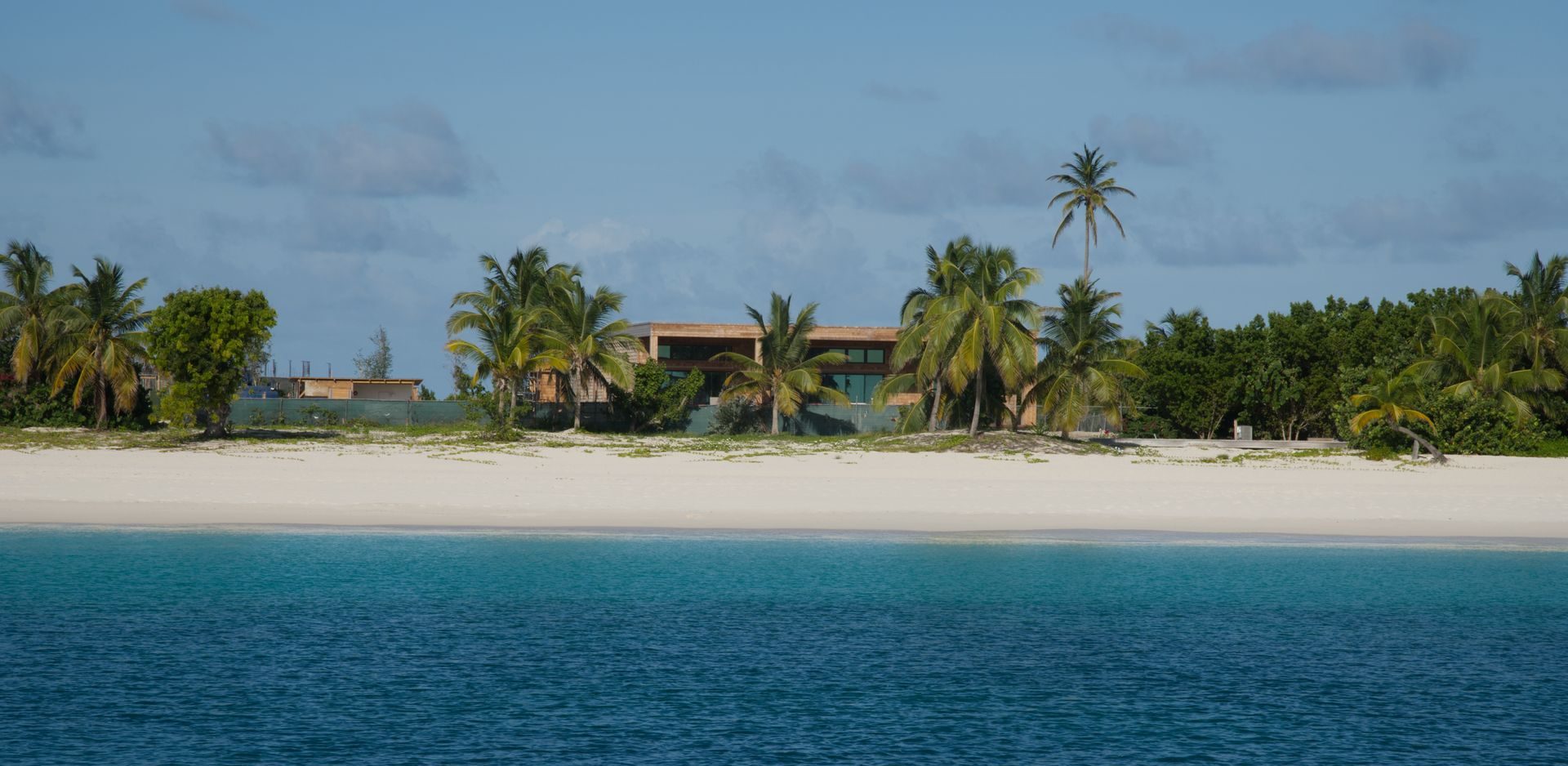
Antigua's flat, quiet sister island, with miles of empty pink-tinged sand, one of the largest frigate bird colonies in the world and a single small village.
Barbuda lies around 40 km north of Antigua, a low, flat coral island with a population of under 2,000, almost all of whom live in the village of Codrington. It has no big resorts and few visitors, and its coastline is lined with long, empty beaches, including a stretch of around 17 miles of sand on the west coast, tinged pink by crushed shells in places.
The island's best-known sight is the Frigate Bird Sanctuary in the Codrington Lagoon, home to thousands of magnificent frigatebirds; in the mating season, from around September to April, males inflate their red throat pouches like balloons. Inland, there are caves at Two Foot Bay and the low Highlands on the east side.
Hurricane Irma devastated Barbuda in September 2017, and the whole population was evacuated. Recovery has been slow and uneven, and Barbudans have debated land rights and large-scale development ever since. Today, most visitors come on a day trip from Antigua, by ferry or a short flight. A new international airport was inaugurated in 2026. Book guesthouses and tours directly, and confirm everything before you travel.
Codrington is the only village, with a few guesthouses and restaurants. Some small lodges sit along the beaches.
The only village, on the lagoon, with the boats to the sanctuary.
The long beach between the lagoon and the sea, with a few small lodges.
Map data from OpenStreetMap contributors.
Take a boat from Codrington across the lagoon to the Frigate Bird Sanctuary, a mangrove area where thousands of frigatebirds nest. In the mating season, from around September to April, males puff out their scarlet throat pouches to attract females. Guides take small boats close to the nests.
Spend a day on the beaches. The long west coast beach, often called the 11 or 17 Mile Beach, has soft sand tinged pink in places, with nobody on it for miles. Pink Sand Beach, near the south of the island, is the most famous stretch.
Explore Two Foot Bay on the north-east coast, with caves, sinkholes and Amerindian rock carvings in the Indian Cave. The Martello Tower, a 19th-century fort near the south coast, is one of the island's few historic sites. Guides are recommended for the caves and the sanctuary, and most tours combine the main sights in a day.
The beaches are free and almost empty. Walking the long west coast beach is the best thing to do on the island.
Codrington village is free to wander, though there is little to see.
The sanctuary and caves need a guide and a boat or vehicle, which cost money.
Barbuda is known for its lobster, caught locally and served grilled in the village and at beach restaurants. Fresh fish, conch and local plates of rice and peas are the other staples.
There are only a few restaurants and small shops, and opening hours vary, so ask your guesthouse or tour guide where to eat. Many day tours include lunch.
Bring snacks and water for beach days.
There is almost no nightlife on Barbuda. A few small bars in Codrington are where locals gather.
Evenings are for sunsets, stars and quiet.
That is the point of coming.
The ferry from St John's, run by Sea Bridge, takes around 90 minutes and sails daily, with day tours available. The crossing can be rough. Small planes also fly from Antigua in around 20 minutes, and a new international airport was inaugurated in 2026, so check which flights now use it.
There are no buses on Barbuda. Most visitors use a tour or a local taxi with a guide, and a few places rent vehicles. Roads are basic.
Confirm ferry times and tours directly before you travel.
Barbuda is expensive to reach. The ferry costs from around €55 each way, and day tours including the ferry, lunch and the sanctuary cost considerably more. Guesthouses are few and start around €60 to €100 a night.
The sanctuary boat, guides and taxis are the main costs on the island.
Bring cash: card payments and ATMs are limited.
Barbuda is very safe. The main risks are the sun, the sea and getting stranded.
The island is remote, with limited medical facilities, so bring what you need and have good insurance. Carry water and sun cream on beach days, and do not swim alone where there are no people around.
The ferry crossing can be rough, and services can change, so confirm times. Hurricane season runs from June to November. In an emergency, call 911 or 999.
Frigatebirds and a quiet island calendar.
Males inflate their red throat pouches.
The best weather for beaches and boat trips.
December to April is dry and breezy, with frigatebirds displaying in the mating season, from around September to April. Summer and autumn are hotter and in hurricane season.
Average highs, rounded. Warm all year.
Per night, for one person, based on Barbuda prices.
Treat these as a guide. The ferry and tours cost extra.
The ones we get asked most.

Planning a Caribbean trip? Meet other travellers and find hostels on the next islands in the Hostelworld app.

 Get the App.



 Get the App.