Nubian bread, hibiscus tea and Nile fish
Aswan eats like the rest of Upper Egypt, with a Nubian twist. In the souq and around the station, koshary, ta'ameya, ful and shawarma are cheap and filling, and juice stands sell sugar cane, mango and guava. A street-food lunch costs a euro or two.
The local drink is karkadeh, hibiscus tea, served hot in winter and iced in summer. You will see sacks of the dried red flowers all over the souq, and it makes a good, light souvenir. Dates from the Aswan area are also sold everywhere, and the spice stalls are worth a look even if you do not buy.
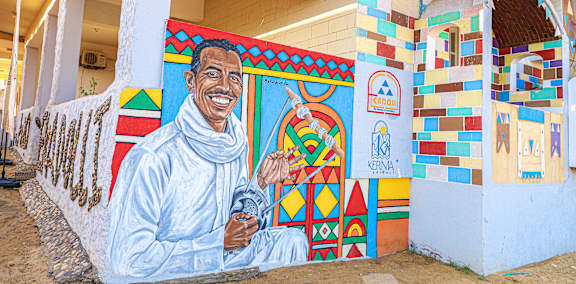
Nubian food is the reason to eat on the west bank or on Elephantine. A Nubian meal is usually a spread of slow-cooked stews, often okra or meat in tomato sauce, with rice, salads, tahini, lentil soup and thin Nubian bread baked over a fire. Several guesthouses and village homes serve dinner to visitors, and it is the meal people remember. Fish from the Nile and Lake Nasser, usually tilapia or Nile perch, is grilled or fried and served with rice and salad in local restaurants on the Corniche.
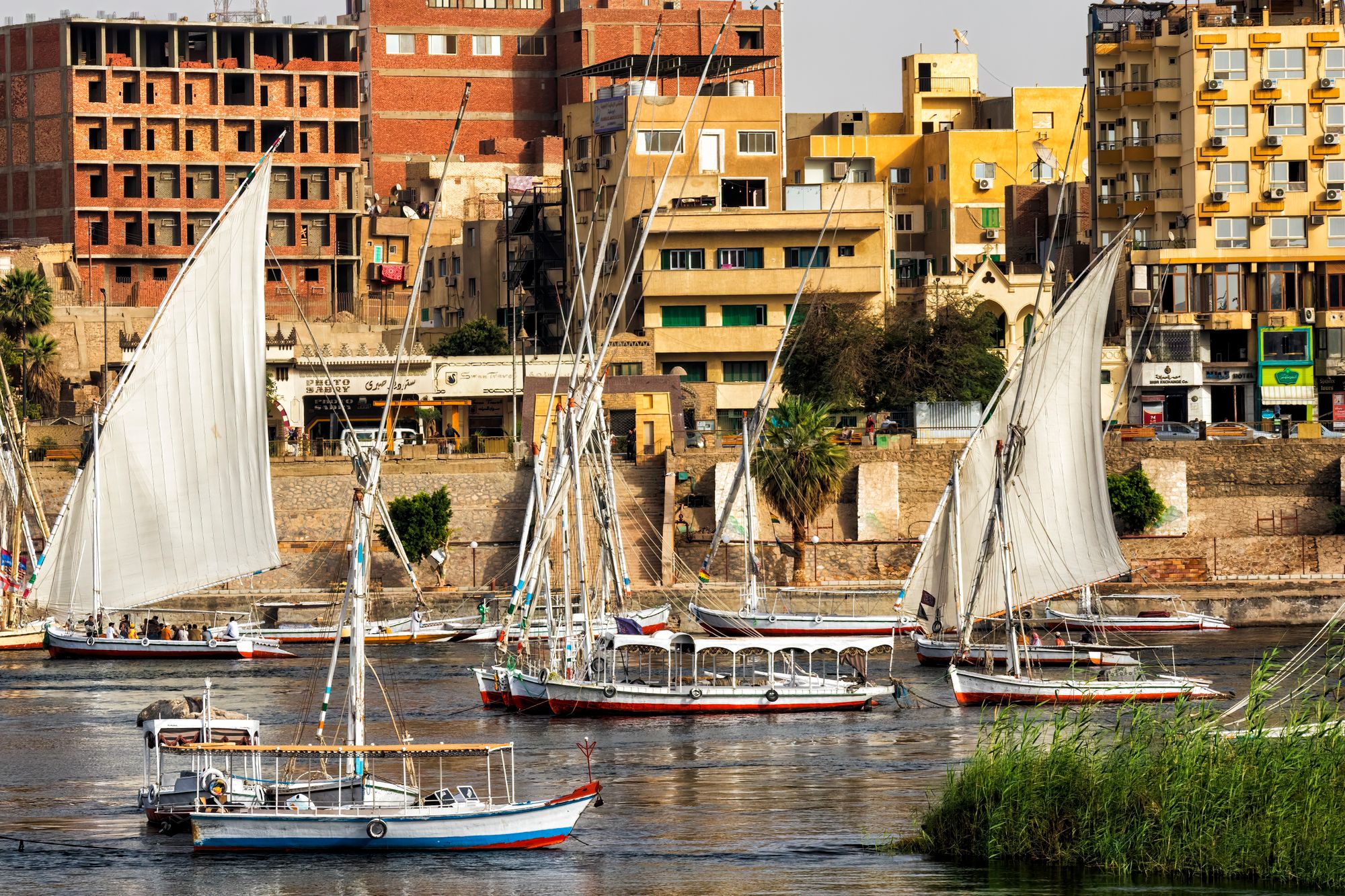
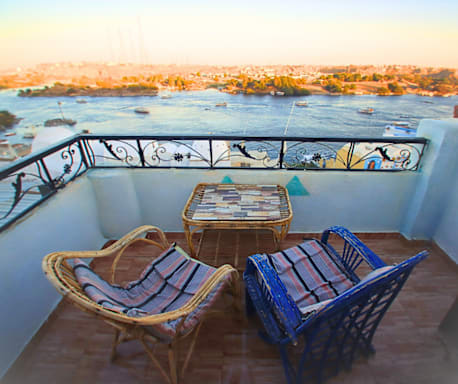
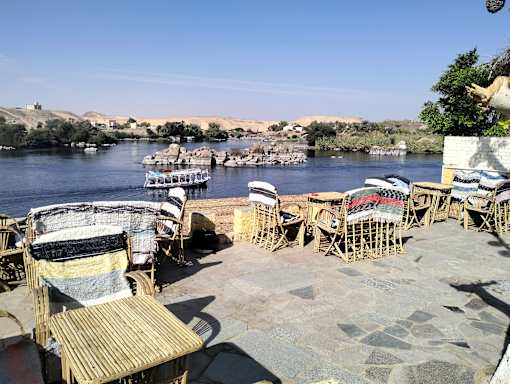
The floating restaurants and terrace cafés along the Corniche charge tourist prices, but they are cooler in the evening breeze and the view is the point. Ask for prices first and check whether service and tax are added to the bill.
Beer and wine are harder to find than in Luxor. Some Nile-front hotels, a few tourist restaurants and licensed shops sell Stella and Sakara, but most local places are dry. Do not drink in public. During Ramadan, local restaurants often close during the day and fill up at sunset, when long tables appear in the streets for iftar.







 Get the App.