Aswan
Aswan travel guide

Aswan Travel Guide

Aswan is where the Nile narrows between granite boulders and golden dunes, feluccas tack between the islands and Nubian villages paint their houses blue and yellow. It is slower and friendlier than Luxor, and it is the base for Philae and the dawn run to Abu Simbel.

6
Hostels in the city
8.8
Average, from 1,972 reviews
280km
To Abu Simbel, about 3.5–4 hours by road
€9.50
Philae Temple ticket, plus the boat
3 days
Enough for Philae, the islands and Abu Simbel

The Nile at its most beautiful

Aswan sits about 200km south of Luxor at the First Cataract, the stretch of rocky rapids that marked ancient Egypt's southern frontier. Below the town the Nile is dotted with granite islands, and across the water the west bank rises into sand dunes topped by the Tombs of the Nobles and the domed Mausoleum of the Aga Khan. Of all the cities on the Nile, this is the one where the river itself is the main attraction.

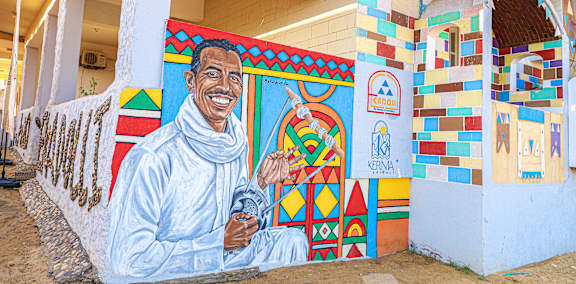
It is also the heart of Nubia. The Nubian people lived along the river south of here for thousands of years until the Aswan High Dam flooded their land in the 1960s and created Lake Nasser. Many were resettled around Aswan, and villages such as Gharb Soheil, on the west bank, and those on Elephantine Island keep Nubian language, food and architecture alive. You will hear Nubian spoken and see brightly painted houses with domed roofs.

Most travellers give Aswan two to four days. One day for Philae Temple, the Unfinished Obelisk and the Nubian Museum. One for the river: a felucca around Elephantine and Kitchener's Island, the ferry to the Tombs of the Nobles and an afternoon in a Nubian village. And one very early start for Abu Simbel, Ramses II's colossal temples 280km south near the Sudanese border, which most people visit on a day trip leaving around 4am.

Aswan is also the start or end of most Nile journeys. Cruise boats and multi-day felucca trips run north towards Kom Ombo and Edfu, and the sleeper train links Aswan with Luxor and Cairo every night.

The pace is relaxed and the hassle noticeably lower than in Luxor, though the Corniche and the souq still have their share of boat captains and spice sellers. It is the hottest city on the tourist trail: average highs are 23°C in January but 42°C in June, July and August. Visit between October and April, and in summer plan everything around early mornings and the river breeze at dusk.

Where to base yourself in Aswan

Aswan's town centre runs along the east bank Corniche, but some of the best places to sleep are on the islands and the west bank, a short boat ride away. Staying across the river means boat trips home in the evening; staying in town means easier early starts for Abu Simbel.

Souq and Corniche

First-timers, trains, street food

The centre of town. The souq (Sharia as-Souq) runs parallel to the Corniche from near the railway station, with spice stalls, cafés and cheap food. Ferries and felucca captains wait along the riverfront.

Southern Corniche and the Nubian Museum

Museum visits, quieter streets, river views

The south end of the town centre, around the Nubian Museum and the older hotels. Calmer than the souq and close to the Unfinished Obelisk.

Elephantine Island

Village life, sunsets, slow days

A long island in the middle of the Nile with two Nubian villages, the ruins of ancient Abu at its southern tip and a handful of guesthouses. Reached by public ferry from the Corniche.

West Bank and the Tombs of the Nobles

Hikers, photographers, desert views

Rock-cut tombs high on the hillside opposite town, with sand dunes behind and the Monastery of St Simeon beyond. Very little accommodation, but a short ferry ride for a day out.

Gharb Soheil

Nubian guesthouses, peace and quiet

A Nubian village on the west bank south of the town, known for its painted houses, rooftop guesthouses and views over the First Cataract. Reached by motorboat or taxi.

Orange labels are neighbourhoods, dots are the 6 top-rated hostels. Map data from OpenStreetMap contributors.

Things to do

Temples on islands, Nubia on the river

Philae Temple is the one to prioritise in Aswan itself. The Temple of Isis was moved stone by stone to Agilkia Island in the 1970s to save it from rising water, and it is reached by motorboat from a marina south of town. Entry costs EGP 550 (about €9.50, students half). The boat is separate: expect around EGP 700 for a boat that takes up to eight people, so pair up with others at the marina. It opens at 7am, and the early light on the colonnades is best. There is also an evening Sound and Light Show for around $20.

Abu Simbel is the big one, and nearly everyone does it as a day trip. The two temples of Ramses II and Nefertari, carved into a cliff above Lake Nasser and moved 65 metres uphill in the 1960s, are among the most impressive things in Egypt. Entry is around EGP 750–820 (€13–14). Shared minivans leave Aswan around 4am, arrive at about 7–7.30am, give you around two hours on site and are back by early afternoon. Twice a year, on 22 February and 22 October, sunlight reaches the inner sanctuary at dawn; the Sun Festival draws big crowds and higher ticket prices.

In town, the Nubian Museum (EGP 400) is excellent and often skipped: it tells the story of Nubia and the villages lost under Lake Nasser, with a garden of reconstructed houses. The Unfinished Obelisk (EGP 220), a 42-metre giant abandoned in the quarry when it cracked, shows how the Egyptians actually cut stone. Go early; there is no shade.

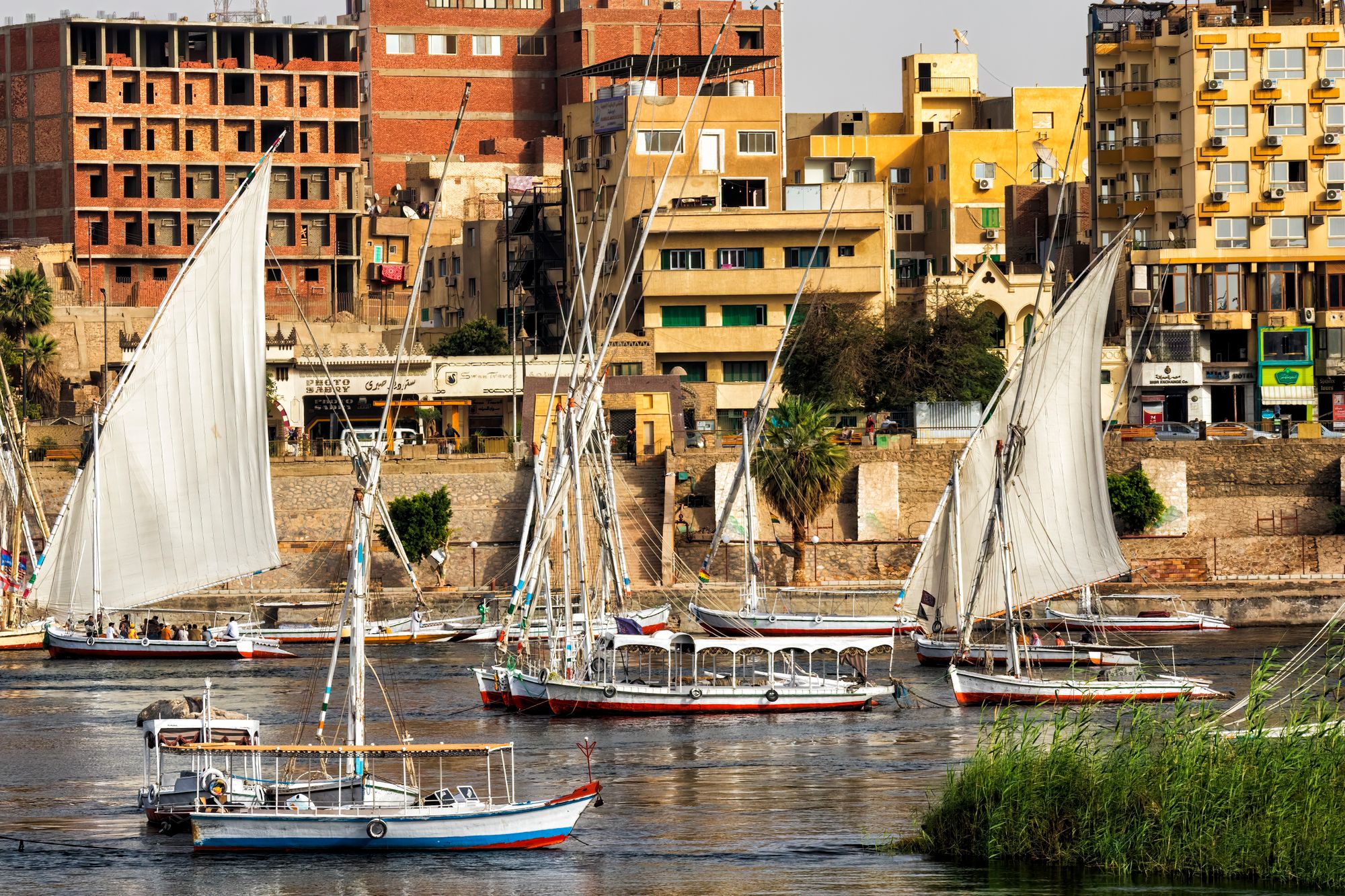
The river is the rest of the experience. A felucca around Elephantine and Kitchener's Island, with the Botanical Garden on it, is the classic late-afternoon trip. Take the ferry to the west bank to climb up to the Tombs of the Nobles, then walk or ride a camel over the sand to the ruined Monastery of St Simeon.

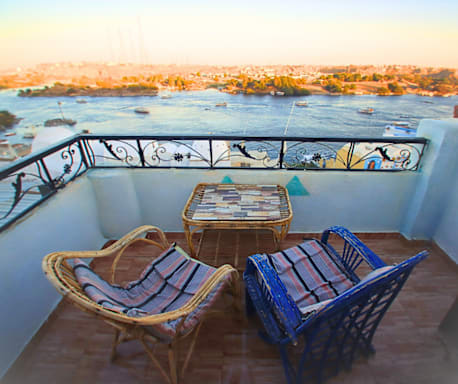
To visit a Nubian village, take a motorboat south through the cataract islands to Gharb Soheil. It is touristy in parts, but sitting on a rooftop with hibiscus tea and fresh bread while the sun sets over the dunes is the reason many people fall for Aswan.

Free things

Aswan without the ticket booths

Aswan rewards people who just sit and watch the river, and most of that is free. Walk the Corniche from the station end south towards the Nubian Museum in the late afternoon, when the feluccas come out and the light turns the west bank dunes orange. The views of the Tombs of the Nobles, Elephantine and the Aga Khan Mausoleum from the riverfront cost nothing.

The souq, Sharia as-Souq, is one of the most pleasant markets in Egypt, with spice sellers piling up hibiscus (karkadeh), cumin and dried chillies, baskets, Nubian scarves and galabiyas. Vendors are present but noticeably less pushy than in Luxor or Cairo. Wander it in the evening when it is cooler and busier.

Elephantine Island is a few minutes away on the public ferry, which costs a small amount compared with a private boat. Once there, walk through the two Nubian villages, Siou and Koti, with their painted houses and narrow lanes. Locals are used to visitors and often invite people in for tea; it is polite to accept or decline with a smile, and a small gift or tip is appreciated if you stay. The ancient ruins at the southern end have a ticket, but the villages do not.

The Coptic Cathedral of the Archangel Michael, on the Corniche, is free and open daily, and it is a calm, cool place to step out of the sun. Fatimid tombs and older mosques are scattered around town, and the view from the hill by the Nubian Museum looks down over the river.

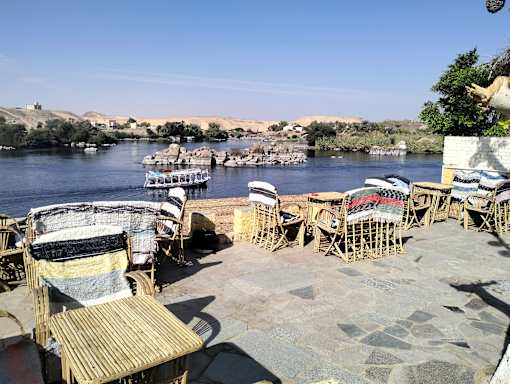
The best free hour in Aswan is sunset from the river's edge. Sit on the Corniche steps, on the Elephantine ferry landing, or on a guesthouse rooftop on the west bank, and watch the dunes go red and the sails go home.

Food and drink

Nubian bread, hibiscus tea and Nile fish

Aswan eats like the rest of Upper Egypt, with a Nubian twist. In the souq and around the station, koshary, ta'ameya, ful and shawarma are cheap and filling, and juice stands sell sugar cane, mango and guava. A street-food lunch costs a euro or two.

The local drink is karkadeh, hibiscus tea, served hot in winter and iced in summer. You will see sacks of the dried red flowers all over the souq, and it makes a good, light souvenir. Dates from the Aswan area are also sold everywhere, and the spice stalls are worth a look even if you do not buy.

Nubian food is the reason to eat on the west bank or on Elephantine. A Nubian meal is usually a spread of slow-cooked stews, often okra or meat in tomato sauce, with rice, salads, tahini, lentil soup and thin Nubian bread baked over a fire. Several guesthouses and village homes serve dinner to visitors, and it is the meal people remember. Fish from the Nile and Lake Nasser, usually tilapia or Nile perch, is grilled or fried and served with rice and salad in local restaurants on the Corniche.

The floating restaurants and terrace cafés along the Corniche charge tourist prices, but they are cooler in the evening breeze and the view is the point. Ask for prices first and check whether service and tax are added to the bill.

Beer and wine are harder to find than in Luxor. Some Nile-front hotels, a few tourist restaurants and licensed shops sell Stella and Sakara, but most local places are dry. Do not drink in public. During Ramadan, local restaurants often close during the day and fill up at sunset, when long tables appear in the streets for iftar.

Nightlife

Rooftops, river breeze and early alarms

Aswan has no club scene and doesn't pretend to. Evenings here are about the river: watching the light go from a felucca or a rooftop, then dinner, tea and an early night before the 4am Abu Simbel pick-up.

The Corniche is where the town comes out after dark. Families walk the riverfront, men play backgammon in the ahwas, and the floating restaurants switch on their lights. The souq stays busy until late, and it is the most pleasant time to browse because the heat has gone.

Hostels and Nubian guesthouses are the social hubs for travellers. Go Inn Backpackers, on the waterfront, is known for its social atmosphere, and people meet there to split Abu Simbel vans and felucca trips. On the west bank and in Gharb Soheil, guesthouse rooftops are quiet and dark, which means seriously good stars.

For a drink, the bars of the larger Nile-front hotels serve beer and cocktails at hotel prices, and some tourist restaurants have licences. Philae's Sound and Light Show runs in the evening for around $20 and gets you onto the island after dark. If you want a night on the water, some felucca captains will sail after dark when the wind allows; agree the price beforehand and bring a layer, because the river gets cool on winter evenings.

A Nubian music night is the closest thing to a party in Aswan. Some village guesthouses and tour operators run evenings with drums, singing and dancing, especially in the winter season; ask at your hostel what is on that week. During Ramadan and the Eids, the whole Corniche stays busy until the small hours.

Getting around

Boats, trains and the Abu Simbel run

The sleeper train is the classic way in. Abela's overnight trains leave Cairo in the evening and reach Aswan around 9–11am the next morning, about 13–14 hours, for $110–125 per person in a shared cabin. From Luxor, day trains take about 3 hours; foreigners are quoted fares in US dollars, roughly $25–45 depending on class, usually bought at the station. Buses between Luxor and Aswan also take about 3 hours. EgyptAir and Air Cairo fly from Cairo, and Abu Simbel has its own small airport with flights from Aswan of about 45 minutes.

Within Aswan, the centre is walkable, and the river does the rest. Public ferries run from the Corniche to Elephantine and to the west bank for the Tombs of the Nobles, and cost very little. Motorboats and feluccas can be hired along the riverfront for the islands, Gharb Soheil and the Botanical Garden; agree the price, the route and the time before you leave. A felucca typically costs EGP 300–600 an hour for the whole boat if you deal directly with a captain.

For Philae and the High Dam, south of town, take a taxi and ask the driver to wait; Philae boats leave from the temple marina. Uber does not operate in Aswan, but inDrive does.

Abu Simbel needs planning. The road crosses 280km of desert and takes 3.5–4 hours each way, and tourist traffic is not allowed on it at night. Most travellers book a seat in a shared minivan through their hostel, around EGP 800–1,200 (€14–21) for transport only, leaving about 4am. Private cars cost more and suit groups of three or four. A public bus leaves Aswan in the morning, but a same-day return is not guaranteed, so it suits people staying overnight in Abu Simbel village.

Heading north, multi-day felucca trips sail towards Kom Ombo, sleeping on deck; ask at your hostel and agree exactly what is included, including food and water.

Costs

Aswan on a budget

Aswan uses the Egyptian pound, and in October 2026 €1 was worth about EGP 58. Like Luxor, daily life is cheap and the sites are where the money goes, with Abu Simbel the single biggest cost.

Here is how the main sights add up: Philae EGP 550 plus your share of the boat, Abu Simbel around EGP 750–820 plus EGP 800–1,200 for a minivan seat, the Nubian Museum EGP 400 and the Unfinished Obelisk EGP 220. That is roughly EGP 2,900–3,300, or €50–57, for the core sights including Abu Simbel transport. Students with an ISIC card get around half off most entry fees. Elephantine's ruins, the High Dam and Kalabsha are around EGP 200 each.

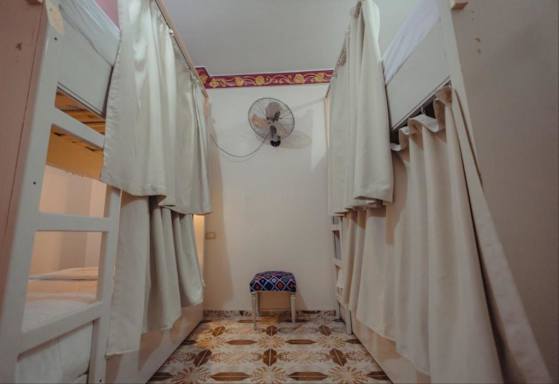
Beds are good value. Hostelworld lists dorms in Aswan from a few dollars a night, and well-rated hostels such as Go Inn and David Hostel start at about $7–8 for a dorm. Nubian guesthouses on the west bank charge more for private rooms, usually with breakfast and sometimes dinner. Street food costs a euro or two, and a local restaurant meal a few euros.

Most ticket offices take card only, so carry a Visa or Mastercard. Cash in Egyptian pounds is still needed for boats, ferries, taxis, food and tips, and ATMs are easy to find near the station and the Corniche. Some hostels ask for cash on arrival.

Haggle for boats, taxis and souvenirs. Feluccas and motorboats are priced per boat, not per person, so share with others, and fix the duration as well as the price. Always agree the currency: a captain who says '20' may later claim he meant dollars.

Safety

Easy-going, with a few river tricks

Aswan is one of the most relaxed cities in Egypt for travellers, and many people who found Luxor or Cairo exhausting love it here. The UK Foreign Office lists Aswan and Abu Simbel as outside its restricted areas, and tourist police are present at the main sites and on the Corniche.

The hassle you will meet is mostly about boats. Captains along the Corniche compete hard, and the common tricks are agreeing a price for an hour and cutting it short, quoting per person when you thought it was per boat, or adding a 'Nubian village visit' that turns out to be a stop at a cousin's souvenir shop. Fix the price, the currency, the duration and the stops before you step aboard, and pay at the end.

In the souq, spice sellers may hand you a sample or a scarf and then expect a sale. It is fine to hand it back and walk on. Some 'saffron' is safflower, sold at saffron prices; if you are buying spices, buy what you can see and smell.

The heat is the main physical risk. Summer highs average 42°C, and sites such as the Unfinished Obelisk and the Tombs of the Nobles have little shade. Start early, carry plenty of water and cover up. The Abu Simbel road is long and pre-dawn starts are tiring; travel in licensed vehicles booked through your hostel or an agency.

Some hostels advertise Nile swimming. Locals do swim, but UK health advice lists schistosomiasis, a parasite carried in fresh water, as a risk in Egypt, and recommends avoiding contact with fresh rivers and lakes where possible. Sea water and chlorinated pools are safe. Women travellers find Aswan easier than Luxor or Cairo, but modest clothing and the usual care at night still help. In an emergency call the tourist police on 126.

Day trips from Aswan

Aswan is the jumping-off point for Egypt's deep south. Abu Simbel is the obvious one, but the temples on the road north to Luxor are just as rewarding and far quieter.

Abu Simbel

3.5–4 hours each way by road · Shared minivan, private car or 45-minute flight

Ramses II's colossal temples above Lake Nasser, moved uphill in the 1960s. Leave around 4am, back by early afternoon.

Kom Ombo

About 1 hour each way · Taxi, or a stop on the way to Luxor

A double temple to Sobek and Horus right on the riverbank, with a small museum of mummified crocodiles. EGP 450.

Edfu

About 2 hours each way · Private car, often with Kom Ombo

The best-preserved temple in Egypt, almost complete down to its roof and pylons. EGP 550.

Kalabsha and the High Dam

Half a day · Taxi

A relocated temple on the shore of Lake Nasser, plus the dam that created the lake. Around EGP 200 each.

Felucca to Kom Ombo

2–3 days · Multi-day felucca from Aswan

Sail north, sleep on deck and stop at riverside villages. Basic, slow and loved by people who do it.

What's on

What's on in Aswan

Aswan's two big dates belong to Abu Simbel, when the sun lines up with Ramses II's sanctuary. The rest of the calendar is film, religious holidays and Nubian celebrations.

When to go to Aswan

Aswan is the hottest city on Egypt's tourist route. Come between October and April for warm, dry days; December and January are the busiest. Summer is brutal, with average highs of 42°C, but sites are empty.

23°
Jan
Peak season; warm days, cool nights
26°
Feb
Sun Festival at Abu Simbel 22 Feb; Ramadan from about 8 Feb 2027
30°
Mar
Eid al-Fitr around 9 March 2027
36°
Apr
Aswan Women Film Festival (20–25 April in 2026)
39°
May
Hot; mornings only
42°
Jun
Extreme heat, lowest prices
42°
Jul
Extreme heat
42°
Aug
Extreme heat
40°
Sep
Still very hot
36°
Oct
Sun Festival at Abu Simbel 22 Oct; season begins
29°
Nov
Ideal weather
24°
Dec
Peak season, Christmas crowds
Bar height is temperature. Colour is how busy it gets: quiet busy peak

Average daily highs for Aswan from 1991–2020 climate normals (climate-zone.com), rounded. Crowd levels are our estimate based on the winter high season, the Abu Simbel Sun Festivals and Egyptian holidays.

Plan your Aswan budget

Choose a style and the number of nights. The 'doing' figure includes your share of Abu Simbel spread across a three-night stay.

Daily estimates in euros per person, at about EGP 58 to €1 (October 2026). Abu Simbel transport and tickets are averaged over three days; flying there or the Sun Festival will push costs up. Treat these as a guide.

—
  • Beds—
  • Food and drink—
  • Getting around—
  • Doing things—

Aswan FAQs

Prices checked October 2026. Egyptian site fees change often, so confirm before you go.

How many days do you need in Aswan?
Two to three days is enough for most people: one for Philae, the Nubian Museum and the Unfinished Obelisk, one for the river and a Nubian village, and one for Abu Simbel. Add a day if you want Kom Ombo and Edfu or simply to slow down.
How do I get from Aswan to Abu Simbel?
Most travellers take a shared minivan booked through their hostel, leaving around 4am and costing about EGP 800–1,200 for transport. The drive is 280km and takes 3.5–4 hours each way. You can also fly from Aswan in about 45 minutes or take the morning public bus if you plan to stay overnight.
How much does Abu Simbel cost?
Entry is around EGP 750–820 for foreign adults, roughly half for students. On the Sun Festival days, 22 February and 22 October, prices are higher. Transport is extra.
How much is a felucca ride in Aswan?
Expect roughly EGP 300–600 an hour for the whole boat if you negotiate directly with a captain on the Corniche. Hotels and agencies charge more. Agree the duration and the route before you set off.
How do I get to Philae Temple?
Take a taxi to the Philae marina south of town, buy your EGP 550 ticket there, then take a motorboat to the island. Boats cost around EGP 700 for up to eight people, so share with others.
Is Aswan safe?
Yes. It is one of the calmest cities in Egypt for travellers. The main issues are boat captains changing prices and the summer heat. The UK Foreign Office does not restrict travel to Aswan or Abu Simbel.
Should I go to Luxor or Aswan first?
Either works. Many people go south to Aswan on the overnight sleeper, then work their way north to Luxor by train or by car via Kom Ombo and Edfu. Coming from Cairo, starting in Aswan means the longer train ride is overnight.
Can I visit a Nubian village?
Yes. Gharb Soheil on the west bank is the most visited, reached by motorboat or taxi. The villages on Elephantine Island are quieter and a cheap public ferry ride from the Corniche.
Is it too hot to visit Aswan in summer?
It is very hot: average highs are around 42°C from June to August. You can visit, but only sightsee early in the morning and late in the afternoon, and expect Abu Simbel to be fierce by 10am.
Can I swim in the Nile in Aswan?
Some hostels offer Nile swimming and locals do swim, but UK travel health advice lists schistosomiasis as a risk in Egypt's fresh water. It is safest to avoid it and use a chlorinated pool instead.

Say yes to hostels, meet the world

Compare Aswan hostels — live prices, real reviews and free cancellation on most bookings. Then meet the people already there in the app.

Get the App. QRGet the App.
Get the App. QR  Get the App.
Scroll to Top