Bole
First-timers and nightlifeModern area near the airport with hotels, restaurants, cafés and bars. Take cars at night.

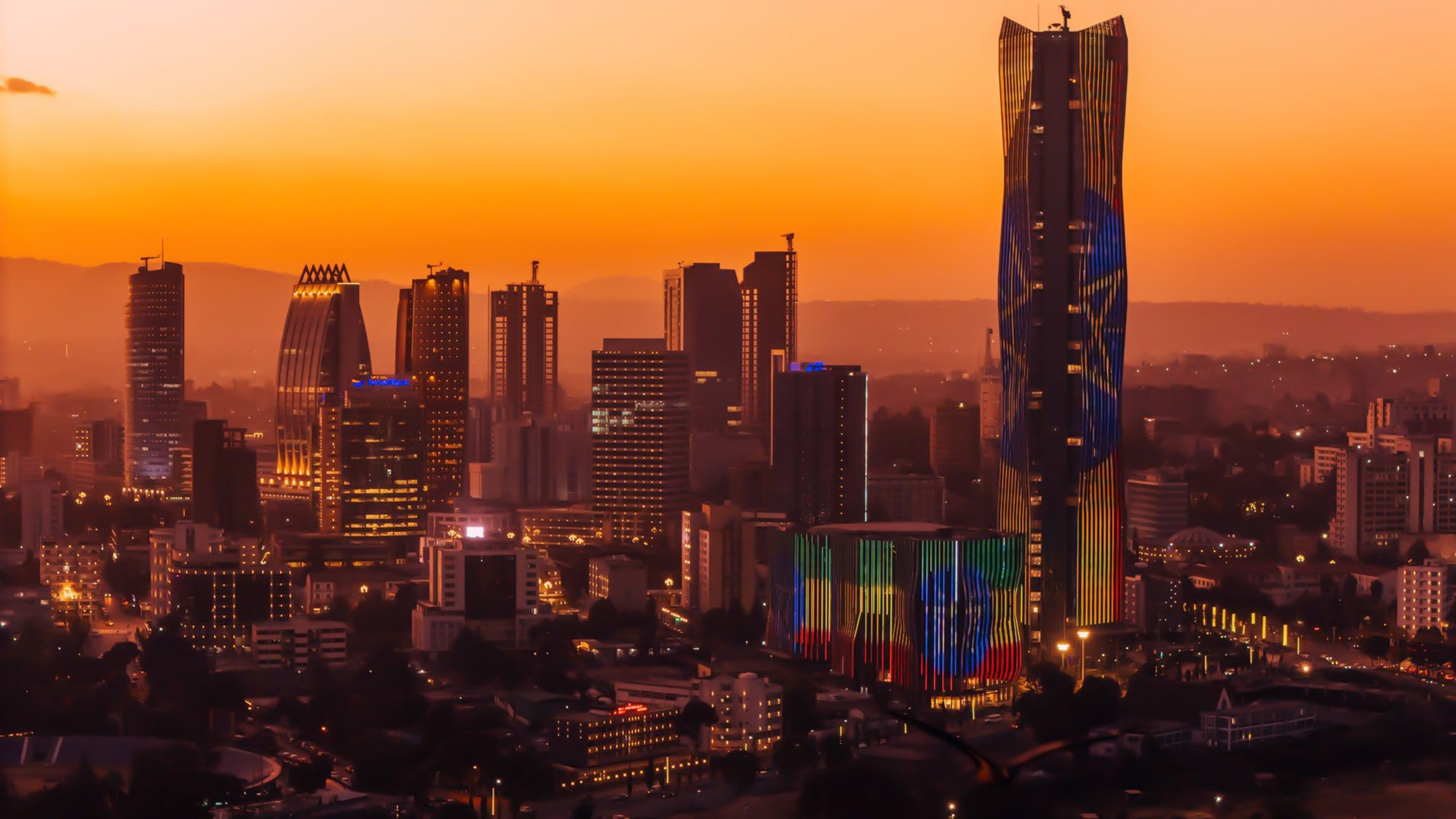
Addis Ababa is Africa's diplomatic capital and one of its highest cities, at about 2,400 m: a sprawling, fast-changing place of museums, cathedrals, markets and some of the best food and coffee on the continent. Meet Lucy, drink coffee where it was born and spend a night in an azmari bar. Give it three nights.
Addis Ababa, meaning "new flower", was founded in the 1880s by Emperor Menelik II and his wife Taytu, and became the capital of Ethiopia soon after. Today it is a city of several million people, home to the African Union headquarters and one of the busiest airports in Africa, the hub of Ethiopian Airlines.
At around 2,400 m above sea level, it is one of the highest capitals in the world, so days are mild and nights are cool all year, and you may feel the altitude on the first day.
The city is spread out and fast-changing, with new towers, roads and parks going up alongside older neighbourhoods. Bole, near the airport, is modern, with hotels, restaurants and nightlife. Piassa, in the north, is the old Italian-era centre, with cafés, cinemas and the cathedral of St George. Between them are Arat Kilo and Sidist Kilo, home to the university, museums and Holy Trinity Cathedral, and Merkato, one of the largest open-air markets in Africa.
Addis has the best museums in Ethiopia, and with much of the historic north off-limits under UK advice in 2026, it is the place to understand the country's history: the fossil of Lucy, the emperors' palaces, the Red Terror and the victory at Adwa.
Three nights is enough for the museums, a coffee ceremony, a food crawl and a night of live music. Addis is also the base for flights to the south, to Dire Dawa and Harar, and to Djibouti.
Bole is convenient for the airport, restaurants and nightlife. Piassa and Arat Kilo are older, closer to the museums and more atmospheric. Kazanchis sits in between. Distances are big, so use ride-hailing.
Modern area near the airport with hotels, restaurants, cafés and bars. Take cars at night.
Old Italian-era centre with cafés, St George's Cathedral and the Adwa memorial.
Home to the National Museum, Holy Trinity Cathedral and the university's Ethnological Museum.
Business district between Bole and the centre, with hotels and nightlife.
One of Africa's largest open-air markets. Visit with a guide; don't stay here.
Orange labels are neighbourhoods, dots are the 2 top-rated hostels. Map data from OpenStreetMap contributors.
Start at the National Museum of Ethiopia, home to the fossil skeleton of Lucy (Dinkinesh in Amharic), a human ancestor about 3.2 million years old, found in the Afar region in 1974. The original is kept in a vault, but the replica and the other hominid fossils make this one of the most important museums in Africa. The upper floors cover Ethiopian art and history.
Nearby, the Ethnological Museum is in Emperor Haile Selassie's former palace on the Addis Ababa University campus, with excellent displays on Ethiopia's many peoples. Holy Trinity Cathedral, with its domes and stained glass, is where Haile Selassie and his wife are buried.
Unity Park, in the grounds of Menelik II's palace, shows the throne hall, banquet hall and regional pavilions, and has a zoo of black-maned lions. Foreigners pay US$20 for the regular ticket or US$50 for the special ticket, which adds a guide and the palace rooms. It is closed on Mondays.
The Red Terror Martyrs Memorial Museum documents the killings under the Derg military regime in the 1970s, with former prisoners sometimes acting as guides. The Adwa Victory Memorial in Piassa celebrates the 1896 defeat of Italy.
Merkato is a vast, chaotic market district where you can buy anything from spices to recycled goods. Go with a local guide and keep valuables hidden.
On the hills north of the city, Entoto has forests, churches and views over Addis, but the UK reports robberies there, so go by car or with a guide.
Many of Addis Ababa's best experiences are cheap or free. The Red Terror Martyrs Memorial Museum is free, with donations welcome.
Watch the city go by from a café terrace in Piassa with a macchiato, a legacy of the Italian occupation, for very little.
Walk through Merkato, which costs nothing but needs care: go in the daytime, ideally with a local, and keep your bag in front of you.
If you are here at Timket in January or Meskel in late September, the religious processions and the giant Meskel bonfire are free and unforgettable, but very crowded, so stay alert.
The cathedrals, including St George's in Piassa and Holy Trinity, charge small fees for foreigners, but their courtyards and the services on feast days are free to see.
Addis Ababa is the best place in Ethiopia to eat. Everything comes on injera, the sour, spongy teff flatbread, which you use to scoop up stews with your right hand.
Try doro wat, the spicy chicken stew with a hard-boiled egg, tibs (sautéed meat), shiro (a smooth chickpea stew) and kitfo, minced raw beef with spiced butter, served in specialist kitfo houses. On Wednesdays and Fridays, when Orthodox Christians fast, restaurants serve beyaynetu, a colourful vegan platter.
Coffee is everywhere. Traditional coffee ceremonies are offered in cafés and restaurants, and the city's old roasters in Piassa serve strong macchiatos.
Bole has the most international restaurants, cafés and bakeries.
A local meal costs a few euros, and a meal in a Bole restaurant around €6 to €12. Try tej (honey wine) and St George beer, and drink bottled water.
Addis Ababa has the liveliest nightlife in Ethiopia. Bole and Kazanchis have bars, lounges and clubs, busy at weekends.
The essential night out is an azmari bet, a traditional music bar where a singer improvises verses, often teasing the audience, accompanied by the masenqo, a one-stringed fiddle, and dancers performing eskista, the shoulder dance. Tip the musicians if they sing about you.
Ethio-jazz, the hypnotic 1960s and 1970s sound, is played live at several venues around the city.
Cultural restaurants serve dinner with traditional music and dance from different regions, a good introduction for first-timers.
The UK reports rising muggings in Bole Medhanealem, Bole Atlas and around Meskel Square, so take a Ride or Feres car home rather than walking, even short distances.
Bole International Airport, the hub of Ethiopian Airlines, is in the south-east of the city, close to Bole. The UK advises using only airport buses or taxis arranged by your hotel, or yellow or app-based taxis if you book yourself, because of pickpockets and bag-snatchers around the airport.
Ride-hailing apps such as Ride and Feres are the easiest and safest way to get around. Traffic is heavy at rush hour, and distances are big.
The Addis Ababa light rail has two lines crossing the city, and is cheap but crowded. Blue-and-white minibuses run fixed routes and cost very little, but are hard to navigate without help.
For travel beyond Addis, Ethiopian Airlines flies to Arba Minch, Jinka, Dire Dawa and other cities, often at lower fares if booked with an Ethiopian international ticket. Long-distance buses leave early in the morning.
For Djibouti, fly from Bole in about 1½ hours, or take the train from Furi-Lebu station, which runs every second day with an overnight stop at Dire Dawa. Overland travellers need a Djibouti visa from the embassy in Addis.
Addis Ababa is cheap day to day, but prices are rising fast after the birr was floated in 2024. In October 2026, €1 buys about 183 birr.
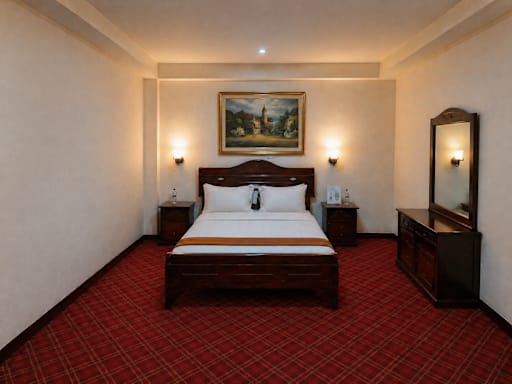
Hostelworld lists only a few places here, with dorm beds from about US$11, and simple hotels and guesthouses fill the gaps. Hotels in Bole cost more.
A local meal costs a few euros, a coffee very little, and a restaurant meal in Bole around €6 to €12.
Ride and Feres cars are cheap for short trips, and the light rail and minibuses cost almost nothing.
Sights charge foreigners more. Unity Park costs US$20, or US$50 with a guide and the palace rooms, and museums and churches charge small fees.
Addis is largely cash-based. ATMs are available but not always reliable, and only some hotels and restaurants take cards. Keep exchange receipts, and remember you can only take 3,000 birr out of the country.
Addis Ababa is visited by many travellers without problems, but crime is rising. The UK reports more muggings and robberies, including at knifepoint, in Bole Medhanealem, Bole Atlas, Meskel Square, Yeka Hills and Entoto. Avoid these areas alone, use cars rather than walking, especially after dark, and hand over valuables if threatened.
Pickpockets and bag-snatchers work around the airport and in crowded places, often using distraction tricks such as spilling something on you, begging or pretending to be ill. Keep your phone out of sight on the street and car windows up at traffic lights.
The UK also says terrorist attacks are very likely in Ethiopia, including at festivals and crowded places, and reports possible drone attacks on military sites, including in Addis Ababa. Avoid protests, and expect internet and mobile networks to be cut without warning at times of unrest.
Same-sex acts are illegal, and the UK reports authorities detaining people at venues in Addis. Don't photograph the Presidential Palace or military sites. Carry a copy of your passport and visa.
Take it easy for the first day or two because of the altitude.
Much of the area around Addis is covered by UK travel warnings in 2026, so most trips from the capital are by air: south to the Rift Valley, east to Harar and over the border to Djibouti.
Forested hills with churches and views over Addis. The UK reports robberies there, so go by car or with a guide.
Lakeside city in the Rift Valley with a morning fish market. Better as an overnight.
Walled city of lanes, mosques and hyena feeding, reached via Dire Dawa.
Lake Assal, Lac Abbé and whale sharks. Needs a visa and several days.
Addis Ababa's biggest events are Orthodox festivals: Timket at Jan Meda in January and Meskel in Meskel Square in September. The UK warns big religious gatherings could be targets, so stay alert.
Ethiopian Orthodox Christmas, with overnight services.
Epiphany processions with priests carrying the tabots and crowds in white.
Celebration of the 1896 victory over Italy.
Ethiopian New Year, as the rains end.
Huge bonfire, the demera, lit in front of tens of thousands of people.
Oromo thanksgiving festival with crowds in traditional dress.
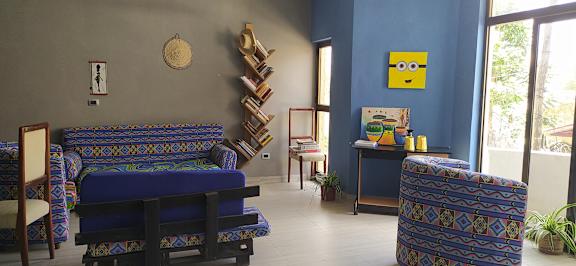
Addis Ababa has only a few hostels, mostly in residential areas a few kilometres from the centre. Check the location and arrange a pick-up from the airport.
Rated 8.6 from about 50 reviews, the best-reviewed hostel in Ethiopia, with dorms from about US$11 and cheap private rooms.
Newer hostel with dorms and private rooms, free breakfast and WiFi. No reviews yet.
Addis Ababa is mild all year, with highs of 20°C to 23°C and cold nights. October to March is dry and sunny; June to September is the rainy season. January (Timket) and late September (Meskel) bring the biggest festivals.
Highs from weather2travel's Addis Ababa climate data (23°C February to May, 20°C July to September); the other months are rounded estimates. Night lows drop to 4–10°C. Crowd levels are our rough guide.
Pick a style and a number of nights for a rough total, per person, in euros.
Estimates. Beds are based on Hostelworld's listed prices for Addis Ababa in October 2026; prices change fast with the birr.
Prices and timetables change. Check before you travel.

Compare Addis Ababa hostels: live prices, real reviews and free cancellation on most bookings. Then meet the people already there in the app.

 Get the App.

 Get the App.