Kiyovu
First-timers and central staysLeafy hill above the city centre with embassies, cafés, restaurants and views.

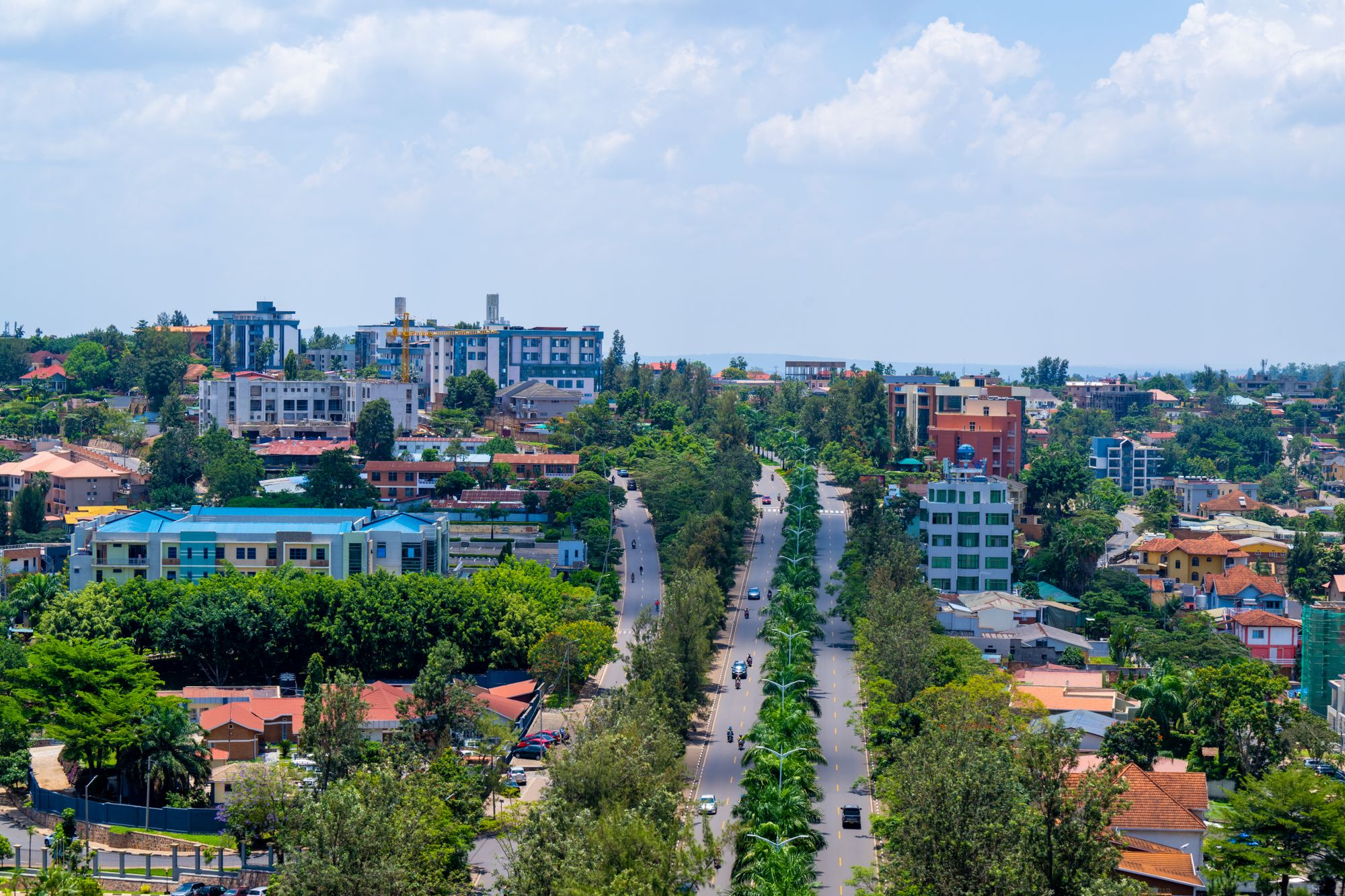
Kigali is one of Africa's cleanest, safest and most relaxed capitals, spread over green hills with views in every direction. Visit the Genocide Memorial, shop for fabric at Kimironko market, eat brochettes in Nyamirambo and drink some of the best coffee in Africa. Two or three nights is ideal before heading for the gorillas.
Kigali sits in the middle of Rwanda, built across a series of hills and valleys, and it is famous across Africa for being clean, orderly and safe. Pavements are swept, plastic bags are banned, motorbike taxi drivers carry helmets for their passengers and you can walk most neighbourhoods at night. It is an easy, gentle introduction to East Africa.
The city has changed fast since 1994, when the genocide against the Tutsi devastated it. Today it has new office towers, the domed Kigali Convention Centre and a growing tech scene, but most of it is still low-rise neighbourhoods of red-brick houses and gardens on the hillsides.
The Kigali Genocide Memorial is the most important place to visit, and most travellers start there. It explains what happened in 1994, how it was planned and how the country has rebuilt since, and it is the burial place of more than 250,000 people. Allow at least two hours and some quiet time afterwards.
Beyond the memorials, Kigali is a city of markets, galleries, cafés and viewpoints. Kimironko market is the best place for African print fabric and tailoring, Nyamirambo is the liveliest, most local neighbourhood, and Kiyovu and Kimihurura have the restaurants and bars.
Two or three nights is enough to see the city, and most visitors pass through again on the way to or from the airport. Kigali is also the hub for buses to every corner of the country.
Kiyovu and Kimihurura are central and leafy, Nyamirambo is lively and local, and Kimironko and Remera are close to the market and the airport. Motos and Yego cars make every area easy to reach.
Leafy hill above the city centre with embassies, cafés, restaurants and views.
Upmarket residential area near the Convention Centre with restaurants, bars and lounges.
One of Kigali's oldest, liveliest neighbourhoods, with colourful shops, mosques and street food.
Government and residential district with Inema Arts Centre and calm streets.
Busy areas east of the centre near Kimironko market, BK Arena and the airport road.
Orange labels are neighbourhoods, dots are the 6 top-rated hostels. Map data from OpenStreetMap contributors.
Start at the Kigali Genocide Memorial in Gisozi. The exhibition explains the history behind the 1994 genocide against the Tutsi, the 100 days of killing and the years of recovery, with a moving children's room and gardens over the mass graves where more than 250,000 victims are buried. Entry is free, with donations welcome, and audio guides are available.
The Campaign Against Genocide Museum, inside the Parliament building, tells the story of how the RPF's soldiers fought to stop the genocide, with the bullet-marked walls still visible. The Hôtel des Mille Collines, which sheltered hundreds of people in 1994 and inspired the film Hotel Rwanda, still operates as a hotel.
For a lighter afternoon, head to Kimironko market, a huge covered market where you can buy fabric and have clothes made by the tailors upstairs in a day or two. Nyamirambo, one of the oldest neighbourhoods, has colourful shopfronts, mosques and street life, and community-run walking tours show you around and support local women.
Kigali's art scene is growing. Inema Arts Centre in Kacyiru exhibits contemporary Rwandan artists, and the Caplaki craft village sells baskets, carvings and jewellery.
For views, hike up Mount Kigali for a panorama over the city, or join the car-free mornings on the first and third Sundays of the month, when streets close to traffic for walking, cycling and outdoor exercise.
Many of Kigali's most important sights are free. The Kigali Genocide Memorial asks only for a donation, and the Campaign Against Genocide Museum is also free to visit.
Walk Nyamirambo on your own to see its painted shopfronts, small mosques and busy street life, especially in the late afternoon.
Kimironko market is free to browse and full of colour, from fabric stalls to fresh produce.
Join car-free day on the first and third Sundays of the month, from 7am to 10am, when the main roads fill with walkers, cyclists and free outdoor fitness classes.
Inema Arts Centre and many smaller galleries are free to enter. Hike Mount Kigali or walk the ridgelines of Kiyovu and Kimihurura for views over the hills, especially at sunset.
Lunch in Kigali means a mélange, a buffet plate of beans, rice, matoke, sweet potatoes, cassava leaves and stews, served in local restaurants all over the city for a few euros. It is filling, cheap and the best way to eat like a Rwandan.
In the evening, the city switches to brochettes: skewers of goat, beef or fish grilled at bars and served with chips, grilled plantain and pili-pili chilli oil. Nyamirambo is the place for late-night brochettes and street food.
Kigali takes coffee seriously. Its cafés serve beans from Rwanda's highlands, and many sell bags to take home.
The international food scene is good and growing, with Indian, Ethiopian, Italian, Asian and modern African restaurants, especially in Kiyovu and Kimihurura. A meal in these restaurants costs around €8 to €15.
Primus and Mützig are the local beers. Drink bottled or filtered water.
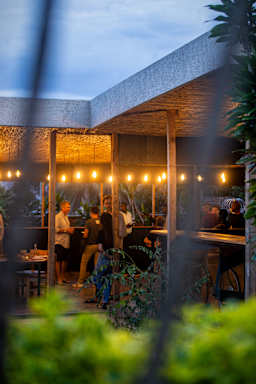
Kigali's nightlife is relaxed and easy to enjoy because the city is so safe. Most nights start with drinks on a rooftop or terrace in Kiyovu or Kimihurura, with views over the lights on the hills.
Nyamirambo is the most local night out, with small bars, music and brochettes grilled on the street until late.
Clubs and lounges in Kimihurura, Remera and Kacyiru get busy on Friday and Saturday nights, with Afrobeats, Rwandan pop and international DJs. Live music nights, including jazz, are popular.
Motos and Yego cars make getting home easy and cheap. Wear the helmet on a moto.
Remember that vapes and e-cigarettes are banned, and that the week after 7 April is a national week of mourning, when the city is quiet.
Kigali International Airport is about 10 km from the centre. A Yego car or standard airport taxi costs about 4,000 to 7,000 RWF and takes around 20 to 30 minutes. Many hostels arrange pick-ups.
The easiest way around the city is by moto, the motorbike taxis on every corner. A short ride costs 500 to 1,000 RWF, and a cross-city ride 1,000 to 2,500 RWF. Drivers carry a spare helmet, which you must wear. Agree the fare first, or use the Yego Moto app for fixed prices.
City buses are cheap and reliable. Buy a Tap&Go card at a bus station, supermarket or kiosk for a small deposit, top it up, and tap on and off; rides cost 200 to 500 RWF. Yego cars cost around 2,000 to 5,000 RWF for short trips.
For trips out of town, Nyabugogo bus terminal has frequent minibuses and express coaches to every town in Rwanda: about 2½ hours and 2,500 to 3,500 RWF to Musanze, and about 3½ hours to Rubavu. International buses run to Kampala and beyond.
On the last Saturday of the month, umuganda community work closes most services and limits traffic from about 7am to 11am.
Kigali is cheap for travellers. Hostelworld lists dorm beds from about US$6 to US$23, and private rooms from about US$7.50, often with breakfast.
A mélange lunch costs a few euros, brochettes and a beer a little more, and a meal at an international restaurant around €8 to €15.
Getting around is very cheap: city buses cost a few hundred francs, a short moto ride under €1, and the airport around €3 to €4 by Yego.
Most of the big sights are free or donation-based, including the Genocide Memorial and the Campaign Against Genocide Museum. Walking tours and day trips cost more.
At about 1,660 RWF to €1, a shoestring day comes to around €25 to €30, and a comfortable one €60 to €70. ATMs are easy to find, mobile money is everywhere, and larger hotels and restaurants take cards.
Kigali is one of the safest capitals in Africa, and most visitors have no problems at all. You can walk most areas during the day and many at night.
Crime does happen. The UK reports burglary, theft, bag snatching and mugging, so keep valuables out of sight, don't carry large amounts of cash, lock car doors and arrange transport at night if you are going far.
Motos are the biggest everyday risk. Accidents are common, so always wear the helmet, hold on and ask the driver to slow down if you need to.
Know the rules: plastic bags and vapes are banned, drug penalties are severe, and it is illegal to photograph some government buildings. Some unlit military areas in the city are off-limits, and entering them can lead to arrest.
Be respectful at memorials, and during the commemoration period after 7 April.
Kigali is the base for the church memorials south of the city, the savannah of Akagera, the royal palace at Nyanza and the museum at Huye.
Two churches where thousands were killed in 1994, now memorials. Deeply moving; go with a guide.
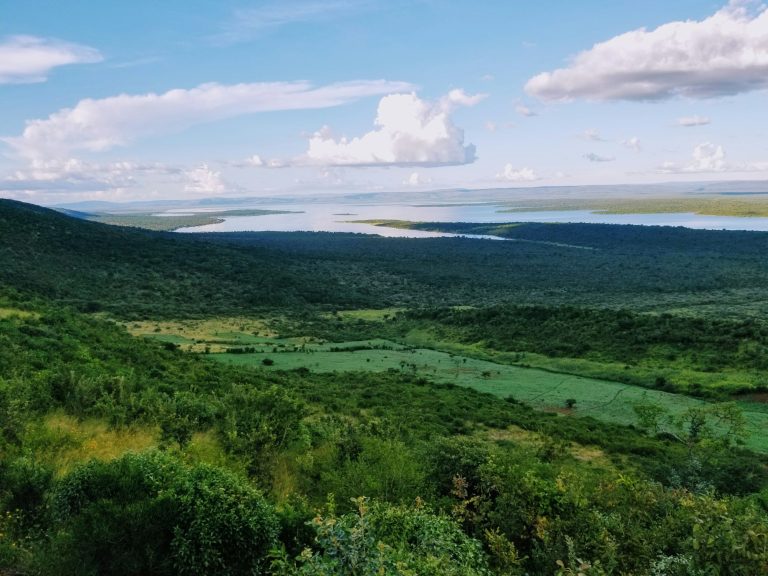
Savannah with the Big Five, boat trips on Lake Ihema and game drives.
Reconstructed royal palace with long-horned Inyambo cattle, on the way to Huye.
One of the best museums in East Africa, on Rwandan history and culture.
Kigali's calendar is shaped by Kwibuka in April, the national days in July and the monthly rhythms of umuganda and car-free day.
Commemoration of the 1994 genocide, beginning with a week of national mourning.
Public holiday.
Public holiday marking the end of the genocide.
Streets close to cars for walking, cycling and free exercise classes.
Community work morning; most businesses close.
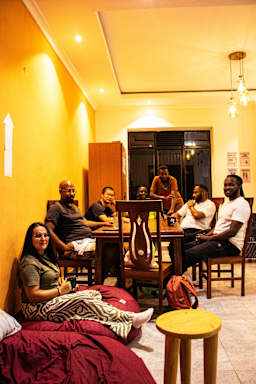
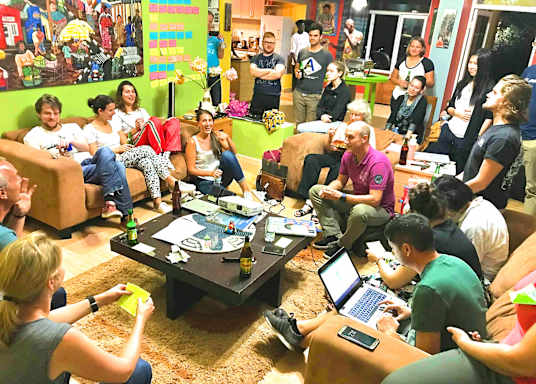
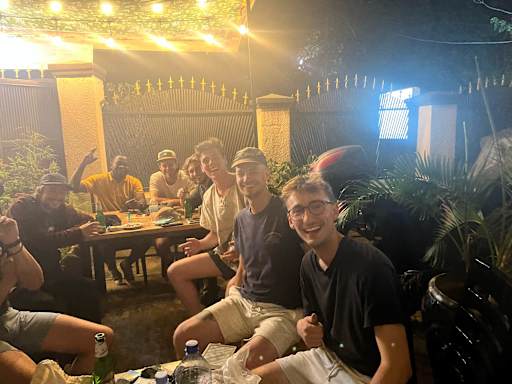
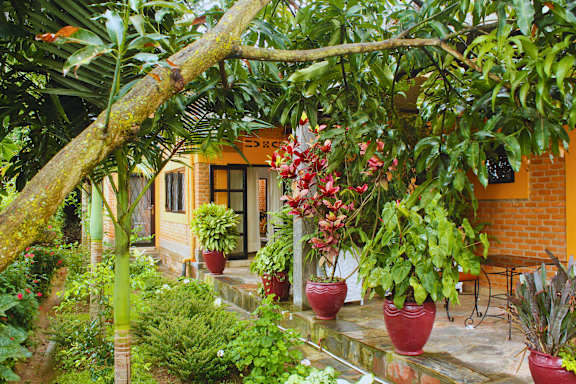
Kigali's hostels are small and friendly, with gardens and city views, spread across the hills. Most can help with gorilla permits and bus tickets.
Rated 9.1 from over 100 reviews, with views over the hills, furnished dorms and private rooms, and biking and hiking trips.
Rated 8.7 from over 80 reviews and a 2025 HOSCAR winner, in a lively neighbourhood with good nightlife, with dorms from about US$8.
Rated 9.4 from 16 reviews, with dorms from about US$6 and city views, near Canal Olympia and Juru Park.

Kigali has a mild, spring-like climate all year, with highs of 25°C to 26°C. June to September and December to February are the driest months, while April and November are the wettest.
Average daily highs from weather2travel's Kigali climate data. Crowd levels are our rough guide.
Pick a style and a number of nights for a rough total, per person, in euros.
Estimates. Beds are based on Hostelworld's listed prices for Kigali in October 2026; transport assumes motos and buses; doing averages free memorials with paid tours.
Prices and timetables change. Check before you travel.

Compare Kigali hostels: live prices, real reviews and free cancellation on most bookings. Then meet the people already there in the app.

 Get the App.

 Get the App.