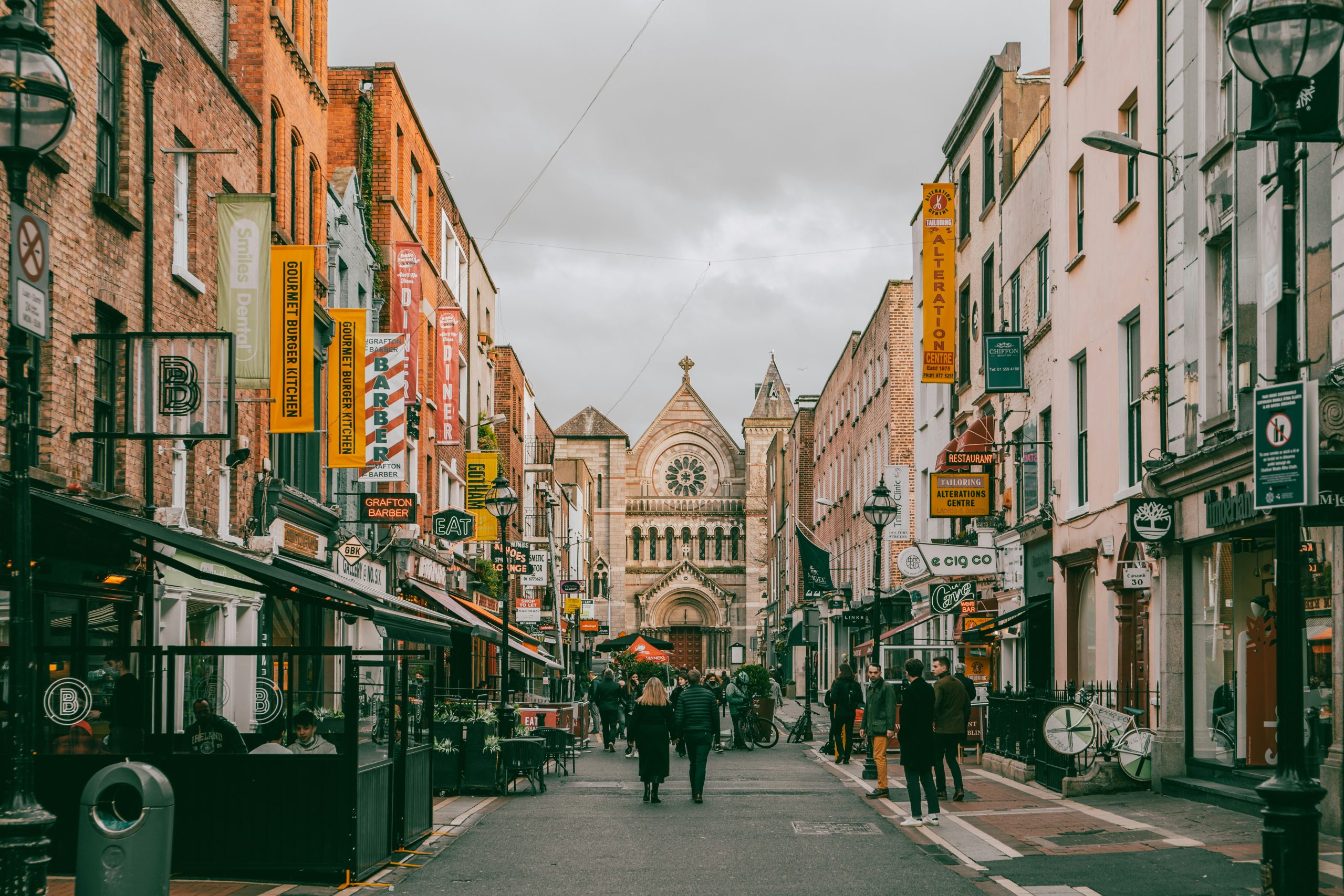
Temple Bar
Being in the middleThe cobbled pub quarter by the river. Central, loud and the most expensive pints in town.

Georgian squares, a thousand-year-old manuscript, a gaol that explains a revolution, and more pubs with live music than any city its size. Expensive, compact, and worth three days.
Dublin is small for a capital. The centre is a half-hour walk from end to end, split by the Liffey into the north side and the south side, and most of what visitors come for sits within a mile of O'Connell Bridge.
It carries its history close to the surface. Trinity College has been teaching since 1592, the Georgian squares south of the river are some of the best-preserved in Europe, and the Easter Rising of 1916, the War of Independence and the Civil War left marks you can still find — bullet holes in the GPO, and the cells at Kilmainham where the leaders of the Rising were held before they were shot.
It is also the most expensive city in Ireland, and one of the most expensive in Europe for a bed. Three days covers the centre, and the DART along the coast to Howth and Dún Laoghaire makes the sea part of the trip.
Everything is walkable, so stay central. The south side is pricier; the north side is where many of the hostels are.
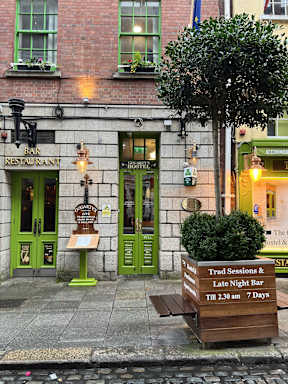
The cobbled pub quarter by the river. Central, loud and the most expensive pints in town.
Around O'Connell Street and Gardiner Street, where many hostels are. Busy and rough at the edges at night.
Old market square and village streets, with the Cobblestone and locals' pubs. On the Luas red line.
The old weaving quarter around the cathedrals and the Guinness brewery. Changing fast.
South of St Stephen's Green, with bars, restaurants and the canal. Lively and pricier.
Orange labels are neighbourhoods, dots are the 11 top-rated hostels. Map © MapTiler © OpenStreetMap contributors.
Book the two things that sell out before you arrive. The Book of Kells at Trinity College, a ninth-century illuminated gospel, comes with the Long Room of the Old Library, one of the great library halls of the world; the first slots of the day are the least crowded. The Long Room is being restored, and its books have been moved out for conservation, so the shelves are largely empty until the work is finished. Kilmainham Gaol, where the leaders of the 1916 Rising were executed, is visited only by guided tour, costs €8 and books out weeks ahead. It is the most affecting thing in the city.
The Guinness Storehouse is a brand experience with a rooftop bar and a free pint, and most people enjoy it anyway. Prices vary by time slot. EPIC, in the Docklands, is an excellent museum of Irish emigration.
The free museums are some of the best in Europe. The National Museum of Archaeology has Iron Age bog bodies and Celtic gold, and the Chester Beatty Library, behind Dublin Castle, holds manuscripts from across the world and is almost always quiet.
Then get out of the centre. The DART runs along the bay to Howth, where a cliff walk circles the headland, and south to Dún Laoghaire and the Forty Foot, where people swim in the sea all year.
Dublin's national cultural institutions are free, and they are excellent. The National Museum of Archaeology, the National Gallery, the Natural History Museum and the Chester Beatty Library cost nothing to enter.
The Georgian south side is free to walk: Merrion Square, with its Oscar Wilde statue, St Stephen's Green and the doors of Fitzwilliam Square. Trinity College's front square is open to walk through, even without a ticket for the library.
Phoenix Park, one of the largest enclosed city parks in Europe, has a herd of wild fallow deer that has lived there since the seventeenth century.
Trad sessions are free, and so is the Howth cliff walk once you have paid for the DART.
Dublin has become a good food city, but eating out is expensive. The ways round it are lunch rather than dinner, pub food, and the markets.
A carvery lunch in a pub, a full roast for around €13 to €16, is the best value hot meal in the city. Supermarket deli counters do rolls and hot food for about €5.
The full Irish breakfast is the thing to do once: rashers, sausages, black and white pudding, eggs, beans and toast, for €12 to €16.
The Temple Bar restaurants are the worst value. Camden Street, Capel Street and the Liberties have cheaper and better places, and Moore Street, on the north side, is the old fruit and vegetable market.
The pub is the night out. Temple Bar is where visitors go and where a pint costs €8 or more; the music there is for tourists, and locals rarely drink in it.
Walk ten minutes and it changes. Camden Street and Wexford Street on the south side are full of busy bars and late venues. Capel Street, now largely pedestrianised, is lively and the centre of the LGBTQ+ scene. Stoneybatter, on the north side, has old pubs full of locals and a proper pint for around €6.
For trad music, the Cobblestone in Smithfield is the best-known session pub in the city, with music every night in the front bar.
Pubs close around 23:30 during the week and 00:30 at weekends, and clubs by about 02:30. The night starts early, around eight.
The centre is walkable, and walking is usually quicker than the bus. For longer trips, get a TFI Leap Card: a 90-minute journey on Dublin Bus, the Luas trams and the DART in the city zone costs €2, with free transfers, and the card caps what you spend in a day.
From the airport, Dublin Bus routes 16 and 41 take the Leap Card at the standard fare. The private express coaches, Dublin Express and Aircoach, are faster and cost around €10. There is no rail link to the airport.
The DART runs along the coast from Howth to Greystones and is the best way to reach the sea. Trains to Cork, Galway, Kilkenny and Westport leave from Heuston and Connolly stations; buses to Galway leave from the centre every hour.
Dublin Bikes, the city bike-share scheme, has stations across the centre.
Dublin is expensive, and the bed is the reason. Dorms start around €25, and pass €40 on St Patrick's weekend, big rugby weekends and concert nights, when prices can double. Book far ahead for those.
A pint is €6.50 to €8 in the centre, less in the neighbourhoods. A careful day comes to €65 to €85.
The savings: the national museums are free, a carvery lunch replaces dinner, the Leap Card beats cash, and drinking in Stoneybatter or Rathmines rather than Temple Bar saves a few euros a round.
Dublin is generally safe, and violent crime against visitors is rare. The problems are the usual city ones, concentrated in a few places: O'Connell Street, the north inner city and the boardwalks along the Liffey late at night, where there has been a rise in reported antisocial behaviour.
Pickpocketing happens in Temple Bar and on Grafton Street in the crowds. Keep your phone out of your back pocket in busy pubs.
Traffic comes from the right. Look both ways — the painted instructions on the kerbs are there for a reason.
Emergency numbers are 112 or 999.
The sea, the mountains and a Neolithic tomb older than the pyramids, all within an hour or two.
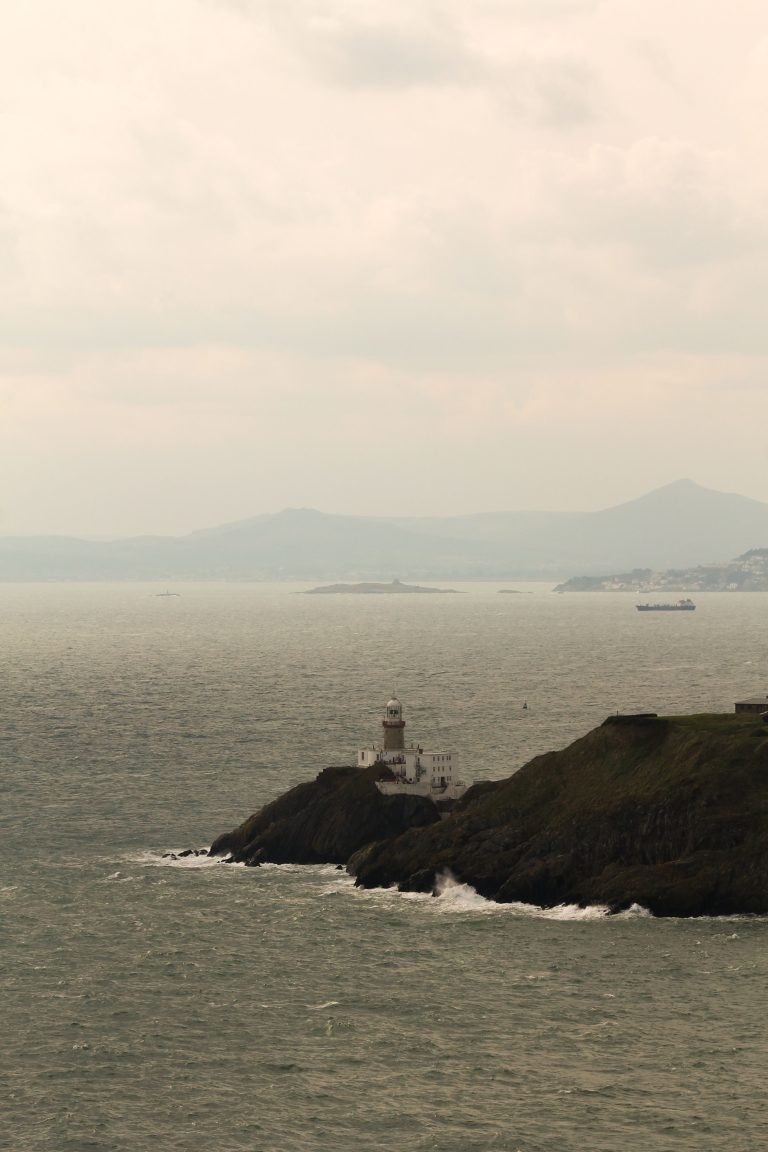
A fishing harbour and a cliff walk round the headland, with seals in the harbour and fish and chips on the pier.
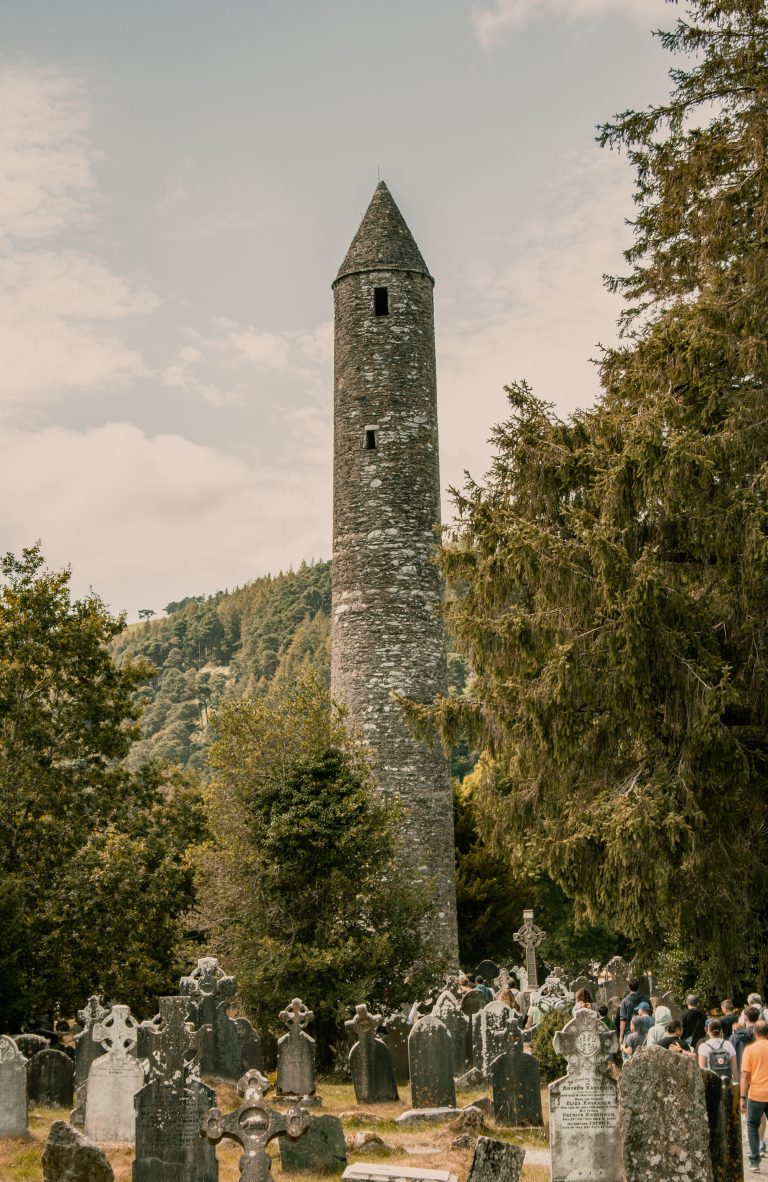
A sixth-century monastic settlement and round tower in a glacial valley with two lakes, in the Wicklow Mountains.
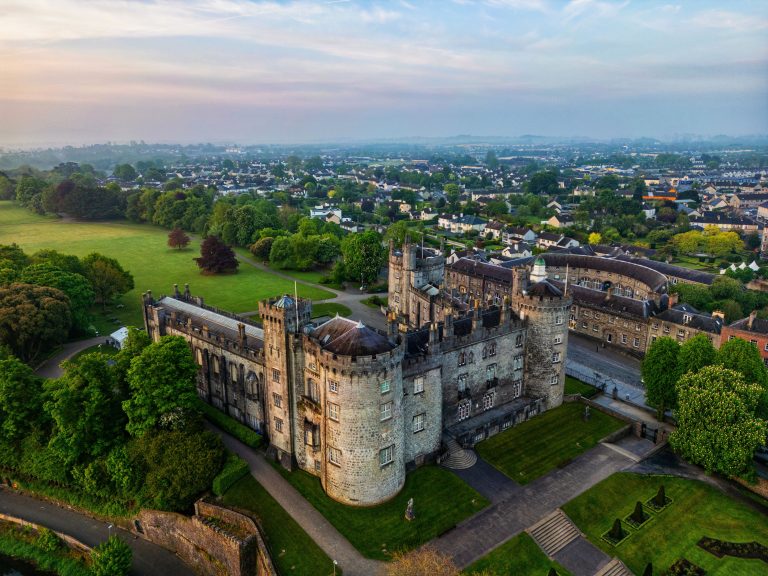
A medieval city with a castle and a cathedral round tower you can climb.
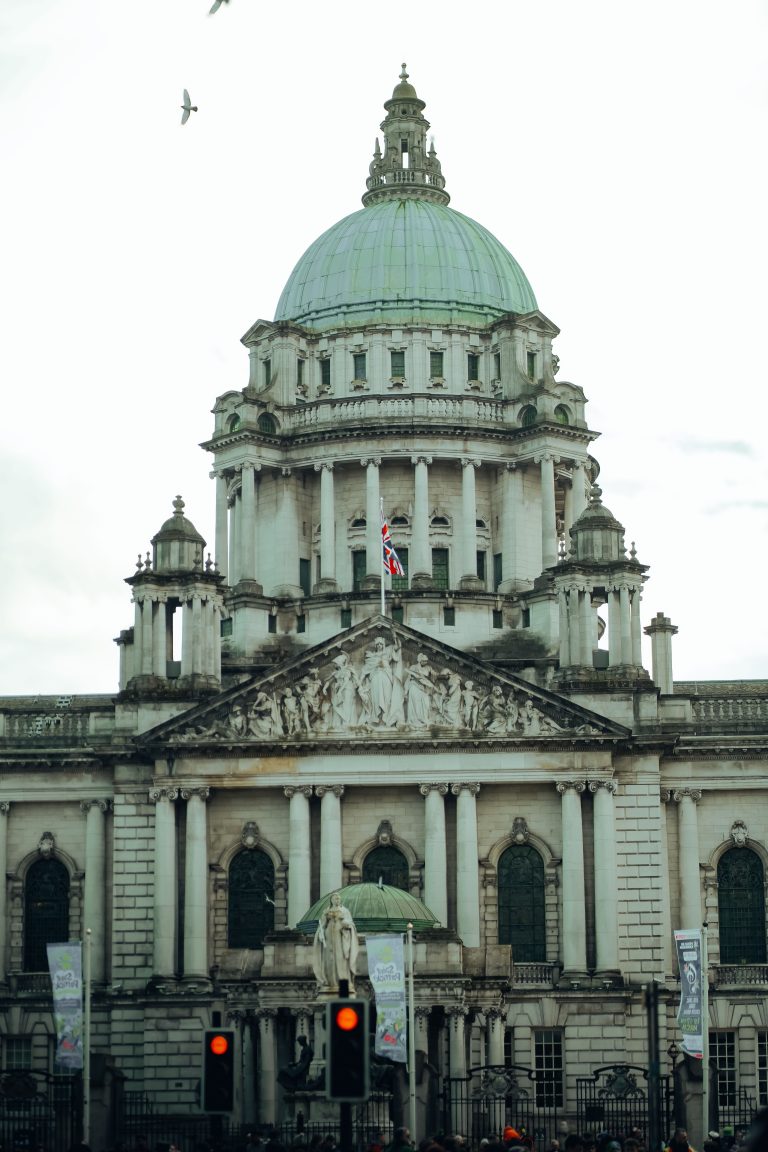
A different country, with sterling, the Titanic museum and the political murals. An easy long day.
St Patrick's week makes the city expensive and full. The rest are worth timing a trip around.
 Staff pick
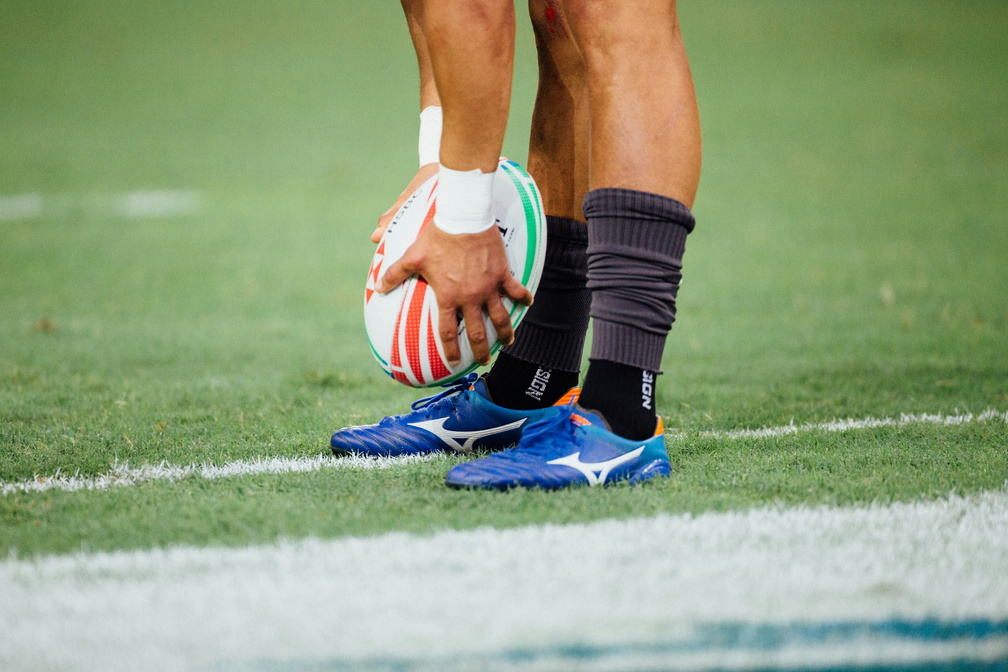
Experience the excitement of top-tier international rugby as Ireland hosts the Autumn Internationals at the iconic Aviva Stadium in Dublin. Fans can witness Ireland…
 Staff pick
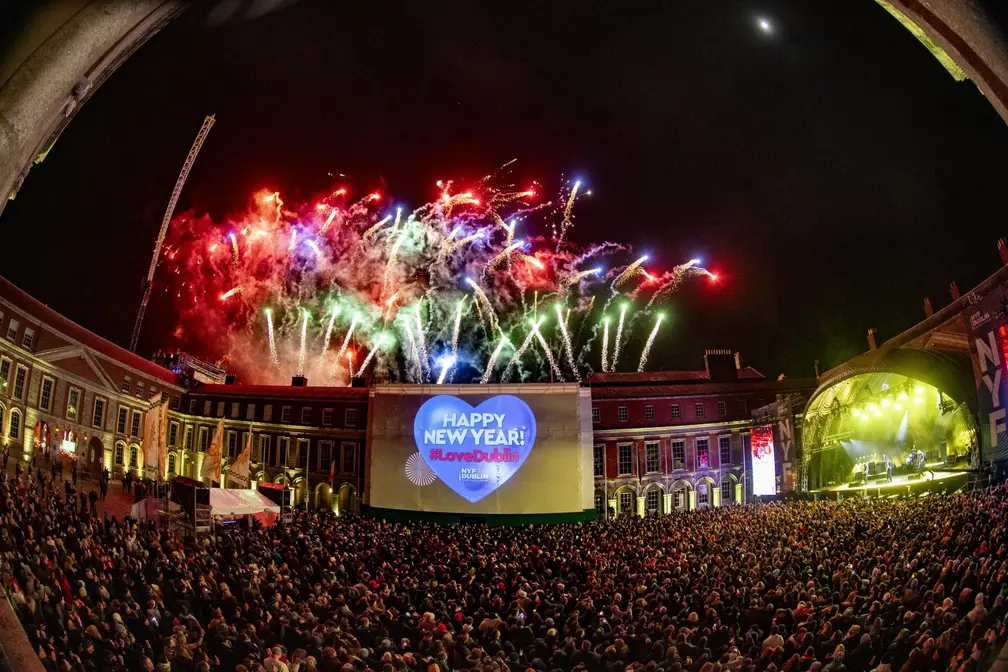
Ring in the New Year in Dublin, Leinster, Ireland, with a spectacular festival that transforms the city into a hub of music, celebration, and…
 Staff pick
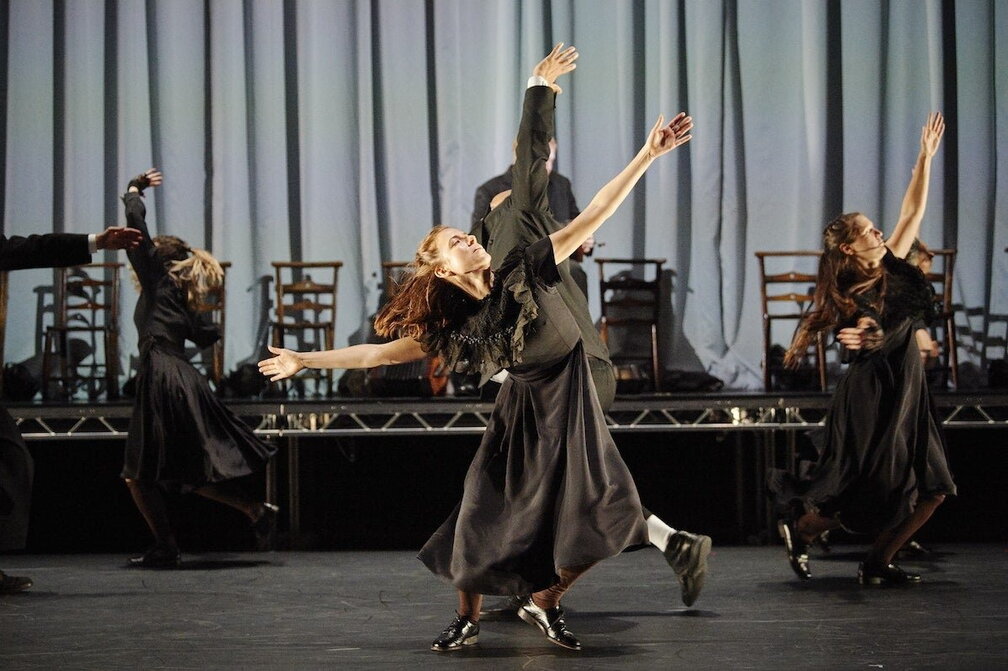
Dublin Theatre Festival is a celebrated annual event that transforms the city into a hub for world-class theatre, dance, and performance. Bringing together acclaimed…
 Staff pick
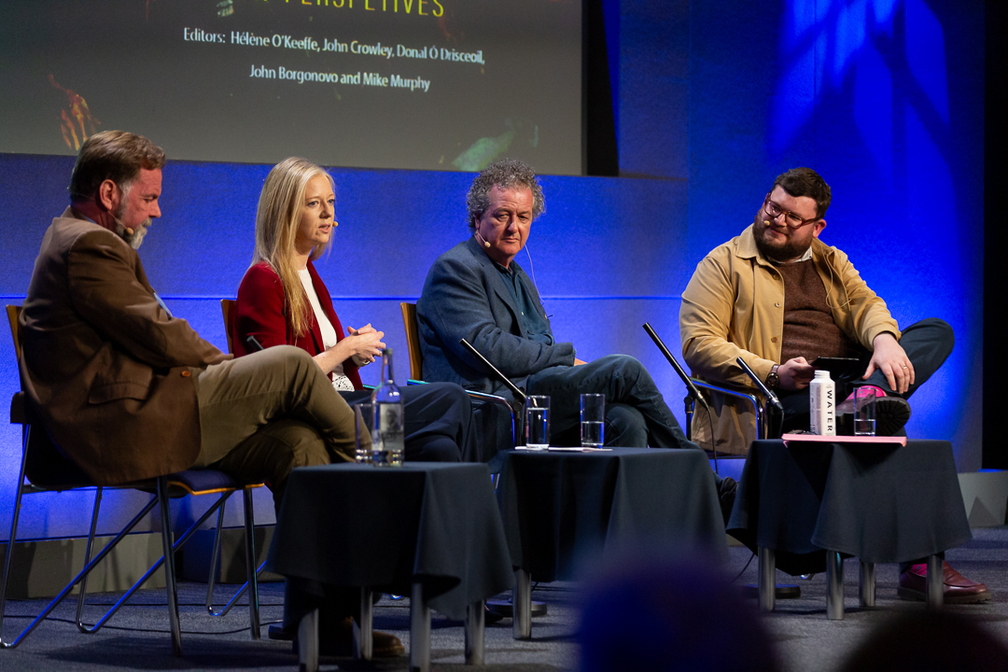
The Dublin Festival of History invites visitors to explore the past through engaging talks and lively debates led by acclaimed Irish and international historians.…
 Staff pick
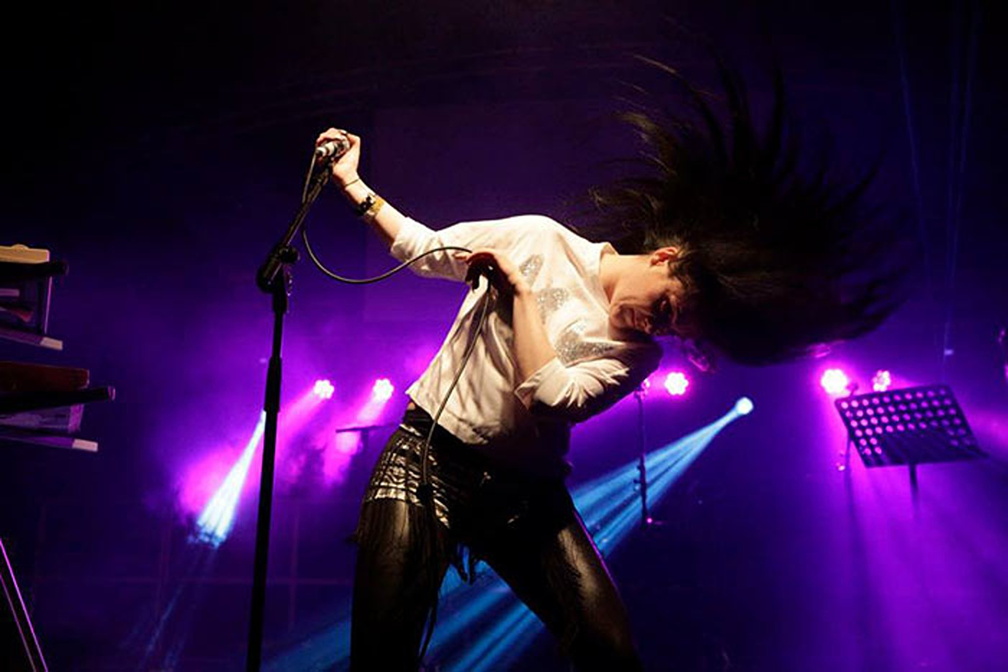
Immerse yourself in the future of Irish music at Ireland Music Week, formerly known as Hard Working Class Heroes. Over three dynamic days, this…
 Staff pick
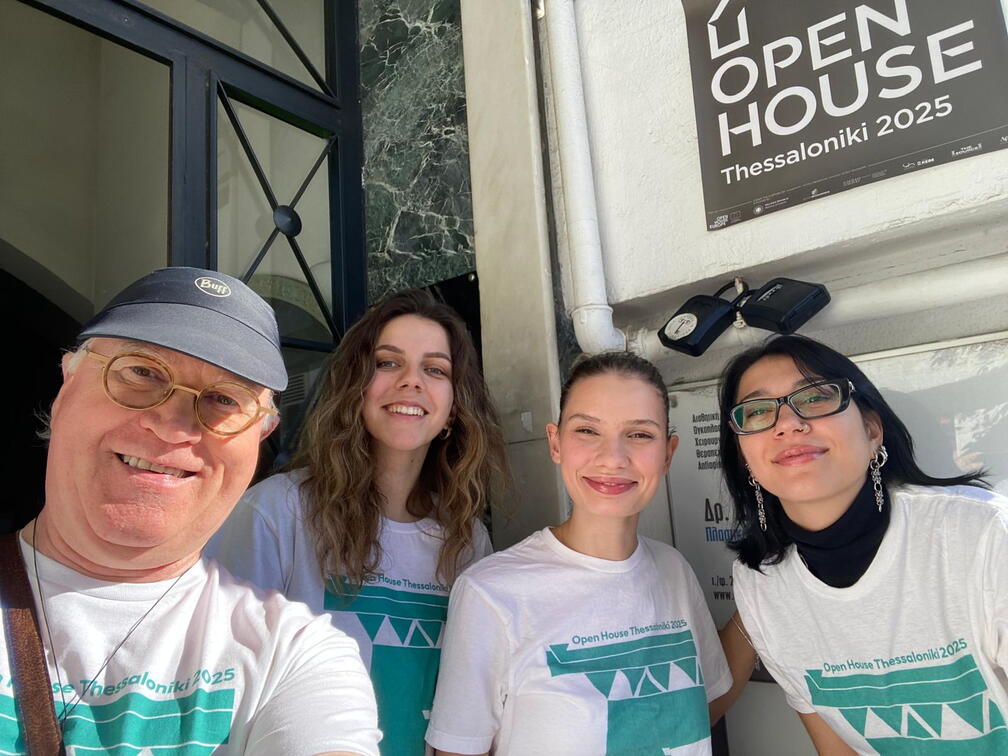
Open House Dublin invites visitors to explore the city’s architectural treasures through a series of free guided tours and engaging events. Hosted by the…
 Staff pick
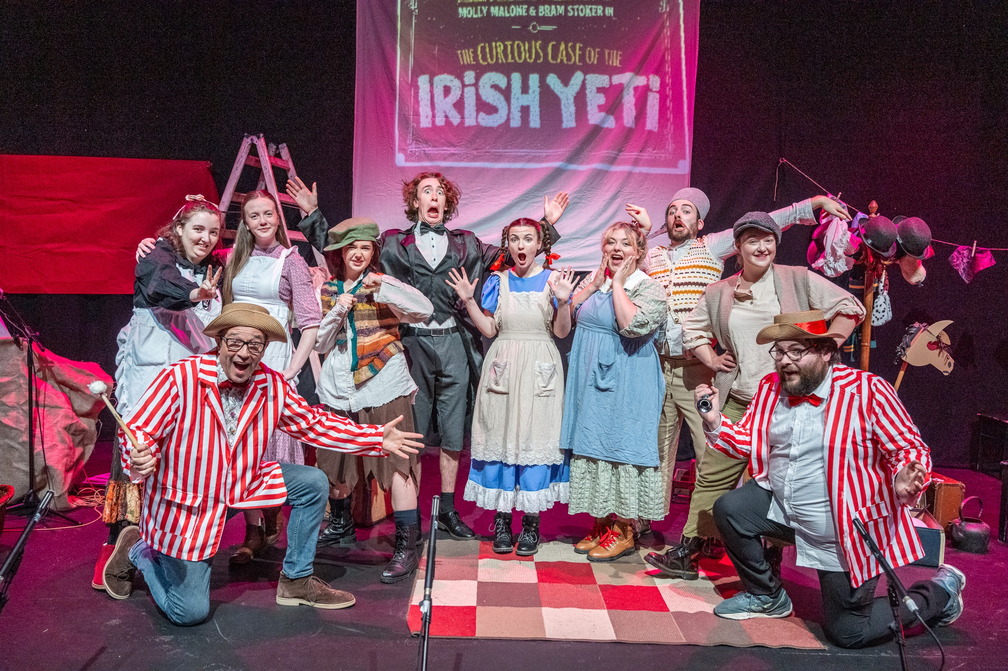
The Red Line Book Festival in Dublin is a cornerstone of South Dublin’s cultural scene, bringing together readers and writers in celebrated venues like…
 Staff pick
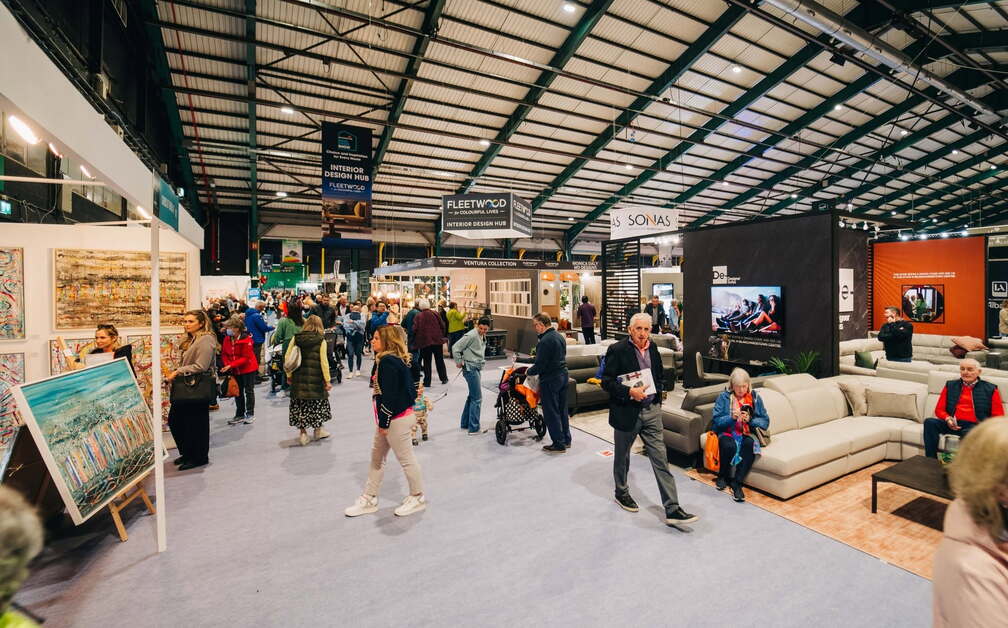
Ireland's largest home event brings together over 230 exhibitors covering everything from kitchen design and retrofit options to interior trends and energy upgrades. You…
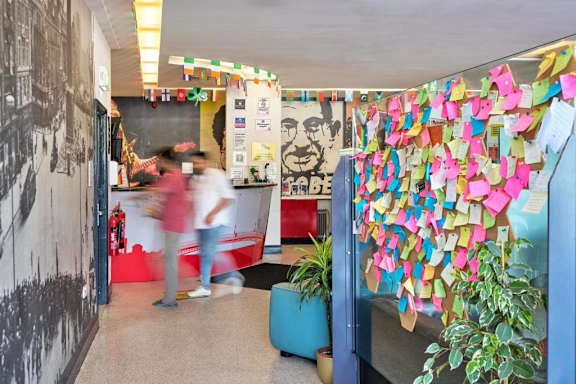
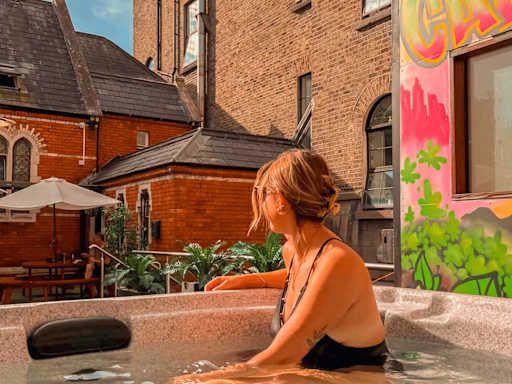
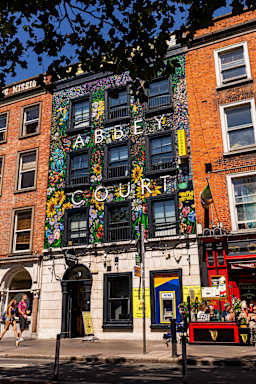
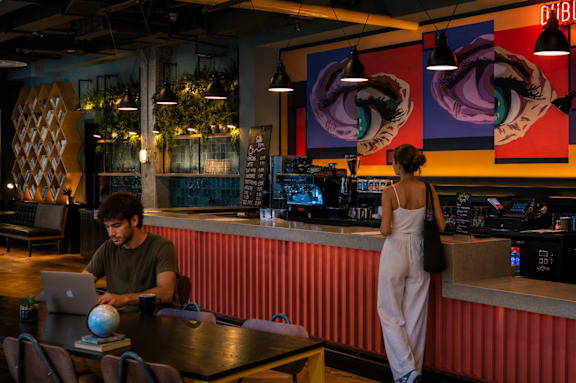
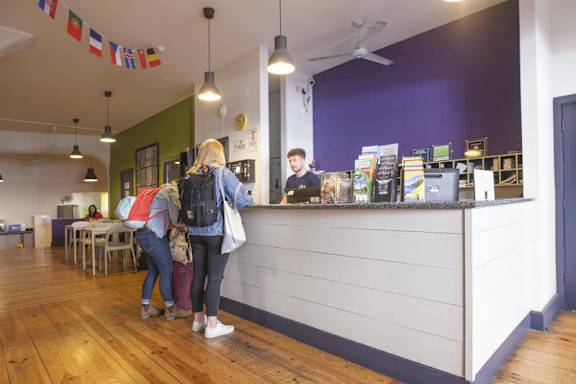
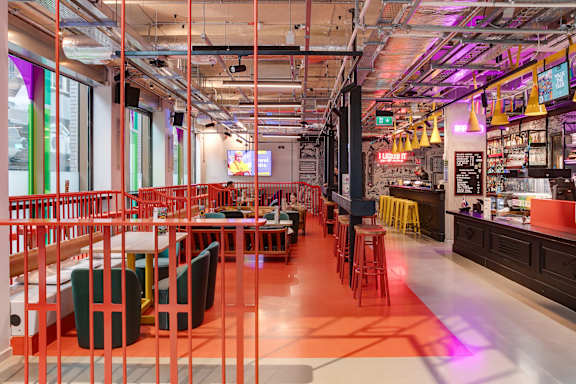
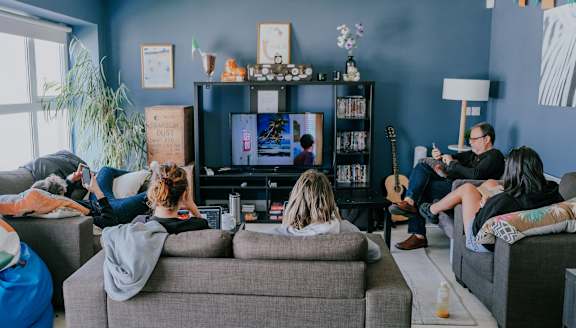
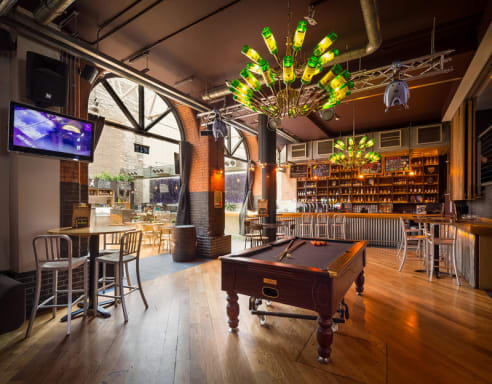
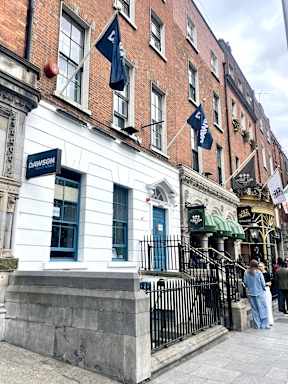
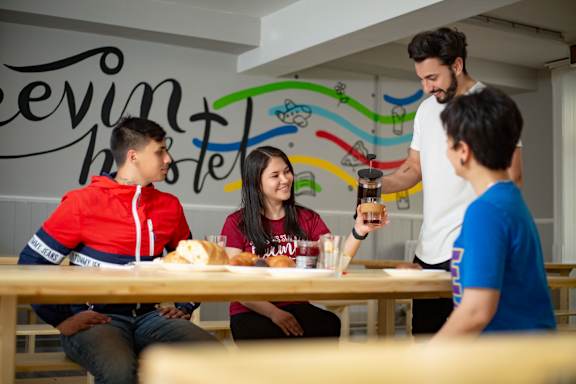
Dublin has the most hostels in Ireland, many in the centre on both sides of the river. Book early for weekends. These are the top-rated right now, live from Hostelworld.
 Sustainable
Dublin is a year-round city. May to September has long evenings; December has Christmas in the pubs.
Average highs. It rains in every month, lightly and often. The real difference is daylight: about 17 hours in June and under 8 in December.
Pick how you travel. Per person per night, in euros.
Transport assumes Leap Card fares. Kilmainham is €8; the Book of Kells and Guinness Storehouse cost more and vary by time slot.
The ones we get asked most.

Compare Dublin hostels — live prices, real reviews and free cancellation on most bookings. Then meet the people already there in the app.

 Get the App.
 Get the App.