Rwanda
Rwanda country guide

Rwanda Travel Guide

Rwanda is small, green, hilly and remarkably easy to travel: smooth roads, cheap buses, clean streets and a capital that feels safe at night. Track mountain gorillas on the Virunga volcanoes, walk the Congo Nile Trail along Lake Kivu and learn the country's history in Kigali. Ten days covers the highlights.

US$1,500
Gorilla trekking permit
€30–45
A backpacker day, before permits
About 2½ hours
Kigali to the volcanoes
Jun–Sep
Best months, with Dec–Feb

What travelling Rwanda is actually like

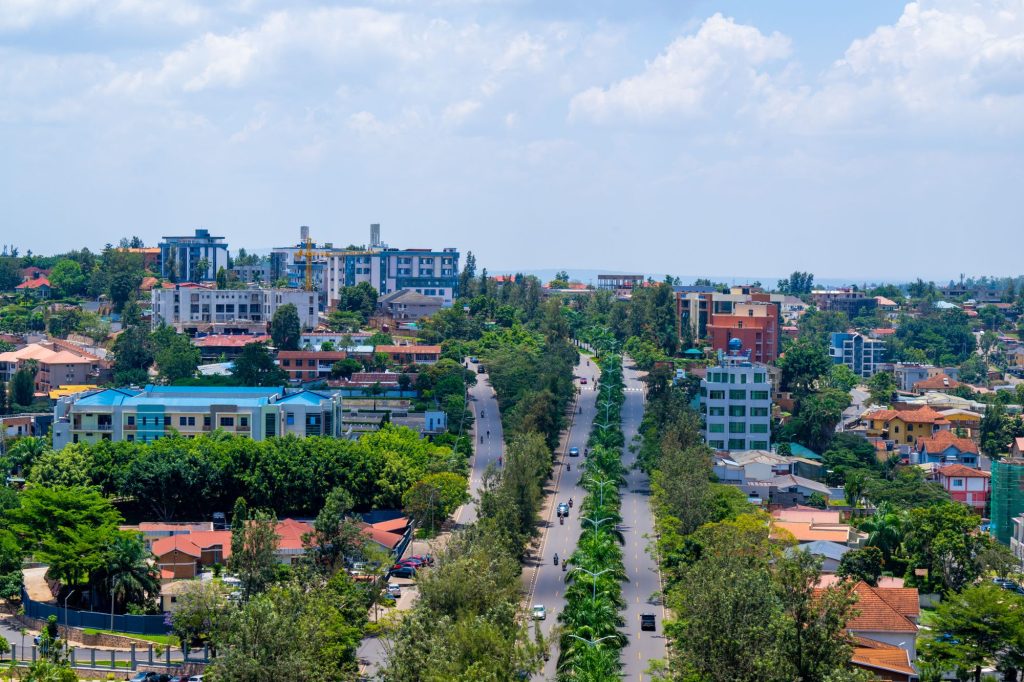
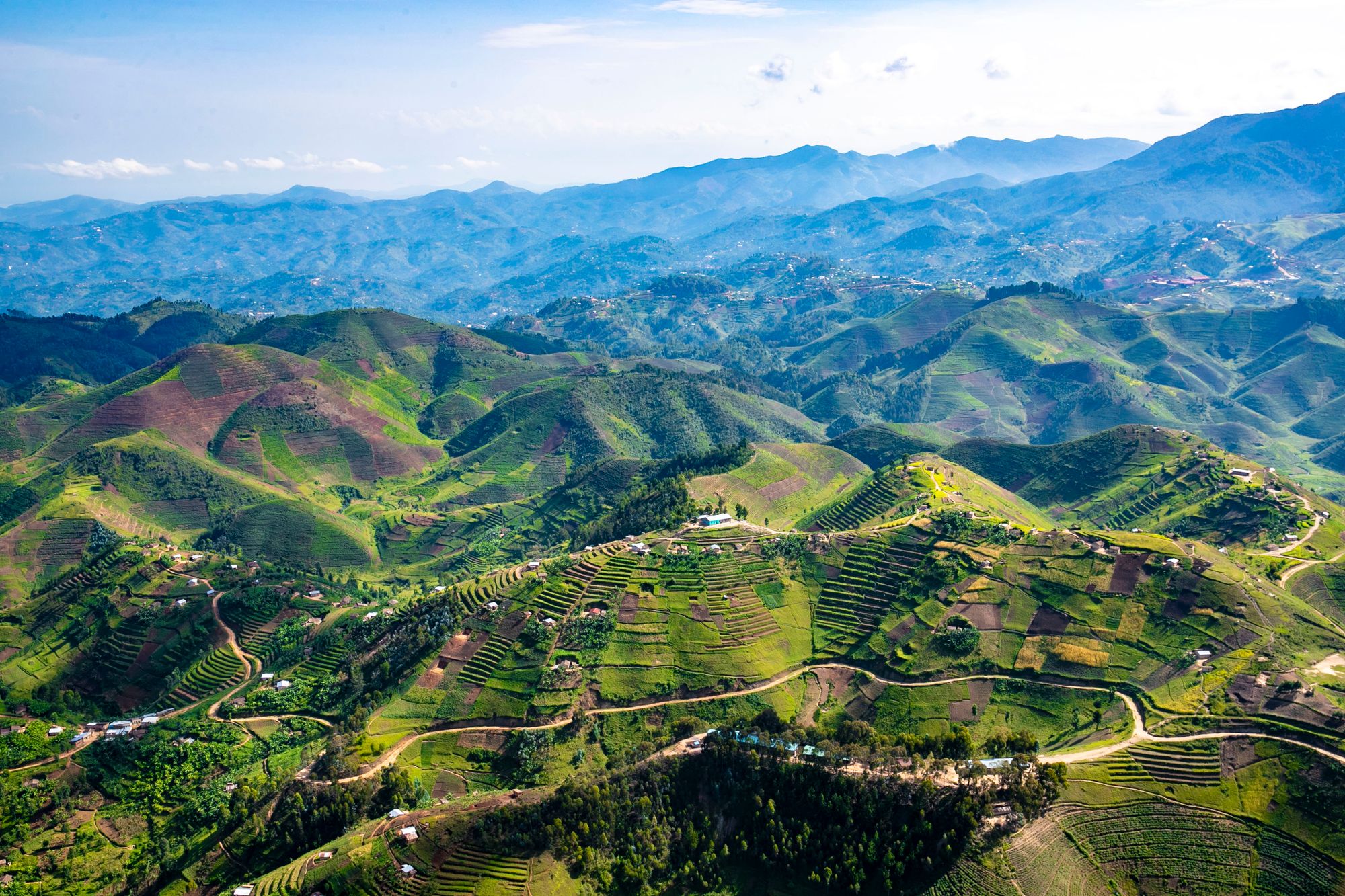
Rwanda is known as the land of a thousand hills, and almost every road winds through terraced slopes of tea, bananas and beans. It is one of the smallest countries in Africa, so distances are short: you can reach the volcanoes, Lake Kivu or the southern forests from Kigali in a few hours on good paved roads.

It is also one of the most organised countries in the region. Buses run on time from Kigali's Nyabugogo terminal, plastic bags are banned, the streets are spotless, and on the last Saturday of every month the whole country stops for umuganda, a morning of community work. Kigali is one of the safest capitals in Africa to walk around.

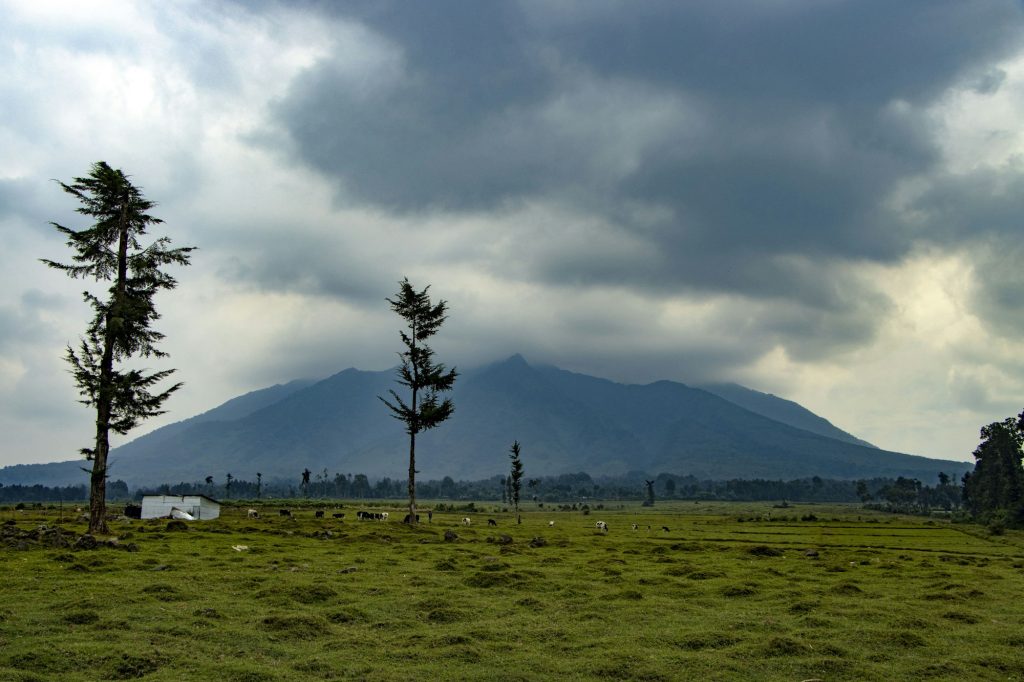
The reason most people come is the mountain gorillas of Volcanoes National Park, near Musanze. Rwanda has positioned itself as a high-end destination, and at US$1,500 a gorilla permit is the most expensive in Africa. But the rest of the country is good value, and backpackers can travel cheaply between the parks, the lake and the capital.

You cannot understand Rwanda without its history. In 1994, around a million people, most of them Tutsi, were killed in the genocide against the Tutsi in about 100 days. The memorials in Kigali and around the country are a central and moving part of any visit, and Rwandans speak about the past and the reconciliation that followed with remarkable openness.

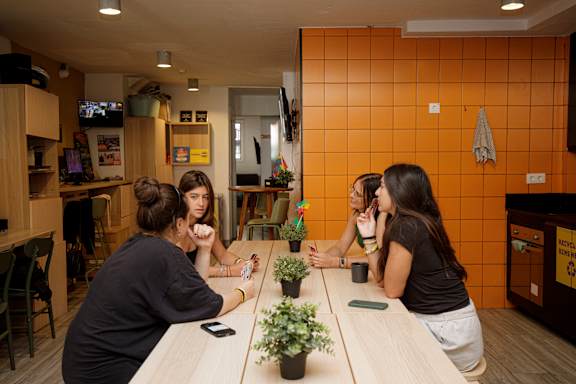
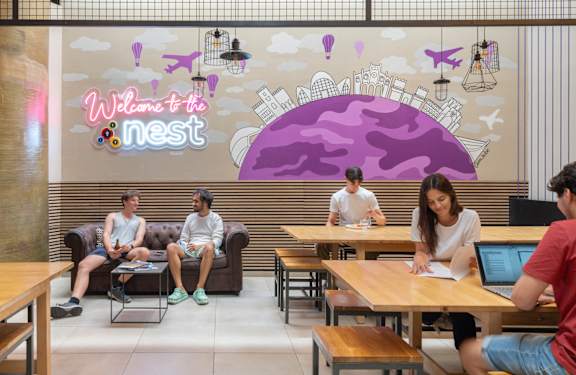
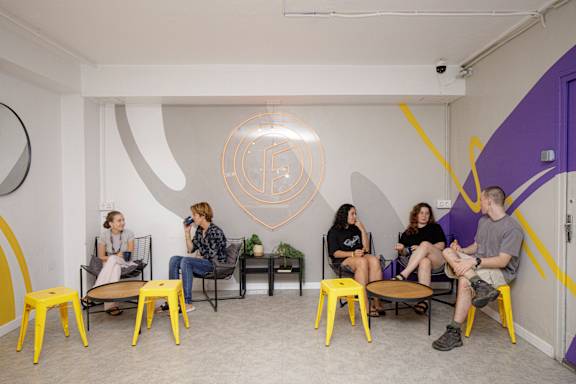
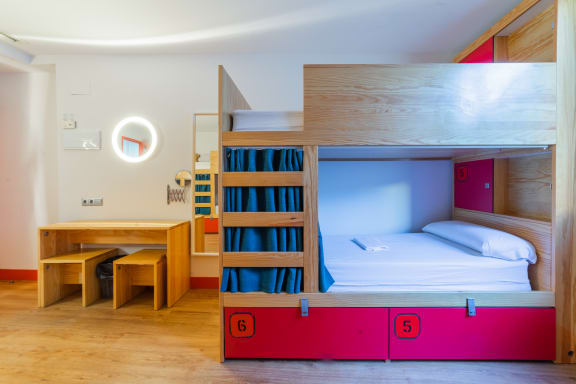
Ten days to two weeks covers Kigali, the gorillas and volcanoes around Musanze, Lake Kivu and either Nyungwe Forest or Akagera's savannah. Hostelworld lists hostels in Kigali and Musanze, and guesthouses fill the gaps elsewhere.

Where to go in Rwanda

Most routes start in Kigali, head north-west to the volcanoes, follow Lake Kivu south and loop back via Nyungwe or east to Akagera. These are the stops that earn their place, with live hostel counts and dorm prices from Hostelworld.

Kigali

Kigali

6 hostels

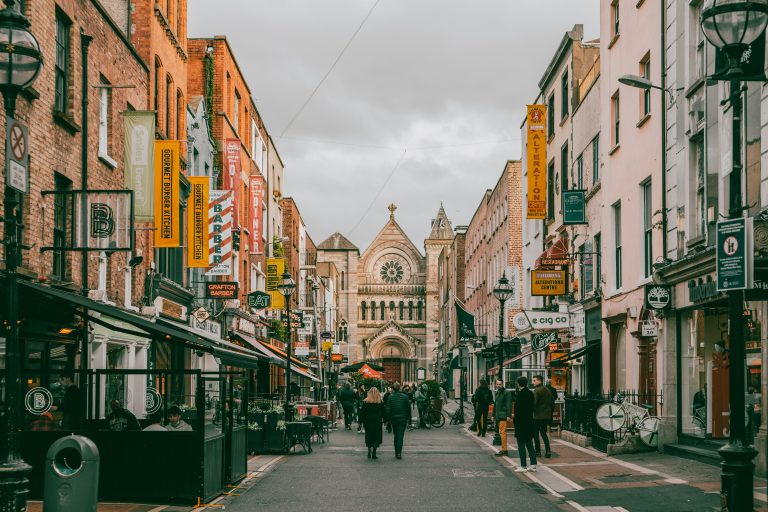
Clean, green, safe capital on a dozen hills, with the Genocide Memorial, markets, craft centres and a growing food and nightlife scene. Most of Rwanda's hostels are here.

Kigali is wonderful! It is green, clean, super safe and it is developing very fast. Also, easy to navigate and get around. There's plenty of things to do from the Genocide Memorial to various parks, markets, restaurants and clubs.

A traveller, on Hostelworld
The Kigali guide
Musanze

Musanze

2 hostels

Busy town at the foot of the Virunga volcanoes and the base for gorilla trekking, golden monkeys and volcano hikes. About 2½ hours from Kigali.

The Musanze guide
Rubavu

Rubavu

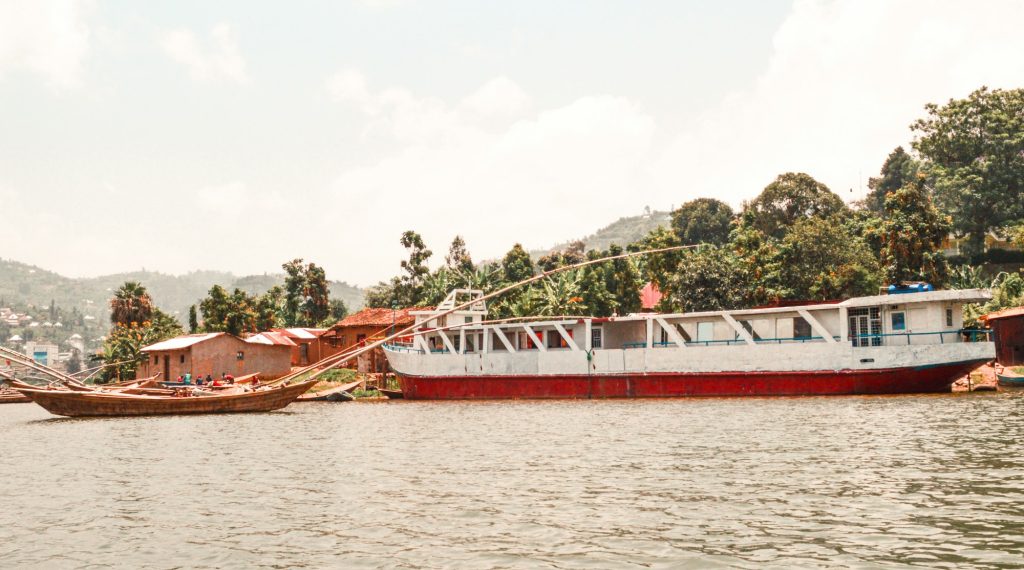
Lakeside town on Lake Kivu with sandy beaches, a palm-lined promenade and the start of the Congo Nile Trail. Right on the DRC border, so check the latest advice.

The Rubavu guide

Pick your kind of Rwanda trip

Rwanda is small but varied. Choose one or two of these and build the route around them, booking any permits first.

Gorillas and primates in Rwanda

Trek to mountain gorillas on the Virunga volcanoes, track golden monkeys and follow chimpanzees in Nyungwe.

What to do

  • Gorilla trekking
  • Golden monkey tracking
  • Chimpanzee tracking
  • Dian Fossey hike
  • Canopy walkway

Spots to visit

  • Volcanoes National Park
  • Nyungwe Forest
  • Gishwati-Mukura

Best cities for it

Things to do

Gorillas, volcanoes and a thousand hills

Gorilla trekking in Volcanoes National Park is the big one. Rangers lead small groups up the bamboo-covered slopes of the Virunga volcanoes to spend an hour with a habituated family. Permits cost US$1,500, are limited each day and should be booked months ahead through the Rwanda Development Board's online system or a tour operator. In the low season, from November to May, a 30% discount applies if you also visit Nyungwe and Akagera. The park also has golden monkey tracking, the hike to Dian Fossey's grave and research camp, and day climbs up Mount Bisoke to its crater lake.

In Kigali, start at the Kigali Genocide Memorial, where more than 250,000 victims are buried. Entry is free, with donations welcome, and the exhibition is essential and harrowing. Then explore the city's markets, craft centres and galleries, and its growing restaurant and café scene.

Lake Kivu, on the western border, is the place to slow down. Rubavu has a lakeside promenade and beaches, Karongi and Rusizi further south are quieter, and the Congo Nile Trail follows the shore for over 200 km through hills and coffee farms, on foot, by bike or by boat.

In the south-west, Nyungwe Forest National Park is one of the oldest rainforests in Africa, with chimpanzee tracking, colobus monkeys and a canopy walkway high above the trees. In the east, Akagera National Park is Rwanda's savannah, with the Big Five, boat trips on Lake Ihema and self-drive game drives.

On the way, Huye has the Ethnographic Museum, one of the best in East Africa, and Nyanza the reconstructed royal palace of the Rwandan kings.

Food and drink

Brochettes, buffets and excellent coffee

Rwandan food is simple and filling. The everyday lunch is the mélange, a buffet of beans, rice, matoke (cooked plantain), sweet potatoes, cassava leaves (isombe) and stews, where you pay one price and fill your plate. It is the best value in the country, and most local restaurants serve one at lunchtime.

Brochettes, skewers of goat, beef or fish, are the classic evening food, grilled at bars and served with chips or grilled plantain and a dash of pili-pili, the hot chilli oil. Tilapia from the lakes, often grilled whole, is another favourite, and Lake Kivu sambaza, tiny fried fish, are a snack to try in Rubavu.

Rwanda grows some of the best coffee and tea in Africa. Kigali has excellent cafés, and coffee tours near Lake Kivu and Huye show the whole process from cherry to cup.

Kigali has a surprisingly varied food scene, with Indian, Ethiopian, Italian and Asian restaurants, many in Kimihurura and Kiyovu.

A mélange lunch costs a few euros, and brochettes a little more. Primus and Mützig are the local beers, and urwagwa is a traditional banana beer. Tap water is not safe to drink, so stick to bottled or filtered water.

Nightlife

Kigali rooftops and Lake Kivu sunsets

Kigali has a lively nightlife that is easy to enjoy because the city is so safe. Kimihurura and Kiyovu have bars, lounges and rooftop terraces with views over the hills, Nyamirambo has local bars and late-night street food, and clubs get busy on Friday and Saturday nights.

Live music is common, from Rwandan pop and Afrobeats to jazz nights, and Kigali hosts concerts and festivals through the year.

Outside the capital, nights are quieter. Rubavu has lakeside bars and beach parties at weekends, Musanze has a few bars where gorilla trekkers swap stories, and most other towns have local bars that close early.

Primus, Mützig and Skol are the beers, and brochettes are the standard bar food.

A few rules to know: vapes and e-cigarettes are banned and will be confiscated, illegal drugs carry severe penalties, and the week after 7 April is an official week of mourning, when parties and loud music are inappropriate.

Getting around

Buses from Nyabugogo and motos everywhere

Rwanda is easy to get around by bus. Minibuses and express coaches run from Kigali's Nyabugogo terminal to every town, with fixed fares and frequent departures. Fares are low: Kigali to Musanze costs about 2,500 RWF by minibus or 3,500 RWF on Volcano Express and takes about 2½ hours, Kigali to Rubavu about 3,500 to 4,000 RWF and 3½ hours, and Kigali to Huye about 2,500 to 3,000 RWF and 2 hours. Arrive early in the morning for the widest choice.

Within Kigali, city buses use the Tap&Go card, available for a small deposit at stations and kiosks, with rides costing 200 to 500 RWF. Motos, motorbike taxis, are everywhere and cheap: a short ride costs 500 to 1,000 RWF. Drivers carry a spare helmet, which you must wear. The UK warns that motos are very vulnerable to accidents, so use them for short hops rather than long trips.

Ride-hailing apps such as Yego show fares upfront, and a car from Kigali airport into town costs about 4,000 to 7,000 RWF.

For the national parks, you usually need your own transport or a tour. Hiring a car with a driver is common, and self-drive 4x4 rental is possible. Many roads are paved and in good condition, but they are unlit at night and landslides can close them in the rainy season.

Rwanda borders Uganda, Tanzania, Burundi and the DRC. Buses run from Kigali to Kampala and beyond, and the East Africa Tourist Visa covers Rwanda, Uganda and Kenya. Don't cross into the DRC: governments advise against all travel there.

Costs

What Rwanda costs in 2026

Rwanda uses the Rwandan franc (RWF). In October 2026, €1 buys about 1,660 RWF, so 10,000 RWF is roughly €6. Many tourist prices, including permits, park fees and many hotels, are quoted in US dollars.

Day-to-day travel is cheap. Hostelworld lists dorm beds in Kigali from about US$6 to US$23, a mélange lunch costs a few euros, buses between towns cost €2 to €3, and moto rides cost under €1.

The big costs are the parks. A gorilla permit costs US$1,500, discounted to US$1,050 in the low season if you also visit Nyungwe and Akagera. Other park activities, such as golden monkey tracking, the Bisoke hike, Nyungwe's chimps and canopy walk, and Akagera entry, cost much less but add up. Getting to the parks without a car is the other challenge, so many travellers join a tour or share a driver.

Rwanda is largely a cash economy outside Kigali. ATMs are easy to find in towns, and mobile money is used everywhere. If you bring US dollars, the US says only notes printed after 2009 are accepted, and smaller notes may be refused or get a worse rate.

On a budget, backpackers spend about €30 to €45 a day, before permits.

Safety

Staying safe in Rwanda

Rwanda is one of the safest countries in Africa to travel in, and most visitors have no problems. Crime is relatively low, but the UK reports burglary, theft, bag snatching and mugging in Kigali, so take normal precautions, don't carry large amounts of cash and arrange transport at night.

The main concern is the border with the DRC, where conflict continues. The UK advises against all but essential travel to parts of Rusizi District within 10 km of the DRC border, including the Rwandan islands in Lake Kivu and Kamembe Airport, and warns that border crossings can close at short notice. The US, which rates Rwanda at Level 3, "Reconsider travel", asks visitors not to travel within 10 km of the DRC border at all, which includes Rubavu. Check the latest advice before you go, especially if you plan to visit Lake Kivu.

There is an Ebola outbreak in the DRC, and Rwanda has border health measures in place. Some countries screen travellers arriving from the region.

Know the rules. Plastic bags are banned and will be confiscated on arrival. Vapes and e-cigarettes are banned. Drug penalties are severe. It is illegal to photograph some government buildings, and drones need a permit. Some unlit military zones in Kigali are off-limits.

Same-sex relations are not illegal and the constitution bans discrimination, but attitudes are conservative, so be discreet.

On the roads, driving standards are poor and motos are accident-prone. Wear a helmet and avoid driving at night.

Entry and documents

Visas, passports and paperwork

Rwanda is one of the easiest countries in Africa to enter. Citizens of Commonwealth countries, including the UK, Canada and Australia, can get a free 30-day visa on arrival, according to the UK government. US citizens can get a 30-day visa on arrival for US$50 single entry or US$70 multiple entry; cards are usually accepted at Kigali airport, but bring dollars in cash for land borders. EU citizens generally get a visa on arrival too; check the fee for your nationality before you travel.

If you are also visiting Uganda or Kenya, the East Africa Tourist Visa costs US$100 and allows multiple entries to all three countries over 90 days.

Your passport must be valid for at least six months after you arrive, with at least one blank page. You need a yellow fever certificate if you are arriving from a country with a risk of yellow fever, which includes most neighbouring countries.

Plastic bags are banned, so leave them at home: they will be confiscated at the airport. Vapes and e-cigarettes are also banned.

Gorilla and park permits are booked separately through the Rwanda Development Board, so sort those out early.

When to go to Rwanda

Rwanda has two dry seasons, June to September and December to February, which are the best months for gorilla trekking and hiking. The main rains fall from March to May and again in October and November, when trails are muddy but permits are discounted and parks quieter.

26°
Jan
Dry season; great for trekking
26°
Feb
Dry; Heroes Day, 1 Feb
26°
Mar
Rains begin; permit discounts
25°
Apr
Wettest; mourning week from 7 April
25°
May
Rainy; quiet parks
26°
Jun
Dry season starts
26°
Jul
Peak season; Liberation Day, 4 July
26°
Aug
Peak gorilla season
26°
Sep
Kwita Izina gorilla naming
26°
Oct
Short rains begin
25°
Nov
Wet; low-season discounts
25°
Dec
Drier; holiday visitors
Bar height is temperature. Colour is how busy it gets: quiet busy peak

Temperatures are average daily highs in Kigali (weather2travel climate data), which barely change through the year. Musanze and the volcanoes are several degrees cooler. Crowd levels are our own rough estimate.

How much a day in Rwanda costs

Pick a travel style and the number of nights to see a rough total. Figures are per person per day in euros, based on hostel dorms or guesthouse rooms, local food and buses, and cheaper activities. Gorilla permits are not included.

Rough figures for 2026, converted at about €1 = 1,660 RWF. Gorilla permits (US$1,500), park activities and a car with driver are paid separately and can multiply the cost of a trip.

—
  • Beds—
  • Food and drink—
  • Getting around—
  • Doing things—
What's on

Festivals and events in Rwanda

Remembrance, national days and the gorilla-naming ceremony shape the Rwandan calendar. The 100 days after 7 April are a period of commemoration, starting with a national week of mourning.

Rwanda travel FAQs

Visa, permit and price details were checked in October 2026. Rules change, so confirm with official sources before you travel.

Is Rwanda safe for backpackers?
Yes. Rwanda is one of the safest countries in Africa, with low crime and a calm, orderly capital. Take normal precautions in Kigali, wear a helmet on motos and check the latest advice on the DRC border, which the UK and US flag differently.
Do I need a visa for Rwanda?
Most travellers get a visa on arrival. UK government guidance says Commonwealth citizens get a free 30-day visa on arrival, and US citizens pay US$50 (single) or US$70 (multiple). The East Africa Tourist Visa (US$100) covers Rwanda, Uganda and Kenya for 90 days. Your passport needs six months' validity.
How much is a gorilla permit in Rwanda?
US$1,500 per person. In the low season, from November to May, there is a 30% discount, bringing it to US$1,050, if you also visit Nyungwe and Akagera. Permits are booked through the Rwanda Development Board or a tour operator, ideally three to six months ahead.
How many days do I need in Rwanda?
Ten days covers Kigali, the gorillas and volcanoes around Musanze and Lake Kivu. Two weeks lets you add Nyungwe or Akagera. With a week, focus on Kigali, Musanze and Rubavu.
What is the best time to visit Rwanda?
June to September and December to February, the dry seasons, are best for trekking. March to May and October to November are wetter, but permits can be cheaper and parks quieter.
How much does a trip to Rwanda cost per day?
Backpackers spend about €30 to €45 a day on dorms, mélange lunches, buses and motos. Permits are the big extra: US$1,500 for gorillas, plus park fees for Nyungwe, Akagera and other activities.
Can I bring plastic bags to Rwanda?
No. Plastic bags are banned and will be confiscated at the airport. Use reusable bags, and pack toiletries in non-plastic cases where you can.
What is umuganda?
A national day of community work on the last Saturday of each month. From about 7am to 11am, most shops and services close and traffic is limited. Plan travel around it, or join in.
How do I get from Kigali to Musanze?
Minibuses and Volcano Express coaches leave Kigali's Nyabugogo terminal frequently, take about 2½ hours and cost about 2,500 to 3,500 RWF.
Is Rwanda safe for LGBT+ travellers?
Same-sex relations are legal in Rwanda and the constitution bans discrimination, which sets it apart from many neighbours. Attitudes are still conservative, so discretion in public is wise.

Say yes to hostels, meet the world

Compare Rwanda hostels: live prices, real reviews and free cancellation on most bookings. Then meet the people already there in the app.

Get the App. QRGet the App.
Get the App. QR  Get the App.
Scroll to Top