Lakefront
Beach and sunsetsPalm-lined promenade with beaches, bars, hotels and colonial villas.

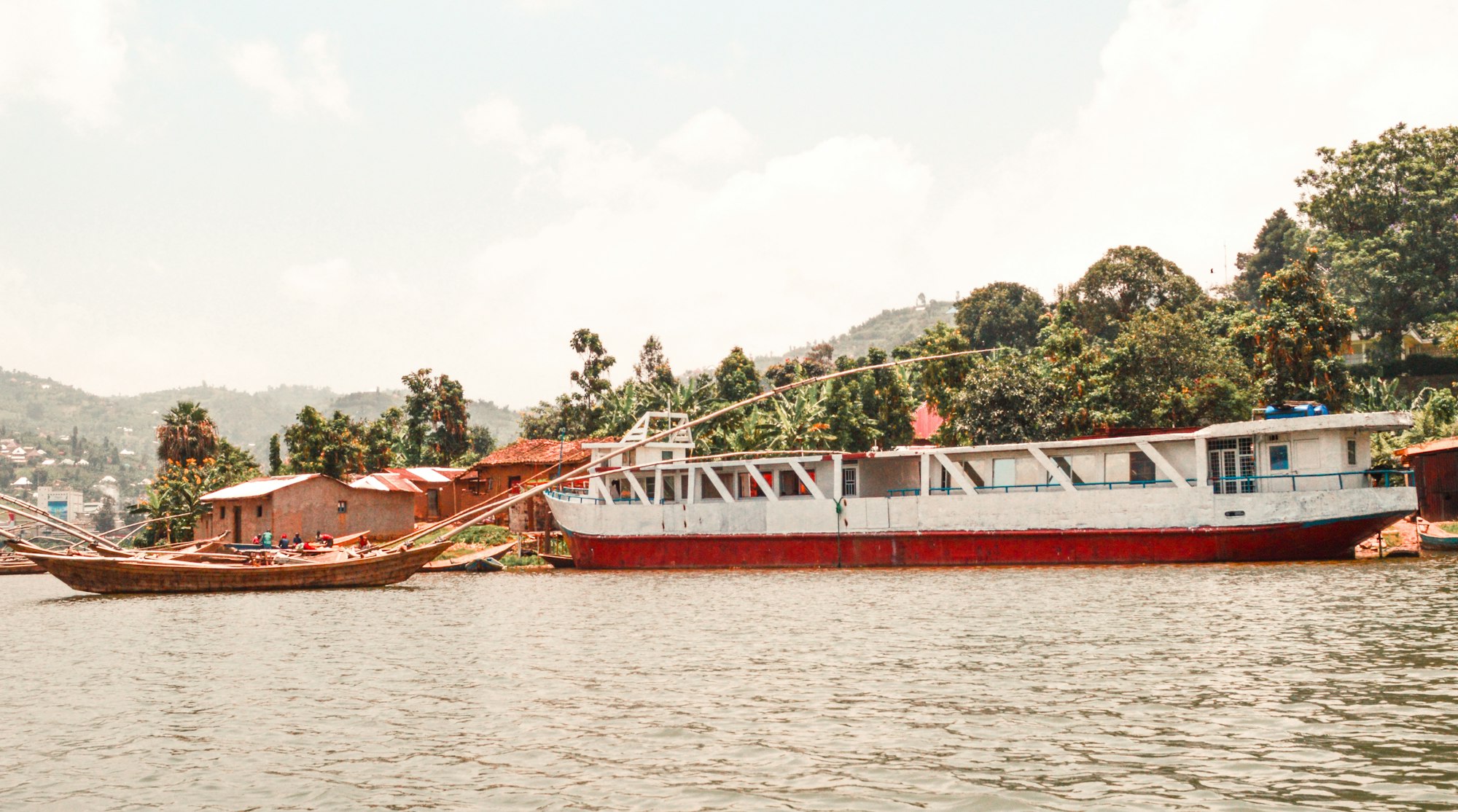
Rubavu, still often called Gisenyi, is Rwanda's lakeside escape: a palm-lined promenade, sandy beaches on Lake Kivu, sunset boat trips with singing fishermen and the start of the Congo Nile Trail. It's the perfect place to rest after gorilla trekking, two or three nights at least.
Rubavu sits on the northern shore of Lake Kivu in western Rwanda, about 3½ hours from Kigali and 1½ hours from Musanze. Lake Kivu is one of the African Great Lakes, long, deep and surrounded by steep green hills, and Rubavu is its main resort town.
The town has two sides. The lakefront is broad and relaxed, with a promenade under palm trees, public beaches, colonial-era villas, hotels and bars. Up the hill, the town centre has the market, banks and bus station, and is busy and local.
Rubavu is right on the border with the DRC. The city of Goma begins just across the frontier, and you can see it from the beach. That proximity is the one thing to think about before you come: the UK doesn't advise against travel to Rubavu, but the US advises against all travel within 10 km of the DRC border, which includes the town. Read the safety section and check the latest advice.
Most visitors come to rest. Swim in the lake, which is widely considered free of bilharzia, watch the sunset from the beach, take a boat to the islands, visit the hot springs and coffee farms, and eat grilled tilapia and sambaza by the water.
Rubavu is also the northern start of the Congo Nile Trail, which follows the lake's shore south for more than 200 km to Karongi and Rusizi, through hills, villages and coffee and tea plantations. Walking, cycling or kayaking part of it is one of the best things to do in Rwanda.
Stay on the lakefront for the beaches, bars and sunsets, or up in the town centre for cheaper rooms and transport. Hotels and guesthouses south of town towards the hot springs are quieter.
Palm-lined promenade with beaches, bars, hotels and colonial villas.
Hilltop town with the market, banks, bus station and cheap guesthouses.
Lakeshore south of town towards the hot springs and brewery, with quieter hotels.
Map data from OpenStreetMap contributors.
The lakefront is the heart of Rubavu. Walk the promenade under the palms, swim from the public beach, and settle in at a lakeside bar for the sunset. Lake Kivu is widely said to be free of bilharzia and crocodiles, which makes it one of the few big African lakes where people swim happily.
Take a boat trip on the lake. Boats visit nearby islands, fishing villages and coffee farms, and at dusk you can watch the fishermen set out in their three-hulled boats, singing as they paddle to keep in rhythm.
About 10 km south of town, at Nyamyumba, hot springs bubble into the lake, and locals use them for bathing and healing. Nearby, the Bralirwa brewery produces Primus, the country's most famous beer.
The Congo Nile Trail starts in Rubavu and runs south along the shore through some of the most beautiful countryside in Rwanda. You can walk it over several days, cycle it, or kayak sections with a guide. Even a day's hike or bike ride out of town gives you views over the lake, terraced hills and coffee washing stations.
Coffee tours on the hillsides around the lake show the whole process, from picking cherries to roasting, and finish with a cup.
Rubavu's market, up in the town centre, is lively and colourful, and a good place to buy fruit and fabric.
Rubavu is perfect for cheap, slow days. The public beach and lakeside promenade are free, and swimming in Lake Kivu costs nothing.
Watch the sunset from the beach: the light over the lake and the hills of the DRC is spectacular, and the fishing boats head out as the sun goes down.
Walk up into the town centre and explore the market.
Walk south along the lakeshore towards the hot springs at Nyamyumba, or the first stretch of the Congo Nile Trail, for free views over the lake and countryside.
Join locals on the beach at weekends, when families picnic, play football and swim.
Rubavu's food is all about the lake. Grilled tilapia, served whole with chips or plantain and pili-pili chilli oil, is the classic lakeside meal. Sambaza, tiny fish fried crisp and eaten whole, are the local snack, often with a cold beer.
Local restaurants in the town centre serve mélange buffets at lunchtime, with beans, rice, matoke and stews, for a few euros. Brochettes of goat and beef are grilled at bars in the evening.
Lakeside hotels and restaurants serve international food at higher prices, around €6 to €15 for a main.
Primus is brewed nearby, so try it here. Coffee from the hills around the lake is excellent.
Drink bottled water.
Rubavu's nightlife starts at sunset on the lakefront, where bars and hotel terraces fill up with locals and visitors watching the light change over the water.
At weekends, the beach gets livelier, with music and occasional parties, and some lakeside bars stay open late.
The town centre has local bars where you can drink Primus and eat brochettes.
Rubavu is close to the DRC border, so take a moto or car back to your accommodation rather than walking along the dark lakefront late at night, and don't stray towards the border.
Rubavu is about 3½ hours from Kigali by road, via Musanze. Minibuses from Kigali's Nyabugogo terminal cost about 3,500 to 4,000 RWF. From Musanze, the trip takes about 1½ hours.
In town, motos are the easiest way around and cost a few hundred francs for short trips. Wear the helmet. The lakefront is easy to walk.
For the Congo Nile Trail, you can walk, cycle with a rented bike or join a guided trip. Boats also run south along the lake towards Karongi; ask locally about schedules, and wear a life jacket.
Rubavu is next to the Goma border crossing into the DRC. Do not cross: the UK, US and Australian governments advise against all travel to the DRC, and the border can close without warning.
From Rubavu, buses also run south along the lake to Karongi, and back to Kigali.
Rubavu is good value. Hostelworld doesn't list any properties here yet, but guesthouses in the town centre are cheap, and lakeside hotels range from mid-range to expensive.
Food is cheap: a mélange lunch costs a few euros, sambaza and brochettes are cheap bar snacks, and a grilled tilapia dinner by the lake costs around €6 to €12.
Transport is cheap: the bus from Kigali costs about €2 to €3, and moto rides a few hundred francs.
Boat trips, guided Congo Nile Trail hikes, bike hire and coffee tours are the main extras.
At about 1,660 RWF to €1, a budget day comes to around €25 to €35. There are ATMs in the town centre.
Rubavu itself is calm and most visitors have no problems, but its location needs thought. The town is right on the border with the DRC, where conflict continues, and Goma is just across the frontier.
The UK government doesn't advise against travel to Rubavu, but warns of possible fighting in the DRC, a military presence on both sides and border crossings that can close at short notice. The US, which rates Rwanda at Level 3, says not to travel within 10 km of the DRC border for any reason, which includes Rubavu. Check the latest UK, US and Australian advice before you go, and make sure your travel insurance covers you.
Do not cross into the DRC, and don't wander towards the border areas.
On the lake, wear a life jacket on boats and swim only where others do. Take motos or cars at night rather than walking the dark lakefront.
There is an Ebola outbreak in the DRC, and Rwanda has health measures at the border. Follow any instructions from the authorities.
From Rubavu you can walk or cycle the Congo Nile Trail, soak in the Nyamyumba hot springs, visit coffee farms and head back up to the volcanoes at Musanze.
Follow the lakeshore south through villages, coffee farms and hills. Do a day or a few days.
Hot springs bubbling into the lake, used by locals for bathing.
See coffee picked, washed and roasted on the hills above the lake.
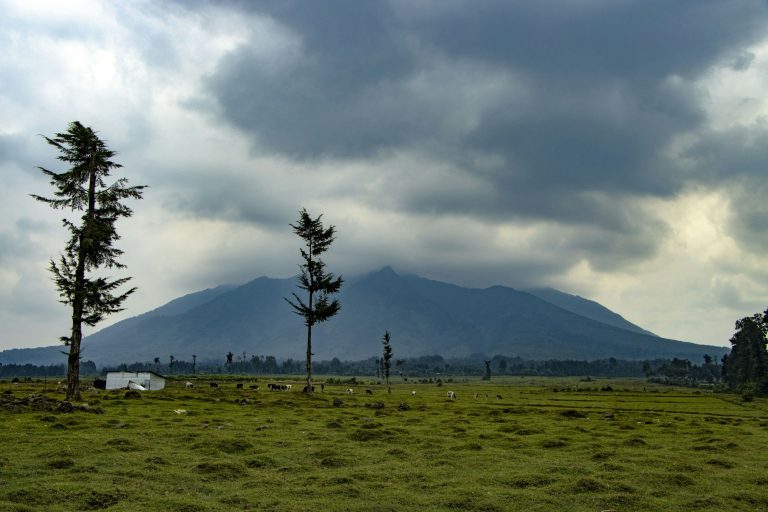
Gorilla trekking, golden monkeys and volcano hikes.
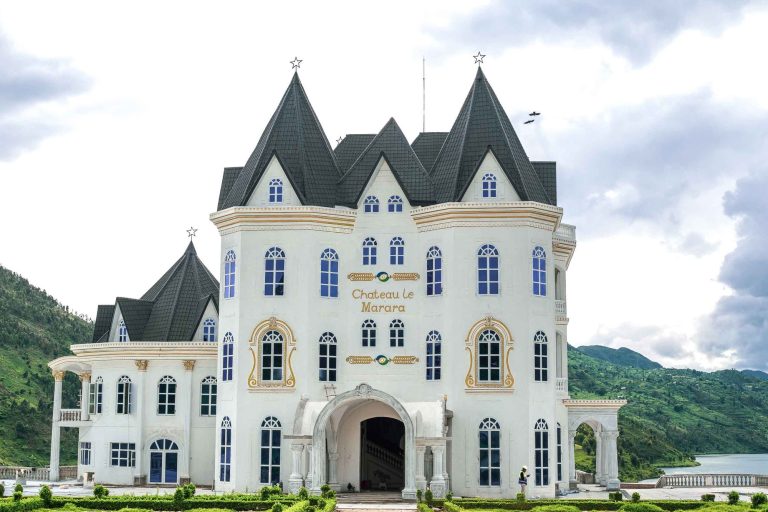
Quieter lakeside town halfway down Lake Kivu, with island boat trips.
Rubavu is busiest at weekends, holidays and in the dry seasons, when Kigali residents come to the beach.
Commemoration of the 1994 genocide, beginning with a week of mourning.
Public holidays; busy beach weekends.
Community work morning; most services close.
Kigali residents head to the lake; book ahead.
Rubavu is mild all year, a little cooler than Kigali. June to September and December to February are the driest months and best for the beach and the trail; March to May and October to November bring heavy showers.
Highs are our estimates, based on Kigali's weather2travel figures; the lakeshore is a little cooler. Crowd levels are our rough guide.
Pick a style and a number of nights for a rough total, per person, in euros.
Estimates. With no Hostelworld properties in Rubavu, beds assume a guesthouse room; doing includes a boat trip or bike hire.
Prices and timetables change. Check before you travel.

Compare Rubavu hostels: live prices, real reviews and free cancellation on most bookings. Then meet the people already there in the app.

 Get the App.

 Get the App.