Île de N'Dar
Atmosphere and historyThe UNESCO-listed island with colonial streets and auberges.

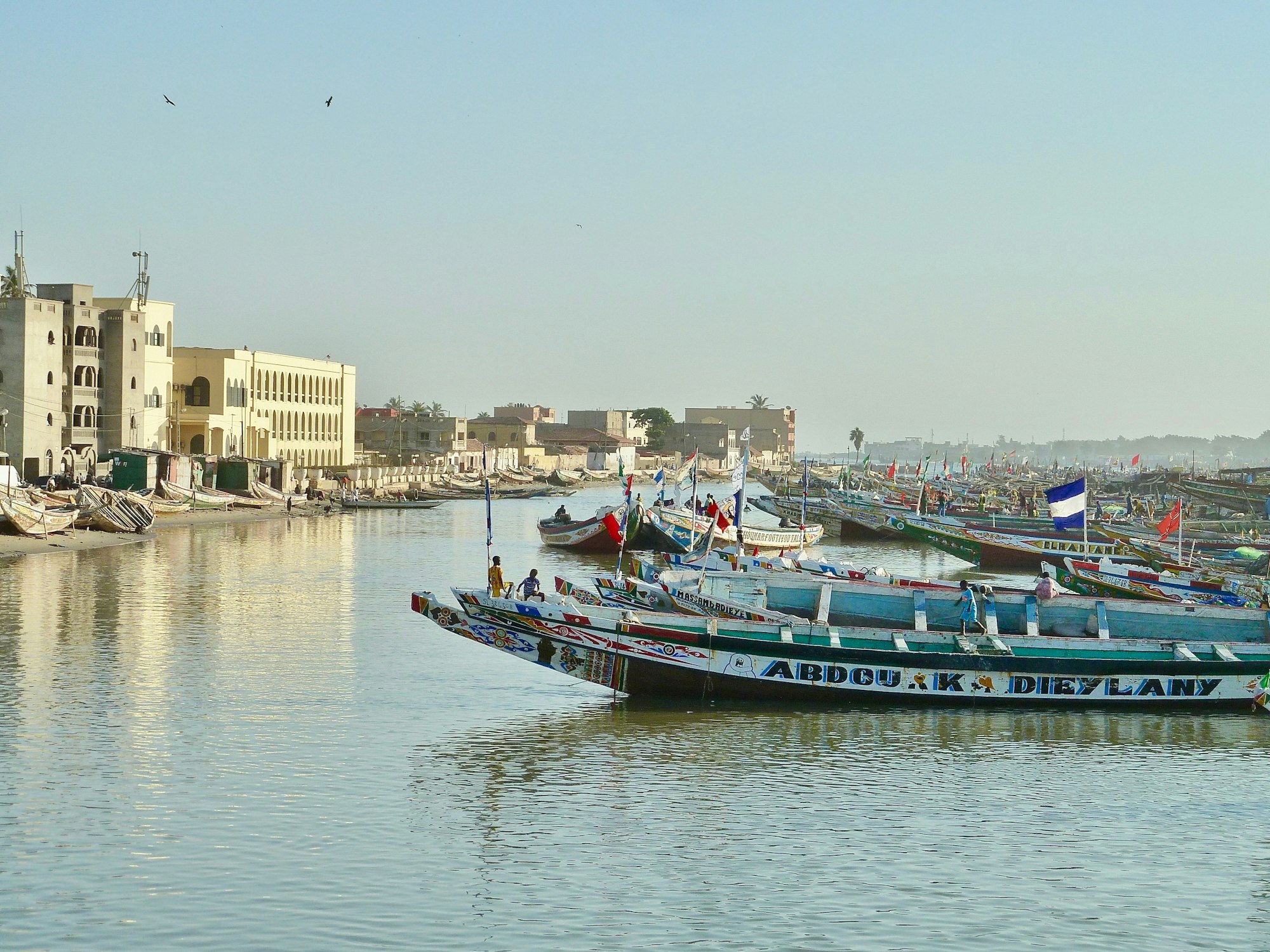
Saint-Louis is Senegal's most atmospheric town: a narrow island in the Senegal River lined with faded colonial houses, wrought-iron balconies and horse-drawn carts, joined to the mainland by the iron Faidherbe Bridge. Come for the slow pace, the fishing quarter of Guet N'Dar, a famous jazz festival and some of Africa's best birdwatching.
Saint-Louis, about 260 km north of Dakar near the Mauritanian border, was founded by the French in 1659 on an island in the mouth of the Senegal River. It was the capital of French West Africa until 1902 and of Senegal until 1957.
The town is spread across three parts. The island, Île de N'Dar, is the historic heart and a UNESCO World Heritage site, with a grid of streets lined by colonial houses with balconies, some restored, many crumbling. It's linked to the mainland, Sor, by the Faidherbe Bridge, a 500 m iron bridge dating from 1897.
To the west, across a narrow channel, is the Langue de Barbarie, a long sandy spit between the river and the Atlantic. Its fishing quarter, Guet N'Dar, is one of the busiest in Senegal, with hundreds of painted pirogues pulled up on the beach.
Saint-Louis has a strong cultural life, with music, art and the Saint-Louis International Jazz Festival, one of the most famous in Africa.
The surrounding wetlands are among the most important in West Africa for birds. The Djoudj National Bird Sanctuary, a UNESCO site, hosts huge colonies of pelicans and flamingos, and the Langue de Barbarie National Park has seabirds and nesting turtles.
Two or three nights covers the island, Guet N'Dar and a trip to Djoudj or the Langue de Barbarie.
Stay on the island for the colonial streets, restaurants and atmosphere, or on the Langue de Barbarie for beach campements. Sor, on the mainland, has the bus station and markets.
The UNESCO-listed island with colonial streets and auberges.
Fishing quarter on the Langue de Barbarie with hundreds of pirogues.
Sandy spit between the river and the Atlantic.
Mainland side with the bus station and markets.
Map data from OpenStreetMap contributors.
Start by walking the island. The streets of Île de N'Dar are lined with two-storey colonial houses with wooden balconies and courtyards, many painted in ochre and pastel colours. Look out for the Governor's Palace, the cathedral, one of the oldest in West Africa, and the old post office. Calèches, horse-drawn carriages, offer tours of the island.
Cross the Faidherbe Bridge, the town's landmark, built in the 1890s. Despite a popular myth, it wasn't designed by Gustave Eiffel.
On the Langue de Barbarie, Guet N'Dar is a dense fishing quarter where hundreds of colourful pirogues land their catch on the beach in the late afternoon. It's busy, crowded and photogenic, but ask before taking photos of people.
The Djoudj National Bird Sanctuary, about 60 km north, is one of the world's most important wetlands for migrating birds, with up to a million and a half birds in season, including huge colonies of pelicans and flamingos. It's best from about November to April, on a guided tour.
The Langue de Barbarie National Park, about 18 km south, has boat trips through lagoons, with seabirds, and over 160 species of birds recorded.
In late May or early June, the Saint-Louis International Jazz Festival fills the town with concerts.
Walk the island's grid of colonial streets, especially in the late afternoon light.
Cross the Faidherbe Bridge on foot for views of the river and the town.
Watch the pirogues return at Guet N'Dar, a free and unforgettable sight.
Walk along the river quays and watch the boats and fishermen.
Look out for free concerts and street performances, especially during the jazz festival.
Join the Fanals lantern parade between Christmas and New Year.
Saint-Louis is said to be the home of thieboudienne, Senegal's national dish of fish, rice and vegetables, and it's worth trying here.
Yassa, chicken or fish in lemon and onion, is served at local restaurants for a couple of euros. Tangana stalls serve cheap Senegalese food, sandwiches and café Touba.
Fish and seafood are fresh, straight from Guet N'Dar, and grilled fish is served in restaurants on the island and the Langue de Barbarie.
Bakeries sell pastries and baguettes for a few hundred CFA.
Restaurant meals on the island cost around €5 to €10. Drink bottled water.
Saint-Louis is quieter than Dakar, but it has a relaxed bar scene on the island, with live music in some venues at weekends, and jazz bars that honour the town's music heritage.
The jazz festival, usually in late May or early June, transforms the town, with concerts in squares, bars and venues.
Between Christmas and New Year, the Fanals lantern parade brings the streets to life.
Walk in groups at night, and take a taxi back across the bridge.
Saint-Louis is about 260 km north of Dakar on the N2. Sept-places leave Dakar when full, for about CFA 5,000 a seat. Minibuses are cheaper but slower, and Dakar Dem Dikk runs air-conditioned buses. There's been no passenger train since the early 2000s.
A taxi from Dakar's airport costs around CFA 60,000 for up to four people, if negotiated.
In town, taxis have fixed fares of about CFA 500 (CFA 600 at night or from the bus station). The island is small and walkable, and calèches, horse-drawn carriages, offer tours.
You can rent bikes for about CFA 5,000 a day and scooters for about CFA 10,000.
For Djoudj and the Langue de Barbarie, join a tour or hire a car with driver.
The border with Mauritania is at Rosso, about 100 km east, or Diama, closer by.
Saint-Louis is good value. Hostelworld has no listings here right now, but auberges on the island offer dorm beds from about CFA 6,000, often with breakfast, and camping from about CFA 2,500.
Local meals cost a couple of euros, and restaurant meals around €5 to €10.
Taxis cost about CFA 500 a ride, and the sept-place from Dakar about CFA 5,000.
Tours to Djoudj and the Langue de Barbarie cost more, so share with other travellers.
There are ATMs on the island and in Sor.
On a budget, allow around €25 to €35 a day.
Saint-Louis is relaxed and generally safe. Keep your valuables with you on buses and sept-places, where things can go missing from luggage.
Guet N'Dar is crowded and poor, with sanitation problems. Visit by day, keep valuables hidden and ask before taking photos of people.
Walk in groups at night and take taxis across the bridge.
The sea off the Langue de Barbarie has strong currents, so don't swim at unsupervised beaches.
The UK advises taking particular care in remote areas near the Mauritania border.
Dress modestly, especially away from the tourist areas.
Saint-Louis is the base for two of Senegal's best bird reserves and the beaches of the Langue de Barbarie.
Pelicans, flamingos and huge bird colonies, best November to April.
Lagoons, seabirds and beaches south of town.
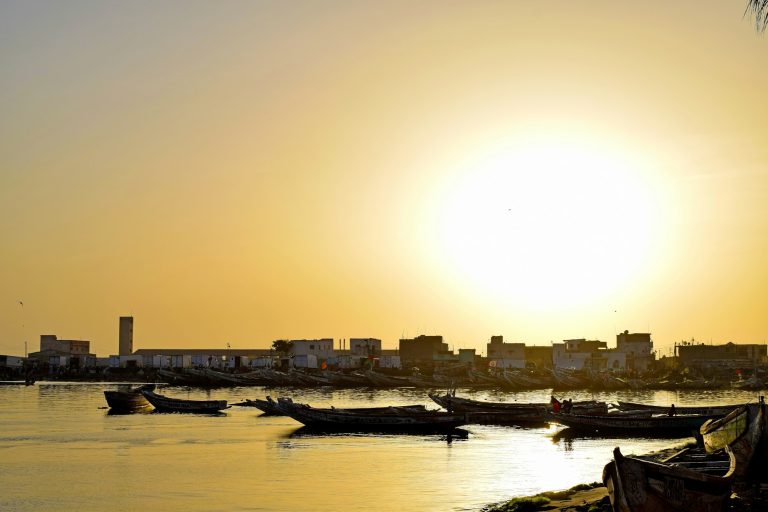
The busy fishing quarter.
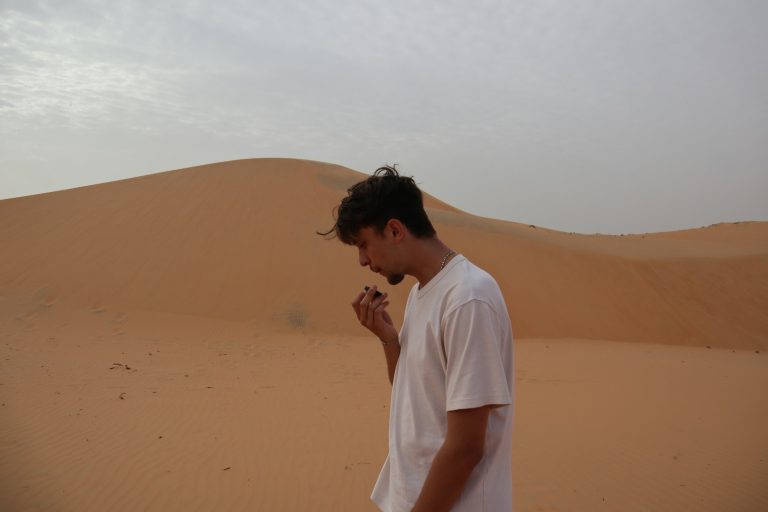
Orange sand dunes between Saint-Louis and Dakar, with desert camps.
Saint-Louis's calendar is built around the jazz festival and the Fanals parade.
A week of jazz across the town, one of Africa's best-known music festivals.
Public holiday.
Lantern parade unique to Saint-Louis.
Migrating birds gather in huge numbers.
Saint-Louis is hot and dry for most of the year, with highs of 30°C to 34°C. November to April is the best time, with birds at Djoudj and cooler evenings. The short rainy season runs from about July to September.
Average daily highs from weather2travel's Saint-Louis climate data. Crowd levels are our rough guide.
Pick a style and a number of nights for a rough total, per person, in euros.
Estimates in euros, converted from CFA francs. Sleeping is based on auberge prices, since Hostelworld has no listings here.
Prices and timetables change. Check before you travel.

Compare Saint-Louis hostels: live prices, real reviews and free cancellation on most bookings. Then meet the people already there in the app.

 Get the App.

 Get the App.