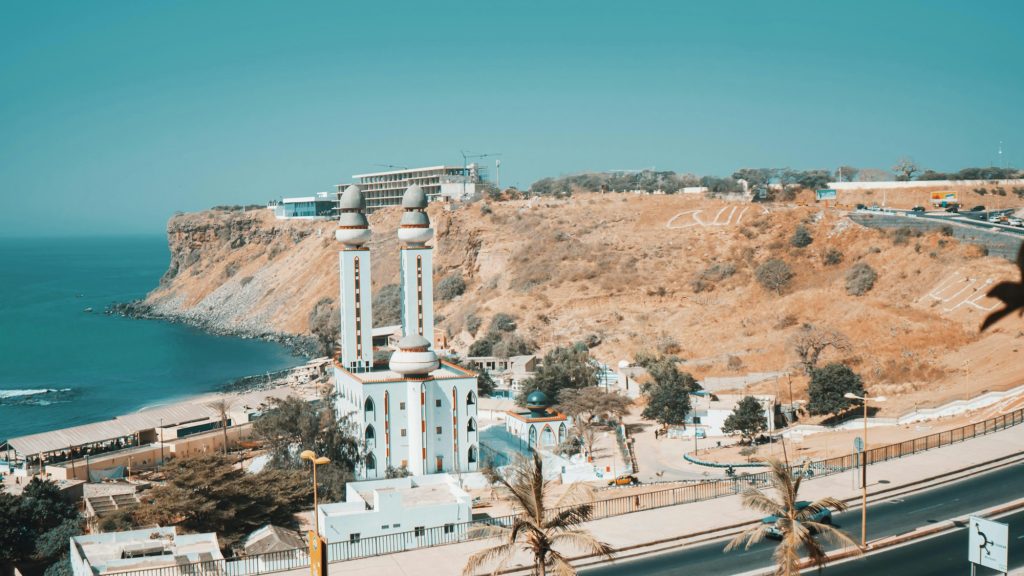
Dakar
4 hostels
The capital, with Gorée Island, surf, galleries, seafood and mbalax nights.

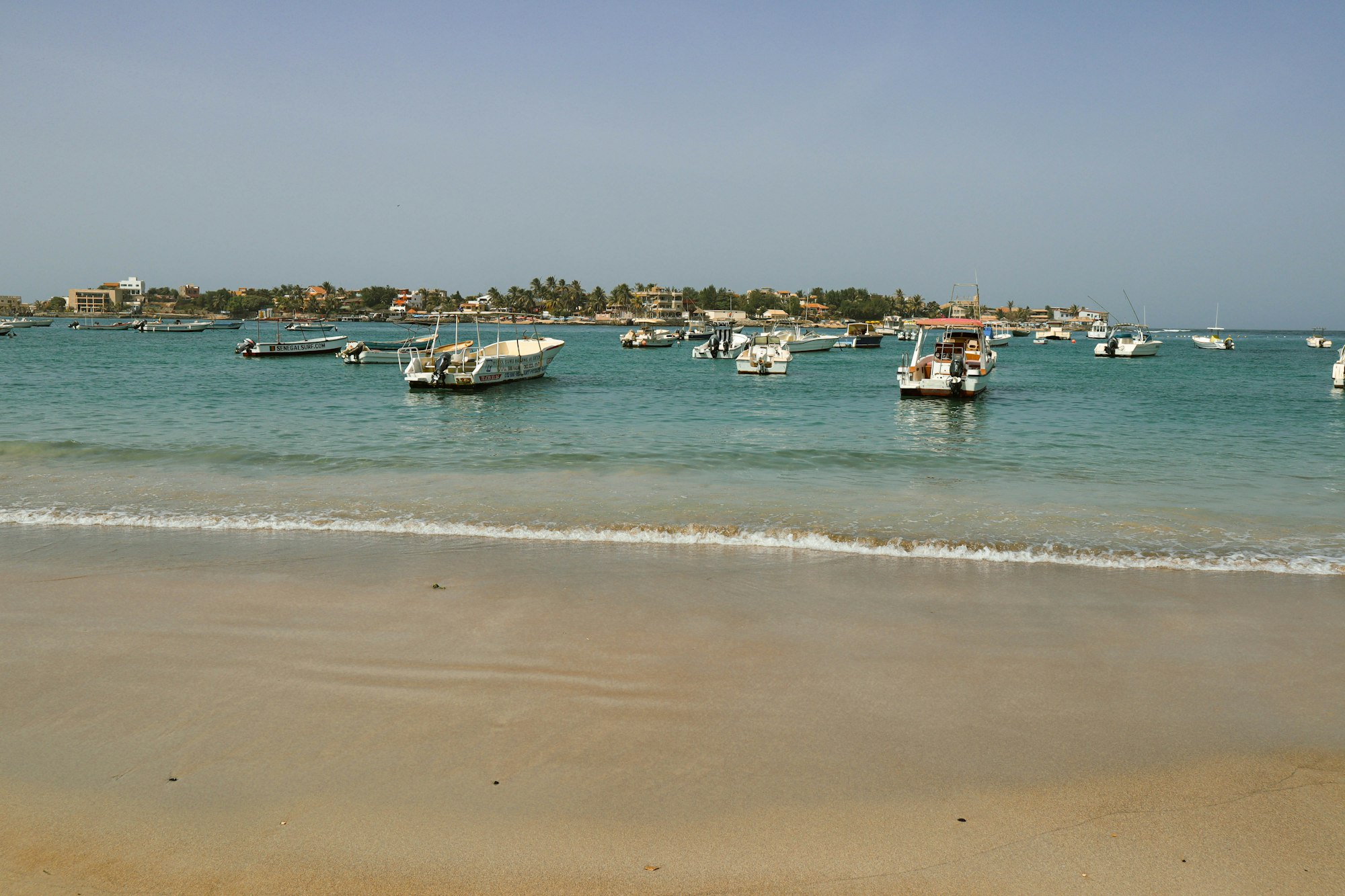
Senegal is West Africa's easy-going favourite: Dakar's surf, art and mbalax nights, the slave-trade island of Gorée, colonial Saint-Louis, mangrove creeks in the Sine-Saloum and the palm-fringed beaches of Casamance. Its famous teranga, or hospitality, makes it a great first trip to the region, and The Gambia is right in the middle.
Senegal sits on the westernmost tip of mainland Africa, where the Sahel meets the Atlantic. It's one of the most stable countries in West Africa, with a strong sense of national pride and a culture of hospitality known as teranga.
Dakar, the capital, fills the Cap-Vert peninsula with markets, galleries, surf breaks, seafood and a music scene built on mbalax, the rhythm made famous by Youssou N'Dour. A short ferry ride away, Gorée Island is a UNESCO World Heritage site and a moving memorial to the Atlantic slave trade.
North of Dakar, Saint-Louis, the former colonial capital, is a faded, beautiful island town on the Senegal River, with a jazz festival and bird reserves nearby. South of Dakar, the Petite Côte has beach resorts, and the Sine-Saloum Delta is a maze of mangroves, islands and fishing villages explored by pirogue. In the far south, the Casamance has green forests, Diola villages and Senegal's best beaches at Cap Skirring.
The Gambia, a narrow country along the Gambia River, cuts almost all the way into Senegal. It's easy to combine the two, and this guide covers The Gambia below.
Senegal is a predominantly Muslim country, so dress and behave modestly, especially away from tourist areas. French and Wolof are the main languages, and some French helps a lot.
Two weeks covers Dakar and Saint-Louis, with time for a trip to The Gambia or Casamance.
Most trips start in Dakar, then head north to Saint-Louis and south to The Gambia and Casamance. These are the stops that earn their place, with live hostel counts and dorm prices from Hostelworld.
The capital, with Gorée Island, surf, galleries, seafood and mbalax nights.
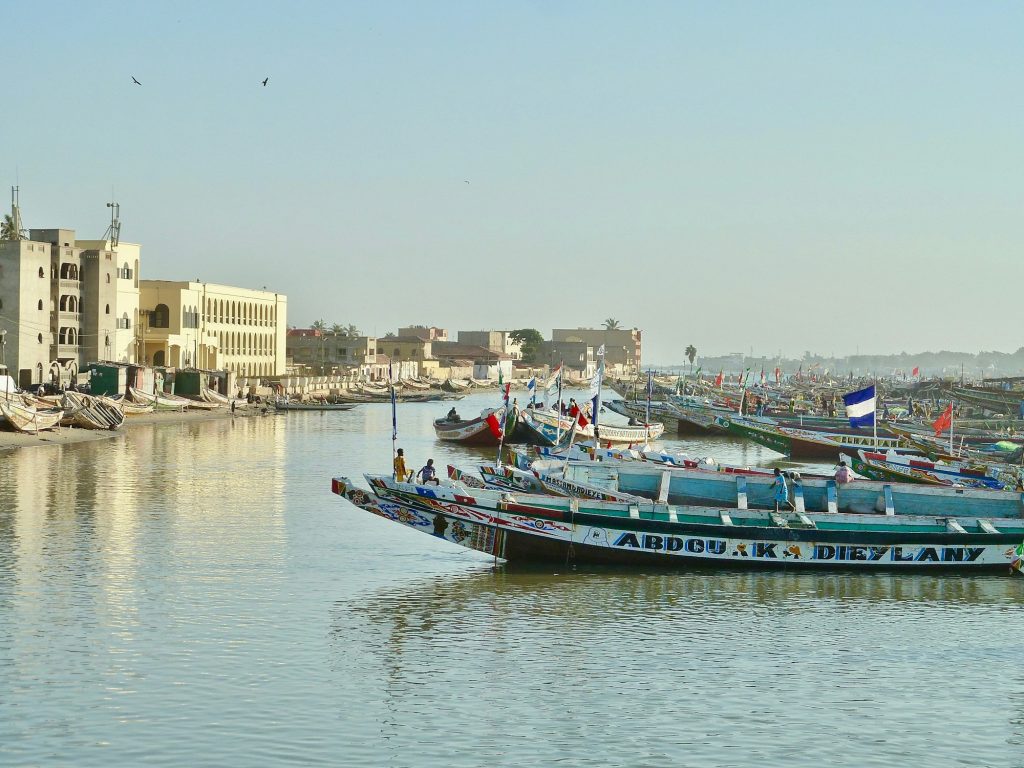
UNESCO-listed island town on the Senegal River, with a jazz festival and bird reserves.
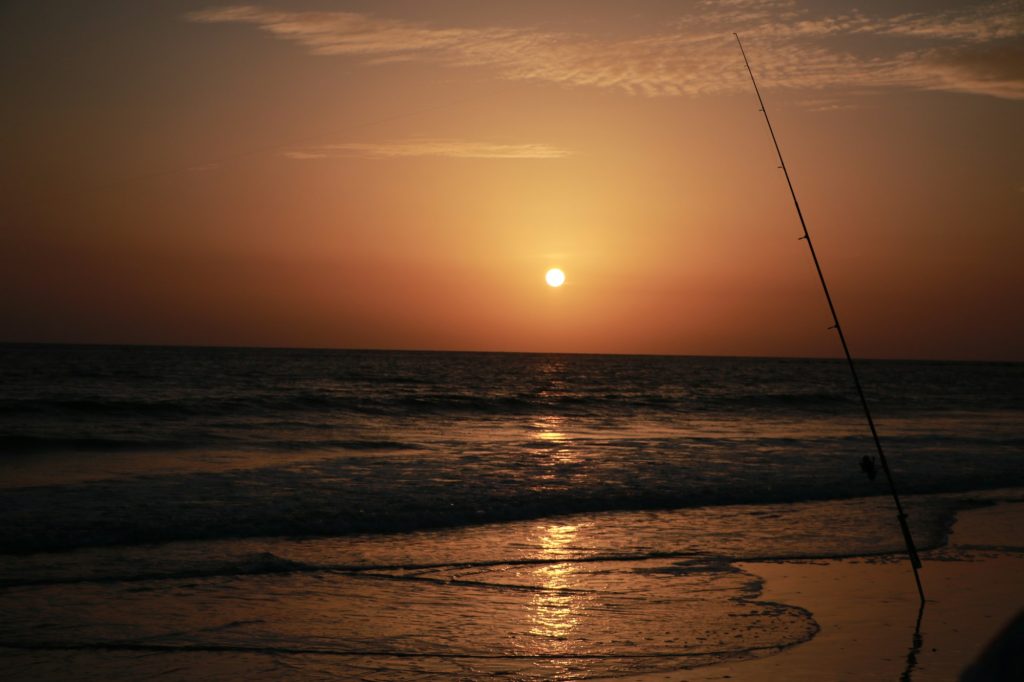
Casamance beach town with Senegal's best beaches and Diola villages nearby.
Senegal is compact but slow to cross. Choose one or two of these and build your route around them.
Visit Gorée's House of Slaves, Dakar's museums and the colonial streets of Saint-Louis.
Glide through the Sine-Saloum by pirogue and see pelicans and flamingos at Djoudj and the Langue de Barbarie.
Surf in Dakar, swim at Ngor Island and relax on the long beaches of Cap Skirring.
Dance to mbalax in Dakar and catch the Saint-Louis Jazz Festival.
Cross into The Gambia for beaches, birdwatching and the river, then return to Senegal via Casamance.
Eat thieboudienne, yassa and dibi, and learn the three rounds of attaya tea.
Dakar has the most to do. Take the ferry to Gorée Island, with its pastel colonial houses and the House of Slaves, a museum and memorial to the Atlantic slave trade. In the city, climb the African Renaissance Monument for views, visit the Museum of Black Civilisations and the IFAN Museum of African Arts, browse the Soumbédioune fish market at sunset and take a pirogue to Ngor Island for a swim.
Lac Rose (Lake Retba), north-east of Dakar, is known for its pinkish water in the dry season and the salt collectors who work it.
Saint-Louis, about 260 km north, is a UNESCO-listed island town reached by the iron Faidherbe Bridge. Wander the colonial streets, watch the fishing pirogues come in at Guet N'Dar, and visit the Langue de Barbarie National Park and the Djoudj National Bird Sanctuary, one of the most important wetlands for migrating birds in Africa.
The Sine-Saloum Delta, south of Dakar, is a UNESCO site of mangroves, islands and shell middens. Explore by pirogue from Toubacouta, Ndangane or Palmarin, and visit Joal-Fadiouth, a village built on an island of shells.
In the Casamance, Cap Skirring has long white beaches, and the area around Oussouye has Diola villages, sacred forests and the island of Carabane.
In the south-east, Niokolo-Koba National Park and the Bassari country near Kédougou are remote and closer to the Mali border, where the UK advises particular care.
Senegal has some of the best food in West Africa. The national dish is thieboudienne, fish cooked with tomato and vegetables and served on a big platter of rice, with the crispy rice at the bottom the best part.
Yassa is chicken or fish marinated in lemon and onion, and mafé is a rich peanut stew with meat. Dibi, grilled lamb or mutton with onions and mustard, is sold at dibiteries in the evening.
Street food includes fataya (fried pastries), accara (bean fritters) and grilled corn, and baguettes with fillings are everywhere, a French legacy.
Seafood is excellent on the coast, especially grilled fish and prawns.
Bissap, a hibiscus drink, and bouye, from baobab fruit, are refreshing. Café Touba, coffee spiced with Guinea pepper, is sold on street corners, and attaya, sweet green mint tea served in three rounds, is a social ritual.
Gazelle and Flag are the local beers. Alcohol is available but drunkenness is frowned upon. Drink bottled water.
Dakar has some of the best nightlife in West Africa. Mbalax, Senegal's high-energy music, plays in clubs and live venues, and big names still perform in the city. Nights start late, often after midnight, and run until dawn at weekends.
Almadies, Ngor and Ouakam have beach bars and lounges, and the Plateau and Point E have clubs and live music venues.
Saint-Louis has a relaxed bar scene and comes alive during its jazz festival, usually in late May or early June.
On the Petite Côte, Saly has beach bars and clubs.
Senegal is a Muslim country, so be discreet with alcohol in public, especially during Ramadan. Use taxis at night, and avoid walking on beaches or the Corniche after dark.
Sept-places, shared seven-seat estate cars, are the classic way to travel between towns. They leave from gares routières (bus stations) when full, and fares are fixed per seat. In Dakar, most leave from the Gare des Baux Maraîchers in Pikine. Bigger buses and minibuses are cheaper but slower. Agree on the price before you board.
Dakar's TER commuter train runs from the city centre to Diamniadio, and the Sunu BRT rapid bus crosses the city. Blaise Diagne International Airport is about 50 km from Dakar, linked by shuttle buses and taxis.
For Casamance, the Dakar–Ziguinchor ferry runs along the coast overnight, and Air Senegal flies to Ziguinchor and Cap Skirring.
The Gambia is easy to reach. From Dakar, roads run south through Kaolack to the border at Karang, then to Barra, where an old, often overcrowded ferry crosses the river to Banjul. The UK warns the ferry has safety problems and suggests the Senegambia Bridge near Farafenni, further east, as an alternative. The crossing from the Casamance at Séléty is the other main route.
Roads are generally good, but many taxis and minibuses aren't roadworthy, and driving at night is risky.
Senegal uses the West African CFA franc (XOF), fixed at 655.957 to the euro, so €1 is about CFA 656. Euros are easy to change.
ATMs are common in Dakar and the main towns, and cards are accepted in larger hotels and restaurants, but carry cash for sept-places, markets and rural areas. Use ATMs and reputable exchange bureaux, as fake notes are a risk.
Hostelworld lists only a handful of hostels, in Dakar and Saly, with dorm beds from about US$12 to US$15. Budget auberges and guesthouses in Saint-Louis start from about CFA 6,000 a bed.
Food is good value. A plate of thieboudienne or yassa at a local restaurant costs a few euros, and a restaurant meal in Dakar around €8 to €15.
A sept-place from Dakar to Saint-Louis costs about CFA 5,000 a seat, and the Gorée ferry about CFA 5,000 return for foreigners.
On a budget, allow around €30 to €45 a day.
Senegal is generally safe, but the UK says robbery, burglary and assault have become more common in Dakar, sometimes with weapons, and pickpocketing and bag-snatching are rising. Be careful after dark, don't walk alone and keep valuables out of sight.
At the airport, bogus drivers may claim to know you. Pre-arrange transport and ask for ID.
Demonstrations are frequent in Dakar and other cities and can turn violent and block roads, including the airport road. Foreigners have been prosecuted for joining unauthorised protests.
The UK advises taking particular care in remote areas near the borders with Mali and Mauritania, where armed groups operate in neighbouring countries. In the Casamance, it advises being alert for clashes, especially near the Gambian and Guinea-Bissau borders, though the risk is lower in the main tourist areas. Don't travel at night there, and stick to main roads.
Same-sex sexual acts are illegal and the law is enforced. In March 2026, prison sentences were raised to 5 to 10 years, and "promotion" of homosexuality was criminalised. Drug penalties are severe.
Dress and behave modestly, especially during Ramadan and at religious sites.
UK, EU and US passport holders can visit Senegal without a visa for up to 90 days. You must show proof of return or onward travel and arranged accommodation, or you may be refused entry.
Your passport must be valid for at least six months after you arrive.
You need a yellow fever certificate if arriving from a country with yellow fever risk, including transiting through one. It's worth having one anyway, as neighbouring countries may require it.
For The Gambia, UK visitors don't need a visa and get a 28-day stamp on arrival, which can be extended twice from the Immigration Office in Banjul. Your passport must be valid for your whole stay. Make sure you get both your Senegal exit stamp and Gambia entry stamp at the border; the UK warns that tours offered by beach touts often skip immigration procedures, which can lead to detention.
Check the latest rules for your nationality before travelling.
November to May is the dry season and the best time to visit, with sunny days and cool sea breezes in Dakar. December to February is the coolest. The rainy season runs from about July to October, hottest and most humid, with heavy rain in the Casamance.
Temperatures are average daily highs in Dakar (weather2travel climate data). Inland and in the Casamance it is much hotter, often above 35°C before the rains. Crowd levels are our own rough estimate.
Pick a travel style and the number of nights to see a rough total. Figures are per person per day in euros, based on hostels or auberges, local food, sept-places and a mix of sights.
Rough figures for 2026, converted from CFA francs (fixed at 655.957 to €1). Pirogue trips and guided tours add to these.
Religious festivals, music events and national days shape the Senegalese calendar.
Public holiday marking independence in 1960.
One of Africa's best-known jazz festivals.
The biggest Muslim festival in Senegal; transport is very busy.
Pilgrimage of the Mouride brotherhood, drawing millions of pilgrims.
Lantern parade unique to Saint-Louis.
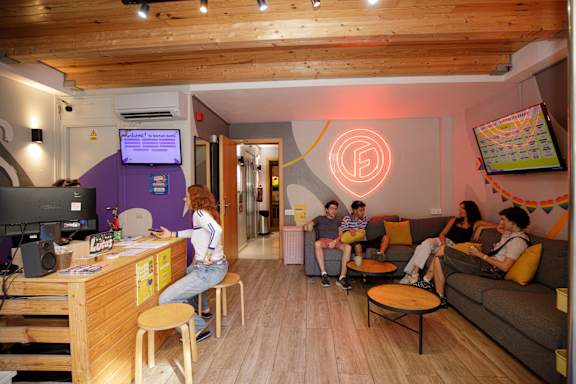
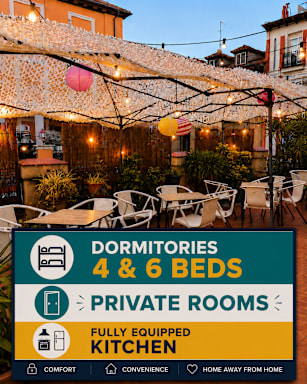
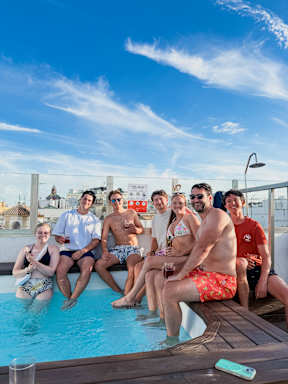
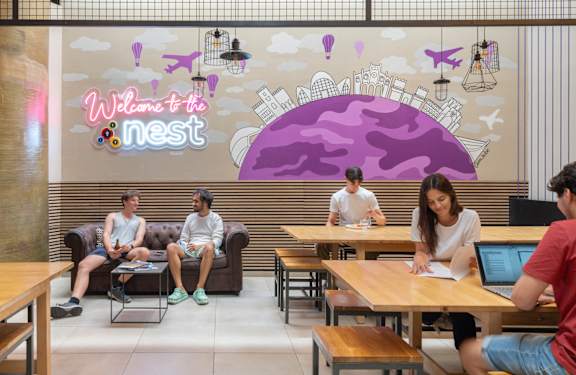
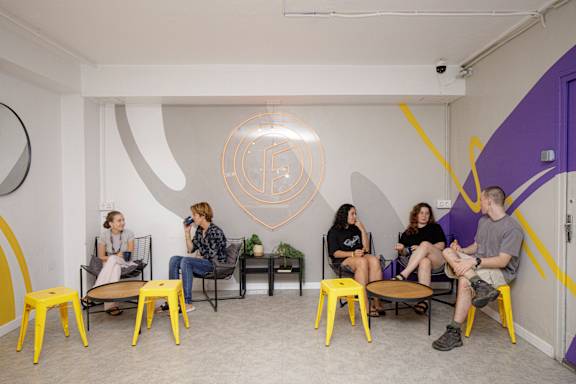
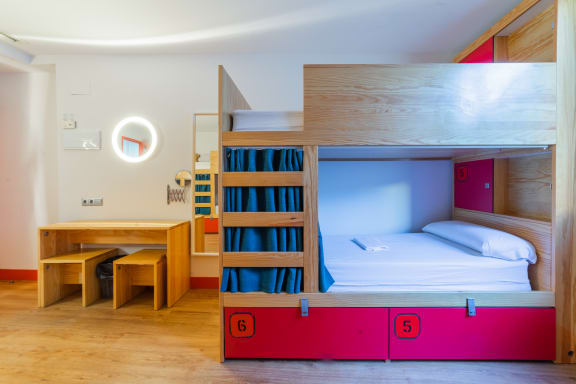
Senegal has only a few hostels on Hostelworld, in Dakar and Saly. Most budget travellers also use auberges and guesthouses. Here are the best-rated right now, with live prices.
Visa, price and safety details were checked in October 2026. Rules change, so confirm with official sources before you travel.

Compare Senegal hostels: live prices, real reviews and free cancellation on most bookings. Then meet the people already there in the app.

 Get the App.

 Get the App.