Medina
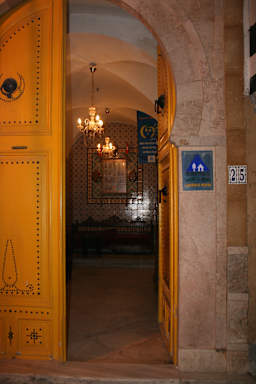
Budget stays and atmosphereThe UNESCO old city around the Zitouna Mosque, with souks, palaces and most of the hostels. Quiet at night.

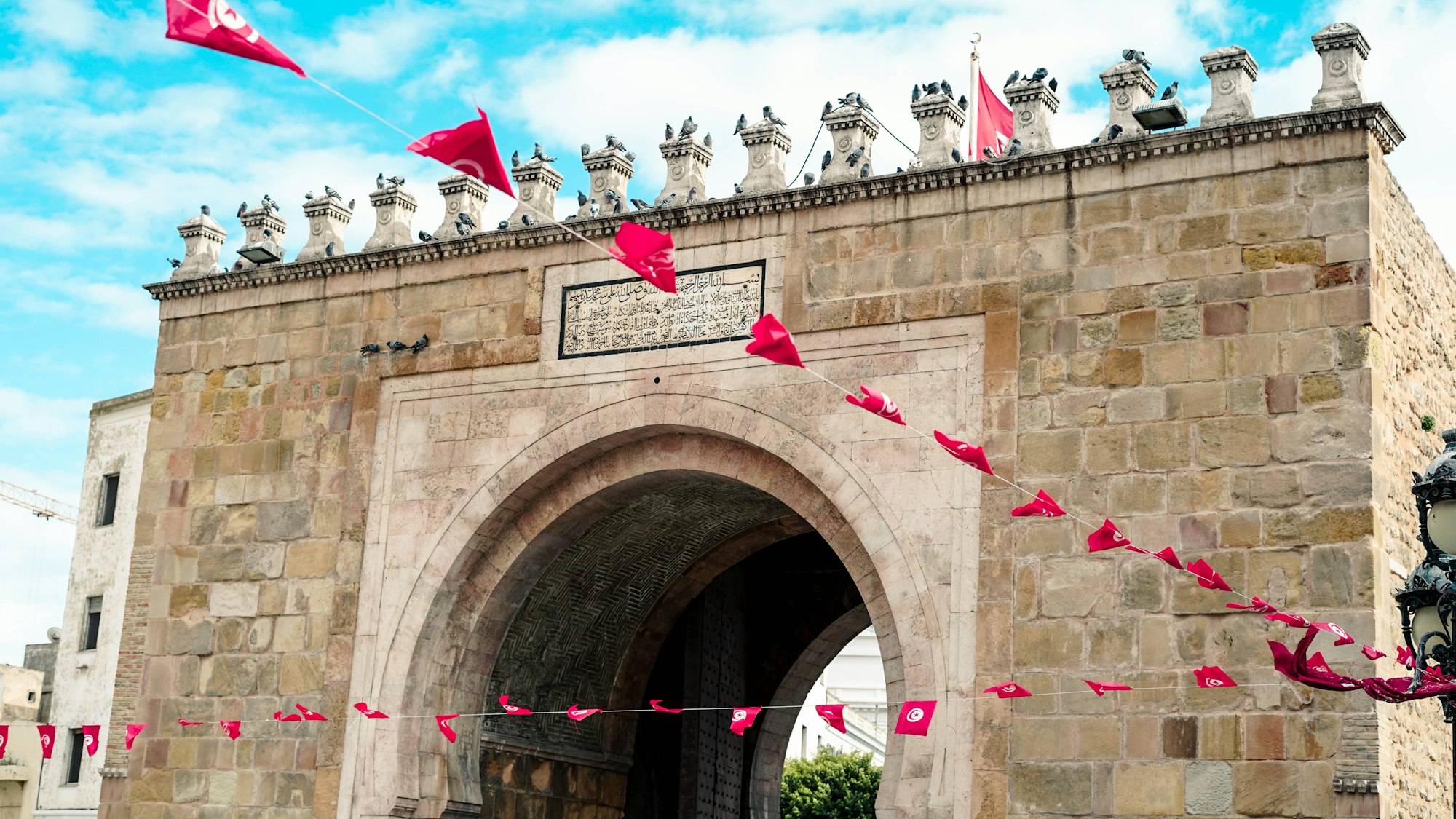
Tunis is three cities in one: a UNESCO medina of souks and mosques, a French-built downtown of cafés and boulevards, and a string of seaside suburbs where the ruins of Carthage sit below the blue-and-white village of Sidi Bou Said. Give it three nights, and ride the TGM out to the coast.
Tunis sits on a lagoon off the Gulf of Tunis, and most of what travellers come for lies along a 20 km line from the old city to the sea. At one end is the medina, founded in the 7th century around the Zitouna Mosque and listed by UNESCO in 1979, a maze of covered souks, palaces and workshops that is still very much lived in.
Just east of the medina's Bab el Bhar gate, the Ville Nouvelle begins: the 19th and 20th-century French city, with Avenue Habib Bourguiba, the city's grand tree-lined boulevard, its cathedral, theatre and pavement cafés. This is where you will find banks, cheap hotels and the TGM station at Tunis Marine.
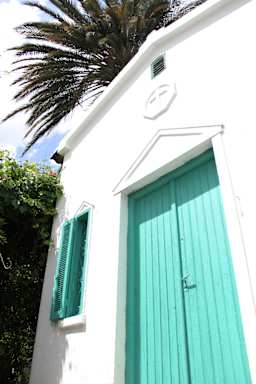
The TGM, a light railway across the lagoon, is the key to the rest. In half an hour it takes you to Carthage, the Phoenician city destroyed by Rome and rebuilt as the capital of Roman Africa, whose ruins are scattered among the villas of a wealthy suburb. Two stops further is Sidi Bou Said, the clifftop village of white walls and blue doors, and at the end of the line is La Marsa, with a beach and some of the city's best bars and restaurants.
West of the centre, the Bardo Museum holds one of the world's finest collections of Roman mosaics.
Tunis is relaxed by North African standards. Touts in the medina are fewer and gentler than in Marrakech, French is widely spoken, and the city is easy to explore on foot and by tram. Three nights is ideal: one day for the medina and downtown, one for Carthage and Sidi Bou Said, and one for the Bardo or a day trip.
The choice is between the medina, for atmosphere and the cheapest beds, the Ville Nouvelle, for convenience, and the seaside suburbs of Sidi Bou Said and La Marsa, for calm and the beach. The TGM links them all.
The UNESCO old city around the Zitouna Mosque, with souks, palaces and most of the hostels. Quiet at night.
The French-era downtown along Avenue Habib Bourguiba, with cafés, cheap hotels, the train station and the TGM.
Leafy suburb among the Punic and Roman ruins, with a few guesthouses and the presidential palace.
Blue-and-white clifftop village above the gulf, busy by day and peaceful at night.
Seaside suburb at the end of the TGM with a beach, cafés, restaurants and bars, and Gammarth's clubs next door.
Orange labels are neighbourhoods, dots are the 6 top-rated hostels. Map data from OpenStreetMap contributors.
Start in the medina, entering through Bab el Bhar and walking up Rue Jamaa Zitouna to the Zitouna Mosque, the great mosque at the heart of the old city. Non-Muslims can usually look into the courtyard from a viewing area at set morning hours, but cannot enter the prayer hall. Around it are the souks, each once devoted to one trade: perfumes in Souk el Attarine, red chechia caps in Souk ech Chaouachia, gold, cloth and spices further in. Look for Dar Ben Abdallah, an 18th-century palace that houses a museum of traditional life, and the domed Tourbet el Bey, the tomb of the Husseinite beys.
The Bardo Museum, in a former palace west of the centre, is Tunisia's national museum and one of the great museums of the Mediterranean. Its Roman mosaics, many from Carthage, Dougga and El Jem, cover whole walls and floors, and include the famous portrait of Virgil with two muses. Allow two hours, and expect a ticket of around 10 to 15 TND.
For Carthage, take the TGM to Carthage Hannibal and walk up Byrsa Hill, where the Carthage Museum overlooks the remains of the Punic city. From there, visit the Antonine Baths, the largest Roman baths in Africa, set by the sea, the circular Punic Ports, the Tophet sanctuary and the Roman villas. One combined ticket, about 12 to 18 TND, covers the main sites, which are spread out, so allow half a day.
Finish in Sidi Bou Said, two stops on. Climb the main street to Café des Nattes for mint tea with pine nuts, visit Ennejma Ezzahra, the palace built by the Baron d'Erlanger with its centre for Arab music, and walk down to the cliffs for sunset over the gulf.
Some of the best of Tunis costs nothing. Walking the medina is free, and the lanes beyond the main tourist souks, towards Bab Souika and Halfaouine, are full of everyday life: bakeries, hammams, workshops and neighbourhood mosques.
Avenue Habib Bourguiba is the city's living room. Walk it from the Bab el Bhar gate to the clock tower in the late afternoon, past the Cathedral of St Vincent de Paul and the Art Nouveau Municipal Theatre, and sit at a pavement café for the price of a coffee.
Sidi Bou Said costs nothing to wander, and it is at its best early in the morning or at sunset, before and after the tour groups. The walk down the cliff path to the small marina is free.
At La Marsa, the beach is free and busy with locals in summer. The Belvédère Park, north of the centre, is the city's biggest green space and has views over the city from the top.
Look out for free exhibitions at galleries in Sidi Bou Said and La Marsa, and the evening atmosphere in the medina during Ramadan, when cafés stay open late and concerts are held in old palaces.
Eat like a Tunisian and you will eat very cheaply. Breakfast is lablabi, a chickpea soup poured over torn bread with cumin, harissa, olive oil and an egg, served in small canteens around the medina for around 3 to 5 TND. Brik, a crisp pastry folded around an egg and tuna, costs about 1.5 to 2.5 TND from street stalls.
At lunch, local restaurants serve couscous with lamb or fish, ojja (eggs in a spicy tomato and pepper sauce), and grilled meats with méchouia salad. A main course costs around 8 to 15 TND. Couscous is a Friday tradition, so look out for it then.
Fricassé, small fried rolls stuffed with tuna, egg, potato and olives, and the Tunisian casse-croûte, a baguette filled with tuna, harissa and méchouia, are the street snacks to try.
In Sidi Bou Said, buy bambalouni, a fried sugared doughnut, from the stalls on the main street. In the medina, look for sweets shops selling makroudh and baklava.
Sit-down restaurants in the Ville Nouvelle and La Marsa cost around 20 to 35 TND a person, and more for seafood. Café culture is a big part of life: an espresso or a mint tea costs a couple of dinars, more at the famous terraces in Sidi Bou Said.
Evenings in Tunis start in cafés, where men gather for coffee, tea and shisha, and the medina stays sociable after dark around its cafés and small squares. Women travellers may feel more comfortable at the mixed cafés of the Ville Nouvelle and La Marsa.
For a drink, the Ville Nouvelle has a handful of bars around Avenue Habib Bourguiba, many inside hotels, where Celtia beer is cheap. They tend to be male-dominated and close early.
La Marsa and Gammarth, at the northern end of the TGM line, are where younger Tunisians go out. Bars, lounges and beach clubs line the seafront, and Gammarth's clubs are busiest at weekends and in summer.
In July and August, the Carthage International Festival brings concerts to the Roman theatre, and during Ramadan the medina hosts evening concerts and stays awake until late.
Taxis are cheap, so take one home at night: insist on the meter, and expect a surcharge after 9pm. Don't drink in the street, and avoid buying alcohol from unofficial sellers.
Tunis–Carthage Airport is only about 8 km from the centre. A metered yellow taxi costs roughly 8 to 15 TND and takes 15 to 30 minutes; insist on the meter, as drivers sometimes claim it is broken. Bolt costs around 12 to 20 TND but coverage is patchy, and bus 35 runs to Tunis Marine for about 0.5 TND.
The TGM light railway is the most useful line in the city. It runs from Tunis Marine, at the end of Avenue Habib Bourguiba, across the lagoon to La Goulette, Carthage, Sidi Bou Said and La Marsa, for about 1 TND. Services are frequent but crowded at rush hour.
The métro léger, Tunis's tram network, covers the centre and suburbs and stops at the Bardo (line 4). Tickets cost about 1 TND. Taxis are cheap and plentiful, but busy at rush hour.
For long distances, trains leave from the main station on Place Barcelone for Sousse (about two hours, roughly 10 to 12 TND), El Jem, Sfax and Gabès. Louages to the south and the coast leave from the Moncef Bey station, and to the north and west from Bab Saadoun. SNTRI buses for Djerba and the south leave from Bab Alioua.
Ferries from Marseille, Genoa and other Mediterranean ports dock at La Goulette, a few minutes from the centre by TGM or taxi.
Tunis is cheap by Mediterranean standards. Hostelworld lists dorm beds in the city from around US$17 to US$21, and medina guesthouses with private rooms from about 35 to 60 TND. Sidi Bou Said and La Marsa cost more, at around 70 to 100 TND for a guesthouse room.
Food is the bargain. A breakfast of lablabi costs 3 to 5 TND, brik 1.5 to 2.5 TND, and a local couscous 8 to 15 TND. A restaurant meal in La Marsa or the Ville Nouvelle runs to 20 to 35 TND.
Transport is very cheap: the TGM costs about 1 TND, and most taxi rides in the city cost 4 to 12 TND, with about 50% extra at night.
Sights are where the money goes. The Bardo is around 10 to 15 TND, and the Carthage combined ticket around 12 to 18 TND. A guided medina walk is a matter of agreeing a fee or tip.
At about 3.37 TND to €1, a shoestring day comes to around €25 to €30, and a comfortable one to €50 to €60. ATMs are easy to find in the Ville Nouvelle. Remember you can't take dinars out of the country.
Tunis is generally safe for visitors, with a visible police presence around tourist sites. The UK and other governments advise caution about terrorism across Tunisia, so stay aware in crowded places, and follow instructions at security checks.
The most common problems are petty. Pickpockets work the medina souks and crowded TGM carriages, so keep your bag in front of you.
The medina's best-known scam is the "free rooftop view". A friendly man tells you a mosque or terrace is closed, or offers to show you a famous view, and takes you up to a carpet shop's roof, followed by a long, hard sales pitch. It's harmless if you're firm, but just say no thanks and keep walking.
Taxi drivers may refuse the meter or take the long way round. Insist on the meter or agree the fare first.
Demonstrations take place in central Tunis, especially on Avenue Habib Bourguiba and on 14 January and 17 December. Avoid them. Women may get unwanted attention, particularly at night; mixed cafés and taxis help. Don't photograph government buildings, the Interior Ministry on Avenue Habib Bourguiba or police.
Tunis is a good base for the north: the Roman town of Dougga, the old port of Bizerte, the beaches and Punic ruins of Cap Bon, and the resort town of Hammamet.
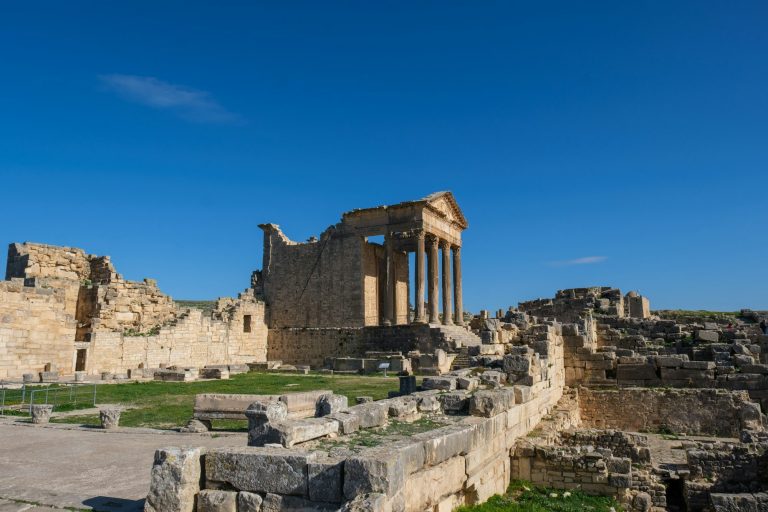
Hillside Roman town with a theatre, Capitol and temples, one of the best-preserved in North Africa and rarely crowded.
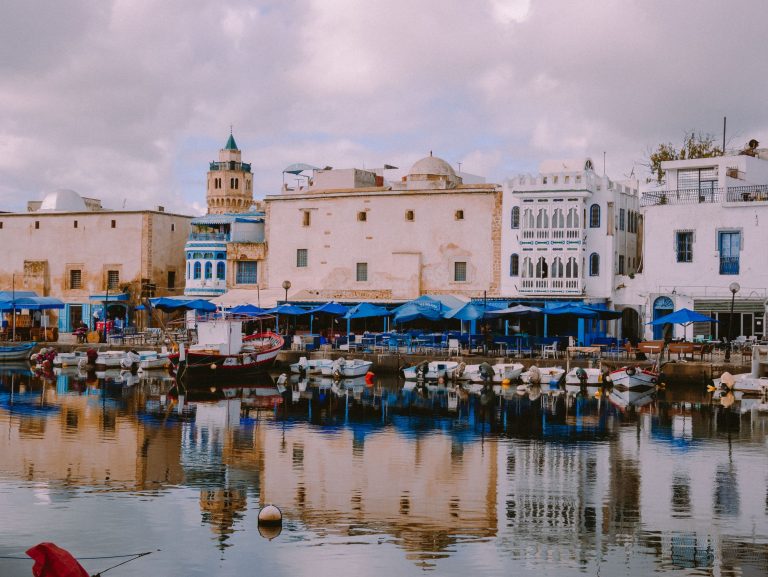
Old port town with a fishing harbour, kasbah and beaches on the north coast.
Peninsula of beaches, the fortress of Kelibia and the Punic town of Kerkouane, a UNESCO site.
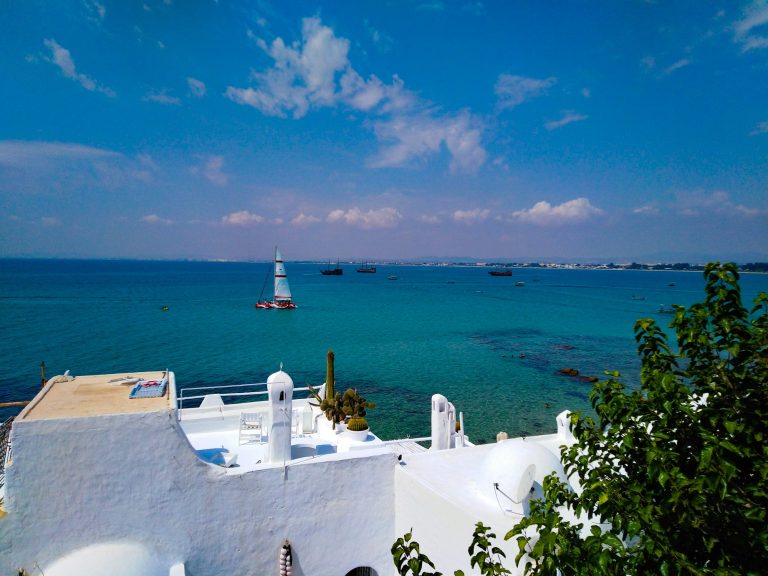
Resort town with a small walled medina and long beaches.
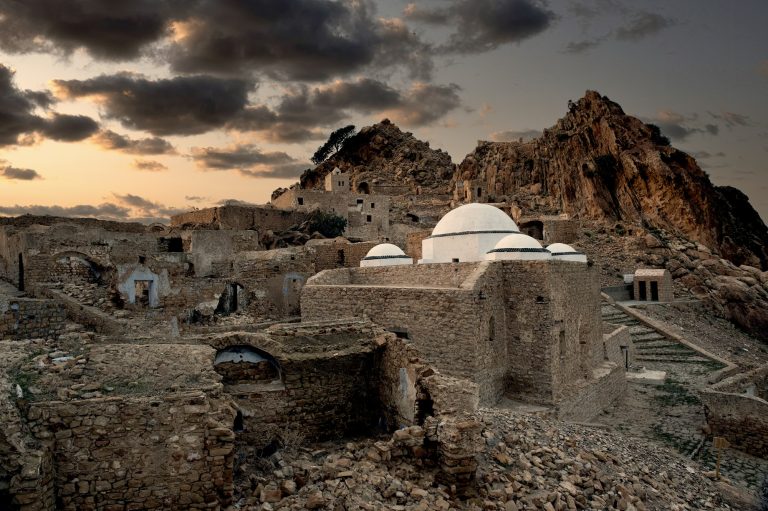
Mountain town with the Roman Water Temple at the source of Carthage's aqueduct.
Tunis's big season is summer, when the Carthage International Festival takes over the Roman theatre. Ramadan nights in the medina and the Carthage Film Festival are other highlights.
Concerts and late cafés in the old city after the fast is broken each evening.
Public holiday marking independence from France in 1956.
Jazz, soul and world music festival with international acts.
The country's biggest summer festival, with concerts in the Roman theatre.
Public holiday marking the 1956 Code of Personal Status.
One of the oldest film festivals in Africa and the Arab world, with screenings across the city.
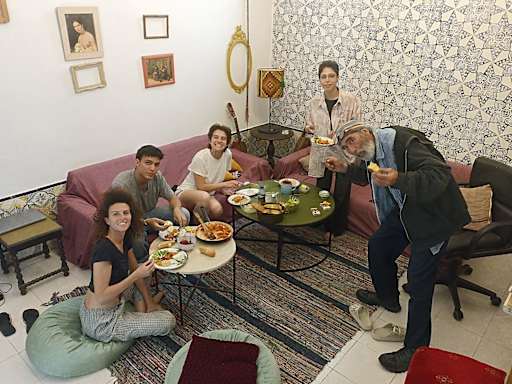
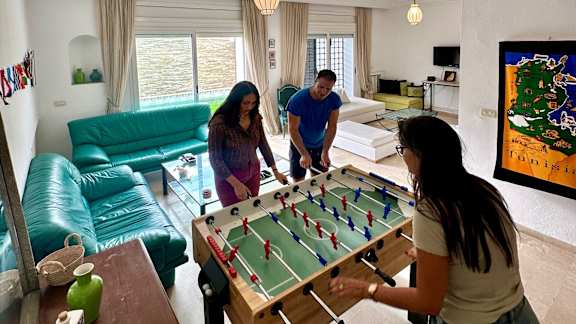
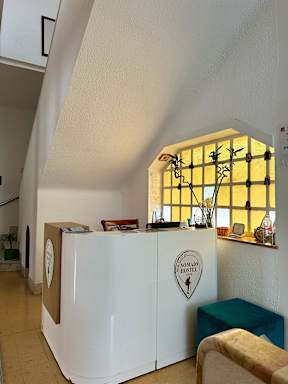
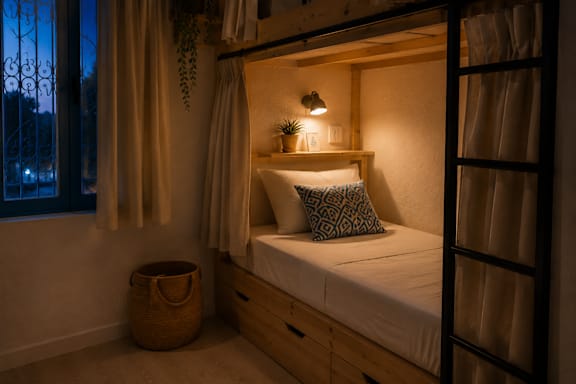
Tunis's hostels are mostly in the medina, in old houses with courtyards and roof terraces, plus a couple in Sidi Bou Said and on the coast. Most include breakfast.
Rated 10 from 62 reviews, an artistic residency in the medina near the souks. Private rooms only, from about US$7.
Rated 9.3 from about 140 reviews, with dorms and cheap private rooms, and the "home away from home" feel that makes it easy to meet people.
A long-running budget hostel a few minutes from the souks, with over 600 reviews. Basic and rated 6.7, but cheap and central.
Tunis is warm from May to October, with highs of 25°C to 33°C, and mild in winter at 15°C to 18°C. Spring and autumn are ideal for sightseeing; July and August are hot but good for the beach at La Marsa, and the sea is warmest in August and September.
Average daily highs from weather2travel's Tunis climate data. Crowd levels are our rough guide. Ramadan 2027 is expected from about 8 February to 9 March.
Pick a style and a number of nights for a rough total, per person, in euros.
Estimates. Beds are based on Hostelworld's listed prices for Tunis in October 2026; doing averages free days in the medina with paid days at Carthage and the Bardo.
Prices and timetables change. Check before you travel.

Compare Tunis hostels: live prices, real reviews and free cancellation on most bookings. Then meet the people already there in the app.

 Get the App.

 Get the App.