Rutinda and the eastern shore
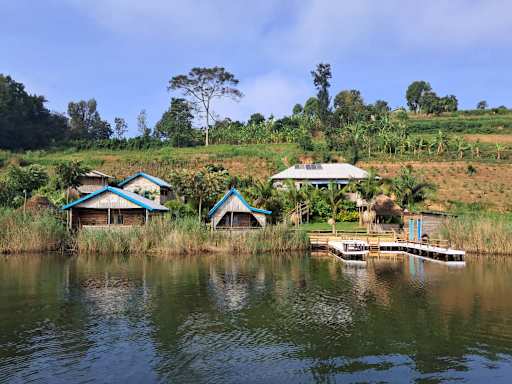
Easy accessThe main landing and car park, with lakeshore lodges and boats to the islands.

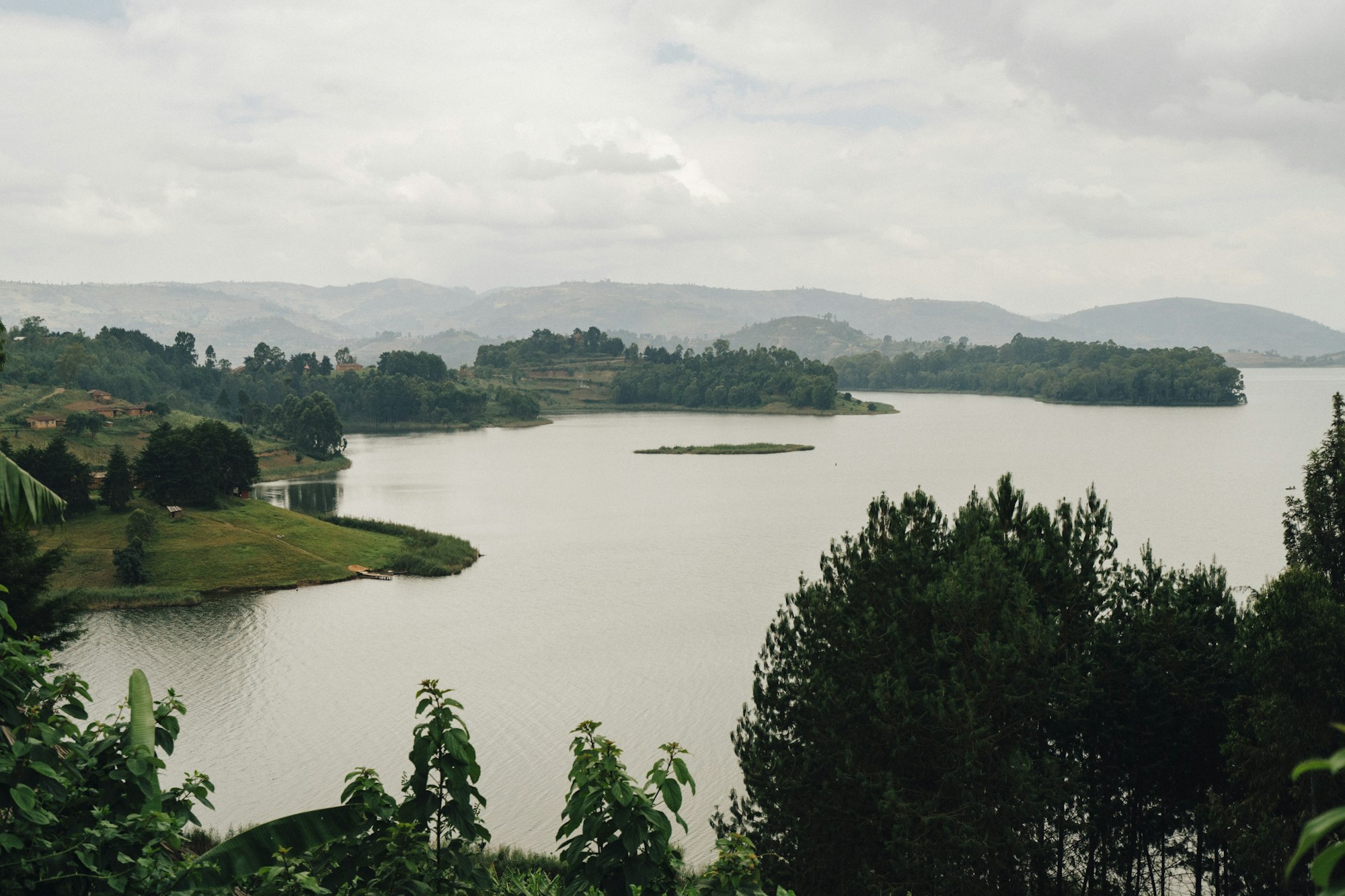
Lake Bunyonyi is a long, winding lake in the terraced hills of south-west Uganda, scattered with 29 islands and cool enough for a jumper at night. Paddle a dugout canoe between the islands, swim off a jetty and recover from gorilla trekking. It's the most relaxing stop in the country.
Lake Bunyonyi lies at about 1,950 m in the Kigezi highlands, a few kilometres west of the town of Kabale and close to the borders with Rwanda and DRC. Its name is usually translated as "place of many little birds", and the steep hills around it are carved into terraces of crops, giving the landscape a look sometimes compared to Switzerland or Asia.
The lake is long, narrow and deep, with 29 islands of various sizes. Some have lodges and campsites, some have villages and schools, and one, tiny Akampene, known as Punishment Island, has a dark history: unmarried pregnant girls were once left there to die or be rescued by men who could not afford a bride price.
Most visitors come to relax. There is no big sight, just the views, the water and the pace. Lodges on the shore and the islands have jetties for swimming, dugout canoes to borrow and hammocks with views, and the evenings are cool and quiet.
Bunyonyi is also a practical base. Bwindi Impenetrable National Park, with its gorilla families, is a couple of hours away, as is Mgahinga near Kisoro, and the Rwandan border at Katuna is about half an hour's drive. Many travellers time a few days here before or after trekking.
Three nights is a good stay: a day on the water, a day hiking the ridges or visiting villages, and a day doing nothing at all. Many people stay a week.
Stay on the mainland shore near the Rutinda landing for easy access, on an island for peace, or in Kabale if you are passing through. Most lodges arrange boats from the shore.
The main landing and car park, with lakeshore lodges and boats to the islands.
Island lodges and campsites reached only by boat or canoe, such as Bushara and Itambira.
Quieter lodges and villages on the far side of the lake, with ridge walks.
The nearest town, with banks, markets, buses and cheap hotels, about 30 minutes away.
Orange labels are neighbourhoods, dots are the 1 top-rated hostels. Map data from OpenStreetMap contributors.
The lake is best explored from the water. Dugout canoes are the traditional way to get around, and many lodges lend or rent them; they are slow, wobbly and fun. Motorboats are faster and can take you on a tour of the islands in a few hours.
A typical island tour visits Akampene (Punishment Island), a tiny island with a single tree, whose story your guide will tell; Bwama Island, a former leprosy colony set up by a missionary in the 1930s and now home to a school; and Itambira, home to lodges. Agree the route and price before you go.
Swimming is one of the great pleasures here. The lake is widely said to be free of bilharzia, and many lodges have jetties to jump from. Locals swim too, but the water is deep, so only swim if you are confident, and stay away from boats.
The hills around the lake are great for walking. Trails lead up the terraced ridges to viewpoints over the islands, through villages and farms. Lodges can arrange guides, which helps on the network of unmarked paths.
On market days, the shoreline markets fill with canoes bringing people and produce from the islands, a lively sight.
The lake is also good for birdwatching, with crested cranes, kingfishers and weavers. Some lodges offer community visits to Batwa communities, who were moved out of the forests when the national parks were created; choose a visit run with the community.
From Bunyonyi, day trips and overnight trips lead to the gorillas in Bwindi and Mgahinga, and to the volcanoes around Kisoro.
Bunyonyi is perfect for free days. Swimming from your lodge jetty, reading in a hammock and watching the light change on the islands cost nothing.
The ridge walks above the lake are free if you go without a guide, and the views are some of the best in Uganda. Ask your lodge about routes, and take water and a map.
Watch the canoes heading to market in the early morning, when the lake is calm and misty.
Many lodges lend dugout canoes free to guests, so ask before paying for a tour.
Sunsets over the lake, from the shore or a hilltop, are spectacular, especially in the drier months.
Food at Lake Bunyonyi is mostly served at the lodges, where set dinners and simple menus include local and international dishes. Crayfish from the lake, introduced decades ago, are the local speciality, and many lodges serve crayfish curry, salads or sandwiches.
The fertile Kigezi hills grow excellent potatoes, beans, sorghum and vegetables, so expect fresh, filling food. Local dishes like matooke, beans, groundnut sauce and posho are served in villages and in Kabale.
Lodge meals cost around €4 to €10. In Kabale, local restaurants serve a plate for a few euros, and you can stock up on snacks and fruit at the market.
Sorghum is also used to make local beer and porridge. Ugandan bottled beers are sold at most lodges.
Drink bottled or filtered water: many lodges provide refills.
There is no nightlife at Lake Bunyonyi in the usual sense, and that is the point. Evenings are spent at your lodge, around a fire, over dinner with other travellers, or watching the stars from a jetty.
At almost 2,000 m, nights are cool, so bring a fleece. Many lodges light campfires.
Kabale has a few bars and local spots if you want something livelier, but most travellers don't bother.
Don't travel on the lake after dark: boats have limited lights and the water is deep. Arrange any boat transfers in daylight.
Most people reach Lake Bunyonyi via Kabale, the nearest town. Buses from Kampala to Kabale take about seven to ten hours, with fares from about 30,000 to 70,000 UGX depending on the season and the company. Leave early: departures at 8am or 9am arrive by late afternoon.
From Kabale, the lake is about 30 minutes away. A taxi costs about 50,000 UGX for the car, and a boda boda around 7,000 to 15,000 UGX depending on the time of day. Ask for the landing at Rutinda or the car park near your lodge.
From the shore, your lodge will usually collect you by motorboat (around 20,000 to 30,000 UGX) or dugout canoe. Some hostels offer a free canoe ride, which takes about 40 to 50 minutes. Arrange transfers in daylight.
Many travellers arrive with a driver as part of a gorilla trip. Kabale is also on the main road to Kigali: the Rwandan border at Katuna is about 30 minutes away, and buses run from Kabale to Kigali.
Around the lake, you move by boat, canoe or on foot. Roads around the shore are unpaved and steep.
Lake Bunyonyi can be very cheap. Hostelworld lists dorm beds from about US$10, and simple bandas, campsites and island lodges are good value. Upmarket eco-lodges cost much more.
Meals at lodges cost around €4 to €10, and you will eat most meals where you stay, especially on the islands. Kabale is cheaper for food and supplies.
Boat trips are the main extra. A motorboat transfer costs about 20,000 to 30,000 UGX, and an island tour more, depending on the boat and the route. Dugouts are often free or cheap.
Getting here costs a bus ticket of 30,000 to 70,000 UGX from Kampala, plus a taxi or boda from Kabale.
Gorilla treks are the big cost: a permit is US$800 (US$600 in April, May and November 2026), plus transport to Bwindi or Mgahinga.
At about 4,650 UGX to €1, a budget day without permits comes to around €20 to €30. There are no ATMs at the lake, so bring cash from Kabale.
Lake Bunyonyi is peaceful, and most visitors feel very safe. The main risks are the water and the roads.
The lake is deep, and canoes tip over easily. Wear a life jacket on boats and canoes, as the UK advises for all boat travel in Uganda, don't overload canoes and don't paddle in bad weather or after dark. Only swim if you are a confident swimmer.
The roads around the lake are steep and slippery after rain. If you take a boda boda, wear a helmet and avoid night rides.
The south-west is close to the DRC border, where governments advise against all travel. The UK notes that armed groups control crossings in Kisoro district on the DRC side, with periodic clashes, so don't take tours into the DRC. Bwindi and Mgahinga treks are accompanied by security, and Australia advises flying rather than driving to the gorilla parks.
At almost 2,000 m, the sun is strong, so use sunscreen. Malaria risk is lower at this altitude than in the lowlands but not zero, so keep using repellent.
From Lake Bunyonyi you can reach the gorillas of Bwindi and Mgahinga, the volcanoes around Kisoro and the border with Rwanda.
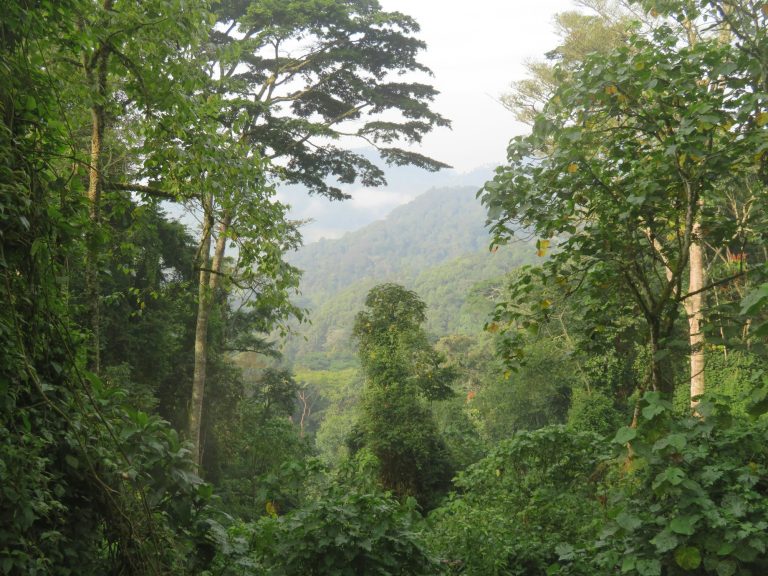
The southern sectors of Bwindi for gorilla trekking. Permits US$800; book well ahead.
Gorilla and golden monkey tracking on the Virunga volcanoes, plus hikes up Mount Muhavura.
Market town for banks, supplies and onward buses.
The main crossing into Rwanda, with Kigali about three hours beyond.
Life at Lake Bunyonyi follows the market days, the farming seasons and the national holidays. The peak gorilla trekking seasons are the busiest times.
Public holiday and pilgrimage to Namugongo near Kampala.
Public holiday honouring national heroes.
Public holiday marking independence in 1962.
Busy lodges and family visits around the lake.
Lake Bunyonyi has lakeshore and island lodges, campsites and simple bandas. Hostelworld lists the lake under Kabale, with one property so far.
Lake Bunyonyi is cool all year, with mild days of around 22°C to 24°C and cold nights. June to August and December to February are the driest and best for gorilla trekking; March to May and September to November are wetter, but the lake is green and quiet.
Highs are our estimates for the Kigezi highlands (about 1,950 m), a few degrees below Fort Portal's weather2travel figures. Crowd levels are our rough guide.
Pick a style and a number of nights for a rough total, per person, in euros. Gorilla permits are not included.
Estimates. Beds are based on Hostelworld and lodge prices in October 2026; doing covers boat trips and walks. Gorilla permits (US$800) are extra.
Prices and timetables change. Check before you travel.

Compare Lake Bunyonyi hostels: live prices, real reviews and free cancellation on most bookings. Then meet the people already there in the app.

 Get the App.

 Get the App.