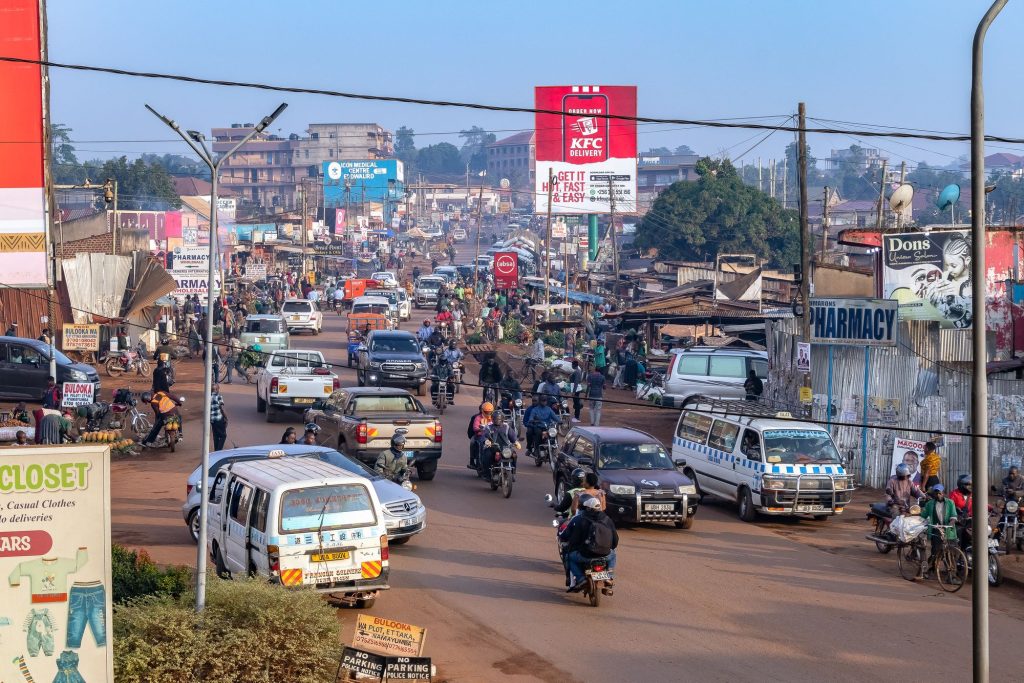
Kampala
7 hostels
The chaotic, friendly capital of seven hills: markets, the Kasubi Tombs, the national mosque and East Africa's best nightlife.

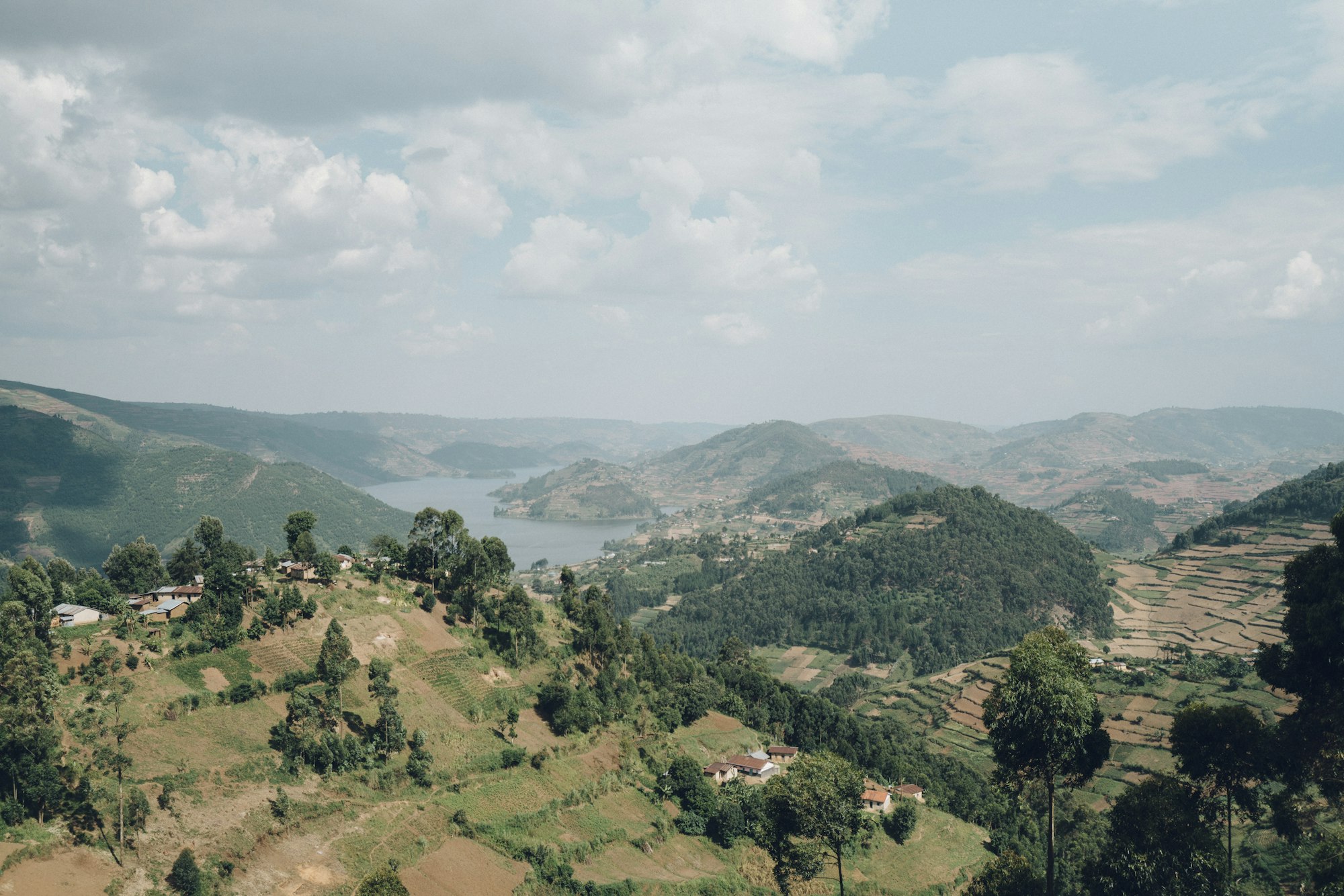
Uganda is East Africa at its greenest: mountain gorillas in misty forest, chimpanzees in Kibale, white-water rafting on the Nile and crater lakes in the shadow of the Rwenzori. It's cheaper and quieter than its neighbours, if you plan around permits and long road days. Give it two to three weeks.
Winston Churchill called Uganda the "pearl of Africa", and it is easy to see why. The country sits on the equator but mostly at over 1,000 m, so it is green, fertile and rarely too hot. In a few weeks you can track mountain gorillas in Bwindi, walk with chimpanzees in Kibale, raft the Nile at Jinja, see tree-climbing lions in Queen Elizabeth National Park and paddle a dugout canoe on Lake Bunyonyi.
Uganda is less polished than Kenya or Tanzania, and that is a big part of its appeal. Parks are quieter, prices are lower and Ugandans are famously friendly. English is an official language and widely spoken, which makes things easier.
The flip side is logistics. Roads are slow, public transport is basic, and many travellers hire a car and driver for at least part of the trip. Gorilla and chimp permits are the biggest single cost and sell out in peak season, so book them first and build the route around them.
Kampala, the capital, is a chaotic, likeable city of hills, markets and nightlife, and most trips start nearby at Entebbe airport on Lake Victoria. From there, the classic loop runs east to Jinja, west to Fort Portal and Kibale, south through Queen Elizabeth to Bwindi and Lake Bunyonyi, and back.
Two things to plan for: you need an e-visa or East Africa Tourist Visa before you arrive, plus a yellow fever certificate, and you should read the safety section carefully, including the laws affecting LGBT+ travellers.
Most routes start at Entebbe or Kampala, then loop east to the Nile and west to the forests, lakes and gorillas. These are the places that deserve a stop, with live hostel counts and dorm prices from Hostelworld.
The chaotic, friendly capital of seven hills: markets, the Kasubi Tombs, the national mosque and East Africa's best nightlife.
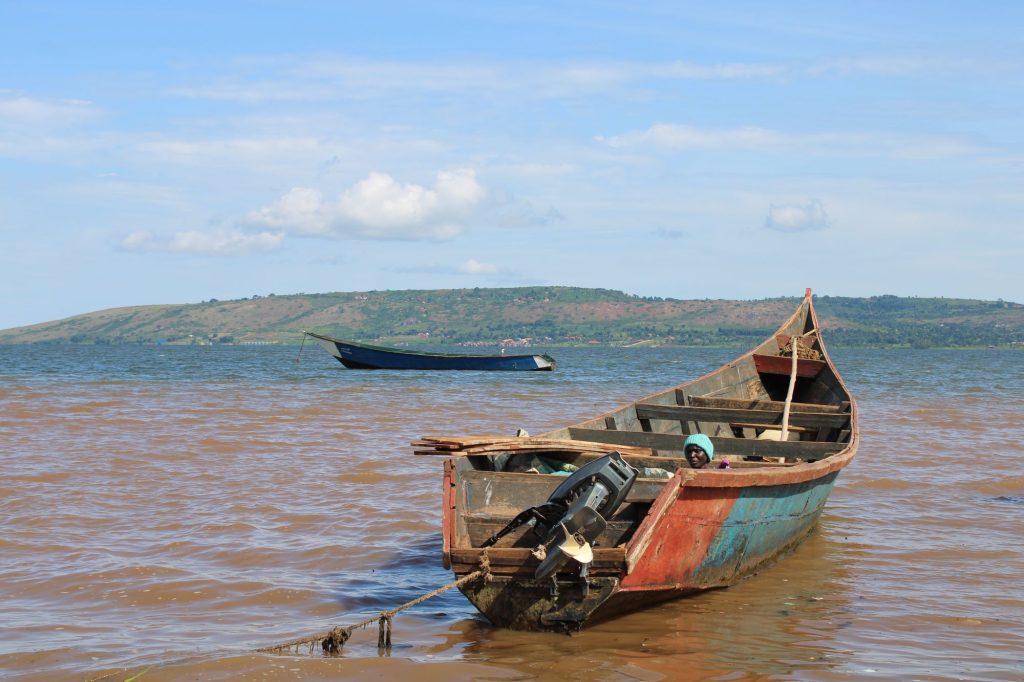
Adventure capital at the source of the Nile: Grade 5 rafting, kayaking, bungee and riverside backpacker lodges, about 2–3 hours from Kampala.
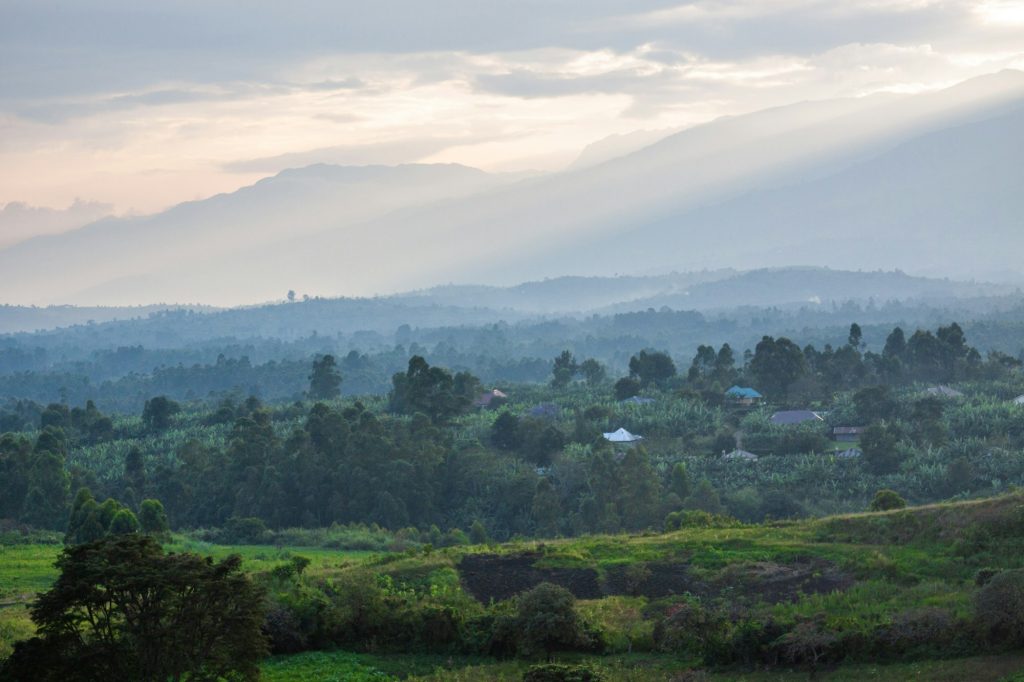
Green highland town among crater lakes and tea estates, and the base for chimp tracking in Kibale National Park.
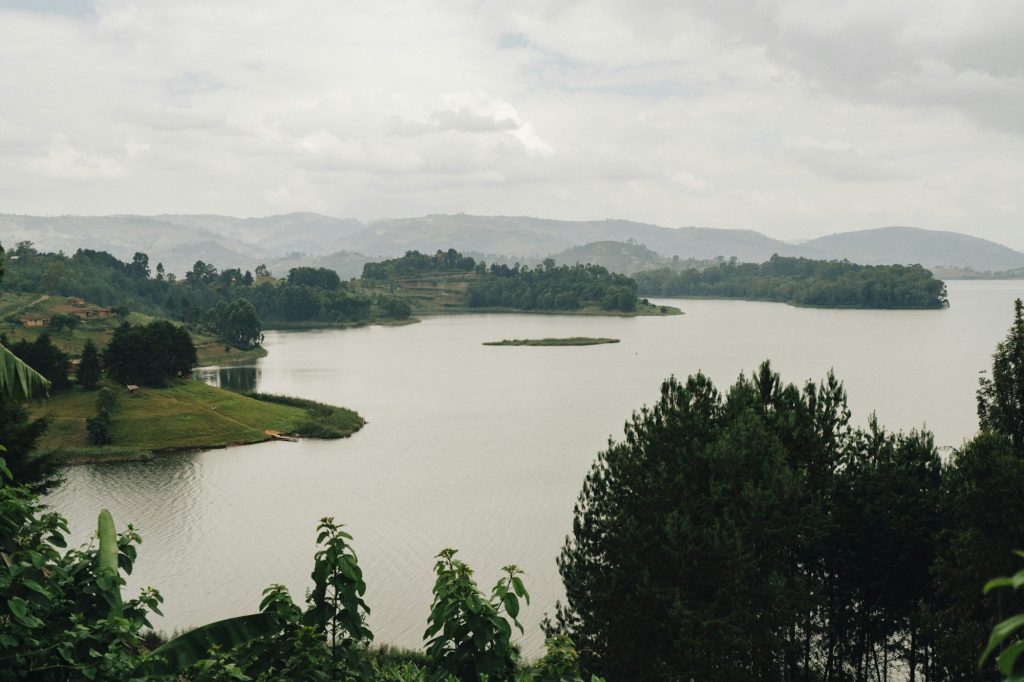
Island-studded lake in the south-western hills, with dugout canoes, swimming and lodges, near Kabale and the gorilla parks.
Uganda suits very different trips. Choose one or two of these and build the route around them, and book any permits first.
Track mountain gorillas in Bwindi or Mgahinga, chimps in Kibale and golden monkeys on the Virunga volcanoes.
See elephants, lions and hippos on game drives and boat trips in Murchison Falls and Queen Elizabeth.
Raft Grade 5 rapids, kayak, tube or bungee jump over the Nile at Jinja, East Africa's adventure capital.
Walk between crater lakes near Fort Portal, paddle Lake Bunyonyi and hike to the waterfalls of Sipi.
Learn about the kingdom of Buganda, the Uganda Martyrs and the many cultures of the country.
Eat rolexes from street stalls and luwombo at lunch, then join Kampala's nights out in Kabalagala and Kololo.
Mountain gorillas are the reason many people come. Around half of the world's remaining mountain gorillas live in Bwindi Impenetrable National Park and Mgahinga, in the far south-west, and tracking a habituated family with rangers is one of the great wildlife experiences on earth. Permits cost US$800 for foreign visitors, with a US$600 low-season rate in April, May and November 2026, and they sell out months ahead in peak season. Treks can take from one to several hours through steep forest, and you spend one hour with the gorillas.
Chimpanzee tracking is cheaper and nearly as memorable. Kibale National Park, near Fort Portal, has the highest density of primates in Africa, and chimp permits cost US$250 (US$200 in the 2026 low season), rising to US$300 from January 2027.
For classic safari, Murchison Falls National Park in the north-west has elephants, giraffes, lions and a boat trip to the base of the falls, where the Nile forces its way through a 7 m gap. Queen Elizabeth National Park, in the west, has boat trips on the Kazinga Channel, full of hippos and buffalo, and the tree-climbing lions of the Ishasha sector.
Jinja, two to three hours from Kampala, is East Africa's adventure capital, with Grade 5 rafting on the Nile, kayaking, bungee jumping and the spot where the Nile leaves Lake Victoria.
There is plenty more: the crater lakes and tea estates around Fort Portal, multi-day treks in the Rwenzori Mountains, the waterfalls at Sipi on Mount Elgon, rhino tracking at Ziwa, and dugout canoes and island hopping on Lake Bunyonyi.
Ugandan food is filling and mild. The staple is matooke, green bananas steamed and mashed, usually served with a groundnut (peanut) sauce, beans or meat stew. Posho, a stiff maize porridge, is the other daily starch, and you will also see rice, sweet potatoes and cassava on most plates.
The most famous street food is the rolex, a chapati rolled around an omelette with tomatoes, onions and cabbage. The name comes from "rolled eggs", and it is cheap, everywhere and perfect after a night out. Chapatis, samosas and roasted maize are other roadside snacks.
For a special meal, try luwombo, chicken, beef or groundnuts steamed in banana leaves, a dish from the royal kitchens of Buganda. Lake Victoria tilapia and Nile perch are grilled or fried whole. Katogo, matooke cooked with offal, beans or groundnuts, is a classic breakfast.
Local restaurants and roadside stalls serve full plates for a few euros, and Kampala has a good range of Indian, Ethiopian and international restaurants for more.
Nile Special and Club are the best-known beers, and Uganda Waragi is the local gin. Drink only sealed, branded bottles: the UK warns about methanol in illicit spirits. Tap water is not safe to drink.
Kampala has one of the liveliest nightlife scenes in East Africa, and it starts late and runs until dawn. Kabalagala, south of the centre, is the classic bar district, with street food, music and crowds most nights. Kololo, Bugolobi and the area around Acacia Avenue have bars, lounges and clubs, and weekends are busiest.
Live music is a big part of it, from Afrobeats and dancehall to local Luganda pop. Look out for live band nights and cultural shows, such as the evening dance performances at the Ndere Centre.
Outside the capital, Jinja has backpacker bars by the river, especially on rafting days, and most other towns have a few bars playing music late.
The biggest event is Nyege Nyege, a four-day festival of electronic and African music on the banks of the Nile, which in 2026 runs from 19 to 22 November at Kalagala Falls.
A few rules to know. Smoking is banned in public places, and shisha and e-cigarettes are illegal. Drink sealed drinks only, never accept drinks from strangers, and take a registered taxi or ride-hailing car home rather than a boda boda at night.
Uganda's roads are slow, and journeys almost always take longer than planned. Long-distance buses run from Kampala to most towns: Link Bus serves the west, with fares from April 2026 of 40,000 UGX to Fort Portal and 45,000 UGX to Kasese, and buses such as Jaguar run to Kabale for Lake Bunyonyi in seven to ten hours. Buy tickets the day before for early departures.
Matatus, shared minibuses, leave from Kampala's Old and New Taxi Parks and run everywhere, leaving when full. They are cheap but cramped, and governments advise avoiding them where possible because of poor driving and maintenance.
Boda bodas, motorbike taxis, are the fastest way around Kampala's traffic, but they are dangerous. The UK reports foreign visitors being mugged on bodas, and accidents are common. If you use one, choose an app-based service such as SafeBoda and wear a helmet. Uber and Bolt cars are a safer option in Kampala.
For the national parks, most travellers hire a car with a driver or join a tour, because public transport doesn't reach the parks themselves. Self-drive 4x4 rental is possible but driving at night is not recommended. Australia advises flying, not driving, to Bwindi and Mgahinga, and domestic flights serve several parks.
Entebbe International Airport is about 40 km from Kampala, or 60 to 90 minutes via the expressway. For onward travel, Uganda borders Kenya, Rwanda and Tanzania, and the East Africa Tourist Visa covers Kenya and Rwanda too.
Uganda uses the shilling (UGX). In October 2026, €1 buys about 4,650 UGX, so 10,000 UGX is roughly €2.15. Many tourist prices, such as permits, rafting and safari tours, are quoted in US dollars.
Day to day, Uganda is cheap. Hostelworld dorms run from about US$10 to US$22 a night, local meals cost a few euros, and a long bus journey costs €8 to €15.
The big costs are activities. A gorilla permit costs US$800 (US$600 in the 2026 low-season months of April, May and November), chimp tracking US$250, and park entry and vehicle fees add up. Full-day rafting on the Nile costs about US$120 to US$150 including lunch. Hiring a car and driver for the parks typically costs more than everything else combined, so share one if you can.
Cash is still needed outside the cities. ATMs are easy to find in Kampala and big towns, but the US warns that many only work with Ugandan bank cards, so carry a backup. US dollars printed before 2009, or torn or marked notes, are not accepted, and small dollar notes get a worse rate.
Mobile money is widely used, and you can set it up with a registered SIM. Card payments work in larger hotels and lodges.
Uganda is visited by many travellers every year without problems, but it needs more care than most of the region. The UK says terrorist attacks are very likely, including in Kampala and national parks, and attacks have caused deaths in Queen Elizabeth National Park. Western Uganda near the DRC border has seen a series of attacks. Use reputable, registered tour operators and follow ranger instructions.
Governments advise against all travel to the DRC and South Sudan, and Australia advises against travel within 50 km of the South Sudan border and to reconsider travel within 50 km of the DRC border. Karamoja, in the north-east, has armed cattle raids. The US raised its advisory to Level 4, "Do not travel", in May 2026 because of an Ebola outbreak centred in neighbouring DRC. Uganda's own outbreak was declared over on 27 August 2026, but the DRC outbreak continues. Check the latest advice before you book.
The law is the other big issue. Uganda's Anti-Homosexuality Act 2023 imposes life imprisonment for same-sex activity, up to 20 years for "promoting" homosexuality and the death penalty for some "aggravated" offences. LGBT+ travellers, and those seen as LGBT+, face real risk of harassment, blackmail and arrest.
In everyday terms, avoid walking after dark, carry little cash, use indoor ATMs and avoid boda bodas at night. Avoid demonstrations, which turned violent after the January 2026 elections, and don't wear red or yellow at political events.
Other rules: camouflage and military-style clothing are illegal, giving money to street children in Kampala is illegal, and you must not photograph military or official sites, including the Owen Falls Dam in Jinja.
Almost everyone needs a visa for Uganda, including UK, EU, US, Canadian and Australian passport holders, and you must get it online before you travel. Apply on the official portal, visas.immigration.go.ug. A single-entry tourist visa costs US$50 plus a small admin fee, and you will receive an approval letter by email to print and show on arrival.
If you are also visiting Kenya or Rwanda, the East Africa Tourist Visa costs US$100 and allows multiple entries to all three countries over 90 days. It is applied for online too, and your first entry should be through the country that issued it.
Your passport must be valid for at least six months after you arrive, with a blank page for the entry stamp. Overstays are fined at around US$30 a day.
Bring your yellow fever certificate. Australian advice and visa guides say it is required to enter Uganda and must be uploaded with the visa application, although the US says no vaccinations are required at entry. With the vaccine needed elsewhere in the region too, it is best to carry it.
Australia says all foreign currency must be declared on arrival, while the US says there are no currency restrictions, so check before carrying large amounts of cash. Some countries screen travellers arriving from Uganda because of the Ebola outbreak in the region.
Uganda has two drier seasons, December to February and June to September, which are the best times for gorilla trekking and safaris. The main rains fall from March to May and again in October and November, when trails are muddy but permits are cheaper and parks quieter.
Temperatures are average daily highs in Kampala (weather2travel climate data: 29°C in January and February, 26°C in July; other months are rounded between those). The south-west highlands around Bwindi and Lake Bunyonyi are several degrees cooler. Crowd levels are our own rough estimate.
Pick a travel style and the number of nights to see a rough total. Figures are per person per day in euros, based on hostel dorms or guesthouse rooms, local food and buses, and a mix of cheaper activities. Gorilla and chimp permits are not included.
Rough figures for 2026, converted at about €1 = 4,650 UGX. Gorilla permits (US$800), chimp permits (US$250), rafting and a car with driver are paid separately and can double a trip's cost.
Religious pilgrimages, music festivals and national holidays shape the Ugandan calendar, with the biggest party at Nyege Nyege in November.
Huge crowds of pilgrims, many walking for days from across East Africa, honour the Uganda Martyrs at the shrine.
Public holiday marking independence from Britain in 1962.
Four days of electronic, African and experimental music by the river. One of Africa's best-known festivals.
Street parade, music and food across the city centre.
The Bamasaba circumcision ceremony, with days of dancing and drumming.
Kampala empties as people head to their home villages; parties in Kampala and Jinja.
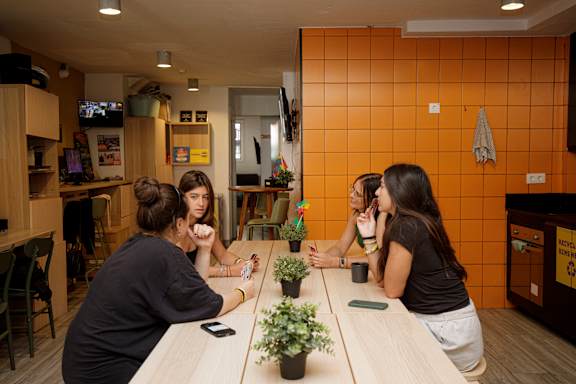
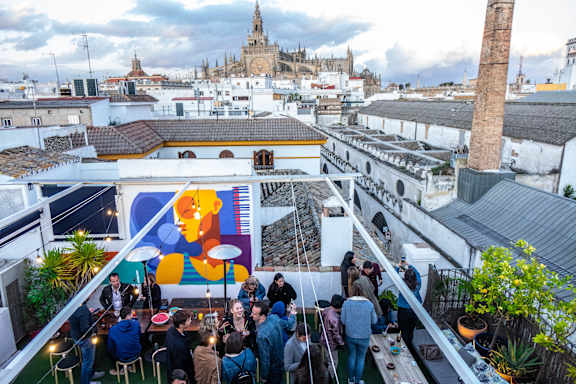
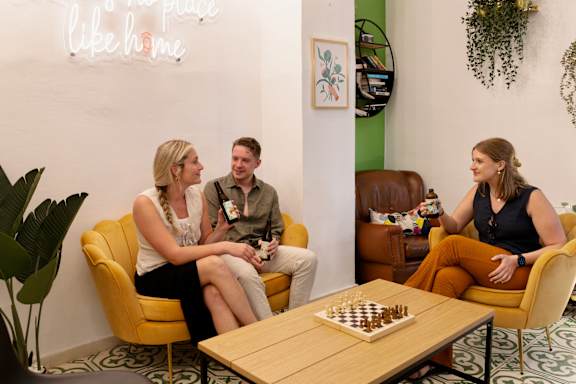
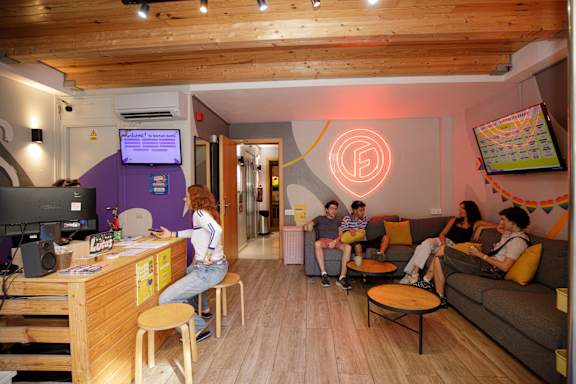
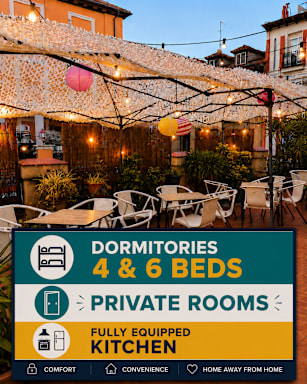
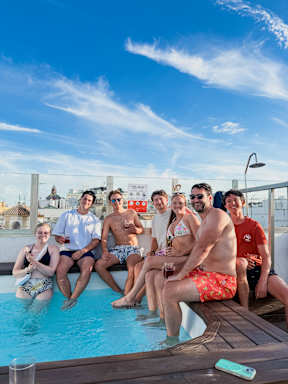
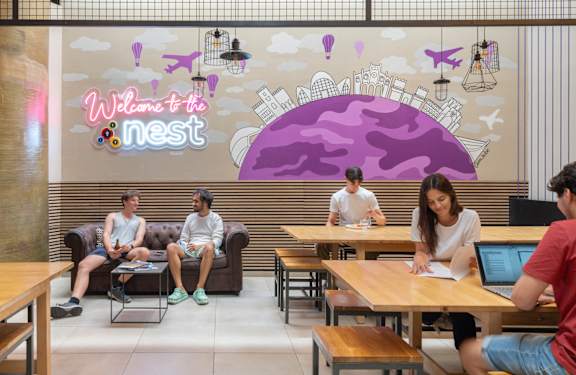
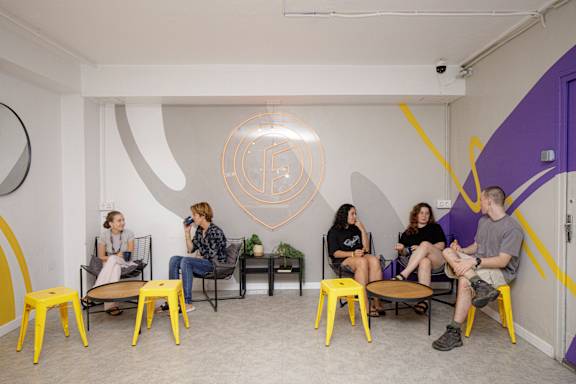
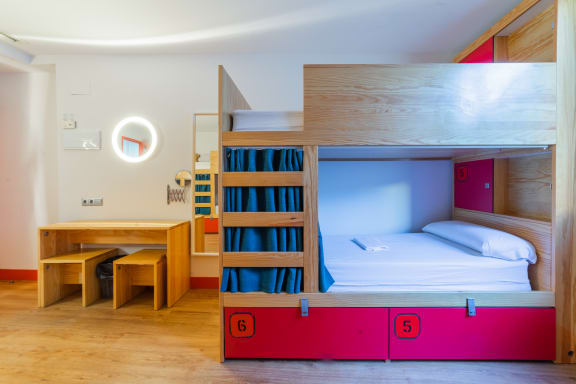
Ugandan hostels are mostly backpacker lodges with gardens, bars and travel desks that can arrange rafting, safaris and permits. These are the best-rated right now, with live prices.
Visa, permit and price details were checked in October 2026. Rules change, so confirm with official sources before you travel.

Compare Uganda hostels: live prices, real reviews and free cancellation on most bookings. Then meet the people already there in the app.

 Get the App.

 Get the App.