Avondale
Cafés, markets and nightlifeLeafy northern suburb with a flea market, cafés, restaurants and bars.

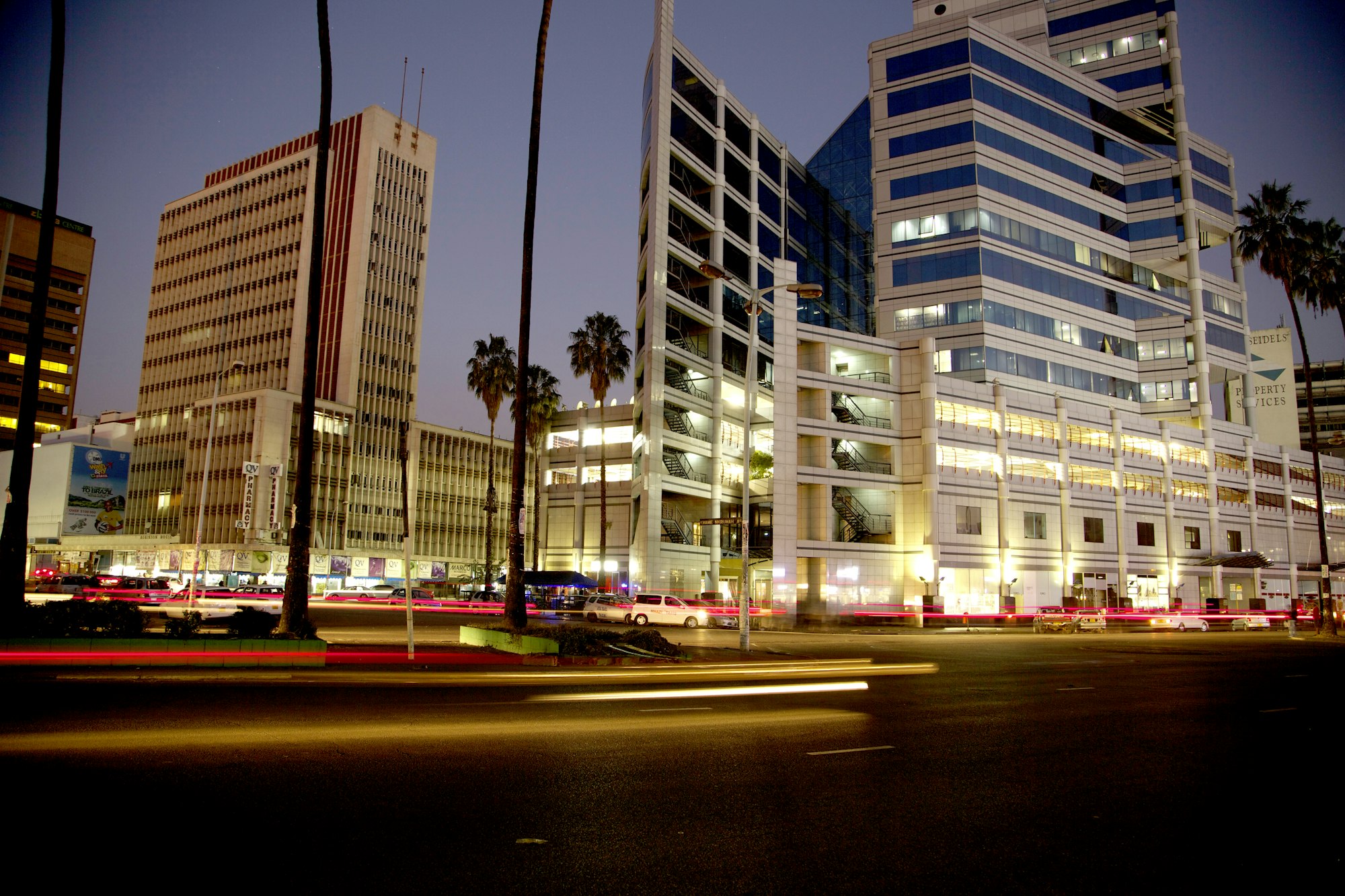
Harare is a green, spread-out capital of jacaranda-lined avenues, art galleries and live music. Most travellers pass through quickly on the way to the parks, but a couple of days here shows you a side of Zimbabwe the safaris don't: stone sculpture, buzzing markets, rock art on the city's edge and a creative, resilient city.
Harare, called Salisbury until 1982, sits on the high plateau of north-eastern Zimbabwe at about 1,500 m, which gives it a mild climate and blue skies for much of the year. In September and October, its streets turn purple with flowering jacaranda trees.
The city is spread out over a grid of wide avenues. The central business district, with its office blocks, the Eastgate Centre, parks and the National Gallery, is busy by day and quiet at night. The northern suburbs, such as Avondale, Belgravia and Borrowdale, are leafy residential areas with most of the restaurants, cafés, bars and guesthouses. To the south, Mbare is the oldest township, with the country's biggest market.
Harare is the creative heart of Zimbabwe. The country is famous for its stone sculpture, and galleries and sculpture gardens show work by some of Africa's best-known carvers. Live music, from mbira to sungura and Zimdancehall, plays across the city at weekends.
Life here has been shaped by years of economic crisis. Power cuts, water shortages and cash problems are part of daily life, and you will need small US dollar notes for almost everything.
Two days is enough for most travellers: one for the gallery, markets and the city centre, and one for the rock art at Domboshava and the balancing rocks at Epworth. Harare is also the gateway to Mana Pools, Lake Kariba, Great Zimbabwe and the Eastern Highlands.
Most visitors stay in the northern suburbs, where it is greener, safer at night and close to restaurants. The CBD is for daytime visits, and Mbare is best seen with a local guide.
Leafy northern suburb with a flea market, cafés, restaurants and bars.
Quiet suburb between the CBD and Avondale, with guesthouses and restaurants.
Upmarket northern suburb with malls, restaurants and lodges.
National Gallery, Africa Unity Square and the Eastgate Centre. Avoid at night.
Oldest township, home to Mbare Musika market and bus terminus.
Map data from OpenStreetMap contributors.
Start at the National Gallery of Zimbabwe, near Africa Unity Square in the city centre. Its collection of Shona stone sculpture, contemporary painting and traditional objects is one of the best in Africa, and temporary exhibitions show today's artists.
Next, visit Mbare Musika, Zimbabwe's biggest market, in the old township of Mbare south of the centre. It is a chaotic sprawl of fresh produce, second-hand clothes, crafts and long-distance bus stops. Go with a local guide, as it is easy to get lost and pickpockets operate.
For crafts in calmer surroundings, the Avondale market and stalls around the northern suburbs sell carvings, baskets and fabric.
Mukuvisi Woodlands, close to the city centre, is a patch of natural woodland where you can walk among zebras, giraffes and antelope with a guide.
The Eastgate Centre in the CBD is an unusual sight: a shopping and office complex designed to cool itself like a termite mound, without conventional air conditioning.
On the city's edge, Domboshava, about 30 km north, is a huge granite dome with ancient San rock paintings in a cave and wide views from the top. The balancing rocks at Epworth, south-east of the city, are stacks of granite boulders that once featured on the country's banknotes.
For a day by the water, Lake Chivero, south-west of the city, has a recreational park with game, boating and rock art.
Some of Harare's best experiences are cheap. Walk through Africa Unity Square and the city centre in the morning to see daily life, the colonial buildings and the jacarandas in season.
Look up at the Eastgate Centre's termite-inspired design from the street, and wander through the craft stalls nearby.
Markets cost nothing to browse. Avondale's flea market sells crafts, books and clothes, and Mbare Musika, with a guide, is an unforgettable experience.
Live music sometimes costs only a small cover charge, especially at weekend afternoon gigs.
In September and October, the purple jacaranda trees lining the avenues are one of the most beautiful sights in southern Africa, and completely free.
Harare is the best place in Zimbabwe to eat. For local food, canteens and takeaways in the CBD and townships serve sadza, a stiff maize porridge, with beef, chicken or offal stew and greens, for a few dollars. Look for road runner (free-range chicken) and kapenta (small dried fish).
Braai, the barbecue, is a weekend ritual, and some bars and markets grill meat to order.
The northern suburbs, especially Avondale, Belgravia and Borrowdale, have cafés, bakeries and restaurants serving everything from steak and pizza to Indian, Portuguese and Chinese food. A restaurant main costs around US$10 to US$20.
Street snacks include roasted maize, fat cakes and maputi, puffed maize.
Zambezi, Castle and Bohlinger's are popular beers, and chibuku is the traditional sorghum beer. Drink bottled water, and carry small US notes.
Harare has the liveliest nightlife in Zimbabwe, centred on the northern suburbs. Avondale, Belgravia and Borrowdale have bars, lounges and restaurants, busy from Thursday to Saturday.
Live music is the highlight. Zimbabwe has a deep musical tradition, from the hypnotic mbira and the chimurenga music of Thomas Mapfumo to sungura and the newer Zimdancehall, and you can hear bands at bars, clubs and festivals.
The city's arts calendar includes the Shoko Festival of urban culture in September and, when it runs, the Harare International Festival of the Arts.
Don't walk after dark, especially in the CBD, where muggings are common. Take a taxi arranged by your accommodation, and keep your phone out of sight. Avoid political talk in bars.
Robert Gabriel Mugabe International Airport is about 15 km south-east of the city centre. Arrange a taxi or transfer through your accommodation. The UK warns of smash-and-grab robberies on cars near the airport and on some of Harare's main roads, so keep doors locked and bags out of sight.
Harare is spread out, so you need transport. Taxis are the safest option; ask your accommodation for a reliable driver, or use a ride-hailing app where available. Combis, the commuter minibuses, are cheap but the UK advises avoiding them.
For long-distance travel, CityLink and other coach companies run to Bulawayo for about US$35, and buses run to Mutare, Masvingo and other cities. Avoid overnight buses. Domestic flights connect Harare with Victoria Falls and Bulawayo.
Roads around State House, in the northern suburbs, are closed from 6pm to 6am, and photography and GPS use near it are forbidden. If you meet the President's motorcade, you must pull over and stop.
For day trips to Domboshava, Epworth and Lake Chivero, hire a taxi for the day.
Harare runs on US dollars, with the local Zimbabwe Gold (ZiG) also in use. Prices for travellers are mostly in dollars.
Accommodation is more expensive than you might expect. Hostelworld lists only a couple of places, with dorm beds from about US$10, and guesthouses in the northern suburbs cost more.
Food ranges from a few dollars for sadza in a canteen to US$10 to US$20 for a restaurant meal in Avondale or Borrowdale.
Taxis are the main extra, as the city is spread out. Day trips to Domboshava and Epworth cost a taxi fare plus small entry fees.
Bring small, clean US notes, as change is scarce and cards don't always work. ATMs often don't dispense dollars. A budget day comes to about US$40 to US$55.
Harare is visited by many travellers without problems, but it needs care. The UK reports that muggings, pickpocketing and bag-snatching are common in city centres, especially after dark, and that smash-and-grab robberies have happened near the airport and on some main roads. Keep car doors locked and bags out of sight, don't walk at night, and take taxis.
Be careful in crowded places like Mbare Musika, ideally going with a local guide.
Politics needs particular care in the capital. Avoid demonstrations and political gatherings, don't discuss politics in public, and never insult the President, which is illegal. Photographing government buildings, the airport, police, soldiers or protests needs special permission. Roads near State House close from 6pm to 6am.
Power cuts can leave streets and traffic lights dark, which adds to the risks at night.
Carry copies of your passport and visa, and keep the originals safe.
Harare's best day trips are close: rock art at Domboshava, the balancing rocks at Epworth and Lake Chivero, with Great Zimbabwe and the Eastern Highlands further away.
Granite dome with a cave of San rock paintings and wide views.
Stacks of balancing granite boulders on the city's south-eastern edge.
Reservoir with a recreational park, game and rock art.
Medieval stone city that gave the country its name. Stay overnight.
Cool highlands with waterfalls and hikes. Stay overnight.
Harare is Zimbabwe's festival city, with arts and urban culture festivals, plus the national holidays.
National celebrations of independence in 1980.
Public holidays honouring the liberation war.
Urban culture festival of hip-hop, spoken word, comedy and film.
Music, theatre and dance festival, when it runs.
Public holiday.
Harare has only a couple of hostels on Hostelworld, both outside the centre. Guesthouses and lodges in the northern suburbs are the main alternative.
 Only you can see this. The live feed returned nothing — check the Hostelworld city name under Settings.
Harare has a mild climate thanks to its altitude, with highs of 21°C to 29°C. May to October is dry and sunny; June and July nights are cold. September and October bring the jacarandas and the warmest weather, and the rains run from November to March.
Average daily highs from weather2travel's Harare climate data. Crowd levels are our rough guide.
Pick a style and a number of nights for a rough total, per person, in US dollars.
Estimates in US dollars. Beds are based on Hostelworld and guesthouse prices in October 2026; transport assumes taxis.
Prices and timetables change. Check before you travel.

Compare Harare hostels: live prices, real reviews and free cancellation on most bookings. Then meet the people already there in the app.

 Get the App.

 Get the App.