The falls, the elephants and the stone city
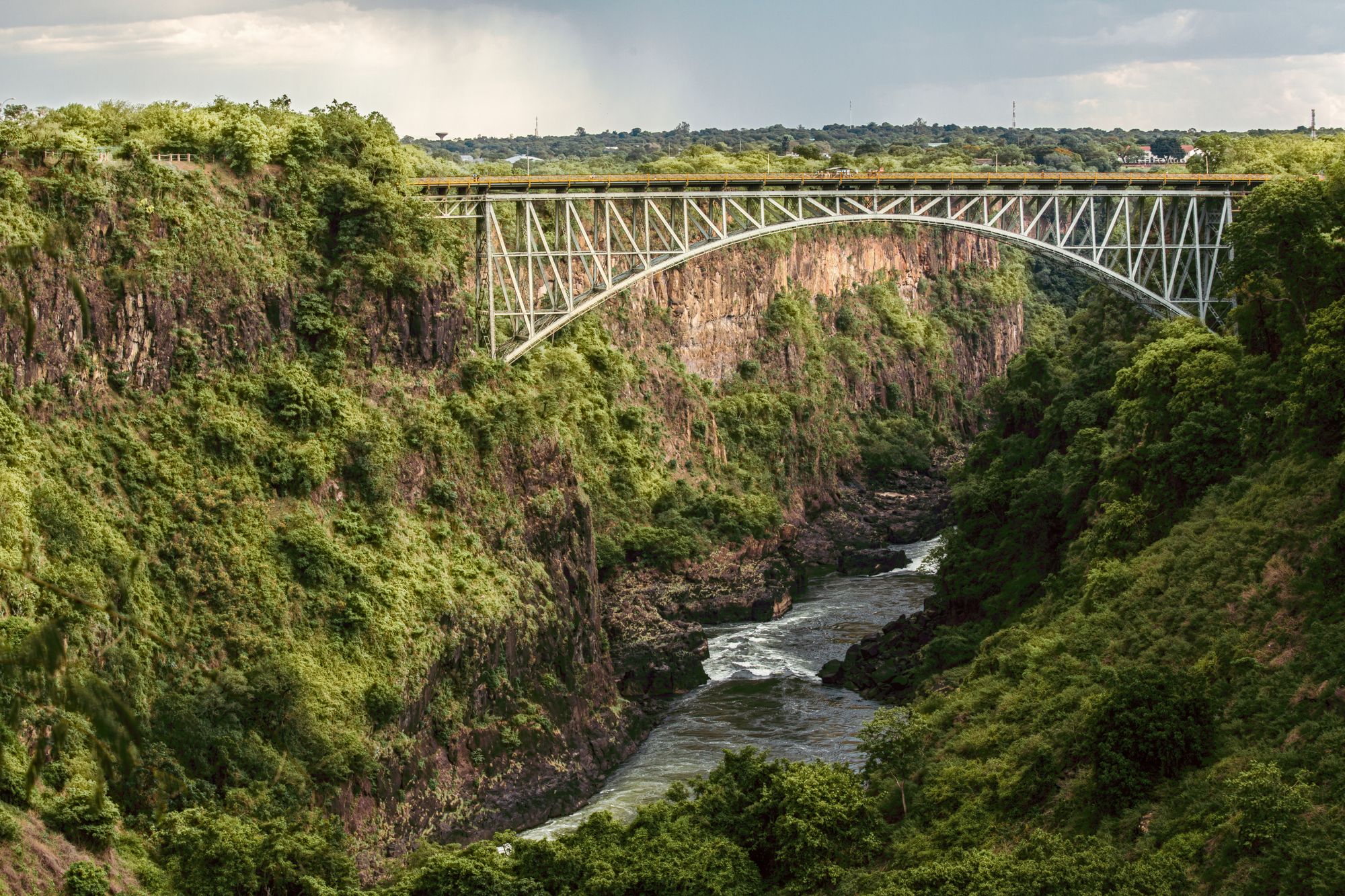
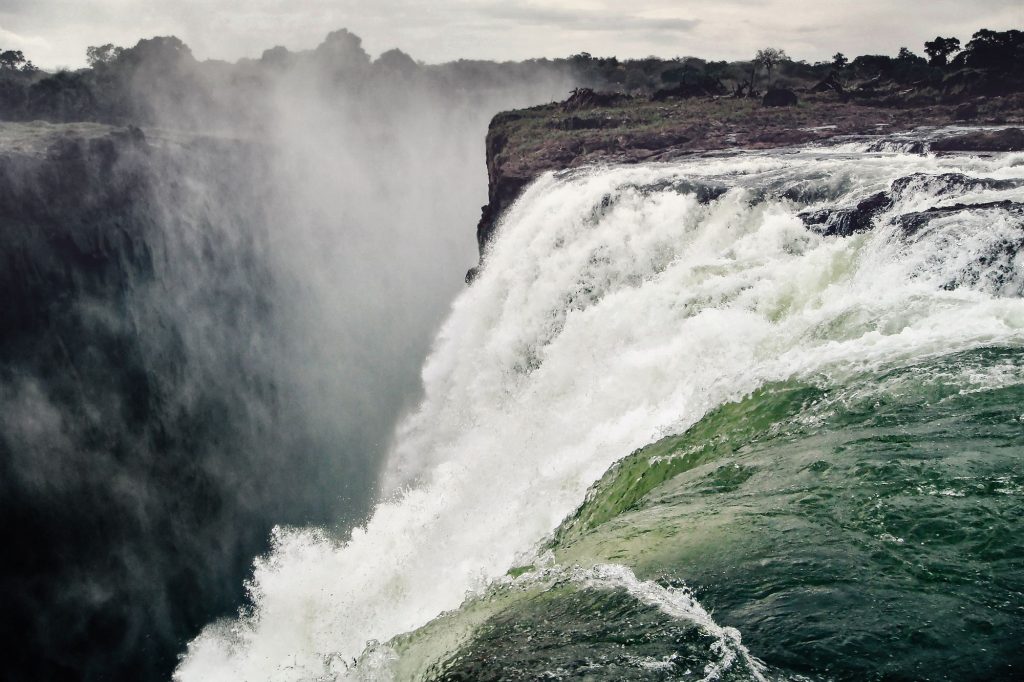
Victoria Falls is the obvious start. From the Zimbabwean side, a path runs through the rainforest along the edge of the gorge, with views of most of the falls' 1.7 km width. International visitors pay US$58 at the main gate (from February 2026). Around it is a whole menu of adventures: bungee jumping from the bridge, white-water rafting in the Batoka Gorge, helicopter flights and sunset cruises on the upper Zambezi.
Hwange National Park, a couple of hours south of Victoria Falls, is Zimbabwe's largest park and home to tens of thousands of elephants, plus lions, wild dogs and huge herds of buffalo. Game drives from the main camp and lodges around the edge are the easiest way in.
In the north, Mana Pools is a UNESCO-listed wilderness on the Zambezi where you can walk and canoe among elephants, hippos and lions with licensed guides. Lake Kariba, nearby, is a huge reservoir with houseboats, fishing and drowned forests.
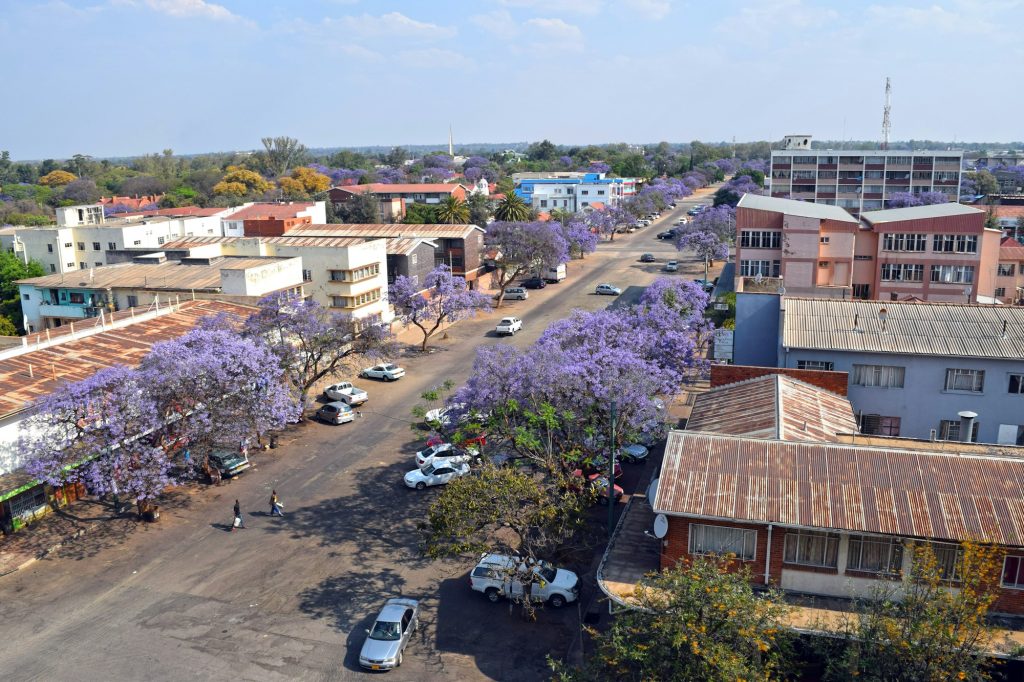
In the south-west, Bulawayo is a relaxed city with wide streets and colonial architecture, and the base for Matobo National Park, a landscape of balancing granite boulders with ancient San rock paintings and white rhinos. The Khami Ruins, a UNESCO site, are close by.
Great Zimbabwe, near Masvingo, is the ruined capital of a trading empire that flourished from the 11th to the 15th centuries, with massive dry-stone walls and the conical tower of the Great Enclosure. It gave the country its name and its national symbol, the Zimbabwe Bird.
In the east, the Eastern Highlands, around Nyanga, Bvumba and Chimanimani, offer cool mountain walks, waterfalls and tea estates.













 Get the App.