City centre
Daytime sightseeingEdwardian buildings, wide avenues, City Hall, markets and museums. Quiet at night.

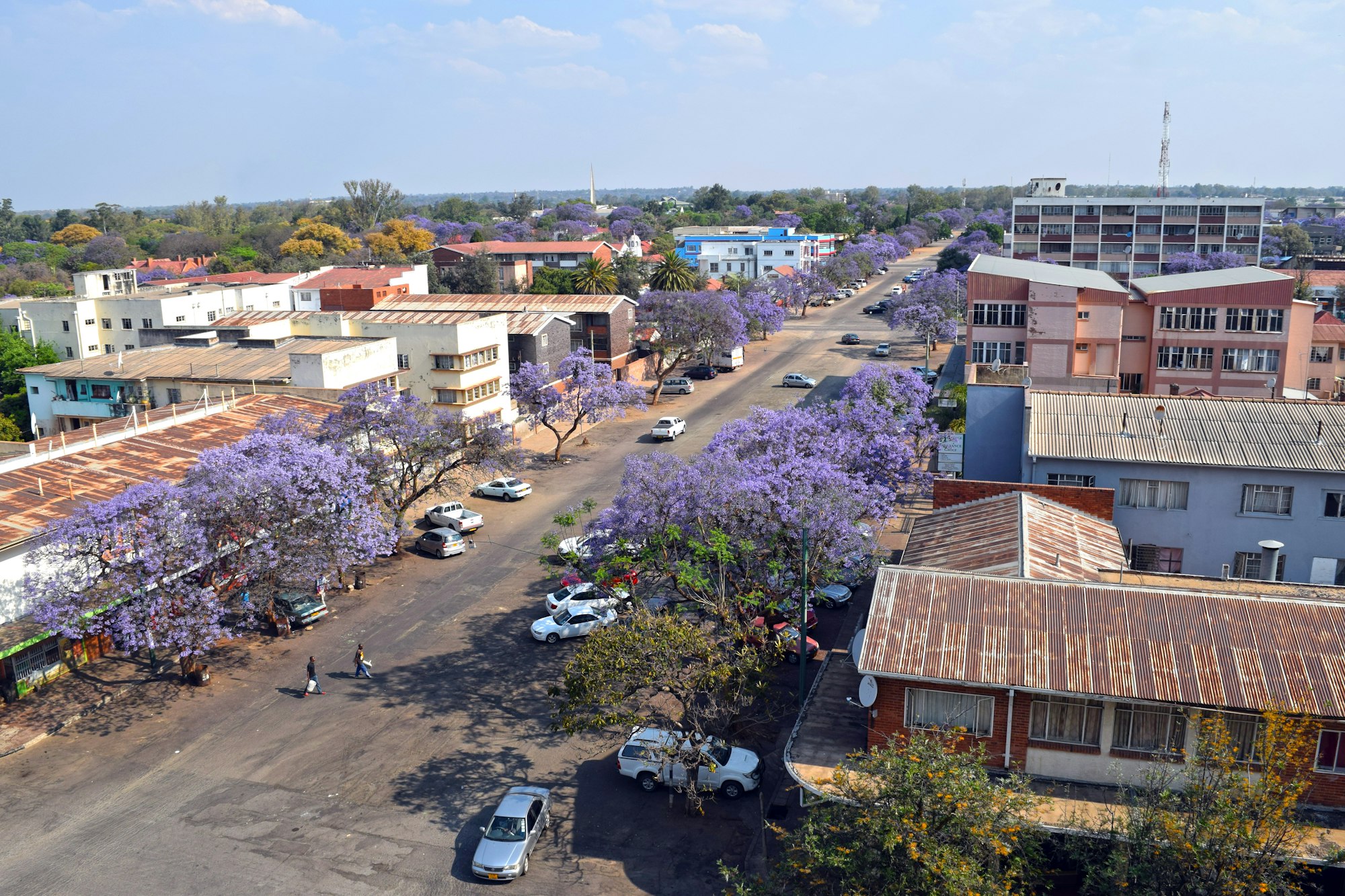
Bulawayo is Zimbabwe's relaxed second city, with streets wide enough to turn an ox-wagon, fine colonial buildings and the country's best museums. It's the base for Matobo's granite hills, San rock art and rhinos, and the UNESCO-listed Khami Ruins, and the start of the night train to Victoria Falls.
Bulawayo, in south-western Zimbabwe, was founded in the 1840s as the royal town of the Ndebele kingdom and rebuilt by the British in the 1890s. Its colonial-era centre has some of the best-preserved Edwardian architecture in southern Africa, laid out along famously wide avenues. It is the heart of Matabeleland and of Ndebele culture.
The city has a calm, unhurried feel compared with Harare, and is easy to explore on foot by day. Its museums are the best in the country: the Natural History Museum is one of the largest in Africa, and the Railway Museum tells the story of the railway that made the city.
Most travellers come for what lies around it. Matobo National Park, about 35 km south, is a landscape of huge granite domes and balancing boulders, with caves full of San rock paintings, black and white rhinos, leopards and black eagles. It is a UNESCO World Heritage site, and also the burial place of Cecil Rhodes, on the summit known as World's View.
The Khami Ruins, 22 km west, are the remains of a stone-walled capital that succeeded Great Zimbabwe, another UNESCO site.
Bulawayo is also a transport hub. The overnight train to Victoria Falls leaves on Fridays, and buses run to Victoria Falls, Harare and Johannesburg.
Two or three nights is ideal: a day for the city and its museums, a day in Matobo and half a day at Khami.
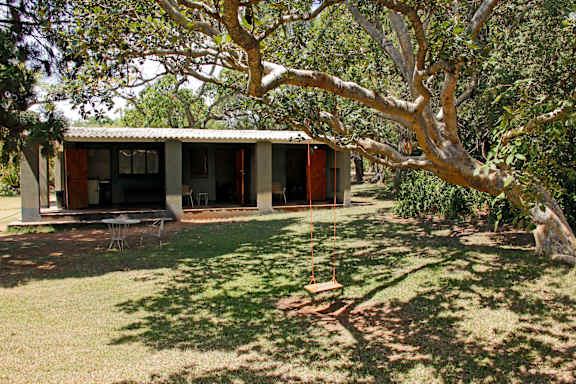
Stay in the leafy suburbs east and south of the centre for guesthouses and calm, or out at Matobo for lodges among the boulders. The city centre is for daytime sightseeing.
Edwardian buildings, wide avenues, City Hall, markets and museums. Quiet at night.
Leafy residential area east of the centre, near the Natural History Museum and Centenary Park.
Southern suburb with guesthouses and restaurants, on the road to Matobo.
Lodges and campsites among the granite hills, about 35 km south.
Orange labels are neighbourhoods, dots are the 1 top-rated hostels. Map data from OpenStreetMap contributors.
Matobo National Park is the highlight. Its granite hills, called the Matopos, are some of the oldest rock formations on earth, eroded into domes, castle kopjes and balancing boulders. Caves such as Nswatugi and Pomongwe hold San rock paintings thousands of years old, showing giraffes, kudu and people. The park also has one of the best chances in Zimbabwe of seeing rhinos on foot, on guided walks from the lodges and the park office. World's View, or Malindidzimu, is a smooth granite summit with Cecil Rhodes's grave and a panoramic view, and is sacred to the Ndebele.
The Khami Ruins, west of the city, were the capital of the Torwa dynasty from the 15th century, after Great Zimbabwe declined. Their decorated terraced walls stand on a hillside above the Khami river, and you will often have them to yourself.
In the city, the Natural History Museum is one of the largest in Africa, with huge dioramas, a mounted elephant and displays on geology and Zimbabwean history. The Railway Museum has steam locomotives and the private carriage of Cecil Rhodes. The National Gallery in Bulawayo shows contemporary Zimbabwean art in an elegant Edwardian building.
Walk the city centre to see the colonial buildings, City Hall and the wide avenues, and visit the Mzilikazi Arts and Crafts Centre for ceramics and carvings.
Bulawayo is also the start of the classic route to Victoria Falls, by the overnight train or by bus, with Hwange National Park on the way.
Bulawayo is easy on the wallet. Walking the city centre is free, and its Edwardian buildings, arcades and wide streets are best in the morning.
Centenary Park and Central Park, next to the Natural History Museum, are green spaces for a quiet afternoon.
The markets around the city centre are free to browse for crafts, fabric and fresh produce.
The craft shops at the Mzilikazi Arts and Crafts Centre are free to visit, and you can watch artists at work.
In Matobo, the views from the granite kopjes outside the paid areas, and the drive through the hills, cost nothing beyond transport.
Bulawayo is in Matabeleland, cattle country, so beef is good and cheap. Local eateries serve sadza, a stiff maize porridge, with beef stew, greens and beans, for a few dollars. Isitshwala is the Ndebele name for the same dish.
Braai, the barbecue, is a social event at weekends, with boerewors sausages and steak.
Try amacimbi (mopane worms), dried or fried with tomato and onion, a local favourite in Matabeleland.
Cafés and restaurants in the suburbs serve breakfasts, pizzas, steak and international food, with mains around US$8 to US$15.
Castle, Zambezi and the sorghum beer chibuku are the drinks. Drink bottled water and carry small US notes.
Bulawayo is a quiet city at night. A few bars and restaurants in the suburbs stay open late, and weekends are livelier, with live music at some venues.
The city has a strong arts scene, with theatre, galleries and festivals. Look out for the Intwasa Arts Festival, usually held in September, with music, theatre and poetry.
Most travellers spend evenings at their guesthouse or lodge, especially before an early start for Matobo.
Don't walk after dark in the city centre, and take a taxi arranged by your accommodation.
Joshua Mqabuko Nkomo International Airport is about 25 km north of the city, with flights from Harare and Johannesburg. Arrange a transfer with your accommodation.
By road, CityLink and other coaches run between Harare and Bulawayo for about US$35, and buses run to Victoria Falls in about six hours. Intercape runs daily buses to Johannesburg. Travel by day: the UK warns that night-time intercity buses have been involved in serious accidents.
The overnight train to Victoria Falls, reintroduced in October 2025, leaves Bulawayo on Fridays at 7pm and arrives the next morning. Economy seats start at about US$9. It is slow and basic but a memorable trip.
In town, taxis are the safest way to get around, especially at night. The centre is walkable by day.
For Matobo and Khami, hire a taxi or car for the day, or join a guided tour. Public transport doesn't serve the parks well.
Bulawayo is cheaper than Victoria Falls or Harare. Hostelworld lists one hostel, with dorm beds from about US$17 and private rooms from about US$12, and guesthouses in the suburbs are good value.
Food is cheap: sadza and stew cost a few dollars, and a café or restaurant meal around US$8 to US$15.
The main costs are trips to Matobo and Khami. You will pay park fees, plus a taxi or tour. A guided rhino walk in Matobo costs extra.
The coach from Harare costs about US$35, and the train to Victoria Falls from about US$9.
Bring small, clean US dollar notes, as change is scarce and cards don't always work. A budget day comes to around US$35 to US$50, before tours.
Bulawayo feels calmer than Harare, and most visitors have no problems. The UK says muggings, pickpocketing and bag-snatching are common in Zimbabwe's city centres, especially after dark, so take taxis at night and keep valuables out of sight.
In Matobo, rhino walks are done with armed rangers. Follow their instructions closely and keep your distance from wildlife. Leopards live in the hills, so don't wander off alone.
Power cuts and water shortages happen, so carry a torch and a water bottle.
Avoid political gatherings and discussions, and don't photograph government buildings or police.
On the roads, travel in daylight and watch for potholes, livestock and pedestrians.
Bulawayo is the base for Matobo's granite hills and rock art and the Khami Ruins, with Hwange National Park on the way to Victoria Falls.
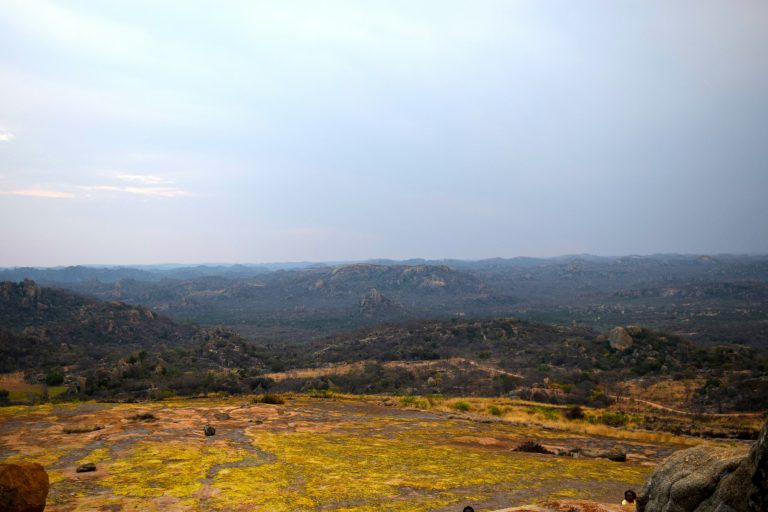
Granite hills with San rock art, rhinos, leopards and World's View, a UNESCO site.
Terraced stone walls of the Torwa capital above the Khami river, a UNESCO site.
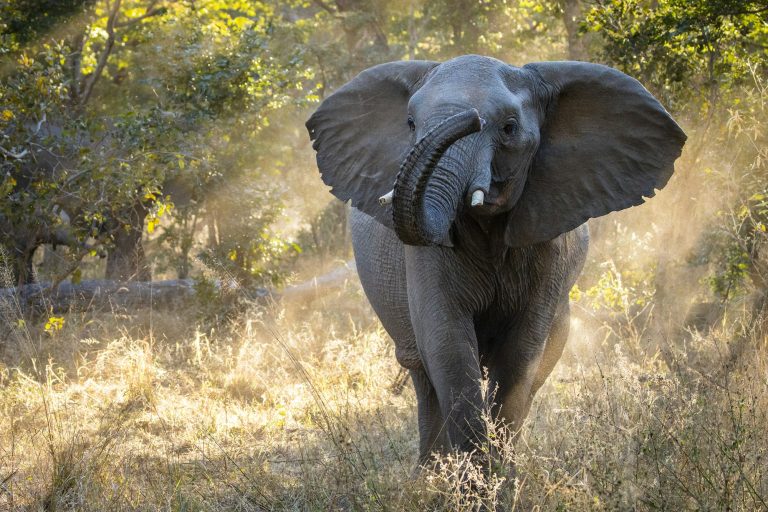
Zimbabwe's largest park, famous for elephants. Stop on the way to Victoria Falls.
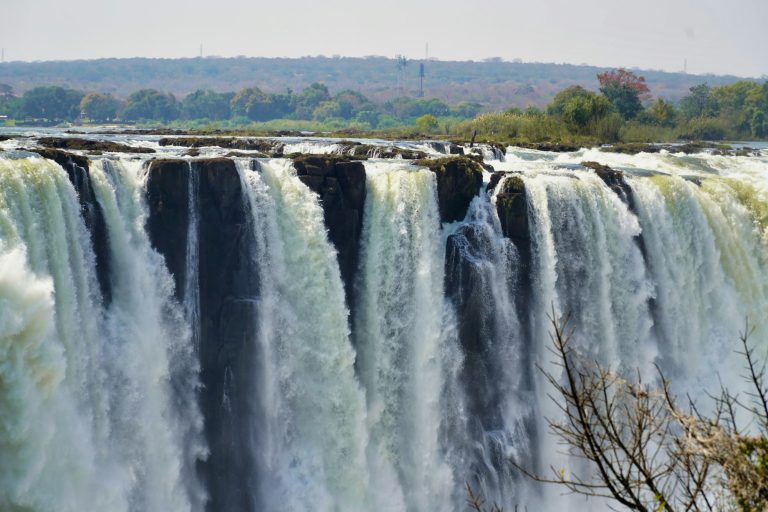
The falls and Zimbabwe's adventure capital.
Bulawayo's calendar includes the Intwasa Arts Festival and the national holidays.
Public holiday marking independence in 1980.
Public holidays.
Music, theatre, poetry and visual arts across the city.
Public holiday.
Bulawayo has one hostel on Hostelworld and several guesthouses in the leafy suburbs. Many can arrange Matobo tours.
Bulawayo is mild and sunny for most of the year, with highs of 21°C to 29°C. May to October is dry and best for Matobo, though June and July nights are cold. The rains run from November to March.
Average daily highs from weather2travel's Bulawayo climate data. Crowd levels are our rough guide.
Pick a style and a number of nights for a rough total, per person, in US dollars.
Estimates in US dollars. Beds are based on Hostelworld and guesthouse prices in October 2026; doing includes a Matobo day spread over a few days.
Prices and timetables change. Check before you travel.

Compare Bulawayo hostels: live prices, real reviews and free cancellation on most bookings. Then meet the people already there in the app.

 Get the App.

 Get the App.