

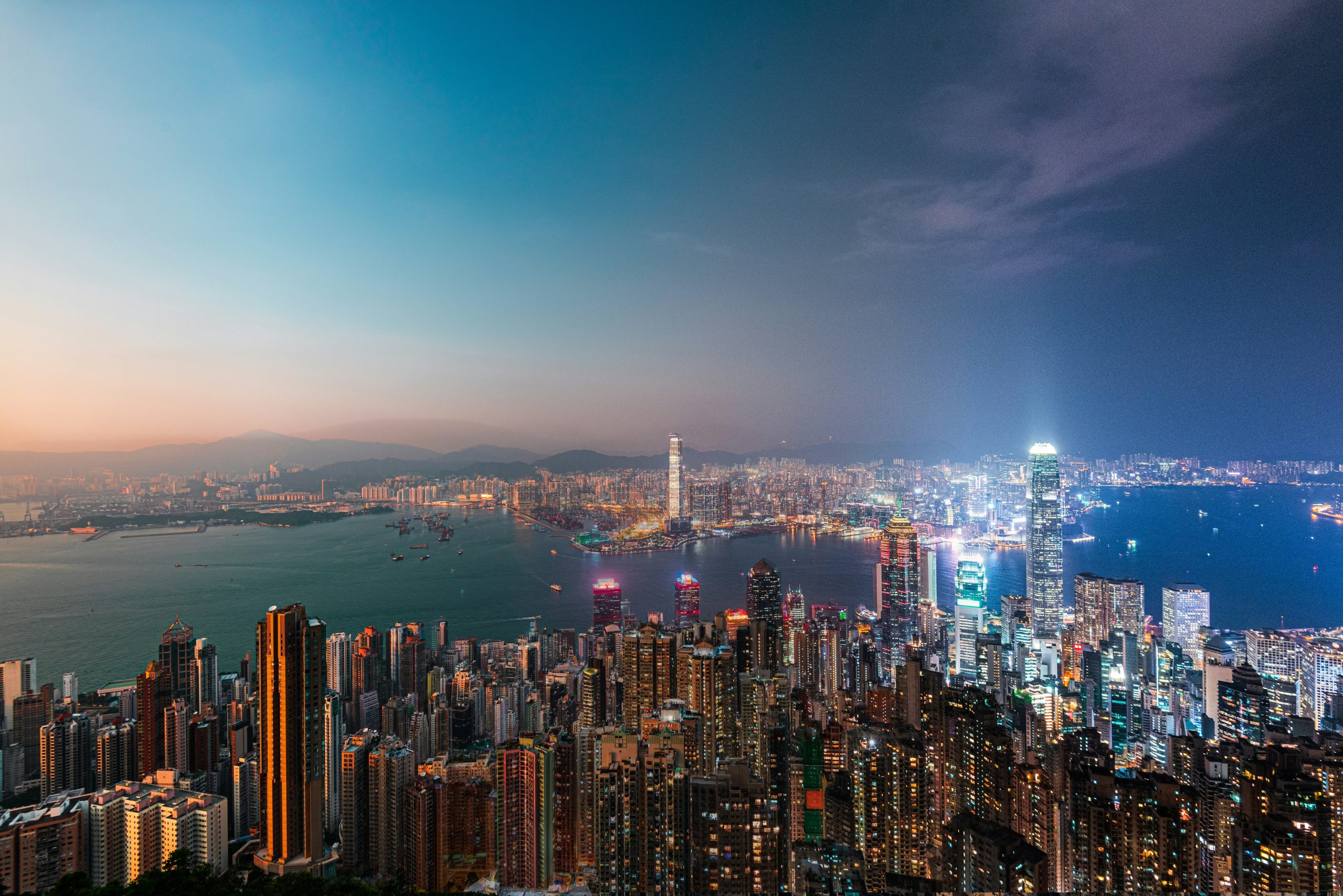
Hong Kong has a reputation as one of Asia’s most expensive cities, and if you judge it by hotel rates and rooftop cocktails, it is. But the things that make a weekend here unforgettable cost far less: crossing Victoria Harbour on the Star Ferry, hiking a ridge with skyscrapers on one side and the South China Sea on the other, wandering temples and night markets, and eating dim sum at street-level prices.
This guide is a budget-first plan for the best things to do in Hong Kong over 48 hours. Every paid item is priced in euros and was checked in October 2026, and each paid sight comes with a free or cheaper swap so you can decide what’s worth it. You’ll also get a weekend cost table, the best neighbourhoods for budget beds and easy ways to meet other travellers.
Start with the biggest saving: sleep in a dorm. Compare the hostels in Hong Kong on Hostelworld, then use this plan to fill your days. Want the local favourites too? Our Hong Kong hot spots list has more.
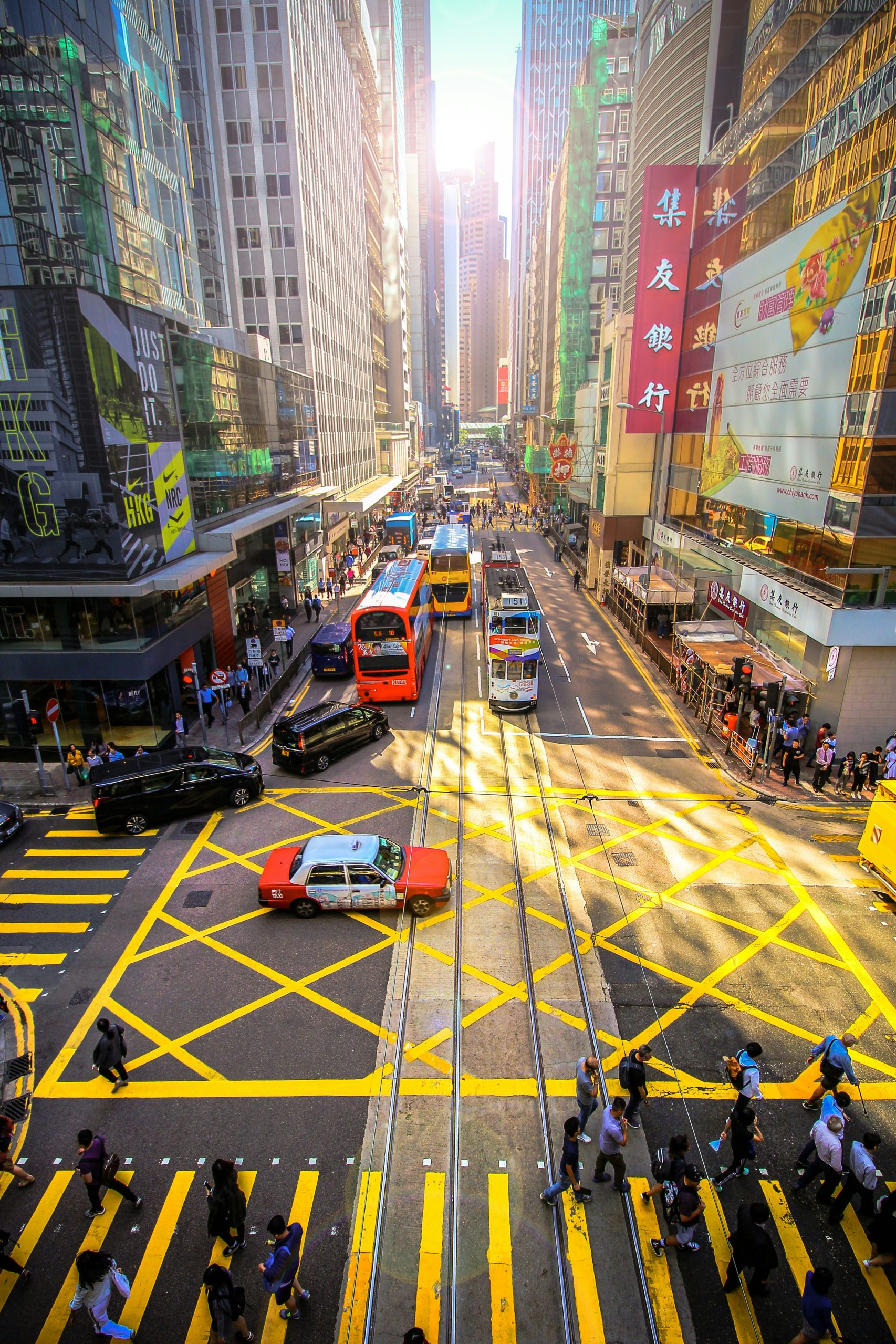
How much does a budget weekend in Hong Kong cost?
Less than you’d think, because the biggest costs are optional. Your fixed spend is a dorm bed, an Octopus card for transport and food. Almost everything else on this plan has a free version and a treat version, so you choose where the money goes.
- Victoria Peak: hike up for free, or take the Peak Tram for HK$116 return (about €13), the fare since 29 December 2025, according to the Peak Tram operator.
- Victoria Harbour: the Star Ferry is the treat that costs almost nothing, at HK$5 on weekdays and HK$6.50 at weekends (about €0.57 to €0.74) in October 2026, rising to HK$6 and HK$8.30 from 25 January 2027, Hong Kong Free Press reported.
- Lantau and the Big Buddha: take the bus for the cheapest trip, or ride the Ngong Ping 360 cable car if you want the views; check the current fare on its website before you go.
- Beds: a dorm is the biggest saving of the weekend. Check live prices in the hostel cards later in this guide, or see our pick of the best hostels in Hong Kong.
- Food: dim sum, cha chaan teng set meals and market stalls keep eating cheap; budget for one sit-down meal a day and fill the gaps with street snacks.
| Peak Tram return | €13.2 |
| Star Ferry, weekday | €0.57 |
| Star Ferry, weekend | €0.74 |
Prices are converted at 1 HKD = about €0.11, the Wise mid-market rate in October 2026, so check the rate again before you go.
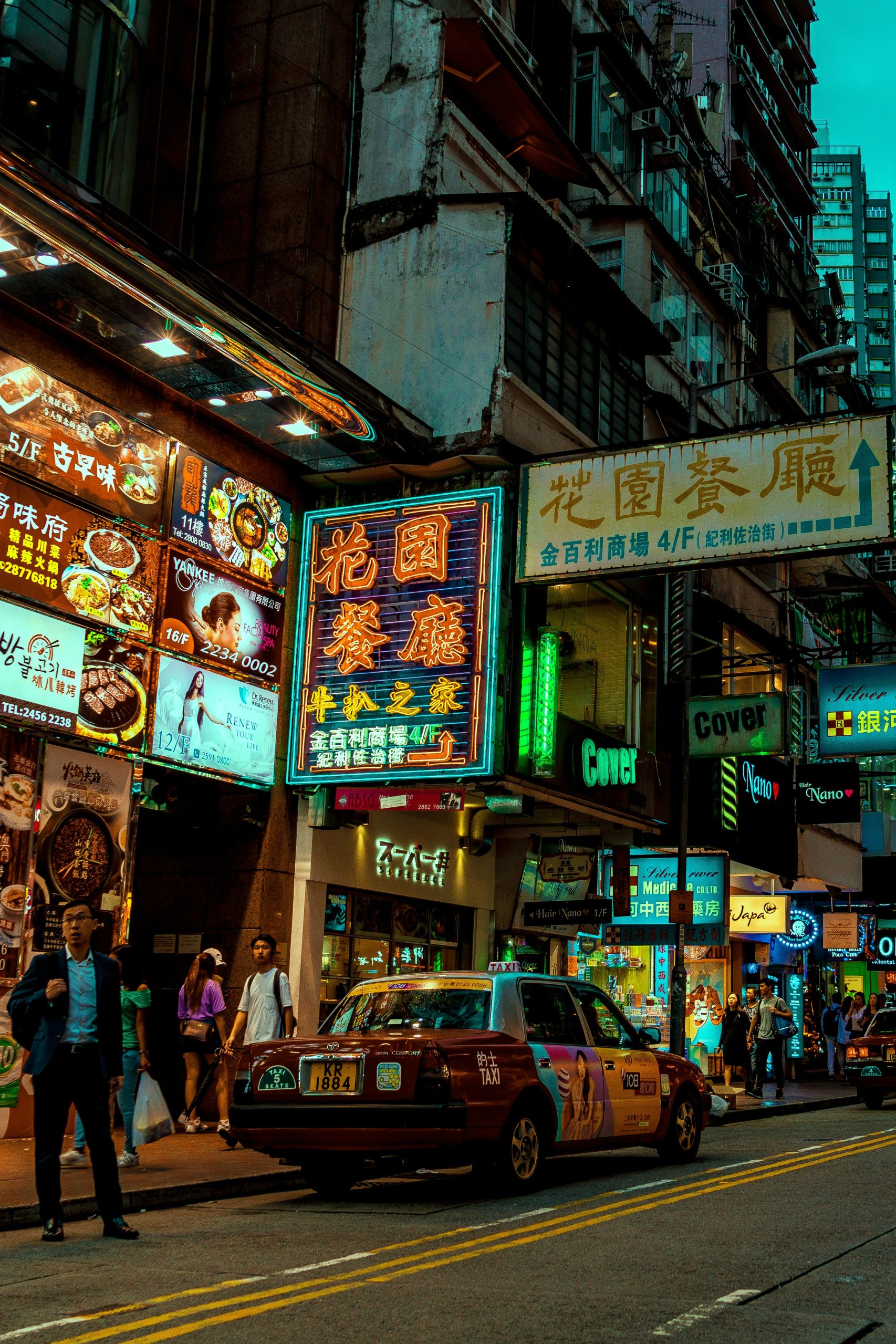
How do you get around Hong Kong cheaply?
Hong Kong’s public transport is fast, clean and cheap, and you pay for almost all of it with one card. The question is which card, or pass, suits a 48-hour trip.
- Tourist Octopus: a stored-value card for the MTR, buses, trams and the Star Ferry, which costs HK$39 (about €4.40) with no deposit, according to Trip.com’s MTR guide. You top it up as you go, and you can also tap it in convenience stores.
- Standard Octopus: HK$200, including a HK$50 refundable deposit, per The Money Bees. Worth it only if you’ll be back in Hong Kong.
- MTR Tourist Day Pass: 24 hours of unlimited MTR rides for HK$75 (about €8.50) for adults, according to MTR’s official fares page; ignore older guides that still say HK$65. It doesn’t cover the Airport Express, MTR buses, East Rail first class or the Lo Wu and Lok Ma Chau border stations, Pelago’s listing notes.
- Airport Express Travel Pass: from HK$265, with the airport train plus three days of MTR travel included.
| Tourist Octopus | 39 HK$ |
| Standard Octopus | 200 HK$ |
| MTR Tourist Day Pass | 75 HK$ |
| Airport Express Travel Pass | 265 HK$ |
Source: Trip.com (July 2026); The Money Bees (2026); MTR (Tourist Day Pass); Pelago
Quick tip: on a weekend packed with walking, hikes and ferries, a Tourist Octopus usually works out cheaper than the Day Pass, because you only pay for the rides you take. Save the Day Pass for the day you’re zigzagging across the city by metro.
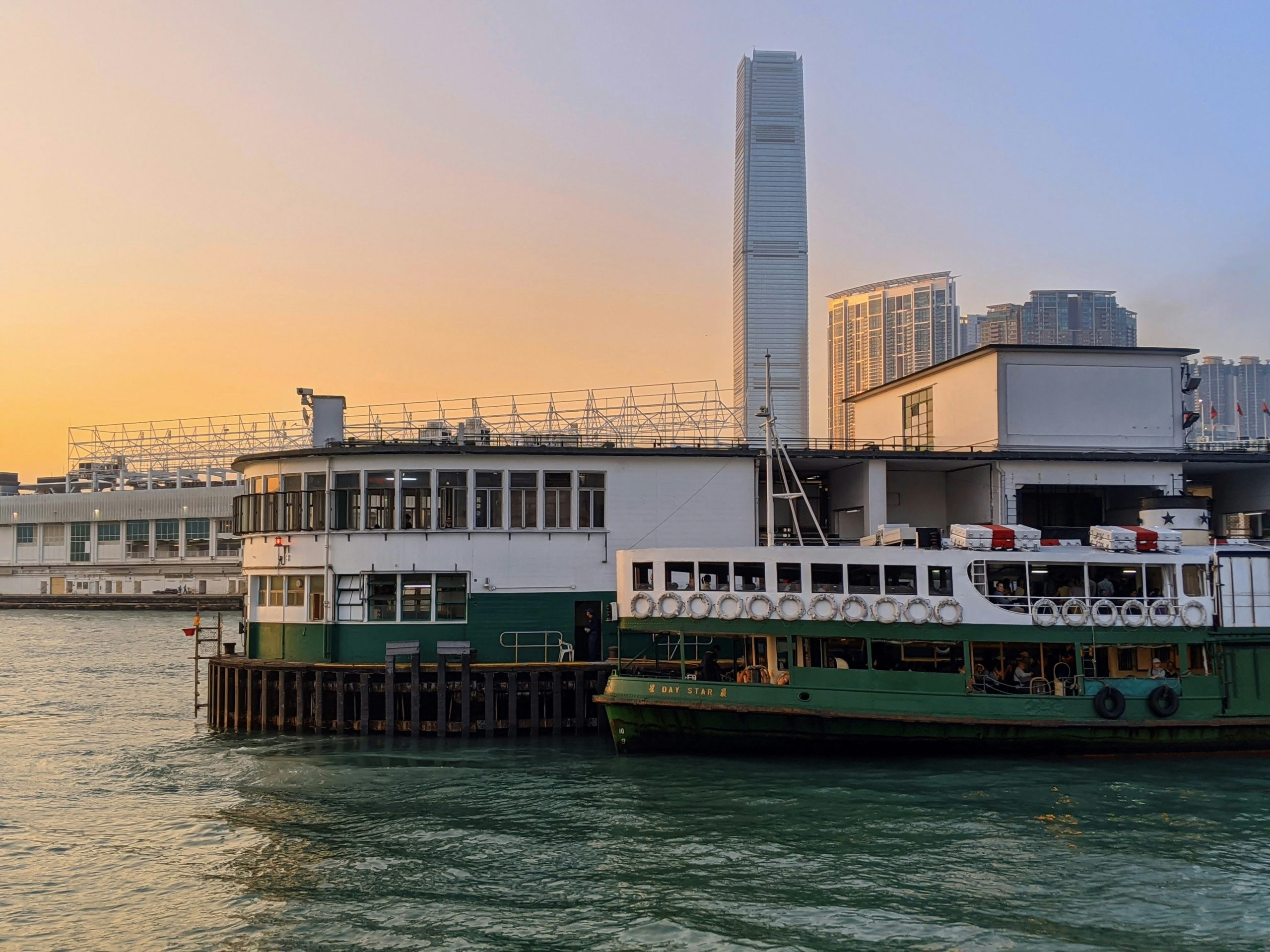
Day 1 morning: Is the Star Ferry still the best cheap thing to do in Hong Kong?
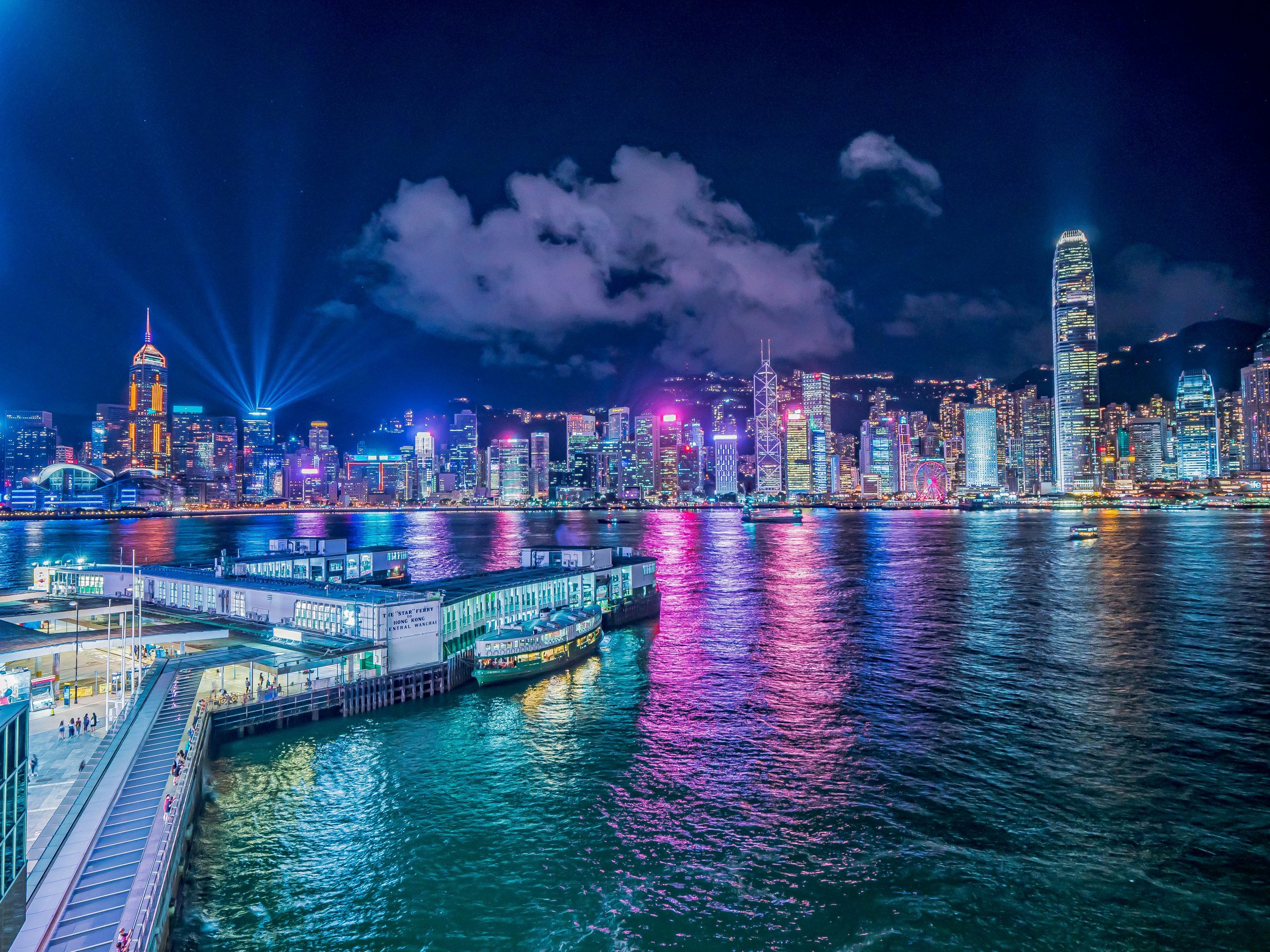
Yes, and it isn’t close. Tap your Octopus at the Tsim Sha Tsui pier, climb to the upper deck and you get ten minutes of the most famous skyline in Asia for pocket change: HK$5 on weekdays and HK$6.50 at weekends and on public holidays (about €0.55 to €0.72) in October 2026.
Enjoy those prices while they last. After the operator asked for a rise of around 30%, the Government approved a smaller one in October 2026: from 25 January 2027, adult fares on the Central and Wan Chai routes go up to a maximum of HK$6 on weekdays and HK$8.30 at weekends (about €0.66 to €0.91), Hong Kong Free Press reported. Even then, it’s still the cheapest harbour cruise you’ll ever take.
Go early, before the tour groups, and sit on the right-hand side heading to Central for the best view of the Hong Kong Island towers. Then ride back and walk the Tsim Sha Tsui promenade and the Avenue of Stars, both free, with the whole harbour in front of you.
Want some trivia for the crossing? Our 10 things about Hong Kong will keep you busy until the boat docks.
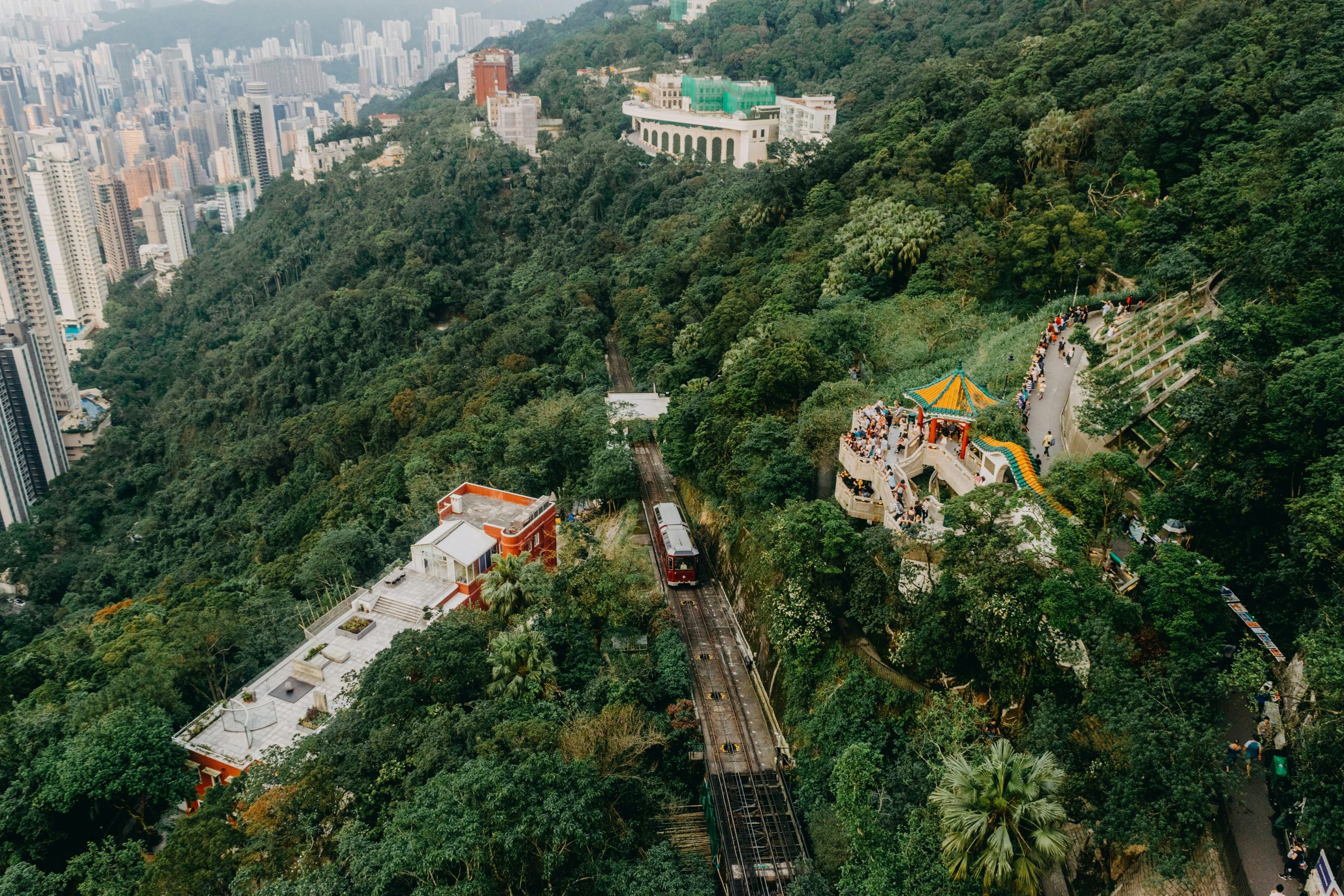
Day 1 afternoon: Should you hike or take the tram up Victoria Peak?
Hike up if your legs are willing, and ride down if they aren’t. The Peak Tram is a classic, but since 29 December 2025 a return ticket costs HK$116 (about €13) and a single HK$82 (about €9), up from HK$108 return, RTHK reported. Add the Sky Terrace 428 viewing deck and the combo is HK$182 return.
The free way up is on foot. From Central, follow Old Peak Road or the Morning Trail through the Mid-Levels: it’s steep and sweaty, but it’s paved and shaded for much of the way. At the top, the Peak Circle Walk gives you the famous view across the harbour without paying for the Sky Terrace.
The budget sweet spot is to walk up and take the tram or a bus down. Time it for late afternoon, watch the sunset, then stay as the city lights come on before heading back.
| Tram return | 116 HK$ |
| Tram one way, walk the other | 82 HK$ |
| Walk both ways | 0 HK$ |
Source: The Peak Tram fare adjustment press release
Day 1 evening: Where do backpackers eat cheaply in Kowloon?
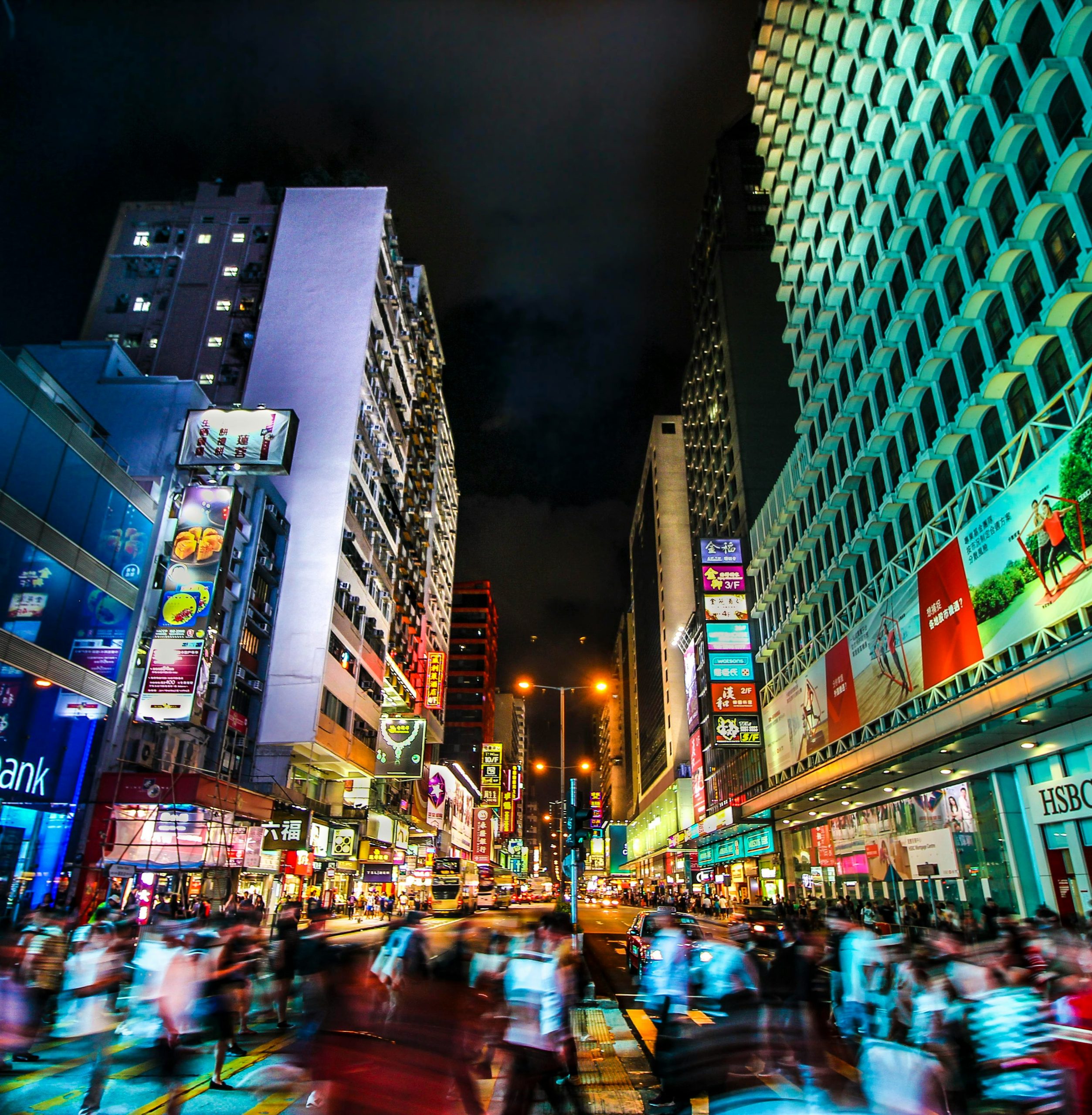
Head back across the harbour to Kowloon, where dinner is cheap and the streets are the entertainment. Temple Street Night Market in Jordan and the Ladies’ Market on Tung Choi Street in Mong Kok cost nothing to wander, and both are surrounded by places to eat.
For a proper meal, look for two things:
- Cha chaan tengs: Hong Kong-style cafés with huge menus, set meals and milk tea. Fast, filling and full of locals.
- Dai pai dongs: open-air food stalls with folding tables, where you order wok-fried dishes to share.
Snack your way between them with egg tarts, fishballs on a stick and a pineapple bun (no pineapple involved). Feeling brave? Our list of the weirdest foods from around the world has a few Asian challenges.
Light show heads-up: the nightly Symphony of Lights is being replaced by themed light shows at different venues tied to festivals, RTHK reported. As of October 2026 there’s no confirmed start date for the new show, so check before you plan your evening around it.
Day 2 morning: Is the Dragon’s Back hike worth it on a short trip?
Yes. It costs nothing but your bus fare, fits into a morning, and swaps the skyscrapers for green ridges and South China Sea views without leaving Hong Kong Island. The trail is easy to moderate, and the longer version ends on a beach.
Here’s how to do it:
- Stock up first: buy water and snacks in Shau Kei Wan before you set off. There are no shops on the trail, and the top of the ridge has little shade.
- Get to the trailhead: take the MTR Island line to Shau Kei Wan (exit A2), then city bus 9 towards Shek O and get off at the To Tei Wan stop on Shek O Road. The trailhead is right next to the stop. Pay with Octopus on the bus; the red minibus on the same road is cash only.
- Go early at weekends: queues for bus 9 build up quickly on Saturdays and Sundays, so set off early or save the hike for a weekday.
- Walk the ridge: the full route to Big Wave Bay is about 8.5km and takes 2.5 to 3 hours, according to the Hong Kong Free Press guide. Short on time? A 5.2km loop of around 1.5 hours brings you back to Shek O Road.
- Finish at Big Wave Bay: cool off on the beach, where cafés sell cold drinks and snacks, then catch bus 9 or the red minibus back to Shau Kei Wan. Expect another queue on busy weekend afternoons.
Do it in the morning and you’ll be back in the city by lunch, with the afternoon free for Lantau.
Day 2 afternoon: Is Ngong Ping 360 worth the money, or is the bus enough?
The Ngong Ping 360 cable car is the priciest thing on this weekend plan. An adult round trip in a Standard Cabin costs HK$295 (about €33), according to Ngong Ping 360’s August 2026 press release. You might spot the HK$88 anniversary fare online, but it was for Hong Kong residents only and ended on 30 September 2026.
Is it worth it? If you only ride one thing in Hong Kong, the 25-minute glide over Lantau’s hills is memorable. On a tight budget, though, the bus gets you to the same place:
- Take the MTR Tung Chung line to the end of the line at Tung Chung.
- From Tung Chung Town Centre, catch New Lantao Bus 23 up to Ngong Ping, a winding ride through the hills (see the Ngong Ping 360 tourist guide). Pay with Octopus.
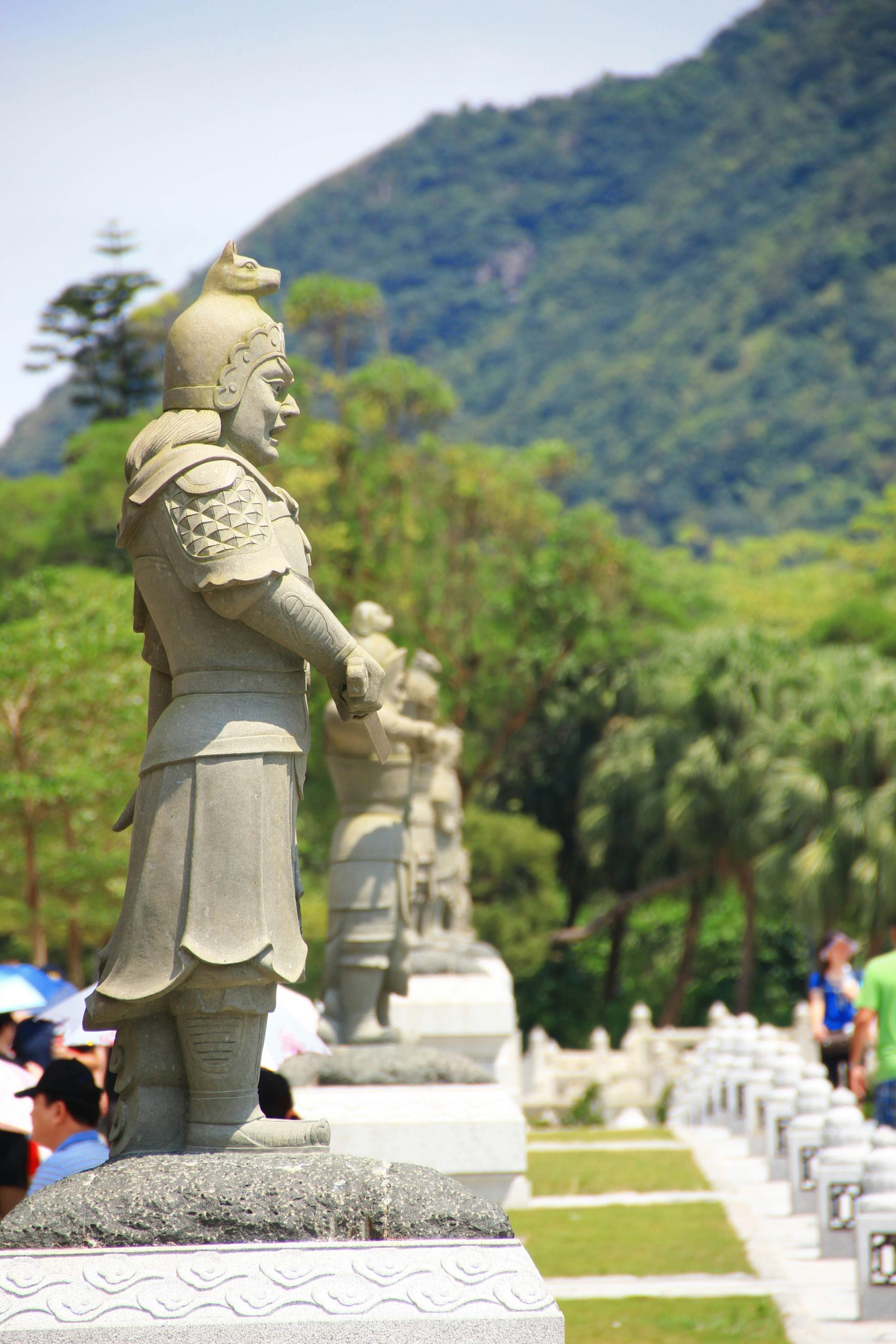
- Climb the steps to the Tian Tan Buddha and wander around Po Lin Monastery. Visiting the Big Buddha and the monastery grounds is free.
A good compromise: take the bus up and the cable car down for the views, or the other way round, if a single ticket fits your budget.
Not up for the trip to Lantau? Stay in Kowloon instead. Wong Tai Sin Temple is free to visit, and the permanent galleries of the city’s public museums, including the Hong Kong Museum of History and the Hong Kong Museum of Art, have been free since August 2016. The Museum of History’s permanent exhibition, The Hong Kong Story, reopened on 1 April 2026 after a renovation; temporary exhibitions may charge.
What’s on in Hong Kong in 2027?
A few big events shape Hong Kong’s calendar in the first half of 2027. Plan around them: they’re great fun, but they also push up hostel prices, so book early or pick a quieter weekend if your budget comes first.
- Lunar New Year, Saturday 6 February 2027: the first day of the Year of the Goat. The Tourism Board’s free night parade usually runs on the first day through Tsim Sha Tsui; in 2026 it set off at 8pm from the Hong Kong Cultural Centre, RTHK reported. The 2027 route and time haven’t been announced yet.
- Hong Kong Arts Festival, February to March 2027: the 55th edition brings nearly 1,500 artists and more than 190 performances, according to The Standard. Exact dates are still to be confirmed.
- Art Basel Hong Kong, 25 to 27 March 2027: Asia’s biggest art fair fills the Hong Kong Convention and Exhibition Centre in Wan Chai (dates from Art Basel). Expect the whole city’s gallery scene to put on free shows and openings that week.
- Hong Kong Sevens, 9 to 11 April 2027: the rugby party returns to Kai Tak Stadium and opens the SVNS World Championship, the South China Morning Post reported. It’s one of the busiest weekends of the year for hostels.
For smaller things on during your dates, from night markets to festivals, browse Hostelworld’s Events in Asia.
Where should you stay in Hong Kong on a budget?
Stay in Kowloon. Tsim Sha Tsui, Yau Ma Tei, Mong Kok and Prince Edward have the city’s cheapest beds, with the MTR, the night markets and the Star Ferry all close by. If you’d rather be on the island, Causeway Bay has a few budget options too, and it puts you closer to the Peak and the bus to Dragon’s Back.
Space is the real luxury here. Rooms are small and lockers are tight, so travel light, and check our hostel secrets before you pack.
Here are our picks, with live prices. Beds change daily, and they go fastest around the big events above.
How do you meet other travellers in Hong Kong?
Hong Kong moves fast, and on a 48-hour trip you don’t have long to find people to split a dim sum bill or a Dragon’s Back taxi with. The easiest shortcut is your phone: the free Hostelworld app has social features built for exactly this, and they work before you’ve even landed.
Join the City Chat. Once you’ve booked a bed, the app’s City Chats put you in a group chat with travellers staying at any hostel in Hong Kong, not just yours. Use it to ask who’s hiking on Saturday morning, who wants to catch the Star Ferry at sunset, or which night market is worth it tonight. When you’ve found your people, start a Group Chat and make plans.
Check Linkups before you arrive. Linkups are activities organised by your hostel, hostels nearby and other backpackers, things like walking tours, bar crawls and group dinners. You can browse who’s going on their Traveller Profiles, or create your own (a Peak hike or a Temple Street food crawl works well). Linkups open 14 days before check-in, so on a weekend trip, look at them in the week before you fly. Linkups are different from big city happenings like the Sevens or Art Basel: those live on the Events pages we covered above.
Not booked yet? Get a Social Pass. Normally you can only connect with other Hostelworld users after booking a stay. A Social Pass opens up chats and community events without a booking, which is handy if you’re staying with a friend or still deciding where to sleep. It comes in 1-week, 1-month, 3-month and 1-year versions; one week covers a Hong Kong weekend.
Chat and Linkups are app-only, so download the app on Wi-Fi before you leave. And if Hong Kong is the first stop on a longer loop, the same chats help you find travel buddies for what comes next, whether that’s things to do in Manila or where to stay in Singapore.
Conclusion: Hong Kong is cheaper than its skyline
Those towers make Hong Kong look like a city only bankers can afford, but a budget weekend here costs far less than the view suggests. Most of the best things to do in Hong Kong cost little or nothing, as long as you pick the cheap version of each one.
- Cross the harbour on the Star Ferry instead of paying for a harbour cruise. You get the same skyline for the price of a ferry ticket.
- Walk up Victoria Peak instead of queuing for the Peak Tram, or ride the tram one way and walk down.
- Hike the Dragon’s Back for beaches and big views for nothing more than a bus fare.
- Take the bus to Ngong Ping if the cable car doesn’t fit your budget. The Big Buddha is free to visit either way.
- Eat at night markets and dim sum spots in Kowloon rather than sit-down restaurants on the island.
Add an Octopus card for getting around and a dorm bed in Kowloon, and your 48 hours will cost a fraction of what you feared. If Hong Kong is the start of a longer trip, our guides to off-the-beaten-track Southeast Asia and things to do in Vietnam will help you plan the next stop.
Ready to book? Compare dorms and private rooms across the city, read the reviews, and pick a hostel close to the MTR so you can make the most of your weekend.

 Get the App.
Comments