

You can still buy Machu Picchu tickets yourself, and it’s now simpler. In October 2026 Peru’s Ministry of Culture scrapped advance reservations on the official Tu Boleto site. You pick a date and slot, then have 15 minutes to pay before the ticket goes back on sale, and every ticket carries your name and ID, Euronews reported. It’s a trial for now, so the time limit may change.
Daily numbers haven’t changed: 5,600 visitors in high season and 4,500 the rest of the year, according to Peru’s state news agency Andina. Below you’ll find what changed, how to buy step by step, what each circuit costs, the same-day tickets sold in Aguas Calientes and how to plan Cusco and the train around your slot. For the rest of your trip, start with our Peru travel guides.
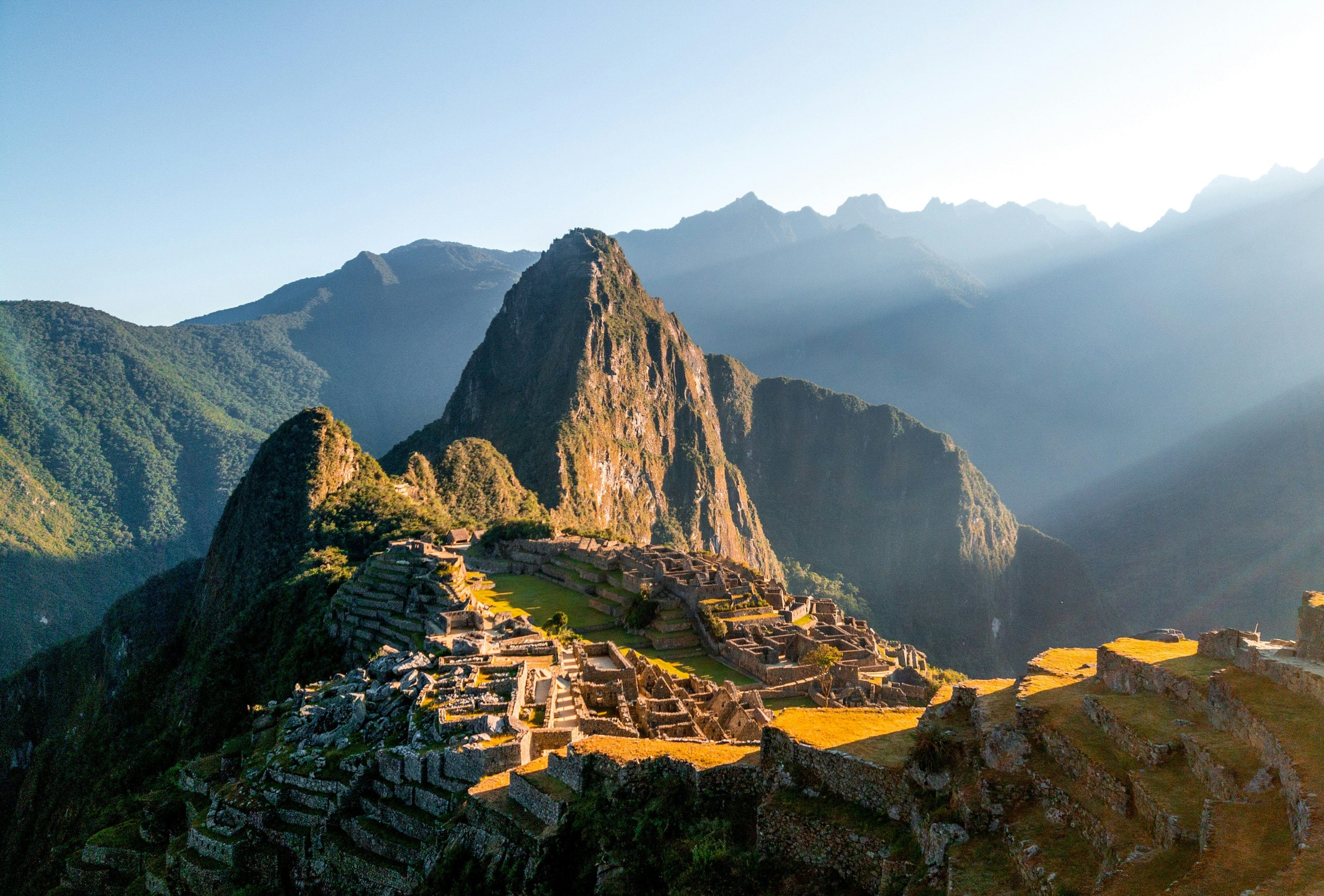
What changed with Machu Picchu tickets in October 2026?
The big change is that you can no longer hold a ticket without paying for it. Until October 2026, Tu Boleto sold advance reservation tickets. Now Peru’s Ministry of Culture has ended them, and when you choose a date and time slot, it’s held for only 15 minutes. Finish paying in that time or the ticket is released back into circulation for someone else, Euronews reported on 22 October 2026.
Every ticket is now named. It carries the visitor’s name and ID number, and the ID you show at the gate has to match, so a ticket can’t be resold or handed to a friend. Book with the passport you’ll travel with, and check the number twice before you pay.
The Ministry says it made the change so that the “availability shown on the platform corresponds to tickets that can actually be purchased”. In practice, that should mean fewer dates that look free but turn out to be gone at checkout.
The new system is a trial. The Ministry may make the 15-minute window longer or shorter once the trial ends, so check the time limit on Tu Boleto when you buy. If you’re still working out the rest of your route, our guide to backpacking Peru covers it.
Have your passport and card ready before you pick a slot, because the clock starts the moment you choose one.
How do you buy a Machu Picchu ticket online?
Buy it on Tu Boleto, the Ministry of Culture’s ticket platform, which is the online sales channel the official Machu Picchu site points to. Machu Picchu is listed there as Llaqta Machupicchu. Do the slow parts first, so the 15-minute clock only covers choosing and paying.
- Set up your account the day before. Register on tuboleto.cultura.pe and confirm your email before you go looking for slots.
- Choose your date, circuit and entry time. Know which circuit you want before you start (the circuits are explained further down), and have a second date or time in mind in case your first choice has gone.
- Type in your passport details exactly as printed. The name and ID number go on the ticket and have to match the passport you show at the gate. A typo can cost you the ticket, so check every visitor’s details before you move on.
- Pay within 15 minutes. Use a bank card, and keep your phone nearby in case your bank asks you to approve the payment. If the time runs out, the slot goes back on sale and you start again.
- Save your ticket. Download it, keep a copy offline on your phone, and you can also find it later by signing in to your Tu Boleto account. On the day, carry the same passport you booked with.
Book on a good connection rather than on hostel wifi at peak time, so a slow page doesn’t eat into your 15 minutes. If you’re going alone and want company for the trip up, our tips for solo travel in Peru help with the planning.
How much do Machu Picchu tickets cost?
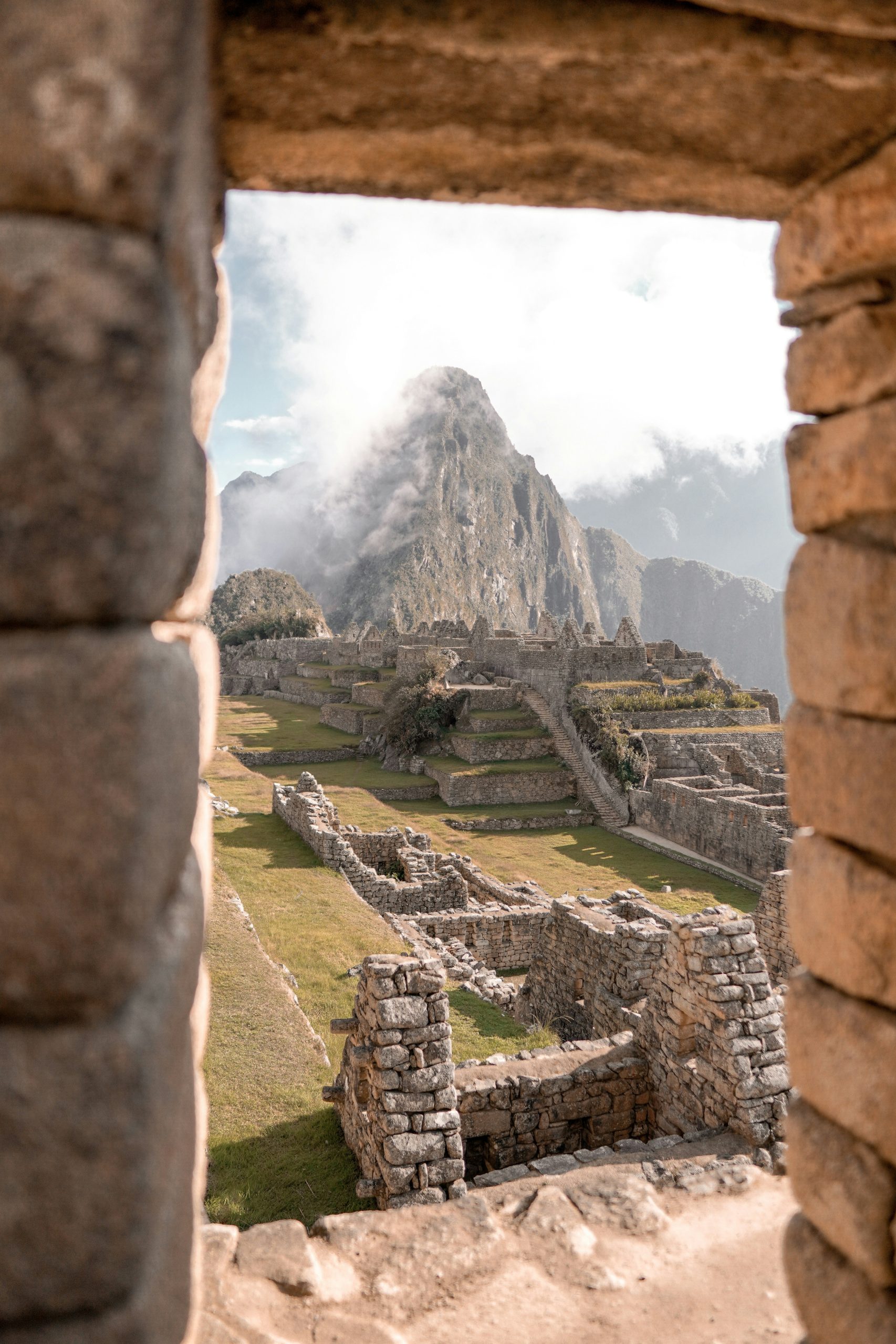
A foreign adult pays S/152 for circuits 1, 2 and 3, plus a S/11 conservation fee that Peru’s protected areas service SERNANP has added since 1 May 2026, so S/163 in total, Infobae reported. That’s about €42. Routes that include a mountain (Montaña Machu Picchu, Huayna Picchu or the Great Cavern) sit in a higher price band, and Cusco tour agency TR Experience Peru puts the foreign rate at S/200, roughly €52. That’s an agency figure rather than an official one, so confirm the price on Tu Boleto when you book.
Peruvians, foreign residents and Andean Community citizens (Bolivia, Colombia and Ecuador as well as Peru) pay much less. Andina, Peru’s state news agency, lists promotional rates of S/64 for the standard circuits and S/112 for the mountain routes, with S/32 and S/80 for students and children aged 3 to 17, in its guide to 2026 rates. You’ll need ID that proves your status at the gate. Peruvians also pay a smaller conservation fee of S/5 from May, Infobae says. Children under 3 go free.
Foreign students and under-18s get a reduced rate too, but the figures quoted online don’t agree, so check the exact price on Tu Boleto when you pick your slot. Students need a valid international student card such as ISIC, and the name has to match the passport on the ticket.
| Foreign adult, circuits 1-3 (S/163 incl. fee) | €42.1 |
| Foreign adult, mountain routes (S/200) | €51.6 |
| National/Andean, circuits (S/64) | €16.5 |
| National/Andean, mountains (S/112) | €28.9 |
Prices above were converted at 1 sol = €0.258, the rate on 4 November 2026, and checked in November 2026. Your bank will add its own card fee on top, so expect to pay a little more.
Resellers and tour agencies sell the same ticket with their own fee added, and you still get the same named entry. A Circuit 2 entry ticket sold through Viator was listed from US$65 on TourScanner when we checked in November 2026, against S/163 (about €42) direct. The only thing worth paying them for is a package with a guide or transport you actually want. Otherwise, buy direct on Tu Boleto and put the difference towards the train or a few extra days elsewhere, like the stops in our list of the best places in Peru.
Which circuit should you choose?
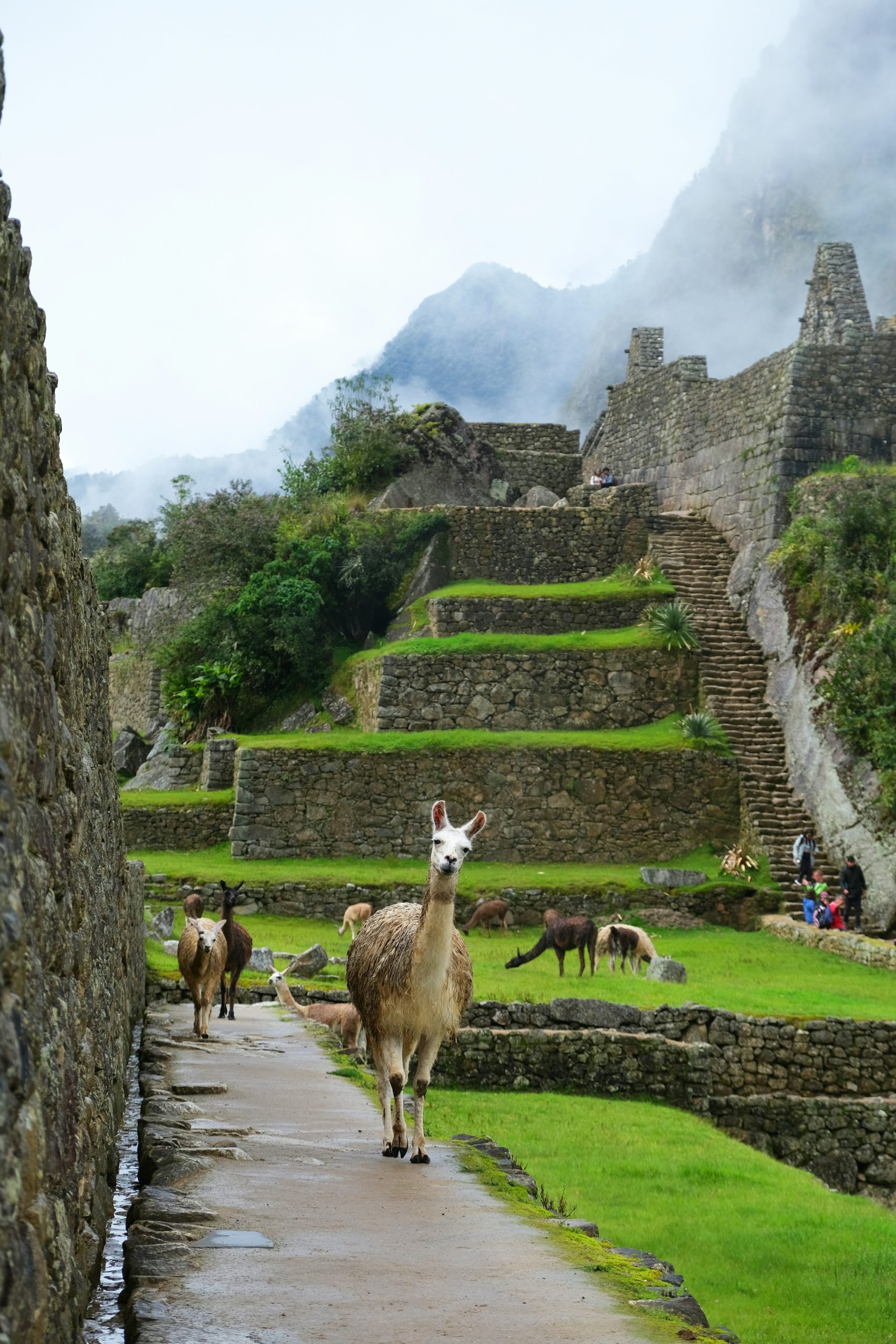
Pick Circuit 1 for the classic postcard view, Circuit 2 for the fullest walk through the citadel, and Circuit 3 if you mostly want the temples and royal buildings up close. Each circuit is a one-way route split into smaller routes, and your ticket covers one of them. The routes below are the ones set out in Ministerial Resolution 000284-2025-MC, as listed by Peru’s state news agency Andina.
Circuit 1, the panoramic circuit
This is the one for the photo you’ve seen a hundred times, taken from the Upper Terraces, which are open all year. Other routes on this circuit go to the Intipunku (Sun Gate) and, only in high season, the Inka Bridge.
Circuit 2, the classic circuit
Circuit 2 is the main route through the heart of the citadel, with a Main Designed Route and a Lower Terrace Route, both open all year. Choose it if this is your one visit and you want to see as much of the site as you can.
Circuit 3, the royalty circuit
This lower designed route stays close to the royal and ceremonial buildings rather than climbing for the view. In high season it also has a Huchuy Picchu route, a short climb up the small peak beside the citadel.
Mountain routes
Huayna Picchu, Machu Picchu Mountain and the Great Cavern trail are sold as their own routes at the higher mountain price. They’re the first tickets to go, guides such as Bus Hop warn, so book these before anything else in your trip.
The mountain climbs are steep stone steps at altitude, so give yourself a couple of days in Cusco first. Our list of the best hostels in Cusco helps you find a base for acclimatising.
Can you buy Machu Picchu tickets in Aguas Calientes?
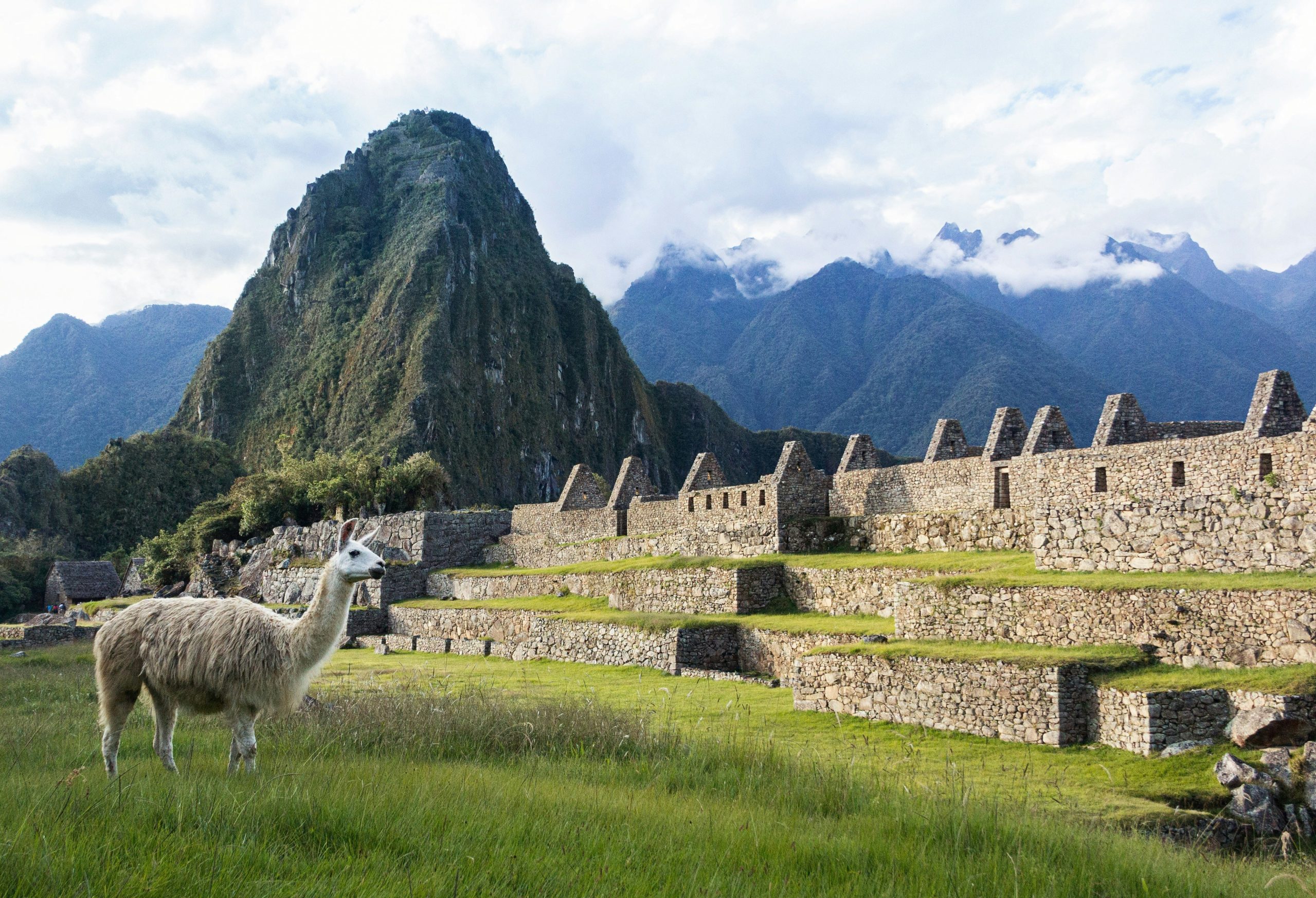
Yes, and it’s the backup if Tu Boleto is sold out for your dates. 1,000 tickets a day are sold in person at the DDC-Cusco ticket office in Machupicchu Pueblo (the town most people still call Aguas Calientes), and they’re valid for the day after you buy them, Euronews reported in October 2026. Peru’s state news agency Andina describes the office as the Ministry of Culture’s cultural centre in town.
Because the ticket is for tomorrow, this plan only works if you sleep in Aguas Calientes. Take the train down the day before, buy your ticket that afternoon or evening, and visit the next morning. If you can, book a second night as well, so a sold-out day doesn’t wreck the whole trip. A bed you can cancel helps here, and our guide to Hostelworld’s flexible booking options explains how that works.
We couldn’t find official opening hours for the office under the new system, and the hours quoted online don’t agree. RPP gave 3pm to 10pm, while Expreso reported 6am to 10pm or until tickets run out, so ask at your hostel or at the office itself the day you arrive. The rules have changed more than once this year. In May, Andina reported that in-person tickets could be bought up to three days ahead, while the October reports say next day, so check which rule applies when you get there.
Get there early and bring the passport you’ll show at the gate, because the ticket carries your name and ID just like one bought online. Expect a queue, especially in high season, and be ready to take whatever circuit is left. Popular routes go first, and the travel blog Along Dusty Roads warns that the route you want may not be the one still available. Have your second and third choice of circuit in mind before you reach the window.
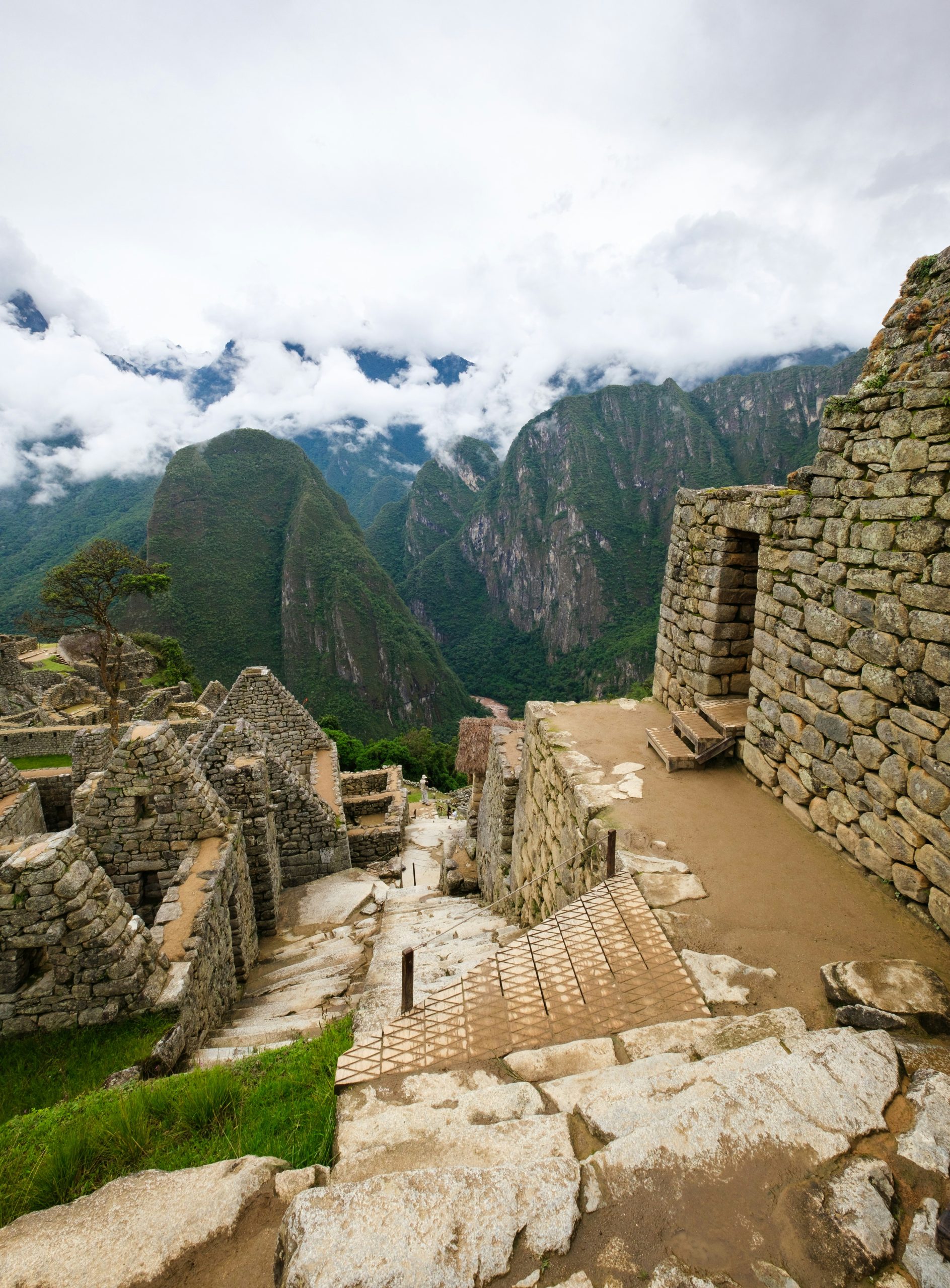
When to book and when to go
Go in the regular season if you want the best odds of getting the slot you want, and book the moment your dates are fixed if you’re going in high season. The daily cap rises to 5,600 visitors in high season and drops to 4,500 the rest of the year. In 2026 the high-season dates were 1 January, 2 to 5 April, 19 June to 2 November and 30 to 31 December, according to Peru’s state news agency Andina.
The 2027 dates are already out. Peru’s Ministry of Culture set them in Ministerial Resolution 000408-2026-MC, published in the official gazette El Peruano on 1 November 2026. High season in 2027 runs 1 to 3 January, 25 to 28 March (Easter week), 19 June to 2 November and 29 to 31 December, with the same 5,600 cap, and every other day is capped at 4,500.
A higher cap doesn’t guarantee an easier booking, so don’t leave high-season dates to the last minute. April, May and most of November sit outside it, and they’re worth a look if your dates are flexible.
Whatever month you pick, a few rules keep you out of trouble:
- Book a mountain route (Huayna Picchu, Machu Picchu Mountain or the Great Cavern) before anything else, because those small quotas go first. Lock in the ticket, then book the train and your beds around it.
- For a standard circuit in high season, book as soon as your dates are fixed.
- If you’re travelling over a holiday date, such as New Year or Easter week, treat it like peak summer even though it’s a short window.
- Leave a spare day in Cusco or Aguas Calientes. If your first date sells out, you can fall back on the in-person tickets without losing the visit.
The Inca Trail runs on its own permits, not Tu Boleto. The trail network is capped at 750 people a day, Euronews reported, and you can’t hike it independently. Peru’s Culture Minister said in 2024 that the trail has to be done through a travel agency, so book with a licensed operator, who handles the permit for you. If you want the trail in high season, ask operators about permits before you sort anything else.
Plan your beds in Cusco around the same dates. Our guide to booking hostels in peak season explains how to time it so you aren’t left with the last expensive bed in town.
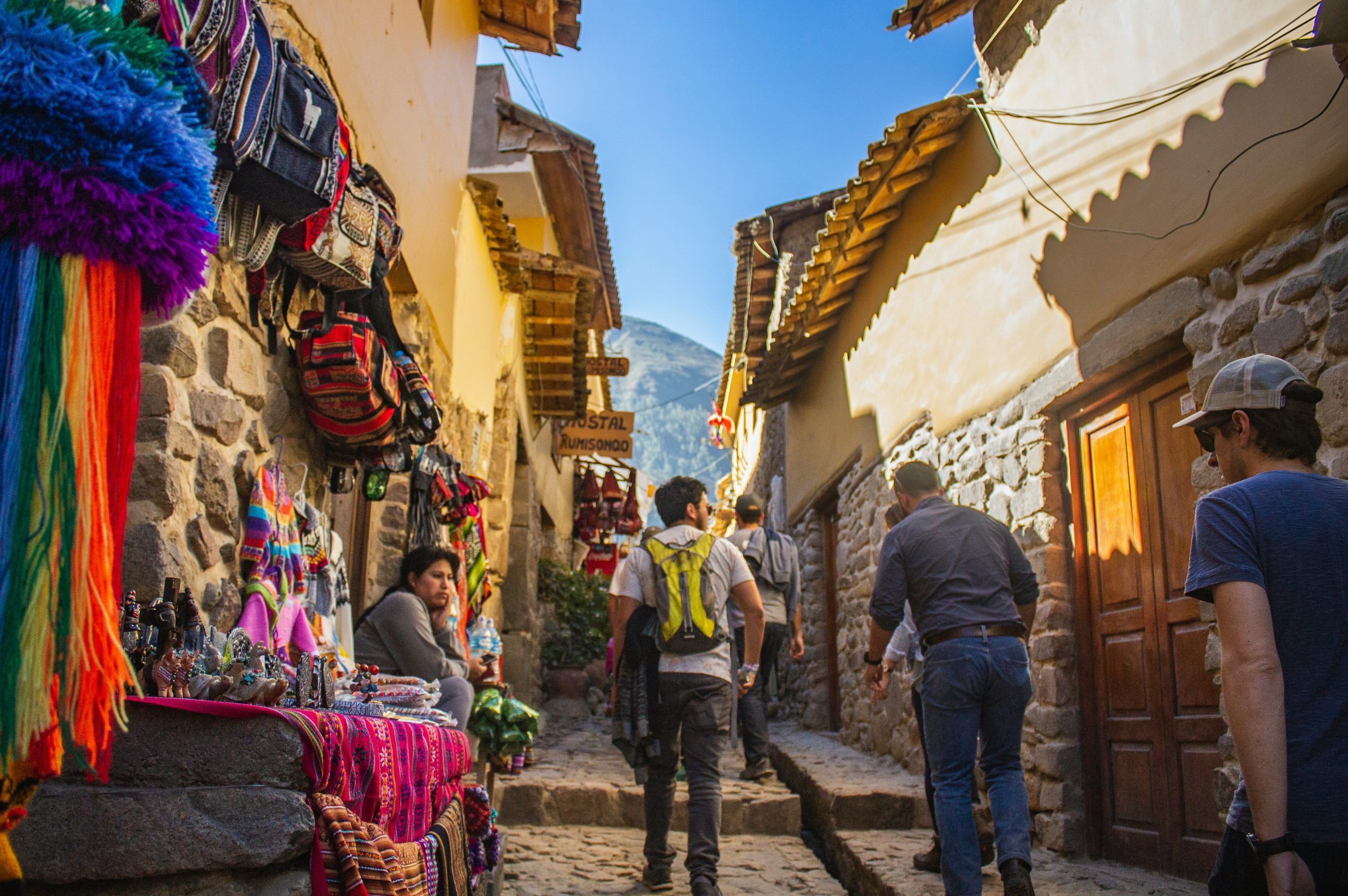
Getting there from Cusco
Buy your Machu Picchu ticket first, then book a train that gets you to Aguas Calientes the evening before your slot or early that morning. The route most visitors take is a flight to Lima, a domestic flight on to Cusco, then a train to Aguas Calientes and a bus or hike up to the ruins, as Euronews sets out. The train is the part to plan around your entry time.
Two companies run the line, PeruRail and Inca Rail, and you can board in Cusco or in Ollantaytambo in the Sacred Valley. From Ollantaytambo the ride takes about 1 hour 20 minutes to 2 hours. From Cusco, PeruRail runs direct trains from Poroy station in about 3 hours 17 minutes, between May and December. Its other Cusco departures are bimodal, a bus from Wanchaq to the Sacred Valley and then the train, which takes 4 hours 5 minutes to 4 hours 41 minutes in all. Inca Rail’s Cusco service is bus plus train too. Those times come from the Cusco travel agency Exploor Peru’s train guide, updated in October 2026.
Neither company publishes a fixed price list. Fares change with the date, departure time and class, so check your day on PeruRail and Inca Rail before you decide. As a guide, Inca Rail’s standard class, the Voyager, cost US$62 to US$79 one way from Ollantaytambo and US$82 to US$99 from Cusco for travel on 15 November 2026, according to fares machupicchu.world took from the operator’s system in October 2026. On those numbers, boarding in Ollantaytambo saves you about US$20 each way. We couldn’t find a PeruRail Expedition fare we could source for the same month, so look it up when you book.
Both companies run discounts. When we checked in November 2026, Inca Rail was taking 5% off return tickets automatically for travel until 31 December 2026, and PeruRail’s site was advertising 20% off Machu Picchu trips with the code CYBR26. Starting in Ollantaytambo also lets you spend a night in the Sacred Valley first, and our list of the best hostels in Peru is a good place to look for a bed along the way.
From Aguas Calientes, you either ride the Consettur bus up the hairpin road or walk. The bus costs foreign adults US$12 one way or US$24 return and takes about 25 to 30 minutes, Exploor Peru reports. Walking up to the entrance takes about 2 hours, much of it on stone steps, which is a lot before a circuit that has its own climbs. Buy your bus ticket in town the afternoon before, so you aren’t queueing for it at dawn.
Leave more time than feels necessary. Your ticket is for a fixed hour, the bus queue gets long in high season and trains can run late. For a morning slot, sleep in Aguas Calientes the night before. For an afternoon slot you can come down on an early train the same day, but we’d aim to reach town at least two or three hours before your entry time. Book the return train for a few hours after your slot, too, so you have time for the visit, the bus back down and something to eat before you leave.
Where to stay before Machu Picchu
Base yourself in Cusco for the first few days, then move down to Aguas Calientes for the night before your visit. Cusco sits at about 3,400 metres, almost a kilometre higher than the ruins at 2,430 metres, and Inca Rail’s altitude guide says most people give themselves two to three days there to adjust. Those days are also when you’ll buy your ticket and book the train, so it helps to have a bed you like and a common room with decent wifi.
Cusco is also where the cheap beds are. When we checked in November 2026, Hostelworld listed 111 hostels in Cusco, with dorms from under €4 a night and several places rated 9.5 or higher. Many hostels there serve free breakfast and coca tea, which you’ll be glad of on your first morning. Most backpackers stay around the Plaza de Armas or up in San Blas, but the streets are steep, so check how far uphill your hostel is before you book. Our Cusco travel guides cover the city once you’re there.
If you want a hostel that puts Peruvian culture front and centre, Black Llama in a restored colonial house in the centre was Hostelworld’s 2026 Culture Champion, and you can read what makes Black Llama Cusco different before you book.
Sleep in Aguas Calientes the night before a morning slot, and always if you’re relying on the in-person tickets, which are only valid for the next day. The choice there is much smaller. Hostelworld showed just six properties in Aguas Calientes in November 2026, and only two had dorms, from about €12 a night. Book that bed as soon as your ticket is confirmed, and leave your big bag at your Cusco hostel so you travel down with a day pack.
Machu Picchu is easier with company, especially if you’re splitting a guide or want someone to queue with at the ticket office. Once you’ve booked a hostel, the Hostelworld app’s City Chats put you in a group chat with travellers staying anywhere in Cusco, which is a good place to find people heading up on the same day. If you haven’t booked yet, a Social Pass opens up the same chats without a booking, so you can start planning before you land.

Book your slot, then the train
Buy your Machu Picchu entrance ticket first, and only then book the train. The ticket is the scarce part: once it’s paid for, you know your circuit and your entry hour, and you can pick a train that gets you to Aguas Calientes with time to spare. Book it the other way round and you can end up with a train for a day that has no slots left, or an entry time you can’t reach.
So the order is simple. Open Tu Boleto with your passport and card ready, choose your circuit and hour, and pay inside the 15-minute window. Then book a train that arrives the evening before a morning slot, or several hours before an afternoon one, and a return that leaves you time to come down on the bus and eat. Last, book your bed in Aguas Calientes.
Use the days in Cusco while you acclimatise. The Cusco Events page lists what’s on in the city during your stay, from festivals to markets. Linkups are a separate thing: they’re activities organised by your hostel, nearby hostels or other backpackers, such as free walking tours of the old town, and you can join Linkups in the app from 14 days before check-in. A walking tour on your first day is an easy way to find someone to share the early bus up with.
If Peru is one stop on a longer trip, our South America travel guides will help you plan what comes after Machu Picchu.

 Get the App.
Comments