Town centre
Supplies and the airportShopping centres, banks, tour agencies and the airport. Quiet and dusty.

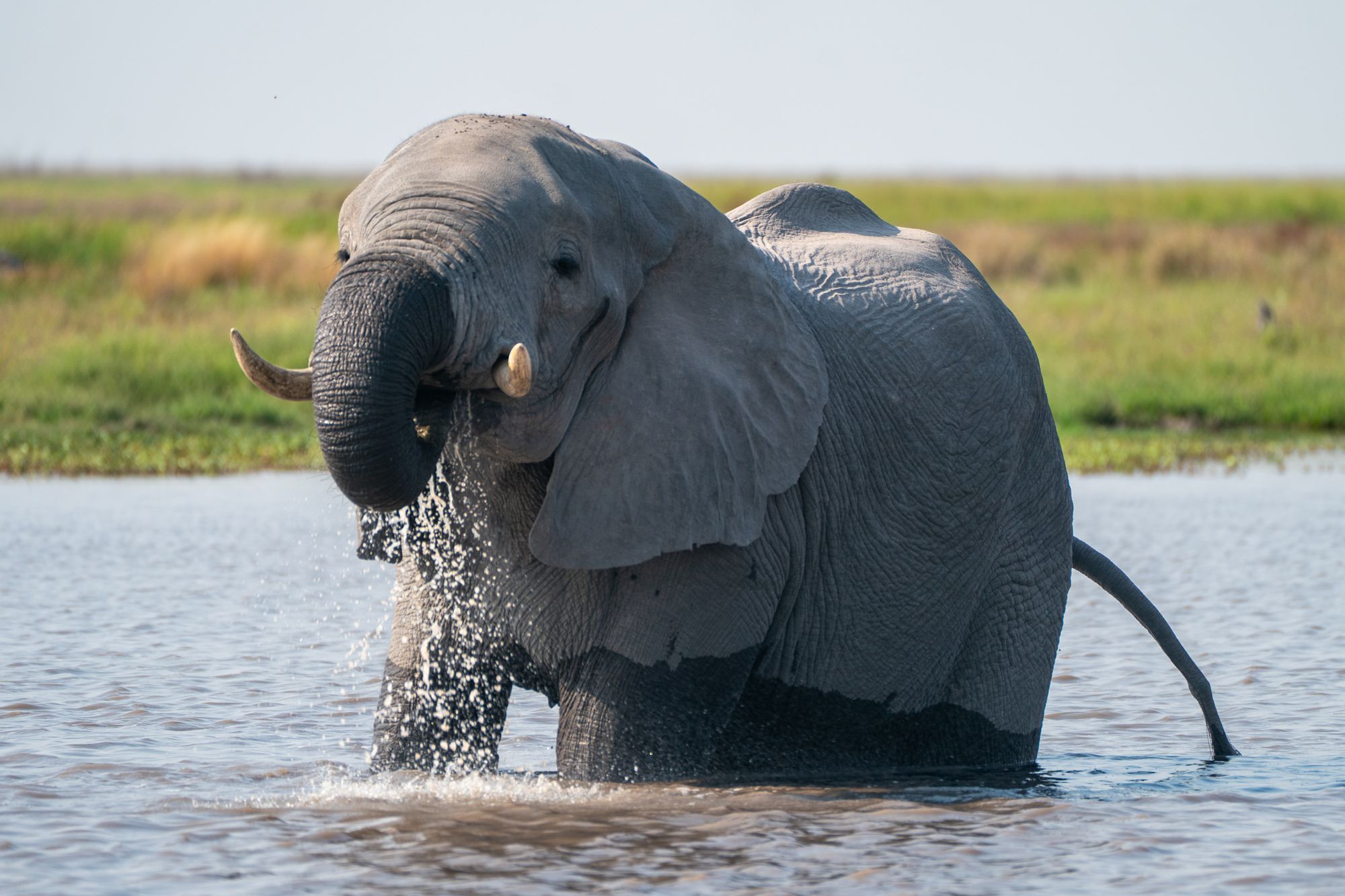
Maun is a dusty, friendly frontier town on the Thamalakane river and the gateway to the Okavango Delta. Most safaris fly out from here, but it's also the budget way into the delta: pole through the channels by mokoro with a local guide, camp on an island, take a shared scenic flight and head on to Moremi or the salt pans.
Maun, in north-western Botswana, grew from a cattle-ranching outpost into the safari capital of the country. It sits on the Thamalakane river, at the south-eastern edge of the Okavango Delta, and still has a frontier feel, with donkeys and goats wandering the roads, a small airport busy with light aircraft, and pick-ups loaded with camping gear.
The town itself has little in the way of sights. It is spread out along the main roads, with shopping centres, supermarkets, banks and tour agencies in the centre, and campsites and lodges along the river to the north and east.
Its value is as a base. Most visitors come to see the Okavango Delta, a vast, seasonal wetland created every year by floodwater from the Angolan highlands. The flood reaches its peak, surprisingly, in the dry season, from about June to August. Upmarket travellers fly straight out to remote camps, but budget travellers can join mokoro trips with community polers, staying for a day or camping for a few nights on islands in the delta.
From Maun, you can also reach Moremi Game Reserve, on the eastern side of the delta, and the Makgadikgadi and Nxai Pans, to the east, with meerkats, baobabs and wide salt flats.
Two or three nights in Maun is enough for a day mokoro trip and a scenic flight; add two or three more nights to camp in the delta.
Most travellers stay at the campsites and lodges along the Thamalakane river, north and east of town, which have bars, pools and tour desks. The town centre is for supplies, banks and the airport.
Shopping centres, banks, tour agencies and the airport. Quiet and dusty.
Campsites and lodges along the river north-east of town, with bars and pools.
Launch points for mokoro trips, a 2–3 hour drive from Maun.
Reserve on the eastern side of the delta, with lions, leopards and wild dogs.
Map data from OpenStreetMap contributors.
The mokoro trip is the reason to come. A mokoro is a traditional dugout canoe, now often made of fibreglass, poled through the shallow channels by a local guide. From Maun, trips start with a drive of two to three hours by 4x4 to a launch point in the eastern delta, then you glide through papyrus and water lilies, stopping on islands for guided walks to look for elephants, giraffes, zebras, hippos and antelope. The Okavango Kopano Mokoro Community Trust is the umbrella group for local polers and can arrange trips, as can most campsites and agencies in town.
Day trips are possible, but overnight trips, camping on islands under the stars, are the real experience. Self-catered trips, where you bring your own tent, food and gear, are the cheapest; catered trips cost more.
Scenic flights over the delta are spectacular, showing the channels, lagoons and herds from the air. Light aircraft seat three to five people, and the flat rate is shared, so it pays to join others at your campsite. Flights of about an hour are the most popular.
Moremi Game Reserve, on the eastern side of the delta, is one of the best places in Africa for wild dogs, lions and leopards. You can visit on a day or overnight game drive from Maun, or self-drive with a 4x4 in the dry season.
East of Maun, the Makgadikgadi and Nxai Pans are vast salt flats with habituated meerkats, Baines' Baobabs and, in the rainy season, migrating zebras.
In town, the Nhabe Museum has a small collection on local history and crafts, and the river is good for birdwatching.
Maun's real attractions cost money, but a few things are free or cheap.
Walk or sit by the Thamalakane river at sunset, when the light turns gold and birds come in to roost. The campsite bars and terraces are the best spots.
Watch the donkeys, goats and cattle wander through town, and stop for magwinya, fried dough balls, at a street stall.
The Nhabe Museum, in a historic building, has a small collection on local history and crafts.
The craft shops in town sell baskets woven by women from villages in the delta, and are free to browse.
The campsites often have free Wi-Fi, pools and notice boards where travellers look for people to share flights and trips.
Maun has a handful of cafés and restaurants serving breakfasts, burgers, pizzas and steaks, popular with safari guides and pilots. Steak is excellent, as Botswana is cattle country.
For local food, look for seswaa, pounded beef, with pap (maize porridge) and morogo (wild spinach), at small local restaurants and market stalls in town. Magwinya, fried dough balls, are a cheap breakfast.
Phane, mopane worms, are a traditional snack, dried or fried with tomato and onion.
Most budget travellers self-cater at their campsite. Maun's supermarkets, including Spar, Choppies and Shoprite, are the last big shops before the delta, so stock up here for mokoro camping trips.
St Louis lager and chibuku sorghum beer are the local drinks.
Maun's nightlife revolves around the campsite and lodge bars along the Thamalakane river, where travellers, guides and pilots meet for sundowners and swap stories.
There are a few local bars and a nightclub in town, popular with locals at weekends.
After a long day in the delta, most travellers have an early night.
Don't walk around at night. The UK says crime is rising in Maun, and wildlife, including hippos, can be on the riverbanks. Taxis are fewer after dark, so save a driver's number.
Maun Airport, close to the town centre, has flights from Gaborone, Kasane, Victoria Falls and Johannesburg, and is the main base for light aircraft flying to the delta camps.
By bus, Maun is about six hours from Francistown, for about BWP 167, with buses roughly every hour in the morning and early afternoon. From Gaborone, it is a long trip of nine to ten hours, for about BWP 278 (2023 prices). From Kasane, take a bus to Nata, then change for Maun, a full day's journey.
In town, taxis and combis (minibuses) with blue number plates run on set routes. A taxi to the campsites north of town costs about BWP 30, and a combi from the camps to town a few pula. Taxis aren't dispatched centrally, so save a driver's number.
For the delta, Moremi and the pans, you will need a tour, a transfer or a 4x4. Book Moremi campsites months ahead if you are self-driving, and don't drive at night.
Maun is the cheapest way into the Okavango Delta. Camping at the riverside campsites costs from about BWP 45 to BWP 120 per person, and simple rooms or bedded tents cost more. Maun has no hostels on Hostelworld right now.
Self-catering keeps food costs down, as supermarket prices are similar to South Africa. Restaurant meals cost around €8 to €15.
The mokoro trip is the main cost. Prices vary by operator and by the length of the trip, and you also pay Moremi or delta park and concession fees. A day trip through the community trust was about BWP 600 per person in 2023.
Scenic flights of about an hour cost a flat rate of BWP 1,250 to BWP 2,000 for a small plane, shared between three to five passengers, plus a small departure tax.
Park entry to Moremi is BWP 270 a day for international visitors, and BWP 500 for the Makgadikgadi and Nxai Pans, from April 2026.
On a budget, allow around €35 to €55 a day, before activities and park fees.
Maun is a friendly town, but the UK says violent crime is rising in Maun, along with Gaborone and Francistown, including burglaries and robberies. Lock your tent or room, keep valuables in a safe, and don't walk around at night.
Wildlife is the biggest risk. On mokoro trips and walks, follow your poler's instructions exactly, stay together and keep your distance from hippos and elephants, which are the most dangerous animals in the delta. Don't swim in the river or the delta channels.
Malaria is present in the Okavango, so use repellent, sleep under a net and take advice on antimalarials.
Driving after dark is dangerous because of animals on the roads. In the delta and parks, carry plenty of water and sun protection, and check your insurance covers remote areas.
Use licensed taxis with blue plates.
Maun is the base for the Okavango Delta by mokoro or plane, Moremi Game Reserve and the salt pans.
Glide through the channels and walk on islands looking for elephants and zebras.
See the channels, lagoons and herds from the air.
Game drives for wild dogs, lions and leopards.
Salt flats with meerkats, quad-biking and star-gazing.
Maun's calendar includes the Maun Festival and Botswana's national holidays.
Music, dance, crafts and parades celebrating the town and the delta.
Public holiday for Botswana's first president.
San music and dance festival, about 3 hours from Maun.
Public holiday marking independence in 1966.
Maun is hot for most of the year, with highs of 25°C to 34°C. The delta's floods peak from about June to August, the best time for mokoro trips, and the dry season from May to October is best for wildlife. The rains run from November to March.
Average daily highs from weather2travel's Maun climate data. Winter nights in June and July can be very cold when camping. Crowd levels are our rough guide.
Pick a style and a number of nights for a rough total, per person, in euros.
Estimates in euros, converted from pula. Sleeping is based on campsite and guesthouse prices; doing includes a share of a mokoro trip or scenic flight spread over a few days, but not park fees.
Prices and timetables change. Check before you travel.

Compare Maun hostels: live prices, real reviews and free cancellation on most bookings. Then meet the people already there in the app.

 Get the App.

 Get the App.