Westlands
Nightlife, first-timersNairobi's busiest going-out district, with bars, rooftop lounges, malls and restaurants within a few blocks. Good for meeting people. Noisy at weekends, and the traffic around the main roundabout is heavy.

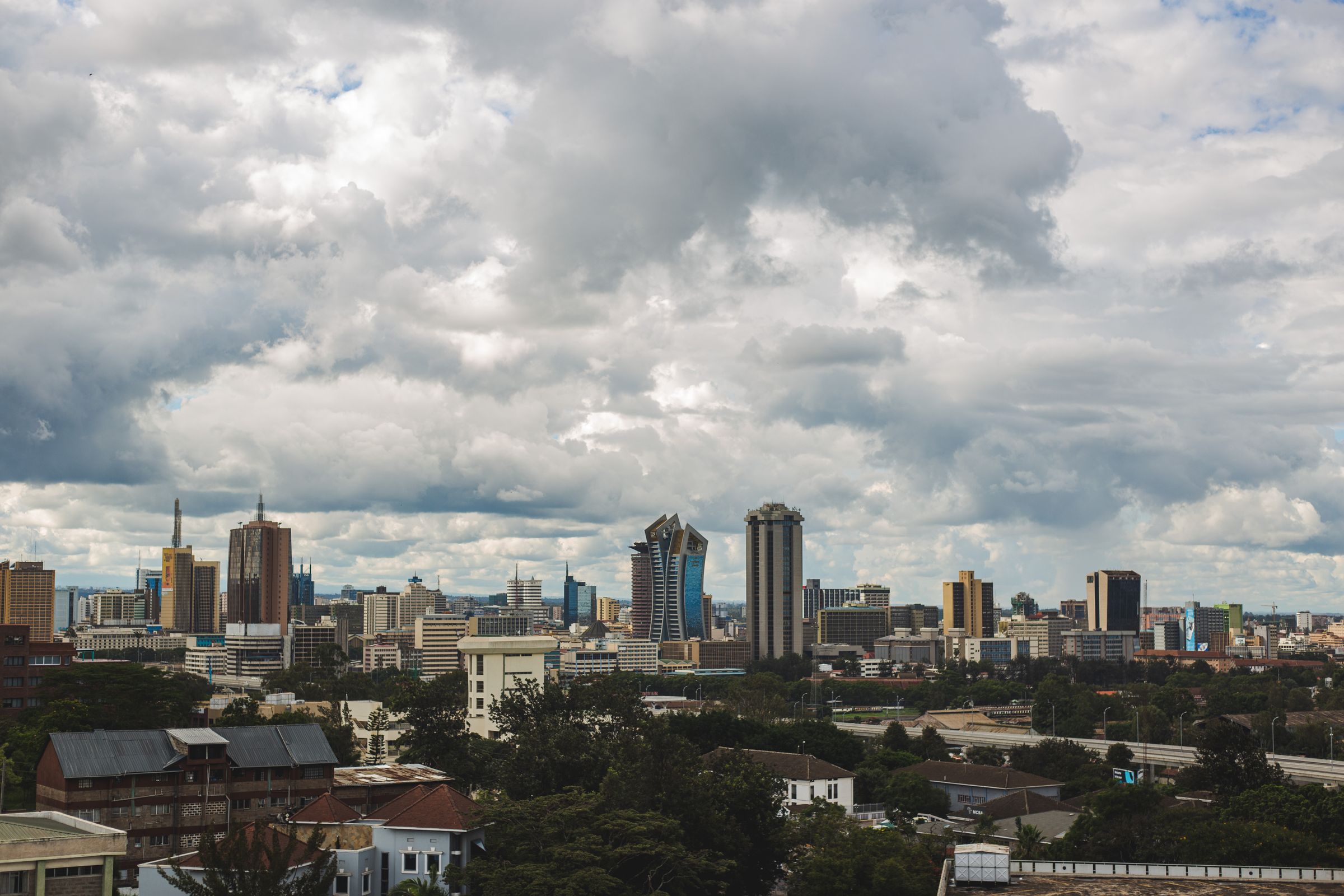
Nairobi is the only capital in the world with lions, rhinos and giraffes inside the city limits, and the place most Kenya trips start. Give it three days for the national park, the baby elephants and the giraffes, then catch the train to the coast or head out on safari.
Nairobi doesn't ease you in. The traffic is heavy, the city sprawls for miles and the centre empties out after dark, so most travellers spend their first evening wondering where everything is. Give it a day or two and it starts to make sense: this is a big, busy, creative African capital with a national park on its southern edge, a serious food and music scene, and the best transport links in East Africa.
The city has three halves for visitors. The Central Business District (CBD) is where the government buildings, the Kenya National Archives, the bus companies and the matatu stages are. It's lively by day and best avoided on foot at night. To the west and north-west sit Westlands, Kilimani, Kileleshwa and Lavington, the leafy, higher-altitude suburbs where most hostels, cafés, malls and bars are. To the south-west are Langata and Karen, greener still, where the national park, the Giraffe Centre and the elephant orphanage are.
A typical first visit runs like this. Morning game drive in Nairobi National Park, then the 11am baby elephant visit at the Sheldrick Wildlife Trust nursery (book it well ahead) and the Giraffe Centre in the afternoon, since all three are on the same side of town. Spend a second day on the city itself: the National Museum, Karura Forest, a Maasai Market, a responsible walking tour in Kibera and a night out in Westlands. On day three, take the train to Mombasa for the coast, or start a safari to the Maasai Mara, Amboseli or Lake Naivasha.
Nairobi sits at about 1,700 metres, so it's mild all year. Average highs run from about 23°C in July to 28°C in February, and nights get chilly from June to August, so bring a jumper. The long rains fall in April and May and the short rains in November.
The biggest adjustment is getting around. Distances are long and walking between neighbourhoods isn't practical or safe after dark, so you'll use Uber or Bolt a lot. Rides are cheap by European standards, and M-Pesa (Kenya's mobile money) is used for almost everything else.
Stay in the western suburbs, not the CBD. Westlands, Kilimani, Kileleshwa and Lavington are where the hostels, cafés and bars are, and they're a short Uber from everything. Karen and Langata put you next to the wildlife but a long way from nightlife.
Nairobi's busiest going-out district, with bars, rooftop lounges, malls and restaurants within a few blocks. Good for meeting people. Noisy at weekends, and the traffic around the main roundabout is heavy.
Residential streets of apartment blocks and cafés around Yaya Centre and Argwings Kodhek Road. Close to Kibera and the Sunday Maasai Market at Yaya, and a short ride from Westlands.
Leafy and mostly residential, between Kilimani and Lavington. Quieter evenings, a few hostels and easy Ubers to Westlands and the CBD.
Upmarket and green, with big plots, a few relaxed backpacker places and music bars like Geco Cafe. Further from the action, so budget for rides.
Spacious south-western suburbs next to Nairobi National Park, the Giraffe Centre and the Sheldrick nursery. Handy for wildlife, but it's 40 minutes or more to Westlands in traffic.
Government buildings, markets, bus offices and matatu stages. Worth a daytime visit with someone who knows it. The FCDO lists it as a higher-crime area, so don't sleep or walk here at night.
Map data from OpenStreetMap contributors.
Nairobi National Park is the reason this city is different. It's 7km from the centre, fenced on three sides but open to the south, and you can photograph lions, black rhino, giraffe and buffalo with skyscrapers behind them. The non-resident fee is US$80 for 24 hours (KWS rates from October 2025), paid online through eCitizen, not at the gate. You need a vehicle: hostels and local operators run shared half-day game drives, usually leaving at 6am when the animals are most active. Go early and you'll see more and sit in less traffic.
The Sheldrick Wildlife Trust's elephant nursery is inside the park, off Magadi Road at the KWS Mbagathi Gate. The public visit runs from 11am to noon every day except 25 December, and the rules are strict. You must book by email in advance, up to three months ahead, and same-day bookings aren't possible. Bookings made through Viator, GetYourGuide or Tripadvisor aren't accepted. The donation is US$20 for adults, paid in cash on arrival, and you also need a KWS park entry paid on eCitizen beforehand. Arrive by 10:30am because they won't extend the hour for latecomers. It's a short, busy visit, but watching orphaned calves charge in for their milk bottles is worth it.
The Giraffe Centre in Langata is 15 minutes away, so do it the same day. Non-residents pay KSh 1,500 (about €10), or KSh 750 for students under 23 with ID, and it's open 9am to 5pm daily. You feed endangered Rothschild's giraffes from a raised platform. Payment is by card or M-Pesa.
Back in town, the Nairobi National Museum covers Kenya's history, art and the fossil finds of the Rift Valley (US$18 for non-residents, or US$25 with the Snake Park). Karura Forest, a 1,000-hectare urban forest in the north, has walking and cycling trails and a waterfall. Entry is KSh 696 (about €5), paid by M-Pesa only.
Then there's Kibera, one of Africa's largest informal settlements. If you go, go with a resident guide on a small walking tour where the money stays in the community, and leave the camera in your bag unless people say yes.
Nairobi isn't a city of free museums, but there's plenty to do for little or nothing, especially if you're happy to browse, walk and talk to people. The Maasai Market is the obvious one. It moves to a different site most days of the week, including a Saturday market in the CBD and a Sunday market at Yaya Centre in Kilimani, and browsing costs nothing. Stalls sell beadwork, kikoys, soapstone, sandals and carvings. Prices start high, so smile, counter at around half and walk away if it doesn't feel right. Locations change, so ask at your hostel which one is on that day.
Uhuru Park and Central Park on the edge of the CBD fill up with families, preachers and photographers at weekends. Go in daylight and keep your phone out of sight. Jeevanjee Gardens nearby is a good place to watch the city's lunch hour.
Some of the best free experiences cost a matatu fare. Ride a decorated nganya, the art-covered, sound-system-fitted matatus Nairobi is famous for. The routes out to the eastern estates are known for them, and a short ride costs around KSh 40–100. In May 2026 President Ruto told the transport authority to let operators keep their graffiti after a 2025 order to remove it, so the art is still on the road.
Kenyans are serious about live music, and many bars in Westlands and Lavington have free entry on weeknights. Check Instagram for bands and open-mic nights rather than relying on listings. The GoDown Arts Centre and Kuona Artists Collective run exhibitions and events that are often free to attend.
The cheapest wildlife option isn't free, but it's close: the Nairobi Safari Walk and Animal Orphanage at the KWS main gate cost US$15 for non-residents, a fraction of a game drive. Finally, the view from the Kenyatta International Convention Centre helipad is paid, but walking past the building and the old colonial streets around City Hall in daylight costs nothing.
Kenyan food is filling, cheap and built around a few staples. Ugali is a stiff maize porridge you tear and roll with your right hand, and it comes with sukuma wiki (braised collard greens), beef stew or fried fish. Chapati, brought over by South Asian communities, is everywhere. Pilau, githeri (beans and maize) and mandazi (lightly sweet fried dough) are breakfast and lunch staples. In local cafés called hotelis, a plate of stew, chapati and greens costs a few hundred shillings.
Nyama choma, grilled meat, is the social meal. You order goat or beef by weight, it's chopped on a board and served with kachumbari (tomato and onion salad), ugali and a pinch of salt and chilli. Kenyatta Market, south-west of the centre, has a row of grill stalls that locals rate as some of the best in the city. Go at lunchtime, sit at one stall and ignore the touts trying to pull you elsewhere. City Park Hawkers market in Parklands also has grills at the back.
For a big, touristy blow-out, Carnivore in Langata serves skewers of meat carved at your table until you lower the flag. It's an institution, not a bargain. Nairobi Street Kitchen in Westlands is a food court and rooftop bar, good for groups who can't agree.
Street food is worth trying with a little care. Mutura (Kenyan sausage), roasted maize, smokies with kachumbari and samosas are the common snacks, and a smokie costs well under a euro. Pick stalls that are busy and cooking to order.
Nairobi also has a large Indian community, so the biryanis and vegetarian thalis in Parklands and the CBD are some of the best in the region. Coffee is grown all over central Kenya, and the café scene in Westlands and Kilimani is excellent. Drink-wise, Tusker is the national beer and Kenyan tea (chai) is milky and sweet. Only drink bottled spirits from reputable bars: the FCDO warns about drink spiking and methanol-contaminated alcohol.
Nairobi takes going out seriously, and Westlands is where most of it happens. Within a few blocks you'll find rooftop lounges, craft beer bars, Afro-house and amapiano nights, and clubs that run until the early hours from Thursday to Saturday. It's where the hostel crowd ends up, so it's the easiest place to meet people.
The Alchemist in Westlands is a good first stop: an outdoor space with food trucks, DJs, live music and sometimes open-air films. Brew Bistro has its own craft beer and a 5pm to 7pm happy hour. Choices Pub is more local and less polished, with good music and cheaper drinks. Yunion turns from brunch café into a dance venue at night. For a view, Sarabi Rooftop at the Sankara Hotel is smart and pricey, while Sky Bar on the Ibis Styles is more relaxed.
If you want live bands, head to Lavington. Geco Cafe hosts a mixed, easy-going crowd most nights there's a band on. The Crafty Chameleon has a beer garden, a microbrewery and wood-fired pizza. In Parklands, K1 Klubhouse runs reggae nights on Thursdays and a Sunday flea market. Simba Saloon, attached to Carnivore in Langata, is a big, young party venue that's best with a group. Kilimani has fewer bars, but Unseen Nairobi is a rooftop indie cinema, café and bar, a good change from clubbing.
A few rules keep a night out easy. Take Uber or Bolt door to door, even for short distances: walking between venues after dark isn't safe, especially around the CBD. Keep your phone out of sight in cars as well as on the street. Watch your drink, buy from the bar, and be wary of strangers who are very keen to take you somewhere else. The FCDO also warns that people use dating apps to target travellers, so meet in busy, public places.
Nightlife quietens down noticeably during protests and around national holidays, so check local news before planning a big night.
Most travellers get around Nairobi by Uber or Bolt. They're cheap, the price is set before you get in, and they solve the safety problem of walking after dark. Expect long journeys at rush hour, from about 7am to 9am and 4pm to 7pm.
Matatus are the city's real transport system: privately run minibuses with conductors who shout destinations from the door. Over 100,000 of them work Nairobi's routes. Fares rose by about a quarter in April 2026 after a fuel price increase. A short hop from the CBD to Westlands now costs around KSh 60–65 off-peak, and longer runs to the suburbs KSh 100–190. You pay cash or M-Pesa to the conductor. Fares go up at rush hour and in the rain. The most decorated ones, called nganyas, have screens, neon and booming sound systems. They're part of the culture, and a daytime ride is worth doing once. The FCDO warns that matatus are often uninsured and that robberies on them happen, so keep valuables hidden, avoid them at night and don't ride long-distance ones.
From the airport, an Uber or Bolt to the CBD or Westlands costs around KSh 700–1,200 (€5–8) and takes 25–50 minutes, or up to 80 minutes at rush hour. Matatu 34 is much cheaper but slow, and not one to take with a backpack late at night. The FCDO advises using Mombasa Road or the Nairobi Expressway and avoiding the old Airport South Road.
The Madaraka Express (the SGR) runs from Nairobi Terminus at Syokimau, near the airport, to Mombasa in about five hours. There are three trains a day each way: the Inter-County at 8am, the Express at 3pm and the night train at 10pm (check current times). Fares are KSh 1,500 economy (€10), KSh 4,500 first class (€31) and KSh 12,000 premium. Book on the Kenya Railways site metickets.krc.co.ke (M-Pesa only) or via an agent. Economy sells out, especially at weekends and holidays. Security is airport-style, with no glass bottles or knives, so arrive at least an hour early. Keep your ticket, because you'll need it to get out.
At around KSh 145 to €1 (October 2026), everyday Nairobi is cheap. Local meals, matatus and Ubers cost a fraction of European prices. The expensive part is wildlife, because Kenya charges non-residents in US dollars and the fees went up in October 2025.
The big costs to plan for are Nairobi National Park at US$80 per person for 24 hours, plus your share of a vehicle for the game drive. Add the Sheldrick nursery at US$20 cash, with its own KWS entry booked on eCitizen. The Giraffe Centre is KSh 1,500 (€10) and the National Museum US$18. If you're doing all four, that's your biggest day by far. The Safari Walk and Animal Orphanage at US$15 are the budget alternative.
Day to day, a local plate of ugali, stew and greens in a hoteli costs a few hundred shillings. Nyama choma for two with sides and drinks runs to a couple of thousand. A Westlands cocktail costs close to European prices. Uber rides across the western suburbs are usually KSh 300–600 (€2–4), and the airport run is KSh 700–1,200.
M-Pesa is how Kenya pays. Many ticket offices, the national parks and Karura Forest are cashless, so get a Safaricom SIM at the airport with your passport and register for M-Pesa there. Visa and Mastercard work in malls, hotels and bigger restaurants. Carry some cash for matatus, markets, tips and the Sheldrick donation. Use ATMs inside malls or banks rather than on the street.
Check what your hostel's price includes. Some Nairobi hostels add 16% VAT at check-in on top of the booked rate, and some only take cash or mobile money when you arrive. Tipping isn't compulsory, but about 10% in sit-down restaurants is normal if service isn't included, and safari drivers and guides expect a tip at the end of a trip.
Nairobi has a reputation, and it's partly earned. Most visitors have no problems, but violent crime including mugging and armed robbery does happen, so this is a city where habits matter more than luck.
Where you are makes a big difference. The FCDO lists the Central Business District, Eastleigh, Mathare, Kibera and other informal settlements as higher-risk for crime. The CBD is fine to explore by day with your wits about you, but it empties after office hours, and that's when bag snatches and muggings happen. Don't walk there at night. Only visit Kibera or Mathare with a resident guide. Westlands, Kilimani, Kileleshwa, Lavington and Karen are where most travellers stay and are calmer, but they aren't crime-free. Walk short distances in daylight and take a ride after dark, even for a few hundred metres.
Phone theft is the most common problem. Keep your phone away on the street and in traffic, where snatches through open car windows are reported. Keep windows up and doors locked in taxis. Use ATMs inside malls or banks.
Protests are common in Nairobi and can turn violent quickly. Anniversaries are flashpoints: in 2026 the FCDO warned of heightened risk from 25 June to 7 July, the anniversaries of the 2024 Finance Bill protests and Saba Saba Day. During protests the police close roads into the CBD and matatus stop running. Kenya's next general election is due in August 2027, so expect political rallies in the run-up. Avoid crowds and follow local news.
There's also a terrorism threat. The FCDO says attacks could target hotels, malls, bars and other places foreigners go, so expect bag checks at mall and hotel entrances. Common scams include fake police or security guards asking for money, so always ask for ID. Be wary of strangers who want to take you somewhere. Meet dating-app matches in busy public places. If you're robbed, hand things over and don't resist. Emergency numbers are 999 and 112.
The Rift Valley starts an hour from the city, and most of these work as a long day with a hostel tour or a shared driver. Leave early to beat the traffic out of town.
Cycle past zebra and giraffe through the gorge in Hell's Gate, one of the few Kenyan parks you can explore by bike, then take a boat out among the hippos on Lake Naivasha.
A steep climb up a dormant volcano in the Rift Valley, with a walk around the crater rim for those with the legs. Start early, before the midday heat.
A ridge walk above the Rift Valley on Nairobi's south-western edge. Go with a guide or a group, not alone.
A family-run tea estate in the cool highlands, with a tour of the tea fields and indigenous forest and lunch on the lawn.
A pink-tinged soda lake in the hot Rift Valley floor, with flamingos in season and hot springs at its southern end. Long, hot and very remote, so go with someone who knows the road.
Nairobi's calendar is built around big outdoor music festivals, national holidays and the WRC Safari Rally. Prices and crowds jump on festival weekends.
 Staff pick
Celebrate Kenyan innovation and craftsmanship at the Changamka Kenya Shopping Festival, where local manufacturers present a wide array of high-quality products. This event is…
 Staff pick
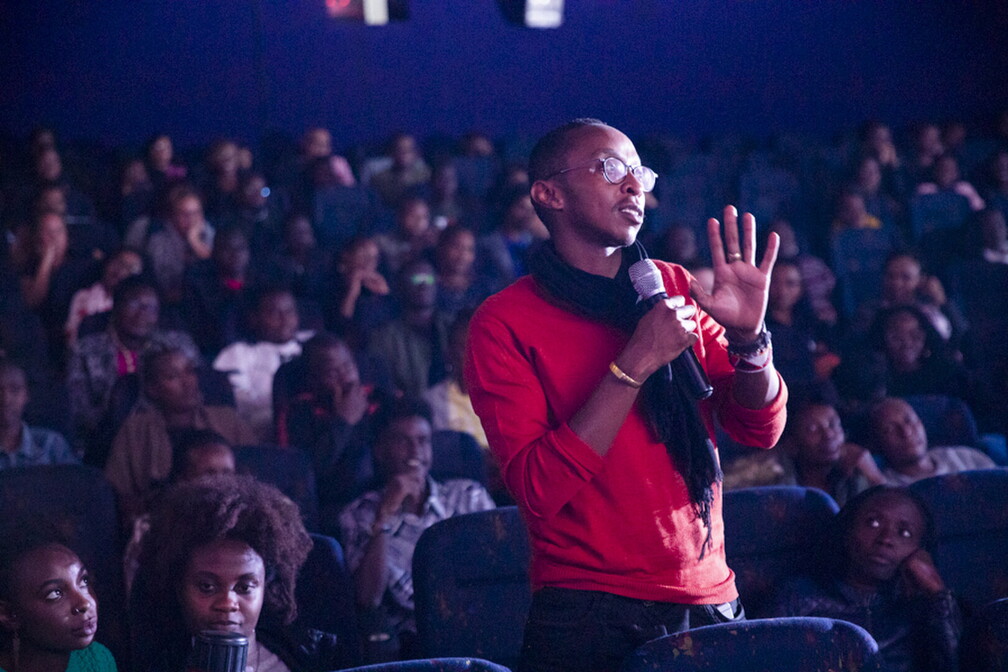
The NBO Film Festival in Nairobi, Kenya, is a dynamic celebration of African and African Diaspora cultures, dedicated to showcasing powerful storytelling through film.…
 Staff pick
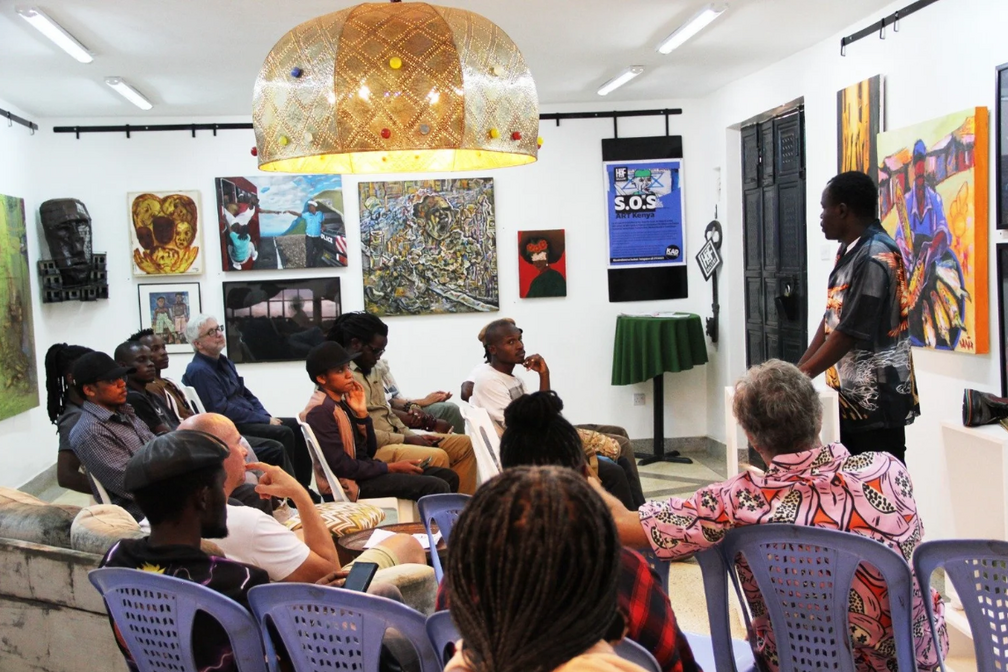
The Nairobi Arts Biennale in Nairobi, Kenya, stands as a dynamic celebration of contemporary and historical art, inviting artists, collectives, galleries, and cultural leaders…
 Staff pick
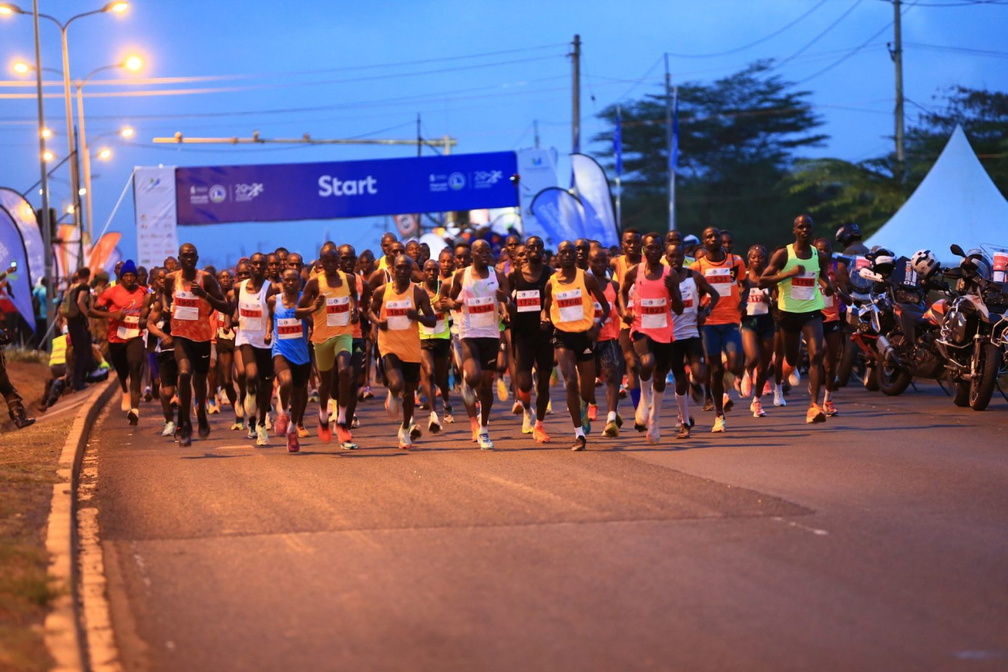
The Nairobi Marathon is a prestigious annual event that draws runners from around the world to Kenya's bustling capital. With a scenic course that…
 Staff pick
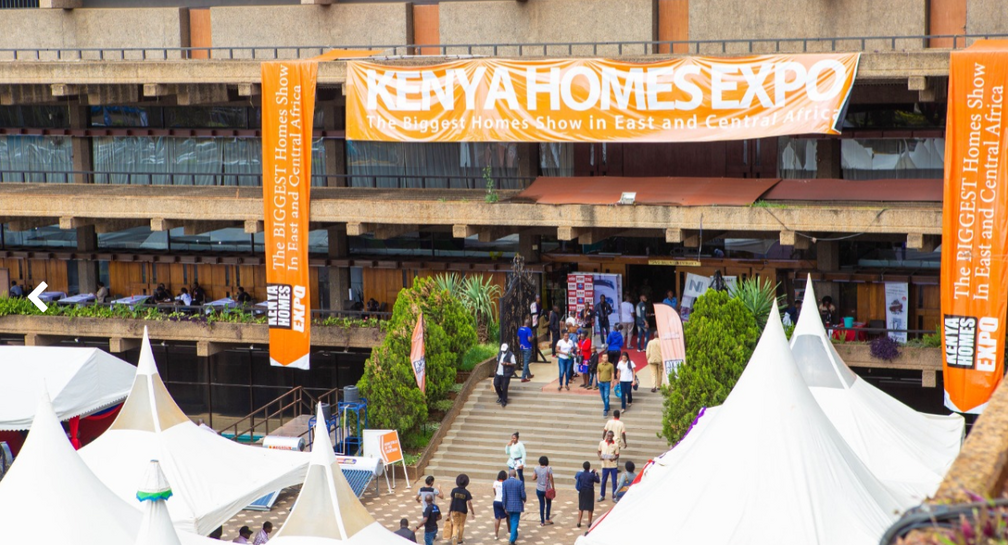
The Kenya Homes Expo is recognized as the largest homes and property showcase in East and Central Africa, drawing over 40,000 visitors during each…
 Staff pick
Africa Beauty Show in Nairobi, Kenya, is the leading festival for beauty, personal care, and lifestyle enthusiasts, bringing together top brands, industry professionals, and…
 Staff pick
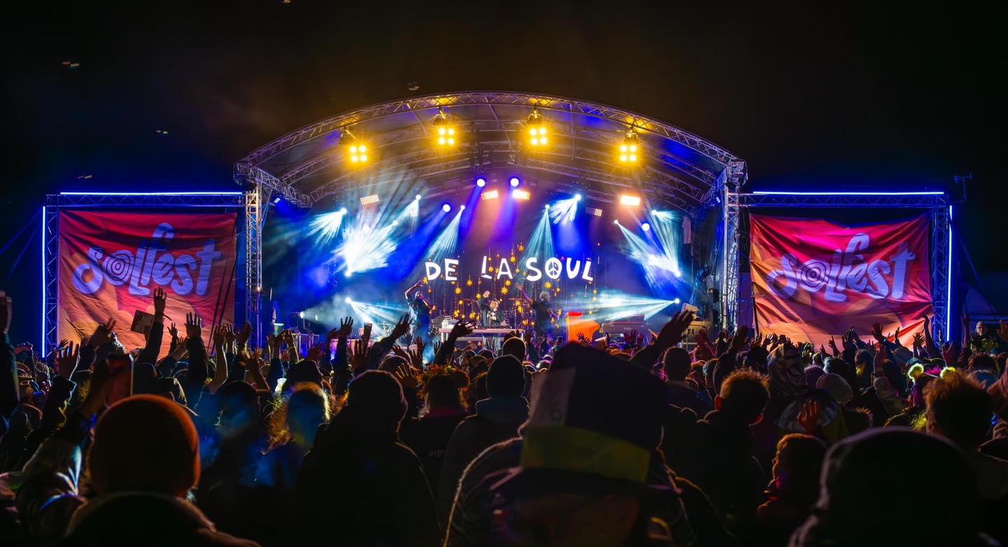
SolFest in Nairobi, Kenya, is a leading music festival that brings together top African artists and celebrates the continent’s rich musical heritage. Known for…
 Staff pick
Ms Understood Festival in Nairobi, Kenya, invites you to a two-day celebration focused on connection, self-expression, and community. Enjoy engaging conversations, interactive games, a…
Nairobi's hostels are spread across the western suburbs rather than the centre, mostly in Westlands, Kileleshwa, Kilimani and Lavington. Many have gardens, run their own safaris and airport pickups, and are a good place to find people to share a game drive with.
In Westlands near the bars, with free breakfast and a busy tour desk for safaris and hikes. Rated 8.4 from 156 reviews. Adults only, pay on arrival in cash or M-Pesa, and 16% VAT is added at check-in.
A Lavington hostel with a kitchen, common room, coworking space and free lockers. Rated 8.9 from 32 reviews.
In leafy Kileleshwa, with free breakfast and a garden. Reviewers praise the staff and the beds. Rated 8.1 from 63 reviews.
 Only you can see this. The live feed returned nothing — check the Hostelworld city name under Settings.
Nairobi's altitude keeps it mild year-round. The long rains (April to May) and short rains (November) bring afternoon storms and muddy park roads. July to October is dry, cool and peak safari season.
Average highs are 1991–2020 normals for Nairobi via Climats et Voyages, rounded to the nearest degree. Crowd scores are our own rough guide, based on safari seasons and Kenyan holidays.
Choose a style and the number of nights for a rough total. Park fees and the Sheldrick visit come on top on the day you do them.
Our estimates in euros per day at around KSh 145 to €1. They cover a dorm or private room, local meals or mid-range restaurants, Uber and matatus, and a museum or two. National park fees are charged in US dollars and aren't included. Check live dorm prices below.
Prices, entry rules and safety advice change. Check the official sources before you travel.

Compare Nairobi hostels — live prices, real reviews and free cancellation on most bookings. Then meet the people already there in the app.

 Get the App.

 Get the App.