The wildebeest crossings in the Maasai Mara, elephants under Kilimanjaro in Amboseli, and a Swahili coast of coral beaches and old stone towns, joined by an overnight-friendly railway. Most backpackers base themselves in Nairobi, join a group safari, then ride the SGR train to Mombasa and the beaches of Diani or Watamu. Two to three weeks is a good first trip, and safari park fees will be your biggest single cost.
eTA fee for most visitors, applied for online before you fly
€1 ≈ KSh145
Rough exchange rate, October 2026
Jul–Oct
Migration river crossings in the Maasai Mara
8
UNESCO World Heritage Sites
What travelling Kenya is actually like
Kenya is East Africa's easiest country to travel on a budget, as long as you accept one thing up front: the wildlife is the reason most people come, and wildlife here is expensive. A day in the Maasai Mara costs US$200 in park fees alone in high season, before you've paid for a vehicle or a bed. Everything else, from matatus and street food to a dorm in Nairobi or a beach hut in Diani, is good value by European standards.
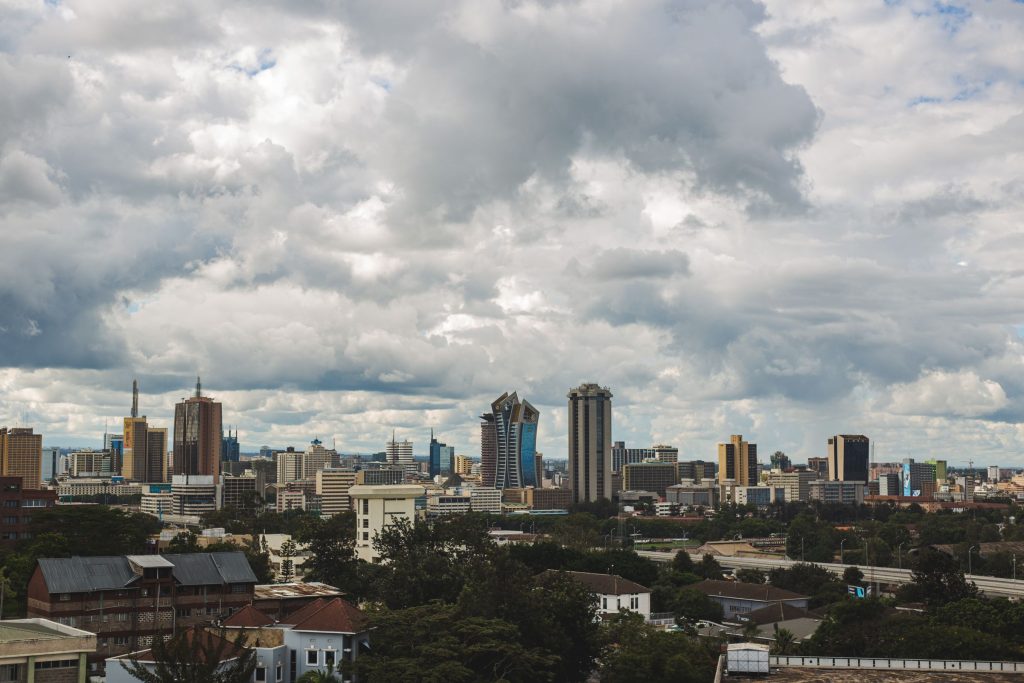
Nairobi is where almost every trip starts. It's a big, busy, sometimes chaotic capital with a national park on its southern edge, a strong food and music scene in Westlands and Kilimani, and the safari operators who run group trips to the Mara, Amboseli and Lake Nakuru. Two or three days is enough for most people before heading out.
West and north of the city, the Great Rift Valley drops away in a series of lakes and volcanoes. Lake Naivasha and Hell's Gate, where you can cycle past zebras and giraffes, are the cheapest wildlife experience in the country. Further on are Lake Nakuru, the Maasai Mara on the Tanzanian border and, near Nanyuki, the slopes of Mount Kenya, Africa's second-highest mountain.
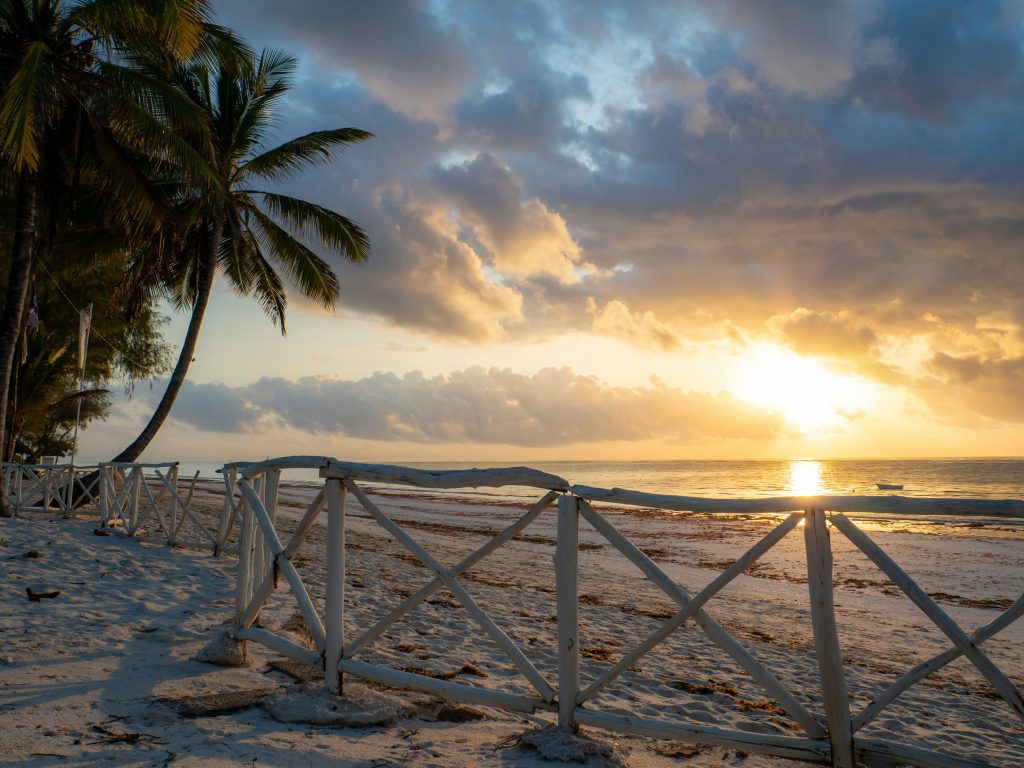
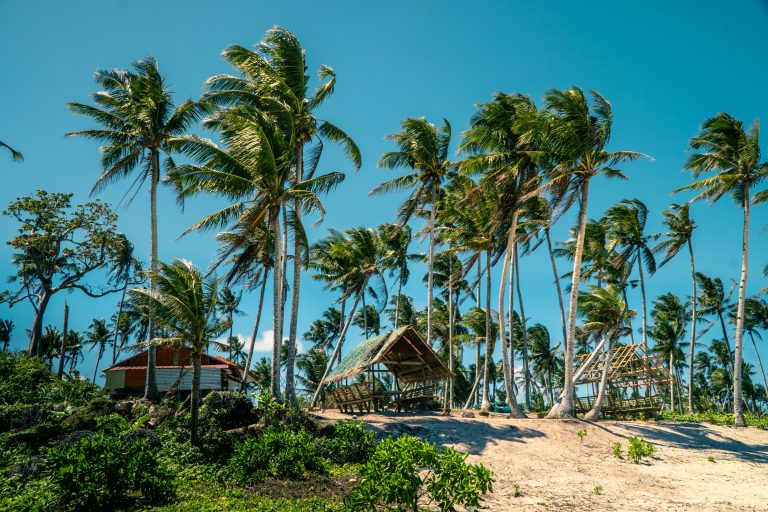
The coast feels like another country. The SGR train runs from Nairobi to Mombasa, a Swahili port city with Fort Jesus and an Old Town of carved doors and mosques. South of it, Diani has a long white beach, kitesurfing and the reef. North, Watamu has marine parks and the ruins of Gede, while Lamu is a car-free island town reached by plane, where donkeys and dhows still do most of the work.
A typical first trip runs Nairobi, a three-day group safari to the Mara, a day or two at Naivasha, then the train to the coast for a week on the beach. Two weeks covers that comfortably. Three lets you add Amboseli, Mount Kenya or Lamu. Be aware of a few things before you go: you need an eTA and, since October 2026, a government travel health policy before you fly, and the far north-east near Somalia is off-limits on UK government advice.
Where to go in Kenya
Most routes run Nairobi to the parks of the Rift Valley and the Mara, then down the railway to Mombasa and the beaches either side of it. Lamu, Amboseli and Mount Kenya are the add-ons for a third week.
Nairobi
The starting point for almost every trip, with rhinos and lions in Nairobi National Park against the skyline, the best food and nightlife in East Africa, and the safari operators for the Mara and Amboseli.
As usual, Nairobi is a nice town. I will also love it in all aspects
A long white beach south of Mombasa with a coral reef, kitesurfing, colobus monkeys in the roadside trees and the strongest backpacker scene on the coast.
Diani is so chilled, the people are wonderful, and the wildlife is unbelievable
A safari is the reason most people book, but plenty of travellers end up remembering the coast or the Rift Valley lakes just as fondly. Decide how many park days you can afford and build the rest of the trip around them.
Safari and wildlife in Kenya
The Mara's migration and big cats, elephants in Amboseli, rhinos at Lake Nakuru and Ol Pejeta, and cheap walking safaris at Hell's Gate.
The Maasai Mara is Kenya's headline act. From around July the wildebeest and zebra herds of the Serengeti-Mara migration move north into Kenya, and the famous Mara River crossings usually happen between July and October, before the herds head south again. Outside migration season the Mara still has some of the best big-cat viewing in Africa, and park fees halve from January to June. Most backpackers go on a three-day group safari from Nairobi, which is five to six hours each way by road.
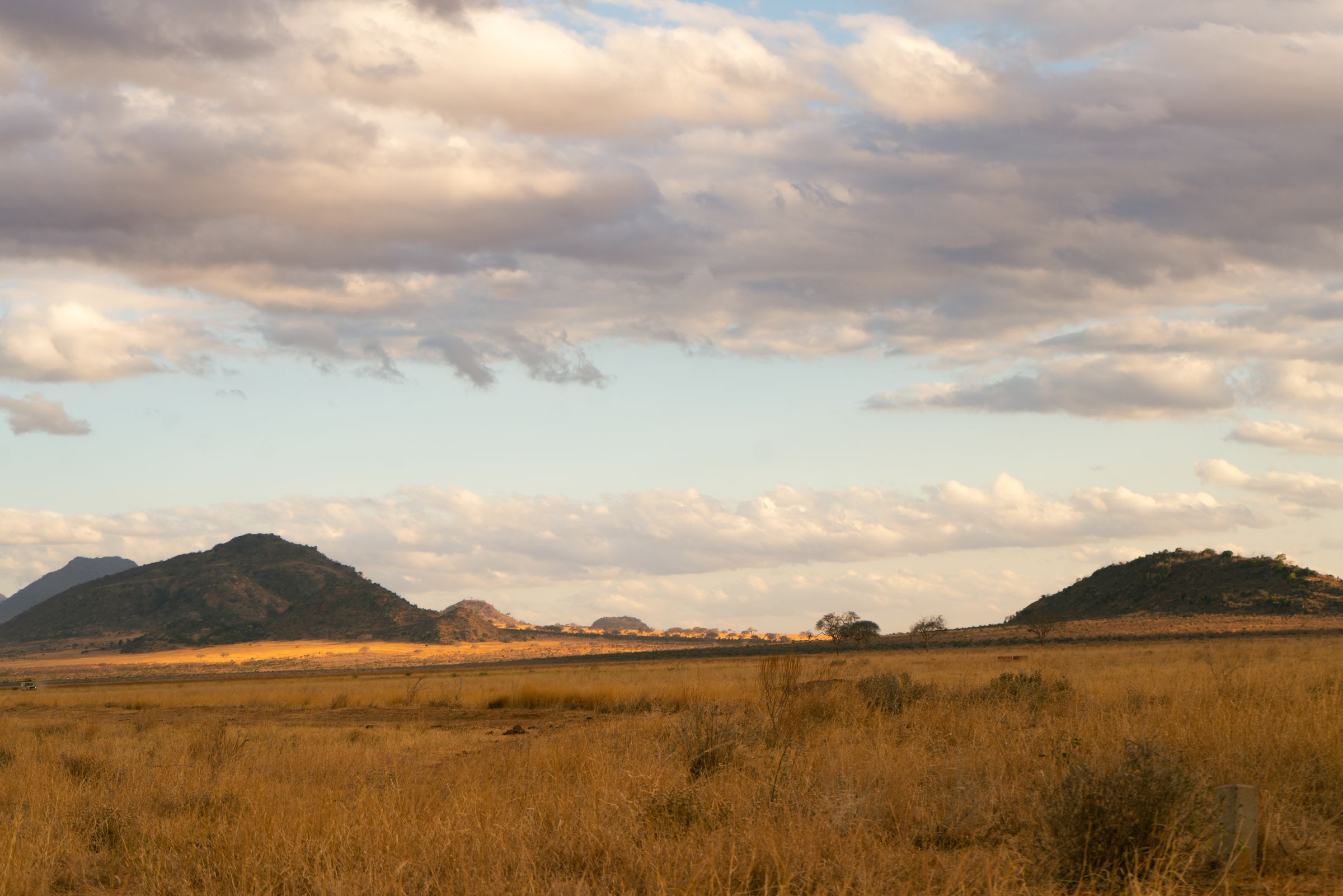
Amboseli is the classic photo of elephants with Kilimanjaro behind them (the mountain is in Tanzania, and often hidden in cloud by late morning). Lake Nakuru is good for rhinos and flamingos, and Tsavo East and West are huge, empty and easy to combine with the train, since the SGR stops at Voi. Nairobi National Park, on the edge of the capital, lets you see rhinos and lions with the city skyline behind them.
For a cheap wildlife day, Hell's Gate near Naivasha is one of the few parks where you can walk or cycle among zebras, giraffes and buffalo, and its gorge is a popular hike. Mount Longonot, a volcano next door, is a steep half-day climb around the crater rim. Both cost US$50 in conservation fees, a quarter of the Mara's peak price.
Mount Kenya is a serious multi-day trek, usually to Point Lenana (4,985 m) via the Sirimon, Chogoria or Naro Moru routes from Nanyuki, and you need a guide. On the coast, snorkel the marine parks at Watamu, Malindi or Kisite-Mpunguti near Shimoni, learn to kitesurf in Diani, and walk the Old Towns of Mombasa and Lamu. Kenya now has eight UNESCO World Heritage Sites, including Fort Jesus, Lamu Old Town and, since 2024, the Swahili ruins of Gedi near Watamu.
Food and drink
Nyama choma, chapati and Swahili spice
Kenyan food is filling, cheap and built around a few staples. Ugali, a stiff maize porridge you tear and scoop with your right hand, comes with almost everything, along with sukuma wiki (braised kale) and a stew of beef, chicken or beans. Chapati, the soft, flaky flatbread brought over by Indian railway workers, is everyone's favourite side, and githeri (maize and beans) is the budget lunch of students and office workers.
Nyama choma, grilled goat or beef sold by the kilo and chopped at your table, is the social meal. It comes with kachumbari (tomato and onion salad) and a cold Tusker, and a weekend nyama choma joint is the easiest way to see Nairobi relax. Street food covers the gaps: roasted maize, mutura (a spiced sausage), samosas, mandazi (lightly sweet fried dough) and smokie pasua, a hot sausage split and stuffed with kachumbari.
The coast is where the food gets interesting. Swahili cooking mixes African, Arab, Indian and Persian flavours, so expect coconut fish curry, pilau rice heavy with cardamom and cloves, biryani, grilled octopus and mahamri (cardamom doughnuts) with chai in the morning. Mombasa's Old Town and Lamu are the places to eat it, and viazi karai (battered spiced potatoes) and mishkaki (meat skewers) are the evening street snacks.
Chai is drunk everywhere, boiled with milk, sugar and often ginger, and Kenyan coffee is excellent, though most of the best is exported. Tusker, White Cap and Guinness are the standard beers. Don't drink the tap water: buy bottled or bring a filter bottle. In local cafés (called hotelis), a plate of ugali or rice with stew and greens costs a couple of euros, and even mid-range restaurants in Nairobi rarely go far above Western European café prices.
Nightlife
Westlands nights and Diani beach bars
Nairobi has the best nightlife in East Africa and it's very much a local scene, not a tourist one. Westlands is the main strip of bars, clubs and rooftop lounges, and it's busiest from Thursday to Saturday. Kilimani and the area around Ngong Road have quieter bars and live music, while Karen and the suburbs are about long weekend afternoons in gardens. Expect Afrobeats, amapiano, bongo flava from Tanzania and gengetone, Nairobi's own fast, Sheng-language take on hip hop.
Things start late and end later, and plenty of Nairobi's social life happens over nyama choma and beer on a Sunday afternoon rather than in clubs. Ask at your hostel which places are popular that week, since the best spots change fast.
On the coast, Diani's beach bars and hostel bars are the backpacker scene, with full-moon parties and sundowners on the sand, and Watamu and Malindi have a few late beach clubs. Mombasa's nightlife is mostly along the north coast around Nyali and Bamburi. Lamu is quiet, conservative and mostly dry outside a few hotels and Shela village, which suits most people who go there.
Keep a few rules. Take Uber or Bolt door to door at night, even for a few hundred metres, and agree a plan for getting home before you go out. The FCDO warns about drinks and food being spiked, so never accept them from strangers and watch your glass. Smoking is banned in public places outside designated areas, and drug penalties are heavy. Dating apps have been used to set up robberies, so meet new people in busy public places.
Getting around
The SGR train, matatus and the odd small plane
The Madaraka Express, usually just called the SGR, is the best way between Nairobi and Mombasa. Three trains leave each end daily: the 8am Inter-County stops at every station, while the 3pm express and the 10pm night train stop only at Voi. The express takes about six hours. Economy costs KSh1,500 (about €10) and first class KSh4,500 (about €31). Book on metickets.krc.co.ke and pay by M-Pesa. Both termini are out of town, at Syokimau in Nairobi and Miritini in Mombasa, so allow time for the link train or a taxi, and arrive 60 minutes early for security checks, since gates close 10 minutes before departure.
Matatus are the minibuses that move most Kenyans, often painted with murals and playing music loud enough to feel. In Nairobi, short rides cost roughly KSh20 to KSh100 (under €1), paid to the conductor, and many now take M-Pesa. Fares rise at rush hour and in the rain. They're cheap and a real experience, but the FCDO warns of serious accidents and occasional hijackings, so avoid long-distance matatus and night rides.
For longer trips, coach companies such as Tahmeed, Ena Coach and Coast Bus run Nairobi to Mombasa in around eight hours from about US$20, and buses also connect Nairobi with Nakuru, Kisumu and Nanyuki. Uber and Bolt work in Nairobi and Mombasa and are the standard way around at night. Boda bodas (motorbike taxis) are quick for short hops, but insist on a helmet.
Some places are worth flying to. Lamu must be reached by air on FCDO advice, with daily Jambojet flights from Jomo Kenyatta International (about 1 hour 20 minutes) and small planes from Nairobi's Wilson Airport. Safari airlines also fly into airstrips in the Mara and Amboseli, at a price. From JKIA into Nairobi, use the Expressway or Mombasa Road, not the old airport road. Kenya drives on the left, and driving after dark outside cities is best avoided.
Costs
Cheap days, expensive park gates
Kenya is two budgets in one. A day in Nairobi or on the coast, sleeping in a dorm, eating at local cafés and riding matatus, can come in around €25 to €35. A day inside a national park can cost five or ten times that, because conservation fees are charged per person per day in US dollars and you also need a vehicle, a driver and somewhere to sleep. Plan your park days first and fit the rest around them. The rate is around KSh145 to €1 (October 2026).
The Maasai Mara National Reserve charges non-residents US$200 (about €179) a day from July to December and US$100 (about €89) from January to June. The Mara Triangle, run separately by the Mara Conservancy, uses the same seasonal split, takes no cash, and its tickets run 6am to 6pm. Private conservancies bordering the reserve add their own nightly fees, often built into lodge rates. Kenya Wildlife Service parks cost US$90 for Amboseli and Lake Nakuru, US$80 for Nairobi National Park and Tsavo, US$70 for Mount Kenya, US$50 for Hell's Gate and Longonot, and US$25 for the marine parks.
A budget three-day group camping safari to the Mara from Nairobi starts at around US$300 to US$400 before park fees in 2026, so in peak season expect a real total of about €450 to €650 once two days of fees are added. Always check in writing whether fees are included, because a quote without them looks several hundred dollars cheaper. Low season, from January to June, is the easiest way to cut the bill.
M-Pesa runs the economy. Buy a Safaricom SIM at the airport with your passport and you can register for M-Pesa at a Safaricom shop, then pay for train tickets, matatus, park fees and market stalls by phone. Cards work in malls, hotels and bigger restaurants, and ATMs are common in towns. Carry small notes for tips, matatus and rural areas.
Safety
Know the red zones, then relax
Most of the places travellers go in Kenya, including Nairobi, the Rift Valley, the Mara, Amboseli and the coast from Diani to Watamu, are outside the areas where the UK Foreign Office advises against travel. The restricted areas are in the north-east, near the Somalia border, and they are serious: the FCDO advises against all travel to Mandera County, to parts of Wajir County (including anywhere within 60 km of the border), to most of Garissa County, and to Lamu County except Lamu Island and Manda Island.
Lamu needs particular care. The islands themselves are fine to visit, but the FCDO says not to travel there by road: fly into Manda airport and take the short boat across. It also advises against all but essential travel to Garissa Town, to Tana River County north of the river as far as Saka, and to the coastal strip within 15 km of the sea between the Tana and Galana rivers. The FCDO rates the terrorism threat across Kenya as high, and travel against its advice can invalidate your insurance.
In cities, the main risk is crime. The FCDO lists Nairobi's CBD, Eastleigh and informal settlements such as Kibera and Mathare as higher risk, along with Mombasa's Old Town and the area around the Likoni ferry. Don't walk around with your phone out, use Uber or Bolt after dark, and be wary of anyone claiming to be police or security without ID. Protests are common in Nairobi and can turn violent, so keep away from political gatherings.
Out in the wild, take the rules seriously. Don't swim in rivers or lakes in parks, follow your guide on walking safaris, and expect altitude problems on Mount Kenya. Same-sex relationships are illegal and public affection can lead to arrest. In October 2026 Kenya confirmed an imported Ebola (Bundibugyo) case linked to the outbreak in DR Congo; authorities say there is no local outbreak, but expect health screening at airports and check the latest advice before you fly. Dial 999 in an emergency.
Entry and documents
An eTA, a new insurance policy and six months on your passport
Kenya no longer issues visas on arrival to most visitors. Instead, nearly everyone from outside Africa, including UK, EU, US and Australian passport holders, needs an Electronic Travel Authorisation (eTA) before flying. Apply only on the official site, etakenya.go.ke, where the standard fee starts at US$30 (about €27), with an expedited option for an extra US$100. Processing usually takes about three working days, but the UK government recommends applying at least two weeks ahead. You can't board without approval.
An eTA is valid for 90 days from issue and is normally single entry, though Kenya's embassy says you can re-enter on the same eTA after a trip to another East African Community country such as Tanzania or Uganda. Since 2025, citizens of East African Community states and almost all other African countries are exempt from the eTA.
The big change for 2026 is compulsory travel health insurance. Since early October 2026, most visitors staying less than 12 months must buy Kenyan government inbound health cover, either during the eTA application or separately through the eCitizen insurance portal. The base price is US$44 (about €39), and travellers report totals nearer US$52 once fees are added. The FCDO says the policy lasts 90 days and covers multiple entries, and your own travel insurance doesn't replace it. A Kenyan court has dismissed a challenge to the rule, so treat it as permanent, and still bring your own insurance for evacuation and activities.
Your passport needs at least six months' validity from arrival and, on UK advice, two blank pages. Bring a yellow fever certificate if you're arriving from a country with yellow fever risk, which includes Tanzania and Uganda for overland travellers. Drones need prior approval from the Kenya Civil Aviation Authority, and you'll be asked to declare goods that may be restricted.
When to go to Kenya
Kenya sits on the equator, so it's warm all year and the seasons are about rain, not temperature. The long dry season from late June to October is peak safari time and brings the migration to the Mara. January and February are also dry and quieter. The long rains (March to May) and short rains (November and December) make some roads muddy but bring green landscapes and lower prices.
27°
Jan
Dry, warm, good for safaris and beaches
27°
Feb
Dry and quieter, Magical Kenya Open
28°
Mar
Long rains begin, Safari Rally in Naivasha
26°
Apr
Wettest month, low prices
25°
May
Rains ease late in the month
24°
Jun
Dry season starts, Mara fees still low
24°
Jul
Migration arrives in the Mara, peak fees
24°
Aug
Peak river crossings, book early
26°
Sep
Crossings continue, fewer families
27°
Oct
Herds start south, good value
25°
Nov
Short rains, Lamu Cultural Festival
26°
Dec
Short rains ease, busy at Christmas
Bar height is temperature. Colour is how busy it gets:quietbusypeak
Average highs are Nairobi figures (1991–2020 normals at Jomo Kenyatta International Airport, 1,615 m, via Wikipedia), rounded. Nairobi is cool for its latitude because of its altitude; the coast at Mombasa and Diani is several degrees warmer and more humid year round. Crowd scores are our own rough guide, driven by migration season and the Christmas holidays.
What a day in Kenya costs
Pick a travel style and the number of nights for a rough total. Safari park fees, game drives and flights come on top.
Our estimates in euros per day for Nairobi and the coast, based on dorm beds, local cafés, matatus or ride-hailing and the occasional paid sight, at around KSh145 to €1. A single day in the Maasai Mara costs US$200 in park fees alone from July to December, and a three-day budget safari is usually €450 to €650 in peak season once fees are added.
—
Beds—
Food and drink—
Getting around—
Doing things—
What's on
Festivals and events in Kenya
Kenya's calendar mixes world-class sport with Swahili festivals on the coast. Hostels in Naivasha fill up for the Safari Rally, and Lamu's guesthouses book out for its cultural festival, so plan ahead if your dates overlap.
Staff pick
3–7 November
Changamka Kenya Shopping Festival
Nairobi
Celebrate Kenyan innovation and craftsmanship at the Changamka Kenya Shopping Festival, where local manufacturers present a wide array of high-quality products. This event is…
Staff pick
15–25 October
NBO Film Festival
Nairobi
The NBO Film Festival in Nairobi, Kenya, is a dynamic celebration of African and African Diaspora cultures, dedicated to showcasing powerful storytelling through film.…
Staff pick
24 Oct – 8 Nov
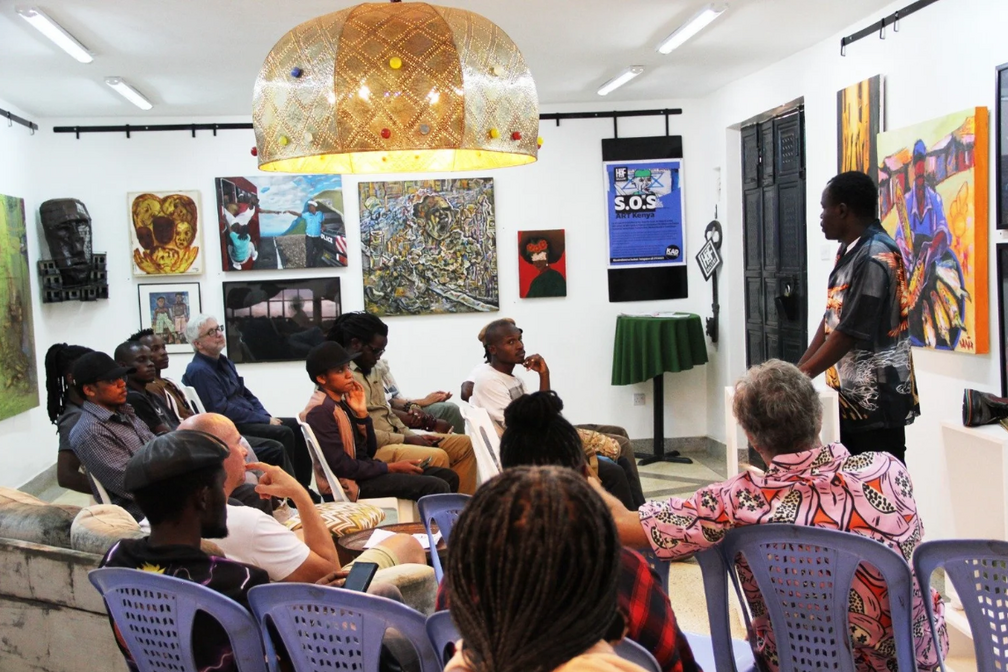
Nairobi Arts Biennale
Nairobi
The Nairobi Arts Biennale in Nairobi, Kenya, stands as a dynamic celebration of contemporary and historical art, inviting artists, collectives, galleries, and cultural leaders…
Staff pick
25 October
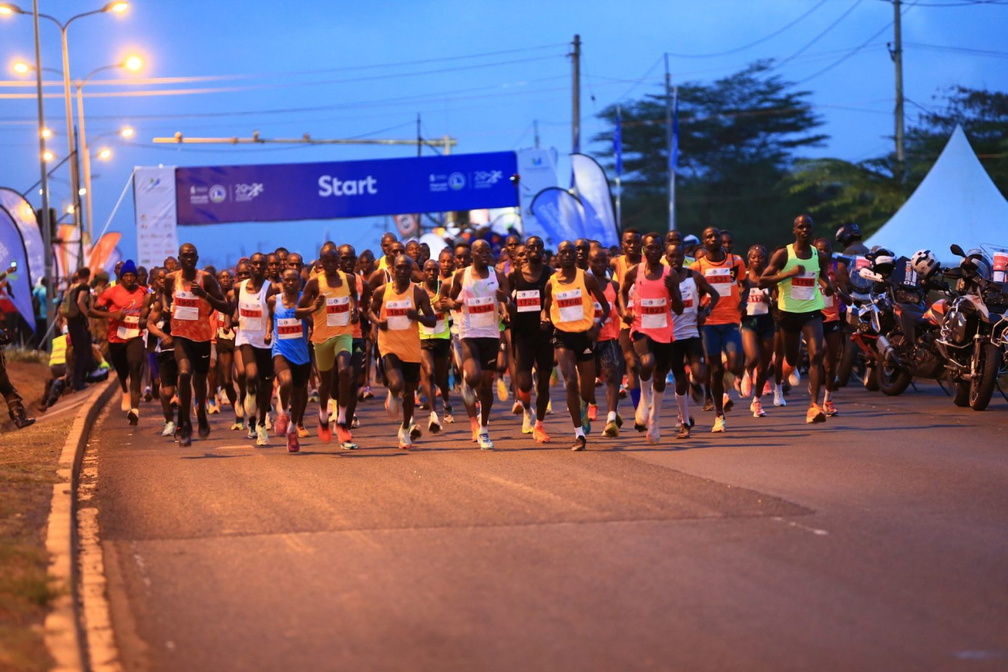
Nairobi Marathon
Nairobi
The Nairobi Marathon is a prestigious annual event that draws runners from around the world to Kenya's bustling capital. With a scenic course that…
Staff pick
19–22 November
Kenya Homes Expo
Nairobi
The Kenya Homes Expo is recognized as the largest homes and property showcase in East and Central Africa, drawing over 40,000 visitors during each…
Staff pick
3–5 December
Africa Beauty Show
Nairobi
Africa Beauty Show in Nairobi, Kenya, is the leading festival for beauty, personal care, and lifestyle enthusiasts, bringing together top brands, industry professionals, and…
Staff pick
17–19 December
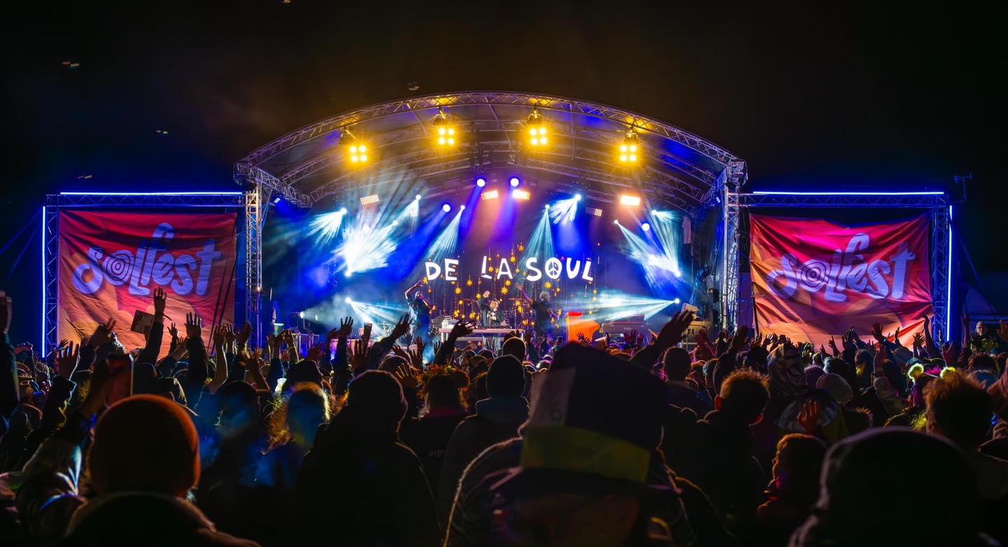
SolFest
Nairobi
SolFest in Nairobi, Kenya, is a leading music festival that brings together top African artists and celebrates the continent’s rich musical heritage. Known for…
Staff pick
13–14 November
Ms Understood Festival
Nairobi
Ms Understood Festival in Nairobi, Kenya, invites you to a two-day celebration focused on connection, self-expression, and community. Enjoy engaging conversations, interactive games, a…
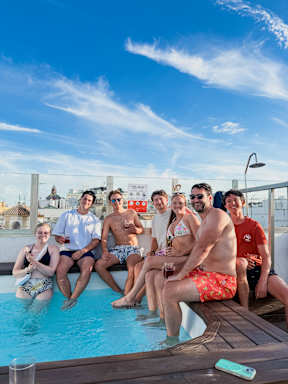
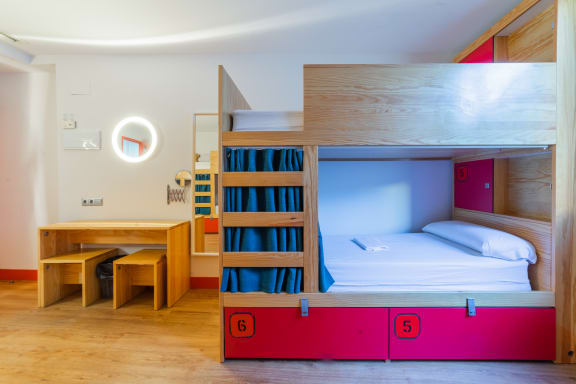
Kenya's hostels cluster in Nairobi, Diani, Watamu and around Lake Naivasha, and many of them double as safari booking desks. Expect gardens, campsites, bars and the odd pool rather than big city party hostels. Book ahead for July to October and over Christmas.
Entry rules, park fees and safety advice change. Check the official sources before you travel.
Is Kenya safe for backpackers?+
Most travellers visit without problems, and the main tourist areas (Nairobi, the Rift Valley, the Mara, Amboseli and the coast from Diani to Watamu) are outside the FCDO's restricted zones. The UK advises against travel to the north-east near Somalia and to Lamu County outside Lamu and Manda islands. In cities, use Uber or Bolt after dark, keep your phone out of sight and avoid protests.
Do I need a visa for Kenya?+
UK, EU, US and Australian passport holders need an Electronic Travel Authorisation (eTA) from the official site, etakenya.go.ke, before flying. It costs from US$30, usually takes about three working days, and is valid for 90 days from issue. Since October 2026 you also need Kenya's compulsory government travel health insurance, which costs US$44 before fees.
What is Kenya's new mandatory travel insurance?+
Since early October 2026, most visitors staying under 12 months must buy a Kenyan government inbound health policy, either in the eTA application or separately on the eCitizen insurance portal. The base price is US$44 and the FCDO says it lasts 90 days with multiple entries. Your own travel insurance does not replace it, but you still need your own for evacuation, activities and belongings.
When is the best time to see the Great Migration in Kenya?+
The herds usually arrive in the Maasai Mara around July, and the Mara River crossings happen mainly between July and October, before the animals head south to Tanzania again. Crossings depend on rain, so nobody can promise one on a particular day. This is also peak season, when Mara fees are US$200 a day.
How much does a budget safari in Kenya cost?+
A three-day group camping safari to the Maasai Mara from Nairobi starts at around US$300 to US$400 per person before park fees in 2026. Add US$200 a day in fees from July to December, or US$100 from January to June, and a realistic peak-season total is about €450 to €650. Always confirm in writing that park fees are included.
How do you get from Nairobi to Mombasa?+
Take the SGR Madaraka Express. Trains leave each city at 8am, 3pm and 10pm, the express takes about six hours, and economy costs KSh1,500 (about €10). Book on metickets.krc.co.ke and arrive an hour early. Coaches take around eight hours, and flights take about an hour.
How many days do you need in Kenya?+
Two weeks covers Nairobi, a three-day Mara safari, Lake Naivasha and a week on the coast at Diani or Watamu. Three weeks lets you add Amboseli, Mount Kenya or Lamu. With only a week, pick either a safari circuit or the coast rather than rushing both.
Is Kenya safe for solo female travellers?+
Plenty of women travel Kenya alone, mostly by joining group safaris, staying in hostels and using Uber or Bolt at night. Expect attention on the coast, dress modestly in Mombasa's Old Town and Lamu, and don't accept drinks from strangers. Hostels are the easiest place to find people to share safari costs.
Can I visit Lamu?+
Yes. The FCDO excludes Lamu Island and Manda Island from its advice against travel to Lamu County, but says you should fly rather than go by road. Jambojet flies daily from Nairobi's main airport in about 1 hour 20 minutes, and small planes go from Wilson Airport. From Manda airport it's a short boat ride to Lamu town.
Can I use M-Pesa as a tourist?+
Yes. Buy a Safaricom SIM with your passport (about KSh100 at the airport), then register for M-Pesa at a Safaricom shop and load cash at any agent. You can then pay for SGR tickets, matatus, park fees and shops by phone. Data-only eSIMs don't support M-Pesa.


















 Get the App.